Activision
CompanyUnited States
Documents about Activision
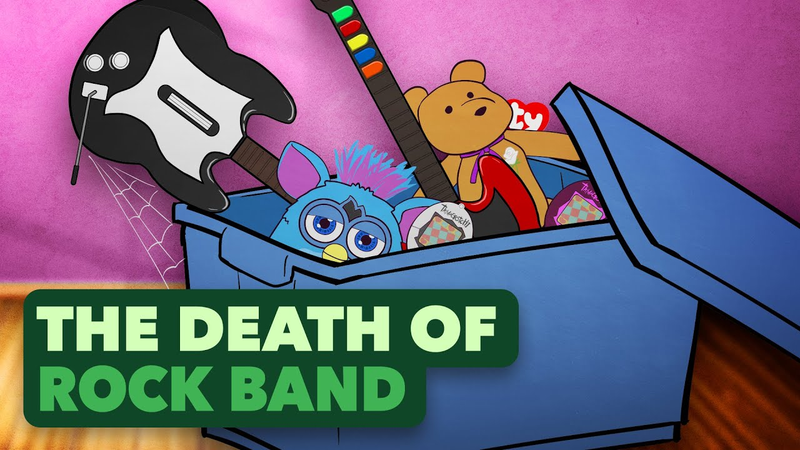
Rock Band: How a Genre Died in 5 Years
The rapid rise and collapse of the rhythm game genre between 2005 and 2010 represents a unique phenomenon in the video game industry, where a multi-billion dollar market segment effectively vanished within five years.
- The rhythm game genre collapsed between 2005 and 2010 due to extreme market oversaturation and a reliance on a hardware-centric business model that became unsustainable.
- Annual sales for the genre plummeted by 50 percent in 2009 as consumer demand for new plastic instrument peripherals evaporated.
- The market was diluted by a flood of spin-offs and band-specific titles, which eroded the appeal of the core experience and led to diminishing returns.
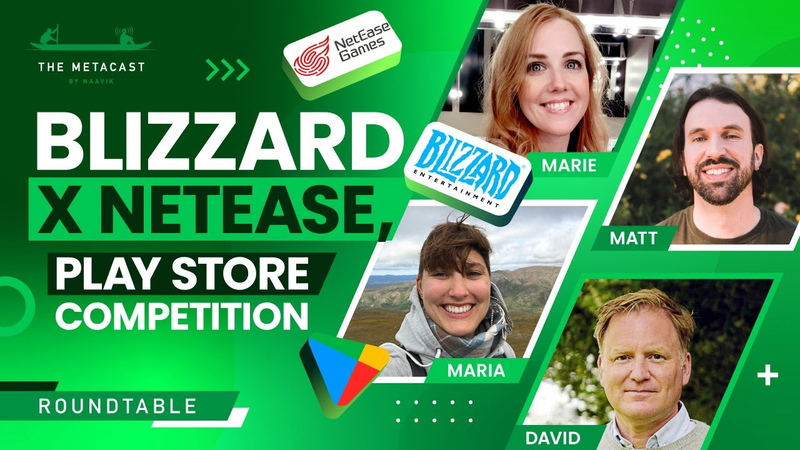
Why Blizzard Didn’t Renew NetEase Partnership and What’s Next? - The Metacast by Naavik
The gaming industry is currently undergoing a significant structural shift characterized by cross-platform expansion, the integration of generative AI, and intense scrutiny of platform distribution models.
- Google’s 'Project Hug' initiative utilized hundreds of millions of dollars in financial incentives to major developers like Activision Blizzard and Riot Games to discourage the development of competing app stores and maintain the 30 percent platform fee.
- The Blizzard-NetEase partnership collapsed primarily due to Blizzard’s demands for higher revenue shares and the pursuit of global mobile IP development, exposing the volatility of international publishing in restrictive regulatory environments.
- Mobile-first studios, exemplified by Gameloft’s Disney Dreamlight Valley, are increasingly adopting cross-platform strategies to reduce market volatility and expand their reach beyond mobile-only audiences.

TikTok’s Sticky Algorithm Plus Games Equals Success? - The Metacast by Naavik
Activision Blizzard and Ubisoft currently face significant operational hurdles as they navigate internal restructuring and shifting market expectations.
- TikTok is integrating mini-games directly into its ecosystem, utilizing its recommendation algorithm to blur the lines between social interaction and interactive entertainment.
- Google has implemented new policies restricting intrusive, full-screen interstitial ads on the Play Store, forcing a shift in monetization models for the hyper-casual gaming sector.
- Ubisoft is facing investor skepticism and stagnant stock performance, with analysts calling for a comprehensive cultural and portfolio reboot to improve execution.
LIVE | Roundtable News: Blizzard & Meta going down in flames
The gaming and broader technology sectors are currently undergoing a significant period of correction, transitioning from the rapid, pandemic-fueled expansion of recent years toward a more cautious focus on profitability and operational efficiency.
- The gaming and tech sectors are shifting from pandemic-era expansion toward a focus on profitability, operational efficiency, and workforce reductions.
- Major publishers like Activision Blizzard are offsetting declining monthly active user counts and reputational issues by leveraging aggressive microtransaction models and mobile-focused titles.
- Tech giants such as Meta are pivoting away from aggressive hiring due to investor pressure and declining advertising revenue.
Eric Kress: Dissecting The Video Game Market - The Metacast by Naavik
The video game industry is currently navigating a period of structural transition defined by a shift away from the era of aggressive consolidation and toward a focus on organic growth.
- The gaming industry is shifting from an era of aggressive M&A consolidation toward a focus on organic growth, driven by increased regulatory scrutiny that makes mega-deals like Microsoft-Activision difficult to finalize.
- Apple’s privacy policies have fundamentally dismantled traditional mobile user acquisition models, creating structural headwinds that persist beyond current macroeconomic conditions.
- Rapid, decentralized expansion strategies have proven risky, as evidenced by Embracer Group’s struggles with talent attrition and stagnant growth, and Take-Two’s acquisition of Zynga, which underestimated post-privacy market complexities.

two & a half gamers session #14 - How to read Ad mon data for beginners? ATT & player segmentation
The mobile gaming industry is currently navigating a period of significant structural shifts, characterized by aggressive consolidation, shifting investment priorities, and the maturation of post-privacy monetization strategies.
- Post-privacy revenue success is increasingly driven by internal player segmentation and in-game progression depth rather than reliance on external tracking data.
- Apple’s App Tracking Transparency (ATT) opt-in rates have stabilized at approximately 40–42% in key Western markets, indicating a predictable environment for post-privacy monetization.
- To maintain bidding efficiency and prevent latency, developers should limit ad placements to fewer than 43 per geography.
LIVE | Worker's Right in the Game Industry
The global game industry is currently navigating a period of profound instability, defined by the intersection of speculative financial technologies and a fundamental restructuring of labor relations.
- The game industry is experiencing a fundamental restructuring of labor relations, marked by widespread unionization and walkouts at major firms like Activision Blizzard to combat crunch and toxic management.
- A generational divide has emerged between younger workers prioritizing workplace culture and flexibility and industry veterans concerned that eroding traditional hierarchies may undermine mentorship and project stability.
- Blockchain-based gaming remains highly vulnerable to security risks, exemplified by the $600 million theft from Axie Infinity, where human error and social engineering often bypass technical safeguards.
Game Industry M&A in 2022 and Beyond! Miniclip, Drake Star Partners, & FunPlus Weigh In
The global gaming industry is undergoing a period of rapid, transformative consolidation, characterized by a shift toward platform-centric strategies and the pursuit of established intellectual property.
- The gaming industry is shifting toward a 'fewer, bigger, better' investment strategy, exemplified by major acquisitions like Microsoft’s purchase of Activision Blizzard and Take-Two’s acquisition of Zynga.
- Total deal values in the gaming sector are projected to reach $150 billion in 2022, though this growth is being tempered by cooling public markets and increased regulatory scrutiny.
- Rising user acquisition costs and mobile privacy changes are forcing companies to prioritize platform-centric strategies and the acquisition of established intellectual property.
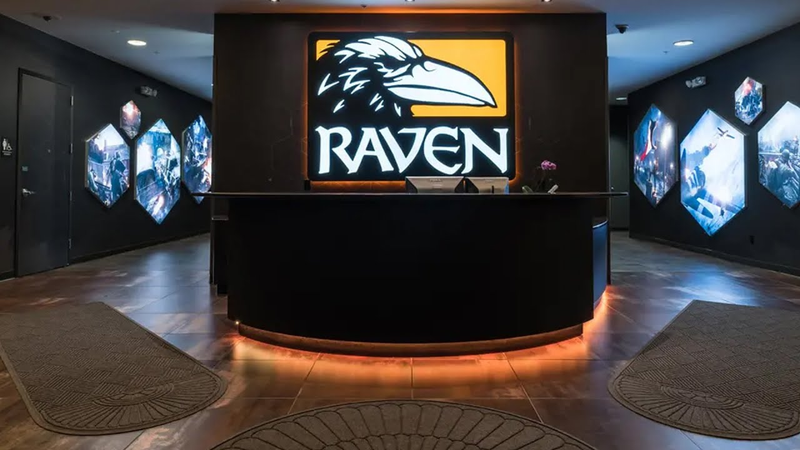
Raven QA are Unionizing | Games ReCAP
Quality assurance (QA) workers at Raven Software, a subsidiary of Activision Blizzard, have initiated a historic effort to form the first major North American video game industry union, known as the Game Workers Alliance.
- Raven Software QA workers have formed the Game Workers Alliance, marking the first major unionization effort in the North American video game industry.
- The organizing effort was triggered by a December 2021 strike following the non-renewal of contracts for several QA staff members.
- Activision Blizzard has countered unionization efforts by restructuring, including a 41% increase in minimum compensation for Raven QA staff and transitioning over 60% of temporary QA personnel to full-time roles.

two & a half gamers session #2 - UA & Creative trends 2022, Microsoft + ATVI, TOP10 gaming M&A
The gaming industry is currently undergoing a structural transformation defined by aggressive consolidation and a fundamental shift in user acquisition strategies.
- Microsoft’s $68.7 billion acquisition of Activision Blizzard marks a structural industry shift toward metaverse infrastructure and the consolidation of high-value intellectual property.
- Post-IDFA user acquisition strategies are shifting away from Facebook toward a diversified portfolio including TikTok, Google, and Unity to mitigate rising costs and declining performance.
- Developers are increasingly porting mobile titles to PC to reduce friction, expand revenue streams, and ensure sustainable growth beyond mobile-only ecosystems.
Roundtable News | Acquistions & VR Failures | Episode 293
The gaming industry is currently undergoing a period of intense consolidation, characterized by multi-billion dollar acquisitions such as Microsoft’s purchase of Activision Blizzard and Sony’s acquisition of Bungie.
- Major industry consolidation, exemplified by Microsoft’s acquisition of Activision Blizzard and Sony’s purchase of Bungie, is driven by the need to secure intellectual property and expand capabilities in mobile and live-service gaming.
- Large gaming entities are prioritizing long-term ecosystem stability and subscription service growth over immediate financial returns to mitigate the impact of escalating development costs.
- Meta’s Reality Labs division has incurred massive financial losses, signaling a failure to achieve mass-market adoption for its metaverse strategy.
Biggest Headlines of Last Year | Best of 2021 Part 3
The gaming industry in 2021 was defined by a tension between massive financial growth and significant structural instability.
- The Epic Games v. Apple legal proceedings revealed that Epic invested over $444 million into its PC store to challenge existing market structures.
- Financial data from the Epic v. Apple trial highlighted that console platforms like PlayStation and Xbox generated the vast majority of Fortnite revenue, dwarfing the earnings share from iOS.
- Activision Blizzard exemplified the industry's 2021 dichotomy, balancing robust financial performance from legacy and mobile franchises against severe internal cultural crises and talent attrition.