2015
Company
Documents about 2015
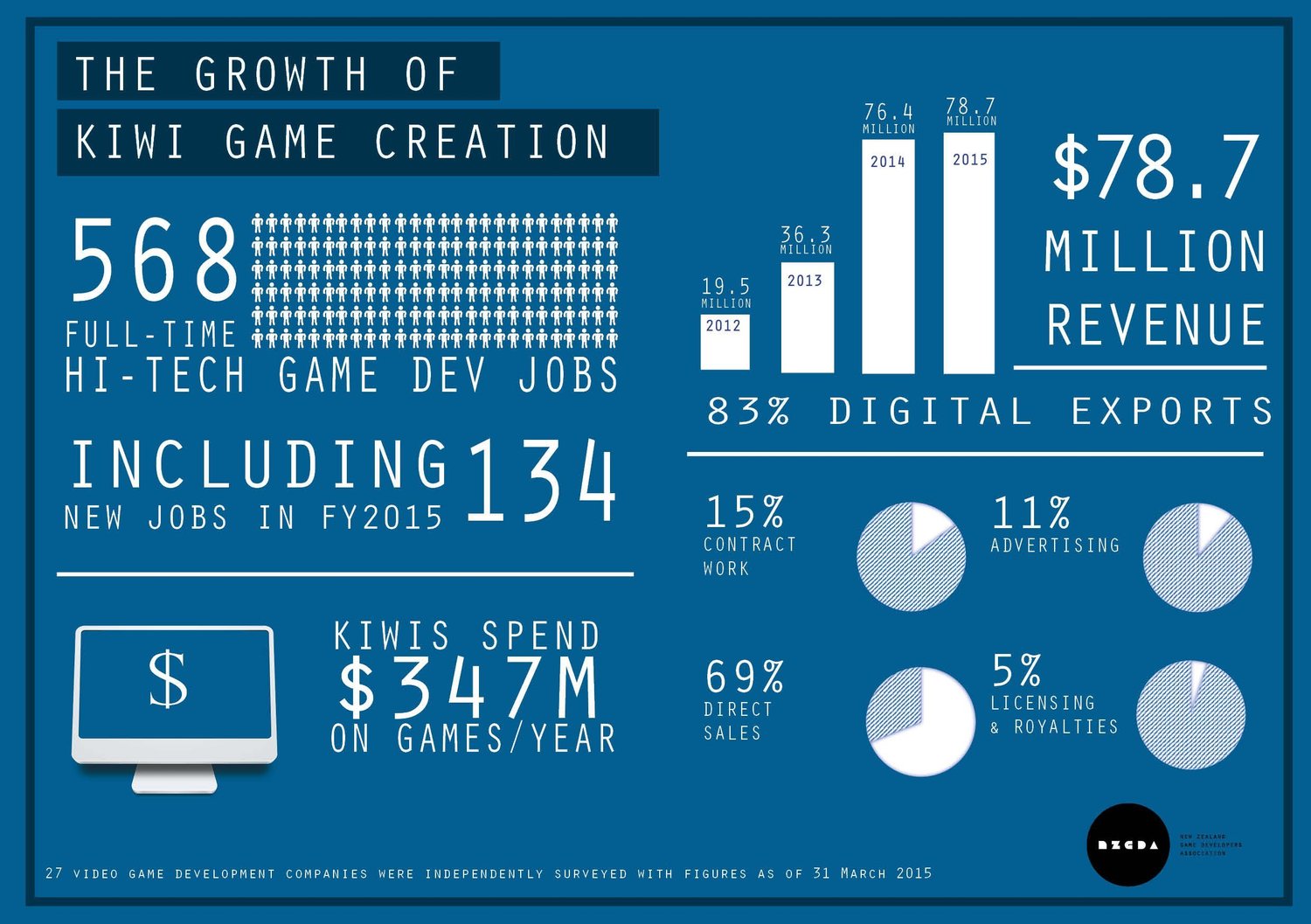
Jobs in New Zealand Games Industry: FY2015
New Zealand's video game sector added 134 high-tech creative jobs in the financial year ending 31 March 2015, bringing total full-time employment to 568, according to an independent survey commissioned by the New Zealand Game Developers Association.
- The New Zealand game development sector generated $78.7 million in revenue during FY2015, with 82% of that total derived from digital exports.
- Total full-time employment in the industry reached 568, following the creation of 134 new high-tech creative jobs during the 2015 financial year.
- While established studios continue to perform well, the sector's overall growth has slowed due to a lack of new business formation by local startups and international investors.
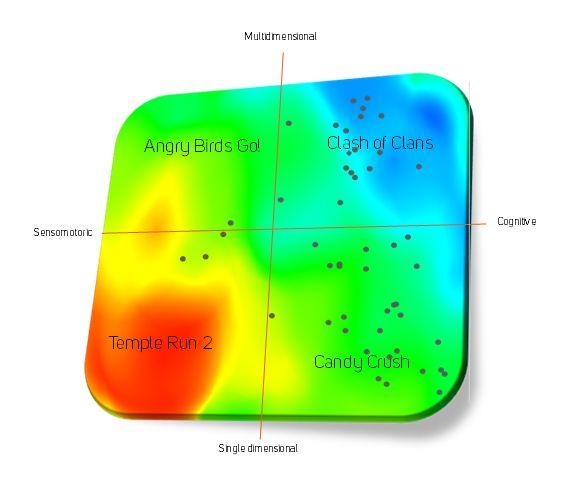
Game Refinery Fact Snippets Vol. 2: In-app Purchases
Mobile game design in the free-to-play era demands a more flexible way of classifying titles, and this 2015 installment of GameRefinery's series applies that framework to sensomotoric games in the US iOS market.
- Sensomotoric games, which focus on aiming and reaction-based mechanics, struggle more with monetization and retention in the current free-to-play market compared to slower-paced cognitive games.
- Developers should move away from being overly protective of hard currency by rewarding players with it through gameplay, such as leveling up or participating in tournaments, rather than requiring real-money purchases for every item.
- Incorporating non-linear level progression, such as offering special side stages alongside a main path, improves a game's chances of success by providing players with a sense of choice and freedom.
Launching a Free-to-Play Game: Strategies, Risks, and Pitfalls
Eric Seufert's August 2015 presentation, "Launching a Free-to-Play Game: Strategies, Risks, and Pitfalls," was delivered at GDC Europe in Cologne on August 4, 2015.
- The provided report content serves as a landing page for a 2015 GDC Europe presentation by Eric Seufert titled 'Launching a Free-to-Play Game: Strategies, Risks, and Pitfalls.'
- The core substance of the report is contained within an external PDF presentation file that outlines strategic frameworks for the free-to-play business model.
- The document functions as a resource hub for game developers, offering supplementary tools such as an Excel revenue model, a Python growth library, and guidance on mobile user acquisition.

App Store Price Tiers and Pricing Strategy
Apple's July 2015 revision to its App Store price tiers is the occasion for an analysis of how the tier system constrains in-app purchase pricing and what that means for global freemium strategy.
- Apple’s App Store price tier system restricts developers from performing granular, per-country price optimization, preventing them from fully capturing producer surplus across different global markets.
- Apple periodically adjusts its global price tiers to account for currency fluctuations and legislative changes, such as the 2015 VAT adjustments in the EU and currency-driven increases in Euro-denominated tiers.
- The introduction of 'low price' tiers in markets like India, Indonesia, Mexico, Russia, South Africa, and Turkey provides developers with more flexibility but fails to align with the significant purchasing power parity gaps between these regions and the US.
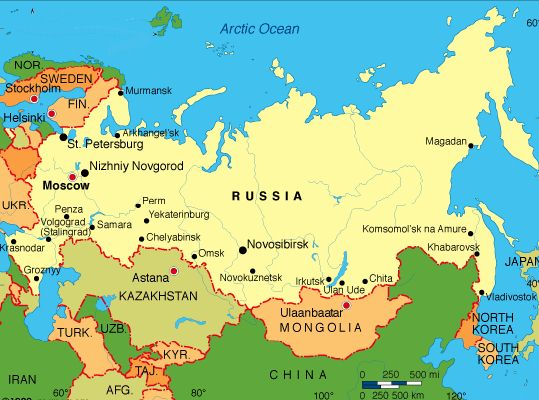
Facts and Figures about the Games Industry in Russia
Russia ranks among the world's largest video game markets, and a 2015 fact file from MCV, condensed here by the Flemish Games Association (FLEGA), outlines its market size, piracy trends, and shift toward free-to-play.
- Russia generated €1.03 billion in digital games revenue during 2014, accounting for half of the entire Eastern European market.
- The Russian free-to-play market was valued at €428 million in 2014 and is projected to grow to €492 million by 2018.
- Console revenue in Russia grew by 23% in 2014, driven by an increasing consumer shift toward legitimate retail channels and credit card payments.
Over 30,000 Gamers Have Taken Our Gamer Motivation Profile
Quantic Foundry's July 2015 post reports on the first weeks of uptake for its Gamer Motivation Profile, a self-scoring tool built on factor analysis of gamer survey data.
- Quantic Foundry’s Gamer Motivation Profile attracted over 30,000 unique users within the first three weeks of its launch.
- Facebook served as the primary driver of traffic, accounting for 83% of all visitors to the profile tool.
- User engagement was driven by viral social sharing, with one specific profile result generating 1,340 sessions.
How We Developed The Gamer Motivation Profile v2
Quantic Foundry's July 2015 post describes how it validated and refined its Gamer Motivation Profile into version 2, using survey data from roughly 30,000 gamers worldwide.
- Quantic Foundry refined its Gamer Motivation Profile using data from over 30,000 global respondents, confirming that the underlying factor structure of gamer motivations remains consistent across diverse geographic regions including the US, Brazil, Indonesia, and the EU.
- The updated framework categorizes 12 specific motivation factors into three high-level groups: Immersion (Fantasy, Story), Creativity (Design, Discovery), and Mastery (Challenge, Strategy), alongside an Action-Social branch.
- The model introduced a new 'Discovery' factor—defined by the desire to experiment and tinker with game worlds—which was paired with the existing 'Design' factor to form the new 'Creativity' cluster.

The Future of Match 3: What You Need to Know – Part III
Multi-dimensional match 3 games (MD3s), which fuse match 3 puzzle mechanics with RPG progression, are examined in this final installment of a three-part series on the genre.
- Multi-dimensional match 3 (MD3) games succeed by blending casual match 3 mechanics with RPG-style long-term progression, such as character collecting and enhancement loops.
- Successful MD3 titles frequently implement dynamic item or character pools, a feature that significantly differentiates top-grossing games in the US iOS market.
- Developers should introduce special levels and unique game modes, such as special dungeons, to provide horizontal content and break the linearity of standard progression.

Retargeting and LTV
Retargeting lapsed mobile app users should not be priced against the lifetime value (LTV) originally predicted for them, according to this 2015 analysis by Eric Seufert of Mobile Dev Memo.
- Retargeting lapsed users should be treated as a new acquisition investment based on future expected revenue rather than an attempt to recover historical LTV.
- Historical LTV predictions are irrelevant for reactivation campaigns because they do not account for the reasons a user churned or changes in the app's current market competitiveness.
- Marketers must calculate a new, specific LTV for reactivated cohorts, as the original LTV estimate for the user segment is no longer applicable.
Facts and Figures About Games Industry in Finland
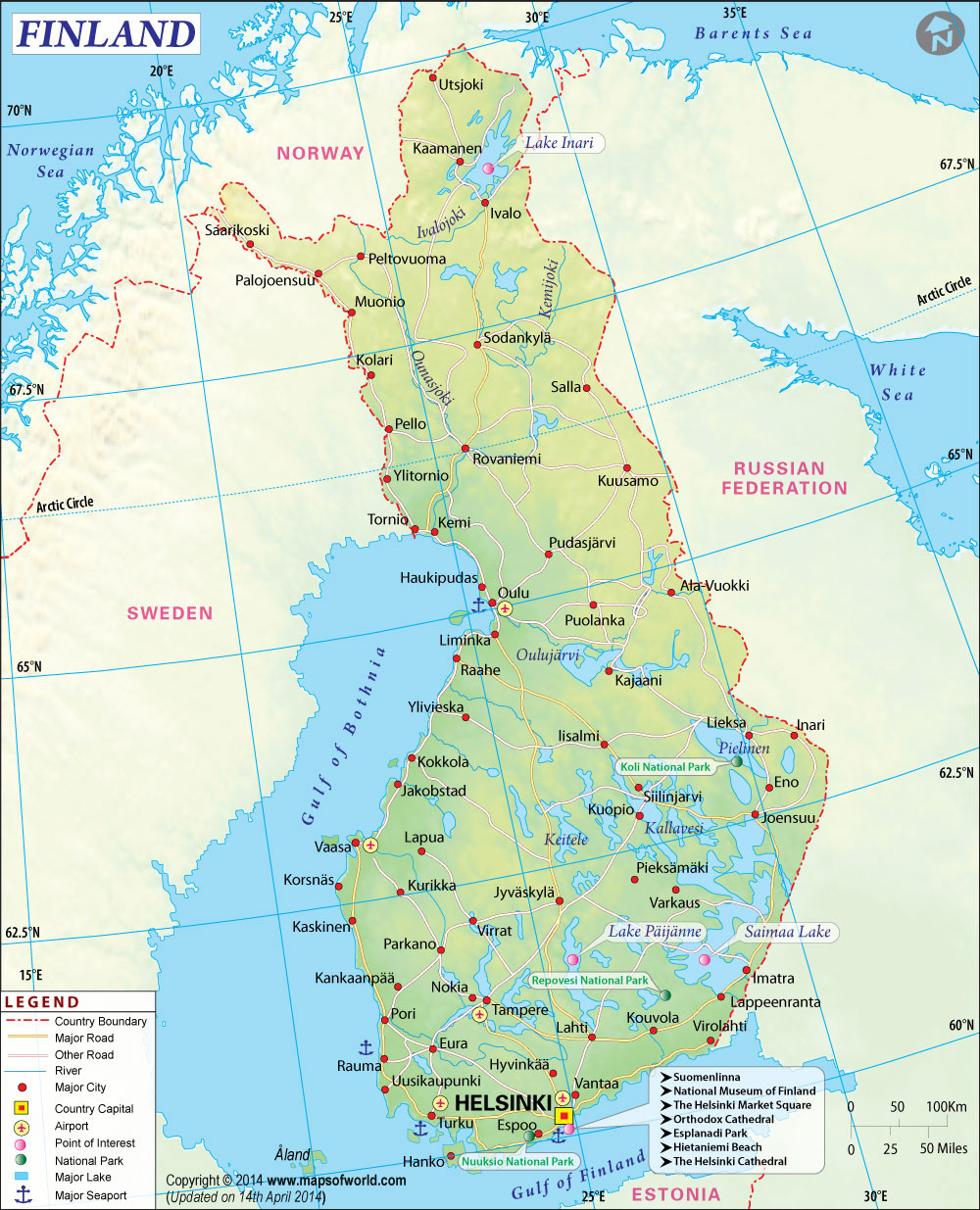
Finland's games industry in 2014–2015 is profiled as a sector best known for mobile dominance, anchored by Rovio (Angry Birds) and Supercell (Clash of Clans).
- Finland's games industry is heavily dominated by the mobile sector, anchored by major companies such as Rovio and Supercell.
- As of 2014, approximately 260 active development studios were operating in Finland.
- The industry is characterized by a high volume of startups, with an estimated 69% of all Finnish studios being less than five years old.
Game Refinery Fact Snippet Vol. 1: What Drives Success in Mobile Games
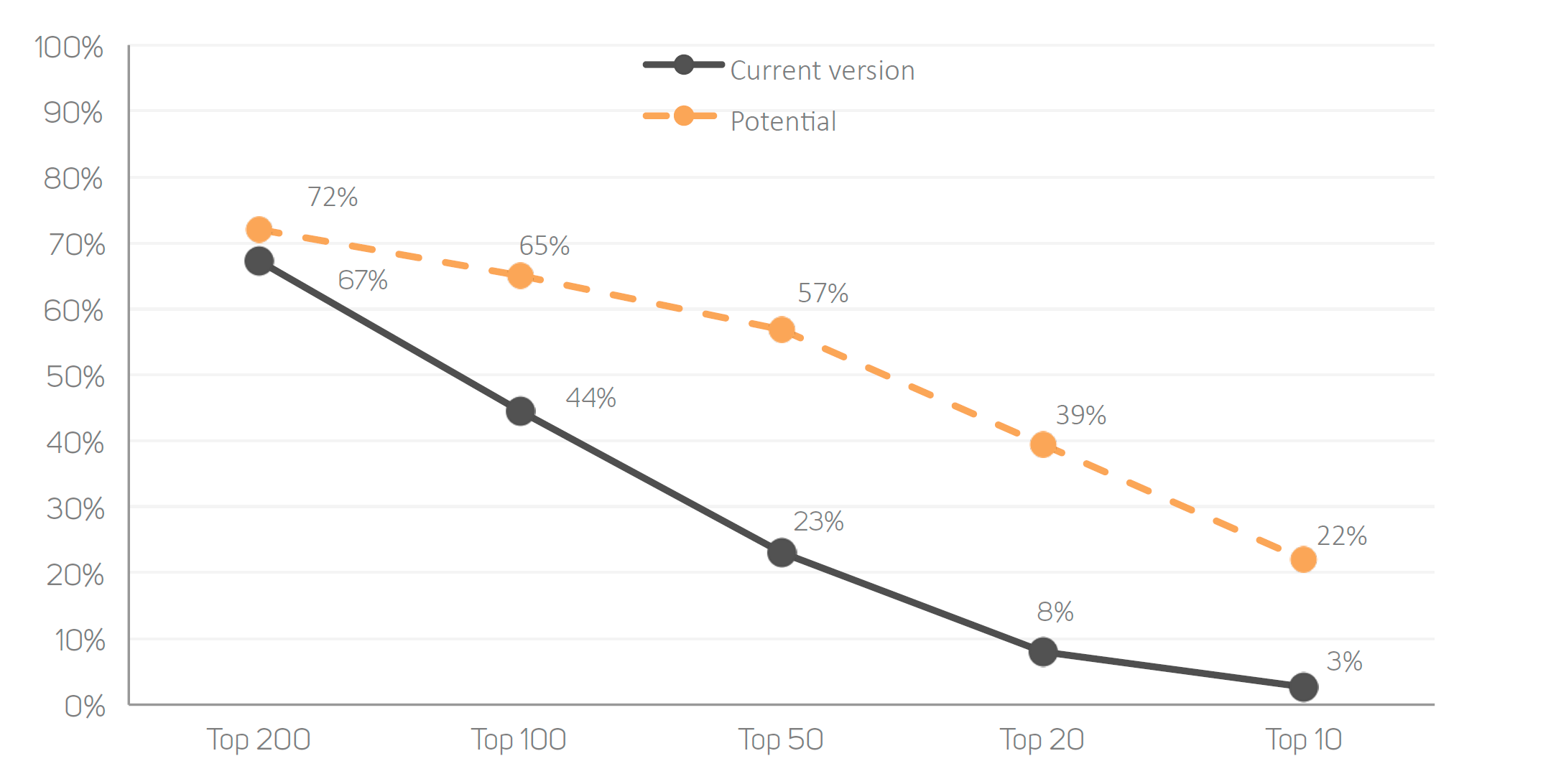
GameRefinery's first Fact Snippet examines which high-level game design themes best explain commercial success in mobile games, arguing that the market's rapid shift toward free-to-play and intensifying competition, with over 300,000 titles in the App Store and accelerating growth, demands a data-driven understanding of what…
- The three most critical drivers of mobile game success on the iOS US top-grossing chart are brand/publisher strength, core game mechanics, and the design of monetization/in-app purchase systems.
- Audiovisual quality and narrative elements are the least significant factors for long-term mobile game success, contrasting sharply with the high importance of graphics in console and PC gaming.
- Brand value is an increasingly vital competitive advantage in the saturated mobile market, where over 300,000 games compete for user attention.

Two Developers Made 14% of Mobile App Revenues in 2014
Mobile app revenue in 2014 was highly concentrated, with two game developers capturing an outsized share of the total.
- King Digital and Supercell combined to control 14% of the total mobile app economy market share in 2014.
- Annualized app revenue across the Apple App Store and Google Play totaled approximately $24.286 billion in 2014.
- Apple paid out $10 billion to developers in the 12-month period ending mid-2015, while Google paid out $7 billion to developers during the 2014 calendar year.