1 free read left. Create a free account for unlimited reading + AI research.
Create free accountArticle GameRefinery
1 free read left. Create a free account for unlimited reading + AI research.
Create free accountArticleGameRefinery
The mobile gaming industry faces intense competition, making brand value an increasingly vital competitive advantage. A data-driven approach to game design is necessary.
GameRefinery's first Fact Snippet examines which high-level game design themes best explain commercial success in mobile games, arguing that the market's rapid shift toward free-to-play and intensifying competition, with over 300,000 titles in the App Store and accelerating growth, demands a data-driven understanding of what makes games win. The piece, published in July 2015, opens a blog series intended to help developers, publishers, and investors make better design and investment decisions.
The analysis draws on GameRefinery's database of games, each coded for more than 150 features, yielding over 225,000 data points. Statistical modeling was used to measure how individual features explain a game's position on the iOS US top grossing chart, with success defined by that ranking. Results are presented as relative importance by theme, with all themes summing to 100%. The scope is therefore limited to a single platform and market, and the underlying numerical values are shown only in a graph.
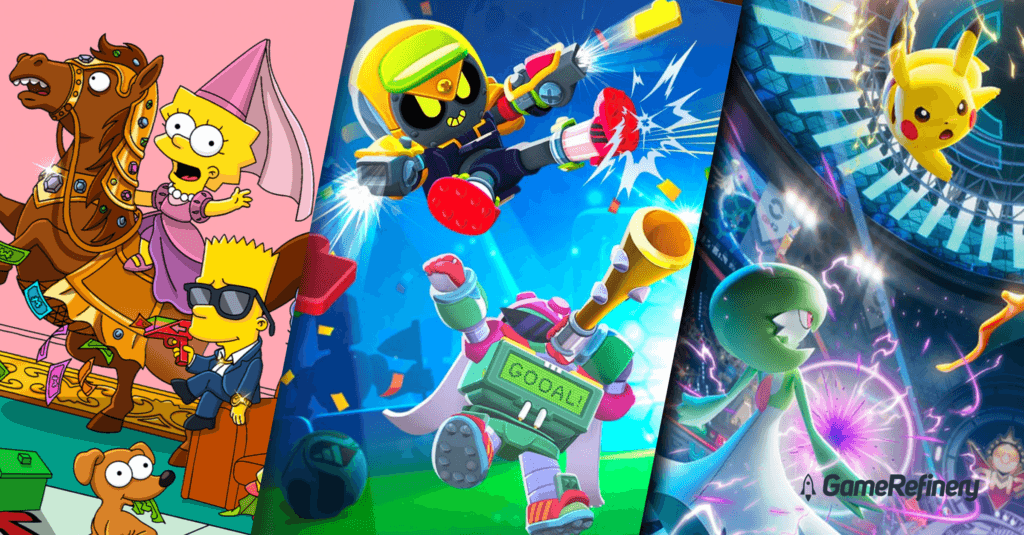
The central finding is that no single factor determines success. A well-known brand such as the Simpsons or Marvel cannot compensate for weak mechanics or poor progression systems. The three most influential themes are Brand & Publisher, game mechanics, and monetization design, meaning what can be bought and how. Audiovisual & Story ranks lowest, though it still matters. The authors conclude that graphics alone cannot sustain a mobile game for months or years, which contrasts with console and PC AAA titles where visuals carry more weight.
The article also contends that brand importance is rising and will likely continue to as competition tightens, comparing the dynamic to mature markets where brand accounts for a large share of value, as in Coca-Cola's brand representing roughly 44% of company value. Developers can license IP, build original game brands such as Candy Crush or Angry Birds, which is slower but cheaper and offers more control, or build a company brand. Supercell, with only three global launches, is cited as the leading example. Later installments will examine individual features and trends, such as the continuing value of friend high-score visibility.

GameRefinery · 2026
Two & a Half Gamers · 2026