User Acquisition reports and market data
Documents
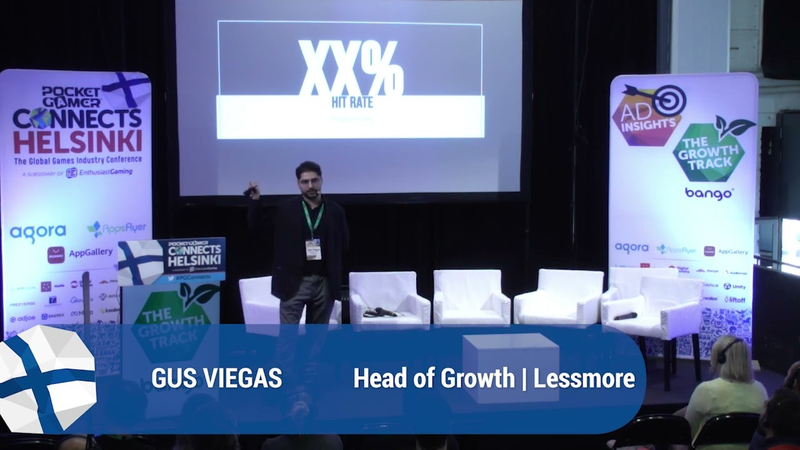
From Hyper to Casual & Merge - Gus Viegas, Lessmore
This analysis outlines strategic approaches to game development, soft launching, and user acquisition (UA) within the hyper-casual, casual, and merge game segments.
- Product quality is the primary driver of success, as user acquisition acts only as an amplifier for games that already demonstrate strong retention and monetization.
- Hybrid monetization is essential; developers should integrate rewarded ads into IAP-focused games and implement battle passes into hyper-casual titles to diversify revenue streams.
- Soft launches must follow a phased methodology, starting with technical stability before testing KPIs like retention and session time at scale to avoid the 'golden cohort' trap.

Recharging Your App Revenue with HAJAR NOREDDINE, adjoe
The mobile advertising landscape faces significant challenges, including revenue cannibalization, user churn, and inconsistent eCPMs.
- Implementing the Playtime time-based rewarded ad unit can generate a 20% increase in incremental ad revenue and a 20% boost in average revenue per daily engaged user, according to data from Gameloft.
- The platform utilizes an Android-based SDK to track gameplay duration in real time, allowing for immediate user rewards that scale as engagement time increases.
- An integrated engagement loop uses push notifications to drive user re-engagement with the original application up to 20 times per week.

Panel: Know Your Audience How To Choose Between Subscription or Ad Models -
The mobile gaming industry is shifting away from binary monetization strategies, moving toward sophisticated hybrid models that integrate subscriptions, advertising, and virtual goods to maximize revenue and user retention.
- Mobile game monetization is shifting from binary strategies to hybrid models that integrate subscriptions, advertising, and virtual goods to maximize both revenue and retention.
- Monetization frameworks must be embedded into the early stages of game design rather than treated as secondary features to ensure long-term sustainability.
- Developers should abandon one-size-fits-all approaches in favor of data-driven, personalized experiences that align with specific game genres and player behaviors.
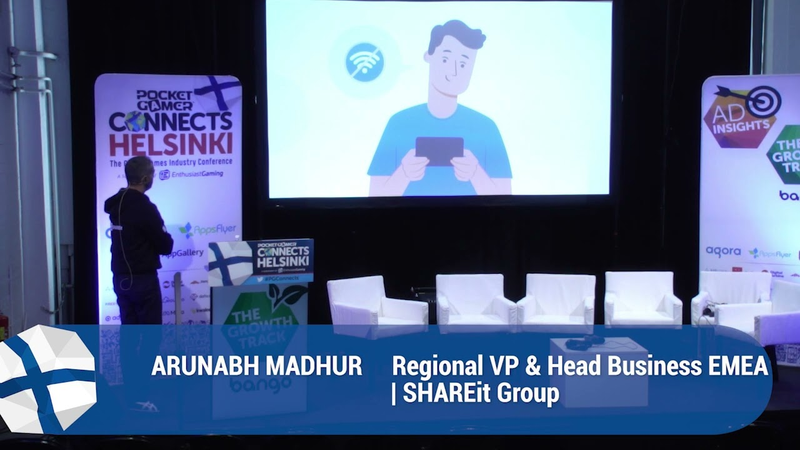
Discovery – Conversion – Retention All at Once! - ARUNABH MADHUR, SHAREit
SHAREit operates as a global peer-to-peer file-sharing utility and content platform, positioning itself as a significant, yet often overlooked, player in the mobile user acquisition ecosystem.
- SHAREit operates a global ecosystem with 2.5 billion users across 150 countries, functioning as a 'day zero' utility for app and file transfers without requiring internet connectivity.
- The platform's 'Game Center' hosts 2,500 to 3,000 titles, including APKs and HTML5 games, serving as a primary hub for user discovery and engagement.
- Advertisers can execute full-funnel campaigns—from awareness to performance-based installs—by leveraging device-specific data and usage patterns to create cohorts based on spending potential and interests.

Panel: Turning Ads Into Success Stories
Successful in-game advertising requires a delicate equilibrium between maximizing revenue and preserving player retention.
- Developers are shifting from intrusive ad models to native, non-clickable brand placements and rewarded videos to protect player retention while maximizing lifetime value.
- Post-ATT user acquisition strategies now rely on continuous creative testing and the use of early proxy signals to forecast long-term player retention.
- Monetization management has transitioned from manual waterfall processes to product-centric, automated bidding systems that utilize granular analytics for better user segmentation.
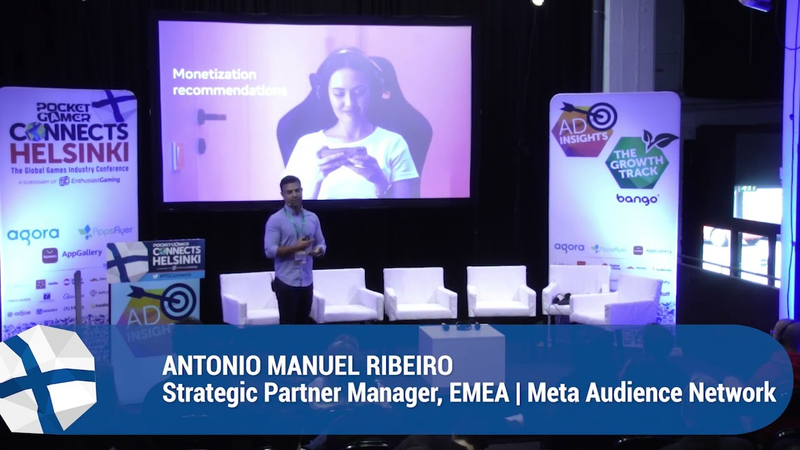
Ads, IAP & Beyond Supercharge Your Game Growth - ANTONIO MANUEL RIBEIRO, Meta Audience Network
This analysis examines the current state of mobile game monetization and growth strategies, drawing on a survey of over 500 gaming business decision-makers across 17 countries.
- Hybrid monetization is the industry standard, with 93% of publishers now integrating in-app advertising (IAA) alongside in-app purchases (IAP) to maximize revenue and retention.
- Rewarded video is the most effective ad format for 47% of publishers, and 39% of those surveyed reported that its implementation actually increased IAP revenue rather than cannibalizing it.
- 67% of publishers now align monetization and user acquisition strategies to segment audiences and tailor revenue models based on regional IAP penetration.
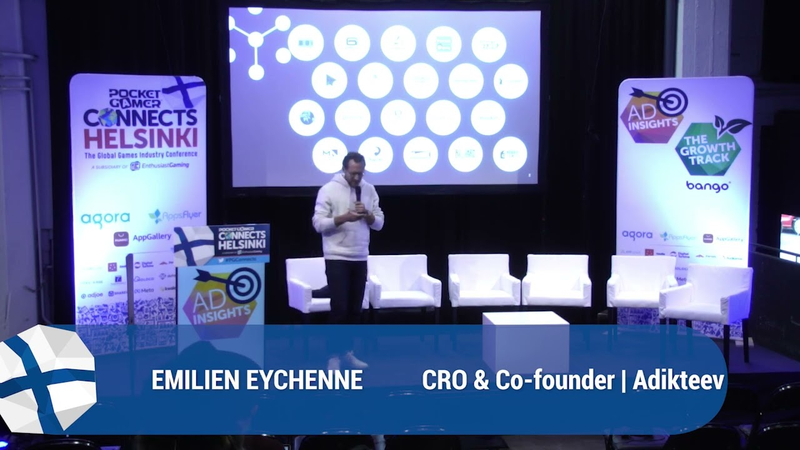
A New Way To Level Up Your Multi platform Strategy - EMILIEN EYCHENNE from Adikteev.
The mobile gaming industry faces significant challenges in user acquisition and monetization following the implementation of App Tracking Transparency (ATT) and increased market competition.
- Publishers are shifting focus toward maximizing the lifetime value of existing players to counter rising user acquisition costs and measurement difficulties following App Tracking Transparency (ATT) implementation.
- Approximately 40% to 60% of revenue remains untapped in many mobile games, representing a significant opportunity to drive repeat transactions among current paying users.
- Publishers are increasingly utilizing predictive modeling and affinity scores to identify potential churners and match them with relevant titles within their own portfolios, moving away from inefficient mediation platforms.

How Digital Turbine delivers user acquisition with Ron Alini
Digital Turbine operates as a comprehensive mobile growth platform, providing integrated solutions for user acquisition and ad monetization.
- Digital Turbine operates the DT Exchange, an independent ad mediation suite that integrates directly with over 80,000 mobile applications.
- The 'DT Off-the-Wall' format drives user retention by allowing players to earn virtual currency through native, non-intrusive in-game tasks rather than external redirects.
- Market efficacy is shifting away from traditional banners and interstitials toward rewarded video and offer walls, which prioritize user-centric engagement.
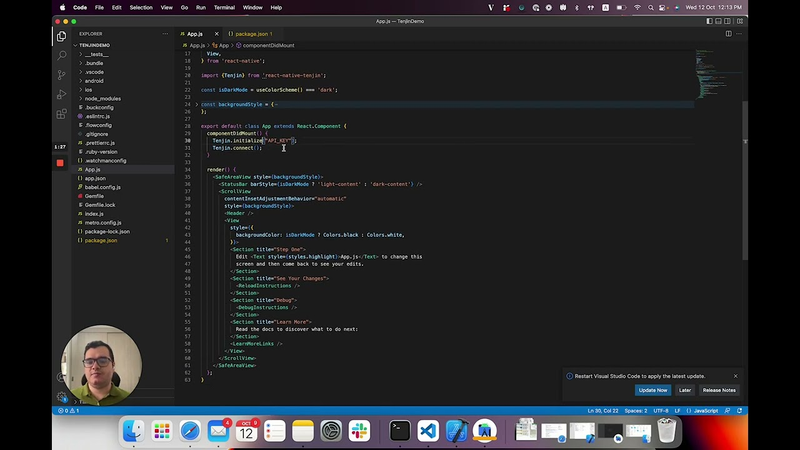
How to integrate Tenjin's official React Native Plugin
Tenjin has introduced an official open-source React Native plugin to address the growing demand for cross-platform mobile development support.
- Tenjin has released an official open-source React Native plugin to provide cross-platform support for its attribution and analytics tools on iOS and Android.
- The plugin enables developers to track ad attribution, dashboard analytics, data warehousing, and impression-level revenue data within a single React Native environment.
- Integration requires installing the package via the React Native CLI, initializing the SDK with a unique API key, and executing a connect method to link with Tenjin servers.
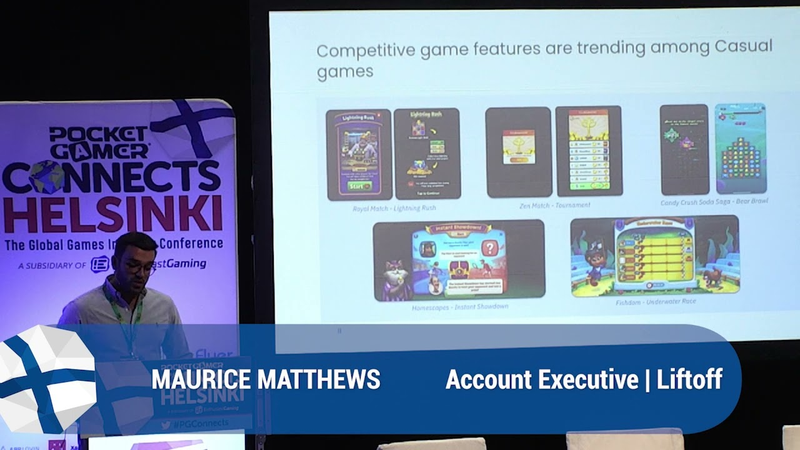
Winning Strategies to Maximise Your Revenue
The mobile gaming industry is currently navigating a period of significant contraction, marked by the first-ever year-over-year decline in consumer spending, which fell from $22.6 billion in Q1 2022 to $21.2 billion in Q1 2023.
- Mobile gaming consumer spending experienced its first year-over-year decline, falling from $22.6 billion in Q1 2022 to $21.2 billion in Q1 2023.
- Day-seven return on ad spend (ROAS) has dropped by 33% year-over-year, highlighting significant challenges in user retention and monetization efficiency.
- Aligning ad creative with actual in-game experiences, such as specific mini-games or customization features, can improve day-seven ROAS by nearly 50%.

Is SKAN 4.0 the Solution to Scale iOS UA? - The Metacast by Naavik
The mobile gaming industry is currently navigating a complex post-App Tracking Transparency landscape, where the primary challenge remains the reconciliation of privacy-centric attribution with the need for granular performance marketing.
- SKAN 4.0 provides technical improvements like extended conversion windows and multiple postbacks, but it remains insufficient for ad-level creative optimization, forcing developers to rely on data modeling and blended attribution.
- Successful UA strategies now require diversification across platforms including Facebook, Google, TikTok, and Unity to mitigate diminishing returns and maintain target payback periods.
- Mobile gaming developers are shifting from install-based metrics to value-based and event-based optimization to prioritize Return on Ad Spend (ROAS).
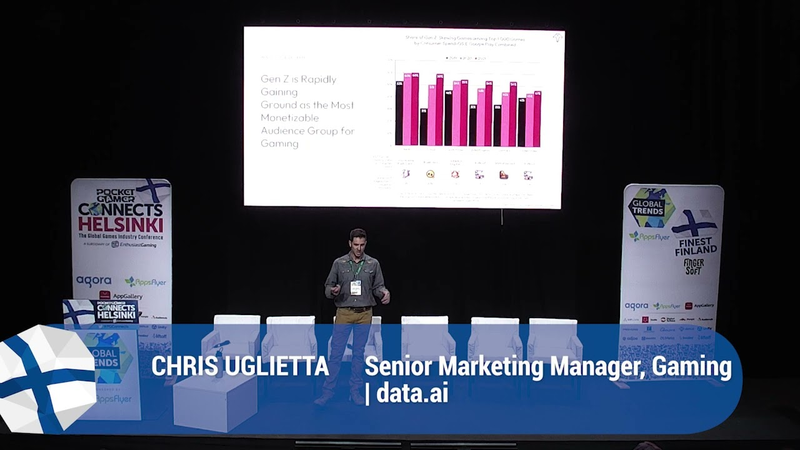
The State of Mobile Gaming
The mobile gaming industry maintains a resilient position within the broader digital economy, characterized by sustained user engagement despite shifting macroeconomic conditions.
- Mobile gaming remains resilient against broader digital economy downturns, showing a strong revenue rebound in the first half of 2022 despite a general decline in consumer spending across the wider app ecosystem.
- The industry is highly concentrated at the top, with 300,000 new games released in 2021, yet only 174 of those titles generated over $100 million in annual revenue.
- Demographic shifts are expanding the market, as female players now account for approximately 50% of total gaming spend and Gen Z users (ages 10–25) have emerged as a critical high-monetization segment.