1 free read left. Create a free account for unlimited reading + AI research.
Create free account
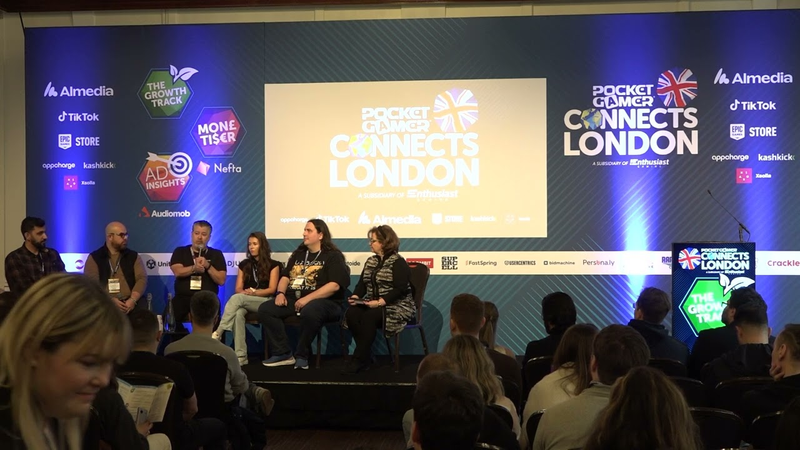
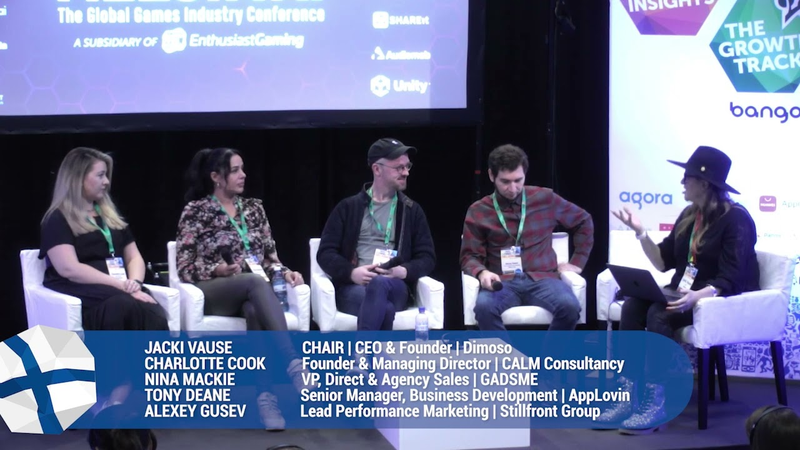
Panel: Turning Ads Into Success Stories
Key insights
6 takeaways- 01Developers are shifting from intrusive ad models to native, non-clickable brand placements and rewarded videos to protect player retention while maximizing lifetime value.
- 02Brands are increasingly being educated to move beyond traditional performance metrics toward deeper, more authentic integrations within gaming ecosystems.
- 03Post-ATT user acquisition strategies now rely on continuous creative testing and the use of early proxy signals to forecast long-term player retention.
- 04The industry is moving toward third-party verification to measure brand uplift in 3D environments, despite the current lack of a standardized measurement SDK for immersive spaces.
- 05Monetization management has transitioned from manual waterfall processes to product-centric, automated bidding systems that utilize granular analytics for better user segmentation.
- 06Successful monetization requires treating ad integration as a core product feature rather than an afterthought, balancing technical automation with a commitment to non-intrusive user experiences.
Ask AI about this video
Transcript
[Music] thank you [Music] we will be hosting our next panel session so could my lovely panelists come up I'm going to be moderating this panel so I'll be the one asking the questions which is great because you can hear my voice again so this is um a nice panel we're going to discuss advertising um from uh really from a success perspective and it's uh quite it's quite a great it's great panel because we're across all sectors we're from both demand and Supply so um I'm going to go
and sit over here I do not need a mic so my friends help yourself to Mike's um and well I think the first thing we'll do is just get everybody quickly to introduce themselves um well they're well there's lots of getting this assorted I think it's already turned on I don't think you have to worry about it um so I'm going to start with you Alexi if you could just introduce yourself tell people a little bit about what you do what side of the ad side of things um add what side of the ad perspective you're on then that would be great that's good so my name is Alexa goosif I'm with steel front group I'm lead Performance Marketing um and we're acting some kind of an internal marketing Hub so basically helping with the marketing and your activities for the um Studios from the steel front Group which there are quite quite some of um what I'm responsible or like what is my side of ads is basically user
acquisition at a major extent so all the SDK networks paid social Google what is working there success factors and so on that's that's probably my forte that's great and Tony's from applevin so uploading needs no introduction I'm sure amongst this audience but Tony tell us yourself yeah sure I'll give a bit of an introduction anyways just in case there are people out there oh hey um yeah uploading is a mobile marketing platform we effectively help developers of pretty much all sizes either scale their games through our app Discovery platform and then also monetize their games better through our ad Network and also our mediation platform Max uh I personally uh I'm on the business development team uh and I kind of straddle both the UA side and also the monetization side too um but yeah and Nina hi everyone thanks for joining us and so I'm Nina Mackey I work with gads me so we're an ad tech company we
provide sdks to help monetize advertising inside games so native audio video clickable and my role there is on the demand side so I actually deal with advertisers and brands on a daily basis and so obviously today we'll cover some of the sort of common questions that we get from advertisers and what makes them likely to to buy advertising in your games and I'm Charlotte I am MDM founder at calm consultancy um so I work with Publishers and developers advising them on how to integrate and partner with Brands within their games so be that through ad Solutions or licensing and sort of understanding how they can collaborate with with Brands within their within their games that's great so we've set people very strategically with Tony straddling both sides of the fence which is clever so um this this panel is all about success and um success means many different things to many different people
um from a UA standpoint where do you sort of what's your key success metric Yeah so basically success from the UA perspective it's what kind of incremental uplift every new successful ad brings what I can say that especially now with Paul like post the HTT roll out the importance of the UA creative hasn't been as big as as even before it's basically the main leverage for us to scale up the campaigns like I've seen anecdotal successes of scaling up the game budgets like 10x for several months with a successful creative um so yeah basically scalability um that it being able to use this creative across multiple ad networks or partners and yeah positive user feedback is one of the also important things
interesting that sort of straddles everything doesn't it the the the user feedback from a platform perspective Tony what let's do it so what do you I mean when you're looking at what mediation is doing or from a platform perspective what what do you think are the key success metrics from an advert's perspective yeah so I suppose like from like a publisher perspective the main thing that you're looking to achieve at least with the traditional ad formats is maximizing your LTB so including ads in like a thoughtful way that are engaging to users and don't interrupt their gameplay but also provide value to them and and enable that trade-off right where you're actually allowing players to have maximize enjoyment and maximize retention while also generating Revenue right because they're all here to run games as a business really um so I suppose that's the like key metric overall is maximizing your LTV
which really combines like after retention and everything else on top of it great but that's um and the interesting thing again was the fact that you're talking about player enjoyment because you can't maximize Revenue without the player enjoyment can you I mean I know Oscar here with just will throw games away because they don't have the right kind of advertising in them so Nina let's talk about um your experience because you've got a lot of in-game experience haven't you from um looking at non-intrusive formats and things like that yeah sure and so I'm actually obviously on The Advertiser side um and predominantly the last three years I've been working with a relatively new format which is a native in-game format so you may have seen this perhaps on a billboard and like a racing game it could be around a football pitch so the design of it is very non-intrusive and it was created really as a an additional format that's you know not as disruptive and so generally speaking hyper casual games have a lot
of rewarded video a lot of interstitial and the main source of Revenue come and from those formats but it's a bit of a trade-off and a challenge because when you look at the reviews you know it's quite hard to get that balance right and quite often Gamers and players are frustrated because it's interruptive and so yeah Along Came this native format and there's various different versions of it you've got sort of video you've got audio and more recently and I think you know that Evolution over the last few years has actually been based on feedback from both the publisher side and the gamers to build something that's really new and as you said gives you that you know value experience but without necessarily you know they're not always clickable so you don't have the thing that you would have in a rewarded video where it's adding instant value so you've got to be really clever about where you put these ads and I think that's something that on our side we educate Publishers if you're going to use these non-intrusive formats they have to be viewable they have to be in
the right place they have to be you know if you've got a racing game and they're on the sides and someone's driving past 90 miles an hour that's not viewable right that's going to flash up for a second and then it's gone so you know just encouraging and educating people to put them at the beginning or the end of the race or in a garage scene you know something like that so there's a lot of work still to be done but I think the good news is that there's some really really good quality formats out there you can use multiple formats yeah but yeah there's and get me stands for ads in games which I think is is a great is a great kind of twist on a name it's kind of a French CEO Yeah well yeah he owns creative genius um and Charlotte just said going on from what Nina was talking about there you're talking to a lot of Brands about what they're looking for from their advertising and we know it's still a challenge to get Brands to come and put their ad bucks into games even though games is honestly to me are very obvious
but Brands still have some challenges so what do you say to them success metrics should be to encourage them to bring that Revenue into the games I think yeah it depends what they want to achieve so um you know there's different ad formats that have sort of direct call to actions and maybe brand awareness you know where the native format is is better um I think when you're looking at sort of lots of the sort of branded experiences that we're seeing in things like Roblox now those are really good for Content creation for Brands so you can go in you can get sort of influencers you know tick tockers going in playing the game and capturing that and then reusing that material for campaigns so it kind of increases the longevity of a it's not just an ad in the game in situ it's something you can then use you know through a sort of a wider social Campaign which is I think why actually a lot of the money is going towards those experiences you know initially there's a big education piece I think people still see gaming and gamers in quite a two-dimensional way
um so all the reports that are coming through on you know the increase in female Gamers you know the amount of time people invest in gaming the different kinds of games that just helps the education piece back to Brands you know to understand that this is a really diverse audience of people now that you can reach who are investing considerable time and money into these experiences and therefore probably if that if it works for them we'll do the same with your brand if you target them in the right way I think the one thing I always Advocate is don't be too obvious you know sort of try and think of creative ways that people will want to interact with and enjoy and come back to so it's not just a one-off tick box exercise absolutely Nina did you want to add something there I mean sure I think again I'm obviously not in the publisher side but I think from our Advertiser side there was a survey done by emarketer like end of last year showing like 93 of media buyers want to buy in-game so you know the demand is there
and I think you're touching a really good point it's it's education on the game developer side as well as the advertiser side there's still quite a lot of misconceptions there I mean I've heard this that I don't know if it's true but it might be about 85 percent of people who are buying gaming don't actually know anything about gaming I would be surprised just in case anyone comes to get me but uh you know certainly I'm having these conversations with huge Brands you know very senior marketing people and they don't they don't understand gaming and they don't understand the audiences and I think going back to what Charlotte was seeing there as well that's it becomes quite a challenge to do an authentic advertising experience if you don't know how your audience interacts with games but that's why we would like to have somebody like Charlotte who can actually interpret games back to Brands um because it's it's definitely I'm starting to see in agencies there are gaming directors and stuff like that and that's great but still they they're talking a different language back to a
brand um Tony you said when we were talking about this before that you've seen a rise in these different ad formats in games from a monetization standpoint um yeah definitely I think if we look back I'd say five even five years or so like I think zero percent of the top 50 grossing games had any form of AD format whatsoever inside of them whereas now yeah you can just scroll through the top 10 and you're going to find 20 25 maybe up to 50 that have at least integrated rewarded video because it's it's effectively no longer an option to choose not to monetize 90 or 80 of your user base yeah um because there are definitely users that just won't um well won't make in-app purchases and then there are loads of users that the vast majority of them that like really enjoy ads um I think there can sometimes be like a bit of a misconception about how users feel about ads
um but yeah when you actually think about it as well um I think 80 90 of the users that are acquired poor games are acquired via performance market so via advertising by our man here and so do you do you have you looked at other AD formats or do you have your favorite go-to formats from a UA perspective definitely but can I play a bit of a devil's advocate here and kind of pivot the role or pivot the discussion in a different direction um I like the information that Tony gives and I I absolutely see in the same Trends simultaneously um you need to be cautious and you need to be knowledgeable about the game that you're running as in um it is important to understand when and if you'd like to integrate the in-game ads as well like we had a case for the midcore hardcore strategy that has been on the market for some years where we try to integrate the in-game
ads and it kind of generated rather positive feedback from the audience so from that point at least that was fine however after three months we have analyzed and our average revenue per user actually have decreased as opposed to monetization with the IAP simultaneously some other cases that are like for the games that are a bit more casual with a bit wider appeal we have seen a very great success where the magnetization like average revenue per user or per daily active user has increased 20 30 40 percent even with the introduction of the in-game ads so it's unfortunately unfortunately not like black and white um as I would maybe like it to be it's more about Gray Line and just figuring out the right ratio figuring out the right game and kind of like based on your decisions on the data ultimately and knowing your audience because we don't have as much data as we
used to have to face that decision yeah thank you apple and you know everybody else is following with different policies I mean how do you feel from a UA standpoint about what you've got to play with now and how do you how do you get the best success out of your ads is it down to test test yes unfortunately finally finally like from my perspective and I was kind of going on and on about that I don't think that the testing of the creatives changed fundamentally with the like post the ATT roll out or not for all of the games again um when you are able to get majority of your information through scan within like your day one or enough signals for the ads to be tested properly um nothing has changed or not too much has changed for you there is a privacy threshold there are other things like
channels and so on yes but ultimately you still have quite a lot of opportunities where to go for the strategy genre like mid core hardcore games uh where it's way more about retention and long-term monetization yeah like you need to be figuring out proxy signals you need to be figuring out the signals that are indicating that your users are going to stick with the game way earlier whilst also keeping track of the IPM CTR CVR all the upper funnel metrics CPM as one of it of the indicators and so on and so forth um so yeah incremental testing testing generally um but again the biggest success that we have seen is going with the creative was kind of going counter trend um the percentage of those successes is very low but when you nail it or when you find these golden nuggets um it's all worth it even like half a year of like useless tests it's
definitely worth to have that that's good to hear that even you are finding that you know it takes half a year to really hit that Golden Nugget it's not all of us kind of like trudging through all of this thinking oh my God how are we doing this so even the expert here is is finding that happens too so from your perspective with ATT and all the different um changes how are you seeing that affect things from a platform perspective and your interactions with developers over the success of their adverts yeah sure I actually have a question for you go go ask um so right now at least our platform still mostly relies on probabilistic matching right for like creative optimization so there hasn't been a massive like downtrend in terms of this where we generally focus in terms of creatives is ones that really convey the value of the game to a user um and what we find work works best are ones that
uh stick to one message and really convey something key that motivates your actual players inside of the game and shows them this value um but yeah I think my question for you was um how do you look at the trade-off well with IPM retention and somewhat misleading ads oh oh that's that that's a hard question Paul Tony it is a curveball um it is and again it kind of depends it depends on the game ultimately one of the metrics that we are looking at is the cost per engaged user depending on the game whether like it could be day three day seven when we have the transparency like for Android for example so this is exactly one of the metrics that we are looking for like checking the ads against however you need I mean you definitely know that IPM is also kinda or higher IPM has also opened up quite a lot of inventories for you when you're going into the auction
so yeah it is complicated to nail it down there is definitely a certain trade-off going on there is also a misleading ads policy from Facebook that kind of I just mix things up a bit although they're not as strict as one would have expected when they were communicating that um but for us one of the hottest things in the last six months was the user generated content or user like generated content funnily enough we also have seen success of this type of creative on the SDK networks which we didn't expect and we're like works on page social let's try it out why not and it's like and then I don't know on unity and Apple Avenue we've seen we've seen some of the creatives really dominate the ad spend for quite some time so yeah it's it's all about testing it's all about checking different approaches different right different creatives maybe going Beyond and against the best
practices somehow yeah we um we had a really interesting talk about testing creatives this morning um with in-game advertising and with Brands and with again the lack of transparency in the data points we don't have as much data now how are you working with Brands to help them create the more successful ads for in-game I go first uh yeah I mean again we've seen evolution of in-game AD formats and so a lot of learnings I did a campaign at my last company for Calvin Klein and I remember at this stage in-game ads were completely non-clickable branding only they're native they're in the game they're purely just there as part of the scenery right they're meant to look and feel like real real world ads um so it's very difficult to measure right there's no click there's no direct action um so the brand was Calvin Klein and the
aftershave was defy it was a huge campaign globally I was in the real world on billboards and also in the game um so what we did was um on the advertising side we recommended they worked with like a brand uplift partner and what they'll do is they'll actually put a tag inside the the ad and they track who the who the user is the gamers who's have seen the ad and then they survey them they track back to the website they track it back well they track it back to the user and and then opt-in um yeah um and that particular campaign was one of the first sort of really big Brands to do an extensive multi-market campaign across about 50 different games different mobile apps and what sort of games were they choosing for that I mean everything the only thing a separation he had was just brand safe so nothing with lots of violence yeah um so anything sort of Peggy 18 was was not included um but yeah racing games hyper casual games anywhere where they
had that sort of ad placement a good viewable size of an ad um and I think what was quite surprising really was obviously Calvin Klein's a really well-known brand anyway but this particular campaign for endgame showed that that format drove over half of the people who saw it to take an action and by taking action that could be visit the website type it in on Google research the product product research the aftershave you know excellent message very good and they came back we got a statement from their head of marketing saying you know we were actually shocked that that it was as high as that so they weren't we had really no expectations I don't think they did either at the time but again using these kind of tools if it's not clickable um that you kind of have to think of a way to but you're giving you know good case study metrics from tags that you're using from the campaigns is that the sort of thing that brands are looking for
um from um convincing them into putting them their their money into creating creatives for games you know actually putting budget from Performance Marketing where they know it works elsewhere to the unknown is that the sort of metric that that brands are talking to yeah I mean Roi is obviously you know there needs to be something there to do it and I think there have been test budgets in the past but now it's kind of getting a little bit more serious gaming is becoming part of plans even though there is still this education piece to be done um I think the big thing as well as what I try and encourage is like collaboration with the games publisher or developer so you start seeing some metrics on their side as well so um you know is there increased Community engagement second screen exposure you know things that you know sort of bringing those two data points together so you get like a full 360 view of the success of a campaign so like a multiple touch point that you would get in normal brand marketing yeah so you kind of understand and then that helps again
with the education piece around you know gaming isn't just the screen as interaction points beyond that when people are engaging with the game um so sort of building that you know but ultimately data drives the decision making process that you know you're not going to get people to spend a lot of money without without that being there um but I think being inventive you know if a game has a big Community you know how can the brand leverage that and leverage that well you know because that's a really powerful tool if you get it right that then you know to Nina's point there are probably non-measurable you know engagements with the brand there that you know maybe the games publisher developer can sort of help with with other pieces maybe outside of the game you know other other parts of their ecosystem that would you know benefit from that sort of brand engagement excellent and um this measurement thing are we getting any closer for in-game and for brand advertising games are we getting closer to working with maybe people like the IAB and uh is is
that I hate this question I'm sorry I'm sorry the end of my life measurement uh no I mean it's a good point I think everybody does need to understand where we are today so measurement for you know rewarded video and interstitial is there right so that format you can see exactly the results that you're getting from it uh where it gets a bit more complicated as non-clickable or native formats where there isn't a direct engagement um at the moment I would say most brands will use viewability as a metric um The Challenge we have as an industry at the moment is there is no standardized open measurement SDK not for 3D um it exists for a web and 2D for display it's been around for a long time it's certain the gold standard of advertising that you have these minimum benchmarks as an Advertiser and it's what called it's called media quality so people don't have to pay for you know ads that aren't viewable ads that aren't
seen poor quality they're not rendered properly um so even though the technology today for endgame advertising is very very good ads are viewable they are rendered properly unfortunately the measurement piece is still a little bit away and now what's happening at the moment is all of the sort of independent businesses have their own proprietary measurement too and then they'll have like a third party come in and verify that too right so they're not marking their own homework sort of thing but yeah unfortunately today there isn't a standard for the industry and but I can speak with confidence when I say that most of the monetization companies out there who provide in-game you know they are verified they're regulated they're not just making up the results and so you can trust as a brand if you're working with with gads me or adverty or any of the other companies out there if it's endgame and it's being measured and
they're providing a report it's it's legit it's I don't think there's anything dodgy going on there but yeah I think we're probably about a year or so away from an official standard for them yeah and Licensing models that's you know that's another thing that you work with particularly Charlotte you work with Publishers to go and identify a new way a way of working with them on the licensing side how does that how does that translate to Developers so there's no standardization there because everybody Publishers actually the world wild west is it um depends what you're doing um you can look at sort of tenancy models you know so if you were sort of similar to in-game advertising sort of static images um that you might have within a game or you can look at sort of integrating them within in-game items cosmetic packs and then you can look at sort of business models around you know DLC maybe you've split the revenue with a with a with a license license or and have have that there um it's it's a more established model it's been happening obviously for for
many years within the games industry um it can be a Minefield in terms of sort of exclusivity you know restrictions some brands are quite protective about how they're you know maybe their car is represented so you have to think about things like damage and they might not want their car to be damaged so if that's a part of the game you have to think about how you would include that and keeping it authentic to your game you know not sacrificing that um but it's another way to bring brands in and you know you know have that engagement there maybe even see how your player base you know reacts to having real-life brands in there and then maybe taking a step further and implementing on a previous panel we've talked quite a lot about how real-life brands are sort of coming in and with rewards and everything else but it brings me on to timing because you know we there's you know a lot a lot to do with advertising and successful advertising the time that it's delivered and it's interesting to me when I speak to Tony and we're talking about how managing the waterfalls and everything else getting easier and it's getting a little bit harder to just you know to test out for
in-game but and that's getting there um well how important is timing I'm going to go straight to Tony and talk about when you advertise not just what creative and everything else which side uh why don't you choose a size cool uh um yeah I've kind of been build off what you said there as well um and that like when when companies for like last while have been trying to integrate ads into their games there was like an awful lot of moving pieces right it was simultaneously am I putting ads in the right places am I frequency capping correctly and also is my waterfall set up so that I'm actually getting accurate results right um that part has become a lot easier over the last couple of years with the introduction of like in-app bidding almost every single major Network now um with Google being the last one um who's just started and opened up um their beta at least with Max Summit another a couple of platforms the vast
majority now of demand is going to be bidded which allows game developers to be sure that they're maximizing their yield on each impression um and this enables it somehow changes the role and develops the role of like the monetization manager um I moved it much more towards like a product rule right yeah where you're starting to really consider when you enter when you like show an ad inside of your game which users are you showing it to um and that because there's like actually like a wealth of it in-app analytics around this that you can still use right um whether it's like a b testing waterfalls or a B testing placements and frequencies you can get like a lot of really um strong data back very quickly on how changes you're making are affecting not only your app job but also your LTV and your retention as well so uh yeah in some ways it's gotten like a little bit easier because um there has been like enough betting has really brought the industry forward um but on top of that it's also developing the role and allowing people
to spend more time on Pursuits that I think are more interesting than just managing waterfalls um but also our like really helped to bring a game forward and ensure that you are monetizing your users as well as possible um from a placement perspective just I think um the most natural place to put it is in natural breaks and gameplay yes um also like people can consider using App open ads um with like a splash screen at the start that shows that conveys to the user that like their content is loading and they can watch it out in the meantime um and those like work really well as well to expand your like expanded amount of users that are actually going to be watching ads on top of let's say just rewarded um and Banners work very well as well um so yeah I've covered a lot you've covered loads um in terms of timing let me move to you then Alexa when you're planning out your UA campaigns um how important is timing in your
placements timing from the perspective of when to run the UA campaigns or time in when to address the user because both of them is going to be actually important yeah um yeah let me try to cover both maybe of those um in terms of the UI campaigns I guess especially on the rather Indie focused um conference as it is I can say that you can launch the game even without the marketing budget um even without the UA you could be successful there are quite a lot of options and I know that it's counter-intuitive like me saying in the UA guy but you can work even without me sometimes um but like there are quite a lot of other opportunities like pre-registrations that you can be running in their organic uplift or organic things how to kind of spread the word about the game um however if you'd like to scale up
your game unfortunately there is not much way around that so if you're seeing a good success within the first I don't know several months half a year it is worth considering like investing into the UA and again it doesn't need to be an extreme budget also there are quite a lot of partners that are offering ad coupons for the new games that are promising and many other programs where you can participate as well from the perspective of delivering the ads to the user and that's actually uh was also rather important or interesting topic for us we basically analyzed uh especially for the countries or for the more important countries from the LTV user LTV perspective like when to address the users or what is the best timing specifically the US was our test case like what time zones do we need to address and what are even the most important uh States basically for us to go for and we
try to kind of nail down those time zones and to increase the intensity of ads on our ad spend during the time zone those time zones and that was quite a successful test for us as in it was very profitable however the scalability of this approach is rather restricted because how scalable is that because unfortunately was not a granularity isn't it it is really very granular approach but the scalability is restricted definitely you can like especially with the UA being algorithm driven to a very high extent um there are some opportunities how to scale it up but it's not definitely going to be I don't know 50 60 of the area of your UA budget for those kind of campaign there is though an incremental uplift on the revenue that you can yeah go with that and I guess it just depends on the game and it depends on a lot of other outside factors definitely it's it's a it's a very big puzzle and every
piece of that unfortunately or fortunately contributes to that and you kind of need to factor it in that all comes together the single picture it's interesting because I see a lot of these oh just integrate the SDK this is easy but at the end of the day it is hard work and it's good to hear that other people go through that kind of every iteration of the process the staged approach that you really have to go through no matter which game it is and it's coming back down to that sort of individual we're all you individuals as get as Gamers as players and we want things delivered to us a little bit like we see on Google who that's replicating our browsing experience so you know our players are now more demanding because they're used to being treated so well as well so that's making advertising to them even harder um talking about change because we were all having to change a lot um what's your view and we're sort of getting to the last few minutes of this
panel from an in-game perspective and from a branding games perspective I hear a lot of developers saying to me yeah yeah it all sounds great but you know I tried this before and it did not work for me the SDK caused all sorts of problems in my game it was hard to integrate it wasn't what it promised what do you say to those developers to say look you know being there done that I'm going to stick with the old faithfuls I know what works for me I think um it's a shame if people have had bad experiences I think the the technology for in-game in particular um is evolving all the time it's quite a nascent piece of technology so I think the providers are learning with the developers I think if you have the capacity to be collaborative with the provider I think you'll benefit more and you know work with them to understand that you can explore the pain points understand that and help them develop the the technology and but I think you know if it's right for your game and you've made the decision to have brands in your game you know stick with the
idea that that authenticity might open up new users might open up new opportunities new revenue streams um you know that otherwise might not might not be there and and I think you know the incremental Revenue if Done Right can be done in a way that can actually be really beneficial to your game to your player and there are some games obviously where it makes no sense and I you know I think I've seen that done and it's that's a bad experience for everybody but I think if it makes sense your game and you've made that decision I would say trust the process you know explore your options and you know speak to people understand some of the pain points before you kind of maybe make those commitments and look at you know maybe test off testings and Licensing initially and then sort of building up to a bigger overall strategy for for Brands within games I agree not much to add to that because obviously I'm on the advertiser side but I do work with I have worked with a number of games at different companies and who've tried sdks for various and I think I do predict that in a number of years from now you'll see something
similar to what we see in the web today which is where you have monetization pixels and you have many of them it's not unusual and to have 50 or 60 various monetization pixels I think we'll start to see that as the technology becomes more dependable but is certainly getting there and I I agree with you I think it's easy to just get put off if you have a bad experience but it's like anything I mean it doesn't mean that everyone who creates an SDK for monetization has a bad one is just it's the beginning of the technology it is rapidly getting a lot a lot more stable faster better at generating revenue and you know it takes time I think actually on the other hand getting an early is better um you know it's a fast mover industry I think you want to be early to adopt the technology to understand it to do your make your learnings from it and then you know as it evolves um be the first one to test um you know I think it's it's like anything you just have to be a bit Brave
you know and try it Tony any words of wisdom you're agreeing uh yeah I suppose uh at least from so we I don't have like any experience with like the in-game native advertising um I'll say from like that from traditional let's say formats of like interns banners like native like this girl native um rewarded yeah that sdks have become like an awful lot more stable um in recent in the last couple of years and the integration process for any like mediation platform now has become way simpler you could usually like half a day of one dance time um and all the adapters are like pretty much just like click a button and they're automatically integrated so yeah the average on that side has been like massively pulled down of course Very Much focused on like the largest networks and these to start um so that you're not um uh and integrating more networks than necessary and then like gradually add on
more on a B test to see whether or not they provide incremental uplift before um you know adding in like 20 new different network sdks that maybe uh may not add like an awful lot of value to to you yeah um depending on what GEOS or whatever wherever you're running um but yeah Lexi yeah to be honest I mean I'm kind of supporting very much what all of the other guys on the panel we're talking as well I'd like not to integrate or not to look for in-game ads ways of monetization of the game is going to be very narrow-minded in in this day and age to be honest um hybrid magnetization is definitely incremental in comparison to IA or AP only and there are very there are multiple ways of how you can make it work basically yeah um from the SDK perspective it is way easier to integrate it from the game design perspective unfortunately or from
the product perspective it is still tricky how to make it a seamless process and not to aggravate the users and not to kind of let them churn because of how intrusive the ads are or how it breaks down or breaks up the game process or a gameplay Loop so that's definitely something that needs to be factored in from the UA perspective um we can actually support the different kind of monetization on the example of the mid-core to hardcore games uh the focus regularly is on the in-app purchases however for the like tier three markets or for the markets with a lower um LTV uh of the payers you can basically add I don't know admin admon to the name of the ad or of your campaign and you basically enable the ads only for this specific segment of the of the audience for the ones that has been playing for some time from the
certain Geo or or something like that so the mix can go very granular and you can actually make sure that you're also monetizing your audience that is playing your game uh very well so yeah please look into that even if you have had a bad example or a bad experience two three years ago one year ago whatever the industry has evolved a lot and it's it's never been that easy to kind of to to to monetize your audience very true
Summary
Successful in-game advertising requires a delicate equilibrium between maximizing revenue and preserving player retention. The industry is currently transitioning away from intrusive ad models toward sophisticated, native placements that prioritize the user experience. By integrating rewarded videos and non-clickable, authentic brand placements, developers can enhance lifetime value while maintaining the integrity of the gaming environment. This evolution is supported by a growing necessity to educate brands on how to engage meaningfully with diverse gaming audiences, moving beyond traditional performance metrics toward deeper, more authentic integration.
In the post-ATT landscape, user acquisition strategies have shifted toward continuous creative testing and the identification of early proxy signals to predict long-term retention. While performance marketing remains heavily data-driven, the sector is increasingly adopting third-party verification to measure brand uplift within 3D environments. Although a standardized measurement SDK for these immersive spaces is still in development, the industry is trending toward greater transparency and collaborative licensing models. These frameworks allow real-world brands to enter gaming ecosystems in ways that feel organic rather than disruptive.
Modern monetization management has evolved into a product-centric discipline that utilizes automated bidding and granular analytics to replace manual waterfall processes. By leveraging hybrid monetization strategies, developers can optimize user segmentation and ad timing with greater precision and technical stability. Success in this environment depends on an iterative, collaborative approach to testing, where developers treat ad integration as a core product feature rather than an afterthought. Ultimately, the ability to scale effectively relies on balancing these automated technical efficiencies with a commitment to high-quality, non-intrusive player experiences.