1 free read left. Create a free account for unlimited reading + AI research.
Create free account
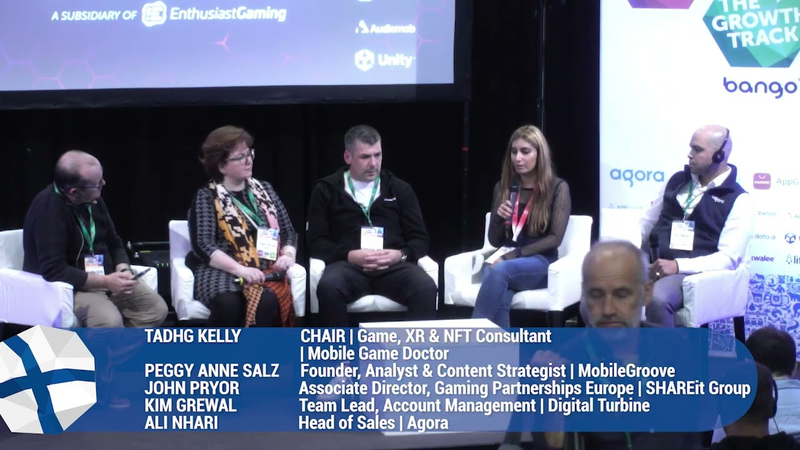
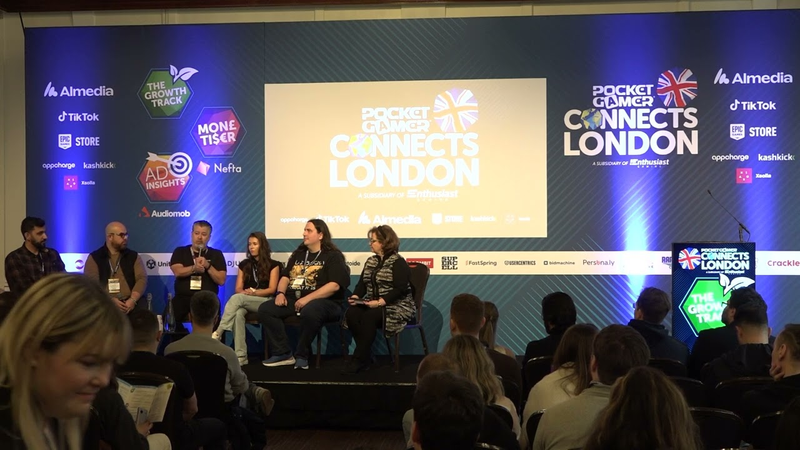
Panel: Know Your Audience How To Choose Between Subscription or Ad Models -
Key insights
6 takeaways- 01Monetization frameworks must be embedded into the early stages of game design rather than treated as secondary features to ensure long-term sustainability.
- 02Long-term profitability is increasingly driven by community engagement, digital collectibles, and personalized CRM strategies that nurture casual users into committed players.
- 03Developers should abandon one-size-fits-all approaches in favor of data-driven, personalized experiences that align with specific game genres and player behaviors.
- 04Mobile game monetization is shifting from binary strategies to hybrid models that integrate subscriptions, advertising, and virtual goods to maximize both revenue and retention.
- 05Successful studios utilize rigorous A/B testing, soft launches, and granular audience segmentation based on geography and behavior to create flexible, tiered user journeys.
- 06Hybrid models allow studios to capture value from both casual players and high-value subscribers simultaneously, providing a buffer against current economic challenges.
Ask AI about this video
Transcript
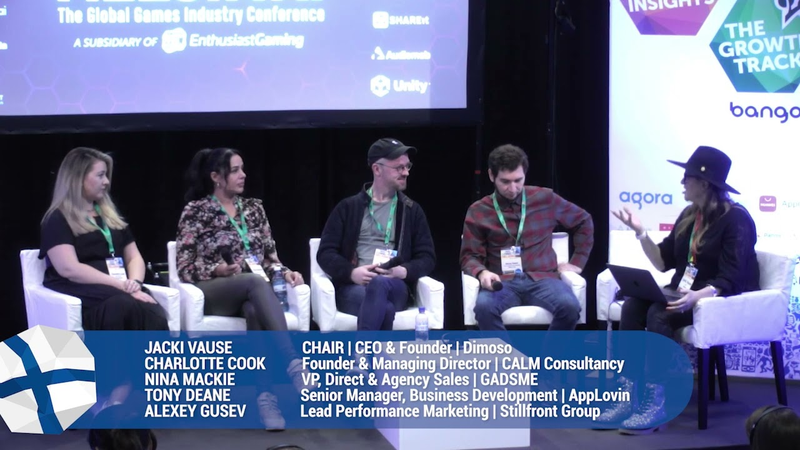
[Music] thank you [Music] so we're going to introduce our panel now this this panel is going to um uh take us for the next uh 40 minutes um after which we've got three or four uh three or four talks before the end of the afternoon here in the the growth track so I will let our moderator introduce the panel about know your audience how to choose between subscriptions or ad models Target you the moderator today fantastic so over to Ty Kelly from mobile game doctor who introduces uh his panel um hello everybody um welcome to come there's about 250 in the in the afternoon
coffee in them hope we're all not too ready for the beers just yet that kind of thing we're still able to talk about some substantial content we're going to talk about um growth and we're going to particularly talk about the difference between um ads and Subs audiences as regards um kind of growth and growth strategies and all that kind of stuff um I have a a really wonderful panel of four um exciting people from all around the industry who I'm going to give a bit of an intro to at the moment and then I guess we'll just sort of kind of get into it from there does that sound all right can everybody hear me okay I'm just terrified that I can't be heard at all because I have it's like all right so first we have Peggy on cells and please tell me if I have the surnames wrong because I had to ask him earlier on because I was confused all right oh yeah sure okay okay until to sit down so all right so Peggy on salts uh who's the chief analyst and founder of mobile Groove a top 50 ranked destination providing analysis custom research and
strategic content marketing to the global mobile industry uh Peggy also hosts a couple of podcasts including the retention master class and the mobile presence masterclass and is a former Forbes senior writer and general content contributor to the industry and still doing it and and so like like a gamer and Pocket Gamer and all sorts exactly exactly uh Kim gruel right yeah uh Kim is the team lead for publishing account management at digital turbine um she manages monetization and mediation for Publishers across the emea region and prior to turbine Kim worked at ad Colony for over five years and was subsequently Acquired and has essentially ended up working back at the same tree of people kind of over and over even though like she's trying to get away from there uh John Pryor hey John is the associate director of European Game Dev Partnerships for share it share it as you may or may not know is a Content distribution and Discovery app with over 2 billion users uh globally John works a lot with Partners in the European market particularly to acquire new users for
the games with folks such as king clerics uh top Nation social points exactly I think this is working but aaronov I think gave the official intro and the official comes to share for the past 20 minutes so if there's anyone repeating yeah um we're here we're in Europe now and uh good to be here and to speak with you okay and Ali nahari hey all the way at the end um Ali is the head of sales at Agora uh he has over 20 years experience in global B2B and b2c Business Development sorry if I'm talking very fast there's a lot to get through um in the cloud communication industry and his expertise spawns and healing Tech e-commerce I.T security solution and e-privacy and a whole bunch of other stuff and the girl is also one of the Premier sponsors of pocketgamers so okay so my first question I'm and this is like a volunteer please put your hand up if you want to dive in first rather than Peggy is um when we're talking about ads and Subs when we're talking about different types of audiences what are the essential differences like what is the kind of the key if you like player or user
difference that um that sort of demarcates these two sort of General groups like what were your opinions on that Kim Kim well I think um in terms of the the breakdown between the between the ads themselves I think with Hyper casual they tend to be more focused towards the ads um genre whereas subscriptions and more for users who need to be engaged they're more for the mid hardcore um mid-hardcore genre users who want to be engaged they want to be um seen as a long-term more long-term strategy okay for those users and Hyper casual is a bit more of a faster turnaround shorter user sessions um and a bit more focused towards towards that okay okay cool um thank you let's go and turn around and say that it's not which game genre but how you can reimagine your game's genre to fit
right because the subscription out model is first of all sustainable we love recurring revenues right right and I look at it differently I mean I'm an analyst I'm not a gamer I love your industry and I'm sort of documenting it for the rest of world so I'm more about Brands and marketers and so when I talk to them and all they're asking me in the last year is how do I get into a game how do I get involved in games it's like you guys are in a great place so what you need to be really thinking about is what do you offer of value and find that value in your game and you can then think about a subscription model because you can still do your iaps and all the rest of it no one said to leave the model it's just sort of broadening the model and thinking about that because ultimately you can have it both ways so it is about very much mid-core and loyal audiences but I think there's also an element of the mechanics in hybrid casual that are
also a way to hook people and when you hook them when you give them value it doesn't matter what that is it just might be a you know a hyper casual game they love playing you can do it so I wanted to say that it's not where does it fit but how can it fit and broaden that right yeah um I'd say just to sort of build on that that to to remember that a subscription user is probably expecting some kind of a like a more premium experience just just like what you're saying uh versus uh a user uh of our player that plays a hyper casual or or a casual game so that's that's one part of it and then the other part of that is that like free to play is still kind of the Central Foundation right so free to play leading into a hyper casual game that's ad based versus free to play leading into a game with more IAP or more subscriptions that kind of user journey and onboarding journey
uh will be different for a game that monetizes through subscriptions versus right I think right right yeah so I think in some ways if we are like many thinking talking about casual games you know free to play games you know make sense but uh more and more we are seeing like like new uh engaging like more engaging features which uh are having some costs are not expensive but they're like some cost you know to to be supported so I think that needs to be also uh be taken into consideration uh so if you want to go to the next level for some engaging future or or enhanced user experience in order to sustain those costs you know like usdks or new features or whatever you are paying for you know during your game yeah I think so like maybe other Revenue won't be necessarily enough you know to cover that so on profits profitability
is K you know right in the beginning of of uh of the game so that's right so is it fair to say then just out of like this may sound like a very generic thing to say but is it fair to say that we're talking about essentially the difference between the short-term player and the long-term player that if you're kind of targeting sort of an ad style audience what you're really thinking about is a hyper casual style kind of short-term kind of player that you're probably going to um engage with only for like a short period of time maybe quite intensely versus a Subs kind of player somebody who might actually buy in-app purchases in a game for example like long term so somebody who with whom you're trying to have like a longer relationship with is that is that broadly what we mean or is that sort of like not quite not quite true I I don't think so okay I think that certain games and game categories are better suited to subscriptions right and certain games and game categories are better suited to ads right right so it's
kind of kind of like what you're saying so mid-core and strategy games I think have a better chance of succeeding uh on a subscription model and skill games as well perhaps and then casual and and certainly hyper casual but then as well as that there's like a standalone subscription model um versus you know like the distribution platforms like the Apple arcades and and the Netflix's and so there's different ways that subscriptions can work either Standalone or or through Partners um I think it depends on the game the model that that might work best for the game and game category yeah okay okay what are you thinking yeah I actually just to add to that I don't sometimes think that it's a kind of uh one or the other kind of going off what Peggy said in the in the previous question as well um is I think that they work hand in hand and then you need to have both of them in some formats and some genres in order to support the model and also even
given the way that the economic climate is now going how do the likes of Amazon Disney who are now starting to adopt these methods moving away from the subscription model into supporting an ad model alongside the subscription model right and going for a new set of users who can who maybe don't want to be paying say fifty dollars up front for something whereas paying you know one dollar every few weeks okay it's a bit more sustainable so you're trying to gauge the user request and then adopt adapt the model around around that so that sounds like you're kind of characterizing it more on a like an affordability basis like people who Maybe that Netflix is a good example people who can afford the 12.99 a month or whatever versus people who maybe want to participate but can't sort of just particularly in these Economic Times can't justify it and are quite happy to to work with an ad sort of service instead yeah and then you even have within that the extra tiering as well so even if you do have say a brand uh
subscription with Disney plus you can then go one step further and say okay you can pay extra to watch this film yeah that's currently in the theater so with even within the subscriptions you have the subscriptions yeah you can go um either you pay lower and get ads or you pay higher and get the premium content which again um will add some more long-term sustainability within the model I think Peggy really wants to dive in here well I look at it this way I think that these subscribers can be nurtured yeah and cultivated so I know a lot of companies and they're looking at the data and you can tell from the data in your analytics even though we user level data Maybe toast but you are seeing what they're doing in your game so you can sort of see the sort of like the pre-event indicators the pre-indicators of valuable players and then the whole idea is within your CRM system or what you might have um you know you're taking them on a journey that's going to take them deeper
because they're already showing the propensity to want to do more and to your point you know it's also about trying to think about what those bundles could be as well it might not always just be in the game itself but there are a lot of people who are taking this to the to the melding of the digital and physical world even right and they're saying well you have a subscription in my game but you can go and sort of have your your you know your benefits in the real world so there's there's products there's things to do there's there's live streaming events there's there's things that are part of that experience that go beyond that experience so sometimes the subscription is not even around the game but around the around game experience yeah yeah yeah do you think then there is like are the two are the two of them essentially kind of very easily blendable kind of philosophical positions or do you think there are trade-offs between focusing on one versus the other like if you focus on a kind of a Subs proposition are you by necessity going to have have to give
up on something of an odds proposition or can you have your cake and eat it I think they work hand in hand and and the only way that you will be able to know that is if there is testing going on nowadays so many providers provide the ability to do a b testing multi-testing what works best for the for your users what works for one hyper casual publisher with ads might not work for another hyper casual publisher with ads um maybe you want to be looking further than that and looking at your entire portfolio is there something that you can offer in terms of in terms of a subscription across all of your apps within your portfolio for your users because your games are very similar yeah um or do you want to be looking at other AD formats um and playing around with those do banners work best do interstitials do rewarded videos because that's um kind of can go hand in hand with subscriptions because you're offering users the opportunity to engage more and choosing to engage more with your ad and those are the users that you can then
look to either extend in terms of do you want to offer them an offer wall option to keep them in the in the game for longer so I think it's what works best for the users and the only way that you're going to be able to know that is if you're doing testing right yes it's a very investing uh thing to do and it will take a lot of resources away um but I think the the long-term gain is obviously that you want to be able to maintain these users and you don't want them to to go elsewhere because right that's that's what the ecosystem is going to do yeah um I think the more diverse uh the monetization strategy is the better because we tend to to think about the audience as a uniform population but actually it's not especially if you're a global game um most of the time like emerging markets for example so lots of people can't
afford to pay for subscription for example but we still you know want to uh want to want them as users on the I think ad you know is it makes sense in those countries most of the time in other countries uh players are able to pay much more than like the vast majority of uh uh of the population so I think that needs to be taken into personal Direction like the the geography but also the edge groups so if you are targeting you know younger age no we know that they don't right lots of money to spend so advertising is uh is is important there so there are like many parameters that needs to be uh considered yeah not right so sometimes you just tend to forget like all those parameters it's not right is it as easy as it is right um yeah you were talking about sort of like the exclusivity that you can do one or the other yeah and actually what I'm the
most excited about is a lot of Technology I'm seeing come online that allows you to say you have come in through this particular channel so let me personalize that subscription offer for you down to the pricing so that the whole journey is such that knowing again valuable users where they're coming from you know you are leading them on a path yeah I mean you're you're moving them across and you're moving them into a bucket where it's like you're going to pay and this is going to work out and I think it's exciting all the different ways that you can do that now that you couldn't do before that you can say you've come in this way personalize the pricing personalize The Experience because hey personalization hyper personalization that is what part of the hook is right if it's if it's for me and then to your point if someone is coming through Tick Tock for example you might say well the demographics of that might say Well they're not able to afford a
subscription but then you personalize it and maybe move them to a different level where paying is better than no paying at all right right what are your um what are your kind of person given this is a growth theoretically this is a growth track panel um what are your personal kind of uh go-to's your personal fundamental ideas or beliefs around how developers should approach this kind of stuff from from scratch like if they're trying to think day one I'm designing a game like they don't want to do the classic thing that game developers do which is like build a game and then try and figure out what to do with it that they much more like want to think about how to engage with their audiences as a sort of a first point on their design document or something like that what would you guys kind of advise them to think about first and foremost I'll give this one a go um so it is fairly early I suppose relatively early for subscriptions um but I think that they're relevant um they work in other app categories and they also work in in gaming in in PC and
console gaming right like it works so trying to figure out um exactly how it works for mobile gaming is what we're all doing now um one thing that I think is important um one thing I read um it'll take longer for somebody to subscribe to a mobile game then it will for somebody to subscribe to another app in another category um so I think that's one thing that stands out to me right when you're planning um just to expect that that time might take a little bit longer it might be longer than the first 7 14 30 days and keep that in mind I think with ads it's a very interesting approach to take that maybe if you're thinking of adding ads into a game you potentially look to do it from the
beginning because the idea of having a subscription and then incorporating ads in gaming specifically can be a very different aspect to an app that you're already subscribing to so that might be more non-gaming like a Disney like a like an Amazon that makes it easy to then add ads in right but from the from the gaming perspective it sometimes is easier to have done the the testing and adapting and thinking you know it's easier to add ads from the beginning otherwise the ads are not gonna so the games are not going to be free for a reason there's going to have to be some way that you have to get the cpms in you're paying for the eyes to view to view the ads and you've got to sustain it in in some sort of way so you have to decide I think from the outset um what you're going to do with that rather than thinking about it as you're right as you're going along um and with that kind of linking with with what Peggy said and and you said from um from the age testing and and the the genre the Geo testing is carrying
out segmentation are there certain users within my game that one to watch the ads are there certain users who I do want to push towards a subscription and adapting it that way because once you've started the game to add the ads in is going to be a very big shock to the user and you don't want to chase them away once you've got them is there is there a good way for them to approach segmentation is a really good example of a tactic like is there a good way for them to like meaningfully approach like how to figure out segmentation before they've started like heavily developing on on a product of that sort of stuff I think soft launching will will give some kind of um indication as to what's going to what's going to be working within within each market right again testing has to be a continuous continuous thing because everything is changing now especially this year with the economic climate things took a bit of a dip in the summer which we've seen across the whole board with advertisers so it has to require constant testing and there's
not going to be a one model is going to suit you you know this quarter it might have to then adapt for the following quarter in the following years yeah and again you can segment your users because it's becoming more capable now we've had the deprecation of idfa yet it hasn't impacted things too much there is still idfv you're still able to track users you've got SKR Network ideas it's not been cut off so much that we can't allow for additional testing because that's what's going to sustain the right the models moving forward right right um I think some of the parameters that like developer needs to take into accounts are first and foremost is a whole uh in their development process uh they can like think deeper on how how they could like retain their users so retention stickiness is I think is one of the most important aspect in gaming especially
because of the like very competitive landscape uh secondly uh uh how they can acquire new users so acquisition through new Metals through new features and that's something where we are kind of good at so I think retention acquisition on the third thing is also I think we tend to stick to advertising or subscription but there are like new monetization models that are available some especially talking about features like voice chat or video chat where you can sell voice filters video masks avatars virtual gifting so in a multiplayer game you can virtual gift your friend uh so there are like some features which are solving like many problems within games so I think there should be like mapping like all the the features on on the on the on Solutions available in the industry uh
uh which you know could add value on on on build more uh uh more attractiveness yeah yeah okay it goes down to a lot of Basics and it sounds like oh no it goes back to those Basics well actually that's the good news it goes back to the basics which means that if you missed some of this the first time around you can do it now because it is about things like understanding your audience knowing what's valuable in your game but you can look at the actions I mean I'm a great I always was a great believer in psychographics and behavioral data and now you can use that to really understand and segment your users and we also have this other layer of data that's very exciting which people are calling value Graphics you find out what people value and you appeal to that and luckily there's research around that that breaks all this down into about 56 core human values and there's like one
great game from chilching point that got into this and said you know what our players value yeah saving the planet don't know the name of the game right now but it's all about sort of you know making the the world a better place and then they said well they care about it so much let's make it possible to plant trees in the real world right right and that created then this flywheel of oh I love the game they're out they're doing something they're giving back you know and that's sort of the idea finding out what's your players value and then really connecting with that in the case of this the great story is that they did so much reforestation that they actually got word from the Madagascar governments like guys we're done you did your job we're completely reforested don't have buying more trees that's what you can do when you connect with a community yeah and that's what you can do in your game and then from that figure out all right so what are they willing to pay for what are they willing to contribute to maybe
it's not really what they're going to pay for but what they're going to contribute to right that you're enabling right right um I saw there was a great talk this morning actually by Riley from my mommy games talking about how uh they had sort of started out as a hyper casual sort of focused studio and they've moved into like a much more casual kind of focus because hyper casual is sort of perceived as being kind of out of gas and of course hyper casual tends to be a very odd focused and very kind of uh very very specifically odd focused kind of model of game and so now a lot of developers are trying to I suppose unthink and then rethink how they're approaching things what's your advice because it's clearly they're having to move towards finding longer term customers more subs kind of style customers but they might feel that they've gone so far down a path that like pivoting is hard so what do you have do you guys have any kind of good advice for them to um how to approach that problem because it's pretty present I think those are like about like different target audience
so someone who will uh who will play a hyper casual game won't have necessarily like too much time you know to play it would be like 10 minutes five minutes should I eat the trend or whatever so hyper casual I also heard about hybrid casual I don't know if it's the same thing or not but uh tends to be like more like longer sessions so if you just have five minutes in a day to play I don't know how going to play for one hour or half an hour so right in those are like maybe different audience on the the for sure there is something to be done there uh and then yeah it's just a matter of knowing if uh if those teachers you know have the The Experience on one building you know right experiences and for those type of audiences um I don't know if it's a new category I'm not sure I'm not not too much into it but uh so just like broaden the the target audience run the
organs yeah I think that um there are two things like maybe for some of these especially the bigger hyper casual the successful ones like as an umbrella type subscription model could work uh there uh they tend to produce really good games but they don't last that long but the players still love them right so some kind of an umbrella model could work there um I also think uh that if we look at Disney's and Netflix is with respect to hybrid casual there may be a role there and there's already investment and acquisition there we need to remember that these big platforms uh their games divisions are just another extension of what their Core Business is uh they don't necessarily need to be profitable in their own right yeah as long as it brings people into their core apps so perhaps there might be some activity there an investment acquisition um from these big Platforms in the hyper casual space like we're seeing in like next games and things like that so yeah
right okay um I think given the way that the industry is going right now in terms of consolidation there's a lot of big companies out there acquiring Studios and I think moving into you know moving away from hyper casual and into the Casual is something that that these big companies might might look to do um but if they are looking for the sustainability and Hyper casual um offering subscriptions across um across the portfolio to keep those users might also be another option that way they're utilizing this they're able to get the eyes get the cpms from from the ads but they're also having a sustainable model to keep the users within the within their hyper casual space um yeah do you have anything job no to that I can't add an awful lot
except again to think about the the mechanics I mean they're more that enter into this we were talking just before the session you know that there's a level of understanding the motivation and bringing this into your model I feel that it's possible to find the space your sweet spot and it is something that the data will tell you the data will tell you that from the player behavior from the game mechanics from what is working in your game and to build on top of that so yeah hybrid casual I know it's having a a bit of a moment um right but think about the money maker it was before true they'd absolutely aced what player behavior is and how to make it addictive and to make us hooked so there is something there I'm feeling that it might be something more with the the brands and the other companies trying to buy into this space again coming from marketing sort of proper and seeing the
interest here I think it's a matter of finding um Partners beyond your sphere that's what I think it is so it's not really about the games companies themselves but it could be acquisition or could be very very important an interesting partnership you know when you've got sort of like Taco Bell building games right and you're shooting down Doritos and things like that I mean there's there's a world there's a possibility there's money to be made is that that's the quote um is um as the we were learning from day to AI this morning that mobile as a platform in general maybe plateauing even though games itself is kind of doing better than mobile apps kind of overall as we move into 2023 and the ever-evolving landscape that is this whole world that we work in what do you what are your what are your kind of personal bets on like what the what the right stances or the right approaches will be kind of for 2023 2024 you know the next kind of phase of whatever it is we're doing
make money or have fun to have well to or to do both yeah not really do you want it no um well okay like coming at it from a subscription perspective right uh I think that uh we should look at what is happening in like the Cyber I've just released uh a new game an apple arcade uh Hunter assassin has released a subscription model in every experience at homescapes um these big players are trying things and there are things that will work and things that won't work and I would say to pay attention and and learn learn from these people and that are doing it first and also not not be afraid to to take chances yourself yep it kind of goes back to testing and ultimately it's about monetizing the users right so whatever way that works best and the combination of all the things we talk about but definitely pay attention to
the Innovation that's happening and don't be afraid to try something yourself like what those guys are doing yeah yeah you guys I think from my point of view I would say find a provider that has a lot of aspects that allow you to test um that testing is just number one in terms of finding out what is suitable for your users segmenting your users um seeing what works best for them across all types of platforms whether it be um just ads whether it be subscriptions or whether it be subscriptions and ads right and finding that right um formula um that's that's directed specifically for your users yeah I would say definitely like a user experience oriented especially with the competition getting bigger and bigger but also as we as we mentioned like big Brands investing a lot into the gaming
space so it's gonna uh create some you know uh difficult times for small Studios so yeah be user oriented uh involve your players into your game into your the experience that you are building involving them more is definitely something that we can see on the we have been in a conference last week on the a lot of things going on around blockchain on on getting you know Gamers you know involved on uh in the in the studios on the company so right um yeah yeah I think like from from what I see like in the gaming industry I think there is a kind of lack of creativity on the whether it's monetization or other things it tends to we tend to see that we just like copying diff like what is being seen you know with other schedules that are maybe
doing where or not so being creative and thinking outside of the box so that's something that would you know allow gaming developer to differentiate right right speaking of blockchain because it's the subject at the moment do you guys anticipate that the advance of like virtual digital Collectibles and that sort of that whole economy that's slowly coming to life do you think it's going to change the calculus around um the kind of stuff that we're talking about today or is it more something will kind of fold in easily consider it sort of like Subs Plus plus kind of thing for example where you said where is this going in 2022 and 2023 right it's really for me about opening the aperture of where you view your game in the ecosystem I'm speaking with a lot and seeing a lot of success where we're just trying to blend those worlds I mean we did it already so we've learned this Behavior through covid of like being no longer in a
physical place but being sort of in in the game very very um engaged and now we're back out here in the real world and it's I think it's a yeah is that what that is that's what the real world is yeah we're all here at an event but you know there's this there's this learned behavior that we have right and it's really about trying to find ways to to blend that rather either or I think it really is entirely all of the above so I'm seeing great you know companies having great luck with sort of Collectibles and thinking about I was talking to one company they said what we did was we just bought a bunch bunch of stuff in Bitcoin so our community didn't worry about whether or not it's going to go up or down right right right and then just gave it out to the coolest people in the community on terms of Engagement or what they were doing it was like hey that's a real gift right that'll keep me going and then of course the social and that whole flywheel of oh I really love this game so it's being creative you don't have to invent something real but you do have to
consider that at the end of the day it's going to be about connecting with that audience that audience is going to be the one that either subscribes or doesn't right right or loves you or hates you and social exactly so there you go we're back to where we were but I believe in opening up what we're doing and seeing it that way very cool very cool I think we have about 60 seconds left maybe 120 so do we want to try and Hazard a question or two there's any questions from the audience we could we could squeeze one in I'm sure does anyone have any questions for our panel no no questions I should say if um if people if you do have questions I know it can be intimidating to do it here um maybe spoke up on me to match or hunt them down at the venue afterwards I hear what I'm saying um I'm just saying that uh uh that if they if no one wants to ask a question now because they may be a bit bashful they can come and find you afterwards on me absolutely something like that of course of course of course we're all around um today certainly tomorrow maybe as well um so Amber none of us are in any way imposing so we should come talk to us
perfect but no that was great thank you very much you want to do you want to thank your panel and we'll wrap up all right so thanks very much everybody it was really good fun thank you thank you [Applause]
Summary
The mobile gaming industry is shifting away from binary monetization strategies, moving toward sophisticated hybrid models that integrate subscriptions, advertising, and virtual goods to maximize revenue and user retention. The primary thesis suggests that developers must abandon one-size-fits-all approaches in favor of data-driven, personalized experiences that align with specific game genres and player behaviors. While hyper-casual titles traditionally rely on ad-based revenue, mid-core and strategy games benefit from subscription-led models; however, the most successful studios now blend these tactics to accommodate varying levels of user affordability and engagement.
Strategic success depends on embedding monetization frameworks into the early stages of game design rather than treating them as secondary features. By utilizing rigorous A/B testing, soft launches, and granular audience segmentation based on geography and behavioral data, developers can create flexible user journeys. This adaptability is essential for navigating current economic challenges, as tiered pricing and cross-platform benefits allow studios to capture value from both casual players and high-value subscribers simultaneously.
Beyond traditional revenue streams, the industry is increasingly prioritizing long-term loyalty through community-driven engagement and creative brand partnerships. Integrating digital collectibles and personalized CRM strategies helps nurture casual users into committed players. Ultimately, the sustainability of a mobile title rests on a developer's ability to leverage player data to refine the balance between monetization and user experience. By focusing on value-driven retention and continuous iteration, studios can differentiate their offerings in a highly competitive global market and maintain long-term profitability.












Comments