USA reports and market data
Documents

Session: Reaching The US Young Millennial & Gen Z Gamer – Insights From CoolmathGames.com.
CoolmathGames.com serves as a prominent platform for web-based gaming, specifically targeting Gen Z and young Millennial audiences in the United States.
- CoolmathGames.com attracts 30 million monthly active users, 85% of whom are based in the United States, by providing PG-rated, non-violent web games that bypass school-based content filters.
- The platform serves as a high-engagement entry point for Gen Z and young Millennials who prefer accessible, browser-based gaming that requires no downloads or app store dependencies.
- Web gaming offers developers a more efficient alternative to mobile markets, featuring minimal review times, no exclusivity requirements, and immunity to recent mobile-specific privacy and user acquisition shifts.
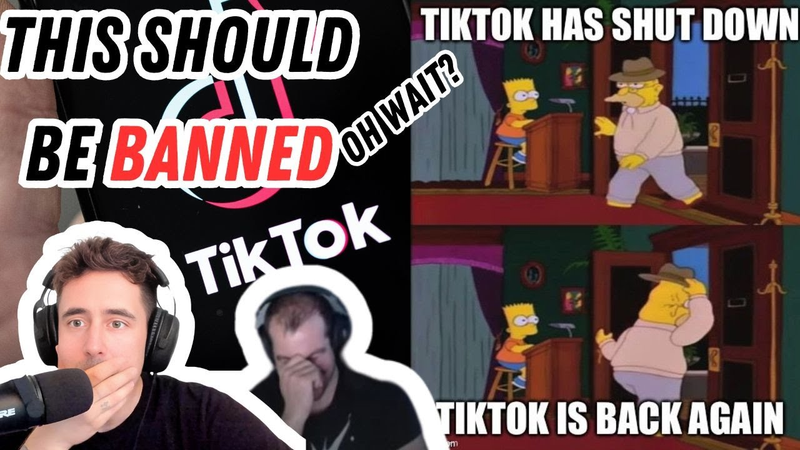
*Emergency Episode* TikTok is Banned in the US! Now what?
The recent legislative and judicial developments surrounding the potential ban of TikTok in the United States highlight the extreme volatility of the current digital advertising and user acquisition landscape.
- The U.S. government’s mandate for TikTok to divest to an American entity or face a total ban creates extreme volatility for mobile game user acquisition strategies.
- A temporary service suspension forced major gaming titles to immediately pause all marketing campaigns, demonstrating the high risk of relying on a single advertising channel.
- TikTok resumed U.S. operations within 13 hours of the initial ban after securing a 90-day extension to negotiate a potential sale.

From Failures to Funding: Strategic Moves Founders Should Know with Joe Wadakethalakal, CEO of PvX
Building a high-growth business requires a strategic focus on massive total addressable markets, specifically within the United States, China, or India.
- Founders should prioritize tech-led business models over those dependent on non-recurring revenue or programmatic advertising to ensure long-term scalability.
- Non-dilutive financing strategies allow companies to borrow against predictable user acquisition returns, enabling growth and M&A activity while preserving equity.
- High-growth potential is primarily found by targeting massive total addressable markets within the United States, China, or India.
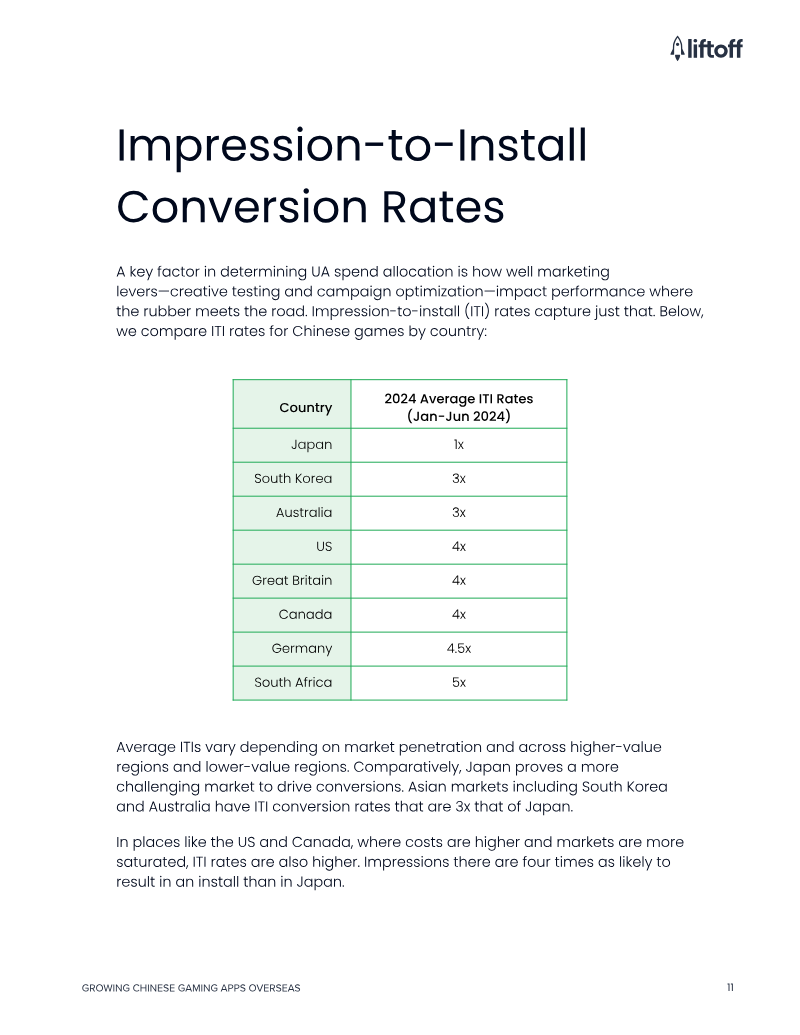
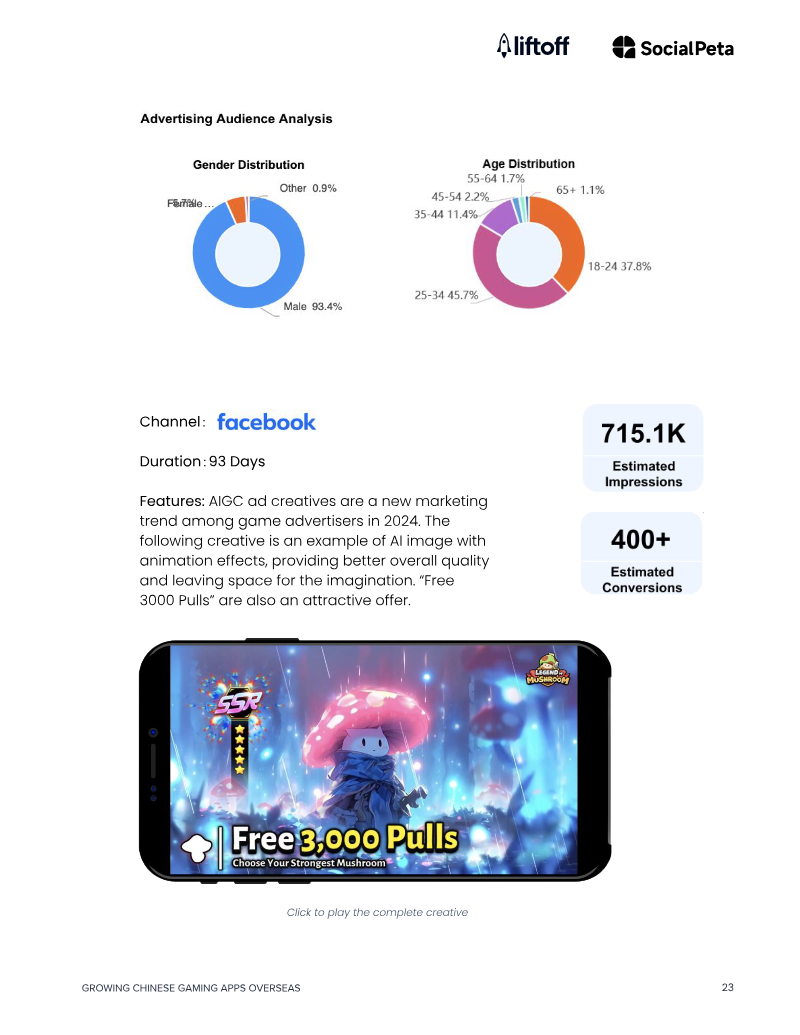
Guide to Growing Chinese Gaming Apps Overseas
Chinese gaming developers are aggressively expanding their global footprint by leveraging sophisticated monetization models and high-volume, AI-driven marketing strategies.
- Video advertising is the most effective monetization channel for Chinese developers in mature markets, currently yielding a 21% Day 7 return on ad spend.
- Generative AI is being deployed at scale to automate the production of localized ad creatives, voice-overs, and performance-tested copy to reduce costs and speed up regional market entry.
- Long-term player retention is increasingly driven by integrating social hangout spaces, customizable home systems, and minigames into core gameplay loops.

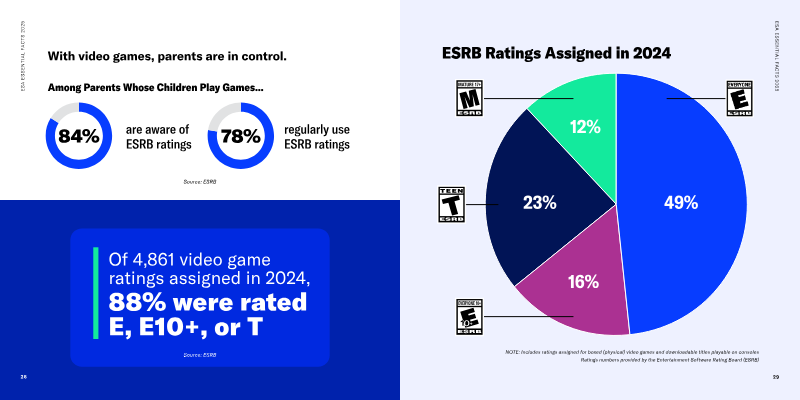

Essential Facts: About the U.S. Video Game Industry 2025
The 2025 Essential Facts report by the Entertainment Software Association provides a comprehensive analysis of the video game industry's footprint in the United States.
- The U.S. video game industry generated $59.3 billion in consumer spending in 2024, marking a 32% increase since 2019.
- Approximately 205.1 million Americans, or 64% of the population, play video games for at least one hour per week.
- Software content is the primary revenue driver, accounting for $51.3 billion of the total $59.3 billion industry spend in 2024.
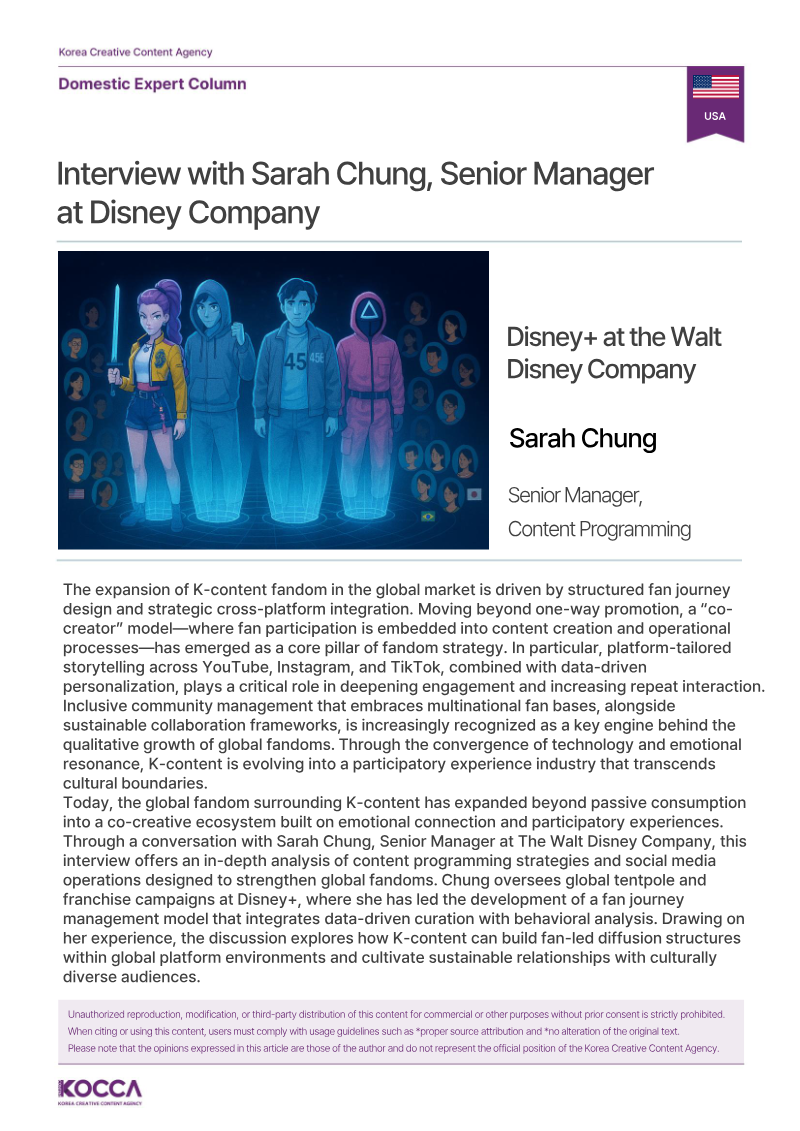
Interview with Sarah Chung, Senior Manager at Disney Company
The interview underscores that the worldwide surge of Korean content is rooted in a “cocreator” fandom model, where streaming services offering seamless subtitle and dubbing options enable audiences to engage directly with material and co-produce cultural moments.
- The global success of Korean content is driven by a 'cocreator' fandom model, where streaming platforms leverage seamless localization tools to allow audiences to actively participate in cultural moments.
- Korean productions must now compete for attention against both traditional OTT platforms and short-form ecosystems like TikTok and YouTube, necessitating a shift in how content is marketed and consumed.
- To maintain global reach, studios must adopt a dual strategy of utilizing platforms with extensive international footprints while executing aggressive off-platform promotional campaigns.


The 2025 Guide to US Gaming Audiences: From Data to Personas
The 2025 United States gaming landscape reflects a profound demographic shift, moving away from the outdated stereotype of the isolated young male toward a mainstream, diverse population nearly evenly split by gender.
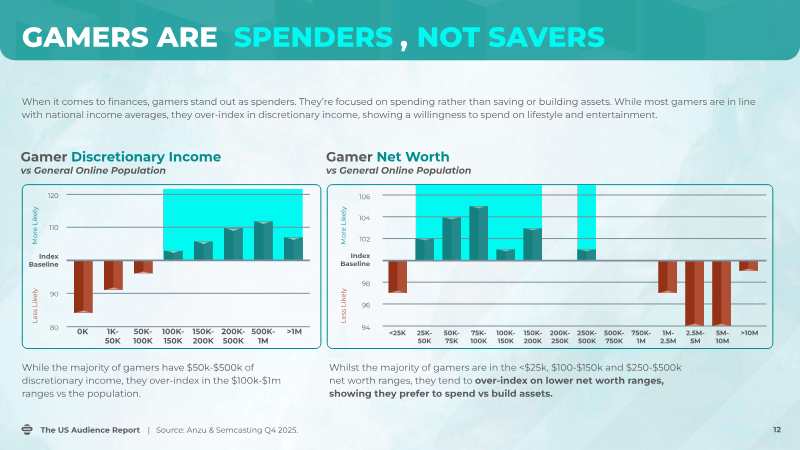
- The US gaming audience is now gender-balanced and financially stable, with significant segments earning between $51,000 and over $250,000 in net worth.
- Modern gamers prioritize immediate lifestyle quality and discretionary spending over long-term asset accumulation, frequently investing in premium groceries and convenience services.
- Gaming is primarily a social and familial activity rather than a solitary pursuit, with consumer habits heavily influenced by multi-generational household dynamics.

The State of Video Game Publishing (with Serenity Forge)
Serenity Forge operates as a multifaceted publisher and developer based in Colorado, dedicated to producing emotionally resonant, meaningful gaming experiences.
- Serenity Forge has scaled from a small development team to a global publisher managing multi-million dollar productions, including the 30-million-player hit Doki Doki Literature Club.
- The firm’s core business model relies on deep diversification, blending internal development with physical distribution, merchandising, and bespoke co-development partnerships to mitigate market volatility.
- The publisher rejects industry fads like NFTs, instead utilizing a tool-agnostic approach that prioritizes product quality and direct, unfiltered community engagement.

Live from San Francisco + Special Guest Stars!
The mobile gaming industry is currently navigating a period of market correction following a phase of hypergrowth, shifting toward a mature landscape where success is increasingly defined by operational efficiency rather than sheer scale.
- The mobile gaming market has shifted from a phase of hypergrowth to a mature landscape where operational efficiency is now the primary driver of success over sheer scale.
- User acquisition has become increasingly difficult, forcing developers to rely on arbitrage and incentivized traffic models that remain vulnerable to platform policy changes by Apple and Google.
- Market dominance is currently concentrated among large-scale publishers who utilize massive marketing budgets and sophisticated live-ops expertise to maintain their position.

Emergency Pod: SEC vs OpenSea
The Securities and Exchange Commission’s issuance of a Wells Notice to OpenSea marks a significant escalation in the regulatory oversight of digital assets, signaling a potential shift toward classifying various non-fungible tokens as unlicensed securities.
- The SEC has issued a Wells Notice to OpenSea, signaling a potential regulatory shift toward classifying various NFTs as unlicensed securities under the Howey Test.
- OpenSea plans to contest the SEC's classification by arguing that NFTs function primarily as creative goods, such as art, collectibles, and gaming items, rather than investment contracts.
- Regulatory scrutiny is specifically targeting projects that promise financial returns, utilize staking mechanisms, or market assets as speculative investments rather than functional utilities.

Mobile advertisers are going in blind on Apple | Fernando Pernica from Nefta
The mobile advertising industry is currently navigating a significant shift in data accessibility, primarily driven by heightened privacy regulations on the iOS platform.
- Apple's privacy-driven data restrictions have created a paradox where overall app revenue is rising despite declining user retention and in-app purchase metrics.
- Advertisers are currently using broad, inefficient user acquisition strategies to compensate for a lack of granular targeting data, driving iOS costs per install (CPI) above five dollars.
- The industry is shifting away from cross-web tracking toward first-party publisher data, which analyzes in-game player behavior to improve ad auction relevance.



U.S. Gamer Segmentation 2024 Edition
This analysis of the 2024 U.S. video gaming market identifies a resilient landscape where 71% of the population, or approximately 236.4 million people, engage with games.
- The U.S. gaming population stands at 236.4 million people, representing 71% of the population, which is a slight decline from the 2020 peak of 74% but remains above 2018 levels.
- Average weekly engagement has increased to 14.5 hours, up 1.8 hours since 2022, while average spending over a six-month period has risen to $56.20.
- The market is shifting toward more dedicated segments, with a migration away from casual 'Incidental Players' and 'Daily Dabblers' toward 'Super Gamers' and 'Transitionals'.