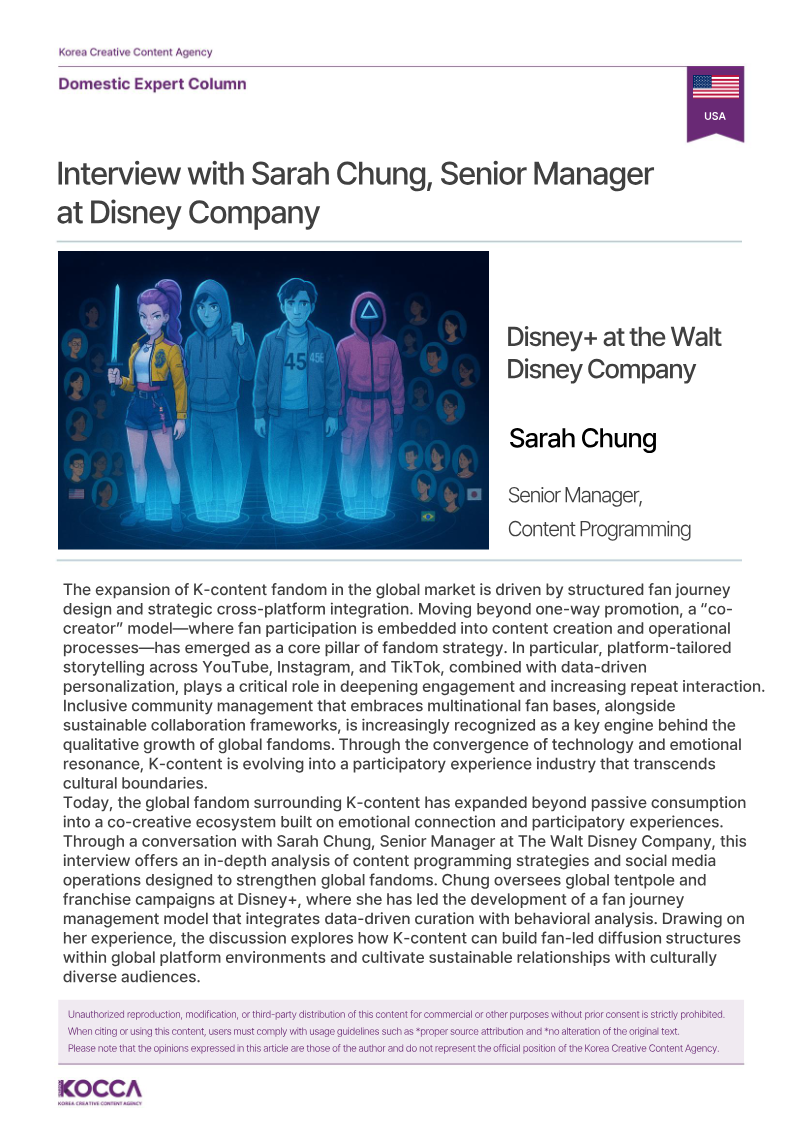
Interview with Sarah Chung, Senior Manager at Disney Company
202513 pages~32 min full read
The interview underscores that the worldwide surge of Korean content is rooted in a “cocreator” fandom model, where streaming services offering seamless subtitle and dubbing options enable audiences to engage directly with material and co‑produce cultural moments. This participatory dynamic is amplified by nostalgia‑driven “comfort viewing” and the rapid diffusion of fan‑made short‑form clips on TikTok, which together reshape attention spans and create a feedback loop that fuels further consumption.
A key finding is that Korean productions are breaking out of traditional genre boundaries, as illustrated by titles such as The Glory, D.P., Sweet Home and Gyeongseong Creature. These series now contend not only with other OTT platforms but also with short‑form ecosystems like TikTok and YouTube, as well as user‑generated content. To secure global reach, Korean studios must prioritize distribution channels that combine extensive international footprints with aggressive off‑platform promotion, while exploiting AI‑driven recommendation engines to surface relevant titles amid an oversupply of options.
Looking ahead to 2026, success will depend on a balanced strategy that merges technological adaptability, clear conceptual storytelling, and format experimentation. Integrating nostalgia‑centric comfort viewing with cross‑platform interactive campaigns will allow Korean creators to navigate a fragmented global content landscape and maintain competitive relevance across both long‑form and short‑form media environments.
KOCCA – Korea Creative Content Agency · 2025
KOCCA – Korea Creative Content Agency · 2025
KOCCA – Korea Creative Content Agency · 2025
KOCCA – Korea Creative Content Agency · 2025
KOCCA – Korea Creative Content Agency · 2025
KOCCA – Korea Creative Content Agency · 2025
KOCCA – Korea Creative Content Agency · 2025
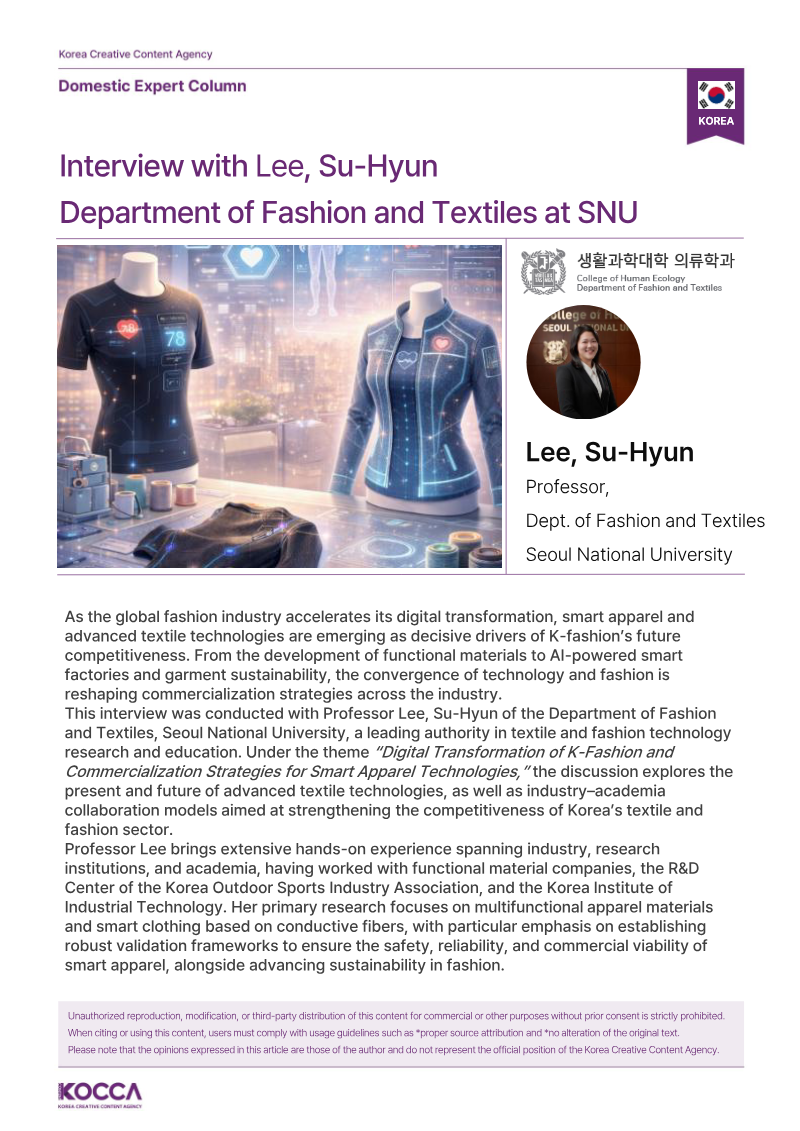
KOCCA – Korea Creative Content Agency · 2025
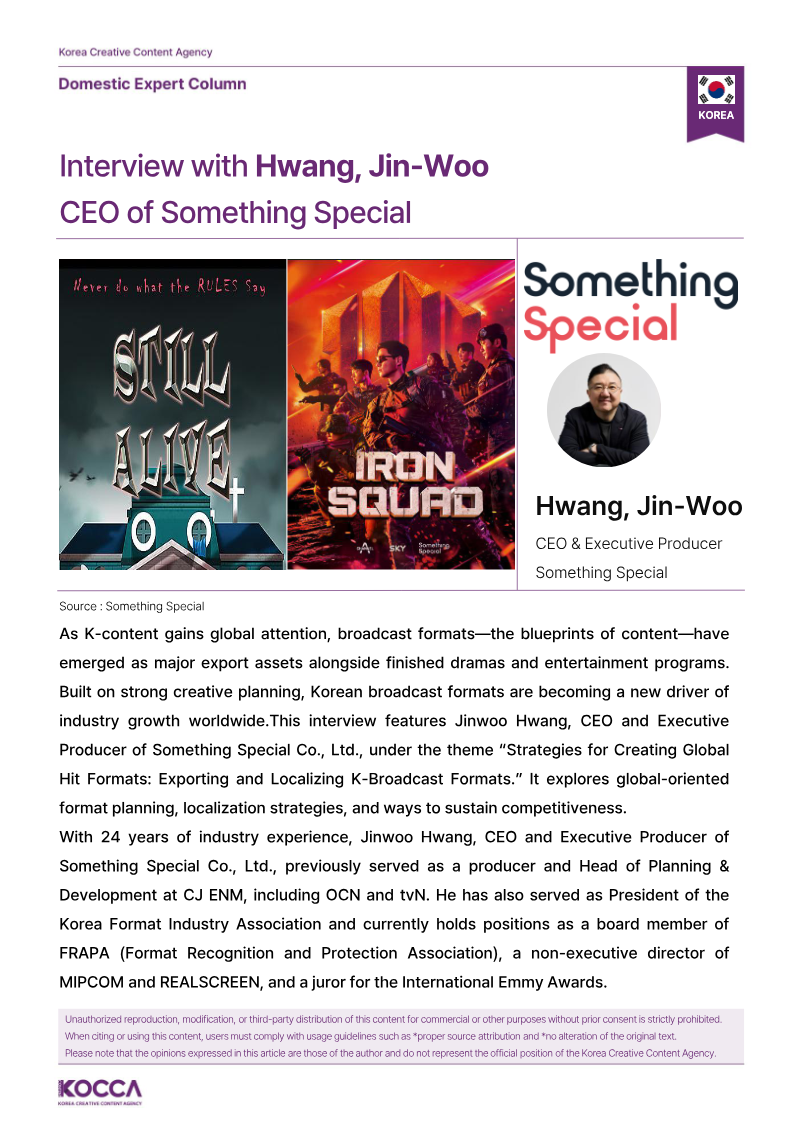
KOCCA – Korea Creative Content Agency · 2025
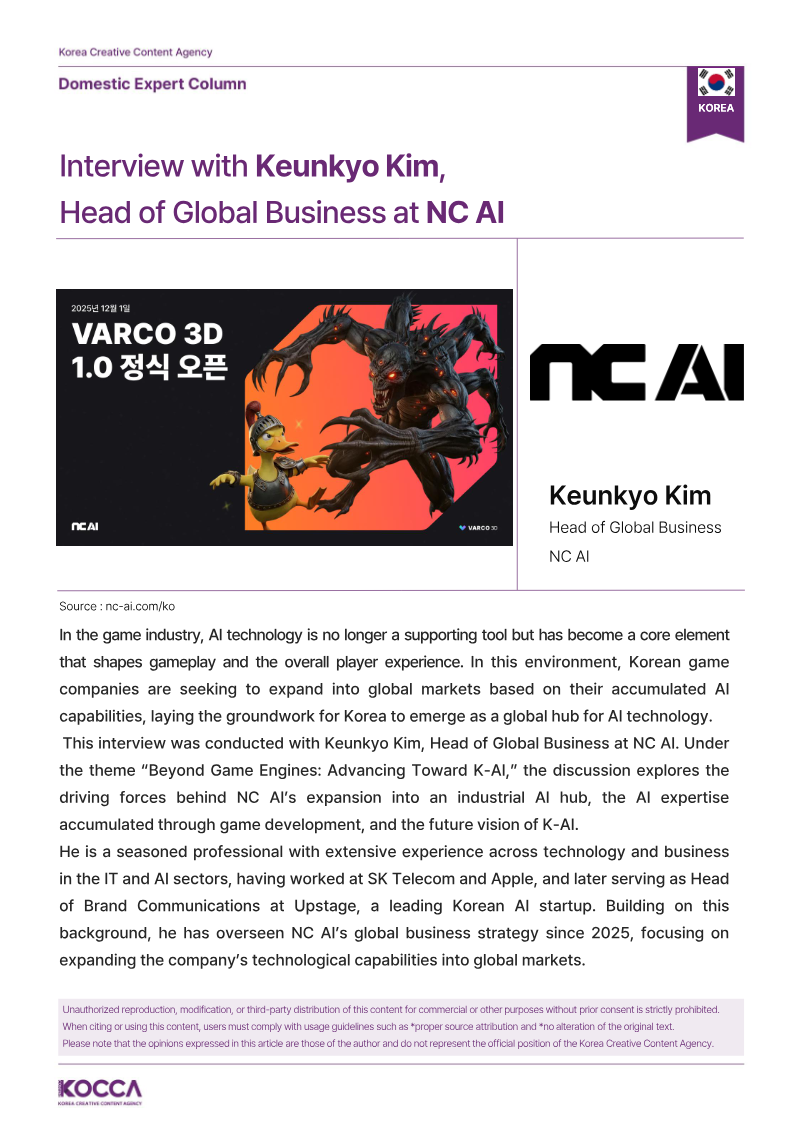
KOCCA – Korea Creative Content Agency · 2025
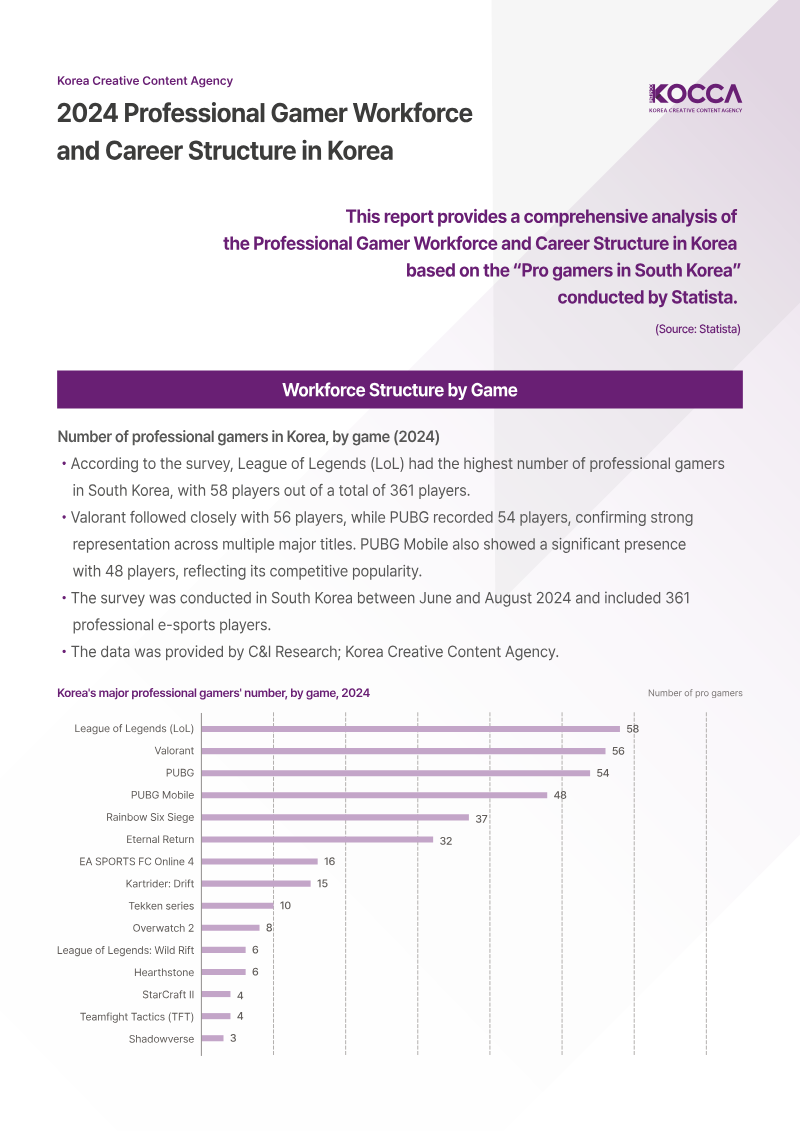
KOCCA – Korea Creative Content Agency · 2024
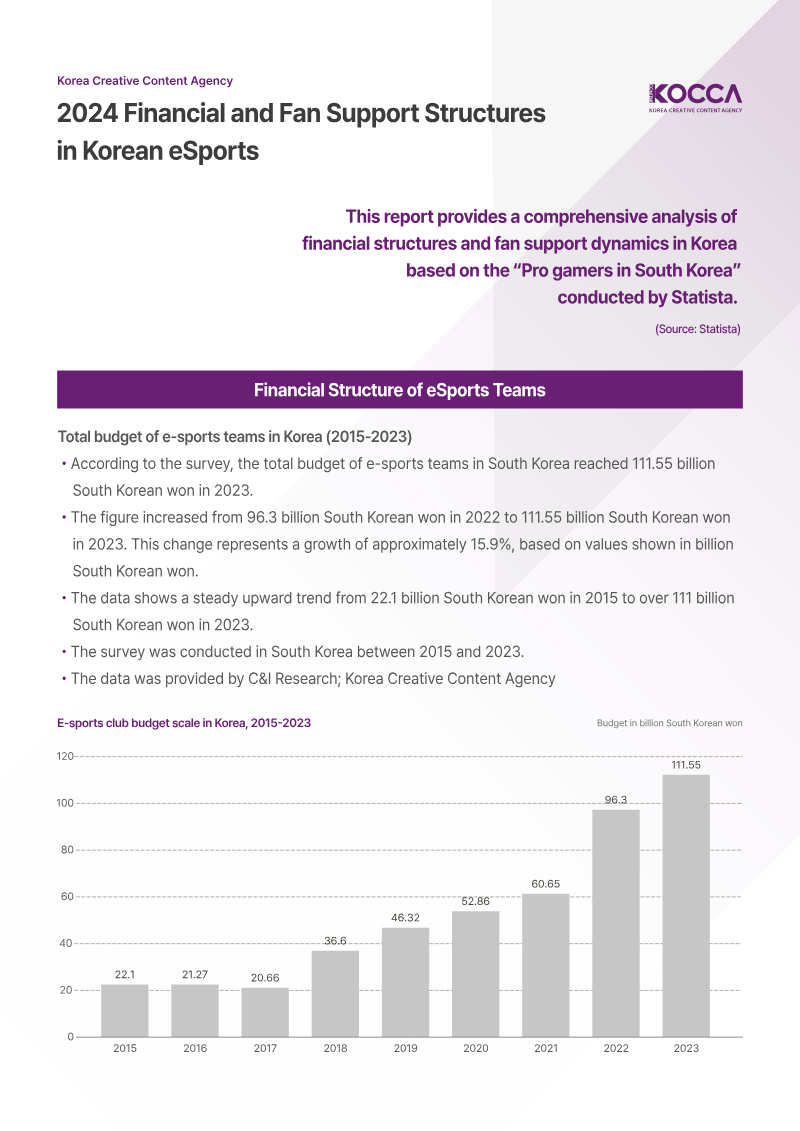
KOCCA – Korea Creative Content Agency · 2024

IGN Entertainment · 2026
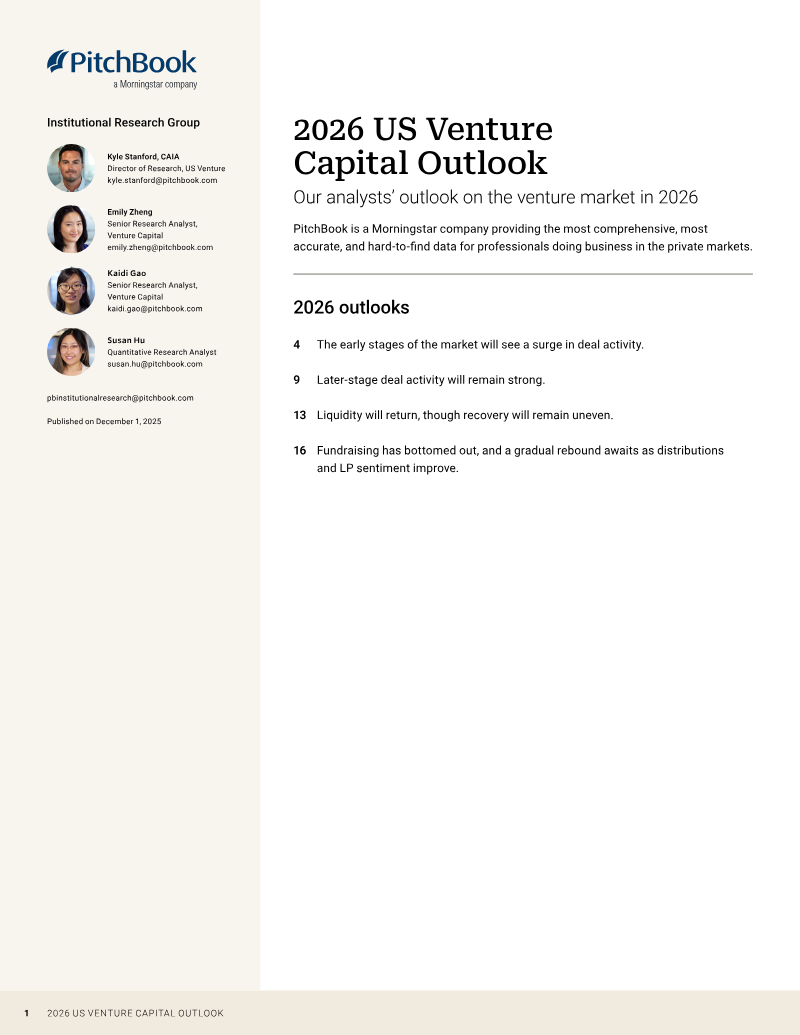
PitchBook · 2026

InvestGame · 2025
Stream Hatchet · 2025
Vorhaus Advisors · 2025
Stream Hatchet · 2025
Stream Hatchet · 2025
Game Developers Conference · 2025
BITKRAFT Ventures · 2025

Entertainment Software Association · 2025
Stream Hatchet · 2025
Anzu · 2025