Transcript
[Music] welcome to the novic gaming podcast where it is our mission to explore the business and future of video games we bring together the industry's brightest Builders investors and thinkers to keep a pulse on current events dissect emerging Trends and games share Lessons Learned and have a great time this podcast is also part of novic growing ecosystem which ranges from free and premium research to Consulting and AD advisory services for more information visit [Music] www.nic.edu overwolf is the guild for in-game creators whether you're a gamer Creator or game studio overwolf is the ultimate destination for integrating ugc in games
for Game Studios overwolf offers curse Forge for Studios a white label solution that lets game makers and Publishers easily integrate mods safely and seamlessly into their games both existing and new at zero cost it's battle tested by triaa Studios and games including Maxis with the Sims 4 Studio wild card with Arc take to interactive and others for creators overwolf is the all-in-one platform that enables creators to build distribute and monetize in-game apps mods and Game servers in 2022 overwolf paid over $160 million to in-game creators proving that they truly value the talents and contributions of The Gaming Community you can check out everything over wolf has to offer at overwolf decom or check out the details in the show notes and with that let's jump into the episode hello and welcome to the novic gaming podcast I'm your host Nick aori I always say we have a special episode and they always are special but today is really
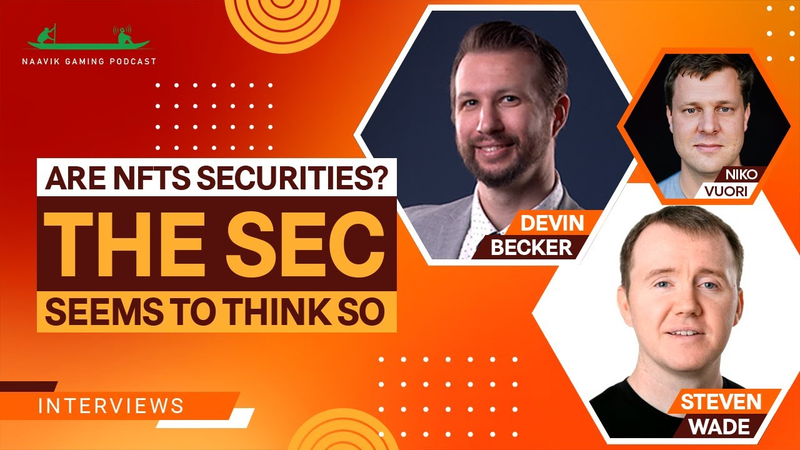
special because this is our first emergency podcast here at the novic gaming podcast we are responding to the news that the SEC is going after openc uh the nft marketplace the leader in that space uh and is calling nfts potentially Securities which is a very big deal uh and has fairly major implications for the entire web 3 space if it actually files an action it has filed a Wells notice and a Wells notice is essentially a warning that the looking into you but about 70 to 80% of Wells notices result in regulatory action so this is not a minor thing this is actually a pretty big deal so we wanted to get together some folks who know the space who've been covering web 3 for really long time understand nfts have worked in them actually produced Collections and and analyze the space for years now so I wanted to introduce Devin Becker who's the novic web3 gaming analyst he's been covering the space for as long as that's been around and uh
Stephen Wade who is the founder and CEO of midnight he's been on the Pod before with me and he works in web3 with a very real business with very real revenues and very real funding so we collectively hopefully have a pretty good grasp on what's going on we are not lawyers so up the top of our our podcast here we're going to say we're not lawyers this is not legal opinion but um we are going to do our best to unpackage what's going on in the space right now what is doing what are the implications for openc and other marketplaces nft marketplac like magic Eden or blur and of course more broadly what does it mean for web 3 and web 3 gaming in particular so with that out of the way let's get right into the episode Devin welcome always a pleasure ni Steve welcome yeah really good to be here I like being the first emergency yes first emergency on your contact list there you go yes I'm going to put you into my uh my speed dial here um okay so why don't we start from the very top so I'm going to start with Devon here so Deon what is going on here
what is the SEC doing what is the SEC charging open C with what is a Wells notice so I think the important thing to to understand is we didn't actually get to see the wells notice right so this was basically a tweet that came out uh from from someone at openc announcing that they received a Wells notice and the way that they specified it was that basically uh they're being targeted for potentially like their their Marketplace having nfts that could be contributed to Securities one important clarification I think on that just to be like to set the the place for this conversation is that I don't think they were necessarily saying all nfts or nfts broadly but the nfts on openc or at least some subset of them and I think that's going to be important Nuance but because we didn't see the wells notice all we have to go off of is pretty much what we what we heard back uh I believe they can publicly share the wells notice is my understanding it's not a uh Private Matter in fact some public companies have to but I believe this is something where they definitely could share it and I I would hope we get to see the full thing but basically it's like uh
this is okay we're goingon to go do this we're investigating you now this actually starts a process where they could basically send something back to the a called well submission uh that then is basically their sort of like appeal to it which and sometimes that just leads into settlements which is like that's part of like almost the negotiation but it's kind of a one time like here's our and this is my understanding of course I'm not a lawyer but basically they send it back and then they could consider that and maybe they can consider okay maybe we won't investigate you because you explained yourself and we understand your position but that is sort of their next step is to be able to communicate formally through well submission so we'll see if they do that they said they're going to fight it so yeah I think it's important to note that uh 70 to 80% um of Wells notices result in action in actual formal charges so it's not it's likelier than not that this is going to lead to something fairly major and of course because openc is such a big player in the space it is the largest nft Marketplace still uh by trading volume and has obviously ungodly amounts of
funding and valued at very significant U you know multi-billion dollar valuations it is unlikely that the SEC would file this Wells notice and then pull it back hey jk just kidding um so this is probably going to lead to to enforcement action obviously we don't have a crystal ball but but uh it's a pretty uh real deal so Steve um there're basically saying some nfts or maybe all of the nfts we don't know exactly because we don't have the wells noce as as Devin said um are securities so I think it's important to to set the tone here like what is what actually is a security um I I know you're not a security sloyer none of us are lawyers of any kind quite frankly um but let's let's look at what a security is I think there is a a formal definition uh and I think we should understand what the SEC means when it's calling nfts potential Securities that's right I'll try to use my uh investment B background um but yeah the the wells not is uh primarily is saying uh well again we don't have
their charges um but that these nfts are Financial assets they're generously considered Investments um because there's expecting profit um I think profit is the key word uh there's various other things that we look for um you know how easy it is to trade uh nfts the utility that nft um is there a fixed value not a fixed value uh you know uh and if there's ongoing sales of those N I think those would be some things that we would look at um but the relevance in you know the sex case deise what we just we don't know what they're saying and we don't know if it's the platform itself we don't know if it's individual entities that didn't pass um but there is a thing called a a Hoy test right uh so it's Investments of money so NS do involve um buyers investing money um in a lot of cases an openc blur magic there
is um expectation of profit for these nfts uh and I think um the frequency of which they traded and tied to the platform is probably going to be an issue yeah guys yeah I I think I think that's right uh and you mentioned the Howie test there so the Howie test is essentially um a four-pronged test uh that the SEC considers it's been around since I think 1934 uh so a very long time uh definitely predates the internet predat uh jpegs of monkeys trading for hundreds of thousands of dollars that's for sure so TBD how relevant it is but that is the test that the SEC uses um and the four prongs of the howy test to determine if something is a security are is there an investment of money is there an expectation of profit and this is the one by the way this is the one prong that most of the cases when they apply the how test this is where most comp companies who are falling on the foul side of this that's where they usually fail it's on the uh expectation profit P so that's important
to know number three is it a common Enterprise so in a company that's very obvious like the company's working towards a common goal of producing profits and if you're investing in the company and a security in the company you know that's pretty obvious what that means uh it's less obvious here again not a lawyer but I think that's important to note and then number four is there a Reliance on the efforts of others so you are putting in money with an expectation of profit into a common Enterprise that other people professionally are managing you're relying on the efforts for that profit so those are the four prongs of the test and that is the very basic uh level kind of of understanding I think we need here obviously there's a ton of nuance around all of those um and so it'll be interesting to see on the Howe test because usually when you actually have one of these actions that the SEC is taking you actually have them going through the the four-pronged Hoy test and they actually lay out like here's why you are failing or here's why you are we think that you are you are a security uh based on the on the Howard test so so that's kind the level setting
here um de back to you so the SEC obviously has a checkered history of going after Securities um and it has a mixed history as in it's not always clear why they're going after some companies and others in the web 3 space um does the SEC actually have a history of going after nfts specifically obviously they've gone after exchanges like Kraken and you know that type of thing um but have they actually gone after nfts yeah there's three cases that I think are the most relevant first one i' actually say it's coinbase because this is really almost like a sequel to that and I think their Victory there is what led them to this point although I imagine there was a bunch of other time where they were spent you know collecting evidence looking for gotas that they felt confident enough going to this because they have had some losses and they're trying to make sure they have mostly wins uh and then the other ones is there's two nft related specific cases around impact theories and cool cats nfts that Stoner cats for different Reon St cats yeah Stoner cat Cool Cats was a different one all these cat cats yeah there's a lot of cats there's a monkeys there's a lot I Cool Cats had
its own thing too I don't know but uh but yeah these these cats the stoner cats are the less Cool Cats because they're just stoned I guess but uh unfortunately yeah they they both resulted in like settlements and and sort of uh judgments against them as did coinbase for the most part there was a very small exception there but for the most part coinbase also got with it and that's the big thing here is all these pretty much set this up right now was basically coinbase was was it acting in a similar sense where they were facilitating the same sort of thing but with tokens and now there's because they didn't that's why I don't think this is about all nfts because that wasn't about all tokens it was about the tokens they consider to be like Securities and therefore coinbase was facilitating that and they're looking I imagine at openc the same way you guys are facilitating some of these that we consider Securities you guys are making profit off that you guys are runting this as a business or a broker whatever the legal uh specific pigeon hole they put them in is but I think that's really where it's going is that case again but combined with what they pulled off off from the
uh the ster cats uh and the impact Theory one where they kind of found like the other parts the howwi test that you're talking about around the expectation of profits the promotions the uh and I think a lot of it really was more about the utility uh aspect of it which is like if they're promoting this as like a business or a common Enterprise kind of investment as opposed to something where it's like oh this you know you buy this but you could also sell it too uh you know that's not quite the same thing and I think that's where this is going to lean towards so I think looking at the Point base one because there was some great detail in there that uh that the the judges you know came up with as well as SEC and I think I kind of agree with some of them as much as I hate side with the SEC but I think it was worth looking at the details like the actual quotes of what they said like they supported for the SEC how they were rebuffing coinbase was like super specific about like what they were doing specifically and I think same with the other two cases where basically you had the judges like laying out why these are failing how test and you
actually that was even more inter because you had dissenting judges on both cases to actually say like these are this is where we think this might be a slippery slope is where we think the SEC the main argument was just basically that they are being too selective potentially and I think that is probably true yeah yeah interesting I think the yeah the impact Theory and sterer cats both resulted in settlements I think sterer cats they agreed to pay $1 million fine and then to cease and desist um but what's interesting about those is that those were settlements um and were not appealed and none of these have actually been appealed yet right like there is an argument to be made that you could you could appeal these if you wanted to go up against the SEC so what is the counterargument then Steve uh you know what is uh so Devon dinser who's the founder and CEO of openc he put out a uh a response on on X Twitter um and uh he basically defends nfts as essentially art you know art Collectibles um what's the counterargument to the SEC here why should we not consider nfts as security in uh the blog post from uh openc and in
the the x or the Twitter reply uh I think they're trying to combine the art and the nft technology right I think that maybe a bit of a spok screen there because I think the the underlying art is still art right and I think what they're trying to lead into is the creator economy uh allowing artists to essentially you know profit make a living from this um but the lines are definitely more like there's a gray area and I think the gray area is which you know the counterargument I don't think you can you know with certainty say that hey you nfts are art they're not Securities I think it's it's a bit blurred um the fact that uh we don't have regulation from the SEC I think there's a lot of things um it's kind of like you know we're doing the best we can you know we you know even at midnight we have multiple legal teams involved around the world to make sure that we're as compliant as we can for the se's regulations of the day um um so I think that you know the best case
would be it's like you know hopefully not every T nft project is look at security to to Bri's point it's probably just a few bad actors in in the group that you know like this the gcha moments um but I would say the the best argument is you know it's a great area people are trying to be as compliant as they can in the current regulatory environment we have I looked at Devon uh Devin Diner's um post and I I know that Davin Becker I know you you're specifically saying that it looks like it might just be certain you know specific nfts Steve you're mentioning it might be a certain Bad actors Devon is certainly painting it with a fairly broad brush I know it you know behooves him to do so I suppose because you know he's talking on behalf of all the creatives all the creators of nfts on his Marketplace but let me just read out um a quote from his it's longer and you can go check it out online of course and search for it but um this is kind of the the money quote in my my mind so I'm just going to read it out here it's a few sentences long this is a move into Uncharted Territory by targeting nfts sec would stifle
Innovation on an even broader scale hundreds of thousands of online artists and creatives are at risk and many do not have the resources to defend themselves nfts are fundamentally creative Goods art Collectibles video game items we'll get to that in a second domain names event tickets and more end quote uh and then he also pledged $5 million to help cover legal fees for nft creators um who might also be getting these weth notices so so that's what he's he's he's saying that it seems like the SEC is coming after all the nfts and anything is fair game video game items you know web 3 games Steve obviously um you know you're in that space um yes it behooves Devin to paint it with a broad brush um but uh Devon Becker are you saying that it's actually more nuanced than that yeah I mean I I I don't necessarily have anything fully against openc they've made some bad decisions over time but this feels a little bit like trying to use the baby in the crowd
to Shield yourself uh by by trying to to you know talk about the analogy there right trying to appeal to everyone's sympathy right and I think at at the end of the day like I honestly think it's just going to result in a settlement where they basically just have to delist a certain number of them and have to be stricter about what they accept and how they Market them and all that stuff but I think the the example that was actually kind of made in the coinbase case around beating babies and it's trying to be trotted out again around Collectibles I think is a great example if if the Pokemon company out and said buy Pokemon cards because you can make a profit from making Pokemon cards more popular and then selling them on the secondary market and that's the main use of these you don't actually need to play the game just flip these on the market they would be slapped down and rightly so that's really the defense that's that's the the hard part to justify if you are saying this is Art well there it needs to stand alone as art it doesn't need to be a profit seeking Enterprise there doesn't need to be this whole thing built around it and now when I went to openc earlier like the first thing I see on the page floor prices market volume I'm I'm sorry but it looks
like stock tickers to me like at the end of the day like it's hard to make that case and I love nfts I think they're fantastic that's what really got me into web 3 especially around games but you need to Market them as nfts and not as Securities if you don't want to be treated as a security like the how we test like I know everyone says we have no uh guidance and stuff like that but I think the guidance is really simple in the sense of like don't put it out there like it's a security and there's less likely to come at you like it's a security and I think the marketing angle has really been used against a lot of these companies you look at the soner cats one and the impact Theory that's exactly what they they quoted their marketing they use their marketing and I imagine the reason this took a while to get to this point both off of the back of the coinbase uh as well as the previous ones is them collecting all that stuff to present that in court and go look you said this you used you presented it this way you set this up as essentially some kind of Securities Market rather than just an inventory of secondhand Goods like Craigslist or
something and I think you know like this is not eBay like eBay is not like hey buy stuff just to sell it on eBay for profit and I think like blur especially would be really guilty of this yeah Counterpoint Steve I know you want to jump in there yeah go for no go for it I'm I'll do my counter I just like the simplification especially of using Pokemon cards I think uh you know any conversation any podcast we're talking about Pokemon cards it's it's going to be the good rest of the day um the art versus security I don't think we're arguing and I you know it seems like we're we're all kind of in alignment the yard itself is you know and their apply from is a little misleading because it's not the art that the SEC is is security it's the underlying contracts it's the speculative nature it's the marketing uh you know that brings scrutiny from the and so you know with the analogy of Pokemon cards I think what openc does like hey you know we can sell Pokemon cards we can sell NE there's no issues but if we have to you know attach a um golden frame that have to be sold with this golden frame and the go the golden
frame is what's going to you know Drive value up uh I think that's cards basically exactly during Co yeah that's oh there is a I don't want get too far topic but there's a service now for a hundred bucks where you can send a pack of uned cards and they they x-ray it and they'll tell you all the cards in it I'm like it's just ruin it for me um oh this a service for everything days uh I'm gonna throw my counterpart in here which is uh just because you Market something as like hey you could make money off this that doesn't make it a security right again I'm not a lawyer so I'm not going to you know Pine on the how we test here or how exactly Stoner cats marketed their their nfts but I I I mean fine art has been traded Wine fine wine has been traded for the longest time as something that will potentially appreciate in value um and we have had art markets long before the SEC existed um and they've never gone after them uh either uh we don't have a lot of legal opinion in this so I'm just going to going to read one opinion piece this is
one guy that I've vetted for a grand total of 15 minutes but he is a a professor called law professor called Brian L fry R ye uh he is himself an NFD artist he's put out collections uh he's actually sued the SEC um like prior to this because he he wanted to get a no action from the SEC for this entire space he's not been successful so far obviously but he uh authored an opad piece in coindesk um just morning it literally published like less than an hour ago um and he says that the SEC wanting to regulate enties exposes the incoherence of the sec's understanding of what it's authorized to regulate and then he continues the SEC is wrong no it's worse the secc is nuts now I'm gonna pause here and editorialize a little bit rarely does it behoove your your point to call somebody nuts but anyway be that as it may he continues the nft market is identical to the Art Market or rather the nft market is an art Market if the SEC can regulate
the nft market then it can also regulate the Art Market but the Art Market existed long before the SEC was created in 1934 and the SEC has never regulated the Art Market or even contemplated regulating the Art Market it can't and it shouldn't end quote so that is but one law professor's opinion um but it is a law professor who is steeped in Securities Law and nfts has his own collections kudos to him for for putting it out there by the way one of his nfts was a redacted uh filing legal filing where he uh issued his laws I don't know you guys saw that but it's really funny yeah I now I remember this guy yeah so he's uh you know he puts his money where his mouth is let's put it that way so um so Steve like that's the Counterpoint there like it's an art Market it's it's nothing different than like soube or Christie's Auction House like you know we've always invested in invested we use the term invest I'm investing in art I'm diversifying my portfolio and getting into Fine Wines like hey like surely nfts can be treated the same way surely uh the first thing that comes to mind is
you know art.com one of the tech bubble losers where essentially if you guys remember art.com but it was some artist I canot remember his name but he had shops in all malls Across America and it's like you you buy this art and it's always going to go up in value right and obviously tanked uh but you know the Art Market to to the N Market I don't think it's a it's a I don't think it's one for one right so you know you take a rim brand or you take your you know your rare graded Charizard card right uh not a security right because it's our card um you can divide that Rim brand or that Pokemon card into a thousand pieces and then sell ownership to of those pieces to people then it's not still not security but if you say well now uh that ownership is connected with the business um where you know by Distributing those art pieces we're going to fund a a business uh now that now that you're security right so I could take that Rim brand that Pokemon card cut it up Trade It ises NTS no issues but the time where
like oh you have to you're making future promises where the value is going to go up and you you already need the money to build a studio there's a lot of companies um magic blur open SE they'll launch nft projects first to fund their games which makes it a security um so I think there is some some issues there uh just it's what what point do you go from I'm selling Arts to you know fund my lifestyle to now this art is funding a business and you expecting the value of the art that you're buying to to increase yeah and I think that's the point there it's a fine line uh again I'm going to back to areas I'm I'm gonna keep taking this position here um because apparently this is I'm the only one on this side in this conversation here I thought I was gonna play Devil's Act of just behave okay just behave oh certainly there are bad here's the thing like nobody disagrees that there are Bad actors in the web 3 space right like we would be the first ones toit like it is full of crypto scams pump and dumps and like buy this and it'll go up in value
forever those should be flushed out for sure um sure but I would argue that the majority I don't know if it's the vast majority but the majority of nft projects whether they be games or pure art or you know be selling his you know early thing for 60 something million dollars whatever that you know there may be an expectation that that goes up in value but that does not make it a security in and of itself right yes if you Market it like hey invest in this and you're a part owner in this company or in this da you know decentralized autonomous organization and you will have you know voting rights and ownership like yes that is quite clearly a security right that is quite clearly security but I think since the early days like most nftd projects have tried to avoid that like the plague right and if anybody you I worked at web 3 and we consulted with lawyers um Steve you have six different law firms representing you and I had really hoped that you would be able to talk to at least one of them before this podcast but you haven't yet um but nonetheless most NFD projects that are
legit and trying are trying to do something just something interesting with this new technology which is blockchain technology which allows ownership and allows for interesting things to be done interesting new game designs or interesting new um business models um that does not make it a security and of itself it is a piece of digital art or piece of digital you know video game asset and if you own it and it happens to go up in price and you're even hoping it goes up in price that doesn't make it a security so I'm just gonna I'm gonna stick to that point here so Devin Counterpoint back like we we could go back and forth in this a long time we're not lawyers but but uh it just it feels so cut and dry that the SEC would be going after um like NF like we Al agreed that like tokens and and and fungible tokens right fungible tokens there's a difference right fungible tokens P like purely is there for making money like there has no other purpose other than speculation right tokens pump and DS what have you but nfts are if you take it at Facebook value are pieces of digital ownership
like they are unique in the sense that they can be tracked to the blockchain and their Providence can be confirmed just like we track Providence with but you don't get profit sharing from the Pokemon company for owning that Charizard yes and but not all nfts give you like if if you're if you're staking them for example like the whole staking mechanism yes I 100% in agreement like when you're St nfts for an expectation of like some return in fungible tokens or like extra ownership or what yes that is quite blatantly a security but I would argue the majority are not doing that I would I would absolutely agree that fundamentally nfts are not a security right fundamentally but they absolutely can be and in my experience in doing a lot of Consulting with a lot of different companies is everyone's trying to tiptoe up to that line and the complaint about SEC guidance so much isn't necessarily about guidance it's about where's that line so we can tiptoe right up to it that's right because we need to know where it's at because if it's if we're just kind of like not sure that's out we might accidentally cross a toe over it and then you could come
after us partially because that selective enforcement but I think the the area to focus on and one of the dissenting judges pointed this out is the risk of slippery slope towards fundraising as crowdfunding so meaning like if you were to take Kickstarter projects and approach it the same way a lot of these nft projects were to it'd be very obvious that you're engaging in Securities fraud right but because we have all this technology and the this you know where we're building the future I'm a huge futurist so I'm like please do whatever you want I don't care break the law just go crazy but at the same time you do got to realize like people are going to come after you so it is that's where the area gets tricky and we have all these terms like aligning incentives and all that stuff but really you're just kind of double speaking around Securities fraud to some extent when you're talking about in sending Alliance you're basically saying hey you're GNA be a shareholder sort of which is very clearly you know Securities and that's that's why I say the way they talk about it is important because they're framing it they're framing expectations and a lot of the how we test is about expectations and
it's about expectations for something that you don't control and I think that's the reason that it's kind of treated as investment contracts and that sort of things is you're not investing in your own business you're investing in someone else's business I think if it was your own business then it's fine you're investing in your business like that's a normal thing to do that's not security but because it's a common Enterprise where someone else is responsible you're investing in someone else's business essentially or a bigger business or a common business and in doing so there there should be protections attached because it's not your business don't control it so that's the sec's job to say hey people are investing in things they don't control we should protect them from investing in the wrong things and and fraud now do they go wrong and go in wrong directions and you selective enforcement yeah all government agencies do like it sucks and I hate it but here we are needing to be a little more careful in how we present things and like again kickstarters a great example if you were to figure out where those lines are in Kickstarter I think it becomes very obvious very quick what makes sense for crowdfunding or not or what makes sense
for shareholder type Investments or not and I think investors being involved really helps buddy the water because you're talking about especially around tokens things like staking like a lot of that stuff investors really skew towards looking at ways where it starts becoming Securities there really the VCS are often you know trying to tipto up to that line I think even more than game developers are and game developers are just like dude I need money to make a game what do you want me to do okay I'll do that and it's like again like Kickstarter where kickstar is a little more transparent clear you're basically buying a product early and you're getting a discount for that and that's helping fund the thing and it's very clear it's not some expectation problem you're not expecting like hey I'm buying this Kickstarter thing so that I can flip it later and then other people flip it the profit will go up forever and I'll get royalties or whatever like that's I think if you like you know present it in arguments that are not like sort of like swimming in technology and we just talk about Kickstarter or Pokemon cards and you start like taking analogies that aren't perfect analogies but it starts
making a little more obvious why maybe like don't go that direction so much if we want to push this technology forward from an honest perspective you're saying most projects are like an honest side was like well let's keep them like that and then they probably won't be targeted I'm not the the whole like if you're innocent everything's fine obviously that's not true all the time but I think in this case they can only prosecute so many cases they're just trying to make examples don't be one of those examples try and focus on the technology and doing like the kickstarter kind of stuff where you're like Hey we're trying to build a common game together but it's not a a financialized Enterprise it's a game or an art project you don't you don't see be people pitching I'm gonna make a bunch of art as a project for financing this whole thing and like all that yeah maybe Banksy does some weird stuff like that but overall you don't see like soues trading in art that's the same kind of concept as openc and nfts or coinbase and crypto partially because we like to Ted art isn't that we're like oh we bued for to look at it obviously
like I I mean obviously there's a little bit of deception in there but it's all one we've kind of agreed to at this point and just kind of accept and I think may maybe anes get to that point okay all right well um I believe we have staked our positions our non-legal positions so let's shift over now um for the rest of the Pod to talk a little bit more about what this means for web 3 uh and gaming in particular again I called out Deon Diner's um quote there where you know he calls out art Collectibles video game items domain names event tickets and more so video game items of course um there's a massive you know industry at least in terms of VC dollars yet to be proven in terms of obviously sustainable uh many sustainable businesses you know web through gaming um but you know many many business models and many interesting things are going on there um Steve as somebody who works in web3 and and incorporates nfts in your in your products and your games what do you think this means for developers does
it are you worried about this is this something I think it means less for developers than it does for the projects just you know flipping our identities um because as we sh about like you know the the profit and then also the use proceeds uh I think you know Devon's Kickstarter analogy is is perfect um for that uh right you know if it's nfts where you know some creators promise future benefits and Su utilities you know I can see where it gets SL very slow but if you're essentially not Distributing any profits right essentially people are donating or or buying stuff for you to build a certain thing I think that's a little safer right I don't think there's been issues with Kickstarter and people pre purchasing items um you know toly build that that game um but games themselves I mean we've been kind of dealing with real money transactions for a while uh at least all the companies I deal with in the US are are taking things fairly serious you know they're focused on utility of that token inside of an ecosystem um I think you know that that's you know
one of the larger key areas you know everyone always talks about utility what does that actually mean for for games and the companies that Focus for real use cases for the nft for the token inside an ecosystem I don't think the game companies are going to be that affected right because they've already thought out you know most things the use of prives the profit it all focused on the game Studio themselves um some go a little farther and try to do the decentralized stuff and you know wiing offshore foundations uh I think if everyone's doing that together it's going to be you know to deis part it's going to be hard for the SEC to sue everyone got to go after big players you don't want to be one of the companies to get caught uh doing something wrong um so I'd say you most of the game companies I I don't even be too affected by this because they've already at least all the ones that I worked with have kind of been trying to find out where that line is Deon said and walk up to it yeah I I think so and and as did as did I when I was working in web 3 but Counterpoint here and again I I'm saying
I believe this but I'm going to do the Counterpoint here which is um a very very common model in web 3 gaming is to do a mint pregame right pre-launch and sometimes multiple mints and that mint is essentially a kind of Promise of future utility which hint hint nudge nudge might mean that it trades for higher prices you know on the secondary markets in the future right this is a super rare one this is like your you know golden sword that's going to beat everybody All The Monsters right so um that is an expectation of profit just no different to to the art piece and then many games not all but many games have uh fungible tokens as well as in-game currencies entire economy is built on top of uh crypto and and fungible tokens which again trade on secondary markets which there is an expectation of profit uh it's a common Enterprise we're building a game together I own this asset I'm part of this community they talk a lot about community community is just another word for common Enterprise um and you're relying those investors and they call themselves investors who
buy the nfts and and invest in the tokens in in gaming companies um or gaming Studios they are relying on the efforts of the game developers to to build that studio up and make that game successful um yes of course there are very altruistic versions of this and fully on chain stuff that's going on that's you know like you know good intentions and I don't think any or most game developers don't go into web 3 thinking bad intentions but there is absolutely the case to be made and the SEC may very well make it that these nfts and fungible tokens that are part of you know in-game economies are also Securities now we haven't seen that happen yet and obviously to everybody's Point here they can only do so many enforcement actions so they're going to go after the exchanges first that's where you start right like the big boys and then slap them down and then there is that layer below we saw it with the stoner cats and impact Theory they may very well an example of something like um you know ax Infinity for example I I
know from from a couple of years ago from legal insiders that they were being looked at they were being looked at by the SEC um and I would not be surprised if there's others that have had big splashy you know economies and and play to earn in particular economies where there's truly an expectation that this thing is going to go up that's the whole point of playing you're playing too earn so that's the Counterpoint I'm going to make there um Devin your thoughts on that yes lots of thoughts uh first just quickly on the axi thing I think the sky mavus was good about promoting the fact that people just wanted to play a game first foremost and I think that was good idea on their part not that they were necessarily right otherwise everyone would still be playing it but it was definitely a good way to be like hey like no people love this game they're so excited they want to spend a thousand doll on an axi that's how much they they love this game and everyone like just loves axis they're so cute they want plushies of them and all that so like they've clearly managed to dodge that bullet to some extent and I think even
the play to earn thing it's like you're doing something in theory a value to earn it's not dependent on others in that sense of the the common Enterprise so the so that's sort of like a little bit on the edge of the how we test I think which I'm sure you can make the argument either way but I think that's where they're like hey you playing to do that earning you are not earning just from having bought something so something we got a lot of feedback from from our various law firms when it comes to nfts midnight as a company primary sale we have fixed prices for any nft we would sell so if we as a company would sell something on um you know magic and blur opy uh that was a key thing for us is having a fixed place now on the secondary Market if it you know people are speculating it goes up and down that's you know not on us and I think that's that's key for game developers as well I would I think the art I think the art guys would argue the same thing they would argue the same thing like they we're going to Mint this art out at a certain price we'll charge whatever we think think the market will bear that's the logical thing to do and then um it's
not up to them what happens on the secondary market right so so I think the argument is exactly the same again I'm playing devil's advocate here I'm I'm I I want to use these Technologies for interesting things I think that you know game developers in particular near and dear to my heart of course um we just want to use new technologies to do interesting new things right create interesting new game economies create digital ownership that you know you can transfer from game to game or ecosystem to ecosystem like that's what we want we want to create exciting interesting experiences for for gamers for our players right but the AR guys are going to say exactly the same thing they're going to be like well you know we Meed it as ear bu who who's it's not up to us what happens in the secondary Market you know people are speculating on it like cool like they make some money but you know all we get is that that little secondary royalty like you know 2% 5% whatever it is so I don't know I I I I feel like yes I'm with you and of course Steve you're uh uh you know you're in it you're in the thi of it so I understand understand your your perspective here
but but um I'm just going to make the point here like if the SEC can say that art projects and art nft projects can be uh Securities can be true as Securities under the high test then absolutely video game web 3 gaming um nfts and certainly the fible token economies can be treated as secured as well so that's that's my kind of point there the SEC doesn't care about interesting technology they just care about are you trying to make money with this whole thing in a way that could potentially be fraudulent and falls under their jurisdiction like they obviously can make mistakes with that judgment but that's basically what they're going after is people that are trying to make money off there that people just doing interesting technology stuff if that doesn't involve money they don't care they're not they're not participating in that it's just if you're trying to make money off of it in a way that maybe is more blatantly falling under the Hoy test and trying to set that sort of stuff up then yeah you going to be setting up a situation where it's going to at least look like you could potentially be a fraudulent Enterprise or an Enterprise where investors might need some protection but again I'm not
arguing for the SEC because I don't think they necessarily do the best job and I'm not a big fan against there with that being said there is at least some reason why there win some of these cases which is if you're looking at it from a law perspective this is about jurisdiction and whether or not it falls into them and if it falls into the Hoy test then it falls into the jurisdiction how they enforce that what kind of fines settlements and all that stuff that could be all over the place but I think when we're talking about the how we test and whether or not the SEC has to say I think that's really what we're talking about is like are they checking those boxes maybe knowingly or unknowingly or are they just trying to do cool stuff and if they're doing cool stuff that's probably someone else's problem to come harass them and deal with that probably people that are anti- encryption and all the other fun things we have going on with government agencies that aren't the SEC it's just the money part the SEC cares about yeah and then by definition if you have an nft in your game it is a money part to use your terminology it depends it's just secondary Market if you're just like the the The Vow example
I was going to try to get it to where if it's just csgo skins you're not investing in valve to get csgo skins to have those go up in profit that being said there is interesting Dynamics with like pre-ordered items and that you could potentially sell but you're not buying them for the expectation that you're buying them to have them in the game and I think the game argument actually helps like art is a little trickier because it's like oh I just look at it but game objects if there is a if there is a game utility I think there's an argument to be made that people bought it for that reason and it went up in value because it was fun or useful in the game that's different than buying it for the expectation of flipping it if you're buying it for that that's your own individual decision but if the company's marketing it for that that's the company's decision that's where the SEC steps in if I just want to flip stuff if I want to flip Bill's hat which I was tempt to do many times or I think I might have even meant for pre-ordering Left for Dead I'm not sure but that's a case where that's my individual decision and yeah sure valve does make a a small Marketplace fee off that but they didn't promote it for that they didn't set it up that artifact maybe have been a little bit different argument there they they actually might
have started treading towards SEC water in some ways because my unfortunately my cards are now worthless and I would have loved for them to protect me as an investor in my artifact card collection because there's no interoperability unfortunately but uh that that's I think the important distinction for games is if you make just stuff that's useful and people can sell it on a secondary Market but people aren't buying it for the secondary Market or at least you're not promoting that as the main reason I think you're probably okay where where we get the maple story stuff could be a little interesting if you've seen some of the stuff that's come out about that that that's interesting Dynamic I think they're probably fine but South Korea did very recently I think was either last month or the month before pass a thing saying nfts could be considered Securities so they actually laid this Line in the Sand a bit more than Gensler did but said we will if they act as Securities we will consider them on a case-by Case basis so it wasn't like a you know just everything's out there but they they work their government a bit differently like that so interesting okay so Steve you mentioned before we actually started the Pod that you've got six different law firms that you work
with um tell me a little bit about what they have been telling you you have presumably consulted with them you know every step of the way as a responsible game developer in web 3 um and with a long track record in there as well uh tell me a little bit about what they've told you uh they're the none of us none of the three of us are legal experts this is just armchair legal easing but um your lawyers presumably know what they're talking about so what have they told you uh with regards to what we're just kind of debating here like nfts inside games if you sell them before the game launches like is that a crowdfunder with an expectation of profit they're for you know that's a security or it's like okay if you just give it away for free then clearly you're not making any money and then if the secondary Market does the trading that's on them that's you know not your problem um there's so much gray area so much Nuance here uh you've got six firms you've been navigating the space for years now what have they been telling you to stay clean and clear of the best compant yeah Firs uh I think we're one of the only game
companies has de on their logo um so we we or white paper um yeah we took it fairly serious um even so we were doing tokens our token was delayed but it's it's it's on its way um we looked at tokens and nfts the same way it's like you know if there's an opportunity to be um declared of security uh we're going to expect it so let's do everything in our power to make sure that uh it is not and um some of the themes that come back you know utility is always at the top um I think with nfts like you know you can expect things right ums are I think Dev you mentioned the word interrupt a couple times like people expect nfts to to flow and and go here and there um we never want to Market or promise anything um other than what we can control right if we're making a game it's going to do X Y and Z in those games and it's good um whereas you know some of these projects they you know they kind of appear and I think these fall into the Bad actors where
like we're making this opossum nft collection and it's you know it's going to be in fortnite it's going to be in you know Marvel contest like I think there's promises with some of these things that just you know one they're not going to be able to live up to to expectations uh and so makes their utility kind of zero and that course I would say there was security um but the no expection of profit I think uh for us selling um items to users that's key I think we've all agreed that you know people shouldn't be buy things just well it's individual but uh us as a company we're not going to say like dart.com like you buy this it's going to go up in value uh we say you sell this you use it it's going to be a lot of fun in our games uh because it's going to have X Y andz utilities um another thing that came up uh with law firms is always about transferability uh or limiting transferability so if you have a project that's openly you on openc where people can just trade it all around um the ease of transability actually um makes things
a little more in that gray area so I think um if you allowed and in our case you know we do take things in the market but we kind of want to have the Chuck-E-Cheese model where you come to us you buy your arcade you buy your pizza and you stay within the ecosystem I think that's that's ideal um the markets where it's just you know you're trading for Peri trading uh what we've seen is like the the nft and the game product uh they don't Cor like the value of the game is far less than you know the the trading speculation on things um so the the league of teams did you know make that a kind of a 0. three uh 04 which we kind of talk about was fixed value right if midnight or artist want to sell an item um you know we sell for a flat fee uh we don't go to auction houses or or something we sell this item now if it trades on the secondary um because you that's what Market is demand uh you know the the fluctuating nature I think could be seen as a security but uh us as midnight you know we're not taking
benefits for that we don't have royalties on that or you know we're not we're not trading um on our own um nfts essentially once they're sold they're they're they're users another issue uh I think particularly for nfts is um there's always new ones coming right the same company can launch multiple projects uh and that's okay you're an artist you're doing that but just because um they're being constantly Crea sold resold uh the sellers are you know promising these are valuable assets and then they create new ones um I think that that was an issue that they want us to look at uh and then the use of proceeds we CH about I think that's that's a big one right so Brian's Kickstarter analogy I think makes perfect sense because it's you know people are essentially buying into this um they're not expecting to be distributed profits uh because we're building a platform with nft is a lot of times it's just future benefits there's no utility if if you're um you know you have to
use uh token sales to build something or then you don't build it um uh you know kind of expectation of profits there yeah but that that I mean that's just plain fraud right like I think just fra yeah okay you know Kickstarter thing appar yeah a lot of kick yeah so yeah so so I think we can we could all agree that the case is the plain fraud you know the pump and dumps are like I'm going to go and build this cool thing and then you know you just take the money and run right like uh that's that's not I don't think any of us are talking about that and defending that and I think there are very very few people on the planet who would defend that kind of behavior I think I mean can we have the SEC come after all these pre-order games that turn out to be crap yeah right exactly yeah so so yeah um so yeah no so points taken Steve um but but I do yeah I just want to call out like things that are obviously fraud we should call them out as obviously fraud and that is just that's not what we're talking about we're talking about the SEC coming after I think they're going to sweep up I think I don't know for a fact again we
don't none of us know what's actually in Well's notice we don't know exactly which nftd projects if you know any they're specifically coming after um is it all of them I mean Deon denser again seems to paint a very broad brush and he's saying like oh it's all up for grabs now by the S take taken with a pinch of salt okay so I'm gonna I'm gonna shift gears now um and let's talk a little bit about what do you so we've talked a little bit about what we think is going to do for web 3 gaming Steve you think it's going to be okay Deon you seem to think it's okay uh I'm a little more skeptical let's see what happens um but investors right so indirectly web 3 gaming or web 3 you know this entire ecosystem more broadly it has relied heavily on investment in order to get projects to Market um you know web 3 I don't know what the latest numbers are but you know web3 investment there has been billions and billions and tens of billions of dollars invested into web3 gaming uh TBD what the return on that is going to be over the years but you know nonetheless a lot of money has gone in there what do you think this is going to do to investors like are aren they going
to start to get a little like o I don't know what's going to happen here like I'm going to pull back my money is a risk um yeah well I think that's already been happening right I think web 3 gaming has not had a lot of great returns um you know with the first wave of companies that you know raised a couple years ago their games were a bit of a flop um the some companies that did well like they had a token offering and token offering did quite well they're seeing that um even though they have a token that has decent value the cost of operating games is quite expensive and you know so they're losing money on the game side but they're making money on the token side um and so that's kind of awkward um but I still think that's a benefit to to VCS um that a to they would you know I think they would much rather invest at least the ones I talked to maybe I'm just in the bubble um but you know I been on the investment side the VC side for a couple large companies couple MMOs raised you know a billion dollars in fundings the company had done signifant Revenue right uh billion
dollar in revenue for billion dollar in funding but the investors saw Zero right the company shut down because um you know with things time the you know games lose their hype and their inflation they can only run for maybe seven eight years not everything last forever all games die at some point uh had there been a token associated with those things investors could have saw some liquidity and I think that would be a good place for investors so I think if someone's launching a game and there is a token but I think that's got to be far more attractive than a game that doesn't have a token associated with it but then it's a security yeah then it's a security like that's that's the it's quite clearly a security if you're if and look I'm not naming any names but there there investors at least two or three years ago were buying both equity in price rounds they were buying the equity traditionally and that's of course is a security and then they were getting tokens as well right and I I don't know I don't know know what that means again I'm not but that to me looks very much
like double dipping it looks very much like hey if we can't make our money this is literally would just describe Steve like if I can't make my money on the on the priced equity on the preferred stock in this company because it takes a long time to get to liquidity hey maybe I can get a little double dip here you know with the token if it goes up in price right so expectation of profit so that to me is a clear case of it being a security um whereas nfts in my mind like they're they're not right so anyway I'm push back on that a little bit like yeah so investors if Investing For I'm agreeing with you oh you're agree with me all right I but I I think that's so the question is will investors pull back from nfts or tokens and I to me that the answer is obvious like they will like I mean they they are Risk Takers but if there is a sec ruling out there like it makes it was just wait especially given the returns in web 3 have been minuscule like I don't has anybody made any money if we were in a bull run they would still do it because the due diligence is like zero in the bull run so it's it's
only because it's pulled back that they would actually be like maybe not yeah yeah so look I in my this is just my opinion my opinion is like investors are not I mean some investors are are stupid but investors are generally not stupid right and generally not stupid um and and if there is legal risk involved like their diligence teams are they're you know especially if they're the top tier investors um they're not going to touch this with a barge poll anymore because this just wa too risky right now maybe the wells notice once you know we see what's actually in there if we ever get to see what's in there um you know it may be a settlement likely will be a settlement by openc and we won't necessarily know exactly what was there so that'll be a shame because it would be nice to shine some light on this a little bit uh and understand what exactly the issue was and like were they specific projects like Devon seems to think or whether it was a more broad brush like the other Devon Deon dinser seems to imply in his in his posts um but until such a time that there's Clarity that's one thing lers don't like they don't like uncertainty um they
don't like to have situation where there's no Clarity around like okay what is this even a viable thing are we going to be breaking the law or our portfolio companies be all Breaking the Law um down the line I I think this is gonna have a pretty chilling effect um I had I had invit I invited a VC on onto the web through VC onto this pod but we didn't manage to get it together in time because it was it was very quick emergency yeah yeah emergency pod man that's what emergency pods are all about you got to do it quickly um or that's what I think anyway it's the first one I've done so happy to be here you that's right uh so yeah Deon your I mean your thoughts what do you think like investment in web 3 has had not had great returns this is gonna make it better or worse I I've had to deal with a lot of interacting with VCS I have friends that are VCS I have a lot of projects either prefunding or postf funding and the thing is they don't want to touch nfts anyways so this is like so irrelevant to them because they care about tokens and honestly tokens don't make sense for like 99% of games tokens are for investors it's a way that they
can fleece the customers for their money back instead of the business and to Steve's point then the business doesn't make any money because now they're competing with their investors just to keep the lights on while the investors over there like hey don't go into that business come over here in this alley and buy this from me instead like they're selling the the business's stuff off in the side like no no no no you don't want you don't want to buy from them no just buy from me I I bought from them already and I'm selling it to you now don't worry and that's that's such a problem and it's like I've pitched so many designs around nfts and stuff like that the is like no maybe the Ed in nfts just stands for for no freaking traction to them or something but they're just they're just not interested and what's funny is at the end of the day they're still doing the same thing right if they're just selling it to other people it doesn't matter but to them it's it's not money and I think that's a good thing for games when it comes to nfts if we want to stay away from the SEC if we don't treat them like money and the investors don't treat them like money and we treat them like things we're going to get a lot better like away from
the SEC and then investors can be like hey I want to invest in the game company and they have secondary sales and I can maybe somehow as an investor in the company recoup from royalty fees that's all totally reasonable and I don't think the secc comes in there in that it's especially if it's like one of the things I want to mention earlier you know what Steve was saying was most game companies aren't going like hey you could take your items in this game and you can continually flip them for profit forever usually the pitches when you're done with this item you can sell it for less than you paid for and get some of your money back right it's more GameStop than it is soues right at the end of the day they're just like know what no one's GameStop not out there pitching like yo or EA like you buy this Madden and don't worry you'll be able to sell it for twice the price next year like Ultimate Team somehow makes this FIFA like or FC and like even though it's old it goes up in price I mean you could have made the I guess argument for maybe Japanese Imports but it's no one's pitching it like that that's like got any sense in games and I think that's why I feel games are okay if they're being honest with themselves and they're not just being like how can we get money right
now uh and and not just kind of looking for some opportunity to get funding in a really tough environment and I don't blame them I'm happy to help them try and figure that out and navigate that because I know you want to make a game and it's expensive and it's risky and like you're like who's GNA take that risk for me uh so that's I mean that's great but it's also very very difficult right now and I don't think tokens are the smartest way to go about it uh obviously like a lot of these VCS have tokens as their mandate for the liquidity and I know that's changing occasionally over time and stuff like that but some of them it's just like dude this has got to go into tokens and it's probably got to go into something that's not going to pass SEC muster and I know I see a lot of them tiptoeing up to essentially Revenue share models or gambling models because those are other models that make sense financially but also dip into different areas of Regulation and I think that's the problem is any area that's really going to be profitable outside of typical game stuff is most likely going to dip into something else except I would say royalties and if you look at valve they've essentially done that just fine
yes technically they're not getting royalties but they're the only ones collecting a market transaction fee and the majority of transactions are for their items so you know they basically are we'll see we'll see what deadlock does when that comes out here but uh I do think like they've shown that that's fine and I I think that is fine I think if you're just like hey you could transact in the secondary Market but you just got to give us a little cut because like you're cannibalizing a primary sale that's fine like every is okay with that as long as you're not committing fraud stick to that you'll make some money off of that just do it smartly and you're okay like let stop trying to do weird Hoops sneaking through the back door and then go we're caught like that's that's not a smart way to defend this if we're not self- policing guess who is Gunda we're gonna have gel at your door and like we don't want it we don't want to invite him over why not self- policing it's like any industry that doesn't self- police or self-regulate ends up in that situation and the only way we can get out of it is if we self-regulate yeah and I mean the track I mean that was the same argument for crypto like oh don't regulate us like we're self- policing we're self-
policing well how did that go didn't go very well there was there was so much Financial motivation for shitty Behavior everyone was like behind closed do like it's fine dude just just don't against or see yeah and it was like we kind of deserved it to be honest like that's why some people cheer the the regulation when it happens or when SEC goes after someone this like well don't do that then and that's helpful so yeah Steve uh we're coming up to time here so final thoughts from from both of you why don't we start with you Steve and I have one final question at the very end once you've given us final question it's like a the last question Jeopardy I want to save my points to to wager uh you know I don't think it's going to be detrimental to gaming I think to Devon's point you know if we were in a bull market people would be investing um they're not investing not so much because of this it's just because nfts have crashed significantly in the last couple years I don't think they're going to come back to the the where they were in 2020 21 um investors in particularly though you know I think they do and maybe I'll disagree with people I think they you know they're here for the risk now uh
most investors you know they they don't get in trouble for for investing in mid companies so what you have is like really good companies or really bad companies kind of get cut on the floor um but I think they are looking to risk Investments and they you know they want to figure out you know how can a company you know push so far and what would help is is things like this and you know either action letters no action letters lawsuit just trying to figure out what's what's the regulatory ways to you know advance in this technology I think there's um there's going to be a future I don't think it's dead yet yeah I mean they're looking to make risky Investments for sure but uh not risky Investments where there's legal risk right like there it's more about business risk Market risk that's the risk they're taking team risk like that's the risk they're taking they're not taking legal risk um and so to me this seems like there's more legal risk because I so I don't know it's another way to say no right and investors always looking for ways to say no of course to me is a chilling effect but okay let's
let's see you're optimistic on on gaming Devon your final thoughts yeah I mean I definitely think it's a chilling effect on particular type of investment but I think at the end of the day like the important thing is like and then this is always like the first question I ask people when I'm when I'm starting to work with them is like what's your business model if you don't know what that is and it's just speculation then you're probably going to get in trouble with some industry whether that be Gamul gambling with other the Securities whatever it is if you can't actually clearly articulate your business model or don't really know what it is yet you probably should like think about that and I think that's like an important lesson here is like if your business model makes sense and it's not just trying to set up this this how we test kind of stuff like then it's probably fine as long as it doesn't violate some other thing and I think yeah maybe the SEC hasn't set up like you know color in these lines specifically but I don't think the Hoy test is that hard to understand especially when it's so fragrant fragrantly uh in the marketing sort of gone around and I think if you could say like there's clear utility for what I'm doing you're actually buying something of value or getting something
that of value that could have future value because of ideally your contribution and not the contribution of a common Enterprise or whatever you like you can steer away from the howwi we test I think it's not that hard to be like Iceberg ahead you're not on the Titanic I think you could pivot a little bit first and see this coming but it will definitely have a chilling invest you know effect on investment to some extent but I think we were kind of already getting there anyways and I think we kind of on sort of the last legs for some of that maybe from Venture Capital investing in games right now I'll be honest is not the greatest business to and it never was a great business it could be an interesting business but it was never great and I think now like the web three angles like there I think there's absolutely opportunity for new business models new ideas I'm always exploring that space there's always really cool things you could do secondary markets are a really cool thing these are all great things continue to explore them but just let's say away from the how we test so we could just focus on games so all right
um I like that say goe FIFA more comment um so it seem you know maybe it's two two to two to one here but it seems like arguably we are leaning towards a gray Market that nfts you know could be closer to Securities than purely goods and in some of these cases for for openc or ring but I think you know we are agreeing also is like nfts themselves are unique right they represent digital art collectibles other assets for games uh and that perhaps the the way that we look at you know the how we test or the way we look at Securities uh probably doesn't consider the Innovation that is in FTS and the things that we're moving TOS right so I think the would would you start this call I think the how test you said was 1930 something um kind of hard to you know I think apply that to um to what the future is coming with nfts also kind of hard to say you don't know about it when it's that yeah sure sure uh 90 years old this year huh 1934 so if my math is right so yeah coming up to a a
century old um okay for the birthday anniversary yeah there you go there you go uh he's getting ready for we do the wills notice as an nft should we do that after this there you go that's that's what we should absolutely do so uh fun so final question fun question hopefully so um uh former president Donald Trump is uh has just issued his fourth NFD collection on Tuesday literally of this week today is uh Thursday August 29th this is the day after uh August 28th which is when the the wells notice or when the open SC news broke so he's doing his fourth nft collection uh it is a collection of uh Donald Trump and much younger more vigorous superhero thinner mode um they are uh there's one of them at least where he's holding a Bitcoin um and uh he he claims he says Trump digital trading cards nfts are intended as collectible items for individual enjoyment only not for
investment vehicles so question how we test passes it or not oh like simple guess or no yeah he said he said it does he said it does he like yeah he he said itle coins right you see those like commercials for collector coins that like pseudo infomercials during the day where it's like for these collector mint coins whatever Liberty coins whatever it is right but but Trump said specifically he's going to get rid of against sler it's elected so he's defending himself because I believe if my understanding was against there was a Biden appointee and you can't like fire the commissioner but you could replace them by like Domin or or chairman so I think he technically can so I don't know I guess he could always protect his own trading cards uh from the Oval Office if he gets in there there you go all right so you're like yep he said it wasn't so it isn't there you go Steve is it as simple as that if I go out there and say hey no this is not an investment vehicle this is for individual enjoyment only we could just do that and then we're good to go right
I I think you're good to go I mean there's cultural significances with some of these nfts or uh you know rare Double Eagle collectors Min coins right being sold now right I think I think there you know you have to look into the to that um so what I hear you saying the challeng balance forward right you're all in on on Trump digital trading cards you're I'll take one if he wants to give me one all right they're $99 each guys so here here we are hey it's a fixed fee that's great yeah and there's no how much can I sell it for later no expectation of profit for individual expectation of profits if he gets elected right so you're just like all right I'm Mak bet on the election there you go may as well go to the The Bookies for that then okay on that note then so everybody agrees uh Donald Trump digital trading cards nfts are indeed collectible items and they're individual enjoyment only they are not for investment purposes clear utility clear utility okay that's that's clear then excellent all right well gentlemen uh this has been an excellent um uh
excellent time for me at least hopefully also for listeners uh very interesting I see and appreciate that we had some differing opinions on certain things and that's always good um it'll be interesting to see what's in that Wells notice if we ever get to see it um some clarity on this would be so good I think that's the one thing that would bring investment back if there's Clarity on what is okay and what isn't okay that's the one thing that I think a lot of us developers too would very much want um the crypto purists not so much they don't want any regulation they don't want any Clarity they just want like yeah stay out of this um so okay well Steve thank you very much for coming happy to being here thanks Devin thank you again for taking the time and doing this last minute always always Nico excellent all right and also a big thank you to all of our listeners um welcome back this was an emergency pod hope you enjoyed our very first Nova gaming uh emergency pod covering the openc nft uh stuff for lack of a better word a lot of stuff we covered today so um on that
note then come back next week we'll have more interviews more insights more analysis from the weird and wonderful world of gaming if you enjoyed today's episode whether on YouTube or your favorite podcast app make sure to like subscribe comment or give a five-star review and if you want to reach out or provide feedback shoot us a note at podcast nov. or find us on Twitter and Linkedin plus if you want to learn more about what navic has to offer make sure to check out our website www.nic.edu and advisory Services again that is www.nic.edu [Music]
Auto-generated captions from YouTube — names and numbers may be misheard.













Comments