Sports Games reports and market data
Documents
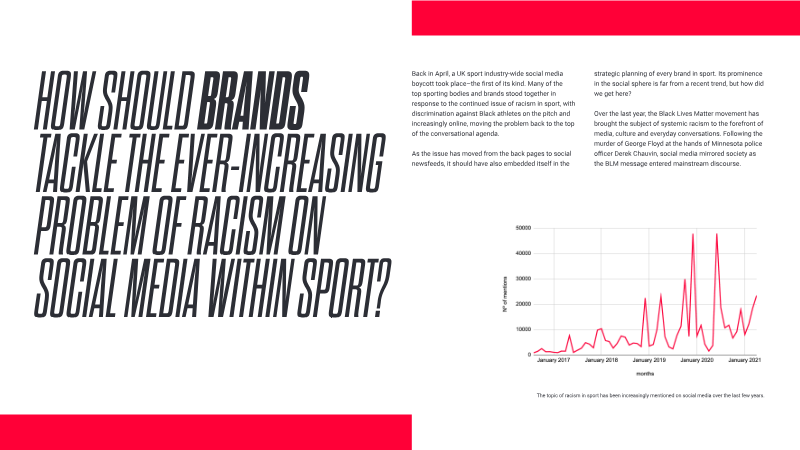


Taking a Stand on Social: How Brands Can Tackle Racism in Sport
The primary purpose of this analysis is to provide a strategic framework for sports brands to address and combat systemic racism within their digital communities.
- Sports brands must adopt proactive, anti-racist stances in digital communities, as silence is increasingly viewed as insufficient and brands are expected to prioritize human rights over avoiding public backlash.
- Hate crimes at UK football fixtures reached over 10% of matches in the previous season, reflecting a broader trend of rising racial abuse that has migrated into high-traffic digital spaces.
- The industry-wide social media boycott from April 30 to May 3, 2021, serves as a benchmark for brands willing to sacrifice traffic and engagement to demonstrate a unified commitment to anti-racism.
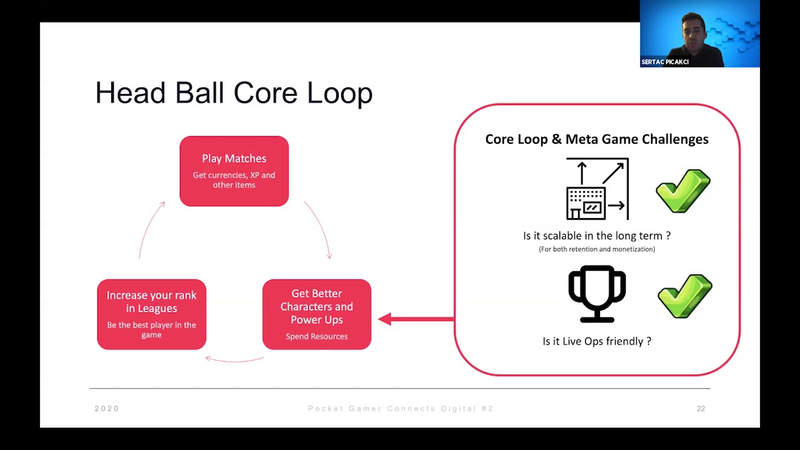
From Head Ball 1 to Head Ball 2: How it Became a Multi-million Dollar Game PG Connects Digital #2
The transition from Head Ball 1 to Head Ball 2 represents a strategic evolution in mobile game design, shifting from a simple direct-purchase model to a sophisticated Gacha-based system.
- The transition from a direct-purchase model to a Gacha-based system in Head Ball 2 drove a fivefold increase in lifetime value (LTV) and a 45% improvement in the DAU/MAU ratio.
- Implementing an in-house LiveOps infrastructure allows for real-time adjustments to matchmaking, progression, and pricing without requiring client-side updates.
- The shift to a more complex core loop and character upgrade depth was specifically designed to overcome stagnant LTV and facilitate growth in competitive tier-one markets.

Sports for the Win! Why Licensed Sports Games are Positioned to Win Big in Mobile - PGC Digital #2
The mobile gaming industry is experiencing a significant shift in the sports genre, moving away from traditional console-style simulations toward short-session, mobile-first experiences.
- The mobile sports genre is shifting from complex console-style simulations to mobile-first, short-session experiences lasting 4 to 5 minutes.
- Licensed sports IP, such as NFL and NBA, acts as a primary user acquisition tool that reduces reliance on organic growth and optimizes customer acquisition costs.
- Developers are moving away from treating mobile as an ancillary distribution channel, instead building games specifically designed for the mobile user's lifestyle.

Game Preservation Best Practices: A Real Life EA Case Study
Game preservation requires a structured, multi-tiered approach to ensure that complex modern software remains functional for future generations.
- Effective game preservation requires transitioning from simple data backups to creating fully reproducible, offline-capable development environments that function independently of external networks.
- Long-term accessibility is best achieved by moving away from reliance on physical hardware and instead utilizing virtualized environments to host software stacks.
- Preservation workflows must include the cataloging of original production files, verification on authentic hardware, and the use of configuration-as-code tools to automate and scale the archiving process.
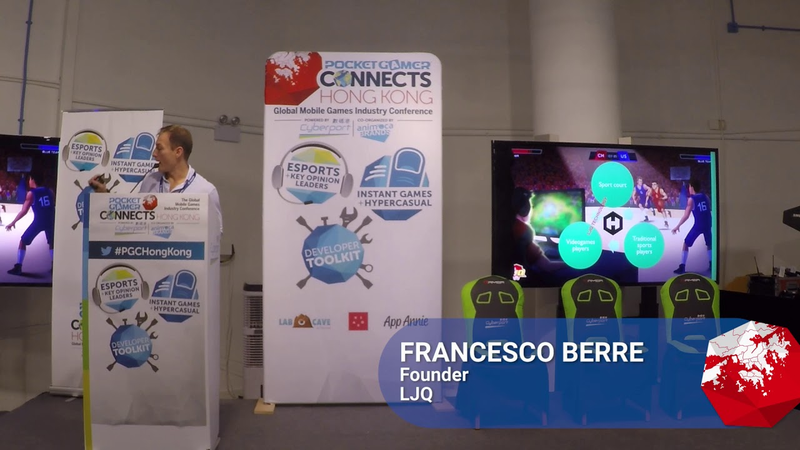
How Esports can be Used to Promote Physical Activity in School [LJQ Limited], Francesco Berre
The integration of esports into educational environments presents a significant opportunity to address the sedentary nature of modern gaming while fostering physical health among students.
- A new hybrid sporting model integrates digital gameplay with physical activity, such as basketball, to mitigate the sedentary health risks of esports like obesity and anxiety.
- The esports industry faces a significant labor shortage, with an estimated demand for 260,000 professionals in China compared to a current workforce of only 50,000.
- The X-a-Basket association in Switzerland is piloting proprietary technology that links multiplayer gaming devices directly to physical court environments to influence match outcomes.
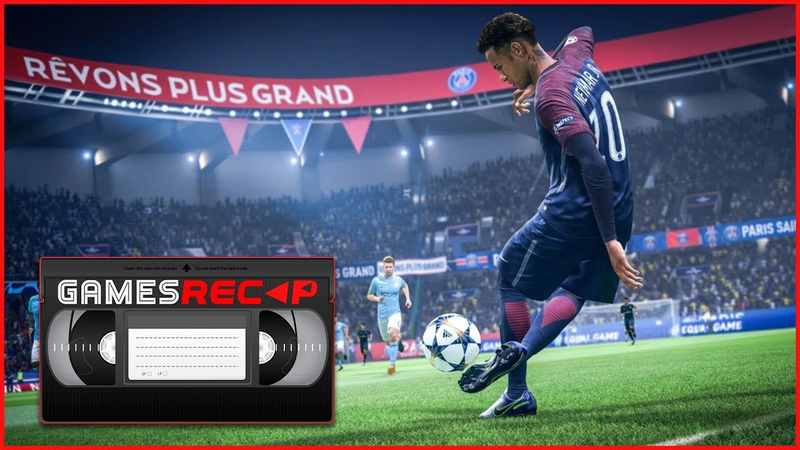
FIFA Loot Boxes | Games ReCAP Episode 032
Electronic Arts faces persistent legal and ethical scrutiny regarding the implementation of loot boxes within the FIFA franchise.
- Electronic Arts relies on randomized loot boxes in the FIFA franchise as a primary revenue driver, despite ongoing legal and ethical criticism regarding their similarity to gambling.
- The business model incentivizes repeated spending by framing loot boxes as benign surprise elements, which has led to instances of minors spending hundreds of euros on digital content in short timeframes.
- The lack of robust corporate safeguards for younger users creates a significant tension between profit-driven microtransaction models and the financial risks posed to vulnerable players.
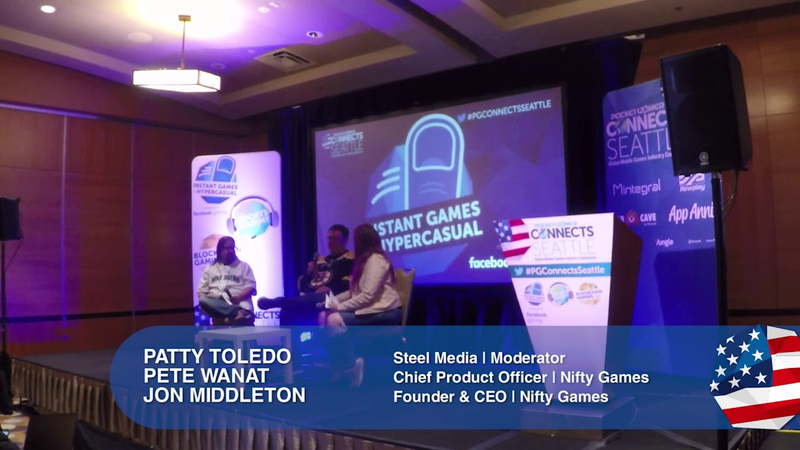
Creating enticing sports games with short and fast play time
Nifty Games executives Jon Middleton and Pete Wanat discuss the strategic development of mobile sports games designed for short, fast-paced play sessions.
- Nifty Games targets the 'core-casual' mobile market by bridging the gap between complex console simulations and hyper-casual gaming through shortened, fast-paced play sessions.
- The development strategy prioritizes maintaining the authenticity and rules of a sport while streamlining mechanics to lower the barrier to entry for casual or younger players.
- User acquisition and retention leverage the inherent social and community-driven nature of sports fandom, which encourages high engagement and spending on digital content.
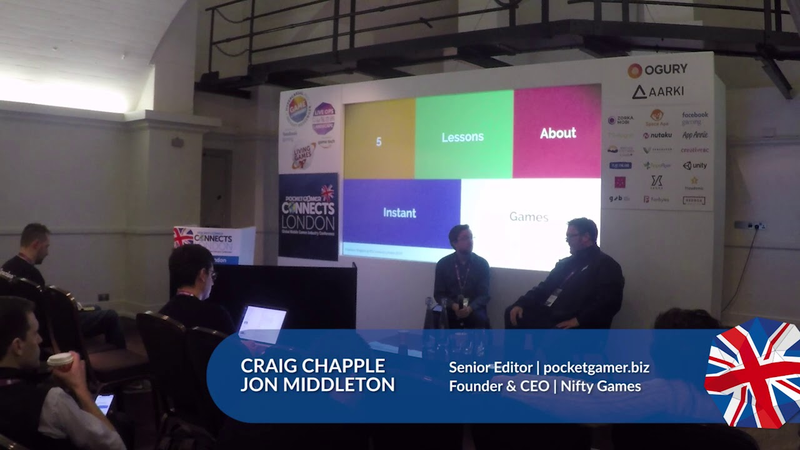
Fireside Chat: Creating enticing sports games with short and fast play time
Nifty Games focuses on developing mobile-first sports titles that prioritize short, fast-paced, and competitive gameplay sessions lasting three to five minutes.
- Nifty Games targets the mobile-first sports market by designing competitive gameplay sessions that last between three and five minutes.
- The company leverages real-world sports fandom to improve user acquisition and retention by aligning in-game content with professional sports calendars.
- Strategic partnerships with professional sports leagues and organizations serve as a key driver for reaching dedicated fan bases and maintaining relevance with younger demographics.
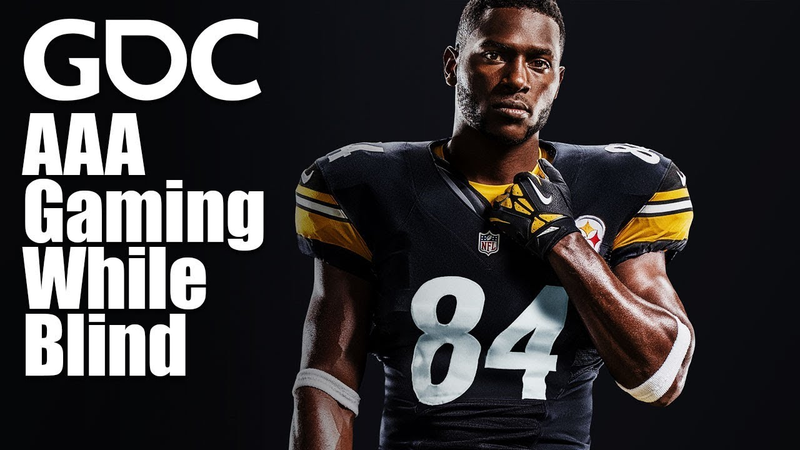
AAA Gaming While Blind
Blind gamers are successfully engaging with major AAA sports titles by utilizing 3D spatial audio, engine pitch, and haptic feedback to navigate complex digital environments.
- Developers are shifting from reactive accessibility patching to intentional, inclusive design by embedding features directly into the core development pipeline.
- Studios are utilizing 3D spatial audio, engine pitch, and haptic feedback to allow blind gamers to navigate complex AAA sports environments.
- A no-regression policy is becoming a critical industry standard to ensure accessibility features are maintained or improved through every subsequent game update.

It IS Rocket Science! The Physics of Rocket League Detailed
The development of Rocket League centers on achieving a highly deterministic and responsive physics environment, prioritizing competitive integrity over hyper-realistic simulation.
- Rocket League achieves competitive integrity by utilizing the open-source Bullet physics engine running at a fixed 120Hz tick rate to ensure a deterministic simulation environment.
- The game prioritizes responsiveness over hyper-realism by using simplified, designer-controlled acceleration curves and custom lateral friction systems rather than modeling complex real-world mechanics.
- To eliminate lag-related penalties, the architecture uses client-side prediction that simulates the entire physics scene, relying on a reconciliation process that reruns physics frames to maintain server authority.
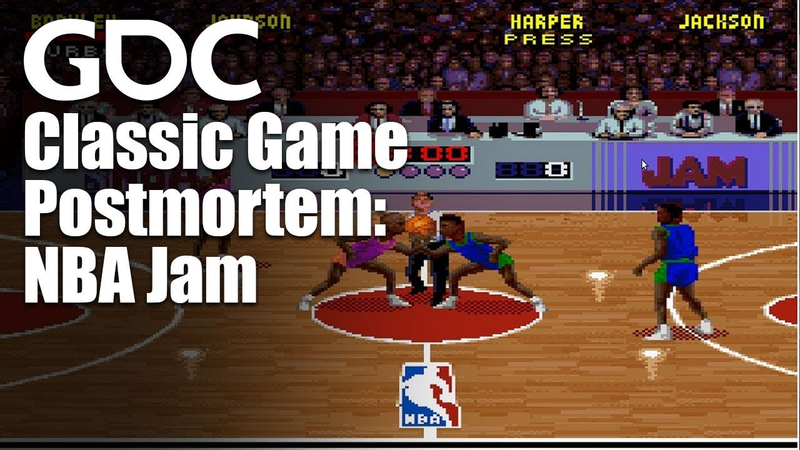
Classic Game Postmortem: NBA Jam
NBA Jam stands as a definitive landmark of the 1990s arcade era, generating approximately $1 billion in revenue during its inaugural year.
- NBA Jam generated approximately $1 billion in revenue during its first year, establishing it as a landmark title of the 1990s arcade era.
- The game’s commercial success was driven by prioritizing fast-paced, accessible gameplay over strict sports simulation, which effectively bridged the gap between arcade cabinets and home consoles.
- Developers secured the critical NBA license by positioning the game as a family-friendly product, successfully mitigating the league's concerns regarding brand image.
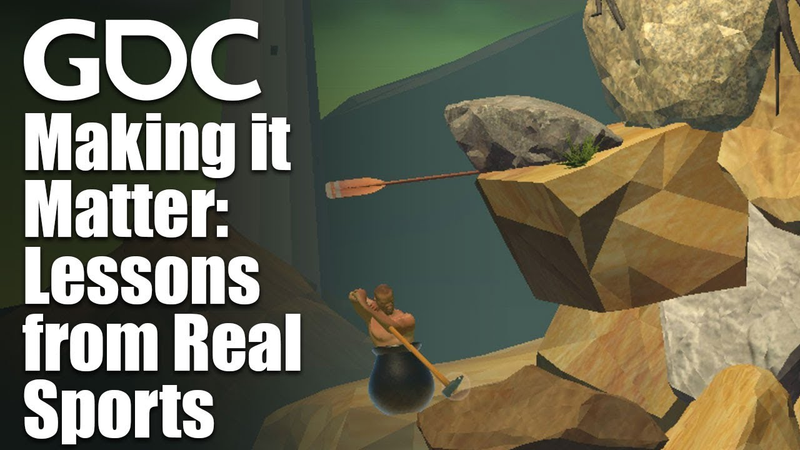
Making it Matter: Lessons from Real Sports
Video games frequently struggle to generate the same level of emotional investment and cultural significance found in traditional athletics.
- Modern game design often diminishes emotional investment by prioritizing player comfort through features like quick-saving and infinite retries, which eliminate the stakes and finality found in traditional sports.
- Developers should implement high-stakes failure states that force players to confront the consequences of their actions to foster a deeper sense of accomplishment.
- To increase the perceived value of achievements, the industry must move away from pay-to-win systems and mindless grinding, which undermine the legitimacy of player performance.