Social Metaverse reports and market data
32 game industry reports, presentations and talks about social metaverse from writers such as PocketGamer.biz, Game Developers Conference and Naavik, newest from 2026. Every document has a summary and key insights with the page they come from.
Documents
Brands in Gaming 101: Virtual Worlds
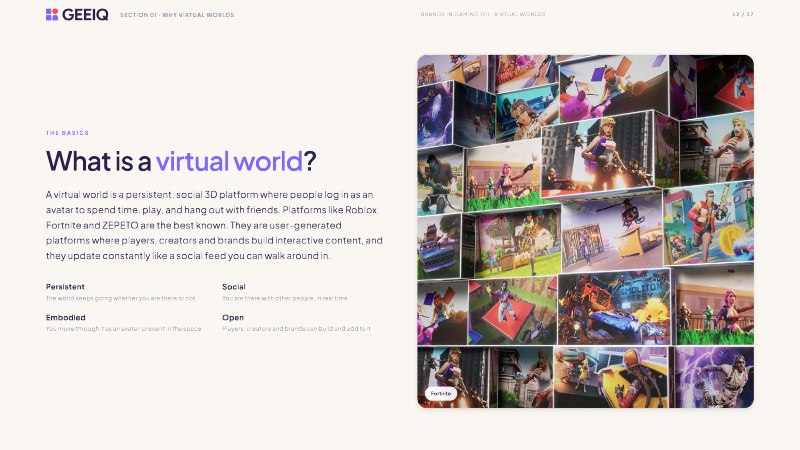
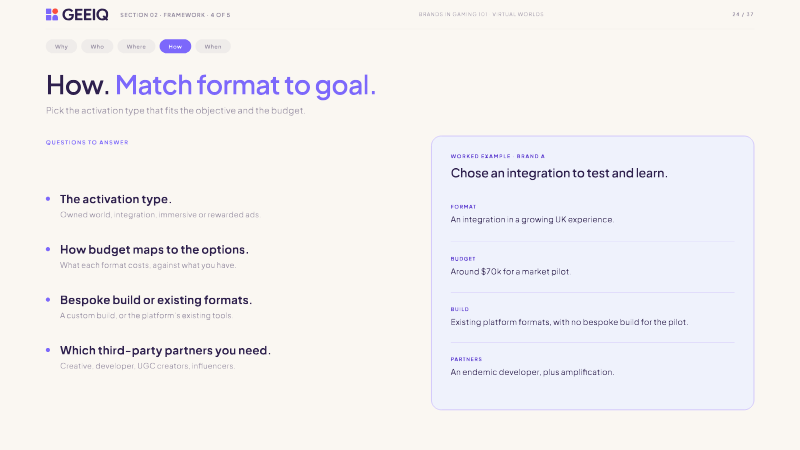
Virtual worlds have emerged as a critical marketing frontier, fundamentally reshaping how brands engage with younger demographics.
- Virtual worlds command higher user attention than other channels, with 73% of players in a focused state compared to 57% for video streaming and 40% for social media.
- Gaming is a primary social space for Gen Z, as 92% of women and 93% of men aged 16 to 24 play video games, and 17.7% have engaged with a branded game in the past month.
- The virtual world market is dominated by four platforms: Roblox (380 million monthly active users), Minecraft (200 million), Fortnite (130 million), and ZEPETO (33 million).
Metaverse Platforms Aren't Games—And That's the Problem
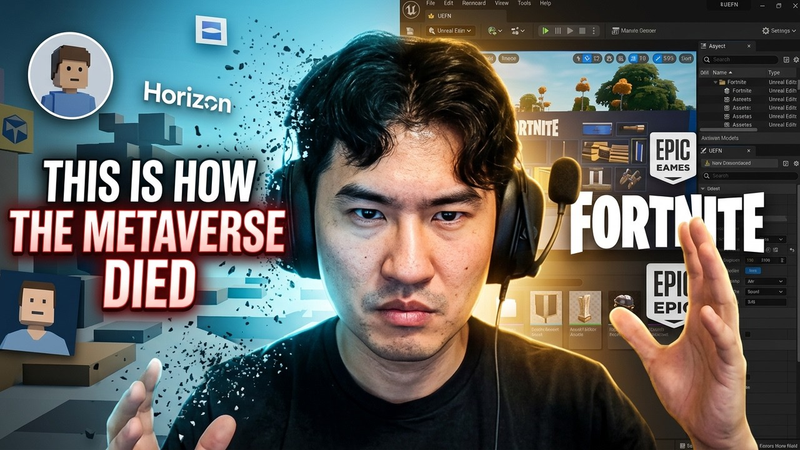
The metaverse concept currently faces a significant existential crisis, as major platforms struggle to transition from successful individual game titles into cohesive, interconnected virtual worlds.
- Meta has invested approximately $80 billion into its metaverse initiatives, yet the platform has failed to achieve significant user adoption or establish a viable, interconnected virtual space.
- The current industry reality is that platforms like Fortnite and Roblox function as games platforms rather than true metaverses, as they lack the deep, seamless interconnectedness required to move users naturally between diverse experiences.
- Fortnite’s Unreal Editor (UEFN) struggles to evolve into a metaverse because its first-party offerings, such as Rocket Racing and Festival, lack the unique quality needed to compete with established, high-engagement genres.
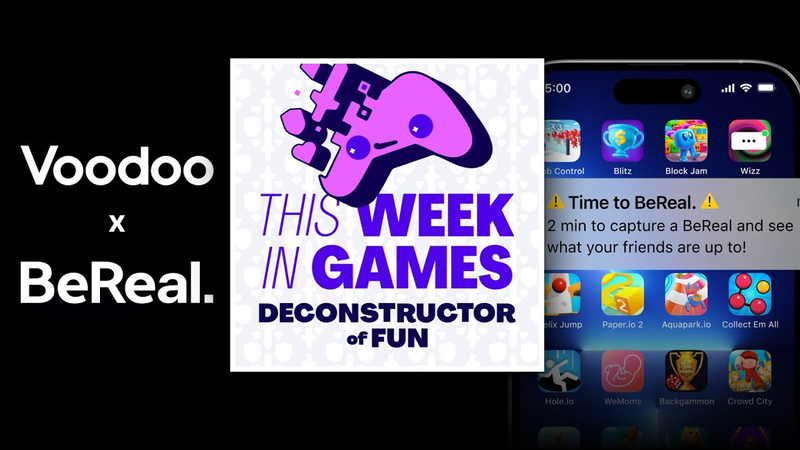
TWIG Clips: Voodoo's $500M BeReal acquisition
Voodoo’s acquisition of the photo-sharing app BeReal for a reported $500 million valuation represents a strategic expansion of the former’s mobile product portfolio.
- Voodoo has acquired the photo-sharing app BeReal for a reported valuation of $500 million, marking a strategic shift from a pure-play gaming company to a broader technology and product-focused entity.
- BeReal’s user engagement has declined significantly since its peak, with monthly downloads dropping from 14 million in September 2022 to approximately 1.4 million.
- Despite the decline in new downloads, BeReal retains a substantial user base of roughly 50 million monthly active users, primarily located in the United States and Europe.
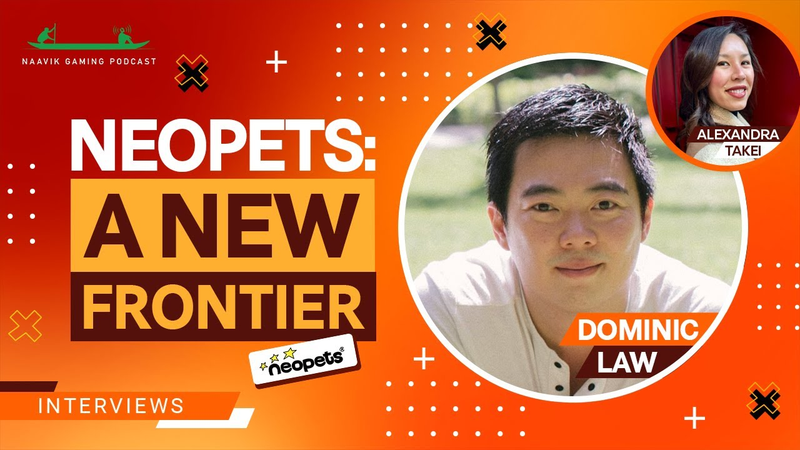
Neopets: A New Frontier
Neopets stands as a foundational pillar of early digital social gaming, having pioneered free-to-play mechanics and immersive advertising during its peak in 2011, when it commanded 35 million unique users and one trillion page views.
- Neopets is targeting the re-engagement of 30 to 50 million lapsed users as its primary growth strategy, leveraging a core demographic of 25- to 35-year-olds who remain emotionally invested in the brand.
- The World of Neopia is executing a stabilization strategy that abandons previous Web3 and NFT pivots in favor of a 'business 101' approach focused on infrastructure repair and the Neopass unified ecosystem.
- The franchise is pursuing long-term sustainability through a dual-track strategy of brand modernization and cross-platform expansion, including a new trading card game partnership with Upper Deck.
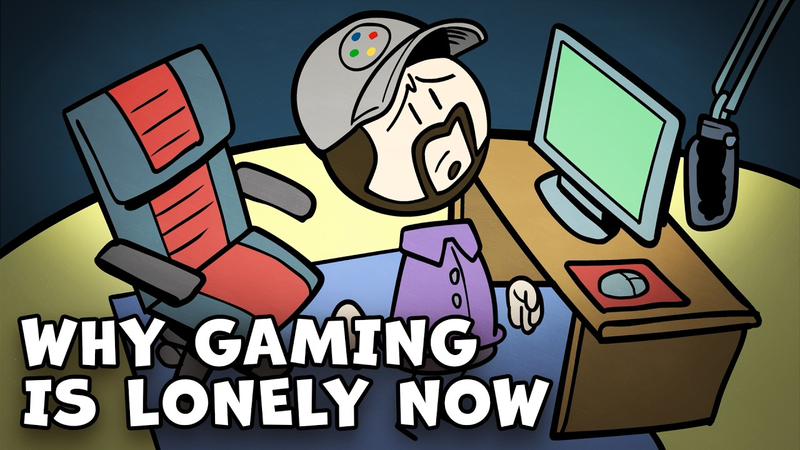
Why I'm Lonely Gaming - Extra Credits Gaming
Despite the increasing popularity and connectivity of modern gaming, the industry faces a significant crisis of social isolation.
- Approximately 50% of gamers report experiencing loneliness, a rate significantly higher than that of the general adult population.
- Modern gaming culture has prioritized convenience features like automated matchmaking and solo-queueing, which have inadvertently eroded the community-building efforts once required to organize play.
- Anonymity and toxic behavior in multiplayer environments have transformed many gaming experiences from social opportunities into sources of stress.
Metaverse Games: State of Play and Opportunities
The metaverse represents an evolutionary leap in internet consumption, characterized by persistent, immersive virtual spaces that facilitate social interaction and digital commerce.
- The active virtual reality install base is projected to grow to 69.1 million units by 2026, driven by standalone headset adoption and significant capital investment.
- Future market leadership will be defined by platforms that combine Fortnite’s live event and cross-platform capabilities with Roblox’s creator economy and brand integration models.
- Monetization is transitioning toward performance-based, spatial advertising models that utilize location-responsive and proximity-triggered content native to 3D environments.
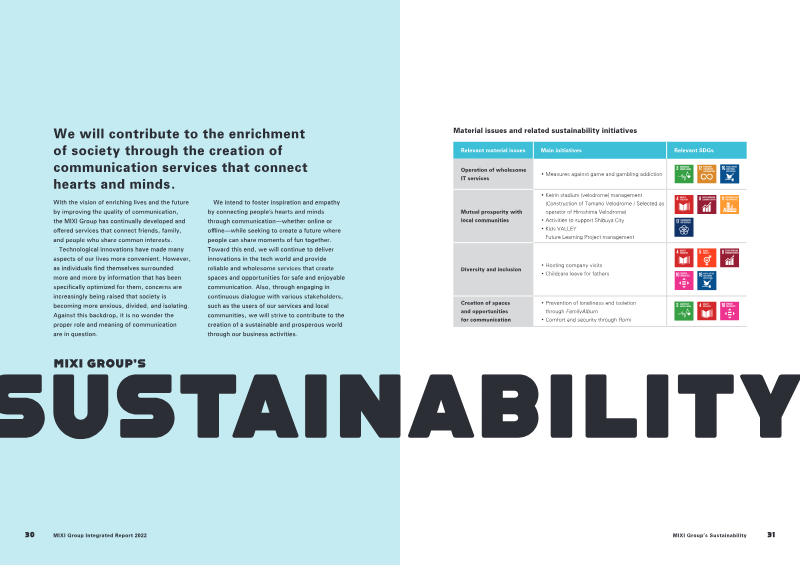

MIXI Group Integrated Report 2022
MIXI Group’s 2022 corporate strategy centers on a fundamental rebranding effort to prioritize the facilitation of meaningful human connections across its Digital Entertainment, Sports, and Lifestyle segments.
- MIXI Group is executing a three-year strategic pivot to reduce reliance on its flagship Monster Strike franchise by diversifying into sports betting, digital transformation, and lifestyle applications like FamilyAlbum.
- Financial performance in fiscal year 2022 saw net sales of ¥118,099 million and a 29.9% decline in operating income to ¥16,069 million, driven by core segment volatility and increased marketing spend in the Sports division.
- The company has committed to a ¥30 billion to ¥50 billion investment cycle through 2025, focused on intellectual property expansion, strategic M&A, and revenue stream diversification.
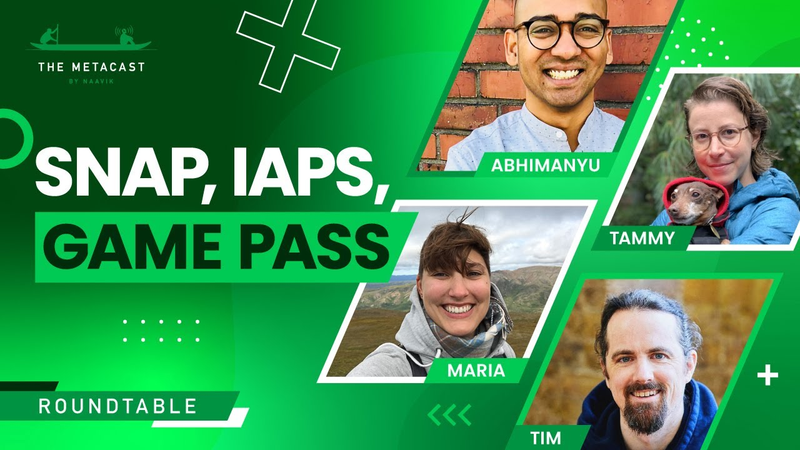
Learnings From Downsized Social Media Games - The Metacast by Naavik
Major social media platforms are currently retreating from ambitious gaming initiatives, signaling a strategic pivot away from standalone gaming experiences toward core business priorities like community growth and augmented reality.
- Western social media platforms are pivoting away from standalone gaming initiatives to refocus on core business priorities like community growth and augmented reality.
- Attempts to integrate high-fidelity gaming into Western social networks have largely failed because traditional game experiences clash with existing user intent and platform-specific engagement patterns.
- Successful platform gaming integration requires a native approach, such as TikTok’s use of bite-sized mini-games to enhance engagement flywheels, rather than bolting on traditional game mechanics.

Keep Redlining OUT of the Metaverse
The Black Developers Initiative (BDI) at Niantic serves as a framework for addressing systemic exclusion within the gaming industry, specifically targeting the lack of representation for Black-led development teams.
- The Black Developers Initiative (BDI) at Niantic aims to dismantle the industry's 'pipeline of privilege' by providing Black-led development teams with essential funding, mentorship, and resource access.
- Industry demographics have remained stagnant, with the percentage of Black developers holding at approximately two percent since 2014, according to IGDA data.
- Systemic barriers to entry include limited access to capital, confirmation bias in hiring and publishing, and a reliance on 'battlefield promotions' that favor existing professional networks.
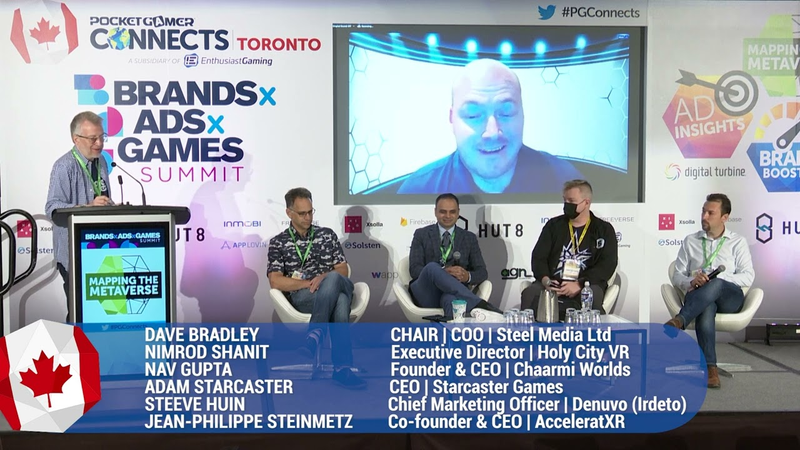
Panel: Beyond the Hype: Where Does the True Future of the Metaverse Lie?
The metaverse represents an evolving, collaborative digital landscape rather than a singular technology or platform.
- The metaverse is defined as a persistent, interoperable digital ecosystem focused on human connection and immersive storytelling rather than a single platform or technology.
- Long-term industry success requires shifting from gaming-exclusive experiences toward broader, multi-device applications to ensure a sustainable and practical utility.
- Development priorities are shifting toward creator independence and decentralized infrastructure to reduce reliance on corporate gatekeeping.
From Clash of Clans to Everdale: Scaling from Solo to Social
The evolution of mobile village-building games necessitates a fundamental shift from solitary, combat-oriented loops toward inherently collaborative, social ecosystems.
- Supercell transitioned from the single-player architecture of Clash of Clans to the social, multi-village model of Everdale by implementing a shared logic state that allowed multiple players to interact with a single, synchronized valley.
- To handle complex social interactions, the team moved away from hard-coded singletons toward a well-defined action object system that encapsulates player actions, validation checks, and rollback logic.
- By allowing objects to declare 'max fast forward ticks' and enabling systems to skip updates for hundreds of ticks, the team reduced server load by 80% to 90% compared to previous architectures.

Open Economies, Social Connectivity & Play - The Metacast by Naavik
Pocket Worlds is actively reshaping the landscape of mobile-first social metaverses by transitioning its flagship platforms, Highrise and Everskies, into a decentralized, community-driven ecosystem.
- Pocket Worlds is decentralizing its flagship platforms, Highrise and Everskies, which currently serve over 24 million users.
- Highrise generates $30 million in annual revenue and supports $100 million in secondary market volume for virtual goods.
- The new Highrise World framework allows third-party brands and communities to build their own branded social spaces, shifting the platform toward a decentralized, Discord-like ecosystem.