VR reports and market data
182 game industry reports, presentations and talks about vr from writers such as Game Developers Conference, PocketGamer.biz and Game Dev Unchained, newest from 2026. Every document has a summary and key insights with the page they come from, and 728 charts and tables are extracted as data.
Key figures
Nintendo dominates the Korean console market with 72.3% of gamers using its hardware, significantly outpacing PlayStation (42.9%) and Xbox (10.9%).
Korea Creative Content Agency, 2025 · 2024 Overview of the Console and VR Gaming Market in Korea, p. 1
Games with official UGC support on Steam show a 31% revenue advantage five years post-launch compared to titles without such support.
GameDiscoverCo, 2025 · UGC Impact Report 2025, p. 4
Total U.S. video game consumer spending reached $5.051 billion in July 2025, marking a 5% increase compared to July 2024.
Circana, 2025 · U.S. Video Game Market Highlights: July 2025, p. 1
The global interactive entertainment market is projected to reach $250.2 billion in 2025, marking a 4.6% year-over-year recovery.
Aldora, 2025 · Interactive Entertainment: Global Market Sizing & Forecast 2025, p. 4
The video game industry is undergoing a structural correction characterized by a 12% decline in real-term content spending following the post-2021 plateau of previous growth engines.
Epyllion, 2025 · The State of Video Gaming: 2025, p. 10
Documents
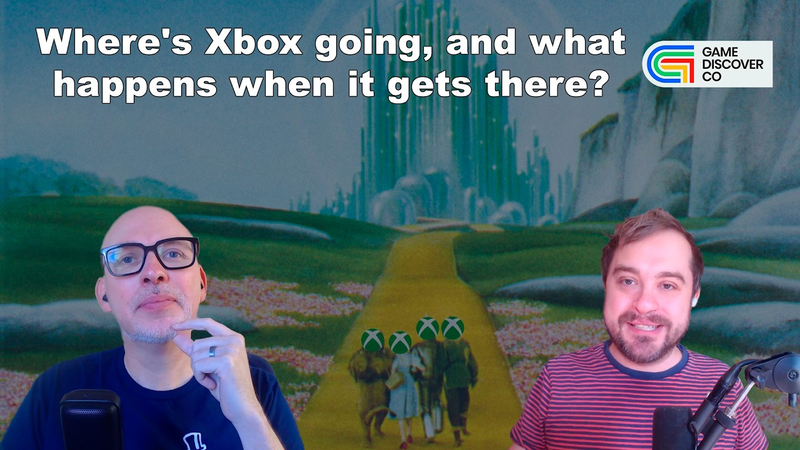
Where's Xbox going, and what happens when it gets there?
Microsoft is currently executing a significant restructuring of its Xbox division, prioritizing the profitability of established intellectual property such as Call of Duty, Fallout, and Halo.
- Microsoft is restructuring its Xbox division to prioritize the profitability of established IP like Call of Duty, Fallout, and Halo, moving away from a broad portfolio toward a model of consistent, high-impact output.
- The Game Pass subscription model is driving a shift toward fiscal discipline and organizational streamlining across the gaming industry to address inherent financial constraints.
- Disney has shifted its strategy from internal studio ownership to a disciplined licensing model, highlighted by a $1.5 billion investment in Epic Games.
Steam’s VR Sellout, Pokemon Saved & Is Blizzcon Back? | Games For Breakfast
The gaming industry currently faces a period of significant transition, characterized by hardware stagnation in the virtual reality sector and a strategic pivot toward legacy content and community-driven initiatives among major publishers.
- Blizzard is reviving the MOBA 'Heroes of the Storm,' signaling a renewed focus on legacy titles following recent announcements at Blizzcon.
- Dungeons & Dragons leadership acknowledges the need for long-term recovery, admitting that the brand must move beyond promises to repair community trust after a year of public missteps.
- Market data suggests that VR adoption remains niche among core gamers, with estimates indicating that only 30-35% of the enthusiast audience actively engages with virtual reality hardware.

Naughty Dog co-founder Jason Rubin on Crash Bandicoot, trying to save THQ, and the state of VR
The evolution of the video game industry is defined by a persistent tension between creative autonomy and the logistical constraints of corporate oversight.
- The success of the Crash Bandicoot franchise demonstrates that high-quality design and strategic platform targeting can overcome restrictive management environments and manufacturing bottlenecks.
- Efforts to revitalize legacy publishers like THQ reveal that deep-seated operational and financial systemic issues often negate the output quality of individual development teams.
- The industry-wide shift toward edgier content and increased production budgets was largely driven by the competitive pressure to match the market success of titles like Grand Theft Auto.
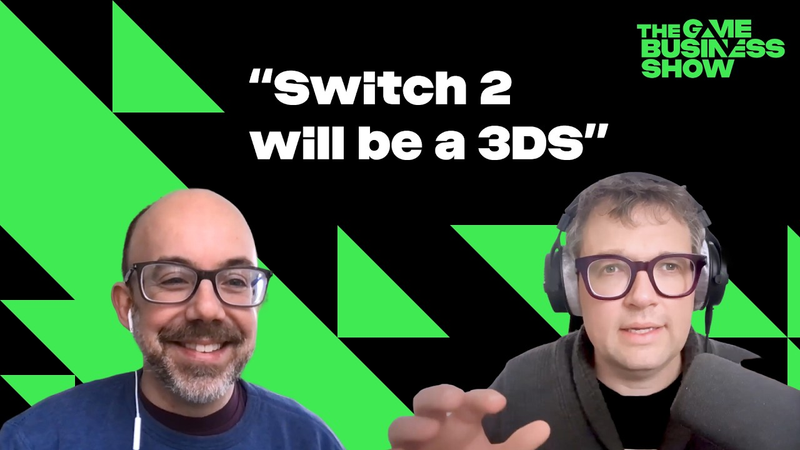
What’s the truth about Nintendo Switch 2 sales?
The global video game industry is currently navigating a period of intense volatility, characterized by widespread workforce reductions at major firms like Epic Games and Ubisoft alongside a notable contraction in the United Kingdom’s development sector.
- The Nintendo Switch 2 is projected to follow a 3DS-style trajectory of modest, stable growth rather than replicating the mass-market dominance of the original Switch.
- Nintendo is mitigating hardware demand risks by prioritizing backwards compatibility, long-term team stability, and the expansion of intellectual property into film and merchandise.
- The broader video game industry is experiencing significant volatility, marked by widespread workforce reductions at major firms like Epic Games and Ubisoft and a contraction in the UK development sector.
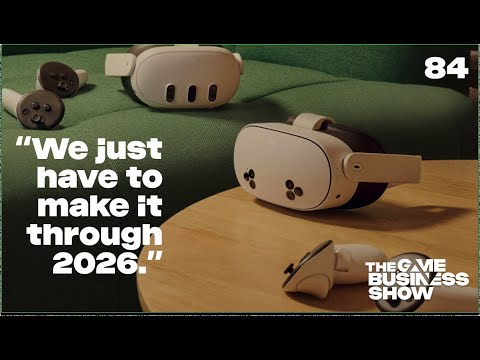
Has Meta just killed virtual reality?
The gaming industry is currently navigating a period of significant structural realignment, marked by a shift away from high-budget, blockbuster development toward more sustainable, long-term operational models.
- Meta is pivoting its strategic focus toward artificial intelligence, resulting in studio closures and a reduction in premium AAA investment for virtual reality.
- The VR market is transitioning from an experimental phase into a specialized, niche ecosystem where smaller, agile teams are finding success.
- Meta Quest continues to command the vast majority of revenue in the VR sector, serving as the primary anchor for the current market.
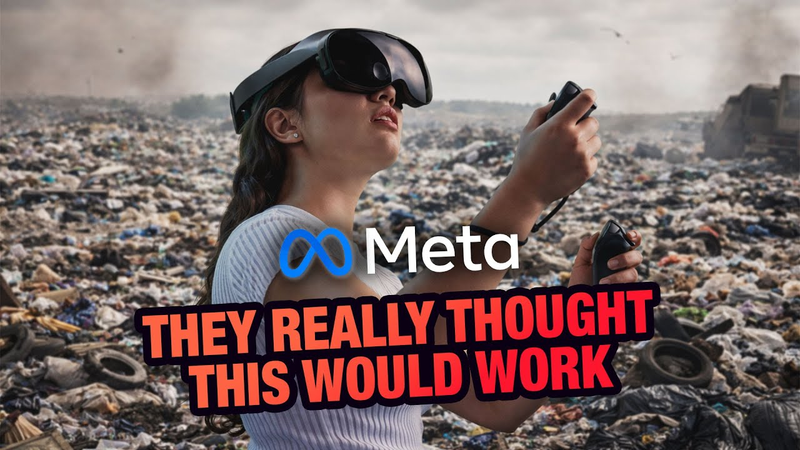
Meta’s VR Reality Check: $70B Later, Still Not a Platform
Meta’s recent decision to lay off staff within its Reality Labs division and shutter premier VR studios, including Twisted Pixel and Armature, signals a significant retreat from its long-term investment in virtual reality.
- Meta has effectively retreated from its VR strategy after spending approximately $70 billion since 2020 without establishing a scalable, viable platform.
- Meta is downsizing its Reality Labs division, including the closure of premier VR studios such as Twisted Pixel and Armature.
- VR engagement remains negligible compared to mobile gaming, with 2025 ESA data showing only 14% engagement among Gen Alpha compared to over 80% usage for mobile platforms across all demographics.
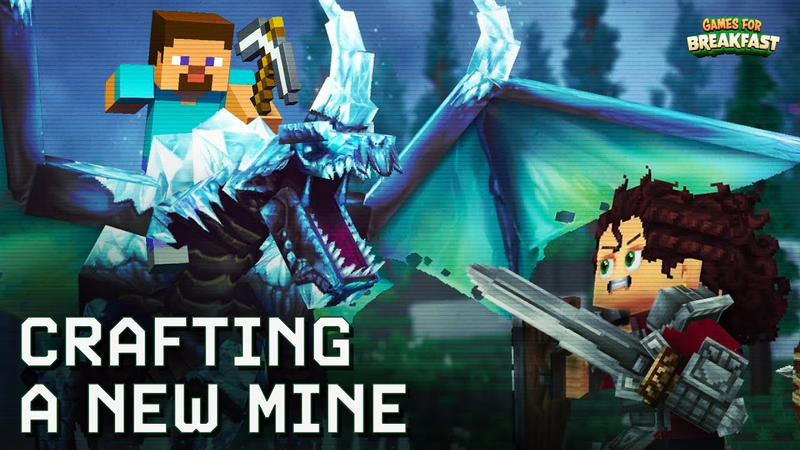
Minecraft’s Spin-off Hytale Makes Waves, Meta Layoffs, and Metacritic’s Best Game Ever
The sandbox title Hytale has emerged as a significant industry development, successfully transitioning into early access after the developers reclaimed the project from Riot Games.
- Hytale has transitioned to early access as an independent project after reclaiming development from Riot Games, securing two years of operational funding through independent sales.
- Meta is shifting its strategic focus away from metaverse and gaming initiatives to prioritize investments in artificial intelligence and wearable hardware.
- Amazon Games is sunsetting the MMO New World, underscoring the difficulty of community-led preservation due to proprietary server code and legal restrictions.

Pocket Gamer Connects London 2026 preview | Week in Mobile Games podcast
The global mobile gaming industry is currently navigating a period of intense structural transition, characterized by a shift toward artificial intelligence and a re-evaluation of long-term corporate strategies.
- Playtika is reducing its headcount by 15% as part of a strategic shift to streamline operations, specifically citing a transition toward AI and automation to replace headcount-heavy processes.
- Meta is cutting 10% of the staff at its Reality Labs division, which employs approximately 15,000 people, signaling a continued contraction in the company's investment in virtual reality.
- Paramount has initiated legal action against Warner Bros. to force financial disclosure and analysis of a competing acquisition offer from Netflix, which Warner Bros. previously favored over Paramount's bid.
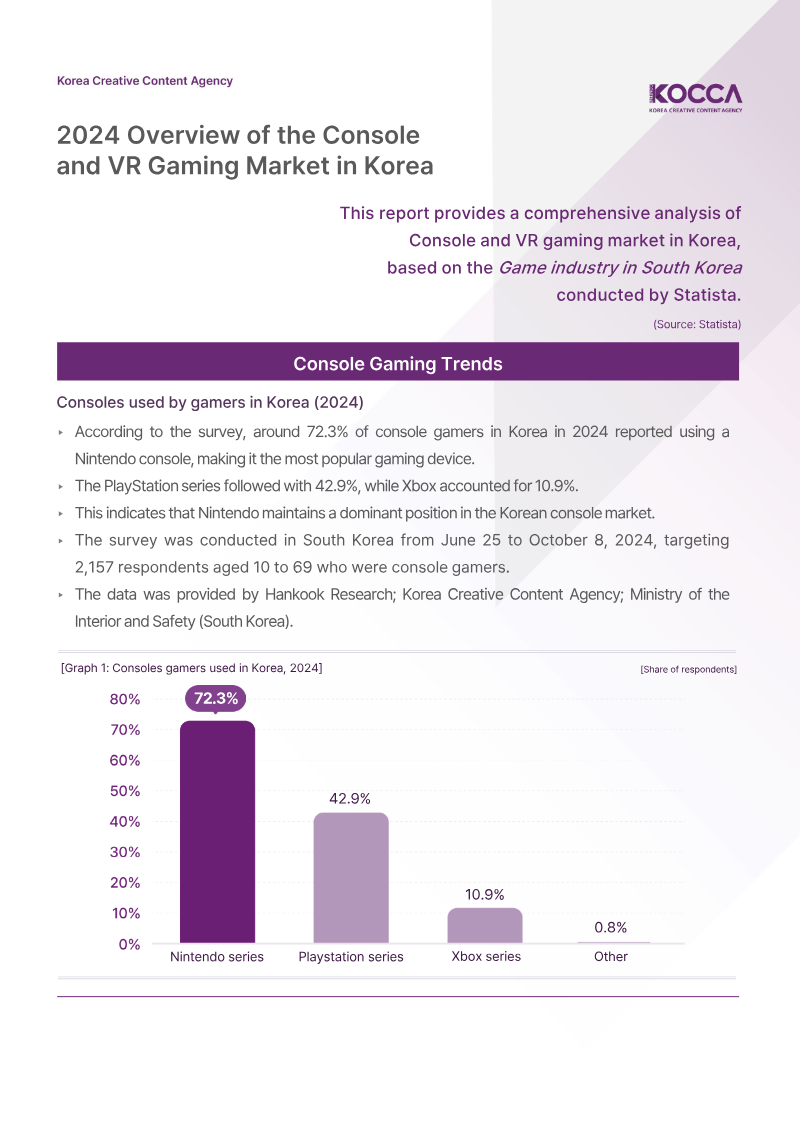
2024 Overview of the Console and VR Gaming Market in Korea
The 2024 landscape of the South Korean console and virtual reality gaming market reveals a sector characterized by high brand concentration and a preference for casual, simulation-based gameplay.
- Nintendo dominates the Korean console market with 72.3% of gamers using its hardware, significantly outpacing PlayStation (42.9%) and Xbox (10.9%).
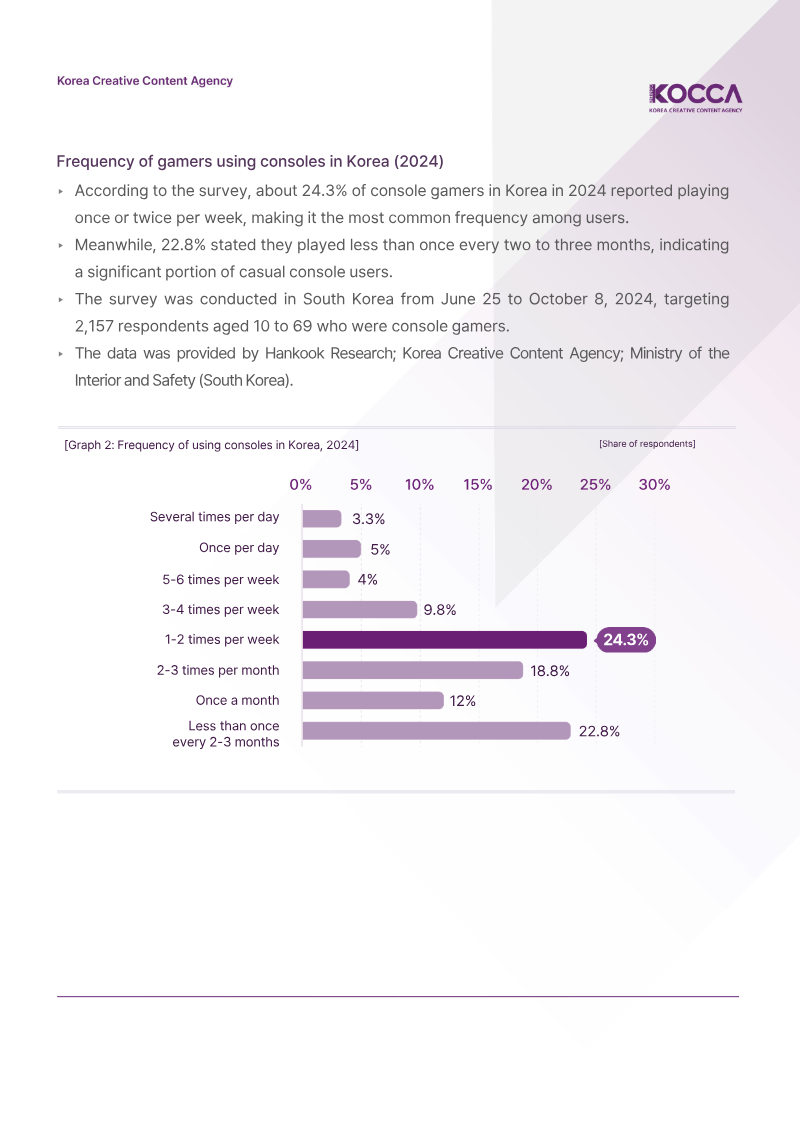
- Console gaming in Korea is primarily a casual, leisure-oriented activity, with only 24.3% of users playing 1–2 times per week and roughly 35% playing once a month or less.
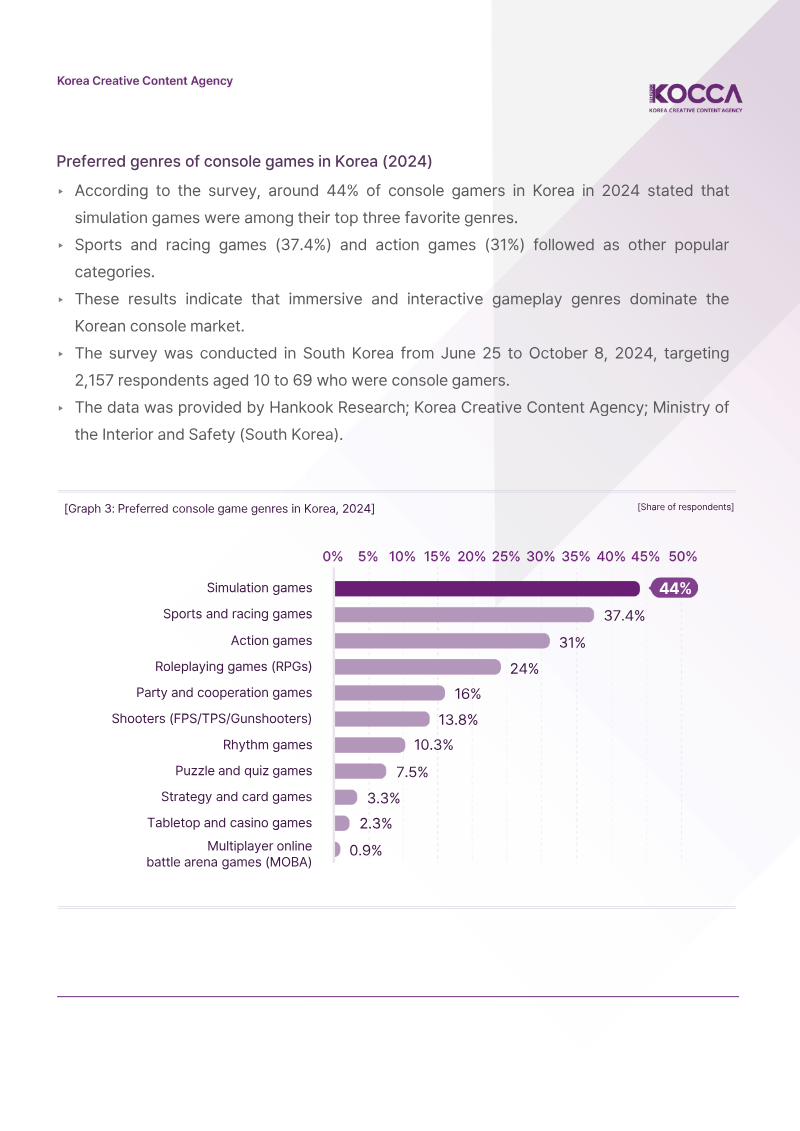
- Simulation games are the most popular genre among Korean console players at 44%, followed by sports/racing (37.4%) and action (31%).
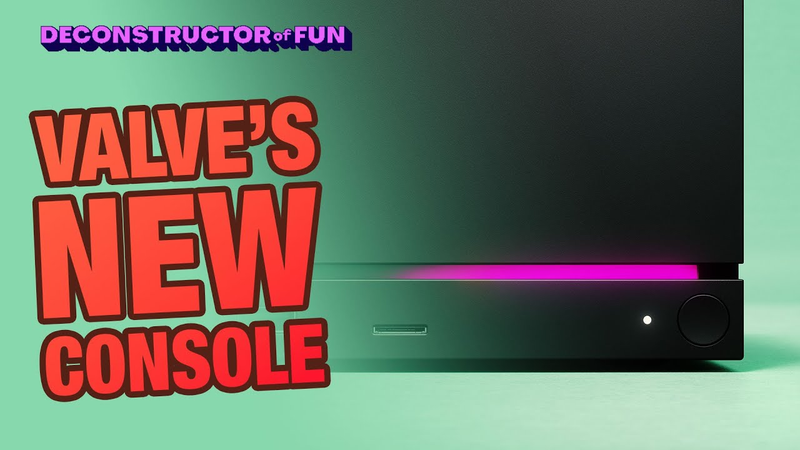
The Hardware Nobody Asked For… That Might Change Everything
Valve is preparing to launch a new Steam Machine console in early 2026, marking a significant shift from its failed 2015 hardware experiment.
- Valve plans to launch an internally developed Steam Machine console in early 2026, priced between $550 and $700 with performance targets comparable to the PlayStation 5.
- The console will run SteamOS and utilize Proton to provide couch-based access to the existing Steam library, positioning the device as a strategic play to capture market share from Xbox.
- A major technical limitation is the inability to run competitive multiplayer titles that rely on kernel-level anti-cheat software, excluding many popular games from the platform.

Maximising Impact with AI: Ethical Strategies for Developing a Top-Rated Game on a Modest Budget
The integration of proprietary machine learning tools into game development workflows offers a viable pathway for independent studios to produce high-quality, interactive experiences despite significant budgetary constraints.
- vTime Games utilized proprietary AI tools to develop Border Bots VR, achieving a 4.9/5 rating while maintaining a modest budget by streamlining development workflows.
- Text-to-speech (TTS) technology was used exclusively for prototyping and placeholder audio, proving 100 times cheaper than leading third-party services while allowing for rapid iteration of 1,350 script lines.
- The studio prioritized human voice actors for final production to preserve emotional nuance and humor, successfully integrating AI-driven facial animation alongside human performances.

How to Make Money in XR - 10 Tips for Success | Develop:Brighton 2024
The extended reality market demands a strategic focus on high-quality, immersive interactions that provide a distinct value proposition over traditional gaming platforms.
- Successful XR titles prioritize high-quality interaction mechanics, such as the tactile feedback in 'Walking Dead: Saints and Sinners' or the physical movement requirements in 'Gorilla Tag', to create memorable gameplay.
- Data from November 2023 indicates that top-performing XR games correlate with higher review counts per sale, and there are specific price points—often around £22.99—that show a higher likelihood of achieving top-50 sales status.
- Market growth is driven by three distinct segments: core XR enthusiasts who play multiple times a week, 'XR curious' users who bought headsets during COVID-19, and a rapidly expanding demographic of younger players.