1 free read left. Create a free account for unlimited reading + AI research.
Create free accountReport GEEIQ
GEEIQ
1 free read left. Create a free account for unlimited reading + AI research.
Create free accountReportGEEIQ
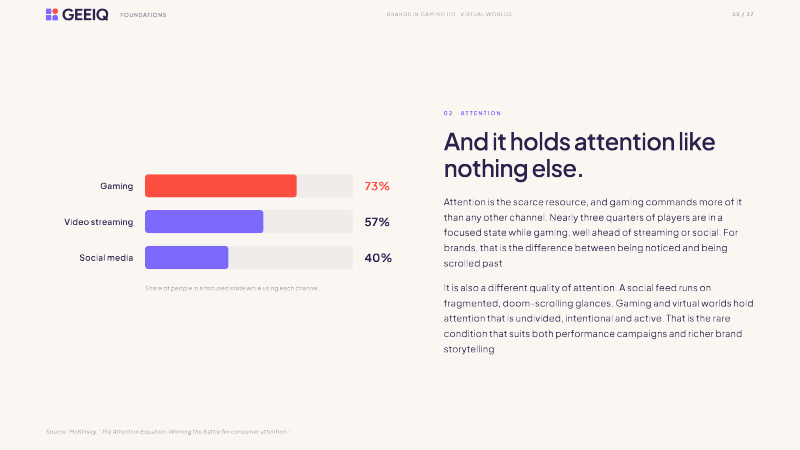
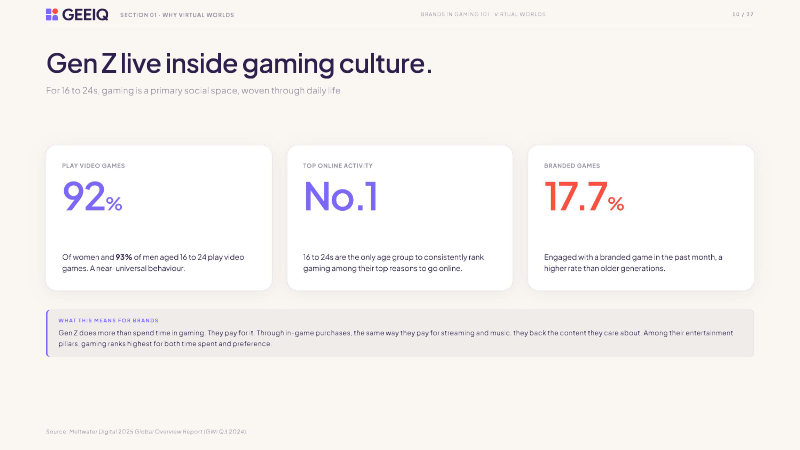
Gen Z increasingly prioritizes immersive gaming platforms over traditional social media. These environments offer a unique opportunity to capture sustained, high-level attention.
Virtual worlds have emerged as a critical marketing frontier, fundamentally reshaping how brands engage with younger demographics. As Gen Z increasingly prioritizes immersive gaming platforms over traditional social media, these environments offer a unique opportunity to capture sustained, high-level attention. This shift necessitates that brands transition from viewing gaming as a peripheral experiment to integrating it as a core component of their broader omnichannel marketing strategies.
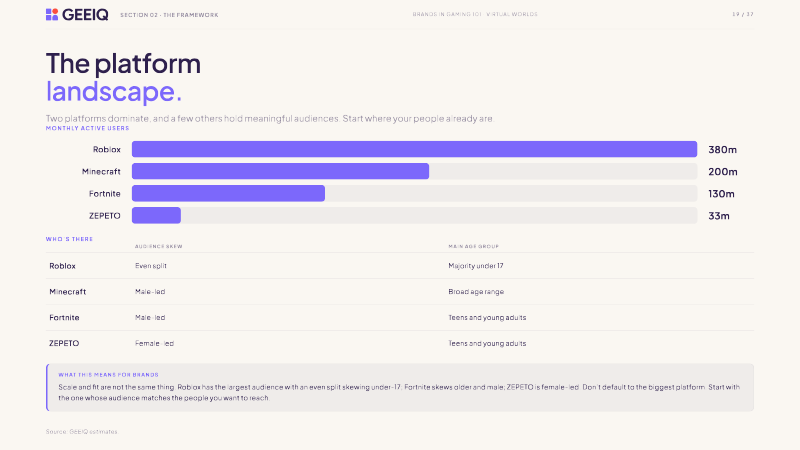
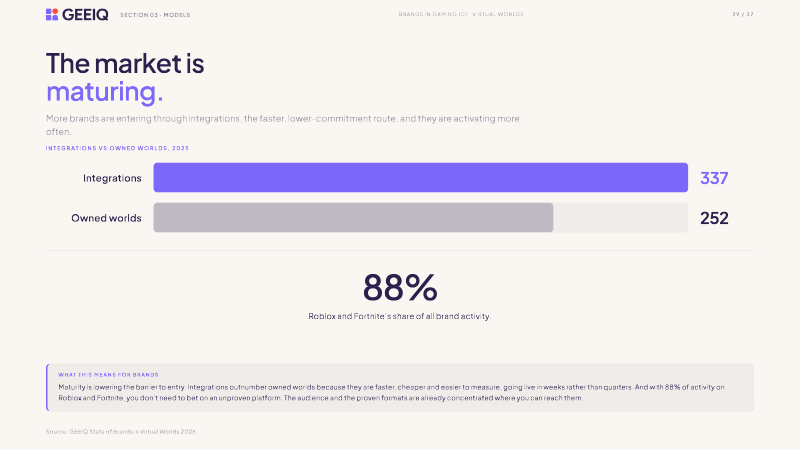
The current landscape is defined by rapid expansion, with over 2,800 brand experiences launched to date and a notable trend toward high-impact, lower-commitment integrations. While activity is heavily concentrated within Roblox and Fortnite, success depends on selecting platforms that align with specific audience demographics rather than pursuing scale alone. By moving away from standalone owned worlds toward more agile, targeted activations, brands can better navigate the complexities of these digital ecosystems while maintaining consistent engagement levels.
Effective participation in virtual worlds requires a rigorous, data-driven approach that bridges the gap between on-platform interaction and tangible business outcomes. Brands must implement comprehensive measurement frameworks that track performance across the entire marketing funnel, linking virtual engagement to off-platform metrics such as sales uplift and brand search volume. When executed through bespoke strategies and strategic partnerships, these activations move beyond mere visibility, delivering measurable value that justifies the investment in immersive digital experiences. This evolution reflects a broader industry maturation, where the focus has shifted from simple presence to the strategic optimization of virtual environments as high-performing commercial channels.

Mobile Dev Memo · 2026
Mobile Dev Memo · 2026
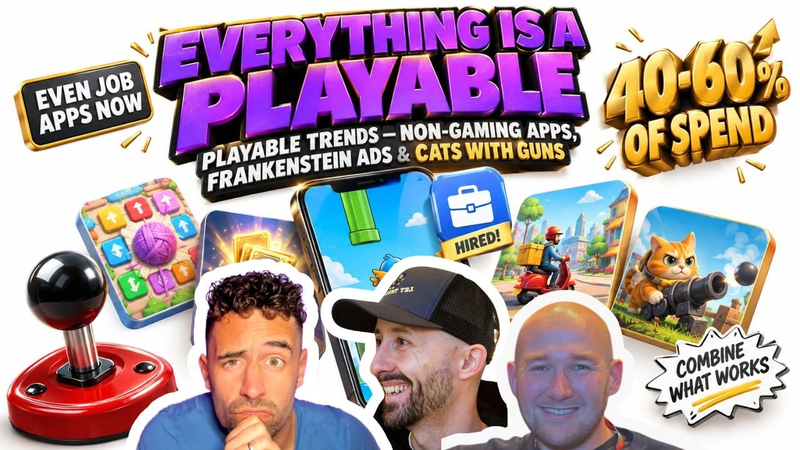
Two & a Half Gamers · 2026

Mobile Dev Memo · 2026
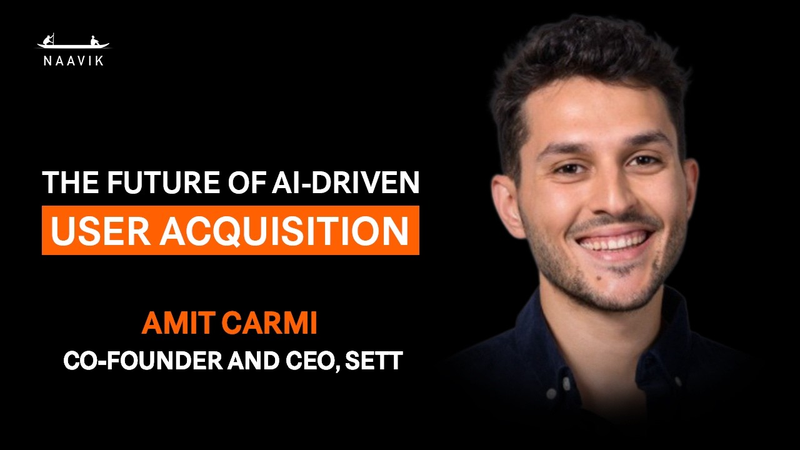
Naavik · 2026

Mobile Dev Memo · 2026
Mobile Dev Memo · 2026

Mobile Dev Memo · 2026

Two & a Half Gamers · 2026
Deconstructor of Fun · 2026

Mobile Dev Memo · 2026

Two & a Half Gamers · 2026