1 free read left. Create a free account for unlimited reading + AI research.
Create free account
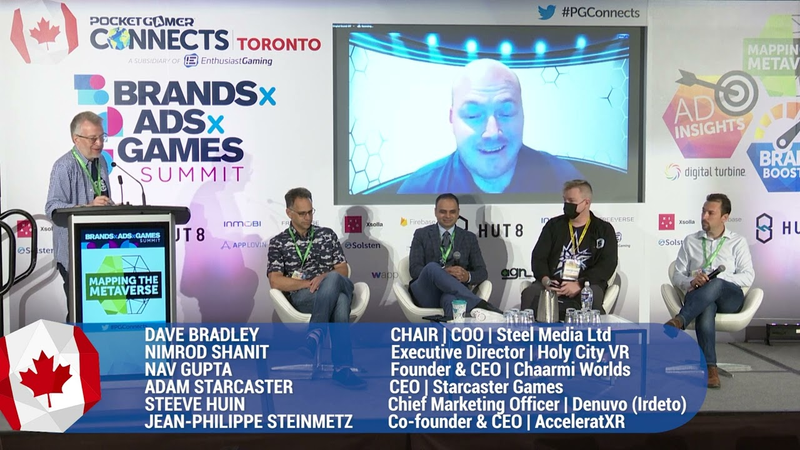
Panel: Beyond the Hype: Where Does the True Future of the Metaverse Lie?
Key insights
6 takeaways- 01The metaverse is defined as a persistent, interoperable digital ecosystem focused on human connection and immersive storytelling rather than a single platform or technology.
- 02A successful metaverse framework must prioritize human-centric interactions and user-centric design over purely profit-driven motives.
- 03Long-term industry success requires shifting from gaming-exclusive experiences toward broader, multi-device applications to ensure a sustainable and practical utility.
- 04Development priorities are shifting toward creator independence and decentralized infrastructure to reduce reliance on corporate gatekeeping.
- 05Industry growth necessitates robust safety and governance frameworks, including AI-driven moderation, spatial audio restrictions, and strict age-gating to combat harassment and identity theft.
- 06The role of blockchain and Web3 remains debated, with disagreement over whether these technologies are essential for data ownership and the metaverse’s long-term viability.
Ask AI about this video
Transcript
[Music] let's get going we are going to start with a panel that puts everything in context i hope we're going to start with a panel called beyond the hype where does the true future of the metaverse lie and uh i'm going to be your moderator i'm going to stay up here so we've got our panel here and i can see we've got john philippe on zoom hi hello there you go so uh and i think folks you can see him down there so we're we're all together um uh i'm going to introduce the panel and then we're going to get going um we've got a little under an hour to do this panel and towards the end i'm going to invite people to ask questions
please do put your hands up and i'll come to you but i've got plenty to get us started so first of all let me uh let me introduce our guests here we have uh adam starcuster from starcaster games jean-philippe steinmetz from accelerate xr who's on screen we have nav gupta from charming worlds uh nimrod shannon from holy city vr and steve hewitt from erdetto now i'm going to let them introduce themselves in more detail now so first of all folks and we'll start at this end with nimrod and work our way down please introduce yourself to our audience here and your company in a few words what's your background hello good morning um i'm originally a photojournalist transitioned to filmmaking transitioned into exile making we for the past seven years have produced a number of experiences in virtual reality augmented reality and extended reality and recently most recently we've transitioned into gaming as well since
mostly xr is a kind of a liminal space where you can enjoy and and see different worlds but when you're in these worlds without having any interactions it gets kind of boring um so at first we've tried incorporating these volumetric videos in introduced 360 stereo videos into these liminal spaces and then realized that instead of just moving around from space to space we should introduce a gamification element and we started going into games and games design and now we've kind of reached the point where we're doing both biometric um introductions so using biometric sensors to in the headsets when you're using these uh hp omniscept headsets for now there is more
coming out but you can actually get the heart rate of the players you can get the pupillarity you can get a cognitive load and you can actually create a game that uses this information and inferences to evolve if you'd like we're also using um procedurally generated uh assets if you like to create a maze uh in the in what everybody will start kind of creeping out about which is a kind of a metaverse mini metaverse because it connects different heritage locations worldwide through these maze of tunnels um and we're also creating a mixed reality experience on board a huge plane that is a re rebuilt of a rebuilt model of a full-scale 1929 plane the first commercial airline that flew from germany to
north america in 1929 so you're boarding the plane and playing on board the plane as a crew member um so these are just part of the games we're into maybe just to mention one of the experiences that we're doing that is really exciting with the support of nasa that is deals with how to mitigate social isolation enduring space travel because what's interesting is when astronauts kind of go long missions as the one planned uh going to mars there's a three years disconnect from their families so how do you mitigate that so we've using um we're setting a drama a family drama in this kind of context where you as a player are taking the role of one of the family members and can engage in free dialogue using natural language processes to
connect to the npcs in the game and the game branches according to what you say i'm going to stop you there because i'm going to run out so that's good because you raised so many points there that we can come back to and things that work and you're working on that i know everyone i want to chip into so let's let's go down to navin can you introduce yourself as well sure uh thanks for that um my name is nav gupta from charming worlds inc we are building the wordpress of metaverse creation using our technology throw it on any web server click a button and you get a full metaverse galaxy up and running from a simple four wall garden all the way to a fully decentralized blockchain-enabled galaxy we're starting off at a thousand dollars a month we're looking at business owners right now who want to get into the space and uh you know even doing custom work for them it's exciting times ahead you know we want to keep life easy my background is from unity 3d i was a unity live help expert there and we saw you know an opportunity to get into the metaverse and uh we said hey we we make this technology let's go all in we just
started this march and uh yeah exciting times ahead so there we go that's a bit about me now that's great thank you thank you david again we'll come back to talking about about the the uh the metaverses you're creating there uh adam do you want to leap in there and explain what you what you're about uh so i'm adam at starcaster games we are a coalition of former aaa veterans in the game industry and new explorers like working on trying to make it a safer space for content creators that's simplified that's great thank you and let's do steve yeah what's your background hi everybody so my background is in cyber security and uh specifically in this context my t oh today hopefully we'll talk a little bit about what are the security concerns and considerations in in the middle of this i think that's that's good that's definitely a topic we'll come we'll come back to and of course jean philippe uh on screen uh tell us uh your background what you're working on and introduce yourself please
engineer who created a company to basically dramatically reduce the operating costs on the cost and time to market of making massive multiplier experiences basically my team and i have been building uh back-ends and online networking technology for various game companies uh big titles you know over the last few decades and we decided to create a low code platform that makes it easy for golfers to be skipped and running in a matter of days instead of months and years and uh and that is intuitive members where we are now forging new ground into uh gaming adjacent and entertainment in general and obviously breaking breaking down barriers that's great thank you jean-philippe so
that's that's everyone and what everyone's working on really appreciate you coming here today uh to share your experience with with the audience so let's dive right in i want to see where where you guys take this conversation before we get going do you think everyone here understands what a metaverse is that's the panel we're on uh there's so many different aspects everything that you guys have all said has touched on a different aspect of what we're talking about here um let's just start with the with the ones i said it's the first talk of the day we're here on the mapping the metaverse panel i i think i know what a metaverse is but let's get started what what are we actually talking about here and how how do all your visions differ from each other now if you want to dive in what is the metaverse um that's a good question you guys can hear me right yeah perfect um the answer is we really don't know in my opinion uh it's it's being built by all of us actually uh what's about to come and you know what what it's going to be 20 years out uh that's really all up to all of us uh my vision is that
it's going to be a connection tool bringing us back to humanity again using brand new you know technologies and ideas whether it's vr 3d ar technologies but that's where i see it right including blockchain as well web3 but you know maybe there's another tech that comes out that can do even better where it's going to go is up to everybody but i see it as a connection tool because human beings we're social creatures we want to get back to you know to this and i think that's the incredible part so that's where i see it personally um but yeah it's really hard to define because it's uh you know it's so new and it's being built every single day so that's just my opinion on it yes adam what's up what's your takeaway can i ask a question in the audience how many people have never heard of metaverse before we're good okay um my definition is a little bit different i i've been making games for 32 years and i look around at what the pandemic has done not just to games but to the music industry in the film industry and we
kind of came to the conclusion that you know they all slowly died during the pandemic and what i see the metaverse as is more of a an opportunity for content creators to kind of break away from the original corporate models and find new ways direct to their audience and actually service a very specific niche that makes sense to them but we also are looking at this convergence that kind of started with fortnite and roblox where all these bigger companies who kind of floating through the death of the media industry are kind of looking at the space as an opportunity to get to young minds and continue the influence that they already have in the market in terms of marketing and and just progress but um you know as a parent of you know three kids you know what do you do with your kids on the weekends and it depends on which country you're in but you know kids are always connected they're always online and now it's become this really meaningful battle in the
metaverse to keep out the corporate mindsets because the influence is so heavy at least for us who are being the pirate radio of the space and just make sure that content creators from kids all the way up to you know anyone content creators chefs whatever have the chance to to be heard and that you know at the end of the day i'm a content creator so i said well you know i'm a chef in a kitchen right that's my goal i'm here to make a nice meal maybe it's an experience everybody loves maybe it's not um but you know i'm not going to be the guy who blocks the kitchen and doesn't share the ingredients so my approach to web3 is to be open right and you know offer the community something that they haven't had before which is access you know everybody has gates to their access i think the metaverse is about closing those gates uh permanently and just keeping the doors open so we can actually connect with each other and collaborate versus be competitive that's my my vision for it oh that's
that that's great um i'll i'll come to nimrod because you've raised a few questions i want to talk about there as well you mentioned openness we're getting definitions about it need to be shared space because you're developing games is that an um is that an essential part of this what's your take on what the metaverse is i think that um due to covid we've all started using virtual platforms whether zoom skype etc we as vr creators have had the opportunity to use other platforms uh whether vr chat rec room uh verse and many others for us this created an opportunity to meet in person uh in kind of a odd 3d form so you could actually meet avatars you could shake hands you could almost do things you would do in a conference form so it gave a bit of an extra entertainment and and added value to uh to the zoom course you know instead
of just seeing a flat person you could actually kind of feel they're there and you're there and there's a sense of presence from the from our perspective from people who are creating uh storytelling in this new medium we find that um [Music] for us there isn't uh a sense it's not necessarily if we use a term called the metaverse it's almost like using the term internet to define how we connect um and we can connect in so many ways so for us it's uh a natural form of communication through gaming and into entertainment that's great and that's a really good point i think you know if you ask anyone here what they understand by the word internet some people would think it's youtube but some people would think of this you know all this the interesting point about you said about communication of course is if we were having this meeting in the metaverse there'd be no difference between the four of you and jean-philippe on the screen we'd all be here together um steve uh what's uh you
know you coming in from a slightly different angle what's your definition if you like of what the metaverse is from your perspective well look i i think the jury is completely out still on on this one but um for me part of the the premise is supposed to be also a single unified persistent digital identity right so that we have one uh identity and one that can potentially flow universally and that you can you can have persistence also of things that you buy so assets um i think there's a lot of challenges to get there um both in terms of trusting that to be uh to be to be safe going forward but also as of right now there's so many companies that are running behind the metaverse and building their own things and how we're gonna create interoper operability between all of these things um is still very very much open at this point absolutely you mentioned a few things that we are definitely coming back to
the the idea of interoperability the idea of of the one vetiver whereas open beta versus uh security we're going to come back to all of those things but first i want to bring jean philippe in as well what's your take on on what what the metaverse is and for instance does it have to be an xr experience that's a good question um uh so it's nice to say uh to me that's actually the epitome of what the metaphors can and will be at some point in the future um getting there
has earned missions a challenge but uh what it ultimately is going to entail is a sort of a singular online persona representative some kind of a unique avatar for every individual that's being represented in the virtual space and the idea is that you would be basically hopping from virtual experience that's interesting i mean you've mentioned futurama there and um of course we've seen versions of of those kind of shared universes in things like the matrix and ready player one and tron and you know there's there's a lot there i think the the public perception of what an immersive world is is is kind of out there with a popular vision from science fiction but what this little chat has shown is that everyone's kind of got a little bit of a take on what the metaverse is and what's going on there you mentioned a whole different um you know number of concepts i mean steve and jean-philippe mentioned persistence there as well but you know there's now a metaverse standards forum isn't there let's get into that a little
bit about trying to about the attempts to define it the likes of like meta microsoft nvidia big names and also i think some people on the panel and you know now i'll come to you next but what are the implications of trying to set up standards for the metaverse is that a thing we need to do [Laughter] we're going to come to you next time right now do you want to have some fun um so the standards forum brought together like 700 uh you know companies around the world um from my end you know it's exciting because so many companies just finding them you know who's doing metaverse stuff was a challenge so i mean that was a nice thing it brought a lot of people together uh at the same time you know um there's there's so many different ideas uh and we were just talking earlier you know like there's no internet standards forum right um so it's you know it's it's gonna be interesting to see how this takes place uh the nice thing is though you know um uh i was at the meeting yesterday they're trying to break down because there's there's a lot of varying opinions some
people who are you know pro-blockchain others who are you know you don't need blockchain and you know things all around it you know is is metaverse vr is it ar is it xr so it's going to be interesting to see how it all comes together but um specifically interoperability is a big you know key for it is how do we get standards that allow us to connect and go from one metaverse experience to another so jumping in between um and then on top of that uh you know just uh openness and inclusive uh but you know that's that's still gonna be seen and so um where this goes it's gonna be interesting my personal take on it is um you know uh we should let it grow the way it's going to grow and kind of just have things in place to kind of protect um you know what i saw and the reason why i got into this whole space was i was seeing a lot of people in the nft space selling virtual land that could never exist doing it as a cash flip and it hurt me to see so many millions of dollars in investors who lost so much
money and if we had just some simple standards that says listen is there an actual virtual experience can you go see the land that you're about to buy if we just had something like that in place it would have saved millions of dollars and so you know things like that and even for um you know sexual harassment i know we're gonna get to that but you know like like these sorts of things that that keep people safe let them do what they're gonna do but let's just keep everyone safe and let it grow the way it is that's my personal opinion on it though there's so many things in there i mean being we're a partner at sandbox so i won't say that we're not part of the virtual lan thing but you know for me that virtual lan is just a server space that people are reserving thinking that they're going to flip it for operating a game content somewhere down the road i'm not saying i'm for that because i'm a content creator and i believe everything should be open that's kind of weird but i can see what people were going for when they were buying but i do think there's a lot of miscon comprehension around interoperability and how we're going to get to that point
and why that's a hot word for a lot of content creators and for us as content creators we don't care about the corporate standards we don't care about filling microsoft or nvidia i love you guys by the way i'm just saying we don't really care no offense about any of these old practices because it's not going to aid in the development of this process and it's not about money it's about time and interest and the best way for us to move forward and create interoperability is to stop being so damn competitive how many franchises are carbon copies of other franchises and any any call of duty players i'm just saying any battlefield players i'm just saying they're all identical for content creators our goal is just to build a platform where assets can travel if they need to travel and why why are we traveling the assets these are questions we need to ask and
you know for kids who are playing roblox i guarantee you'll be a time down the road where they're going to be running into minecraft avatars that's what the bigger companies are aiming at they're like oh hey yeah we're going to build a playground for kids and it keeps coming back to the kids and a lot of the questions that we're not asking about the metaverse and this one i think is really important is what are the industries that are changing because of blockchain and which ones are being influenced the most or have the need to change most and i keep moving back to education because depending on where you're at the schools are horrible and the kids are going online for most of their personal education they're talking to friends they're connecting on fortnite they're connecting on roblox they're connecting on minecraft they're not connecting at school as much as they used to kids are reading books surprised kids read books you know are they going to meet in a virtual place and learn about another culture and build up more tolerance and acceptance for more societies around the world i think so and i think
this is what we're trying to accomplish in this space is uh i'm going to stop because i i want to loop back to this but one of the questions i was asked was how do we protect our cultural identities in the metaverse and i said well this is the best first and most unique position we've ever been in in web 3 where we could make experiences about culture and everyone could experience it as a form of media and build that tolerance and build that understanding like why are we trying to look at what we've already done like reiterated over and over again for the past 20 years so there's a lot of questions that are popping up in the metaverse i think these are all really interesting topics but for me the more corporate it gets the more we're defeating the purpose of web 3 to begin with and everybody remembers reading who's the red snow crash yeah like that's a dystopian future we're not going towards a dystopian future that's
fiction we're already in the dystopian future a lot of people need to realize that i mean we are in the state we are in and the content creators and the people who make things happen are constantly blocked from making progress if you've ever worked with the university if you ever worked in the medical field you come up with a discovery inside and you're like oh hey i made this big breakthrough the university's like oh can we sell it no he can't sell it it gets locked up and it's closed away and the the gatekeepers of society is why during the pandemic we all united with clubhouse why we all got together and had that space to chat and everybody was there like clubhouse was amazing and that wasn't even a virtual space it was just an auditory space now you see versions of clubhouse popping up with these little virtual meeting rooms and what are they doing everybody's playing ping pong and they're they're hitting beach balls it's a classroom it's people reconnecting with their creative side and the you know the inner child
so again like what are we changing space wise what is our goal in this space i'm here just to still figuring out just to empower and free as many people as i can from having to work slave labor for big companies no offense like i've worked on 64 aaa titles in my career and i'm just like i could probably not use the stress going forward that makes sense i'm not here to make a big mac for the world i'm here to make a little experience that's great that's good well it's good to have different different opinions here i'm going to just bring in jean-philippe at this point before i come to you know because am i right in thinking that uh jean-philippe accelerator xr is also part of the web of the uh medivh standards we are actually you know sort of because before the state airport was being announced we internally in our own efforts to create an open standard for how to
define the members and our again coming in from that perspective updated interoperability and appropriately so we had actually started working on our own spec to basically release a you know a data portability standard for taking kind of what we've started as a message to the accelerator i mean our platform actually is already an open standard that is but we wanted to really like throw it out there and kind of create a more meaningful conversation that we can bring to everybody at the table um part of it you know once they announced that the university farm i sort of captured a little bit
even if the motors are probably not the right games um but that being said one of the reasons why we joined so quickly is because we already plan on doing this and if we can basically make sure that these corporate entities entities if we can basically put it in line that's what we're going to do well we want to basically make sure that we can all push forward an open and interactive future that isn't being locked by uh thank you and i i'm going to come in to you because on that note similar kind of conversation about where um about medivh standards am i right thinking that the canadian government are
getting involved in the immersive space and trying to kind of set some sort of speed heads and some metaverse standardizations i mean i don't know whether you want to speak to that or just to the topic generally but i know that was the thing that came up in conversation before um i'll speak in general because i don't know much about the what the canadian government is doing i know what the israeli government and i'll talk about that in a second um but i was just in hearing what you said i think that there is um in corporate wars there's actually there are winners and the winners are the content developers because the corporates are investing so much money that needs to go to for content to be developed for free to show if you look at streaming wars there's 100 billion dollars that was invested in the past 10 years or more through apple disney hulu netflix etc that contributed whether that contributed and created valuable
content that's another question and i would say you know there is some shitty things out there um so i think there's advantages in in these kind of corporate wars and we should just make make sure that it really benefits both humanity and and culturals and and that it brings good quality changes if you'd like to to how we use and consume this technology i was with regards to your question the one thing that i know that happened in israel is that the government has decided to spend five million dollars on creating israel roadblocks uh metaphors in roblox i don't exactly know what that is i don't necessarily think it's a wise thing because their intention is to actually kind of educate people uh about uh that are more
in the university level and i don't think roblox is the right platform for that but i do think that it's good that governments are looking at ways of using this technology in various ways and and i hope they'll make more use of it and make more wise use of it and i don't necessarily think it should be standardized that's that that's a very good good point about making wise use of it the the the power we've got here i'm going to come to steve next and then i'm going to come back to nab i'm going to just twist this conversation a little bit to talking about some of the dangers of the of the technology we're talking about here they're kind of maybe dangerous is too strong a world but certainly the challenges and the practical things that we have to be mindful of you mentioned this at the start steve but when it comes to um the metaverse there'll be challenges the same as there are on the internet well and in the real world hacking this you know the chances of of being robbed in the virtual world we're going to talk a little bit about harassment and so on but your company is
particularly interested you're a cyber security guy what are the dangers of the metaverse what do we have to be mindful of when we're talking about all these standards and things do you have two or three hours available for that yeah i'll start perhaps with something that just to bounce on on one of the comments that you made in fairly very rich comments but what's on on culture and before i go into security i think one of my passionate topics as well is dni and i what i like about metaverse as well is it kind of brings an opportunity for a very um basically diverse and inclusive world because you know online there is no gender in theory there is no color there is no size and etc etc right um although although it's fair to say that there is still issues around um potentially bullying and things of that nature that needs to be needs to be dealt with and
just just to for for the fun of it i saw a comment on the on the internet that i thought was pretty pretty spot on that was from from mike tyson saying if people risked getting punched in their face for all the comments they made online they'd probably be thinking twice before making them right and i think that's that's kind of it but um going back perhaps more to to to security so if you [Music] if you consider that you basically gonna have a digital life that is as valuable to you as as the real world whether that you know your house your car etc then at that point that means you need to be there needs to be measures in place to make sure that people cannot steal your identity that they cannot steal any of the assets that you have that means that you need to have trust that when um when money is drawn out of your account that it's actually legitimate for example that um the identity that's being used in a meta
versus is one that can be trusted and and it goes quite it can go quite deep because if you think of i was thinking the other day of an analogy and if you think of all these potentially meta verses in practice and you know people be given an opportunity to hop from one to the next you probably need to think in equivalent term to countries today with passports and enability every time you enter a world for the passport to be checked like is this really the person that that he says he is and also having the ability to say actually that passport is in valid ban that person has been banned and shouldn't be let in again and we can see already the changes that exist today if you go back to simpler terms of today look at um call of duty or battlefield and you know accounts banned about five seconds later the person has created a new account is back online cheating so there is a lot of challenges to ensure that you get to the point of of trusting all of that and
trusting identities and trusting um all of these things to be to be where people can actually put their lives at stake in there in practice yeah that's interesting you raised an interesting point there because the idea of identifying yourself online has been something that for instance the british government one of the things they floated was the idea that everyone had to identify themselves online so that you can hide behind an avatar but that itself creates danger for people for instance who are part of lgbtq communities who don't want to reveal who they are online because they might be in danger from the russian state or something like that you know so there's a there's a whole lot of balance there about about the trust i'm um on that note though about um about security i'm going to come to you now because you mentioned sexual harassment and the more the big one is high fidelity the world's become that we create the more you know when we're talking about haptics or vr all these things the the bullying that steve mentioned and harassment these become real dangers don't they yeah how many here have kids yeah good good yeah like adam i've got
three as well uh during covet time you know i mean we're already so busy many many parents had to also become teachers as we're now having to do the teachers duty because you know they're not in class and they're kind of watching the assume and it's like did you do your homework were you in class were you sleeping on the bed you know that sort of stuff happened um but at least i could see the ipad you know i could see what they were doing now when you're going into technologies like vr how are you able to see that stuff how are we protecting people online and you're hearing things like sexual harassment and you know there's a lot of kids right now who are on these technologies um and so you know some people might take it as a joke and it's not it's actually the more real it's getting uh the more we have to take it seriously i just saw another tech today you know technology that was like vr glasses where you could feel it on your lips um with haptic feedback and so much more you know sexual assault will become even more real you know in these experiences
than uh you know than it was before and so if you think that okay just because your avatar and yeah you're not getting touched um you will feel it in the future and so one of the things that you know i think will help is you know i mean in our technology we're doing uh one meter sphere of protection against your avatar but i mean even still uh you know there's uh other things that we need to put in place i saw another company that has specialized audio tools using ai that can now detect kind of like you know racial slurs or swearing and stuff like that uh but what's happened in many of these metaverse experiences right now is you know you go into things like uh you know horizon worlds or you go into things like you know all space vr and and others vr chat and and they're a whole bunch of kids and it's like their parents aren't there and they're like swearing they're yelling they're saying the darndest things but i think coming back to the whole idea of mike tyson getting punched out you know it's like you know you think twice beforehand but um many of these places have children and it's many times it's our children who are going to be that future and we
we need to put things in place and think about this and take it seriously because it's going to be their technology you know and that's the biggest key there is it's going to be their tech they're living in this already and the ones who are doing that what was that dance that they did the flaws they're going to be parents and coming into this now in this next you know 10 years people are starting to come into now actually being grown adults and doing that and how do we keep them safe in this coming future yeah yeah that's absolutely fascinating it really isn't i mean does anyone else want to want to chime in on that what are the what are your thoughts about how the metaverse will adapt with these things in mind and how can we protect people online adam yeah can we just make games you know like i think the idea of of these virtual spaces to meet up is fantastic but fortnight has they keep going back to fortnite fortnite has proven you can carry a pickaxe around and you can still get along with everyone
and the only thing you can do is teabag and they're not that's not the focus i mean you can ban people when you don't want to talk to them i really think focusing on making good experiences that reward good behavior is the key and if you're making something that's completely free then you're going to increase the amount of misuse so have those restrictions i actually saw a really great example where it was a virtual version of clubhouse the prototype i saw and if someone was harassing someone in the group you couldn't you'd see them actually have bubbles form around the people who have the filter turned on and that person could no longer approach groups and get into audio range and it automatically singles them out as someone that is probably abusing the system and i i'm pretty sure that's what's going to happen in the future is we're going to have audio that is very real to the real world so if you're across the room i won't be able to hear you anyways because it's
immersion spatial spatial issues yes spatial audio and then you know like hey that dude just swore and then like the ai detects it and you're like hey warning one you just got a barrier around you oh warning three i can't talk to anyone right now until i cool off and i think that's built-in stuff that we could do easily it doesn't really take that much effort but um you know be creative about it and you know again like i'm very big on age gating please don't let 30 year old people play with kids under 14. there's no reason to have it everybody's like oh maybe just kidding about the numbers the call of duty and like why is a 12 year old playing call of duty to begin with i'm sorry i'm still pro age ratings people like they're there for a reason yeah absolutely um isn't there an episode of black mirror where they couldn't wear without using ar they can blur people out in real life i could just choose not to see somebody that would be great uh does anyone else want to get in on this you know nimrod do you have a take
on the uh the you know the security implications or the this i guess it's a little we're talking about the social implications aren't we of the way we need to behave online i guess in every society we've created laws to make sure we we don't go into anarchy um sometimes these laws are stupid and made by stupid politicians um so you know yes i think people should be protected in every way people should not be harassed um i think as a society we should be better how do we enforce it um i have no idea i'll come to you next uh jean-felipe i've just taken this on as well you mentioned a couple of ideas here are we with the metaverse as it grows you know we're looking a little bit into the future now this is a panel about kind of metaverse hype at least where people find that they are banned because of poor behavior in one metaverse or their passport isn't valid or so or maybe there's just they don't have access to the technology because it's
expensive to get a vr headset are we going to end up creating a second class citizen who can't take part in the metaverse where everything happen where you have to be because that's where business takes place or yeah no but it's unavoidable right just like think of perhaps the older generation today that don't know how to use the internet and how they're excluded from a lot of things that that is available or should be available to them today so i think sadly it's unavoidable yeah interesting you're forgetting kids also don't know how to use pcs that's true i have a young group that works with me in japan and i've had to teach the kids how to use pcs which blows my mind but again like why are we talking about vr right like vr to me is not a part of the metaverse vr is an option it's a very personal option and i i think it's very limiting in terms of like group fun and i think most of us just want to have fun in groups i think that's societal norm and yeah there's some people who
are living solo somewhere might get a headset but why i think we need to stop saying meta versus vr right that that's just meta we the first is fine without the meta so we're good um yeah that's that's a good point actually i want to go down that road a little bit but um because i have a question about about web3 and blockchain as well i'm going to come to that in a second when we'll uh but before john philippe did you want to i didn't give you a chance to comment on that did you did you have a kind of take on particularly coming from you know an xr angle uh about the uh the need to protect people in the in the metaverse or what that said or you know social implications on the metaverse um i think there's a couple key things and more specifically xr as a construct
is is i think a much broader thing than even most people in xr you understand our view of xr is actually much more wide we consider it as the uh the combination of every computing device sort of imaginable everything from old school mainframe you know systems to pcs to tablets to consoles and it's just a different way to plug in the same thing so for me the metaverse is actually again not essentially focused on like a virtual reality experience it's actually it you know clubhouse is actually just as much part of it as it is it's how you connect and the way you connected to each experience is going to change even throughout the day so what the way i look at xr is actually uh you wake up in the morning you check the phone and i've already engaged in
some kind of virtual experience through my my town on my phone and then maybe i pop on my computer and i do something on the computer that abused the same community and i decided i want to put on my headset because i want something super immersive at that moment right um and it's that whole it's going through that whole spectrum and it's again it's personal you get to choose how you want to interact with that experience at that moment but ultimately uh it's it's multifaceted it's you know multi-device it's it's across um in terms of protecting it uh i'm i feel like we have to be very careful because on one hand uh you know disneyland is great but disneyland also doesn't appeal to everybody and people want to have a safe space but they also want to have a space where they can they can mouth off and they can have a good time and they can still you know so i think what's going to be interesting is as we get more and more
immersive as you have a touch sensory uh you know capabilities you're going to find that it's going to be possible to actually hit uh somebody in the world and hopefully that tempers so i think like as we get more and more immersive we might actually find the social pressure to behave hopefully increases uh it's just more of a theory of mind but i think there's some aspect to that and i think sophia we already have social drugs that we engage in online you know we have all the abilities that we've been working on for you know the better part of you know 30 years now and that's a key thing where uh you know that's just this is just an expansion of that i mean i was doing chat rooms on aol when i was a kid uh you know and we all we all misbehaved but we also behaved too uh there was there's there was a car before him we basically you know my generation actually invented you know online speak
right in that whole like lingo and texting and all this stuff basically created that language um to create the ethics behind it and be the behavioral constraints online bullying has grown in different ways but there's also a counter to that so i i think there's there's going to be ways for us to improve um but i think naturally it's going to come with an inventory of as we get more more immersive there's gonna be uh you know we're gonna have protections built in or that's just gonna come in from the fact that you know communities want to protect themselves inherently uh and they will root out yeah yeah communities are often kind of self-policing um we're into the kind of final few minutes of this so i'm just going to throw a conversation in there that could just obviously want to spend the rest of the day debating once we once we get out of here uh nav um do you
have to have blockchain in your uh in your metaverse um so this is a a good conversation i mean this was this was going on all yesterday at the meadowverse standards form too so my opinion on it is blockchain is a beautiful technology and it it serves a great purpose uh you you can have metaverse you know galaxies that don't use it i mean that's exactly where we've seen like things like roblox and so on but it has a great use case as well uh you know being able to use something like metamask in your wallets and then you know all your privacy and your data comes with you you know it's it's your control um so i mean uh that's that's the future of things in my opinion but at the same time you can have metaverse galaxies in my opinion without it and we're seeing that so um i'm in in both worlds uh we would not be where we are today with the metaverse if it wasn't for the blockchain community that is in my opinion a very you know important fact that happened including yes of
course mark zuckerberg going all in but you know without the blockchain community to say that you know metaverse would be where it is right now uh just would not be possible so it's going to be important going forward at the same time we can have you know metaverse galaxies without it in my opinion and so we've seen that with second life they did you know a very important thing uh one of our teammates lived in second life for 12 years as a wedding planner you know and uh made 40 000 us inside of there i went to uh you know a club nightclub there and you know the whole djing thing so it was interesting and this is sort of stuff we're going to see as you know metaverse galaxies grow people living you know new lives and and enjoying in new ways that we've never experienced before so that's what excites me um but where it goes with the blockchain community it's really going to be up to those who are building the web 3 and i pass it on to adam because i know he is yeah yeah yeah so um i'm kind of on the same boat i mean we will support web3 and blockchain and almost have a product we're building
but we don't require nfts i think that's the word a lot of people are looking for is like do you need nfts um we don't require them at all and i i do think nfts are kind of a passing phase i know people are like no do not i'm sorry guys i just i think they're eight tracks and we're gonna get compact discs eventually maybe record players you know but um i do think it's evolving and i think that you know the ability to find ways to interact with the content is more important but the idea behind metamask was transparency it wasn't privacy and i i want to make sure that we're all on the same page with that so like we could totally tell what you have in your wallet and it and a lot of people realize that and the reason why those big purchases are out there is because oh he totally owns that board ape oh he totally owns this and so the full ledger yeah yeah being able to so like privacy is another thing i think privacy in in web 3 is a conversation to be had and i think it's a topic no one talks about but the question is do we need it
yeah and like is there anything that you guys are doing that you really don't want people to know i mean like i play hello kitty we're good you know like i'm not afraid of that if you're if you're proud of the stuff you're into like cool like if it gets a little bit more dark and in las vegas maybe we need to have a vegas server but again kids aren't going there right our kids are not going there hey this is my my mindset so yeah no absolutely well i'm going to come back to nimrod um do you have a take on on blockchain and web3 and nfts are you looking into any of that in the development work you're doing or what's your observation of it from outside do you think we need it um just before i dive into it i think um in listening to this conversation i think metaverse is a linguist's issue and it's less of it because we've been for the past seven years we've been developing virtual reality experiences and everywhere every conference we went to we were vr ar mr and then xr and then something else and
sunny monk zuckerberg came with this thing it's called called it a metaverse so i think it's just a world a word that's evolving and trying to define certain technology and that technology is widespread and cannot be defined by a single entity and therefore that it's confusing that's what i'm trying to say as for blockchain um we've looked into it uh we haven't incorporated yet we've developed certain ideas as to how to but um it's it's in a process it's still not there yet so not essential to the metaverse right now or certainly not to the work you're the with what you're doing uh does anyone else want to chip in on that on on kind of on on web3 steve from a tech and from a you know security perspective you know what's your take on on on blockchain and nft um well given given where we are um i i would actually think that we shouldn't
certainly require it um that it's at this point what's most important is freedom of innovation and so we we shouldn't be specifically having in mind a specific technology but rather trying to solve the use cases and try and actually create these these worlds that are welcoming uh for you know for everybody yeah yeah that makes sense um and uh and jean-philippe you're part of the um of the of the standards forum you also obviously we spoke a lot there very adequately about about vr um is web 3 and the blockchain essential to the metaverse as well uh short answers yes um but for me it's about ownership right so the fact is right now we all have online personas uh our datas without known by related companies whether it's google or apple or microsoft to facebook uh our data is out there but it's our
gives it control and that's a problem and so for me uh the blockchain is a way to get the ownership back into the individual you actually control your own data you decide whether you're going to share that data so to me that's that's the critical nature of it you of course can have virtual experiences that don't have any uh recognition that they need to operate in their walled garden of siloam data that they collect and manage on their own that's gonna happen and even within a blockchain infused you know ecosystem you're still going to have that private data collection going on you're still going to have that kind of stuff happening and that's that's just to get companies want to gather their data but in terms of your online identity i see
launching as a critical piece to recapturing back a bunch of yourself online we just don't you know we don't have enough control right now and we there's no way for us to meaningfully get back uh without actually having a correct handle and blockchain is the key for that right right um i think that it's time for a couple of questions from the audience we're into the final few minutes it's coming up on 11 o'clock we've got a pack schedule this morning how about some questions from the audience for our for our panelists um we've got uh experts here you've got one down there so if you hold on please sir i'm going to run it and then yeah the your audience watching at home will be out of here thank you hi how you doing my name is jesse i work for enthusiast gaming so we obviously work a lot in the metaverse so to speak i i think we all agree we're not sure exactly what it is yet either um i'd be curious you know i feel like i've been in meta versus my entire life from farmville to star wars galaxies i mean i
could go down the and we were laughing club penguin was a metaverse at some point you know how is that different from what we're seeing today and i guess from a brand perspective you know a lot of what we do is really recreation in a lot of these games how do you see that developing and brands developing in general in the metaverse as it evolves as well have you been reading my blog and if you want to take this please leap in and uh sure you guys can yeah okay good um i'd say uh the differences now that are gonna start happening is we're gonna start seeing more human-like interactions i mean inside of those games you're still playing a game uh in you know these cases now you're gonna start getting into more use cases of like you know you'll go see your doctor inside of one of these experiences you know um and you get to see maybe your family members and stuff and and experience uh you know more uh human-like things uh from a gaming style
of experience or not i mean it really depends on how the technology goes but we're still inventing it and yes those experiences were similar i mean you had a lot of good things that came out of it um but then at the same time i would say their focus was different like you go into fortnight wonderful you get to meet a lot of people but your goal is to shoot someone dead you know and that's that's the thing whereas in in the in my opinion um the future metaverse is going to be uh more about these sorts of things like human interactions and that's where we're seeing you know brands and companies start coming in and saying how can i use this for sales for example uh some of the clients that we're working with you know your contact form click on a contact form and now load an entire experience and you can have a salesperson who gets that you know message that someone's in the experience go in and now you can actually speak to someone live with vr glasses and that whole experience and get to a sale right like a real human stuff that we are doing or um you know later like you know these conferences or even uh you know just a wedding you know
just having fun so uh i'd say that's where uh the different size but that's that's my opinion on it thoughts i i think you're gonna see more content creators being empowered more more importantly and i think you know everybody's talking about metaverse standard forms and i think that's cool not really um but i do think we should have a content creator standard and a lot of content creators people and i might say content creator i go everywhere from artists to you know music makers to filmmakers to people who create technology who create medicine like there's a broad spectrum here and i think the whole point of the metaverse is to empower that well now i won't say metaverse let's say blockchain in general and web3 but we need to be able to have the like you mentioned the ability to innovate without all these restrictions that are put in place by people who benefit from them and right now you know there's a lot of negative happening in the space as well there's a lot of crime happening
in web 3 because there's no jurisdiction for it so i think our responsibility is to make sure that what we're doing in web 3 is meaningful and for content creators you know anybody in the room who's a content creator who wants to use web3 and wants to find their way out of working under a thumb of somebody hit me up i'm here to try to figure out how to empower you that's it i'm gonna i'm gonna leap in there because i can see from the clock that we are out of time thank you for your question i'm gonna say if you have questions for uh our panelists and i know it can be intimidating to speak up in a room like this and ask what's on your mind there's lots to debate here um i guess folk can find you on me to match or uh or maybe linkedin or something like this [Music] 9139 if anyone wants to find me you guys can just come say hello to me i'll say hello no problem so i will uh yes i'm pleased to out for these folk around the um around the the conference or or in the meet to match platform but uh let's wrap it up there a round of applause for nimrod nav adam
steve and jean-philippe on screen thank you very much for your time and we'll have to move along we've got a couple more a couple more talks this morning but thank you very much for being part of it thank you everyone
Summary
The metaverse represents an evolving, collaborative digital landscape rather than a singular technology or platform. Its primary purpose is to facilitate human connection and immersive storytelling, transcending the limitations of traditional two-dimensional communication. Accelerated by the global shift toward remote interaction, this ecosystem functions as a persistent, interoperable space where unified user identities and portable assets enable a more seamless digital experience. The core philosophy driving this development prioritizes creator independence and decentralized infrastructure, aiming to move beyond corporate gatekeeping to foster a more accessible and user-centric environment.
While the potential for global cultural exchange and education is significant, the industry faces substantial hurdles regarding security and social governance. The integration of immersive technologies, such as haptics, necessitates proactive safety measures, including AI-driven moderation, spatial audio restrictions, and rigorous age-gating to mitigate risks like identity theft and harassment. Furthermore, the role of blockchain and Web3 remains a point of contention; while some view these tools as essential for data ownership, others argue they are not strictly necessary for the metaverse’s long-term viability.
Ultimately, the future of these virtual environments depends on a balanced approach that emphasizes human-centric interactions over purely profit-driven motives. By shifting focus from gaming-exclusive experiences toward broader, multi-device applications, the industry seeks to establish a sustainable ecosystem. Success hinges on the ability to maintain an open, interoperable framework that empowers content creators while ensuring a safe, inclusive space for all users. This transition marks a departure from the initial hype, grounding the concept of the metaverse in practical, meaningful utility for a diverse global audience.













Comments