Player Behavior reports and market data
Documents
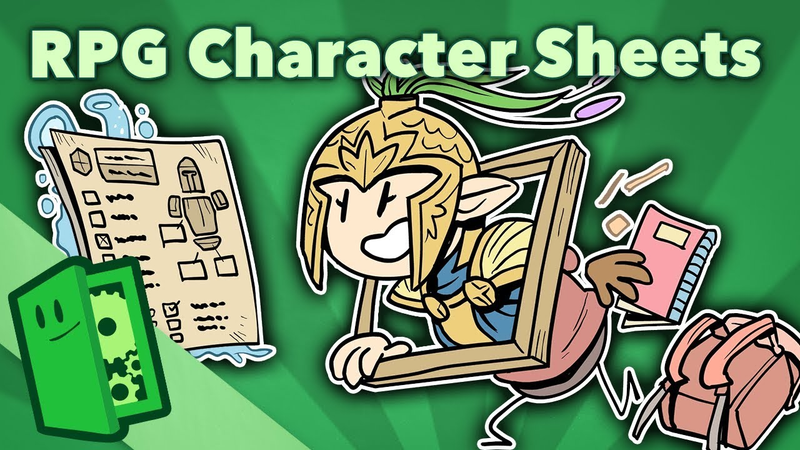
RPG Character Sheets - Designing Gameplay Around Character Customization - Extra Credits
Character sheets serve as the primary interface for tabletop role-playing games, functioning both as a tool for tracking mechanics and as a vital communication channel between players and game masters.
- Character sheets function as a primary communication tool, where resource allocation acts as a direct signal of a player's preferred gameplay style and narrative interests.
- The visual hierarchy of a character sheet dictates player behavior by highlighting which mechanics are central to the game's core experience.
- Players naturally gravitate toward actions where they possess a mechanical advantage, effectively using their highest-rated attributes to vote for the types of challenges they find most rewarding.
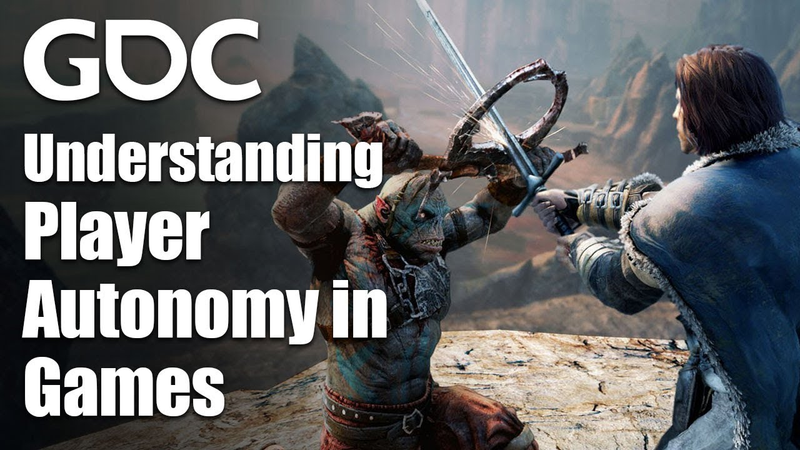
The Freedom Fallacy: Understanding Player Autonomy in Game Design
The freedom fallacy represents a fundamental misunderstanding in game design, where developers equate total independence and expansive open-world environments with player autonomy.
- True player autonomy is defined by the PENS model (autonomy, relatedness, and competence) rather than the scale of an open world or total independence.
- Excessive, unstructured freedom often leads to 'motivational sand traps' that fail to sustain long-term engagement compared to structured, goal-oriented pathways.
- Players prioritize core mechanics and narrative agency over superficial features like avatar customization, making these the primary drivers of satisfaction.



Gen Z: Their Power and Their Paradox
Generation Z represents a complex, paradoxical demographic that defies traditional binary categorization.
- Gen Z rejects monolithic, top-down mass-market advertising in favor of authentic, peer-to-peer interactions and niche community participation.
- Engagement strategies should prioritize intimate, compartmentalized social networks over broad reach through mega-influencers.
- Brand credibility is earned through demonstrated expertise and tangible, real-world involvement rather than superficial digital messaging.

Essential Facts About Video Games and Violence
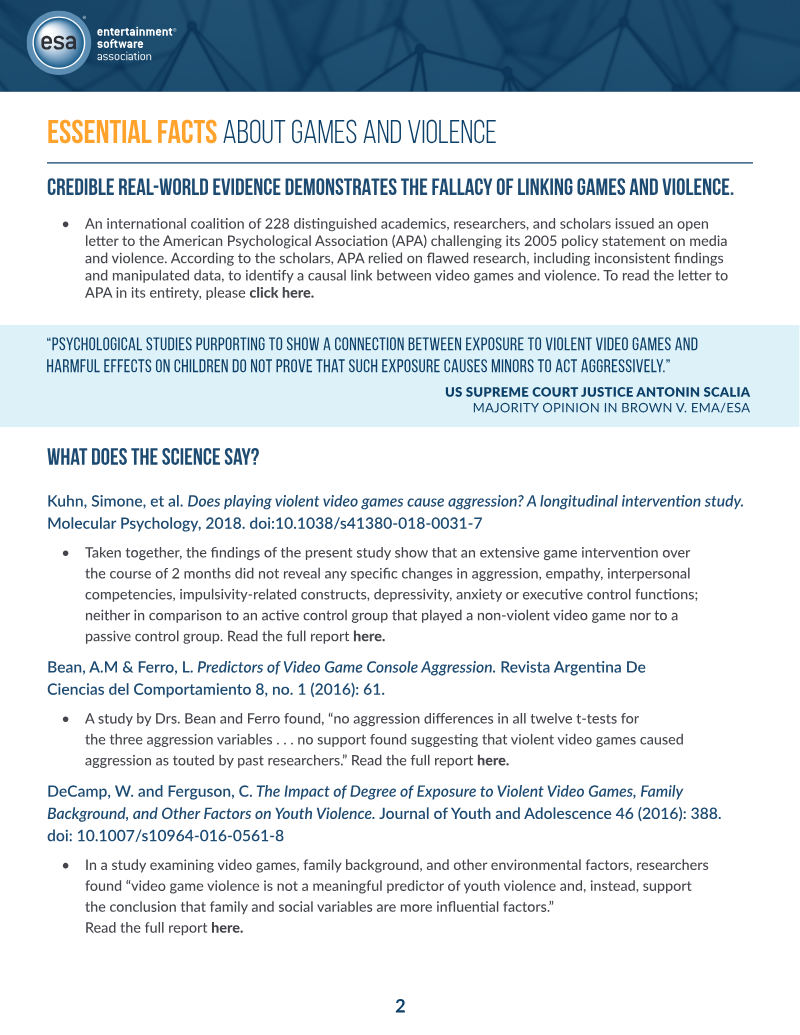
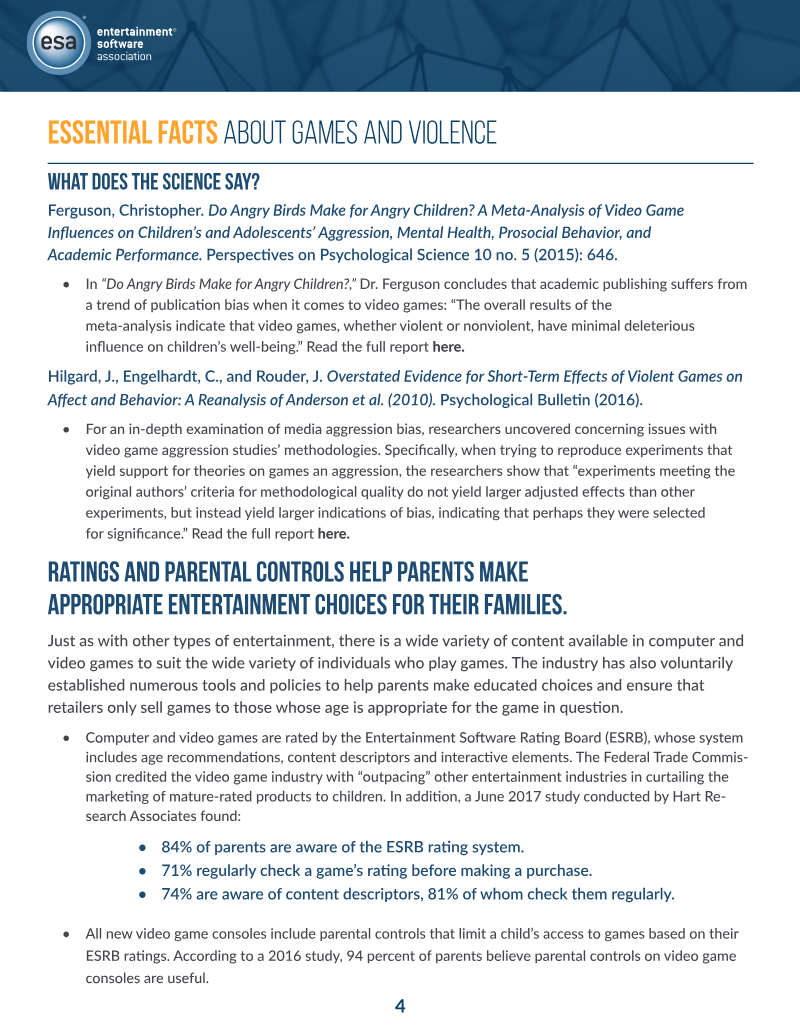
The primary purpose of this analysis is to refute the existence of a causal link between video game consumption and real-world violence.
- Longitudinal studies and meta-analyses consistently show no causal link between violent video game consumption and future aggression or criminal behavior.
- Violent crime rates in the United States have reached multi-decade lows during the same period that the video game industry has experienced significant expansion.
- Primary drivers of violent conduct are identified as family environment, mental health, and individual personality traits rather than media consumption.
Can a game be therapy for emotional health? Can it change a teen's life?
The development of digital therapeutic tools for young people facing chronic illness and emotional distress serves as the primary focus of this analysis.
- Shadow’s Edge is a mobile game designed as a digital therapeutic tool to improve resilience in youth facing chronic illness and emotional distress.
- A year-long clinical study at Lurie Children’s Hospital is currently evaluating the game's impact on 174 cancer patients aged 16 to 24 to measure long-term emotional outcomes and recovery transitions.
- Clinical research conducted with Stanford Children’s Hospital and the University of the Netherlands confirms the game improves seven key resilience factors, specifically optimism, positive self-identity, and emotional regulation.
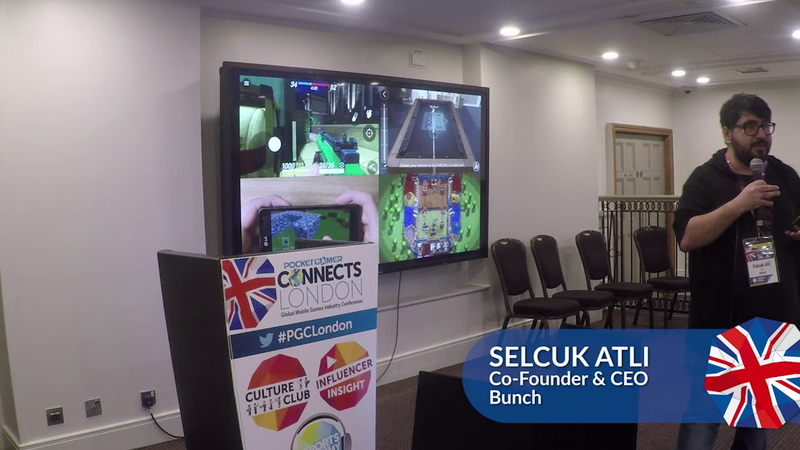
Playground experience – Best practices for reducing friction to play live mobile games
The mobile gaming industry is undergoing a significant shift as younger demographics, specifically Gen Z, increasingly prioritize real-time social interaction and collaborative play over solitary experiences.
- Gen Z players prioritize real-time social interaction and collaborative play, shifting the industry focus toward experiences that mimic traditional couch-co-op or LAN party dynamics.
- Complex onboarding processes, such as manual username exchanges and multi-step menus, are primary drivers of user abandonment and must be minimized to reduce friction.
- Deep linking technology allows users to share direct links via messaging platforms that instantly launch games and place friends into the same session, bypassing cumbersome invite systems.
The gamer's brain – The untapped potential
Modern education systems are increasingly viewed as outdated, failing to address the evolving intellectual and emotional needs of students.
- Game-based learning leverages neuroplasticity, functional brain connectivity, and attention regulation to address the limitations of traditional, text-driven educational curricula.
- Core game design principles, including continuous feedback loops, self-paced progression, and endogenous assessment, are being used to create immersive environments that foster resilience and empathy.
- Global initiatives are currently developing standardized pedagogical certification frameworks to formalize the integration of gaming into formal education systems.
The ethical hacker’s guide to winning with Gen Z
The ethical hacker’s guide to winning with Gen Z focuses on effective strategies for driving app downloads among younger demographics by adopting their cultural language and communication habits.
- Adopting Gen Z cultural language and meme-based content can drastically reduce cost-per-install (CPI), as seen with Ouevo, which lowered its CPI from $4.00 to $0.50 by repurposing a viral meme.
- Integrating brands into existing cultural conversations rather than using traditional, self-promotional advertising improves user acquisition efficiency and engagement.
- Prioritizing emotional connection and social experience over technical gameplay features is a core driver for scaling user bases, as demonstrated by Plato growing from 20,000 to 200,000 daily active users in six months.
Gamer Motivation Model: Updated Reference Sheets
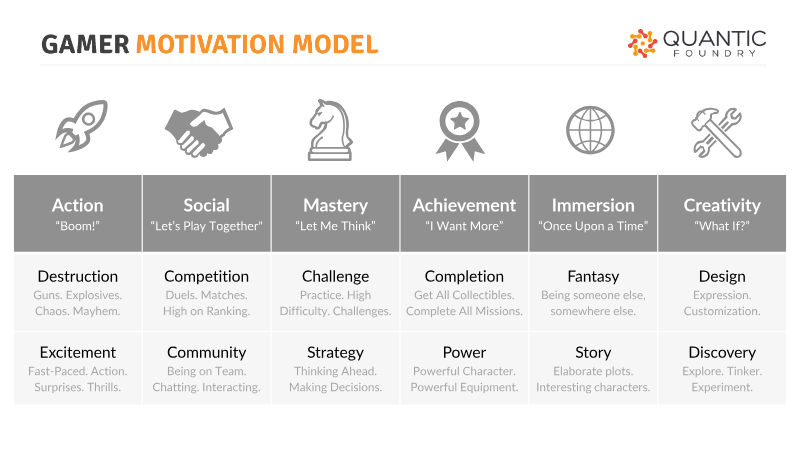
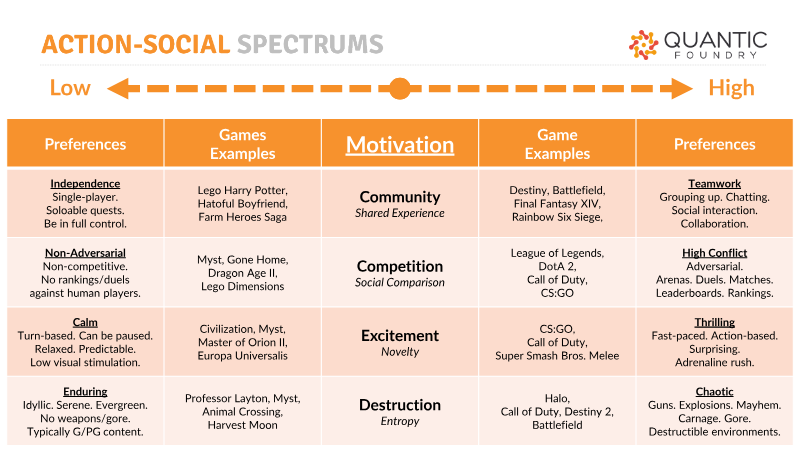
The Gamer Motivation Model provides a comprehensive framework for understanding player behavior by categorizing gaming preferences into three primary clusters: Action-Social, Mastery-Achievement, and Immersion-Creativity.
- The Gamer Motivation Model categorizes player behavior into three primary clusters: Action-Social (Bright), Mastery-Achievement (Tall), and Immersion-Creativity (Wide).
- Player preferences are defined by six core sub-categories—Action, Social, Mastery, Achievement, Immersion, and Creativity—which function as sliding scales rather than binary choices.
- The model uses specific spectrums, such as Destruction versus Excitement and Completion versus Power, to diagnose how individual game mechanics align with player psychological drivers.

A Deep Dive into the 12 Motivations: What We Learned From 400,000 Gamers
The Gamer Motivation Model provides a comprehensive framework for understanding player behavior by categorizing individual preferences into 12 distinct drivers organized across six core domains: Action, Social, Mastery, Achievement, Immersion, and Creativity.
- The Gamer Motivation Model categorizes player behavior into 12 distinct drivers across six domains: Action, Social, Mastery, Achievement, Immersion, and Creativity.
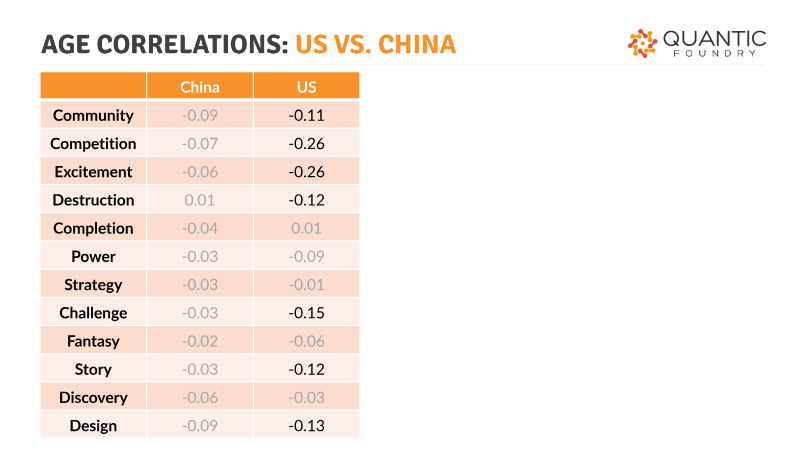
- Analysis of 400,000 participants confirms that gaming preferences are rooted in measurable personality traits rather than monolithic demographic labels.
- The desire for challenge is the only motivation that experiences a rebound in intensity among players over the age of 45.

Global trends – Insights from 3 billion mobile gamers
This analysis of mobile gaming industry performance, based on a benchmark of 60,000 games across three billion devices from mid-2017 to mid-2018, provides a comprehensive overview of global retention, engagement, and monetization trends.
- The mobile gaming market follows a power-law distribution where top-tier titles significantly outperform the broader industry in retention, engagement, and monetization.
- Median day-one retention is 25%, but top-performing titles achieve 40% or higher, with the performance gap widening to a 5% median retention rate by day seven.
- Genre selection dictates performance metrics: trivia and word games lead in retention, while casino and card games drive the longest session lengths, often exceeding 30 minutes.
User analysis for premium games in China
The premium games market in China has experienced significant growth, driven by an increasingly affluent young generation and a robust digital ecosystem.
- As of 2018, China’s Steam user base reached approximately 40 million, with active engagement levels currently exceeding those of the United States and Russia.
- Social players represent the largest market segment at 38%, prioritizing games that are trending within their peer groups to maintain social relevance.
- Streaming platforms are the primary discovery tool for Chinese gamers, functioning as a critical risk-mitigation step for evaluating gameplay before purchase.