1 free read left. Create a free account for unlimited reading + AI research.
Create free accountReport We Are Social
1 free read left. Create a free account for unlimited reading + AI research.
Create free accountReportWe Are Social
Generation Z represents a complex, paradoxical demographic that defies traditional binary categorization. By navigating a hyper-connected yet polarized global landscape, these individuals reject rigid norms in favor of fluid identities and niche community participation. This generation exhibits high levels of critical skepticism toward information, prioritizing authentic, peer-to-peer interactions over the broad, mass-market messaging that defined previous consumer eras. Success in engaging this cohort requires a departure from top-down marketing strategies, shifting instead toward co-creation and the facilitation of genuine, value-driven experiences.
The most effective engagement strategies focus on intimate, compartmentalized social networks rather than the reach of mega-influencers. Credibility is earned through specific expertise and tangible, real-world involvement, suggesting that brands must act as facilitators for personal growth and education. While digital connectivity is a defining feature of their lives, Gen Z places significant weight on physical experiences and the influence of immediate family circles. Consequently, brands that integrate themselves into these smaller, trusted ecosystems are better positioned to resonate with the generation’s multifaceted nature.
Ultimately, the findings underscore that Gen Z’s behavior is defined by a rejection of monolithic branding. By embracing the contradictions inherent in their identity, organizations can move beyond superficial digital-only strategies. The path forward involves fostering deep, two-way conversations and supporting local community engagement. By prioritizing authenticity and peer-validated expertise, brands can build lasting relevance with a generation that values substance and personal connection over traditional advertising influence.
We Are Social · 2024
We Are Social · 2023
We Are Social · 2023
We Are Social · 2022
We Are Social · 2022
We Are Social · 2022
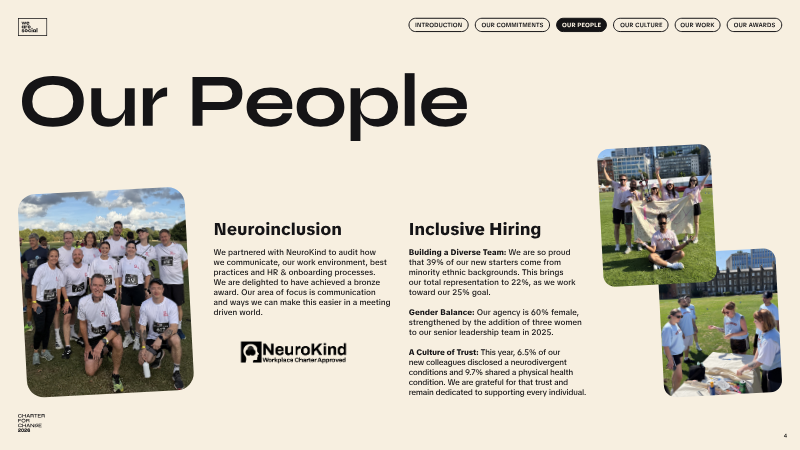
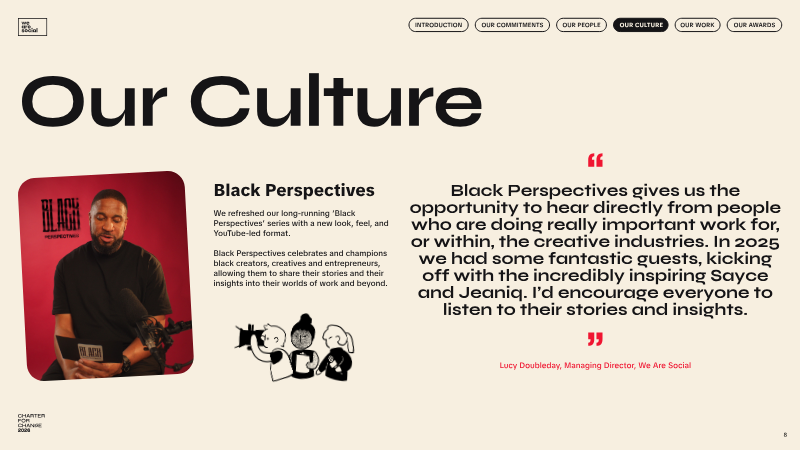
We Are Social · 2022
We Are Social · 2021
We Are Social · 2020
We Are Social · 2019

Dentsu · 2022