1 free read left. Create a free account for unlimited reading + AI research.
Create free account
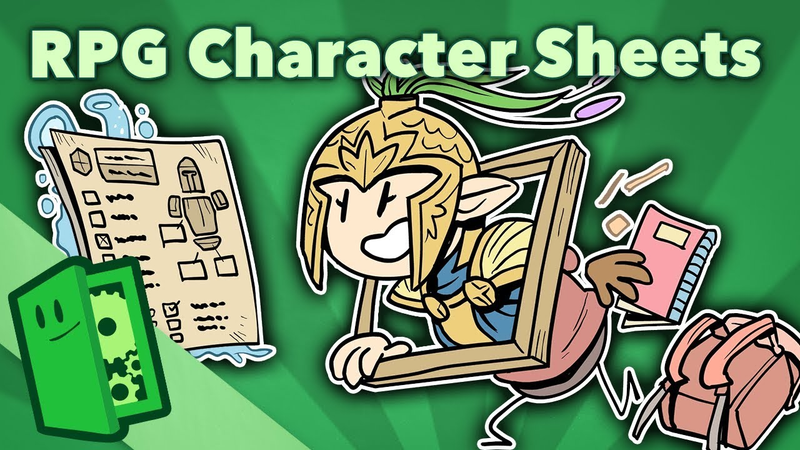
RPG Character Sheets - Designing Gameplay Around Character Customization - Extra Credits
Key insights
5 takeaways- 01Character sheets function as a primary communication tool, where resource allocation acts as a direct signal of a player's preferred gameplay style and narrative interests.
- 02The visual hierarchy of a character sheet dictates player behavior by highlighting which mechanics are central to the game's core experience.
- 03Players naturally gravitate toward actions where they possess a mechanical advantage, effectively using their highest-rated attributes to vote for the types of challenges they find most rewarding.
- 04Game masters can analyze the distribution of character points to identify whether a group prefers combat-heavy encounters, intellectual puzzles, or social navigation.
- 05Subtle character customization choices, such as a warrior investing in charisma, provide nuanced data points that allow game masters to tailor sessions toward specific moral or tactical interests.
Ask AI about this video
Transcript
Character sheets are an important window into the tabletop role-playing game experience, but they're also the best way players can vote on what they want to see in a game. Assuming you can read their handwriting, of course. Zoe, what is a sort of hecking riddles? Nope, you're right. Not the time for this. Once again, shout out to our guest writer Eddie Webb for another tabletop RPG episode. Thanks for helping out, Eddie. Since the 1970s, character sheets have been lovingly photocopied, printed, and digitized by generations of RPG players to help them keep track of all the important information about their characters. Some are carefully preserved in notebooks, file folders, or plastic sheets for decades, while others are ripped in half after a beloved character dies. In fact, next to weird-looking dice, there's nothing that says, "I'm playing a tabletop role-playing game." more than a character sheet. Because they're the player's window into the game. A character sheet is the one thing players look at and reference more than anything else throughout a table top
session. And many games require you to consistently engage with your sheet as you change numbers, update information, and keep notes. Plus, we all know players like to doodle on them when it's not their turn. A well-designed character sheet not only presents important information in a timely way, but also gives you an insight on how the designers think the game should be played. Kind of like a UI, but for a tabletop game. And having certain numbers or mechanics stand out draws your eye and makes you want to do something with that information. For instance, if a game has your attack roll as a large number in the middle of the sheet, well, that tells you that combat is going to be a big part of the mechanics or the setting. On the other hand, if it's a small note at the bottom, that tells you that combat isn't a common occurrence. This seemingly basic visual style decision can tell you a lot about the game you're playing. But if the character sheet is a window into the game, well, windows work both ways. Just as the design of the sheet can highlight certain aspects of the system or the setting, what the player chooses to fill out on that sheet offers insight
into what they want out of the game. Let's look at a classic example, Dungeons and Dragons. Every version of D&D has six ability scores that standardly range from 3 to 18. Strength, dexterity, constitution, intelligence, wisdom, and charisma. Most versions either allow you to spend points on those scores or allocate six different numbers into them. So, if a player wants to create a clever and wise spellcaster, they're going to put higher scores in abilities like intelligence or wisdom, you know, to reflect how smart that character is. However, if someone wants to play a fierce and hardy warrior, they're going to prioritize more physical abilities like strength and constitution. But, here's where that window comes in. In a tabletop game, when a situation gets risky, that's when the players roll dice. And a character's abilities often manipulate those dice to change the chance of success up or down. And areas in which a character is stronger means it's more likely the player will roll better. And players like to succeed in risky situations, so they'll tend to do what they're best at.
Or to put it plainly, players like to win at rolling dice. Therefore, what stats the players put points into serves as a clear message to the game master. I want to see more of this in the game. The clever spellcaster probably wants to see more intellectual puzzles, while the fierce warrior most likely wants more dangerous fights. If you as game master put more of those things into the game, the players will be getting more content they want to see. And this works on a higher level as well. If many of the players are geared up for a fight, then they'll be happiest when the game allows them to use their combat skills on a regular basis. However, if most everyone prioritizes sneaking or thinking, or my personal favorite, diplomacy, then a game with a lot of brawls will end up boring and frustrating for them. And even though many groups of players may try to prioritize {quote} {unquote} balance just to be prepared for anything the GM throws at them. A clever GM can suss out which way the party leans by the small variations in their choices. Did the player who wanted a mighty warrior roll a paladin to tank, putting a spare point
or two into charisma? Then they probably want more conversations and difficult moral moments. Oh, and did your spellcaster decide to be a wizard with all combat spells? I think you know what they want to do. Of course, this works the other way as well. Just because a player votes for something doesn't mean they should get it all of the time, cuz that sounds like a snooze fest. So, if you're a game master planning your group's next session, and you aren't sure what exactly you should do, a quick glance at each player's character sheet can help. Because what each player puts there gives you a pretty good glimpse at what they want to see. So, now I just need to figure out what's going on with Zoe's character sheet here. Oh, oh, you a sort of extra vittles. I see it now. Oh, how very Palico of you.
Summary
Character sheets serve as the primary interface for tabletop role-playing games, functioning both as a tool for tracking mechanics and as a vital communication channel between players and game masters. Beyond their utility in managing statistics, these sheets act as a form of player feedback, signaling specific gameplay preferences through the allocation of points and the prioritization of character attributes. By analyzing how players distribute their resources, game masters can gain actionable insights into the types of challenges, narratives, and activities that will most effectively engage their group.
The design of a character sheet itself reflects the core philosophy of a game, with the prominence of specific mechanics indicating the intended focus of the experience. When a sheet highlights combat statistics, it suggests a system centered on physical conflict, whereas smaller, peripheral notes for such skills imply a focus on other pillars of play. This visual hierarchy guides player behavior, as individuals naturally gravitate toward actions where their character possesses a mechanical advantage. Because players generally seek success in risky situations, they will consistently lean into their highest-rated attributes, effectively voting for the types of gameplay scenarios they find most rewarding.
Game masters can leverage this data to tailor sessions to their players' desires. A party heavily invested in physical prowess will likely find satisfaction in combat-heavy encounters, while those prioritizing intelligence or diplomacy will prefer intellectual puzzles and social navigation. Even subtle choices, such as a warrior investing in charisma or a spellcaster selecting exclusively combat-oriented magic, provide nuanced clues regarding a player's interest in moral dilemmas or tactical engagement. By observing these patterns, game masters can curate more personalized, satisfying experiences that align with the collective interests of the table.

















Comments