Monetization reports and market data
Documents

The Complete Guide to Gaming's Fastest-Growing UA Channel
Loyalty platforms have emerged as a critical pillar of modern user acquisition, currently capturing between 25% and 50% of media budgets for major game studios.
- Loyalty platforms now account for 25% to 50% of media budgets for major game studios, signaling a shift toward incentivized traffic as a core user acquisition pillar.
- Studios should treat loyalty-acquired users as a distinct cohort in analytics to prevent performance data distortion and ensure accurate measurement of lifetime value trajectories.
- To maximize ROI, developers must move beyond cost-per-install metrics and focus on aligning reward structures with specific in-game progression milestones.

Video Gaming Report 2026: How Platforms Are Colliding and Why This Will Spark the Next Era of Growth
The global video game industry is currently transitioning from a post-pandemic period of stagnation toward a new era of growth defined by the convergence of hardware-agnostic ecosystems and decentralized distribution.
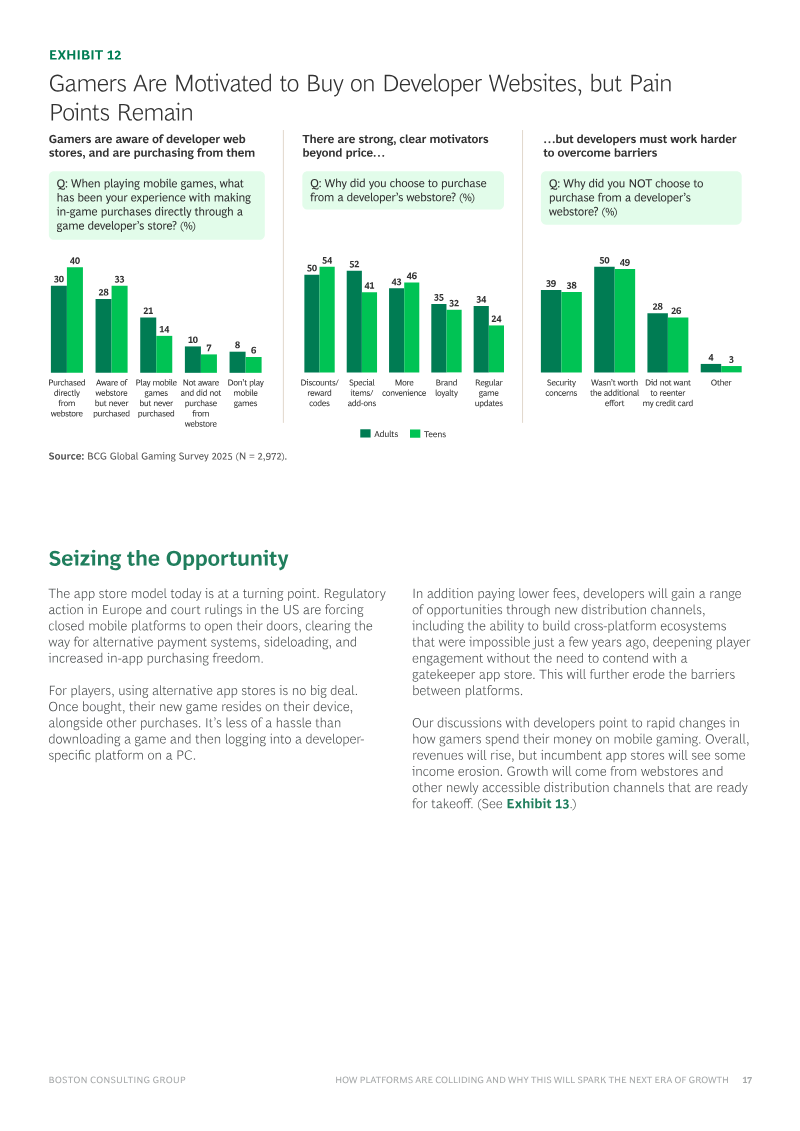
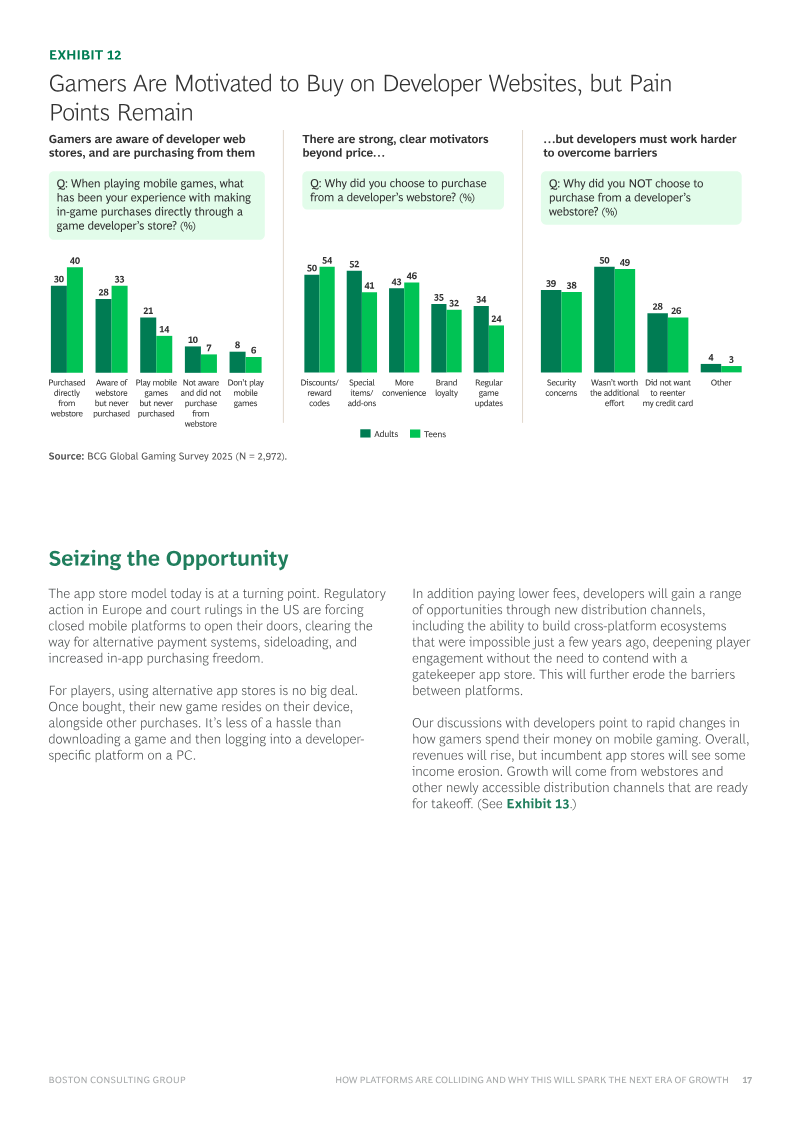
- The industry is shifting toward platform-agnostic ecosystems and direct-to-consumer distribution to bypass traditional app store fees and improve developer margins.
- Gaming currently accounts for 12.5% of global media consumption time but captures only 3% of total advertising spend, representing a significant opportunity for revenue growth.
- Cloud gaming is projected to reach $18.3 billion in revenue by 2030, serving as a critical infrastructure component for the industry's transition.
Video Gaming Report: How Platforms Are Colliding and Why This Will Spark the Next Era of Growth
The video gaming industry is transitioning into a new era of growth following a post-pandemic stabilization period.
- Cloud gaming revenue is projected to scale from $1.4 billion in 2025 to $18.3 billion by 2030, marking a transition toward hardware-agnostic play.
- The creator economy is expanding rapidly, with payouts to creators on platforms like Roblox and Fortnite projected to exceed $1.5 billion in 2025.
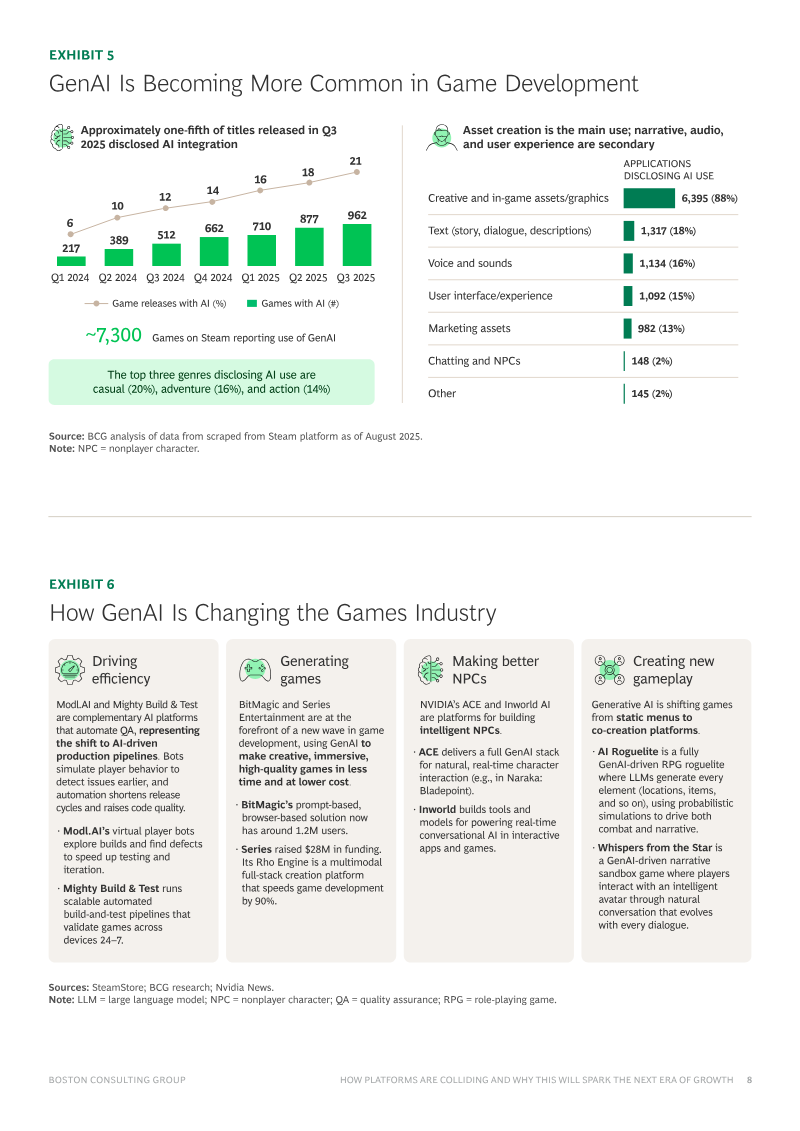
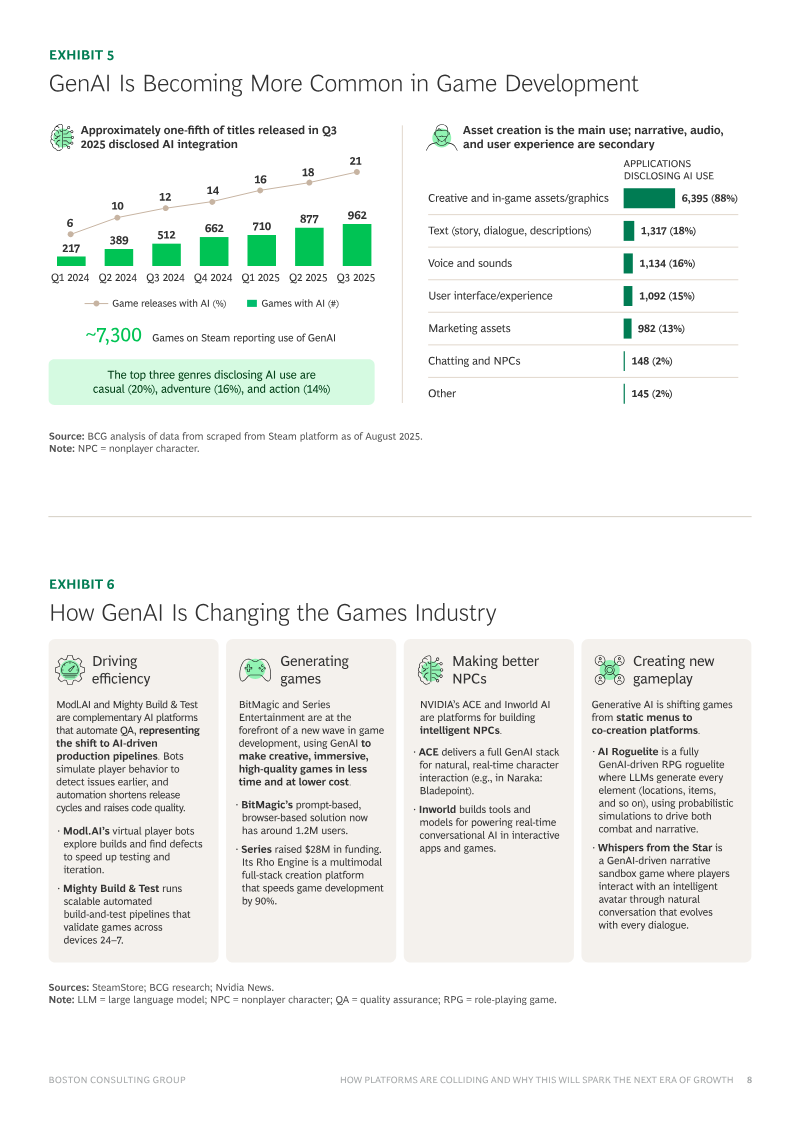
- Generative AI is currently used by 50% of studios to enhance development efficiency, with 20% of new Steam games expected to disclose AI usage by mid-2025.

🚨📢 BREAKING NEWS: JamCity in trouble, Unity Vector fun & Playable Ads = $124B Market?!
The mobile gaming industry is currently defined by a mix of high-profile global launches, evolving ad-tech strategies, and increasing regulatory scrutiny regarding data privacy.
- Global in-game advertising revenue is projected to reach $124.5 billion by 2025 as advertisers shift budgets toward interactive playable ads.
- JamCity settled for $1.4 million with the California Attorney General for violating the California Consumer Privacy Act regarding unauthorized data handling of teenage users and lack of opt-out mechanisms.
- Unity launched the 'Vector' platform to centralize development and monetization workflows, aiming to compete with ad-tech incumbents like Meta and AppLovin by improving player engagement targeting.

West Game II Review: Is cloning Kingshot enough?
West Game II represents a strategic shift in the 4X mobile gaming sector, where success is increasingly predicated on the precise replication of proven onboarding experiences rather than original core gameplay.
- West Game II generates between $30,000 and $40,000 in daily revenue within its first two months by utilizing a 1:1 clone of mechanics found in established titles like Kingshot and Whiteout Survival.
- The game's growth strategy relies on high-volume creative production that mimics the visual aesthetics of Red Dead Redemption and Sniper Elite to maintain market visibility.
- The studio prioritizes the first ten minutes of user onboarding as the primary engine for growth, reflecting a broader industry shift toward replicating proven engagement hooks over core gameplay innovation.
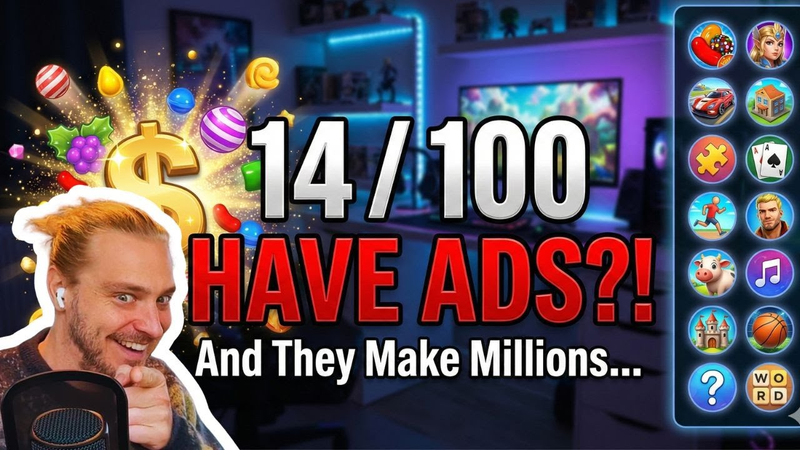
😱 Only 14 of the TOP Grossing 100 Games use Ads by Felix Braberg
The mobile gaming industry is undergoing a significant shift as top-grossing titles move away from a strictly premium monetization model toward hybrid strategies that integrate in-game advertising.
- Only 14 of the top 100 highest-grossing mobile games currently incorporate advertising, signaling a significant but early-stage shift toward hybrid monetization models.
- Hybrid strategies target the approximately 95 percent of players who do not make traditional in-app purchases, allowing studios to capture incremental revenue and increase total user lifetime value.
- Major titles such as Candy Crush and Gossip Harbor are successfully integrating rewarded ads into core gameplay loops like energy systems, timers, and level-fail states.
Monetization Report 2025
The global mobile gaming market achieved a steady 3.4% year-over-year growth in 2025, reaching a total valuation of $57.1 billion.
- The global mobile gaming market grew 3.4% year-over-year in 2025 to reach a $57.1 billion valuation.
- Hybridcasual games experienced explosive growth of 88%, while Strategy, Puzzle, and Simulation segments grew by 25.5%, 15%, and 11% respectively.
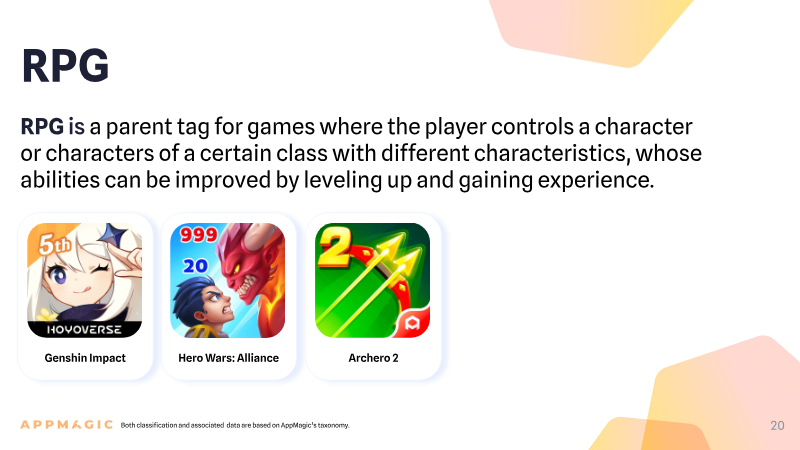
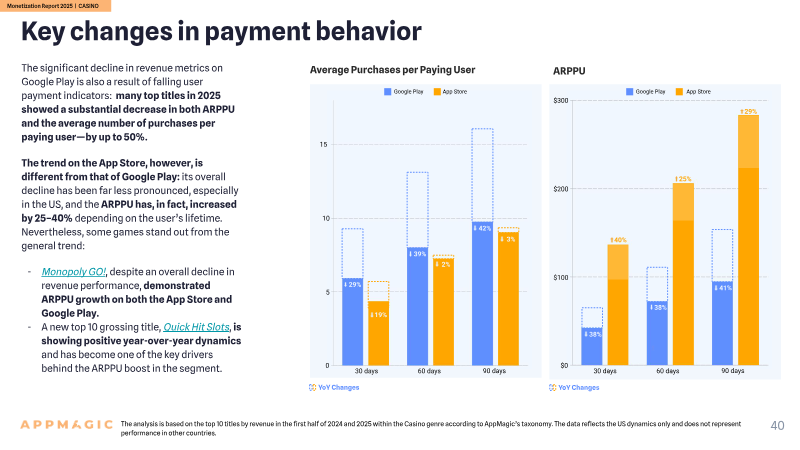
- RPG and Casino sectors saw significant revenue declines, with RPGs falling 13–16% and Casino revenues dropping 7.5%.
State of Short Drama Apps 2025: Global Expansion Insights
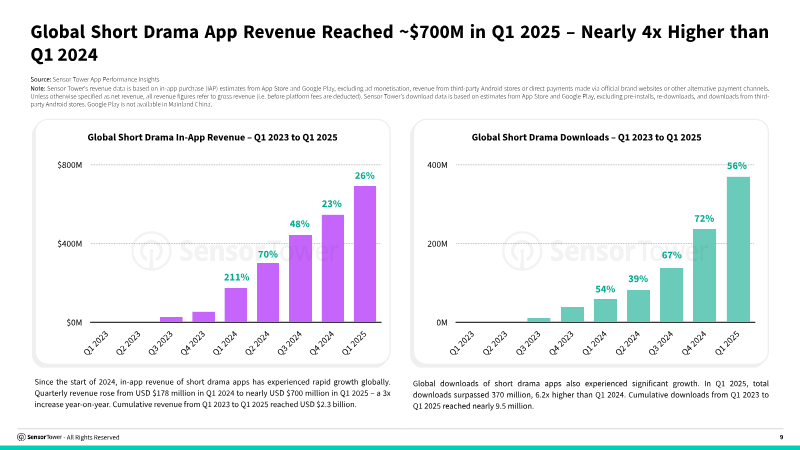
The short drama app market experienced explosive global growth in early 2025, with cumulative in-app revenue reaching $2.3 billion by the end of the first quarter.
- The short drama app market reached $2.3 billion in cumulative revenue by Q1 2025, with quarterly revenue hitting $700 million, a nearly fourfold increase year-on-year.
- Global downloads surged to 370 million in Q1 2025, marking a 6.2x increase compared to the same period in 2024.
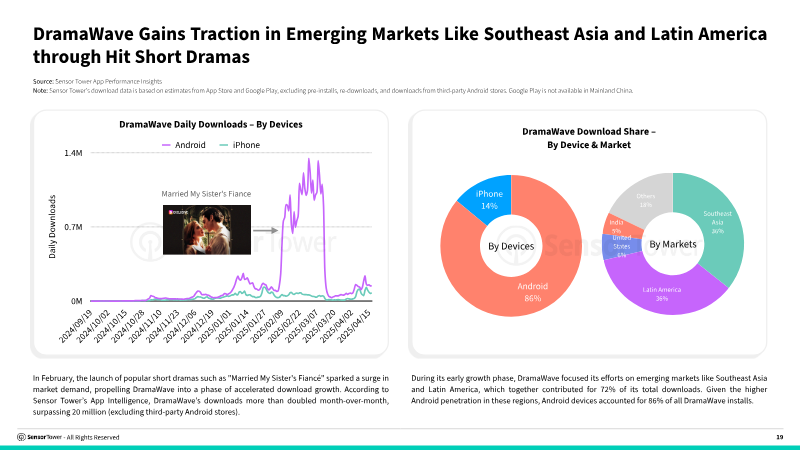
- The United States remains the primary revenue driver at 49% of global earnings, while Southeast Asia and Latin America account for over 50% of total global installs.

Precise UA with Mastercard Data? Edik Mitelman talks Signal Hub & Beyond!
The emergence of data collaboration platforms, such as Signal Hub, marks a significant shift in mobile marketing by enabling privacy-preserving, cross-industry data sharing.
- Data collaboration platforms like Signal Hub allow gaming companies to target users based on real-world financial behavior, such as specific retail or in-app spending patterns, in a privacy-compliant manner (GDPR and CCPA).
- Gaming studios can now act as both buyers and sellers of audience data, creating a new high-margin revenue stream by monetizing their own user insights without compromising trade secrets or privacy.
- Precise targeting based on real-world purchasing data—such as identifying frequent customers of a specific pizza chain to market a pizza-themed mobile game—significantly improves user retention and reduces churn compared to traditional, less targeted advertising.

Google & Epic: From Mortal Enemies to BFFs? Judge Calls BS
The proposed settlement between Google and Epic Games has faced significant judicial scrutiny, with Judge Donato withholding approval due to concerns regarding the agreement's clarity and the sudden, suspicious alignment between two long-standing legal adversaries.
- Judge Donato has withheld approval of the Google-Epic Games settlement, citing concerns that the agreement may be a strategic delay rather than a resolution to antitrust violations.
- The court has scheduled a follow-up hearing for late 2024 or early 2025 to address ambiguities in the proposal, which the judge currently deems insufficient for industry implementation.
- Analysts argue that the settlement's proposed fee structure—which differentiates between cosmetic and non-cosmetic items—is unenforceable because many games use hard currency that can be spent on either category at the user's discretion.

Unity & Epic Join Forces. What It Really Means & Apple MiniApps Explained. NO 💩 TL;DR News Navigator
This analysis provides a concise overview of significant developments in the global gaming industry as of mid-November.
- Unity and Epic Games have formed a strategic partnership to improve interoperability and cross-platform compatibility, signaling a collective effort to challenge the Apple and Google app store duopolies.
- NVIDIA reported $57 billion in quarterly revenue, confirming that the AI-driven infrastructure boom remains a primary driver of industry growth.
- Apple has launched a MiniApps program offering a reduced 15% commission fee to developers, a move aimed at replicating the success of the Chinese WeChat ecosystem in Western markets.

That Unity-Epic deal, Minecraft Blast, Netflix Games 2.0, Duolingo, Ubisoft, Stash, EA and more
The mobile gaming industry is currently defined by strategic alliances, platform pivots, and significant consolidation within the web shop and monetization sectors.
- Unity and Epic Games have entered a strategic partnership allowing Unity-made games to publish directly to Fortnite and integrating Unreal Engine support into Unity’s monetization and web shop tools.
- Netflix has pivoted its gaming strategy toward mainstream, family-oriented, and party games, moving away from the underperforming indie titles that previously populated the service.
- King has entered soft launch for 'Minecraft Blast' in Malaysia, marking a significant effort to bring the Minecraft IP to mobile via a puzzle-based gameplay model.