Monetization reports and market data
Documents

Synative's Cynthia Du on making fun and engaging playable ads for games
The evolution of mobile advertising has shifted from intrusive pop-ups and banners toward interactive, programmatic playable ads designed to enhance user engagement.
- Users who engage with Google Play Instant playable ads demonstrate a 6% higher retention and registration rate compared to organic users.
- Synative’s toolkit enables developers to build interactive, gesture-based playable ads in approximately 30 minutes by repurposing existing CG media and video assets.
- The platform abstracts technical ad network integration, allowing developers to create cross-platform compatible ads without writing custom code for each network.

Mobile Game Product Manager Victor Wang of NBCUniversal | Jurassic World Alive
Product management in the mobile gaming industry functions as the primary business ownership role, tasked with driving growth, monetization, and long-term user retention.
- Mobile game product management centers on business ownership, focusing on post-launch growth, monetization, and long-term user retention rather than the tactical development execution handled by producers.
- The role leverages real-time telemetry and daily user feedback loops to make immediate, data-driven adjustments to live-operated titles.
- Product managers use logic tree methodologies to isolate revenue fluctuations by analyzing specific variables such as install trends, conversion rates, and in-game economy imbalances.

The year of hyper-casual in China
The mobile gaming landscape in China is undergoing a significant shift as the hyper-casual genre, which has dominated Western markets, begins to gain substantial traction in the region.
- Hyper-casual games offer a significant cost advantage in China, with player acquisition costs estimated to be seven to 13 times lower than those for traditional core gaming titles.
- Western developers have a strategic entry opportunity because Chinese studios currently lack the specialized infrastructure and expertise required to produce high-quality casual games.
- Hyper-casual titles face lower regulatory risk than core games because their revenue models rely on advertising rather than loot boxes or heavy in-app purchases.
How to monetise with Facebook Audience Network
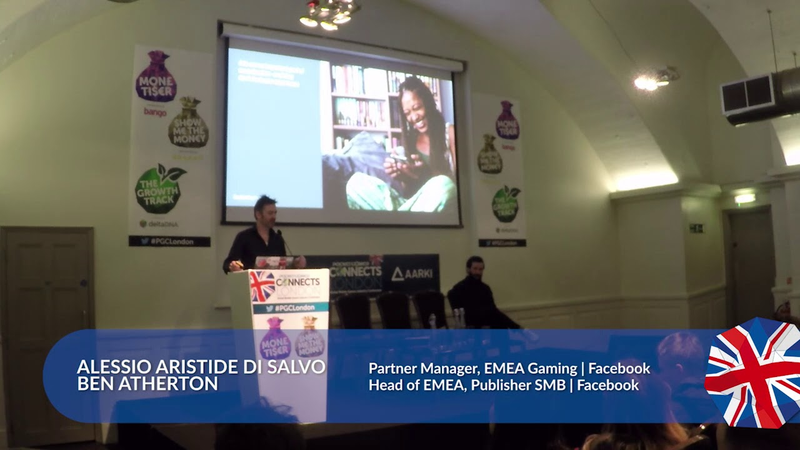
Facebook’s Audience Network provides a comprehensive ecosystem for mobile game developers to manage both user acquisition and monetization.
- Facebook Audience Network paid out $3.2 billion to publishers in 2017, leveraging data from 2.2 billion users across Facebook, Instagram, and Messenger.
- Developers implementing advanced optimization and bidding solutions have reported revenue growth ranging from 20% to 100%.
- Rewarded video is a primary monetization tool that consistently delivers high fill rates and competitive CPMs for mobile game developers.
Why you must focus on ad whales for your UA strategy
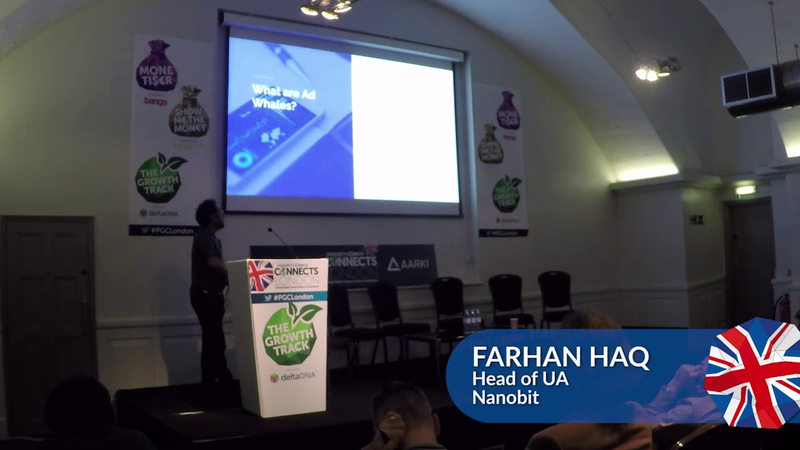
The primary objective of modern user acquisition (UA) strategy is to shift focus toward identifying and targeting "ad whales"—users who generate significant revenue through in-app advertising by frequently engaging with and converting on advertised content.
- Ad whales follow a power-law distribution where approximately 10% of users generate 60% to 70% of total ad revenue, making them six times more valuable than the average user.
- Integrating user-level ad revenue data into ROI models is essential for accurate campaign profitability assessment and preventing the misallocation of UA budgets.
- Targeting look-alike audiences based on high-value ad consumers on platforms like Facebook and Snapchat often results in lower cost-per-install (CPI) rates compared to traditional IAP-focused targeting.
80% data, 20% luck – How to make profitable games in 2019
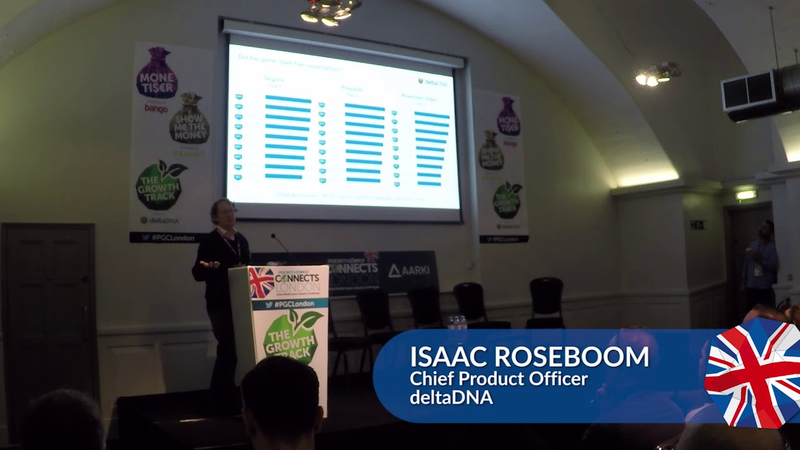
The mobile gaming industry has transitioned from a high-risk, launch-focused model to a sustainable, data-driven business environment.
- Profitability is shifting toward the mid-tier segment, as games ranked between 100 and 1,000 are experiencing significant revenue growth despite the dominance of top-ten titles.
- Predicting long-term profitability now relies on modeling retention and revenue data within the first week of a player's lifecycle to accurately estimate lifetime value (LTV).
- Player retention has improved, with average lifespans increasing from eight to twelve days, alongside higher conversion rates for in-app purchases.
The staggering rise of mobile app gaming – 2018 insights
The mobile gaming industry has reached a pivotal milestone, with mobile platforms now commanding the majority share of the global $137 billion gaming market.
- Mobile platforms now hold the majority share of the $137 billion global gaming market, driven by the widespread availability of high-performance mobile hardware.
- Mid-core and strategy titles dominate the market, accounting for 52% of all non-organic installs, while hyper-casual games experienced a 300% growth surge in a single quarter.
- Organic growth multipliers have diminished, forcing developers to rely on paid acquisition strategies despite rising costs-per-install (CPI), which remain consistently higher on iOS than on Android.
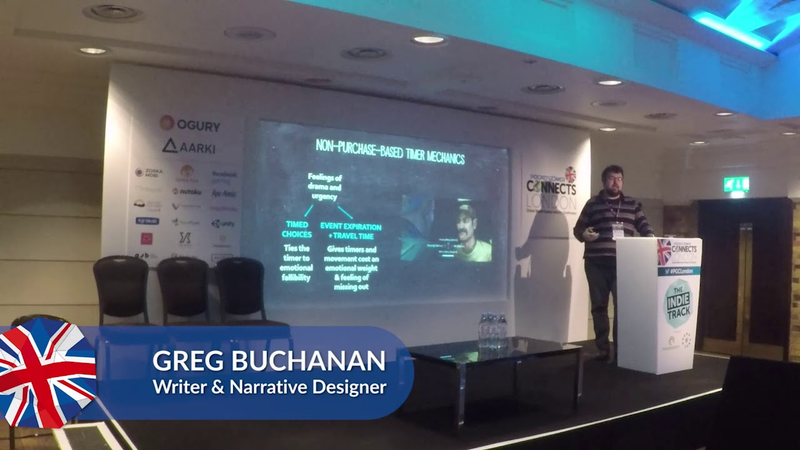
Exploiting timer mechanics as a narrative tool
Timer mechanics in mobile gaming are frequently viewed as a necessary evil, primarily serving as tools for monetization and retention by imposing artificial delays on gameplay.
- Developers should pivot from using timers as purely economic monetization tools to integrating them as core narrative features that drive world-building and player engagement.
- Timer mechanics can be transformed into dramatic elements by implementing persistent world states that evolve while the player is offline, creating a sense of a living, breathing environment.
- To reduce player friction, designers should align timer constraints with the natural rhythm of short, frequent mobile play sessions rather than using them as arbitrary barriers.
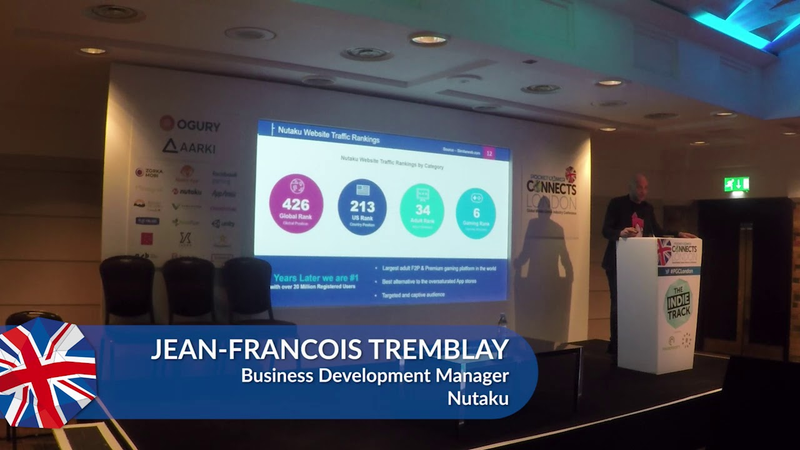
Nutaku on adult games as a credible alternative for developers
The adult gaming sector offers a viable, high-growth alternative for developers struggling with the oversaturation and high user acquisition costs of mainstream platforms like Steam or Google Play.
- Nutaku provides a high-growth alternative to mainstream platforms like Steam, addressing market oversaturation by offering a dedicated distribution channel for adult-oriented games.
- The platform experienced significant scale between 2015 and 2018, growing from one million to over 20 million registered users and reaching 123 million visits by late 2018.
- Financial performance in the adult sector is robust, with top-grossing titles generating over $4 million in annual revenue and maintaining tens of thousands of daily active users.
Bendi game – Designing for kids
Designing digital experiences for children requires a nuanced approach that moves beyond treating them as a monolithic group.
- Effective design for children requires segmenting development into two-year increments to match specific cognitive, motor, and aesthetic capabilities.
- For the two-to-four-year-old cohort, prioritize visual communication over text and avoid complex animations or surprise elements that cause cognitive overload.
- Children aged four to six require simple, attainable goals and character-led guidance to maintain engagement, as they are highly prone to distraction.

Voodoo and MoPub deconstruct the hyper-casual phenomenon
The hyper-casual mobile gaming sector has undergone a significant transformation over the last decade, shifting from a market dominated by sporadic one-hit wonders to a mature, data-driven industry.
- The hyper-casual sector has transitioned from a market of sporadic hits to a mature, data-driven industry fueled by increased smartphone penetration and scalable user acquisition tools.
- Revenue growth in hyper-casual gaming relies on a cycle where high-volume ad spending drives user acquisition, which is then monetized through advertising-based models.
- Publishers like Voodoo optimize profitability by integrating user acquisition and monetization functions, allowing for rapid iteration based on cross-cutting performance data.
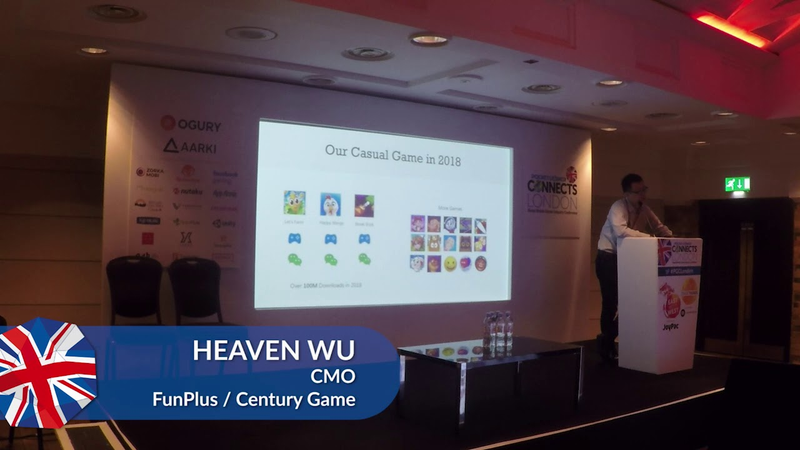
A new opportunity for casual game success in the West and China
The casual gaming market presents distinct challenges and opportunities when comparing Western distribution models to the Chinese landscape.
- WeChat Mini-games have become the primary distribution channel for casual games in China, effectively bypassing the country's fragmented Android ecosystem.
- WeChat Mini-games achieve a day-one retention rate of approximately 25 percent by leveraging social features like invitation sharing and 'moments' updates.
- Monetization on WeChat is primarily driven by rewarded video ads and banner placements, which benefit from high advertiser demand and competitive CPMs.