Mobile reports and market data
Documents
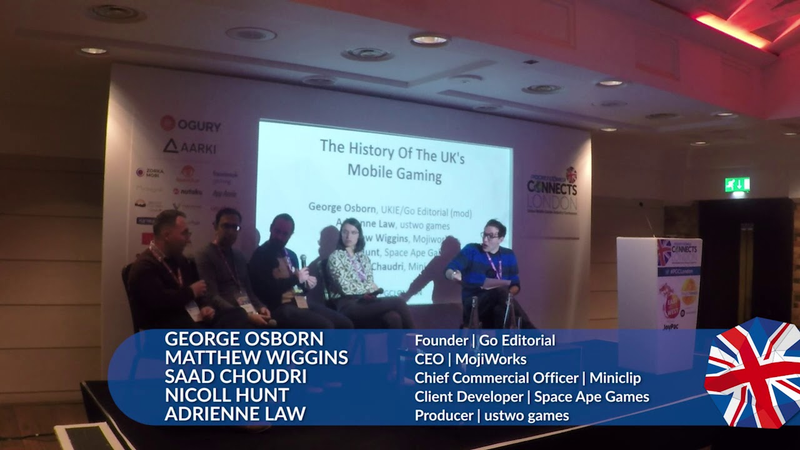
The history of the UK’s mobile games industry
The United Kingdom’s mobile games industry has undergone a profound transformation, evolving from the restrictive technical limitations of early J2ME platforms to a vibrant ecosystem defined by the creative freedom of the smartphone era.
- The UK mobile games sector now accounts for 61 percent of all domestic gaming companies and employs a workforce of 46,000 professionals.
- The industry is currently transitioning from a focus on mass-market titles toward niche, character-driven projects designed to resonate with specific audiences.
- A primary strategic challenge for the UK industry is reconciling its legacy strengths in premium console and PC development with the data-driven, free-to-play monetization models prevalent in the US and Scandinavia.
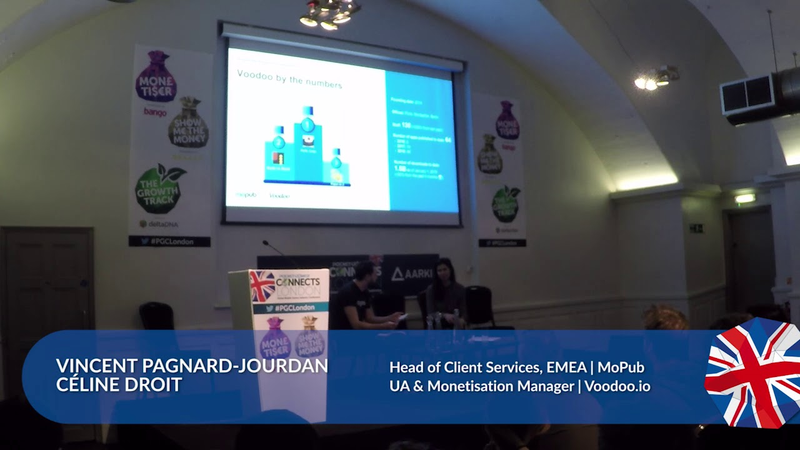
Voodoo and MoPub deconstruct the hyper-casual phenomenon
The hyper-casual mobile gaming sector has undergone a significant transformation over the last decade, shifting from a market dominated by sporadic one-hit wonders to a mature, data-driven industry.
- The hyper-casual sector has transitioned from a market of sporadic hits to a mature, data-driven industry fueled by increased smartphone penetration and scalable user acquisition tools.
- Revenue growth in hyper-casual gaming relies on a cycle where high-volume ad spending drives user acquisition, which is then monetized through advertising-based models.
- Publishers like Voodoo optimize profitability by integrating user acquisition and monetization functions, allowing for rapid iteration based on cross-cutting performance data.
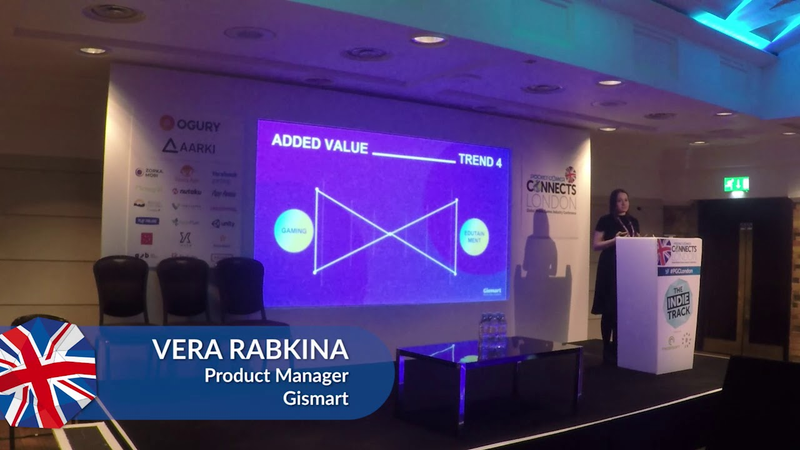
Future of casual music game publishing – Trends, struggles and hacks
The music casual gaming industry has evolved from a niche category into a significant, high-growth market over the last decade.
- Technical precision in beat tracking and audio synchronization is the primary determinant of user adoption, as even minor latency issues significantly hinder performance.
- Industry leaders like Gismart are scaling their user base by blending casual and hyper-casual mechanics, leveraging the global accessibility of music to minimize localization requirements.
- Future product development is shifting toward 'added value' gaming, which integrates educational features like ear training or sheet music reading to reposition titles as productive tools rather than mere entertainment.
Nerial: From Reigns to Game of Thrones
Nerial’s development strategy for the Reigns series demonstrates how independent studios can achieve consistent commercial success in the premium mobile market by leveraging brand continuity, strategic partnerships, and cross-platform distribution.
- Nerial achieved over 3.4 million total sales by treating the Reigns series as a cohesive brand rather than a collection of isolated products.
- The studio maintains a lean development structure with teams of only two to three people to navigate the challenges of the premium mobile market.
- Partnering with Devolver Digital provided the industry credibility and infrastructure necessary to secure a high-profile collaboration with HBO for Reigns: Game of Thrones.
The emerging markets power panel
The emerging markets panel at Pocket Gamer Connects London 2019 explored the growth, challenges, and strategic opportunities within the mobile gaming sectors of India, the Middle East, and Turkey.
- India has surpassed China in monthly mobile game download volume and data consumption, establishing itself as the world’s fastest-growing smartphone market.
- Turkey is a strategic hub for hyper-casual game testing due to its combination of low cost-per-install (CPI) rates and high user engagement with in-game advertisements.
- Monetization in India is evolving as digital payment solutions and debit card integration begin to overcome the historical barrier of low credit card penetration.
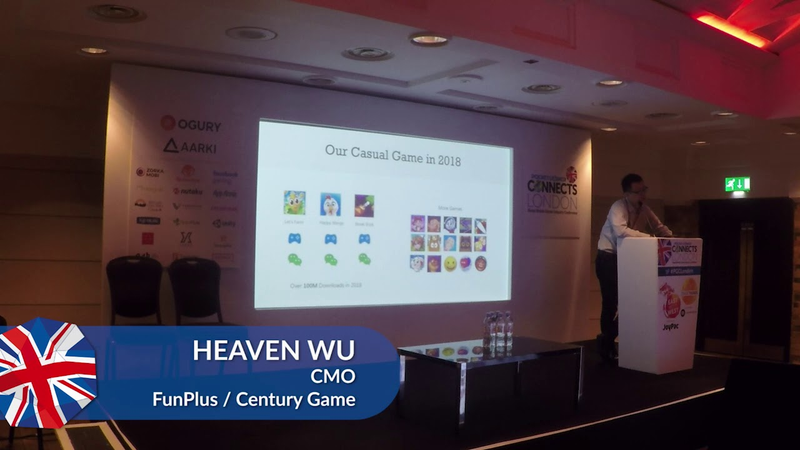
A new opportunity for casual game success in the West and China
The casual gaming market presents distinct challenges and opportunities when comparing Western distribution models to the Chinese landscape.
- WeChat Mini-games have become the primary distribution channel for casual games in China, effectively bypassing the country's fragmented Android ecosystem.
- WeChat Mini-games achieve a day-one retention rate of approximately 25 percent by leveraging social features like invitation sharing and 'moments' updates.
- Monetization on WeChat is primarily driven by rewarded video ads and banner placements, which benefit from high advertiser demand and competitive CPMs.
Meet the Dragon's neighbours – South Korea and Japan
The gaming landscapes of South Korea and Japan, while geographically proximate and technologically advanced, exhibit distinct cultural behaviors and consumer preferences that dictate market entry strategies.
- South Korean gamers exhibit a fast-paced lifestyle, leading to short game life cycles and a high demand for constant updates, whereas Japanese gamers are more patient and often retain a single game for months or years.
- Cultural differences in social pressure significantly impact user behavior; South Korean consumers feel intense pressure to follow trends and maintain 'proper' age-appropriate activities, while Japanese consumers experience less social pressure and demonstrate greater patience.
- The gaming landscape in East Asia has shifted from a Japan-centric market in the 1990s to a tripartite industry involving China, South Korea, and Japan, driven by the emergence of internet cafes and mobile gaming.

The games industry scenario in China – And the value a local publisher can provide
The Chinese gaming market represents a massive, high-growth opportunity characterized by a dual-sided reality.
- The Chinese gaming market generates over $37 billion in annual revenue with a player base exceeding 600 million, making it a high-growth but hyper-competitive landscape.
- Foreign firms must utilize local partners to navigate regulatory requirements, as Chinese law mandates that any entity operating in the region must be locally owned.
- Local publishers are essential for managing the fragmented Android ecosystem, which consists of over 200 distinct app stores, and integrating localized payment systems like WeChat Pay and Alipay.
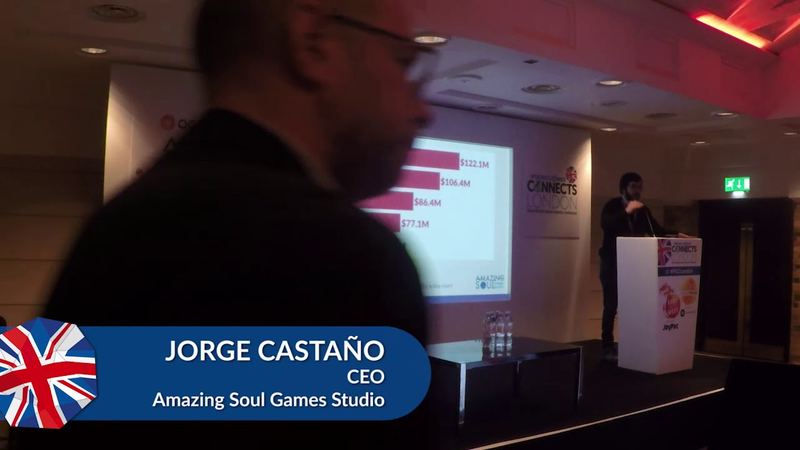
Oriental versus occidental monetisation
The gaming industry exhibits significant structural and cultural differences in monetization strategies between Eastern markets, particularly Japan, and Western markets like the United States.
- Japanese markets consistently generate higher average revenue per user (ARPU) than Western markets, driven by deeper player engagement and sustained long-term loyalty.
- Eastern monetization strategies rely on four core pillars: retention, engagement, virality, and aggressive in-app purchasing structures designed to maximize lifetime value.
- Eastern game design favors expansive in-game stores with vast arrays of personalization items, whereas Western titles typically prioritize minimalist interfaces and streamlined user experiences.
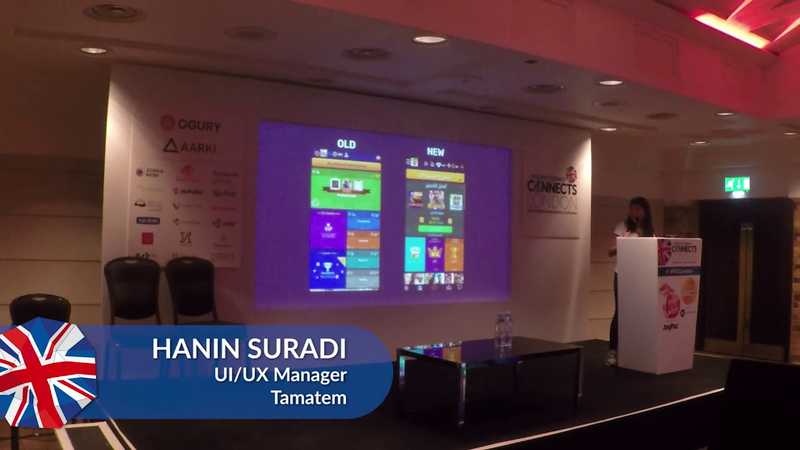
Data-driven UI/UX for the MENA region
The Middle East and North Africa (MENA) region represents a high-growth mobile gaming market, characterized by significant revenue potential and a distinct cultural landscape that necessitates specialized localization.
- Deep localization in the MENA region—moving beyond translation to include culturally resonant UI/UX—can drive double-digit percentage increases in both revenue and user engagement.
- The MENA region is a high-growth mobile gaming market where Arabic is one of the most spoken languages globally, yet it currently accounts for less than 1% of online content.
- Developers should adopt an 'outside-in' design methodology that validates UI/UX decisions against quantitative metrics like conversion rates and qualitative feedback from social media and surveys.

Publishing in Asian markets – The ‘how to’ discussion
Asian mobile gaming markets represent a complex, high-stakes landscape that demands a departure from Western-centric strategies.
- Success in Asian markets requires abandoning a monolithic strategy in favor of localized approaches that address the distinct cultural, monetization, and regulatory ecosystems of China, Japan, and South Korea.
- Developers must move away from generic global releases toward a 'zero-to-one' development strategy that prioritizes content tailored to regional social integration and specific genre preferences.
- In China, navigating the complex licensing landscape and protecting intellectual property necessitates the use of strategic local partnerships.

A Westerner's guide to the Japanese games market
The Japanese mobile gaming market represents a significant growth opportunity for Western developers, provided they approach the region with cultural sensitivity and a long-term strategic mindset.
- Success in the Japanese mobile market requires a local partner or team member to validate assumptions and navigate the industry, helping developers avoid the 'gaijin' trap.
- Western studios should prioritize their own authentic cultural identity rather than attempting to mimic Japanese anime aesthetics, as there is a specific market demand for non-Japanese media.
- Professional localization is mandatory, as poor translation quality directly correlates to a decrease in a game's perceived value and player immersion.