1 free read left. Create a free account for unlimited reading + AI research.
Create free account
Future of casual music game publishing – Trends, struggles and hacks
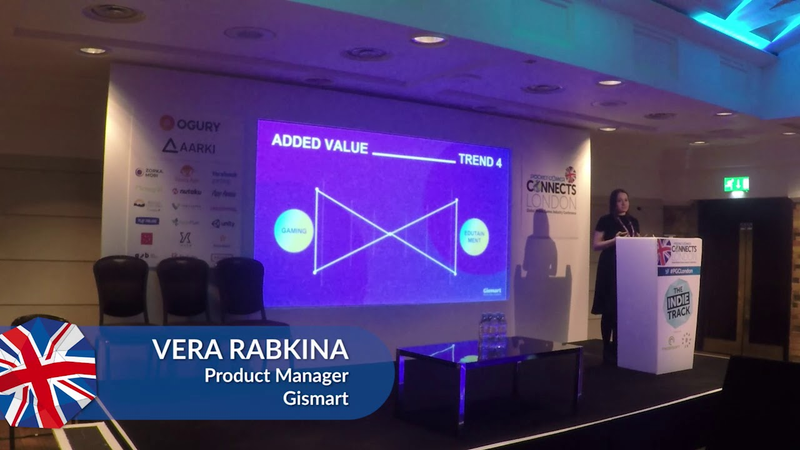
Key insights
7 takeaways- 01The next five years will be defined by a trend toward hyper-casual design, focusing on simplified user interfaces and one-finger control schemes.
- 02Developers are increasingly moving away from rigid, pre-set patterns in favor of 'free play' and improvisation mechanics that allow users to create their own music.
- 03Industry leaders like Gismart are scaling their user base by blending casual and hyper-casual mechanics, leveraging the global accessibility of music to minimize localization requirements.
- 04To increase engagement and retention, developers are prioritizing social collaboration features, such as virtual bands and multiplayer jam sessions.
- 05Future product development is shifting toward 'added value' gaming, which integrates educational features like ear training or sheet music reading to reposition titles as productive tools rather than mere entertainment.
- 06Developers should avoid feature bloat by selectively integrating emerging technologies like augmented reality only when they align with a cohesive product vision.
- 07Technical precision in beat tracking and audio synchronization is the primary determinant of user adoption, as even minor latency issues significantly hinder performance.
Ask AI about this video
Transcript
[Music] when my name is varakin I'm a product manager kismet company and today we're gonna talk about future of music casual gaming who talk about hacks trans struggles if he was about my company gizmo is a developer and publisher or have two offices headquarters is located in London I have also a developer Center in Minsk we do both iOS and Android app development altogether at the moment have around 20 titles in our brand have 350 million downloads around 17 million monthly active users and a few apps on top 10 music app store generally as a
developer of a focus on developing music and casual gaming and hyper casual gaming and as a publisher we also interested in all types of casual gaming and hyper casual gaming so generally we have a really large experience with casual gaming we're doing this for five years and of course we look at Angela this industry and I think this like really industry industry to have a look at because it's young and ambitious and it's growing really fast so a few words first what actually what so what is music casual gaming so in fact if you look closer you'll see that there's a lot of in common with between like regular casual gaming and music casual gaming so talking about up to three minute sessions but pretty short sessions right it is a skill based gaming as opposed to like a base gaming so when we talk about lot games gaming and think about casino gaming poker
gaming when like basically defines with a win or not skill based is like the RET to the battery play the highest score is and this had games we paced repeatedly so basically music casual gaming goes for short but really repetitive sessions yeah and you probably see that in common with regular casual casual gaming so if we look at the evolution of music casual gaming you see that while it has come a pretty long history and I mean if you look so for a long period of times it wasn't perceive as something that can be a game itself it was kind of more of a company in different types of gaming but time by time like it started trying to more more of the same console more music games start to appear and 2008 one I think the first music casual game Tap Tap Revenge was released so basically the industry
is like maximum ten years young and in fact like if we really really look close even smaller but if you look at grossing categories if you look at the lists you'll see how big it managed to grow with a really short period of time and as this young ambitious industry I think the most interesting is that it's not child to take inspiration from person console as well as offline world and like take all it can and put it to the industry yeah so what does you know bridge the distance industry what make it so appealing I picked up like three factors which I find influence at the most so I think the first thing to understand is music casual gaming is so successful because it has this multi initiate fits the music has been for us like with you know civilization for so long that it's somewhere everywhere in every walk of life and as well it has
been in gaming industry forever it just wasn't like a separate industry which now creates a perfect round time to wait to add this casual gaming music casual game into different type of industries so this is example of music Zen one of the apps by guesstimate and this like a regular meditation app but to spice it up and make it more interactive what we did we're not a casual game with you know magic bubbles and by tapping them in the right order and in the right pattern you can create narrative music yourself and entertain yourself and relax as well so and it's like really easy way to introduce this casual gaming and finally this middle ground for different type of gaming another thing which I think music casual gamers game developers are really lucky with is the global launch because Emily all over the world people have pretty the same concept of music pretty the same look of the instruments so they already so far on them bought into the
game and have their it's easy just by looking at these games so it's like with drum and guitar get up play hard but rather you kind of get the concept and kind of more on bought it it's really speeds up the process and kind of lets you to get the player hooked earlier again there are some days of course you have to be picky with the country are launching ads and like go in if you go in China think about it properly but the level adaptation is lower just because like music is music everywhere one more thing as well now how important influence collaboration is to bring your game to you know big amount of players so and here we're in fossa collaborations come and like if you write to a game you have to think really hard how to make this collaboration work how to pick up emphasis etc and like
again this is we're really lucky with because I mean music industry is a South like a Houthi of creating influences of creating star so it's like easy to find a middle ground and of course like you kind of easier to make assumptions that people who like for example this is the collaboration we have with the make a go it make a girl this change maker goes electronic is it like a game but something in the middle you can play with it and you can create electronic music with that so of course it kind of was natural that we went for you know chainsmokers with them deejays and the same audience we have so it kind of easier these switch many the assumptions and make the it actually the info celebration work really well for you so I mean no wonder that the industry grows really quickly and the second the second part is trans so what is up to now and how it's gonna change in the next five years so I picked up
five tons will cover each of those and also be showing examples the way we adopt this tag is much with our apps how find this can happen great so the first trend is simplification I think this is the trend we already seen very much in action for the last year year and half maybe rate so we go from casual to hyper casual gaming and hyper casual gaming is on full speed forming a separate niche a rate which means we're going for shorter sessions we don't talk about three minute sessions anymore it's more like 1 minute 1 1/2 minutes and it also leads to a simple UI so they say like hyper casual game the play the game we can play just work with just one finger so again music industry music casual gaming industries adopting this trend pretty well because there are some varieties you can play music right yes this is like two examples we have one of
the simple rhythm game would called blood beats well the birds play the pattern you have to repeat the pattern pattern replicated to get more most cool another example is hello piano which is music brain trainer and if I could find a way to introduce this tiny hyper casual but educating games as a set of curriculum with you how to play piano so the next one is a free play so I think this trance actually like they don't exist independently the kind of influence one another so this one we go from you know strict gaming session and if you trace the industry will see that well they're more more of this personal touch you can get and it kind of verify the gaming patterns so when you play the game matters then I mean the actual the the rules are not that strict and again
we're really lucky here with having is offline experience of music for four centuries grade because basically music is there's part of music which is about the following the pattern playing certain music and of course there's huge history of jamming improvisation and if you look like again two examples we have one is with make a girl already mentioned which kind of play with it but you kind of create your new music and this especially like nice for you know because you feel like you accomplished something and this is you can something you could share with your friends with anybody and another is like a whole separate initiative karaoke I mean okay we have kuraki like forever and it's basically based on this idea of free play improvisation because what really matters there is the way you sing that song not someone else so again this is like this trend is adopted by the industry really really well so the next one I think it also is kind of basing on this improvisation trend and games
becoming simpler its collaboration so and again I think this is where you'll see that music industry musical mystery really looks a lot at bits see it and soul and tries to adopt what it can so here you go with you know this improvisation being on full speed of course you want to share so another level of this is that you go from single plate to multi play which means the game's scales up because it's not just your game is kind of involves more and more people and of course it boosts social interaction and we know how social interaction is important for a success rate like generally music has this history of orchestras and cymbals jam sessions bands forever so it's quite adopted quite naturally and it's kind of easy to find a way to bring to the user just about gaming experience so the example we'll have is since at gizmo to
have a whole range of different instrumental apps you have piano guitar drums karaoke so it's kind of closer you can organize them in a in a band and like play so together rates just like creates a whole new level of interaction and this is kind of works really well for us so the next one is added value and it's like some kind of trend but general it has more of the trends under the hood great so basically I think now gaming industry in the search of becoming something more than just a game and go around and like looking at other niches so the example I show you and it works really well for us is European app so go for education purposes because music itself is entertaining but it also educated so on the other hand this helps gaming industry to have a stronger competition
and offer something else on the other hand it's some kind of useful gaming because it's not like a guilty pleasure anymore it's not a wasting your time and get this feeling that well you actually accomplished something and you know now there's a lot of this feeling like you should become better stronger have more skills so this is where this gaming industry can come by and kind of try something which is still entertaining but you don't feel bad about it you feel like oh this is great I have the sessions and I'm doing really great so yeah this is helllp an app order to show you so it's it kind of puts under the about a bunch of cashel hyper casual minigames and by playing those you can't go boost your skills learn how to read music sheets ear training etc and it's kind of interactive yet useful way and this is like I think music industry is like looking a lot at this educational and there's like you see like I don't
know the last year like four or five of these new apps appeared on the market and I think there'll be more there pretty soon and the final trend I just organized a few tears like technologies because obviously technology is something that pushes the industry really well on a repeated level so one of those compass gaming and what I'm talking here is while this kind of bigger and which allows you to create a more complex UI and I think this is somehow a backlash from the hyper casual trance so it's like casual gaming kind of have can choose whether the girl hyper casual become even simpler or since now they have a biggest hand create more complex graphics more complex rules more interactions again they can probably go to this you know mock compass gaming again with a collaboration trend put in hand and maybe kind of find a way to become a big rate so and again so you see like the biggest screens bigger
screens more conference gaming and another one trend which I think will be talking have been talking about it for like a few years already but it's still in action it's a and last year is launched a our kids which kind of mmm I think lowered the limits and make it more accessible by who who new set of developers so is it to develop an eye our game now so the way we did what we did is we dramas are drums app so we date made an eight-armed model so you can put the drum set anyway into your desk and play it played there great and I think like with a are it's still like somewhere in the middle we don't know whether it's gonna break through our separateness a but it's still like really entertaining and we'll see more of these games this year great so looking at the trends organized
them by fact and probability so you see that hyper casual is already happening it's already there and it's definitely be a such a a separate section a type of gaming bigger screens already happening and they already influenced it a little bit but probably like we'll see more of that person right and it's like inevitable trance so it's like out all this size I can do that's like I think free play and entertainment will be a separately shade with somewhere here so it will impact the industry but it will just be a separate lines of the way that you can do with you know augments great collaboration I mean at the moment is really young trend because it's not that easy to implement but if we become lucky so it can be like a separate and really important trend which affects a bunch of casual hyper casual gaming not only
within you know musical industry but generally like an AR I think this year would show whether it's gonna be a huge influencer or it would just be a separate nice thing to have ring you just have to wait for it a little bit that's it thank you for time if you wanted to talk about music casual gaming publishing just find me here and to me this is hugely important because I'm working on a Rocky Horror Show rhythm action dance game which when we soft-launched it completely failed and and the fact is all these transients exactly what we found is kind of holding back that concept this idea of you know can you get more complex gameplay you can but you've got to communicate it and you've got to communicate not just went is why it went tap but when to stop I think really Clara with the trance it's
like I think the idea is that you really should be aware what's happening but doesn't mean you have to jump so as you see like we just pick one trend for perhaps who don't like pack it all there I think it's just nice to be aware the lines you could go by but it doesn't mean like if you do all of the cool you don't have to do the hula stick just because it's a trend because you have to be clear with the strategy and the again as you said let the concept you deliver but I also found in our experience so far it's you've got to get it just right and anything is slightly off so I for example had an issue with our beat tracking which we didn't pick up you know ordered audibly and we actually played we discovered later there was an issue and it completely kills adoption as a result so I think it's very kind of very precise form of gameplay is that yeah I mean I think that's true but it just generally like as a musician you kind of required that level of accuracy
so by default it's like yeah it's a different industry but again so if you have professionals of mute from music industry walk in there they're ready this is standard for them because if you're learning to play that more like doing it lousy right so it's like this type of thing is like you have a metronome you kind of have to follow yeah so there's a high standard but as long as you get to this plateau you kind of do magic things with that and just find a way so many ways to industry they won't actually want it mmm absolutely does anyone have a quick question cuz I know I'm gonna hog it because I obviously it's very personal to me okay so you feel a little bit shy and just have a question later just font thank you great thank you [Music]
Summary
The music casual gaming industry has evolved from a niche category into a significant, high-growth market over the last decade. Characterized by short, repetitive, skill-based sessions, the sector leverages the universal appeal of music to bridge the gap between traditional gaming and interactive entertainment. Current industry leaders, such as Gismart, utilize a mix of casual and hyper-casual titles to engage millions of monthly active users, capitalizing on the fact that music concepts are globally understood and require minimal localization.
Key trends shaping the next five years include a shift toward hyper-casual mechanics, characterized by simplified user interfaces and one-finger controls. Developers are increasingly incorporating "free play" and improvisation elements, allowing users to create their own music rather than strictly following pre-set patterns. Furthermore, the industry is moving toward "added value" gaming, where titles serve educational purposes—such as ear training or sheet music reading—to mitigate the perception of gaming as a "guilty pleasure." Social collaboration and multiplayer integration are also becoming critical, as developers seek to scale engagement by enabling users to form virtual bands or jam sessions.
Technological advancements, including the adoption of augmented reality and the utilization of larger mobile screens, are enabling more complex, immersive experiences. However, success remains highly dependent on technical precision; even minor issues in beat tracking or audio synchronization can severely hinder user adoption. The prevailing strategy for developers is to avoid overloading products with every emerging trend, instead selecting specific, compatible features that align with a clear, cohesive product vision. By maintaining high standards for accuracy and leveraging the inherent social nature of music, developers can effectively capture and retain a broad, global audience.















Comments