Mobile reports and market data
Documents

Global trends – Insights from 3 billion mobile gamers
This analysis of mobile gaming industry performance, based on a benchmark of 60,000 games across three billion devices from mid-2017 to mid-2018, provides a comprehensive overview of global retention, engagement, and monetization trends.
- The mobile gaming market follows a power-law distribution where top-tier titles significantly outperform the broader industry in retention, engagement, and monetization.
- Median day-one retention is 25%, but top-performing titles achieve 40% or higher, with the performance gap widening to a 5% median retention rate by day seven.
- Genre selection dictates performance metrics: trivia and word games lead in retention, while casino and card games drive the longest session lengths, often exceeding 30 minutes.

The year of hyper-casual in China
The mobile gaming landscape in China is undergoing a significant shift as the hyper-casual genre, which has dominated Western markets, begins to gain substantial traction in the region.
- Hyper-casual games offer a significant cost advantage in China, with player acquisition costs estimated to be seven to 13 times lower than those for traditional core gaming titles.
- Western developers have a strategic entry opportunity because Chinese studios currently lack the specialized infrastructure and expertise required to produce high-quality casual games.
- Hyper-casual titles face lower regulatory risk than core games because their revenue models rely on advertising rather than loot boxes or heavy in-app purchases.

How to monetise with Facebook Audience Network
Facebook’s Audience Network provides a comprehensive ecosystem for mobile game developers to manage both user acquisition and monetization.
- Facebook Audience Network paid out $3.2 billion to publishers in 2017, leveraging data from 2.2 billion users across Facebook, Instagram, and Messenger.
- Developers implementing advanced optimization and bidding solutions have reported revenue growth ranging from 20% to 100%.
- Rewarded video is a primary monetization tool that consistently delivers high fill rates and competitive CPMs for mobile game developers.

What makes an acquisition desirable?
This panel discussion from Pocket Gamer Connects London 2019 explores the strategic motivations and criteria behind game industry acquisitions.
- Acquirers prioritize talent quality, cultural alignment, and the ability to solve specific strategic gaps over simple financial metrics.
- Valuation is increasingly driven by a 'pain-point' model, where the price is determined by how effectively a studio solves a critical business need rather than rigid revenue multiples.
- Corporate development teams at major publishers like Jam City and NCSOFT West review hundreds of potential deals annually, creating a highly competitive acquisition funnel.
User acquisition megatrends for 2019
The mobile app economy is undergoing a structural shift characterized by market saturation, evolving monetization strategies, and a transition toward algorithmic advertising.
- The mobile advertising landscape is now a duopoly dominated by Google and Facebook, requiring marketing teams to shift from passive growth to algorithmic bidding and programmatic creative management.
- Developers must pivot from cost-per-install (CPI) metrics to return on ad spend (ROAS) to account for the rise of hyper-casual games and high-fidelity advertising formats.
- Subscription-based revenue models are replacing traditional in-app purchases to improve user lifetime value and capitalize on reduced platform revenue-share fees after the first year.
Why you must focus on ad whales for your UA strategy
The primary objective of modern user acquisition (UA) strategy is to shift focus toward identifying and targeting "ad whales"—users who generate significant revenue through in-app advertising by frequently engaging with and converting on advertised content.
- Ad whales follow a power-law distribution where approximately 10% of users generate 60% to 70% of total ad revenue, making them six times more valuable than the average user.
- Integrating user-level ad revenue data into ROI models is essential for accurate campaign profitability assessment and preventing the misallocation of UA budgets.
- Targeting look-alike audiences based on high-value ad consumers on platforms like Facebook and Snapchat often results in lower cost-per-install (CPI) rates compared to traditional IAP-focused targeting.
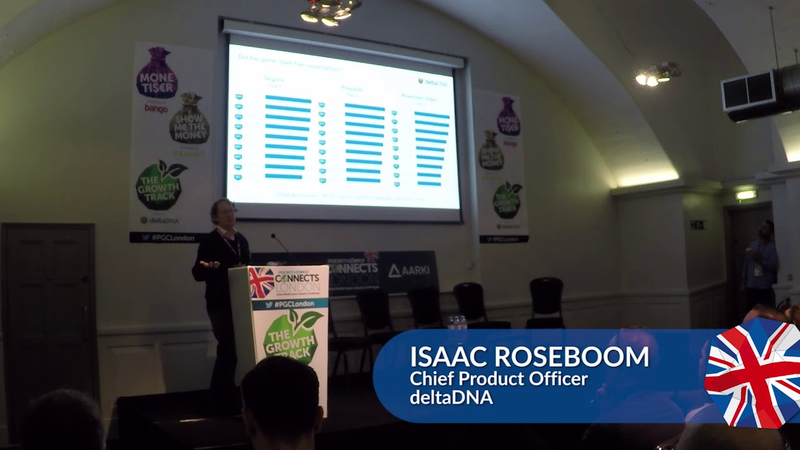
80% data, 20% luck – How to make profitable games in 2019
The mobile gaming industry has transitioned from a high-risk, launch-focused model to a sustainable, data-driven business environment.
- Profitability is shifting toward the mid-tier segment, as games ranked between 100 and 1,000 are experiencing significant revenue growth despite the dominance of top-ten titles.
- Predicting long-term profitability now relies on modeling retention and revenue data within the first week of a player's lifecycle to accurately estimate lifetime value (LTV).
- Player retention has improved, with average lifespans increasing from eight to twelve days, alongside higher conversion rates for in-app purchases.
How to gain more users with complementing organic and paid strategies
The integration of organic and paid user acquisition strategies is essential for maximizing app discoverability and growth.
- Paid user acquisition (UA) drives organic growth through the 'K-factor,' which represents the number of organic installs gained for every paid install.
- The K-factor varies significantly by industry; for example, transportation apps average 17 organic installs per paid install due to their inherent viral and community-driven nature.
- A/B testing creative assets for organic App Store Optimization (ASO) can improve paid campaign performance, with winning themes applied to paid ads yielding up to a 20% increase in conversion rates.
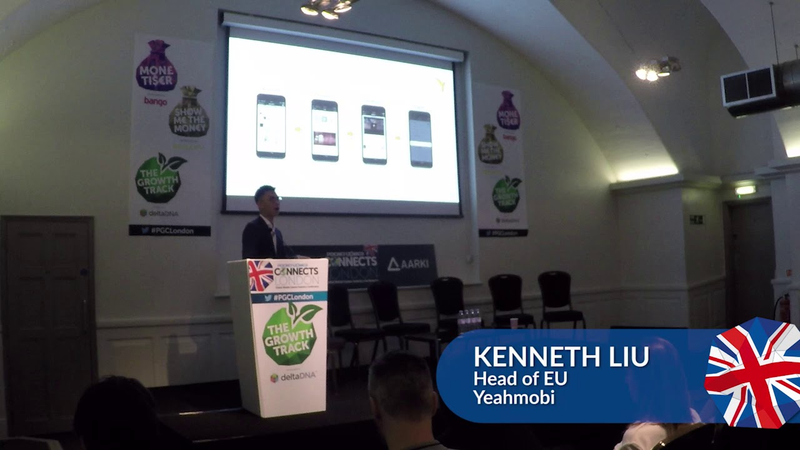
Digital marketing in Asia (China, Japan and South Korea)
The digital marketing landscape in Asia—specifically China, Japan, and South Korea—requires a multifaceted strategy that balances paid performance-based advertising with organic engagement.
- In the Chinese market, companies should prioritize organic search and social strategies alongside paid media, specifically leveraging Baidu SEO and WeChat subscription accounts to build community engagement.
- WeChat is the dominant platform for interactive marketing in China, offering superior functionality compared to Western social media for gathering user feedback and managing direct communication through subscription accounts.
- For successful market entry in Japan, utilize pre-order platforms one month before product launch to capture feedback from the country's highly penetrated gamer demographic.
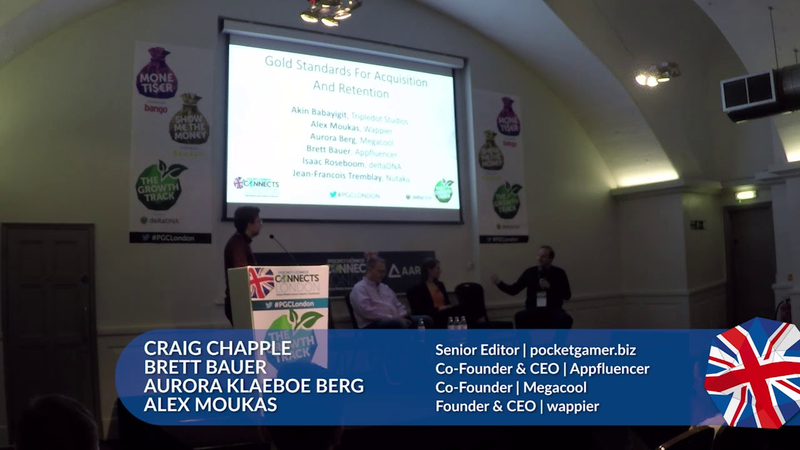
Identifying gold standards for mobile game acquisition and retention
The mobile gaming industry is currently undergoing a significant maturation process, characterized by a shift from a singular focus on user acquisition (UA) toward a more balanced strategy that integrates sophisticated retention and revenue optimization.
- Mobile game developers are shifting from a singular focus on user acquisition toward a balanced strategy that integrates sophisticated retention and revenue optimization to combat rising acquisition costs.
- Developers are moving away from generic industry benchmarks in favor of proprietary, data-driven predictive modeling to maximize lifetime value.
- High-performing creatives are critical to success, necessitating a strategy of rapid testing and discarding of underperforming ads to optimize the player's first brand interaction.
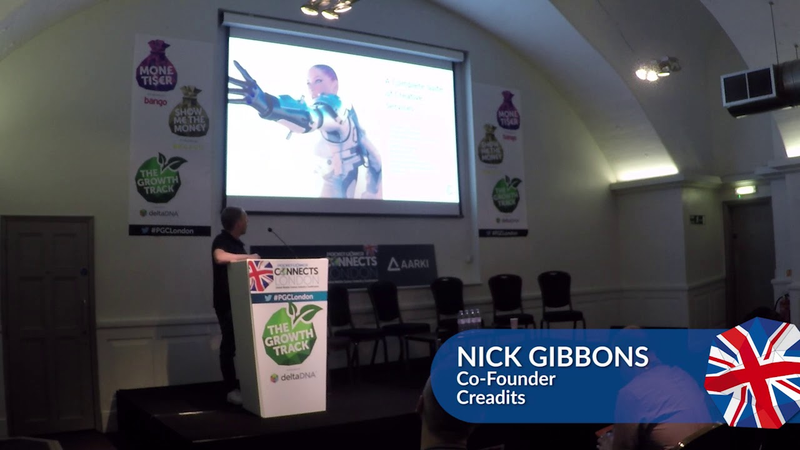
Building a creative machine for the digital marketing landscape of today
The digital marketing landscape is increasingly defined by automated, algorithmic campaign management, which has effectively commoditized media buying and reduced the level of control available to advertisers.
- Creative assets have become the primary lever for competitive differentiation and ROI as automated, black-box algorithmic management commoditizes media buying.
- Rising media costs across major platforms necessitate a shift from sporadic creative production to an always-on, performance-driven model to maintain profitability.
- Scaling creative output is the core challenge for modern marketing teams, as internal resource constraints limit the volume of concepts available for testing.
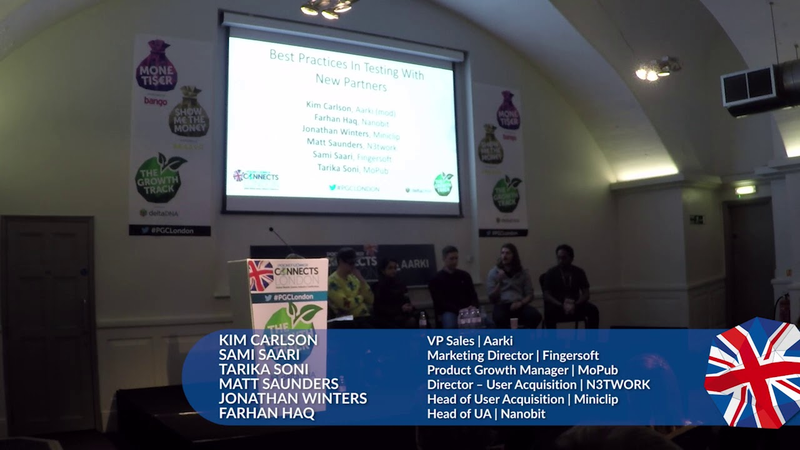
Best practices in testing with new partners
User acquisition strategies in the mobile gaming industry currently center on balancing the dominance of major platforms like Facebook and Google with the necessity of diversifying reach through alternative partners.
- Limit active ad networks to fewer than ten trusted partners to maintain operational efficiency and prevent resource fragmentation.
- Prioritize direct providers over intermediaries and conduct rigorous vetting to ensure traffic transparency and genuine incremental value.
- Mitigate financial risk by utilizing low-risk pricing models like cost-per-install or cost-per-action before transitioning to complex bidding strategies.