1 free read left. Create a free account for unlimited reading + AI research.
Create free account
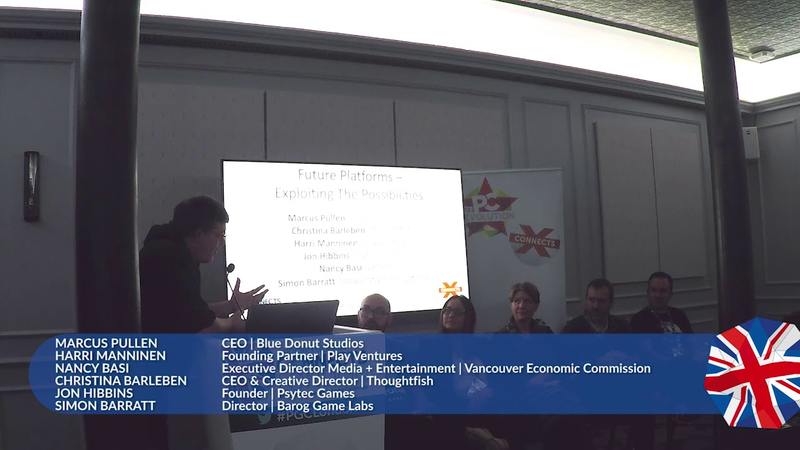
Future games platforms – Exploiting the possibilities
Key insights
6 takeaways- 01Extended reality is in a foundational growth phase, with momentum currently sustained by enterprise applications and location-based entertainment rather than mass consumer adoption.
- 02Hardware ergonomics and high entry costs remain the primary barriers to widespread consumer adoption of extended reality technologies.
- 03Investors should view extended reality as a long-term strategic play, as immediate profitability is constrained by a lack of scale in the current market.
- 04Future platform success depends on prioritizing multi-user environments and meaningful content that addresses real-world utility over superficial feature development.
- 05Social integration is the primary driver for future platform growth, as virtual and augmented reality technologies uniquely facilitate remote collaboration and shared physical experiences.
- 06High user acquisition costs in saturated gaming markets are stifling innovation, shifting the industry's focus toward improving content discoverability through machine learning and personalization.
Ask AI about this video
Transcript
[Music] why don't we keep open for savings by if you can introduce themselves you've got your mind which is great so hi I'm Simon Barrett from cooperative innovations where VRA our studio we produce our own technologies for multi-user VR and AR as well as original content and work-for-hire across Saron from architecture and training through to games and experiences in cable industry for 20 years before that doing a wide range of different work and technology and different game stuff basically and I also run the U key mixed reality Summit mixed reality group which is related to this I guess I'm John hibbons SciTech
games both known for women's - one of the few games that's topped beats over for a couple of weeks in the charts and we've been spending about the last five years making that's what we have it okay hi I'm Christina from swordfish we are doing augmented reality in the broadest sense so we developed a technology a platform with which which is basically a one-stop shop for any kind of real world data so if you want your game or your product to react on a context of your user you can do it with our attack so we are reacting on time location whether in moon phases aviation data the fact that you're in a train which is five minutes late high data demographics crime but whatever is out there we can use to change the gameplay experience we are not only providing that platform we're also doing games on that the current game is the very first augmented reality farming game I'm Nancy bossy I'm wearing two hats so I'm the VP of the VRA our Vancouver as
well as the exec director for a media entertainment at the Vancouver Economic Commission so we look at VRA our from an economic development lens government policy and things like that I got a mic hi my name is Harry I am the founding partner of play ventures it's a brand-new early-stage Gaming fund we have a 30 million fund for proceed in seed investments in gaming and previously I was the director of Nordic X our startups which was a precede VR na our accelerator and and proceed investor in the Nordics I've seen this this the XR world pretty closely for the last two years and I will continue to see it even though I'm now more involved with the fund I will still stay onboard of Nordic X hour and and continue to look at the XR space so yeah I'm Markus pullin on from be done at studios and we make VR and AR but we have a narrative slant and
we also work with comics and Kristen and I also were working tabletop and ball games as well okay so I want to get cracking with my first question which is laughingly called it the icebreaker myself but XR it's been put on the back burner right discuss shaking them heads I like to shaking of heads no no no no no why is this not true it's not what we expected it to be I think I think that in the past we've had technology goes from military to games to the rest of the world and what we're seeing in Vancouver is we've gone from hoping it would be games I some games are working out very well but we're seeing a lot of companies moving into the enterprise space so you know we have issues with
headsets you know they're not comfortable the resolution is not good enough so until we get that key that's gonna get people to adopt it into their lives and pay that large amount of money we're seeing companies now using it before enterprise solutions so it could be anything from mining solutions it could be manufacturing solutions and things like that so I think that it's there it's just not what we expected and we're seeing people who have large development budgets like a truck manufacturer who has a million dollar budget being able to put money into it to to find ways of manufacturing for less cost absolutely GU with Nancy on the the enterprise side but I think on the gaming side you know looking at PlayStation VR approaching some like 5 million headsets now and a lot of investment going in from Sony still oculus quest and all the other standalone headsets this year I think expect them to do well in terms of not sucking up peoples battery life when the
wanting to play a standalone mobile game and mobile VR game rather I should say and having six degree of freedom tracking which is ultimately were really good in mersive VR content is and all the new headsets in the content that comes with that I think we'll see yeah a big boom plus location-based entertainment whether it's arcades and other things the numbers seem to be steadily increasing in terms of revenue numbers from them as well so we're really excited across enterprise and gaming and entertainment and the amount of funding going into it and I would echo a lot of that I think having some vision across all the platforms I've got we've never got a few tiles on PlayStation VR and HTC octopus over many years the one thing that's very clear to me is we don't have a dinosaur tail our games that we start selling five years ago still sell us strongly today as they did five years ago so there's evidence in gaming sales being quite good over time and obviously when you stack that up with the second or third title that's
where it starts to pay for itself and I think that you need to do what we've done go to every platform it's a must to make the revenue but yeah I mean if you stick at it and you keep bringing out content then you're also getting better at it so that you start to rise above in the tide of games and end up with more sales and being unique in what your proposition is yeah I mean I would love it to be ten times the size and I think Facebook recently oc5 said that you know every one of those markets are out there the post system of the eyes DC and meet to be ten times the size to be or business and it's common and we've we've had funding support ourselves for platforms to help with that growth and cistern and allow you to make content and I don't think that's gone away short time but this an inevitability of VR there are more headsets and and so mone are there more headsets available today than they've ever been the numbers are steadily growing there are new devices
coming out that are lighter and easier and more affordable and that's only going to continue you know the Playstations they are - and the list of advanced movement headsets and things like that and it's becoming in common psyche as well there are a lot of people that have tried VR now battle goods but it's becoming more and more likely somebody will jump on the bandwagon at some point from a gaming perspective some of the best content ever has been released this year and it's good and they are selling really strongly it's just an early market I actually think there's a realization of the market space it's not that it's not growing it's just this is what it is this is the realism of it it's that it's at the bottom of that curve of growth and you know it may take another five or so years and a number of iterations of headsets and software cycles in order for it to truly become compelling for every individual but I think it's inevitable that the screen technology of both on AR on VR will replace our common common swinging technologies today flat screens and bars
and I think that we are at a point where we don't really know what what did what this all is about so we are at the beginnings so what one thing which is always flabbergasting me is like we don't have proper we think we have proper definitions for everything but no one really knows what it is so we were talking about VR and a are always in the same sentence even even if both of these things are totally different and totally require different technologies so and and we were talking about mixed realities and and these kind of realities and and when I look at the official definitions you can you can find in I don't know that you think nice word for it the Duden so the book where you look up definitions or you go to Wikipedia then you have okay augmented reality is a technology that super imposes it digital image on to the real world but yeah this is super boring and
this is not what of mentality should be about and and we are limiting ours have so much in the way we think about all these topics instead of letting the influence of the whole world influence a digital experience now the it is only a picture oh my god boring so I think that the biggest problem we are facing in this whole topic we cannot even say is it is it living or dad or what is it it's a hybrid creature we are so in the beginnings that we still are at the moment to figure out what works what doesn't work what should it be but will it be what could it be so we are not nearly there and we're always mixing up things so we are in a are are different things nevertheless everyone is taking it in the same breath this is driving me crazy just to jump on the the location-based I'm talking from BR perspective we have a portfolio company in nordic XR called pics le that
has three locations in the Greater Helsinki area in Finland and they have been sold out for the last three months all of the three locations so there's definitely an uptick in consumer interest in an end date they recently they are to HTC by pros so it's it's a better quality and they're seeing people from all across the board like young kids you know middle-aged people all people everybody wants to try it and and I think location-based will be super important in allowing the masses to experience the immersive content and and then to get that feeling what it's like and obviously the location-based operators will have a great responsibility and the sort of content they they present to these audiences but I think you know from that side I wouldn't definitely say that that XR is just dying or the Plex are you know a
Christina said it's hard to put vrn they are in the same sentence but I would say that you know the the consumer interest is is getting better and better and I'm you know it's just you know it's from from what we've seen from them it's like you know people want to experience these immersive DEP content and and and and you know they're willing to pay for it as well so I'm incredibly bullish from from that standpoint so so there's a definite feeling of I think a key word sophistication isn't it there's a there's a sophistication in terms of the content that's being created the developers are getting to understand the vernacular of each individual piece of technology and I agree with you again augmented reality is so different from virtual reality there's no putting them in the same sentence really and different skill sets involve those but obviously the commonality about talk
about games we've said this before about fun and how important that is consumers are understanding better the the concepts of what virtual reality is what is what is potentially is an augmented reality and again yet as how he said geolocation is really really key component isn't it we've we've seen that very obviously in in Pokemon go another location-based implemented reality games and I would say again with virtual reality there is great opportunity isn't there so so sophistication in the marketplace as well is is something that we're we're just starting to see so so if I was an investor I don't want to put Harry on the spot but am I am I wise to keep the money in the back pocket or should I'll be looking at the long game don't invest
don't noticed it's a very difficult thing space right now it is unlikely to be profitable short term it's just fact without platform support it's unlikely you will write profit even at low levels you could be a number one here be out there in the market on all platforms and still not realistically sustain a full business with twenty people and that's the consumer expectation but the platforms on unwise to that I mean if the platforms aren't sponsoring your game it's unlikely you look out for your AR support out of that it's the long play it's from an investment for any of you I think it's investing in businesses that you believe in the long play for not the short play which is an unusual thing for most investors because most investors are after the short like so so the traditional VC fund is usually a ten year fund where the first four or five years is the investment period where you do new investments and then you hold on
to them and and you can look you can wish for an early exit but often if that's not the case and you don't want early exits because you want those companies to maximize their value I would say from our perspective it's definitely early and I've seen that from running an accelerator but at the same time to John's point we are I mean I have I'm incredibly bullish on some of the standalone platforms to crack through the market and if I think from a timing perspective I think this would be a good time for VCS to make bets in the best companies in anticipation of that market growth to be to be first sort of first in and and but but I I do agree if you're looking for very short-term profitable quick exits it's probably not the not the right area to investing at the moment but it could well be a good point to look at investing in the company as a company because they're obviously it's not just
about technology that's what we do we we invest in the companies and we're back founders instead of just project yeah it's fairly rather than projects yeah ok yes it's a very difficult time for investors because often we see two types investors one or tech investors who want to invest in a technology and they really feel like oh I own the technology that's gonna be my moneymaker but I come from the entertainment side and I see IP development as the moneymaker so I think that investors from what I'm seeing locally in my own neck echo system the investors need to be educated in the benefits of IP investing because that could be the gift that keeps on giving in multiple platforms but they're just not there they'd rather give 40 million dollars for a piece of land in Russia that may have minerals on it and not give like a million dollars to a company to invest in IP they just they just need to kind of do a bit of rejig a
ting for investors okay from from our perspective I mean we were we were when when finding codfish we were a bit gambling on on the fact that that kind of product so be it a location-based a our game be it a context-sensitive product so being a bit smarter reacting more on on users was the gamble we were doing so we were at developing the technology platform we are having today way before Pokemon go was even even announced and I was running through through the gaming industry for quite a long time for a couple of years where everyone was telling me oh this kind of product is super an interesting location-based doesn't work no the ARS back we are not there yet etcetera etc so what we did ten days ago was we opened up our platform for third-party developers and at this moment we didn't
even announce it we don't have a fancy website I'm just talking face to face with different developers so people I know people I met people I even don't think that they had something like that in a pipeline and what I found super hot and super interesting is that nearly everyone I talked to subscribed directly after our conversation because they all have something in the pipeline wanting a bit more than just geolocation or wanting to enrich the augmented reality experience with additional data points but they all have the problem that they didn't find how to pull it off without developing from scratch so and this so from my perspective it is a super interesting time to invest but more into technologies because from the product side we still have to find out what will work what will not work and we are running into into the future where we have seen billions of investment going into AR technologies but nearly none no
investment going into a platform which can platforms or companies which will be able to cater for the need ones AR glass has come out or contact lenses or whatever it will be so this is coming and they have been investments big time than that but who is to build all the stuff people will consume with it and this is coming that's the thing isn't it is now's a good time to ride the wave of the the initial investment that's been put in by the big hardware developers and the big software platform developers we've mentioned unity the big buy ups that Apple have made in augmented reality and they wouldn't do without really thinking about a long-term goal would they the one would they so as a developer it makes sense and we were talking about you know investment is making your own investment into the technologies isn't is not a bad move because it's probably helping to
future-proof your business so that's fine and there's also you forgot like neon tech just raised a ton of money as well and I think I think me I think from Niantic standpoint to Christina's point I from what I understand they are trying to use what they've learned with Pokemon and what they're doing with Harry Potter to to to create a platform for other developers as well to to utilize but those plans are probably very earliest thing yeah I think they're really looking at building those things that they can as you said take take that knowledge technologies I made some good acquisitions in terms of kind of the boston-based company they're quite now but doing a lot of the local tracking and this of one based combat which I expect we'll be seeing in in Harry Potter er I mean you could argue that some of the bigger companies tend to buy copies just for protective reasons and rather than actual put it to positive reasons but hopefully it's all for good and we see some good technologies coming through because yeah we need we need that support for when
the AR headsets are ready and five ten years whatever it's going to be for there's to be really good and obviously Apple ones as John said earlier valve and a few other people are working on interesting stuff which should be coming on soon which again will be a big change in where the industry is going yeah I think I just want to say it's inevitable and it is definitely not dying just terribly the first question it's just inevitable and it may not yeah it may not be yours that actually proves that point there may be our next generation but though who will just be used to it from birth and you know because it's inevitable then yeah everything around it's inevitable yes so we're we're very old and crusty we can look back a bit like when we started out with the internet and how you can imagine that yeah how did that work my TV was awesome so you know it's it's a it's a frontier still it's a pioneer thing that sophistications
improve opportunities are still it's still so still there opportunities are now to get ready for the for the inevitability of the next wave of both hardware innovation but also platform innovation and that's the thing I want to go onto next this is looking at a platform so that's just all assumed that we've we've been working hard on our and I hate using the word excel but for shorthand X our projects and we've got we've all got some projects and we're there's some questions that we're asking ourselves and the first one I've got here is if you could change this isn't mine I didn't come up with this question you came up with this question because I liked it though if you could change one thing about the exile ecosystem what would it be you want to answer that one first honestly we touched on already it's the
investment side and the content creation support I think that I you know the the technology and the platforms are essential but we're not gonna find uptake unless we get people meaningful content to absorb and right now you know there is some great stuff but if we wanted option you know beyond five million which if we should think about how many smartphones there are I mean we're not even scratching the surface on who we can get to adopt we need to have more investors say I'm gonna give you money to create great content and we're gonna you know get out there and see how people react to it I think storytelling is really important I think that we have to this is the one industry that's going to bring everyone together because we need you know film storytellers and writers we need inter user interface experts from games we need amazing visual effects and animation people and we need technologists so this is the one thing that's gonna bring everyone together but we need the money
to create the meaningful content yeah it's not a game of a single person is it absolutely say you know you need artistic storytellers you need technicians marketers it's a it's a group effort isn't it but the money show me the money you want to go yeah I can have a go I think Simon wants to speak as well I think it's meaningful resolution to real world problems and I think that the last time I did a panel here I'd said that you know maybe skype 2.0 I wasn't in LA but as soon as that AR and VR and everything in between starts to answer at scale enterprise human issues that were really got as the mobile phone did then it starts to scale fairly rapidly as soon as it becomes the norm that actually we solve this problem by using these devices then that's the one thing I think was not yet found and it's a massive catalyst it might not be one
thing it might be 50 things but actual real-world problems resolved that scale does not exist today in ER or IR we've got games and have got interesting things and exercises and trials but actually they don't change the world and I think those products that are coming along to change the world are on the horizon I'd like to see even more support from the from the platforms themselves I think they are understaffed with their developer relations and it's I think was it magiclip who announced the the grant fund and and they got buried with thousands of applications and and III don't even know how to scale that but what I do know is that the platform should put everything they got and their best put forward in supporting developers to try and figure out like what is that killer content then and how do we get more of that into these
platforms nothing that's the thing it's not one piece of content it's lots of pieces of content that prove valuable enough and I think the other part that the platform orders need to play is the awareness so obviously a location-based entertainment as how I was saying before is exposing people from really good experiences which are curated which obviously was certain standard level I think things like Google cardboard a grip for certain use cases but if that's someone's impression of what VR is and it's come different to six degree of freedom trapped fully tracked VR and likewise for AI can have different level of experiences of that so once you've got the awareness these various apps the price point is apart from the platforms and everything else starting to combine that's where we start to see a tipping point I think it'll suddenly happen at some point hopefully sooner well I really like you mentioned meaningful so meaningful experience meaningful features so I think one thing which which was really I mean one one example from Pokemon go Pokemon go is the AR
game so okay it's a location-based AR game maybe so but one thing which was really obvious is that everyone turned off so so after you caught one pokemon with the with a camera open and you saw how fast your battery was drained everyone just turned out this feature so it didn't help you catch the Pokemon it did made it a bit harder because you had no reference to the the field of view was a bit but off and and no one really used this feature after looking at it once or twice and maybe taking one fun shot of their Pokemon onto the toilet so that was that was the thing and the thing was it was cool I candy why is but it wasn't cool because it wasn't cool in the long term because it didn't add meaning so it was a feature for the features sake but it wasn't a feature which really required they are or that they are view so I think this is something we also have to learn and that
is why I think we were so in the beginnings we have to learn how to make these experiences really meaningful and give me back something I really want okay so I want to talk about the platform's themselves because we said that's a really important element we're gonna need good platforms to help get exposure what makes a good platform discoverability yeah the war that's really just started app against our and you know all the other stores are out there they primarily make a lot of money out of those Thals they take 30% money for that and the times have changed and I don't think they're changing and that's causing them problems and there's new a new horizon I mean they solved two problems for me as a publisher one is distribution of my content so hosting something somewhere and distributing that on master a lot of people and to is taking cash from people around the world and both of those problems are being
solved in alternative ways now you've got peer to peer I could potentially host without very little cost or any cost at all with peer to peer or future blockchain on or an encryption and unlocking from central sois and secondly the money is also being solved by that same system is that you know I don't need to take currency from all of the world look at one corn currency Bitcoin etherium you know Tasos whatever and that is my currency of take any automatic converts to currency it's a local point of presence and that distribution is going to be a become a real problem and then the store is only left with one thing which is discoverability and it's the ability to find good content quickly all right they're like I recently installed a new PCM how to install for four clients on the same machine that all run real-time in order to get my content because I think it was origins team oculus and another one at the epoch one just to get the games along so I think those problems are going to be solved I think the stores are all gonna be about the discoverability and the costs are going to come down and should
be already down I don't think going to escape the different silos of content they're ultimately as much as you know you're at the Oasis who's ready player one on one place to go for everything I think ultimately these big companies work be allowed to get big enough for that one exists that there's everything you know it's nice and kind of a fiction land but I think ultimately these big players are going to always want their own bit of the internet and digital carved out for themselves I don't really say we get away from that easily it's the same problem isn't it with streaming video you know how many how many different streaming channel channel providers are there and is that actually what we're really facing is that we're all fighting for the attention of of the other customer yeah I mean Netflix said their main competitor is formate yeah in terms of screen time ultimately I mean in terms of discoverability and amount of content out there when the barriers to entry for any market come down more content will exist in those areas I mean right now VR and AR require
certain skills or you know require quite a bit of risk in terms of the businesses so therefore the barrier is quite high but at some point that will come low as well and more attractive as a business and discoverability becomes more of an issue against I think they're inevitable problems whatever platform and market in the future we live in really you just hope that you know the good content rises to the top I guess yeah III think the problem is that the good content doesn't always rise to the top because we are fighting the big user acquisition war so it's basically if you want to be seen you have to pour tons of money into into your project just to get up into the rankings etc etc so it's basically if you're doing something very innovative and you're a very small team with very limited funds you have nearly no way of being seen unless you you stumble across across the right Apple employee who's giving you a feature and
we all know that a feature is not a feature anymore so even even that was ripped away because they are feature that their features are pretty small and so on and so forth and all the algorithm and the background are are not really helping to to snuff out really really different really cool stuff so so it's getting my impression is it's getting streamlined more and more and more it's getting more repetitive it's we're overcrowded I mean let's face it we're in a deep red ocean and it doesn't even matter if you are if you're doing that kind of game or another kind of game or an AR game or a VR game we are in the same red ocean because we don't have the differentiators so we're all fighting for this limited amount of time and ultimately it's again money who's going to win the war at this moment this morning there's money again something that's still missing from
almost or all storefronts and platforms is true personalization of the content you like and it's it's relatively I mean it's it's crazy if you like you know you look at Netflix what they what it recommends and it's pretty much hit or miss PSN is even worse I mean for I think for three years it was empty for me like games you may like never had anything I've singing a couple of couple of uninteresting founders this week who are trying to solve this through psychology so creating psychological profiles of users but those are you know third party platforms on top of platforms and and we'll see but that but true personalization could be if we get there someday it could be an interesting way to solve some of the discovery issues so personalization that needs information privacy is a big thing discoverability is is so so important do
you think machine learning is going to bring anything to the fight it's dangerous I mean the whole thing is quite dangerous because we all already live in a bubble and don't really realize it if I go to my computer that's got my search history and search for Egypt I will get a uk-based thing on my relevance to Egypt history or something if you're based in Egypt and search for the word Egypt you will get your local that you know it's like and you know so there's a lot of already bubble ization of your own perspective happening I mean Netflix is really interesting that thing I used an example today but Netflix have at least seven variations of every icon for every show and actually serve the icon based on your viewing history and stuff and so I'm already in a bubble when I log onto my own account in Netflix and I see things that look more attractive to me that made you know look a little bit more actually for some more interaction and I think it's just early days of carrying these you know it bubbles that you you are in your own world being served.the
dangerous content that is forcing you more and more down those bubbles and less exposed to things that may actually broaden your horizons this is what we're missing isn't it so to continue a Johnston one of the examples that one of the the the disorder founders who had this psychological profiling thing was that they could create a road map for a developer personalized with with each player going forward so basically that would lead deeper and deeper into your own bubble without you actually you know experiencing something completely new I think that's a dangerous route as well I mean it's it's it's exciting but it's from a from a creative standpoint um very interesting and very dangerous and you know Netflix is already doing if you go to Netflix rod I mean they've created some of the some of their content based on data they've seen but these are the type of shows people want to see so let's create it's great more content like this so you know that's why these endless amounts of the chef's table they're because of me basically I think
I think that's why we touched on you know how how things are affecting people individually and I think that for the short term companies are gonna have to look at real world problems and try and move outside of the distribution models that we're seeing now for example there's a company in Vancouver called precision OS that is a game developer and a surgeon combined and it goes into training with the hololens on how to do surgery before you actually do it on the human being so they you know they scan the the human being you practice on the on the hololens and then you can see exactly what you're dealing with within a human so you know yeah the you may not make a ton of money at the beginning but every University you might want to use this and that's how you're selling yourself you're selling a product to somebody and solving a real world problem as opposed to having an amazing product putting it on one of the platforms and hoping we'll see it so
it's a bit different yeah you're seeing it as a beta but they won't use equation or an education okay can we just touch on the idea of the VR browser and do you see any merit in in this I'm not so sure myself about how much time people spend in VR space wanting to kick up a browser and have a look around but do you think there's any merit to the things like Firefox reality because HTC have made that their default browser and is there a way maybe through using the browser to discover games or make a web-based marketplace through through the VR browser or is that complete waste of talent no I think the real real-world human being that's how they're gonna find stuff you know you go down that rabbit hole until you find something of interest and yeah I think the browser
side of things that idea of endless amounts of screen available to you so if you are going around with your oculus quest or whatever standalone headset in the end of this year and you can have your infinite screens and your browser's and everything else if VR content in the browser becomes a bigger thing because it's quicker to develop or it's dynamic content you can deliver through webview or whatever it is that could be interesting like you say for the marketing point of view because it would be a nice way rather than showing a 2d shot of what would be a VR 3d immersive game it's a nice way to deliver it but I think we're yeah probably a good six months away from something good in that area yeah I think it's good to have the technology stack it's very interesting or serve purpose for four reasons but overall I think we've already got a lot of friction in the whole space it's like even putting the headset on is friction picking up controllers is definitely friction remembering where the buttons is friction do every single head set up put on operate
slightly different with different controls I mean and they are doesn't even scratch the surface about friction you know it's like it's just the same the the fact is there's no normalization of it and it's not frictionless it's you know even getting them running requires installing and set up processors and tall that normalizes into a friction free thing where you just put any headset on anywhere and it just detects who you are and you straight into an environment you were familiar with and you know what you're doing it's difficult to see how and adding another friction hitter of opening up a browser navigating to a space or whatever I saw to think the protocols are magical and I think that it's really good service to provide but it's a layer of application interface that should be abstracted in some way unless that becomes the default where you boot into straight away of course but that would I don't see that happening in terms of storefronts and again the disk of discoverability piece a little bit but isn't that exactly how
you find out what will work what will not work so I mean it wouldn't it wouldn't be the thing that springs to mind that I would need it and that I would want it but it's but we have to go down so many different different routes at this point to really figure out so and then and when we when we figured out okay that is a route we cannot go down because it's adding friction and it's stupid then someone comes along and has the perfect solution how to revolutionize that kind of browser and where is the user interface and the interaction is completely different to what we we are seeing now and this might lead to to the fact that we will just go go down the road with where we see it in all the science fiction movies that we are interacting with with browsers and different screens in this swipey motion thingy and this is really really super Cova I think it's it's so difficult to judge anything at this point because we
still don't know what this is so we still don't know what VR can do in five years and if we don't check it out and same with AR and and same with all the other stuff which is coming our way so other things coming our way I want one more question about experience and about thinking about developing are you going to going to look at developing your product in terms of your audience so looking at social how important do you think social is to excel so if you've gone going you've got it that's right our last game was social so I've got a cup especially is critical you can't make a game without it now in the VR space if you're not making a me that with social it's it's you know please think again and you know it's absolutely
amazing seeing the light and a difference between us people playing the content together and not together and that just needs to scale out so we can all play together frankly I think it's a fascinating area it's only gonna grow a nun fully invested behind that it's just starting cooperative in our company name isn't the accident and that was two and a half years ago so multi-user has always been what we felt was gonna be the amplifier the multiplier to any any experience so you know it's always being great in MMOs and everything else we meet other people and those people become what the stories about because it's going through a shared story together is much better than just by itself and and an individual experience so whether it's our full body tech or voice chat or lip sync or simulating eye gaze and stuff like that all of these things we've been building are about making multi-user experiences whether it's for entertainment or for enterprise purposes because yeah ultimately people the best day I were ever gonna be able to develop in one of
these experiences and much cheaper to develop as well just putting someone else someone else in it so just speaking from purely selfish reasons I I would go the opposite because I'm more I'm more lean towards the introvert side and that I want to be able to put on my my wearable suit pretend I'm in the Caribbean on a floating mattress on a beach somewhere and have the wind hit my face and this feel the Sun on me and use it more as a wellness tool I think that's really I think if we can figure out how that physic monetize I think that would be something very interesting that I would kind of I will I would like to two things so I think it's a counterintuitive when we talk about VR and making it a social experience because the first thing I do with VR is putting glasses on and shutting myself completely down from my environment so I totally get it so social is important but with VR I think it's totally
counterintuitive nevertheless it might be super important with AR on the other hand so when we're talking about these geolocation AR games social I think is super important however it's incredibly hard to pull off in the real geolocation AR way because the communities need to be huge so we have seen this with Pokemon go that right at the beginning when they're poured tons of users onto the game where people actually met at some poker stops and were farming together that was super super nice but it took a really short amount of time we still have a tremendous amount of players playing Pokemon go but they don't meet up anymore because they are so since spread all over the world so so so we started putting social elements into the game which are social features like any other kind of game so with our
farming game is visit your friends forum yeah but you could do this without your location or with geolocation it doesn't really matter because people are so soon spread if we really make it geo based then most of the people would never ever meet other people so so this is it's so fun because with VR is so counterintuitive and was AR its intuitive that you need social but it's so hard to pull off from from games perspective all of the massive hits of the last ten years more or less have been about playing with other people and it's so natural for us humans to want to play with other other humans and in VR expense especially the sense of presence of playing with somebody else is incredible like I can be playing with Simon I can be in Singapore and Simon is in London and we're fighting you know together side by side killing a bunch of
monsters and you don't get there with with your regular 2d multiplayer games you'll never get there and I think if you haven't experienced that it's like a multi-user VR thing go go ahead and try it because it's it's amazing and I would even take that to a our side like it is I would disagree a little bit Cristina because I think this summer I saw more pokemon gold players together than ever before because they were doing the raids together so I mean and those were not like little kids they were like you know grown grown people doing raids together and and there's something so natural about that you know doing that together even though it's you know it's a little bit funny just everybody's just tapping with their phones next to each other but there's you know they're still doing it together but I think on the VR side you know obviously the the amount of headsets is a problem so there's not enough concurrent players and there's one one company in in Helsinki which I'm very familiar with hip-fire games who are trying to build now a a cross-platform solution that would bring
in like mobile players to combat that that that there's not enough headsets yet out there and it's good you know but I feel you know multi-user is gonna be a key part of any VR or AR experience especially in games I felt like I need our I desperately wanted to add to this I think I see VR as thousands of times more interesting than they are for a couple of reasons number one most people don't have an interesting space to be and they were having the holds that they want to go somewhere else and thanks thousands of times more than those privileged people I have that wonderful London that is at the feet right now so they're looking for escapism on mass and I think that's the norm secondly as I think we've built entire infrastructure Planes Trains automobiles office space of Bennett spaces bringing people together in fact the world has been pretty much structured around bringing people together and there's billions of pounds of wastage in that and VR solves that problem almost
immediately it brings you from one space to another space and you can share that content it's in its infancy but I think it fundamentally starts to resolve the reasons we build infrastructure at billions of pounds per date and that is really compelling it's a real world solved issue for businesses of every size for people that have families across the world and gaming starts to break that down and having experienced a lot of VR games and playing with other people I've had amazing experiences and connections that I would not have had in the real life because physically I couldn't do it so that's why I'm fully invested by the VAR side but I think AR is also amazing and augments the world and I can think of lots reasons why I'll be into the AR as well but yeah very different things in other words we can destroy the housing market basically because all of the central big locations no anything to be expensive possibly well yes certainly in the UK
you know office office spaces and probably around the world actually office spaces are becoming emptier only and and the idea of being a company with staff doesn't mean anymore that you have to have a big building and we've talked about all throughout today we've had some fantastic companies there are small teams of people and and that's the thing isn't it where we are looking for meaningful conversations meaningful relationships and interactions with collaborative beings I mean we're good garius fine by nature even when we want isolation there's a certain way we want to have isolation and we want to have meaning in relationship to everybody else and they all these technologies do that and we want to have fun and I want to put that word in there a game because that is what we were about here I'm going to open up some questions but we're really unfortunately we've run out of time so I can only have a few questions but if there's anything you want to just ask my
Lustrous panel please do have we stunned you into silence [Music]
Summary
Extended reality technologies are currently navigating a foundational growth phase rather than a period of decline. While consumer adoption faces persistent barriers related to hardware ergonomics and high entry costs, the sector is demonstrating significant momentum through enterprise applications, location-based entertainment, and consistent demand for high-quality gaming content. Investors should approach this space as a long-term strategic play, recognizing that while immediate profitability is difficult to achieve without greater scale, the technology is steadily evolving into a primary medium for digital interaction.
The industry is currently shifting its focus from superficial features toward the development of meaningful content that addresses real-world utility. Success in this evolving landscape depends less on traditional distribution models and payment processing and more on the ability to provide effective content discoverability. Current gaming markets are increasingly saturated, leading to high user acquisition costs that often stifle innovation. While machine learning and personalization offer potential pathways to improve discoverability, these tools must be implemented carefully to avoid trapping users in restrictive content bubbles.
Social integration remains the most critical driver for future engagement and platform growth. Virtual reality provides a unique sense of presence that transcends physical distance, offering transformative potential for remote collaboration and escapism. Simultaneously, augmented reality is proving effective at enhancing real-world social gatherings. By prioritizing shared experiences and multi-user environments, developers can move beyond the friction of current hardware limitations. Ultimately, the future of these platforms lies in their ability to satisfy the fundamental human need for collaborative, meaningful connections, potentially reducing global reliance on physical infrastructure as these digital spaces become more sophisticated and accessible.