Marketing reports and market data
Documents
Superstar Session: Calculating LTV Post IDFA: A Need for Predictive Analytics
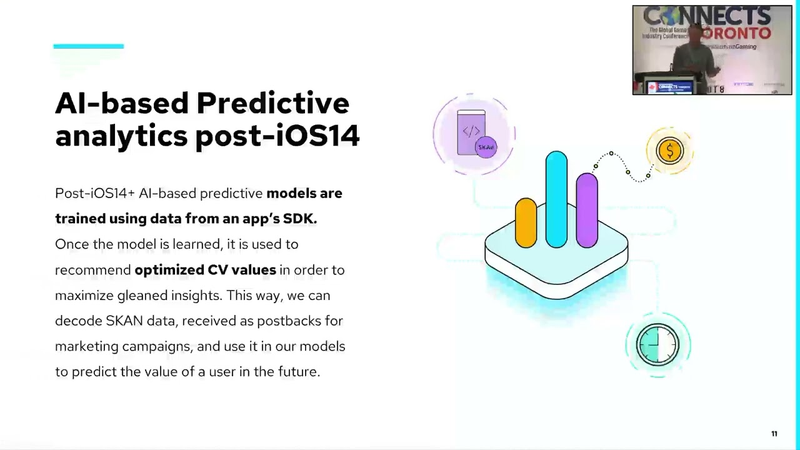
The mobile marketing industry faces significant measurement challenges following Apple’s iOS 14.5 privacy updates, which restricted access to the Identifier for Advertisers (IDFA).
- The loss of granular user-level data following Apple’s iOS 14.5 update has rendered traditional, direct-attribution LTV calculations ineffective for optimizing marketing budgets.
- Predictive LTV (pLTV) models replace static, blanket-coefficient methods by utilizing in-app behavioral signals—such as onboarding patterns and engagement depth—to estimate future user value.
- Marketers can use pLTV models to generate custom conversion value schemas for Apple’s SKAdNetwork, allowing for the categorization of campaigns by projected profitability despite the lack of deterministic data.
Understanding Media & Media Accessibility Within Mobile Gaming
The mobile gaming industry faces significant challenges in scaling content globally while maintaining high-quality localization and accessibility standards.
- Integrating accessibility features like sign language, live captioning, and descriptive video is a strategic necessity to reach an estimated 200 million individuals with specific accessibility needs.
- Transitioning from traditional studio-based dubbing to cloud-based recording technology can reduce production costs by approximately 40% by eliminating travel, physical space requirements, and complex scheduling.
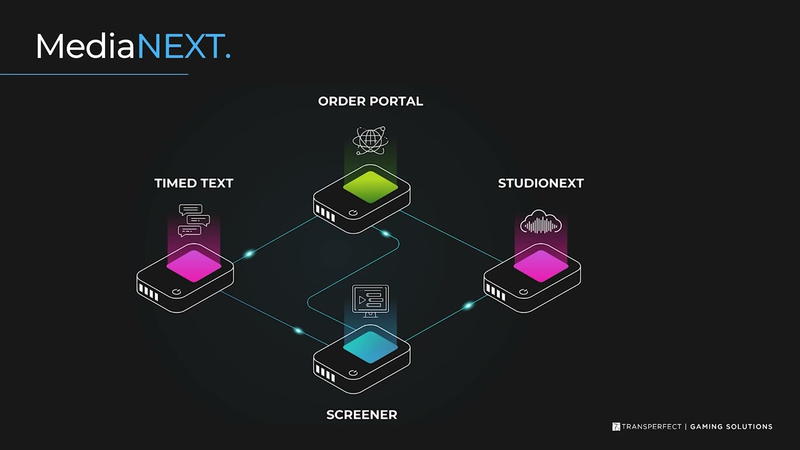
- Centralized, cloud-native platforms like TransPerfect’s Global Link and Studio Next enable real-time collaboration and secure management of localization workflows across more than 30 languages.
Superstar Session: Big or Small: Marketing Must Be Part of Your Plan
The primary thesis of this session is that marketing must be integrated into the game development process from the earliest stages of conception and pre-production, rather than being treated as a secondary function focused solely on sales.
- Marketing must be integrated into the game development process during pre-production to ensure market fit, rather than being treated as a post-development sales function.
- Developers must analyze the broader entertainment landscape—including streaming services and social media—because these platforms compete directly with games for the same limited consumer leisure time.
- Studios should prioritize data-driven audience insights over personal developer preferences to ensure game features align with the specific motivations and expectations of the target demographic.

The Future of Sports Fandom: How Brands Can Engage Sports Fans in 2022 and Beyond
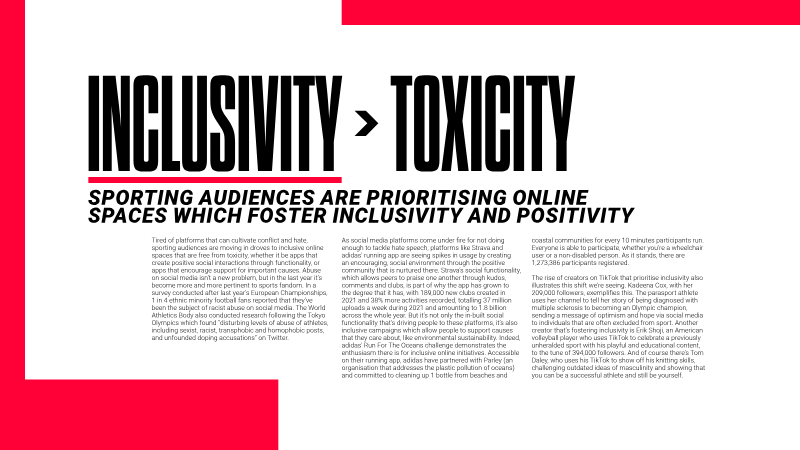
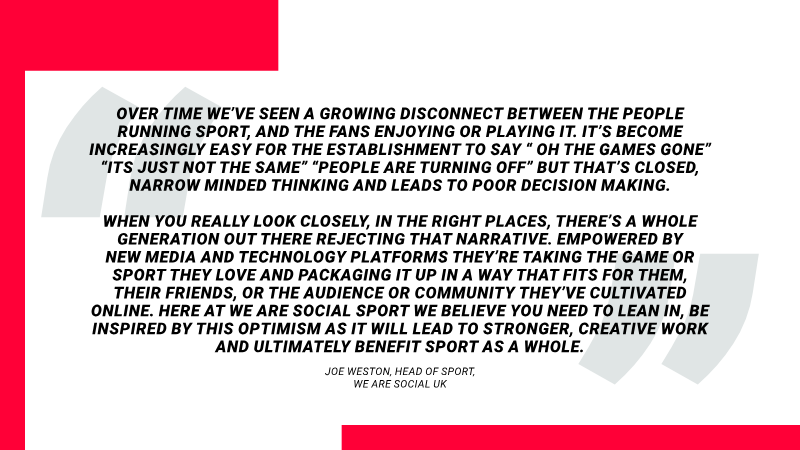
The sports industry currently faces a critical inflection point as traditional viewership metrics decline and younger demographics, particularly Gen Z, demonstrate lower levels of avid sports fandom compared to previous generations.
- Sports organizations must shift from passive, top-down broadcasting to active, digital-first engagement to combat declining viewership among younger demographics.
- Formula 1’s focus on emotional, plot-driven storytelling via docuseries successfully attracted 200 million new fans, with nearly 50% of that audience under the age of 34.
- Digital collectibles have proven to be a significant revenue driver, evidenced by NBA Top Shot generating nearly $1 billion in transaction volume.

Choo-Choo Charles & The Secret To Its Success | EP 005
The success of the indie title Choo-Choo Charles serves as a blueprint for solo developers aiming to achieve commercial viability through strategic marketing and disciplined production.
- Solo developers can achieve significant commercial scale by prioritizing marketability and audience engagement over personal passion projects, as demonstrated by Choo-Choo Charles reaching 370,000 Steam wishlists.
- Development updates should be treated as high-stakes narrative content, using conflict-driven storytelling and unresolved tension in devlogs to drive click-through rates and wishlist conversions.
- A strong, high-contrast visual hook is essential for immediate concept communication, allowing developers to maximize impact while managing limited resources through efficient asset customization.

Being A Solo Dev Is Horrifying — Full Time Game Dev Podcast Ep. 003
Transitioning to full-time independent game development requires a fundamental shift from a passion-driven creative mindset to a disciplined, entrepreneurial approach.
- Transitioning to full-time independent development requires shifting from a creative-only mindset to an entrepreneurial approach that treats game projects as professional business ventures.
- Developers should validate niche concepts through rigorous market research, SEO analysis, and audience surveys before committing significant resources to production.
- Securing visibility in a saturated market is best achieved by integrating the community into the development process, such as involving streamers in voice acting or content creation.

The Married, Full Time Indie Dev Team — Full Time Game Dev Podcast Ep. 002
Operating as a full-time, married indie development team, Black Tabby Games demonstrates a sustainable model for independent production through the creation of the episodic narrative horror title Scarlet Hollow.
- Black Tabby Games sustains long-term project viability by treating marketing as a holistic, ongoing practice that prioritizes deep community integration over traditional press coverage.
- The team drives recurring revenue and wishlist growth by utilizing Early Access and episodic releases, supplemented by consistent Patreon support and A/B testing of store assets.
- The studio maintains complex narrative depth in 'Scarlet Hollow' by using a tracking system that monitors ten character variables across five axes to influence evolving relationship dynamics.

He Quit His Job To Make A Game — Full Time Game Dev Podcast Ep. 001
Transitioning from a stable engineering career into full-time independent game development requires a disciplined approach to financial planning and risk management.
- Transitioning to full-time independent game development requires a personal financial buffer to mitigate the risks of project delays and the high probability that a title will not achieve profitability.
- Market viability should be validated before committing full-time by securing crowdfunding, publisher interest, or a dedicated social media following.
- Developers can build an audience by leveraging nostalgia and established genre aesthetics to create a recognizable identity for their project.
Panel: How To Engage Communities To Grow Your Business
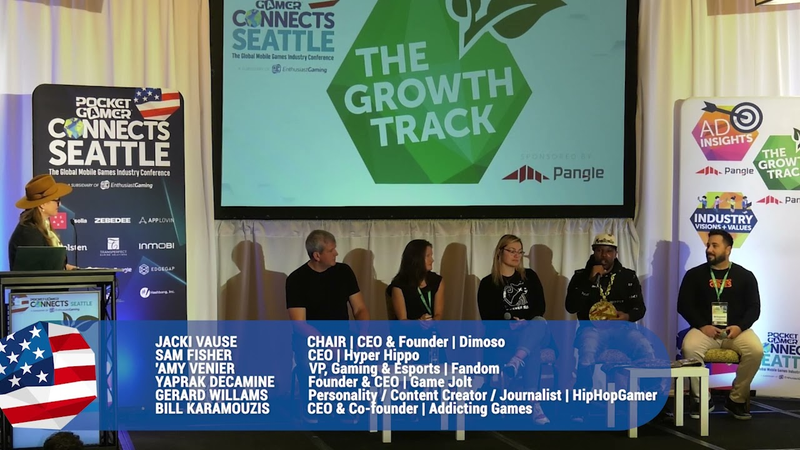
Community building serves as a foundational pillar of modern game development, shifting the industry paradigm from traditional marketing toward the cultivation of long-term, authentic relationships with players.
- Community building is a strategic necessity for long-term growth, shifting the industry model from traditional marketing to cultivating active player evangelists.
- Studios should involve audiences as early as the conceptual stage through beta testing, polls, and feedback loops to inform development without sacrificing the core creative vision.
- Community managers must act as essential, human bridges between players and internal decision-makers, utilizing platform-specific interactions rather than automated responses to build brand loyalty.
Keynote: Next Best Action: Best Practices for a Winning Portfolio Strategy
The mobile gaming industry faces significant challenges in player acquisition due to the deprecation of the Identifier for Advertisers (IDFA) and evolving data privacy regulations.
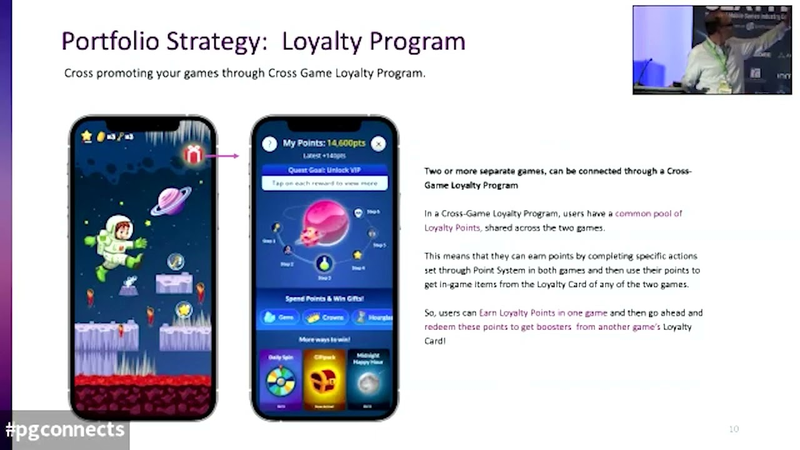
- Due to the deprecation of Apple's IDFA and rising acquisition costs, mobile game studios must shift focus from external user acquisition to maximizing player retention and lifetime value (LTV) within their existing game portfolios.
- Studios can implement 'feeder app' strategies by using low-monetization, high-organic-install games (such as hyper-casual titles) to funnel players into higher-LTV, IAP-oriented games within the same portfolio.
- Promotional pricing should be based on behavioral signals—such as device information, geolocation, and engagement metrics—rather than dynamic surge pricing, to offer the right price at the right time to specific player segments.
Beyond Myths: Influencer Marketing Is Not What You Think It Is
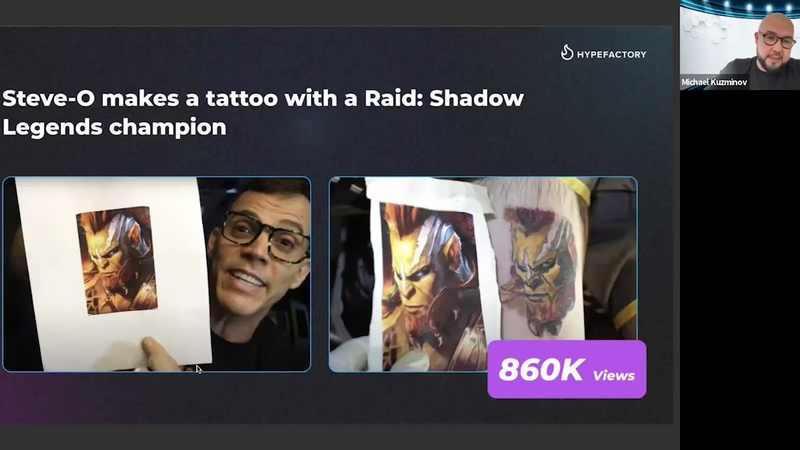
Influencer marketing serves as a rapidly expanding advertising channel within the gaming industry, yet its execution is often hindered by persistent industry myths.
- Evaluate influencer campaign performance over a six-month window rather than immediate post-campaign metrics to account for the delayed effect on organic installs and engagement.
- Prioritize audience-centric targeting over rigid niche relevance, as non-obvious categories like horror or mystery can yield higher conversion rates for casual mobile games.
- Balance influencer portfolios by mixing micro and medium-sized creators while maintaining long-term partnerships with top performers to ensure consistent results across multiple campaign waves.

His Indie Game FLOPPED... Then It Made $100k!
The commercial trajectory of the indie game Roll serves as a case study in overcoming a failed launch through targeted outreach and iterative development.
- The indie game 'Roll' increased its revenue from an initial $150 to $100,000 by pivoting from a failed launch to a strategy of iterative development and targeted outreach.
- Personalized, authentic communication with content creators proved significantly more effective for sales growth than automated marketing efforts.
- Overcoming the 'spotlight effect'—the tendency for developers to obsess over minor technical flaws—allows creators to focus on a clear, honest design aesthetic that better resonates with players.