Marketing reports and market data
Documents
My Response
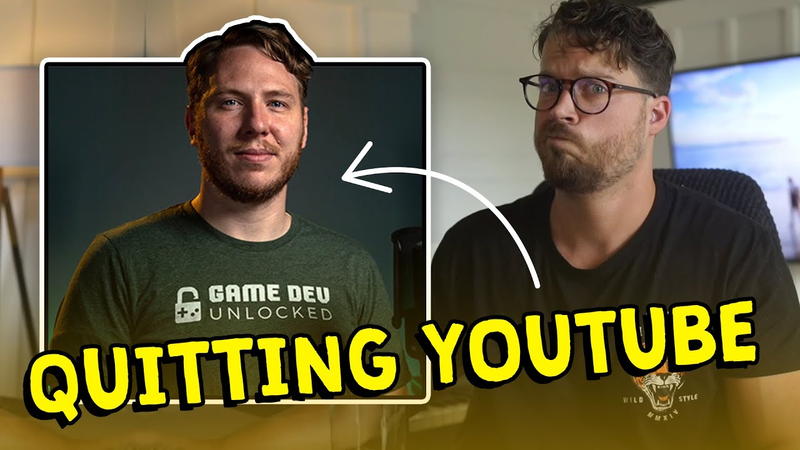
The central theme of this discussion is the pervasive burnout experienced by independent game developers who attempt to balance game creation with the demands of content creation and community management.
- Independent game developers face unsustainable burnout by attempting to simultaneously function as game creators, educators, and public influencers.
- The industry's current model forces developers to fragment their focus across multiple roles, which creates a high-pressure environment of constant public scrutiny.
- The psychological weight of maintaining a public persona can be as exhausting and detrimental to mental health as the technical challenges of game design.
'Chicory' Marketing and PR Postmortem
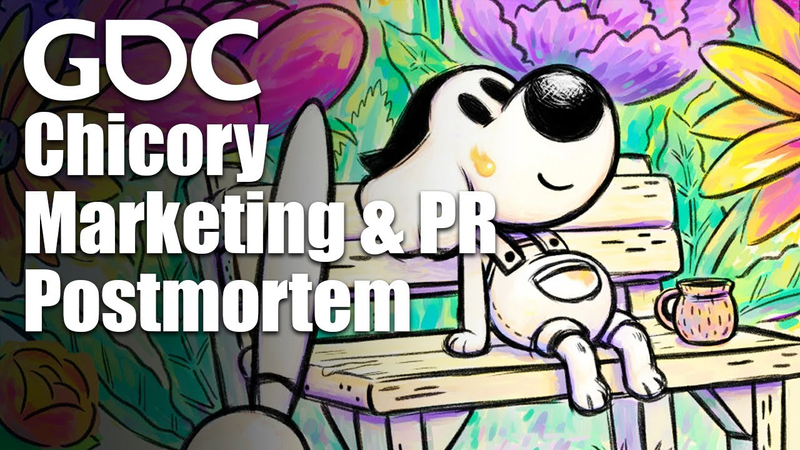
The marketing strategy for Chicory: A Colorful Tale demonstrates that indie developers can achieve significant reach through proactive planning and community-centric engagement, even with a lean budget of approximately $20,000.
- Marketing strategy should be treated as a 'stair-step' process where every asset, event, and community interaction builds upon previous efforts rather than acting as isolated, disposable tasks.
- Leverage 'mavens'—early adopters and evangelists—to build long-term momentum, as these individuals are instrumental in driving organic interest and community growth.
- Online event participation, such as Steam Demo Fests or LudoNarraCon, should be treated as a 'minimum viable product' where content is scheduled strategically to target specific time zones and demographics rather than running 24/7.
You're Overthinking Your Indie Game...
Successful indie game development relies on balancing proven, reliable mechanics with a unique, marketable gimmick.
- Indie developers should anchor their games in proven, reliable mechanics while differentiating the product through a single, unique gimmick or distinct visual style.
- Games must be immediately understandable through short-form media like GIFs to ensure marketability, while maintaining enough depth to sustain long-term player engagement.
- Indie studios should prioritize a 'hot tamale' approach, focusing on a concentrated, high-quality experience rather than attempting to build a sprawling or generic title.

How To Raise $30,000 For Your Indie Game On Kickstarter
Successful Kickstarter campaigns for indie games require a strategic approach to audience engagement, reward management, and scope control.
- Use Kickstarter primarily to validate market interest before committing to full-scale development rather than relying on it as a sole funding source.
- Avoid promising specific platform ports or exclusivity in initial campaigns to prevent operational strain and keep options open for future partnerships with storefronts like Apple Arcade or Epic Games.
- Build a viable audience through channels like YouTube before launching a campaign to ensure a baseline of support.

How to Get Bang for Your Buck with Influencers featuring Chief Pat
The mobile gaming industry has undergone a significant professionalization, shifting from individual content creation to complex, multifaceted organizations that bridge the gap between developers and players.
- Mobile game developers should integrate creators into the entire development lifecycle, from early playtesting to post-launch marketing, to ensure authentic engagement.
- Influencer-generated content has become a critical asset for high-performing ad campaigns as traditional performance marketing faces challenges from data privacy regulations.
- Long-term partnerships with creators who have a genuine affinity for a game yield a higher return on investment than one-off, transactional ad spots with high-profile influencers.

two & a half gamers session #14 - How to read Ad mon data for beginners? ATT & player segmentation
The mobile gaming industry is currently navigating a period of significant structural shifts, characterized by aggressive consolidation, shifting investment priorities, and the maturation of post-privacy monetization strategies.
- Post-privacy revenue success is increasingly driven by internal player segmentation and in-game progression depth rather than reliance on external tracking data.
- Apple’s App Tracking Transparency (ATT) opt-in rates have stabilized at approximately 40–42% in key Western markets, indicating a predictable environment for post-privacy monetization.
- To maintain bidding efficiency and prevent latency, developers should limit ad placements to fewer than 43 per geography.
5 MISTAKES I Made When I Started Making Games
Independent game development requires a strategic shift from purely creative impulses to structured business management.
- Create a comprehensive game design document to serve as a project roadmap, which prevents scope creep and keeps development timelines on track.
- Diversify revenue streams by securing funding through Kickstarter, Patreon, sponsorships, and publisher advances rather than relying solely on post-launch sales.
- Treat community building as essential infrastructure by using devlogs and consistent social media engagement to drive Steam wishlists and secure a loyal audience.
How To Land A Deal With A Game Publisher!
Securing a publishing deal in the independent game industry requires a strategic focus on marketability and a deep, nuanced understanding of a specific target audience.
- Publishers prioritize projects that identify and serve a specific, underserved niche rather than attempting to replicate major studio flagship products.
- Developers must demonstrate proven market demand by targeting communities centered around specific gameplay styles, such as speedrunning or niche RPG combat.
- A successful pitch requires a game design document that explicitly balances honoring established genre inspirations with unique mechanical twists that differentiate the project.
My #1 Secret To Building An Indie Game Studio
Building a sustainable indie game studio relies heavily on cultivating a direct, mutually beneficial relationship with a community through consistent social media engagement and content creation.
- Building a sustainable indie studio depends on cultivating a direct, mutually beneficial relationship with a community to secure financial independence and creative autonomy.
- Platforms like TikTok and YouTube function as essential tools for gathering real-time feedback on specific game design elements, such as enemy mechanics and environmental details.
- Consistent content creation, specifically through weekly devlogs, serves as the foundation for building a loyal audience prior to launching a crowdfunding campaign.
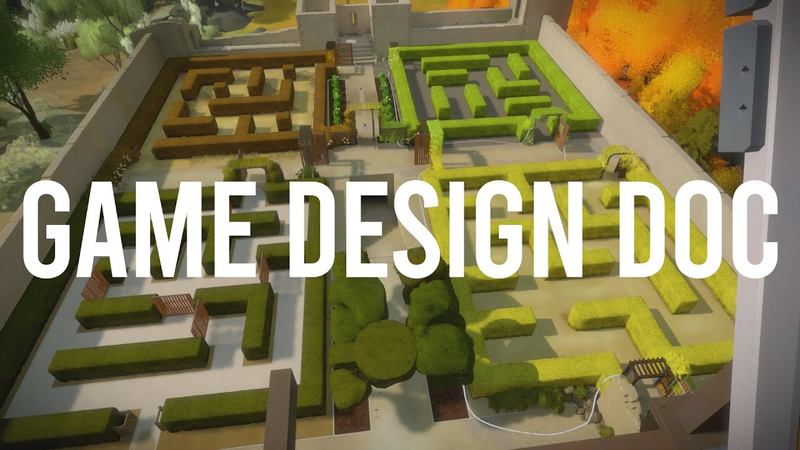
Your Indie Game WILL SUFFER Without It
Effective game development requires a transition from intuitive, solo-based workflows to structured project management.
- Formalizing development through Game Design Documents (GDDs) and milestone-based scheduling is essential to prevent bloated budgets, excessive costs, and creative drift.
- A GDD functions as a foundational roadmap that prevents scope creep by clearly defining project boundaries and discouraging the addition of non-essential mechanics.
- Implementing strict, self-imposed monthly milestones allows developers to identify necessary content cuts early, ensuring projects remain on track for completion.
He Started A Game Studio In HIS DORM (Conversation with Conrad Grindheim)
Independent game development requires a transition from solo creation to disciplined studio management, where success is predicated on financial diversification and rigorous project planning.
- Achieve financial stability by diversifying revenue through secondary streams like freelancing, asset sales, and educational content to supplement primary game development.
- Prevent scope creep and project bloat by utilizing comprehensive game design documents and strictly enforced, time-bound milestones.
- Use crowdfunding platforms like Kickstarter to secure initial capital while simultaneously validating market interest before full-scale production.
Should You Start A Devlog For Your Indie Game?
The primary thesis regarding the creation of indie game development logs is that developers should avoid starting a YouTube channel during their first commercial project.
- Avoid starting a YouTube devlog during your first commercial project to prevent burnout and ensure the primary focus remains on completing the production cycle.
- Once a developer has successfully released a title, a YouTube channel functions as a long-term asset that serves as a billboard to drive traffic to storefronts.
- Building an audience provides a built-in customer base for future releases, which acts as a validation mechanism to determine if a game concept resonates with players before launch.