1 free read left. Create a free account for unlimited reading + AI research.
Create free account
Choo-Choo Charles & The Secret To Its Success | EP 005
Key insights
6 takeaways- 01Solo developers can achieve significant commercial scale by prioritizing marketability and audience engagement over personal passion projects, as demonstrated by Choo-Choo Charles reaching 370,000 Steam wishlists.
- 02Success in the modern PC market requires a synthesis of objective self-critique and strategic trend-jacking, transforming the technical development process into a compelling, audience-facing narrative.
- 03Technical production should be streamlined through visual scripting and a PC-first development focus, prioritizing player agency and streamer-friendly design to ensure broad appeal.
- 04A strong, high-contrast visual hook is essential for immediate concept communication, allowing developers to maximize impact while managing limited resources through efficient asset customization.
- 05The game’s marketing strategy generated nearly 200 million social media views by aligning development milestones with audience-facing entertainment.
- 06Development updates should be treated as high-stakes narrative content, using conflict-driven storytelling and unresolved tension in devlogs to drive click-through rates and wishlist conversions.
Ask AI about this video
Transcript
All right, we are live. How's it going, guys? My name is Thomas Brush and I make indie games for a living and so does my buddy here, Gavin. Gavin, be sure or let let us know about your game and let us know who you are. I'm going to pull up your game on screen so the audience can see it. Sure. Sure. Uh, so I am Gavin. Uh, I'm a solo developer. I run two star games and I'm working on a game called 22 Charles. Uh it's a game where there's an evil spider train named Charles. Uh you navigate an island in an old train upgraded over time and then you use that train to fight and hopefully kill uh the evil spider train named Charles. Um so yeah. Yeah, that's what I'm doing. This game, by the way, guys, is I've seen it. You most of you have probably seen this game at some point on social media. Um, just clips of it. And before we started the podcast, I wasn't quite sure who
Gavin was. And then I pulled up his YouTube channel. He's killing it. Like his his views are through the roof. We're going to talk all about not only his game and how he's making this I I'm assuming you're making this solo, dude. Yeah. I mean, I'll I'll be hiring on some help later on for, you know, translations, QA testing, all that kind of stuff, but primarily solo. Yeah, it's insane. I mean, it's like you're one of those podcast guests, frankly, that I get nervous around because I'm like, this guy is killing it with not only the G. I mean, I'm looking at it right now and I'm just pissed at how good it looks, but also your YouTube channel is just blowing up. So, we're going to talk about all of this strategy as it relates to running a game studio and more importantly doing it full-time. You're a full-time game developer and you're doing this solo, which is nuts. So, we're going to talk about all the strategies here and how you're doing this because I have a feeling that you have some strategies that could probably help my audience. Before we do that, I'm going to run an intro really quick, Gavin, and I'll see you on the other
side. By the way, guys, feel free to download my free 2D game kit below. It's totally free. It's my treat to you. I used this exact 2D game kit to make a game for PewDiePie in 14 days, and then I got to play it in front of his subscribers, which was really awesome. Um, so download that, use it however you want. It's my treat to you. Yeah. Okay. There's so many freaking questions I have and it's it's like my my brain is kind of like sparking because there's so many things I want to learn from you and I'm hoping that we can we can chat after this conversation because sure you're you're doing you're doing everything [clears throat] right. Um, so give us I don't really want to I I'd love for you to sort of share with us what you consider
successful that that that is currently successful right now. Like how's your YouTube channel doing? How are your views? How are your wish lists? Just give us a quick breakdown. Kind of brag, I guess. Let us know. Yeah. [laughter] Just brag on Yeah. Yeah, sure. Um, I'm not too used to that, but I'll try. I I'll give this a shot. So, so Choo Choo Charles, um, it's a game that I've been working on for about nine months now. I announced it back in October, October 1st of 2021. And, um, the trailer took off immediately, um, getting re-uploaded all over the place, get basically a full, you know, full media press run um, in a single day. Um, so within a couple weeks, um, the game built up over a 100,000 wish lists. Um, and it's currently now sitting at 370,000.
Uh, number 40th most wishlisted game on Steam. Pretty pretty proud of that. Proud of that. You're right up here with Danny. Uh, he's he's a ways ahead. I think he's number one, but you're you're getting there. [clears throat] uh very slowly, but in any case, um so let's see here. Yeah, so so the game just went pretty viral and it's got like close to 200ish million views around the internet, people re-uploading stuff. Um and also from my devlogs, I about a month after announcing the game, I decided, you know what, this would be a good opportunity to kind of take my YouTube channel to the next level, maybe. So started doing devlogs and those started taking off pretty quick. So those are getting like one, two million views uh per video. I think I've done like nine or 10 uh videos about Choo Choo Charles. Yeah. Um so those have been doing great. Um
YouTube channel is up at 280,000 subscribers. Um recently was in Summer Game Festival, uh Day of the Devs. That was cool. Uh, I don't know. That's that's the general rundown, I guess. Yeah. I mean, to give some context here, guys, basically Gavin and I have the same amount of subscribers, but Gavin's views are like astronomical compared to my views. And it matters. I mean, what we're talking about here is basically Gavin's ability to secure wish lists, which means essentially it's like kind of like an insurance policy that when he launches his game, he knows without a shadow of a doubt it's going to do well. I mean, am I correct there, Gavin? Yeah. Yeah, I I would say so in terms of sales numbers, right? Like you're gonna sell this thing. Now, if it's actually a good game or not, that you know, we'll figure that out once
it's launched. Fingers crossed. [laughter] And is that a fear that you have that you're not going to meet the expectations? It has been it's been a fear kind of off and on, but um you know ultimately I can't know for certain. Um you know how well it'll be received. Um I think it'll I think it'll be good though because I mean like all my previous games, my free games, uh my beautiful paper smile, all those they've all got really good reviews. Um, and my cam camera resolution decided to die. So, you're fine there. That looks good. But, um, yes. I mean, my my track record has been pretty good. So, I'm I'm hoping that I can I can keep that up. Well, let's let's talk about your track record because I know like for me, I've released plenty of crappy games. Uh, Edmond McMillan, who I'm a big fan of, who who released Super Meat Boy. He's like the OG indie game developer. He had like, if you go to his Wikipedia page, it's like insane how many crappy games he released prior to launching. uh, Super Meat Boy and Binding of Isaac.
Do you consider, this is a rule that I've created for my audience, which is you should release at least one crappy game before you actually focus on your dream game. Do you feel like you agree with that? Is that true for you? Well, I've definitely put out a lot of crappy games. I I will say the the dream game concept, like your dream game probably sucks. Just just straight up. Uh, you probably shouldn't even make your dream game because it's probably not marketable. But, um, yeah, I mean, you're going to make games that are just objectively bad, that are poorly designed, poorly written, have crappy art. Um, you know, I've I've I think I've published eight games at this point, and obviously I've started plenty of projects that I've never finished. So, um, yeah. I mean, just don't be afraid if you know your first game sucks because that's just that's natural. Yeah. I mean, did you ever The first game doesn't need to be a hit, you know. Did you ever release games that got bad
reviews people didn't really like? Or have you always sort of This is a really important question because you said you're 20 years old, right? Yeah. You're 20 years old. Have you ever experienced, we can cut this out if you want, but have you ever experienced embarrassment or has life just always gone your way in terms of you just seem like artistically you seem like you were born to do this? And it seems like you just you're just a natural. Is has that always been the case or did you get bad reviews? Did you experience failure? Yeah, for sure. My first the first game I published was called Sumo Skies on um on iOS and it didn't even get any reviews. It nobody even played it. That was that was kind of a let down. Um and then I published a couple other mobile games and my first couple games on Steam were both awful. I had one called uh Behind These Eyes. It was a
horror game. It was my first horror well first horror game that I published and it was awful. It was awful. It was It was just generally bad in every way. It basically sort of like an asset flip type of type of horror game. Um poorly designed, awful story, just bad. And it got, you know, it made like a thousand bucks, but everybody hated it. [laughter] So, um not not the biggest success. After that, I kind of started getting a better feel for, you know, design and um art direction and all that kind of stuff and started learning a bit more about like learning from that feedback because without the the awful reviews and stuff. I just dropped a pen. Um without the awful reviews and stuff, I wouldn't have learned like, okay, this is the stuff that people really hate. This this is really setting people off. Yeah. Um, yeah. And so with that information, obviously I was able to start learning a lot more
about Okay. But you're releasing these things at like 16 years old, right? Like, yeah. Okay. So, you know, it's a weird thing because I don't know. I I'm trying to remember because I'm 31. So, it's not like I'm that much older than you, but you spent I have 11 years of more life than you. And when I when I think back of being a teenager, I didn't have the mental capacity to to say, "Hey, this is bad. This is good." like and then fix those problems. I I was so in my head and I was kind of cocky. And so are you able were you able when you were 16, I mean you were in high school, were you able to focus and think like a businessman about here's how you make a good game. Here's what was wrong with the games that I released. Um at well I mean obviously early on like you know I started when I was 12 and obviously like my fil like I thought that everything that I made was great like really really early on I I just did I don't know why.
Um I thought that I was making genius games but I wasn't because people hated them. Um, so later on after I'd published a few and I was kind of humbled and I realized, okay, this is the stuff that's going wrong around 16 when I started working on My Beautiful Paper Smile. Um, that is when I really did start trying to think of it as a business because I was in high school at that point and I knew that I wanted to try and make games uh full-time as a living. I didn't want to go to college. I didn't even want to be in high school. Um, so I was trying to figure out how I could make successful games, how I how could I make a hit. Um, and so that's when I kind of started trying to learn about, you know, marketing and and all that stuff with um without much success obviously. But um yeah, I was starting to try and think about stuff uh more objectively and in a more business type
sense. Yeah. Okay. So, I want to figure out I I love when I meet super young game developers who are making games like this is like double A. And I that's a compliment. I'm not I we we're not trying to aim for AAA here, right? Like that's not the goal. Yeah, for sure. But this is double A for sure. And when I meet young people who are making double A style content and they're killing it, they're they're just marketing geniuses. I love to get an idea of how they got there. Um, did you did you have a supportive family, supportive friend network that sort of encouraged you to go this route? How did you find the courage to to do all this and put yourself out there like this? Well, my my family wasn't against it. They weren't against me making games. Um, they they were generally pretty supportive of of all that. Um, I never talked about it with my friends that much. I mean, I I have them, you know,
play my games, test stuff out, um on occasion, but generally I just I didn't really talk about it with pretty much anybody. Yeah. Um just because I felt like nobody really cared. Um I just loved doing it and I just wanted to do it so badly. I didn't I didn't really have a problem putting out crappy games. I mean, you know, it kind of sucks getting, you know, a on on online and stuff, but Yeah. But do do you do you struggle? Do are you is your personality just confident by default or do you sometimes wonder cuz a lot of my what I'm trying to get at here is a lot of you in the audience listening now your your insecurity is keeping you from doing what Gavin has done here which is just put themselves out there and just go for it. Um do you think about the negative comments? Do you think about how people perceive you or do you just go for it and you don't worry about it?
I don't really worry about it much. Um, the negative comments and stuff. I mean, like I I avoid reading them. Um, there's t I will say Tik Tok comments are the most degenerate comments on the [laughter] Well, this unsurprises me. It's It's between Tik Tok and Reddit. Of course. I was going to say Reddit. Reddit is hell on earth. Reddit. Everybody's an expert. I don't know how everybody is such a such a genius over that. I think honestly I just think it's a lot of very very jealous uh dare I say like neckbeard types who are just uh not so happy that you're doing well. Um perhaps perhaps I don't know what it is. But in any case um yeah I mean I I wouldn't say I'm necessarily confident by default. I just I just don't I don't want to care. I I guess it's not even that I don't care what what people think and whatever think because that's that's just normal human stuff.
Yeah. I just I just want to make games so bad. I just want to Yeah. make successful Hit games. So I don't I don't really care what happens between, you know, now and me making hit games. It's like I'm going to do that at some point, you know, like the the comments and and stuff like that don't. So it it just doesn't really matter in the big scheme of things because the what I'm trying to get out here is I've found that people who are wildly successful on YouTube, people who especially like game devs that release devlogs, people who are wildly successful at that and they're also wildly successful at the games that they're making, they seem to have what I would call like the PewDiePie attitude, which is like, I'm going to do what I want to do and you can like it if you not, but I don't really care. Um, and I'm trying to gauge if that's how you are. If that's how your personal because I I'll be honest, that's not my personality. My person I overanalyze
everything. Um, and I'm I I I care about comments so much that I don't read them. Um, that's the reason I don't really read comments because I I'll I'll go into a tail spin if I if I read one negative comment. In fact, I was borderline almost quitting my first-person shooter game because of only a few comments. Um, so would you categor categorize yourself as more of someone who's a little bit more carefree than perhaps me? I mean, maybe more, I guess. Um, I don't know because it's, you know, like I do like I overthink stuff a lot. like when I put like I put out a recent video um where me and Bargie at he's another um gamedev YouTuber um we had a challenge where we had uh 24 hours to make a horror game and I was stressing out because that was my first video
since kind of blowing up that wasn't about Choo Choo Charles and so I was stressed that like you know if it's something different that the audience isn't used to. Yeah. Everybody's gonna hate it and it's gonna fill. So, it's like I do overthink stuff, but ultimately I mean, you know, I put it out. I didn't, you know, I just So, I I guess I I don't know. I don't know. I don't know where to go with I totally I totally know that feeling. So, for me, that moment, that sort of crux moment was when I my channel size doubled because of the game I made for PewDiePie. And then I did a video with PewDiePie and got a really big audience from that. And then the next day after the whole like video was done, after the PewDiePie's video was posted and I had this new audience, I did a live stream where I was working on my next game and it was this just sense of dread like is my new audience going to care about something not related to PewDiePie?
[clears throat] And that that I remember that feeling distinctly of essentially is my audience going to care? And it begs the question, did they care though? What's that? Did they care? No. I mean, there were this the thing there there are there were plenty of people who just disappeared. They didn't unsubscribe. They just the viewership just went down, which is totally normal. I mean, what what what did I expect? you know, um, you make a game for PewDiePie, they don't really necessarily care about your next game. They just think it's funny because of the memes. So, that's totally fine. But that was a growing experience for me. And it really begs the question, which is, why do we put ourselves out there and make devlogs and make YouTube videos? You mentioned earlier before we started this call that each video you do takes you about four days total. I would assume eight, nine, 10 hour days, right? Uh, maybe not that much really. I Yeah, I have a hard time editing for long periods of time. So that's like
So we're like 30 hours 30 hours of work per per video. Yeah. Yeah. Yeah. So the question is and this is more of a marketing discussion. So we'll sort of this is my segue into this. It is difficult. It's challenging. It's emotionally challenging. It's taxing physically to make devlogs. What is the goal of a devlog? And again, this is more of an entrepreneurship channel, so we can talk about metrics and stuff, but what's the goal of a devlog? why spend the time to do it. So for me early on and and it's kind of it's changed over the course of development. Um just all the the marketing strategies and stuff in general, but early on I saw the devlogs because I had I've been doing YouTube for like three years at this point. Um and I hit a point where I just kind of I I really I screwed over my channel by having sort of a shift in audience. Originally, I was doing Unreal Engine tutorials and then I started trying to do like devlogs and it wasn't going well because the audience was mismatched and
that was killing the the the metrics and so the algorithm hated my stuff. So, with Choo Choo Charles blowing up, I saw it early on as an opportunity just to um grow my channel and get have a way to fund the development of the game because early on I didn't actually know how I was going to pay for the development of the game. Um so, I saw it as a a good opportunity to, you know, start getting ad revenue, sponsorship, stuff like that. Yeah. And so I was just trying to make interesting content about the game so that I could get wish lists, you know, because after like the initial viral spike wore off, you know, obviously things were going to start settling down. So I didn't want the game to just completely fall off, you know, everyone's radar after that. Yeah. So it was like partially just like background marketing and partially um a potential income method. So the goal was just to follow the YouTube strats and
just pull views basically for for the purpose of securing wish lists. Would you say wish list is the primary goal? The call to action for your videos is wish lists. It it is. Yeah. Yeah. I mean wish lists are I think they're kind of only important to a certain point. Um, which is why I've kind of been slowing down on on the dev logs and stuff and just been putting more time into the development of the game. Um, I think for for most people that's probably not a point you'll get to very soon. Yeah. Um, but yeah. Yeah. I mean, the call the call to action in the videos is wish list. Wishlist the game. Get hyped about it, you know? Right. Right. So, if let me ask you this. If you weren't getting wish lists and you weren't necessarily getting views, would you purely from a purist perspective still make vlogs or would you say this isn't worth my time? Uh,
I mean, if it's not worth my time, it's not worth my time. If if [laughter] I mean, basically, I would need to be getting either money to pay for the development or I'd need to be getting wish list. like it would need to be meaningful in some way because it, you know, it takes time to to put that stuff together. Yeah. Um, yes. I mean, I' I'd need to be seeing that it's well worth my time. Otherwise, I'd be putting that time into something else. Okay. So, let's let's transition. I want I really wanted to quickly transition to Okay. Well, then let's talk about how you do your devlogs, the strategy. But let's let's save that towards the end of this conversation because I think my audience right now, especially those wa you of you watching, and if you're not watching, just Google Choo Choo Charles and you'll get you'll see what this game looks like. For those of you who are listening to audio only, what I'm looking at for those of you who are listening is it's stylized, but it looks like double A. It's first person exploration, but the textures have a very sketched, handdrawn look. Um, so
just I'm going to give you the the stage here. Tell us how this thing is made. Assets, texturing, coloring, post-processing, software, you use code, all that stuff. Yeah. Okay. So, I'm using Unreal Engine 4 as the the basis of of everything. Um, basically I man where to start? Where to start? I guess I'll just hop into assets because that's that's a cool one. I I like using assets. I use assets for any object that isn't it doesn't need to be custom like trees, rocks, water, you know, water shaders, um random fish, you know, like there's a lot of random generic objects in a game that you don't need to make yourself. So, um I download a lot of asset packs for stuff like that.
Um and that speeds up development a lot. Now you reskin them though, right? Yes. Yeah. So, so that's kind of the second part of the process. So, the second part of the process is making everything fit because kind of the typical issue with assets is that you get a bunch of assets from a bunch of different packs, you throw them all together, and it just, you know, stuff looks out of place. So, what I do is I reskin the just the color texture, the diffused textures, um, with a sketch. I' I've been playing around with the this tablet pen thing here. Cool. Um is it a Wakom pen tablet inos? I It's Hooon or something. Interesting. It's nothing crazy. It's not one with a screen. It's just like the Yeah. tablet itself. But you're not like doing it on an iPad or anything. Just for clarity to the audience. You're just It's in Photoshop. Do you have to unwrap the the models again before you No. No. So So it's really simple. So in Unreal Engine, what what I do is so I
download an asset pack. I put it into the project. I'll construct whatever environment I need these assets for. And then I'll go into the the assets. And in Unreal, you can export um any like textures or sound files or whatever. So I'll export the diffuse textures. And then I bring that into I use instead of uh Photoshop. Okay. And from there I use the smudge tool with the um with like sort of like a pencil texture uh brush and then I just, you know, click on a a color a point in the um in the texture and I just scribble that color around. um take the next area, scribble that color around just to give it all a nice sketched look. And then I'll um export
that, put it back into the engine, and then poof, it's basically done. Sometimes uh depending on the asset to make it all fit. Um, and also just to optimize stuff, I'll like um I'll like turn off the maybe like the the specular map or the roughness map or something because sometimes stuff is like too high quality. So, I'll just like bring the quality down so that it all just I was going to say it looks like a lot of your stuff is is just a simplistic like let me take my dog outside. I think he needs to pee. Hold on one sec. Um, so like it it looks like you're not using a ton of Well, I'm seeing a lot of normal maps right now. There was certain sometimes in the game it looks everything looks really flat like in a good way. Um, are you is everything utilizing a normal map? And for my audience, a normal map is what's going to add a lot of depth to
your texture um with in correlation to the lighting. Are you just is is there a rule in your head that says we always use normal maps, we always use occlo occlusion maps or sometimes you don't, sometimes you do? Um, normal maps are pretty common across pretty much all the the materials. Um, yeah, I I see those I use those in pretty much everything. I'll turn off like um specular and roughness a lot though. Um, so there there are a lot of materials that are a bit more flat, right? Um, yeah. Does this does this does this method concern you as it relates to um porting and optimization? Um, how how do you mean? Well, if you were to port this to Nintendo Switch, it would require a lot of twe I don't I don't Yeah, you're not even thinking [laughter] about it. It's not really. No, I mean as it's
an openw world kind of and obviously like I'm sure it could be ported to, you know, lower-end stuff. Like I want to do console ports and stuff, but um I don't I'm just focusing on PC right now. I'm not worrying too much about the porting stuff. I'm going to do that after the PC launch anyways. Well, you know, you don't need any of my advice, but but what I would say is what I would say is you're going to make enough money to hire a porting studio to do all of this. Yeah, that's kind of the plan. Yeah, you're going to be just fine. Uh I can imagine porting this would probably cost a h 100red grand minimum. Um but you know, that's that's standard with like publishers. The publishers I talked to, that's just normal. It's like what they do. It's like, yeah, it's going to be 100 grand. We're going to fire find a porting studio to handle all this. And guys, that's that's my plan. Um is for my next game, Father, which you know actually looks similar to this in a lot of ways in terms of mood. And I want to
talk about mood in a second. Um for me, the plan is just like Gavin, make it for Steam, basically gaming PCs. That's the goal. That's the market. And then worry about the port later hand it off. A lot of you have asked me, Thomas, how do you do console porting? And my answer is I don't I don't do it. And it's a it's there's so many things related to obviously optimization, but also just working with their SDK and making sure you're following all the rules that for example Nintendo has and all the rules Microsoft is spec especially um particular about what they require. Um, so yeah, h handing that off to a porting studio is probably going to be your best bet for sure. Yeah. Okay. So, let's let's transition to mood here. You're doing this thing. We're look right now. I'm looking at this scaffolding. It's really high up in the air. It's super foggy. I'm assuming you're using volutric lighting.
Um, and volumetric fog. Um, is that correct? You're using some sort of volumetric. Okay. Volutrics are crucial. Chef's kiss. I I I love those. Yes. I love that stuff. C. And that's the sad thing is I think that once you go to Switch, you're going to have to turn it off. That's my That's my opinion. We'll see. It'll be sad. Um unless Unreal is just really it's optimized. I I don't know. No, the the volumetrics in in Unreal are they they it's a significant performance hit. Yeah. Yeah. And your game will do fine without them. I mean, I can I can imagine I'll figure out a way to make it, you know, it'll it'll be decent enough. But you're doing this thing with I'm looking at this scaffolding scene. You're doing the exact same thing that I am obsessed with. And that is gloomy clouds in the distance almost like everything's storming around you, but there's bright sun hitting directly down onto your set. It's definitely got like a Half-Life
vibe to it. Um, what what is because I've looked at some of your other games. Um I I believe you is your other game playing that 2D game? There's a there's a 2D game that plays in this video. It's like or is that part of this game? This black and white 2D. There's the black and white 2D is probably my beautiful paper smile. Okay. That would be my my most recent commercial game. Okay. So moodwise, your portfolio is very similar to mine, which is it's always dark. It's always dark and moody. So my question is why? Why are you that way? What What about your personality? What drives you to continually make these really dark games? I don't know. It's It's just cool. It's just interesting. [laughter] I I don't know. I don't I can't I haven't seen a therapist. I haven't looked deep into these uh deep parts of of my of my mind. I I have no clue. It just looks cool. Does it bring you comfort?
I don't know. You don't know? I have no I have no idea. I think about all this stuff. I lay awake at night and I'm like, why do I need everything to be foggy? Like in all of my games, everything is always foggy and I don't know why. It looks cool. It feels good. It brings me comfort for sure. Anytime a there's storm clouds on the horizon in in real life, I I feel comfortable. Um, so how are how are you achieving this gloomy look? Is it is it primarily post-processing? And by the way, for my audience who doesn't know, post-processing is like an Instagram filter. It's basically a filter applied after each frame is rendered. A filter will be applied and it's all code. So your camera is adding all this effect. Are you utilizing a lot of post-processing for your games? There's not a lot. I do a couple basic. Obviously, ambient occlusion is beautiful. Um, can you explain what ambient occlusion is for those of us who don't know?
Yeah. So, ambient occlusion, basically, if you've got um like let's say you're in a room and there's a spot where like two walls match up along the corner, the very corner of the wall, it's going to be darker. So, it's going to be shaded in and it's going to get lighter as it goes out. So, it's just like sort of an edge shadow. Yeah. And this [clears throat] is as opposed to ambient occlusion. Baked ambient occlusion would be baked into the texture. You can either do this in the actual um 3D modeling software or painting software like Substance which is now owned by Adobe or you can bake it in in the actual software the actual game engine like Unreal or Unity. The problem with that is it takes forever to bake and oftentimes you don't want something to be static. The only way to bake something is it has to be static. Um, so from what I can gather, your are are you doing baked lighting with its own ambient occlusion and then postprocessing? Yeah, since it's since it's open world,
there's stuff popping in and out all the time. Um, everything's dynamic. Okay. So, what what So, ambient occlusion is is the primary one. Yes. What other ones are you using for for post-processing? I think it's mostly just ambient occlusion. There might be a slight vignette. Um, not a lot in the post-processing side, though. Mostly it's um for for the mood of the game, it's all kind of in the um the the lighting and the fog. So, for that stuff, it's like I just have basically a nice directional light with a nice steep or or not steep, I guess it'd be a shallow angle. Um, so you get really nice long shadows. Um, and that achieves a twilight look, god rays and stuff. Yeah. Yeah. So I've got a lot of that going on. Um, obviously a fairly dense um, volutric fog just to add more mood and it just
ties stuff together better. Without it, everything looks extra extra flat. Uh, helps provide more depth. Um, just it's just beautiful all around. Every game needs volumetric talks. Just I I'll be honest, man. I've I've intentionally avoided it because Oh, yeah. Because because Nintendo Switch is our goal. Uh I'm just like, man, like I don't know if I even want to deal. I I don't know if I can handle getting attached to Volutric Fog and then seeing it removed for Switch. So, we'll see. We'll see. Might be rough. But yeah, in in any case though, so the volumetric fog is a big part of the mood in in um Choo Chi. I mean, all my games really. Um and then also just a generally higher ambient light level. I don't know how high the ambient light level is in like my beautiful paper smile might be a little darker, but like Choo Choo Charles, there's no black shadows.
There's right nothing is completely dark, you know? just bring up the ambient light level so it all looks just more realistic just kind of as a a cheap way to kind of get around like baked bounce lighting and and stuff like that. Okay. Um so that's about it though. It's it's a generally simple setup, you know, and then it's just kind of a matter of tweaking the values until everything feels just kind of a little bit dark, a little bit desolate. Um, so it feels kind of abandoned, I suppose. Yeah. I don't know. Absolutely. So, I think what a lot of people are probably thinking right now is why is it that Gavin can do this and I can't? Um, why why are you able to do I'm looking at all this the interactivity here. This thing is big. It's a big game. And I tell my team, we're not doing this. I say that
to my team all the time. I say because of budget constraints, we were we are not doing something like this. And so my question is, and you you'll notice that I'm trying to dig into your personality and your genetics to figure out why is it that Gavin can do this. What like why [laughter] like what are you doing differently than most devs? Right. the game. All that you see is all that there is. There's no complicated stuff behind like all the mechanics are very simple. They they really are. Can you explain really quick? Just a brief rundown of the loop. So, basically the way it works is you So, so the goal of the game is to kill the evil spider train. Charles roams around an open world map. And so your goal is you take your old train and you
drive around completing missions for NPCs. Uh you can loot different locations to get scraps, which are kind of like the in-game currency, I suppose. Um and then you use those scraps to upgrade the train, get beefier, get stronger. Uh so you can do more damage. You can go around and get different weapons that you can put on your train. Um, and then as you get stronger and more fit to fight Charles, um, once you complete, you know, the the different like sort of campaign missions, I guess, you can then summon Charles to a final fight and hopefully kill him if you're you're strong enough. If not, then you can go around and complete more missions, gather more scraps, upgrade your train more, and um, and then eventually hopefully win the game. So, lots of replayability here. It it kind of almost feels sandboxy. a little bit. That's that's kind of the goal. Um that's a huge thing with with the marketing side of it is just more implied player agency
um more player choice because otherwise I I don't want to get off on on too much of a tangent, but otherwise people won't actually play it themselves, you know. So that they'll just watch the streamer play it and that's it, right? Yeah. Yeah. So, so giving player agency and just having some sandbox elements and stuff like that is huge huge huge huge big deal. Um, so where where were so that was an answer to my question of one of one of your reasons why you're able why you're keeping it simple simple. So like I got okay a fully upgradeable train that you can drive around the island. Okay. Well, the upgrades there's three upgrades. you can upgrade the damage, the armor, and uh the the train speed. So, you you click on a button in a menu, and then it ups the speed multiplier by a certain percentage. Like, it's it's simple stuff from a coding perspective. Um, and then I can just polish up those aspects
really well, so it it's actually decent. Like I could have said, "Okay, there's a fully upgradeable train and there's a full skill tree and there's all these different routes you can take it and but that's obviously way way way way more complicated." Um, from a marketing perspective or from a a player perspective, saying there's a fully upgradeable train with, you know, just like some simple stat upgrades versus there's a fully upgradeable train with a skill tree. They're both fairly similar in the amount of impact they have um when somebody hears about it. So, you can get away with a lot less with pretty simple mechanics if it's still got that that interesting factor to it, I I suppose. Okay. So, did you did you make a game design document for this or is it all just in your head? Yeah. No, there's I've got a document.
I've a lot of documents for it. Um I kind of Yeah, I mean I spent a couple weeks planning out writing everything out before I uh started working on it. Good. Good. Um so I'm I'm kind of relieved by that because I've been on a kick lately of game design documents are everything and I've been telling my team that. I've been telling my audience that and it's good to I'm encouraged because I didn't used to use them. I used to just go with the flow which is a terrible idea. um it makes things just more expensive in the long run. So, you've got this GDD and it sort of it's super simple. Uh the the core game loop is super simple. You're using assets. You're quickly repainting the assets to match the style of your game. And let's talk really quick about the coding. Are you coding using blueprint? And blueprint, for those of you who don't know, blueprint is Unreal's sort of visual code editor. So you don't necessarily have to know code to use it. Yes. Yeah. So it's all in blueprint.
Pretty much everything I'm I'm coding myself. I've I can't do code assets. I've got like a couple plugins that I use for for some simple things like save game management stuff. Makes that a little bit easier. But yeah, so it's I'm programming everything in in blueprint. Okay. So, [sighs and gasps] I'm trying to figure this out here because I want my audience to get an idea of how talented they need to be. Um, and like how much talent plays into this. And I'll be blunt. I think that you're just there's the talent factor which is 60 70% of why you're able to do what you do. The 30% is the simplicity of it and the assets. Uh, were you always considered a very talented person growing up? Um, I I suppose maybe a little bit when it comes to art type stuff. I've I've
always been pretty good with sketching. Um, before getting into games, I would do like, you know, fair fairly realistic sketches of of stuff. Um, so I I suppose a little bit in in that regard. I like I guess I I kind of I think if if I had one thing that's like making stuff easier, it's just that like I can look at things somewhat objectively, perhaps more objectively, so I can see when something's wrong. Always know when something is wrong. Yeah. Yeah. It's like I I can kind of get a little bit of an outside okay lens and just keep on iterating on stuff because like the first time I do something it usually sucks. So it's just but if as long as I know that it sucks I can change it until eventually it it just kind of works. Okay. So just to break down really quick
for those of you who who are listening right now and you want to do what Gavin is doing. Start with a GDD a game design document. get your core game loop down like to a tea and utilize assets, flip those assets in Photoshop or which is the free Photoshop alternative, and then utilize either Unreal or Unity. Um, and as much visual scripting as as necessary for those of you who don't want to learn to code from scratch. I think that's the general gist of it. Yeah. So something along those lines. Also putting a huge um at least I mean if because like obviously like if you do all that stuff you can make an objectively good game. Um not necessarily a marketable game. That's what makes it marketable. That's always um just if okay like with Chooi Charles for example it's it's a lot of little things just in the
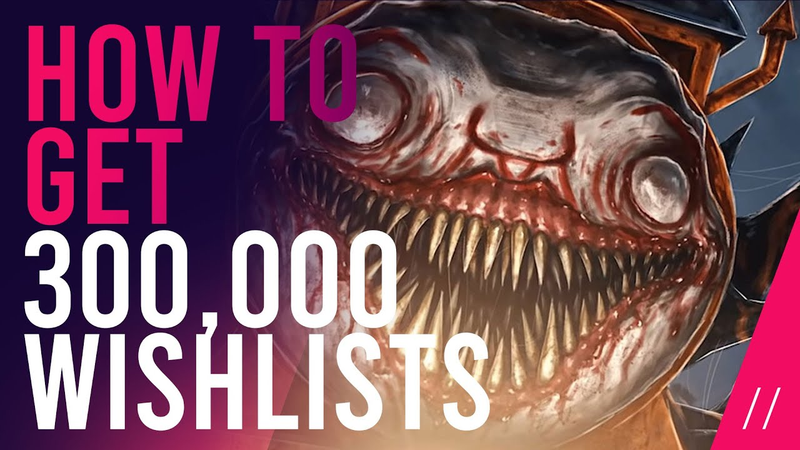
inherent just design of the game. First thing there's a spider train. That's huge. There's a sp that's the spider train is a thumbnail. The spider train is a title. It's that is an attentiongrabbing device specifically put there for that purpose. Um you know the the light levels of the game are just generally higher than in other horror games. So you can actually see stuff like when you see a a screenshot of most horror games only you know, maybe 20% of the screen is even visible. Yeah. Because you just got like this tiny little flashlight. So, you're wasting so much like real estate on your somebody's Twitter feed or something. So, it's like having full art across a whole screenshot, making use of um you know, screen real estate, stuff like that, making use of colors that really pop. You know, like I've put
time into uh early on into making the colors of like Charles and the sky and the grass. Like even like you got sort of the muted sky and muted grass colors of like kind of the blue and green that sort of complement each other, but then you've got like this bright bright bright red train or like the bright yellow player train um that really pop. And there's a lot of little things like that. And then also just how visual the gameplay is. um like if if you watch the first 15 seconds of the trailer, you can grasp pretty much the entire core of the game um completely visually. And so it's stuff like that that makes it actually marketable. And that was that was a big big big focus right from the the get-go. So to break that down, this is me just I'm learning right now, man. like I'm learning a lot from you. Um,
you're totally right when it comes to screenshots and animated gifts and videos when with with horror games. What you're saying is there needs to be a full frame of color and contrast and light despite the fact that it is still moody. We want to be able to see a lot and and get a lot of depth in a single screenshot for it to have virality on social media. Yeah. I mean, that's definitely an aspect of it. Yeah. Okay. Now, let's take what you were saying. We're going to do a I'm going to put you on the spot here. Sure. Let's do a little audit of my game, and I want you to act as my counsel. Okay. Using your principle of the specifically the creepy spider train. I would call that your visual hook, right? It's not necessarily a me, it is a mechanical hook as well, but you could you could have a a monster that isn't a sp isn't Thomas the Train, but a spider. Right. So, when it comes to You could, but it wouldn't it wouldn't be
marketable. Right. Right. Yeah. There's with Choo Choo Charles, there's a a very strong element of irony and familiarity. I love Well, you're trening in a way, which is Yeah. Yeah. Trendjacking meaning you're taking a common trend and you're flipping. So, we're look I'm gonna scrub over to find Charles here. There he is. Yep. Okay, there's Charles. I've got him pulled up on screen. That right there, everybody. And for those of you who are listening, we're looking at Thomas the Train, but he's horrifying and he's a spider. That right there is I guess we can call it a visual hook. And I can't think of a better visual hook. Other visual hooks include something like playing as a fox. Apparently that's a huge deal. There's David whe made a game called the first tree. He was like one of the first fox games and the simple fact that you're playing as a fox is enough of a visual hook for people to for the for the clip
to go viral. Um so something that let's do the audit now of of my father. Okay. Currently, father, it's set in the Garden of Eden, but it's like a it's the it's the decaying it's the decaying modern version of the Garden of Eden. Okay. So, you stumble upon this Garden of Eden and it's creepy and it's weird and there's plants everywhere and there's a tower scaling up into the clouds and the goal is to scale the tower to get to the top. Using your logic though of creating a visual hook, what if instead tell me your thoughts here. What if instead of it being just a regular tower, what if it was the tree of knowledge of good and evil? The it was a giant tree going into the sky. So you're you're you're flipping definitely more interesting, right? So, so your theory is take the
things that are core visually to your game and create something that is stickier in the visual marketing. Yeah. I mean, that's that's kind of that's part of it. I mean, because ultimately like the the goal is, you know, with your your screenshots or whatever because Okay. Because like there's the inherent design of a game if it's going to go viral and if it's going to actually have people play because a game can go viral but not actually sell any copies. You need two key elements which is you need to be able to effectively get people's attention and then you need to be able to convert that attention into like genuine interest. So you know obviously um you know the interesting graphics and stuff they'll only go so far. Um but that is yeah it's definitely an important part. It's it's the first
that's that's your thumbnail and title, you know. So, so if you were me and you had this concept of climbing a tower into the sky and the game is based on the Garden of Eden, it would make more sense to you to make that tower pivotal in the marketing efforts to show in because right now it's just a castle. Instead, we turn it into a castle that looks like a tree and it's like that is the tree of knowledge of good and evil. That is the tree of life. That kind of thing. Do you think that's a good approach? Um, you can say no. I'm genu it's I I don't think it's that strong. Okay. Ultimately, I I think because like you know people have seen castles before. People have seen trees before. Yeah. So it's like the the concept of it being um you know the tree from the garden of Eden is like a little bit like
it's interesting but you have to explain that otherwise it's it's just a tree. Yeah. But this they could see it and they know exactly that that's Thomas the train but a spider, right? Yeah. It's got it. Got it. Man, that is so I don't know if you had a a giant tower. Yeah. I mean, you can you could throw any kind of crazy object on there. Um, and people probably wouldn't question. I mean, obviously you got some some themes obviously to Yes. to stay true to. Um, but, uh, yeah, I mean, if having something that is like a key part of the marketing, something that you can always go back to. Mhm. Um, so what about this? This is more I love this because this this is like live brainstorming. Um, what about And I just want to capitalize on your
knowledge while I have you. Sure. [laughter] What if the weapons themselves weren't just standard like steampunk weapons, but what like here's just a twist. What if they were animals? Is that is that kind of a like a creepy looking insecttoid animal as your weapon? Is that kind of going more towards your thought process a bit? Yeah. Yeah. Because I I've seen stuff like that. I mean, if you look at like Scorn, they [clears throat] have a similar type of concept going on with like the organic uh weapons and and everything for that matter. So stuff like that has proven itself to work. Yeah. I mean that that that would be a lot better. A lot better because people have seen a million FPS games. Yeah. You know, we've we've all seen the the hands holding the gun. Y so like Yeah, bringing some um some interesting stuff into there would would definitely
be good. Okay. So ultimately, you know, it's it's just really important to stand out. Like it's really important to stand out and man, you know, like what a brilliant move on your part to make this about Thomas the Train. I mean, that's really that's the core of it all. Well, it's not about It's about Charles. It's I know, but we It's clearly Thomas the Train as a spider, right? I mean, that was the that was the initial idea. [laughter] No, it's Charles, obviously. Are you worried about that IP? Are you worried about that IP? I I don't think I'm gonna get sued by Thomas the Tank Engine. Yeah, if I did, that would be No, I don't think you would. But um No, I I don't think I mean because I mean there there's it's Charles, you know, it's not Thomas the Tank Engine. Thomas the Tank Engine never had spider legs, so it's like, you know, yeah, I'm I'm I'm clear legally speaking. Oh, man. There there's there's so many
things we can hijack off of what you're doing here. For example, maybe this should be your sequel. I'm not recommending anybody steal this idea, but like if it if your enemies looked a lot like Teletubbies, it's kind of that that kind of mentality, right? It's like taking something that's in people's minds and saying the same is true with F Five Nights at Freddy's, right? Yeah. The same sort of thing, Chuck-E-Cheese but horror. Um, and that that's a that is such a brilliant move. Um, and I don't see it going wrong. I I I think if people know of something popular that's already around and they can they can twist it to work within the the within their game loop, then it's a no-brainer to just do it because it's going to make your game more marketable. Yeah, I love that. So, let's transition
really quick to to devlogs now. Sure. This is I would say I would say this is core to your marketing strategy. This is core. I I can imagine the game would be very successful without your devlogs, but when you're pulling 400,000 views per video, it's it's it is now officially core to your marketing strategy. Can you tell us a little bit about your strategy with your devlogs specifically what makes them so viral other than your game looking amazing? Yeah. So the main thing is just being a YouTuber. Like rather than like one of the biggest things that people do is they think of marketing in terms of like I'm marketing an indie game or like I'm making a YouTube channel about an indie game, but it's like no, you're making a YouTube channel. It's just it's just a normal YouTube
channel. Treat it like normal YouTubers would treat normal YouTube. Um, so that means following the the hailed uh strategy of just really strong title and thumbnail and really strong retention loop. Um, so what that looks like is let me pull up some of my stuff here. And that that is from what I've found that is the core equation. great thumbnail basically and retention because you got to follow through on that promise with ret with great content. Yeah. So like Mr. Beast, he's like [clears throat] if you don't watch Mr. Beast, you need to because that is that is your class on how to do YouTube. Um for for for anybody out there watching. Um so basically he he swears by and obviously like it it works. you need to have as high of a click-through rate as possible. So,
that's, you know, when somebody sees a thumbnail for your video, what percentage of people that see it will actually click on it? Um, and then the amount of that video that they watch. So, if you've got a 10-minute video and people watch 10% of it, that video is not going to go anywhere. Uh, if you've got a 10-minute video and people watch 50% of it, now it might go somewhere. you know, if they're watching 70% 80%, then you know, you're getting into like viral um sort of territory there. Yeah. Um so, you know, getting people to click on a video kind of like I mean, first step is getting their attention, getting them to actually focus on your thumbnail. So, that's going to be, you know, bright colors, just bright thumbnail, good contrast, um, interesting things in the thumbnail, interesting object. For me, a spider train is a pretty interesting object to have in a thumbnail. Um, so that helps a
lot. Um, so getting people's attention, getting them to actually like focus on it. Um, and then it's a matter of getting people to sort of presenting potential viewers with a question that can only be answered by them clicking and watching the video. Okay. So, basically, people become invested with something when there's an unanswered question, when there's conflict. People love seeing things resolved. We we watch a movie until the end because we want to see everybody live happily ever after. We we watch a Mr. Beast video till the end because we want to see who won the million dollars, right? So, it's all about constantly creating conflict that people need to watch um you know through your video
to see resolved. Now, what's what's going to stop them from just going going to the end? Let's say you present the problem in the thumbnail. You present the problem at the beginning of the video with like a tease. What's to stop them from going to the end? Yeah. So, so, so the way that that works is you have your primary conflict. So, right in the beginning, first two seconds of your video, you say this is the problem. So, like [snorts] for um or or yeah, basically like this is the interesting thing. Um, so in one of my videos, uh, 24 hours to make the scariest game. Um, I said I have 24 hours to make the scariest horror game. Um, so boom, there's that's the most general concept. So at the end, people are assuming, okay, well, at the end, I'll see what the game is. Um, but from there
you have to introduce many smaller conflicts throughout the video. So you've got a bunch of like 30 second conflicts. So like let's say um in the beginning I'm like, "Okay, I don't know where to start making this this horror game. Uh, I need to come up with an idea for it." Then people are like, "Oh, I wonder what the idea is going to And so then I spend some time, you know, making some jokes, making a sketching some pictures and some some designs for uh for the game. And then after 30 40 seconds, okay, this is the design. And then people get to see kind of the payoff of that. And then immediately after that, without without waiting, without, you know, toying around or anything, it just go into another conflict. Okay, now I need to somehow I need to figure out how to make this environment. And then it's like, okay, now I got to go and look around for some assets and like, oh, maybe this will work. Well, I got to switch this
around and this around. Hey, and now it works, but now I need to. So, so there's a constant loop of um there's something that's unresolved, something that you're interested in in seeing. um become complete. Can you explain that in the context of a devlog as opposed to a challenge video? Yeah. So, first firstly before you do that, just I want to get clarity. Sure. Is your primary focus devlogs right now? Because I'm looking at your channel and you've [clears throat] got a ton of devlogs for this game and they're all doing great. So, they're not really challenge videos, right? No. No. So [snorts] for for dev lo vlogs, I mean my I mean on my channel I guess I you know obviously I do have more dev logs and other stuff, but like for a devlog it's maybe even simpler. So for a dev log, we'll take programming a 666 IQ monster for my game. This is one of I mean I think it's my most viewed dev log. Um, so in the first few seconds
I say, you know, I'm pro I need to program a new AI for my game because right now it's completely broken. It doesn't work. It's awful. Only problem is I have no idea how to make AI. I've never made AI before. So, we've already got the the general concept of the video. Yeah. And then further, we've got a conflict. We're like, well, how's he going to do this? He doesn't know what he's doing. And so from there, it's like, okay, well, now I I'm gonna start looking for tutorials. I'm gonna start uh trying stuff out. And oh no, wow, look at this funny bug I found. And then, you know, maybe I make a little bit of progress and I can show that off. Um, but wait, now I'm having some more bugs. There's [clears throat] more issues. There's some unexpected stuff that's come up uh during development and now I got to learn how to fix this. And so it's just constantly finding finding conflict in anything or just finding questions
that can be or just anything that can be posed as um conflict, you know. So, does that conflict dictate? Okay. Does the thumbnail dictate what you decide to work on or do you just work and then you think of some conflict you had while you were working in the last month and then make a devlog about that? So, that's this is Yeah. So, this is where the devlog format falls apart because not every part of developing a game is interesting. Not every part of a game is devlog worthy. Um, you know, programming an AI like that sounds kind of interesting. Um, but fixing bugs for two months is not very interesting. So, kind of early on, um, when I decided, you know what, I think doing devlogs would probably be a
good, uh, a good move, um, I kind of listed out all the different parts of development that I was anticipating would make interesting videos. So, like, you know, six, seven months out, um, like, okay, I'm going to be doing an AI, I'm going to be adding voice acting, I'm going to be adding new weapons. So, and then when when I would get to those stages in development, I would make sure to record extra stuff. Um, and just kind of consciously be more aware of like this is probably going to become a video. Um, so from like like okay, like the stage that I'm in uh of development now and have been for like the past I don't know three months is not devlog worthy. Um, like it's all just a lot of stuff that would be like heavy spoilers or just really boring to talk about. Just like, oh, I I built another location. I uh like there's not really anything
problematic. It's just doing a bunch of random little things. Yep. Um like, oh, I added some wave sound effects around the island. Oh [laughter] boy. you know, so I guess kind of just sort of I I don't remember what the initial question was. My my struggle here is I'm like, how do you keep creating content? Like I don't. So you just stop and take a break? Yeah. So my last real devlog was five months ago. Okay. Um and then I did a Q&A video after that because I didn't have anything to make content about. Um, and then I did a challenge video a couple months ago. And then I did sort of a devlog. Um, just sort of summarizing the past [clears throat] five months of development. Yeah. Um, basically just saying or or actually only like 40 seconds of it was even summarizing um, previous development. And then the rest of it was just kind of me laying
out like what my goals are for the rest of the development and being like, okay, these are this is how much is left. This is when I think I might be able to release the game. Um, did you see a drop in viewership? Yeah. Yeah, I did. What kind of percentage did you see? What kind of drop? Um, like a 75% drop. So, most of my devlogs are all my devlogs are over a million except for there there were a couple I made a couple videos early on that were super [snorts] low effort [clears throat] just cuz I just wanted to test the water and just see if anybody was interested. Um, so those ones are both at like a half million. So in a way, but the other ones Go ahead. Sorry. Yeah. So I was just going to say like all the dev logs, even the Q&A video that I did, uh, are like between like one and two million with a couple over two million. And then the latest video, which is just sort of like a brief [clears throat] update on things, just just because I wanted to keep people generally updated just for like community
management purposes, I guess. Um, that one's at like a half million. Okay. So, so the priority right now is get the game done and YouTube videos kind of come second because you've already got a huge base in terms of wish lists. Mhm. So, you're you're pretty much set there. So, now it's just keep people updated and make sure they know it's still there and then hit the ground running and finish the game. Yeah, pretty much like Yeah, that's that's basically where all my time is going right now is just trying to get the game itself done. So, [clears throat] how many views did you get for, let's say, one of your like more more your least performing recent videos? Um, what what do you mean? So, you said that you had a 75% drop um on your some of your recent devlogs, correct? Well, ju just on the most recent one. Okay. Okay. All my videos have been doing fine except for my my latest video that I put out a month ago.
[clears throat] Okay. And so how many views does that one have? Do you know? Yeah. So that one's at uh 531,000. It's still amazing. Like [laughter] Yeah. I mean it's it's not bad. Like it's it's still it's still pretty decent. Um but you know it's it's very clearly you know less than like the one to two that the that the other ones have been getting. So generally from what I'm gathering here, it seems like the dev logs that do really well, you kind of treat them as challenge videos in a way. I I suppose you could say that. Yeah. It's just just applying the YouTube format, which in a lot of cases is sort of challengebased in a lot of ways. Okay. Yeah. So I mean just just so the audience is clear, just so you guys know, the reason we're talking about this is because it's not because we're just like YouTube is fun. It's because this converts to sales. At the end of the day, this converts to sales because of wish lists. Um, so it's it's it's crucial and it's very very important to
figure out this the YouTube algorithm if you're considering making devlogs. I wanted to get really quick an idea of in your brain like the this the your schedule. So you you mentioned I think it was before we started this podcast, you said it took you about four days to do a devlog. or now is that true for challenge videos as well or do challenge videos take a lot longer? Um, so the 24 hours to make the scary that's like the only challenge video I've actually I mean it's the only one that I've done recently. I did some like a year back or something um that were a lot simpler. But this one um I think that was maybe like a week to put that one together. Okay. Okay. So, generally though, you're thinking you're I'm trying to think of like if I were to go this route, I'm always thinking of new ways to make content and save time. Um, so a good strategy could be figure out the
Mr. Beast method, apply it to a devlog, and spend four days of the month making that devlog and then get the goal would be a million views, right? Is that kind of the way your schedule was at least? Yeah. Yeah. I mean, early on, yeah, I wanted to put out like monthly dev logs. Um, and yeah, I mean, it was basically just work on the game until I had enough content and progress um, recorded that I could actually make an interesting video out of it. Um, so, you know, sometimes it was a little more than a month, sometimes it was a little less. Um, that's Yeah. And then I just take however long to to make a video out of it, man. You know, that's really encouraging. I think that, you know, I I try and advise, you know, my students and and people on this channel and people who listen to the podcast to start doing devlogs after you've got a good grasp on on how to make games because you should really be focusing on your game. Yeah.
But if you're only spending four days out of the month making a devlog, then it seems like a no-brainer, right? Somewhat. There there is kind of because you need to make a lot of progress on it. Like I've been working the entire time that I've been doing Chuch Charles, I've been on it full-time. Yeah. So, I've been able to make progress on it faster than somebody who's maybe just like working weekends or working nights or something. So, like after a month of work, you might not have nearly I mean, it might take three months to have like like if you're trying to be really specific about getting like just the most interesting best devlog kind of [clears throat] kind of content. Yeah. So, it it definitely it's a difficult format just because of that. Um, so I I don't really know what the solution is to that. [laughter] If I did, I'd probably make more videos.
Yeah. Um, but yeah. So, one final question related to to devlogs is how important is having your face on the devlog? Eh, I it's probably not that important. It's It's kind of nice when it comes to editing because not only do I have B-roll, but I can also throw my face on screen. Like I I've got more footage that I can use and if I'm talking, I can be, you know, using my hands or whatever. I can throw some funny edits on screen or something. So, it gives you a little bit more content to play around with uh when you're editing together a video, but it's it's I don't think it impacts the the viewership much. Yeah. Um it probably makes you feel like a little bit more of a person slightly, but then again, there's people with incredibly strong fan bases that have never shown their face, you know? So, it's you can you can kind of do whatever I figure. Okay. Okay. And is it scripted?
I do outlines. So, I I've got, you know, maybe a couple pages where I'll outline um based on the footage that I have um the stuff that I accomplished. You know, I'll put in certain points where I'm like, "Okay, this is an interesting point of conflict." And then this is where I can resolve that conflict and start a new one. And then just kind of outline just sort of a bullet point list of stuff like that. Maybe I've got an idea for a a joke or something. So, I'll have a general outline. It's not scripted word for word. Um but yeah. Okay. Um and then uh finally the final question is so many questions here. The the final one is how do you get your footage? Do you do that after you write your script or your outline or do you are you recording while you're developing your screen? Are you recording your screen? Yeah. So, I do I record Do you mean like like I I guess I don't know if you've watched um the the dev
vlogs I've done. So, like I I record obviously like footage of like the development of the game like screen capture stuff in engine, you know, bugs that I'm coming across. I'll record that as I'm developing because you'll be thinking this would be really cool for a devlog. Yeah. Like, oh, this this is a funny bug. Let let me boot up OBS here and and uh and capture this. Got it. And then afterwards, I've got a folder of all the footage that I have and then I'll kind of go through that and try and come up with a way that I could structure um all these different issues. And sometimes a lot of stuff just gets cut out because it's just like random and yeah, just doesn't fit the flow of of the video. Um, and then after I've got a general outline of what I think would work, then I'll, you know, make a actual like, you know, script outline kind of thing and just record me talking to the camera. Um, and use that as sort of like a a voice over sort of thing and then just slip in all the the footage that I have
as B-roll um, on top of that outline. Sweet, man. That's that makes a ton of sense. I've definitely learned a lot. Um, okay. Well, let's let's let's wrap this up. Um, when when's the game coming out? Any ideas? [laughter] I know that's an annoying question. I get it all the time and I'm like, I don't know. Yeah, I I want to put it out this year, but since I don't know if that's actually going to be possible, I I don't know. It might be next year. I don't want it to be next year. I really want it to be this year. Um, so that's what I'm aiming for, but I don't know for sure. All right. Well, uh, link is in the description, guys, for Steam. Um, go ahead and wishlist. Um, it's definitely something I'm going to be getting and wishlisting. Um, is there any other There's definitely a link to your channel below as well, Gavin. Is there anything else you wanted to to leave with the audience before we wrap up? No, that's it. Bye-bye, folks.
[laughter] All right, guys. Be sure to click those links below to check out all of Gavin's work. Gavin is one of those developers that I'm gonna definitely keep my eye on and hopefully keep our our friendship going on Discord because there's there's you're one of the few developers that I'm like I am way behind this guy. Uh actually there's a lot of people out there like that. But what I mean is one of the few that I actually get to contact in contact with and learn from. So you're doing great, dude. I'm really really happy for you. Thank you. Thank you. I I I appreciate it. I've I've been watching your channel for a very long time. So, it's it's been an honor. [laughter] All right, I'm going to run a quick outro and I'll see you on the other side in Discord. All right, sounds good. So, I I can turn on my webcam. Uh, yes, sir. Okay, cool. [laughter] Get over here. Hey, thanks for watching. By the way, if you haven't downloaded that free 2D game kit below, click below. It's my treat to
you. I used this game kit to make a game for PewDiePie in 14 days and [music] actually got to play it with him in front of his audience, which is really cool. This game kit is totally free. It's my treat to you and you can use it however you want. You can make a commercial game and make a million bucks off this game kit. I don't care. Or you could just use it for a hobby project. It's my treat to you. And by the way, if you haven't clicked like, that would mean a ton to me. Hit subscribe. And also, this is important. Hit that notification bell. Here's why. If you get notified of when I'm live, you can [music] watch me make my next game and let me know in the chat what you think about the game or any ideas you have. And you might just show up, your chat might just show up in the next video that I upload. All right, I'll talk to you later. Bye. I love you, too.
Summary
The success of the indie title Choo-Choo Charles serves as a blueprint for solo developers aiming to achieve commercial viability through strategic marketing and disciplined production. By prioritizing marketability over personal passion projects, developers can ensure long-term sustainability. The core thesis posits that a game’s success is not merely a product of technical execution, but the result of a rigorous, iterative process that treats development updates as high-stakes narrative content. This approach has proven effective, as evidenced by the game’s 370,000 Steam wishlists and nearly 200 million social media views, demonstrating the power of aligning development milestones with audience engagement.
Central to this strategy is the creation of a strong visual hook—a recognizable, high-contrast element that immediately communicates the game's concept to potential players. By subverting familiar tropes and utilizing a consistent, stylized aesthetic achieved through efficient asset customization and simple lighting techniques, developers can maximize impact while managing limited resources. Technical efficiency is further bolstered by the use of visual scripting and a focus on PC-first development, allowing for a streamlined production cycle that prioritizes player agency and streamer-friendly design.
Marketing efforts are treated with the same professional rigor as game design, utilizing a conflict-driven narrative structure to maintain high viewer retention on platforms like YouTube. Devlogs are not merely progress reports but carefully crafted stories that leverage thumbnails and unresolved tension to drive click-through rates and wishlist conversions. While this content-heavy strategy is time-intensive and requires significant development progress, it remains a potent tool for solo creators to bridge the gap between niche development and mainstream visibility. Ultimately, success in the modern PC market requires a synthesis of objective self-critique, strategic trend-jacking, and the ability to transform the technical development process into compelling, audience-facing entertainment.













Comments