Marketing reports and market data
Documents

Indie Game Business with Jay Powell | Game Dev Unchained Episode 0197
The modern video game industry faces a significant disconnect between creative production and commercial viability.
- Independent developers must treat game development as a business from inception, prioritizing marketing and audience engagement alongside product creation to ensure long-term sustainability.
- The shift toward subscription-based distribution models, such as Xbox Game Pass, necessitates that developers focus on accessibility and the efficient management of digital assets.
- AAA studios often prioritize quarterly financial targets over product quality, leading to the release of under-tested titles, particularly around fiscal deadlines and holiday windows.
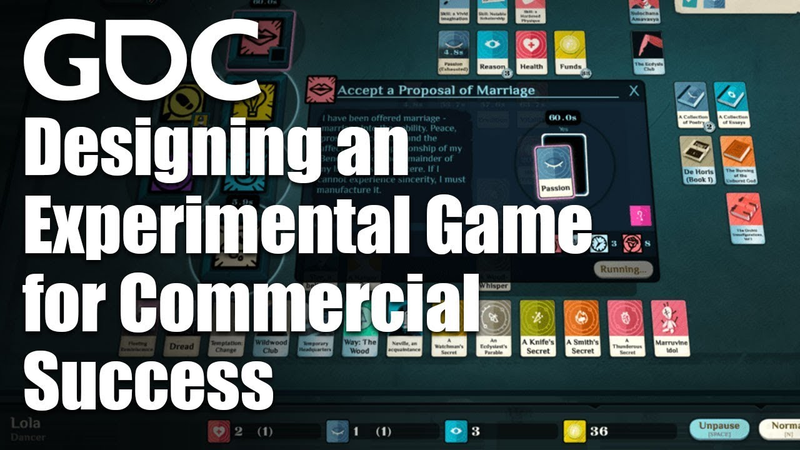
Cultist Simulator: Designing an Experimental Game for Commercial Success
Indie developers can achieve sustainable commercial success by embracing experimental design rather than attempting to compete with the production values of AAA studios.
- Indie developers can achieve commercial sustainability by prioritizing distinctive, experimental design over competing with the high production values of AAA studios.
- Projects like Cultist Simulator demonstrate that financial viability is achievable with lean development cycles of eleven months and budgets under $200,000.
- Leveraging apophenia—intentionally leaving gaps in narrative and mechanics—allows players to project their own meaning, which reduces development complexity while increasing engagement.
Platforms Are People Too: The Importance of Finding Your Champion
Securing visibility and commercial success in the modern game industry depends less on organic reach and more on cultivating a dedicated internal advocate, or champion, within a platform, publisher, or media organization.
- Securing commercial success in a saturated market relies on cultivating an internal champion within a platform or publisher to advocate for editorial features and promotional placement.
- Developers must treat the identification and nurturing of internal advocates as a core business priority rather than relying on organic reach or algorithmic discovery.
- To attract champions, developers must present high-quality, visually distinct games with clear, marketable concepts that align with current industry trends.
G2A Paid Journalists | Games ReCAP Episode 020
G2A faces a severe reputational crisis stemming from its role as a prominent gray-market platform for digital game keys.
- G2A faces a severe reputational crisis following revelations that the company attempted to pay journalists for favorable coverage, an action the firm attributed to a rogue employee.
- The platform’s business model is widely criticized for facilitating the sale of fraudulently obtained game keys, which directly undermines developer revenue and creates a predatory black market.
- Industry observers characterize G2A’s proposed internal reforms and audits as performative, arguing that the company's reliance on unauthorized bulk key resales is fundamentally unsustainable.
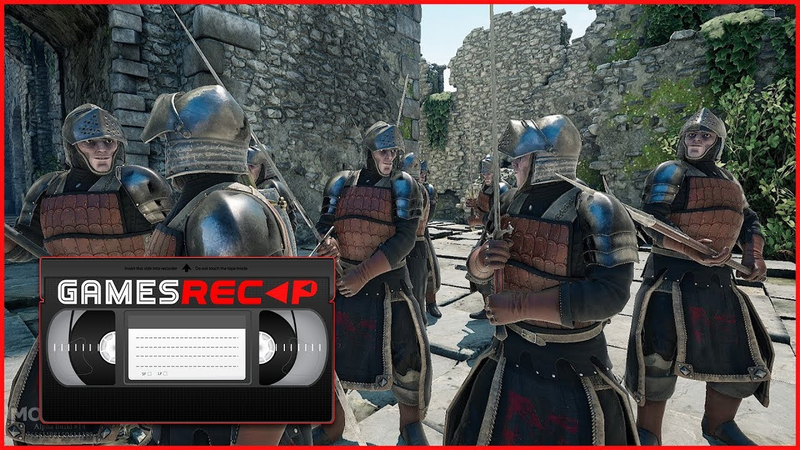
Mordhau Responses | Games ReCAP Episode 017
The controversy surrounding the development and management of the medieval combat game Mordhau serves as a critical case study in the intersection of community moderation, public relations, and studio accountability.
- The Mordhau development team faced significant backlash by citing technical limitations as the reason for lacking robust chat moderation tools, which critics perceived as a tacit endorsement of toxic behavior.
- Effective crisis management in the indie gaming sector requires proactive, unified communication that prioritizes long-term community health over defensive or overly specific justifications.
- Failure to implement clear moderation policies poses a direct threat to a title's commercial viability and long-term reputation by alienating segments of the player base.
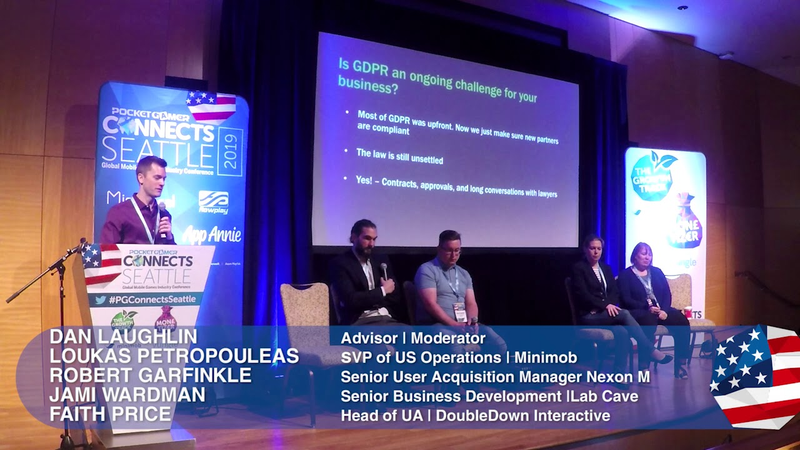
Embracing complexity and compliance in modern user acquisition
Modern user acquisition in the mobile gaming industry is defined by a fundamental paradox: developers possess unprecedented access to sophisticated automation and targeting tools, yet they must navigate an increasingly volatile landscape characterized by intense competition, sophisticated ad fraud, and stringent regulatory…
- Sustainable user acquisition requires balancing aggressive scaling with the operational friction of GDPR compliance and the need for high-quality traffic.
- Google and Facebook remain the primary drivers of scale, while smaller networks and demand-side platforms are essential for specialized targeting and personalized service.
- Developers should prioritize partners offering proprietary inventory and demonstrate high responsiveness while maintaining skepticism toward traffic sources that promise unrealistic results.
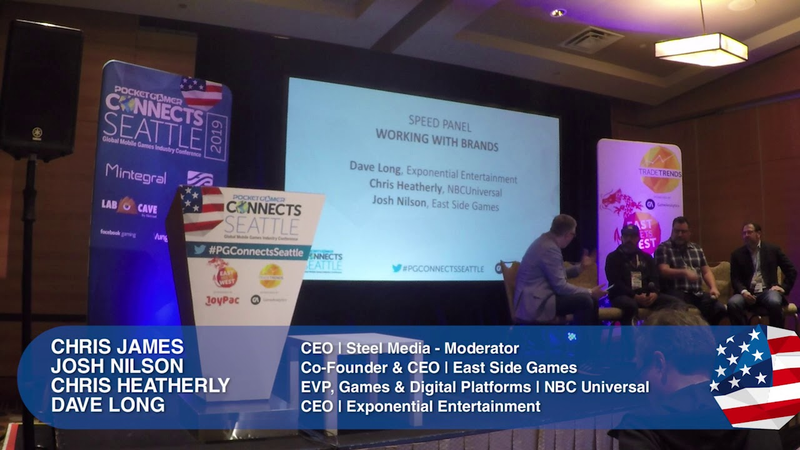
Games industry panel: Working with brands
The games industry faces increasing competition and rising user acquisition costs, making brand partnerships a strategic avenue for developers to gain visibility and lower customer acquisition costs.
- Successful brand partnerships require deep alignment between game mechanics and the brand's core fantasy, as simple 'reskinning' of existing titles is rarely effective.
- The industry is shifting away from traditional licensing toward collaborative models where developers and brand owners co-fund prototypes and share investment risks.
- IP-based games in the live-service era must function as extensions of the brand's universe, offering continuous content and live events to maintain fan engagement.
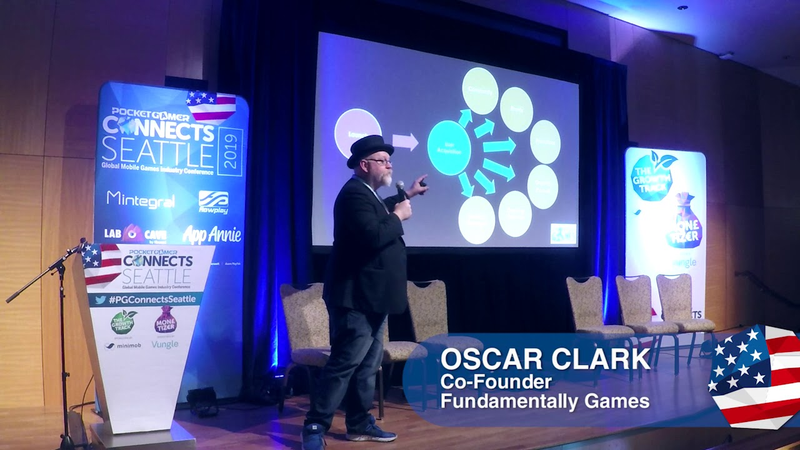
Joined up thinking: Optimising UA effectiveness by aligning campaigns with live ops strategies
The primary thesis of this analysis is that mobile game success relies on integrating user acquisition (UA) strategies with live operations (LiveOps).
- Success in mobile gaming requires integrating user acquisition (UA) and LiveOps into a unified strategy rather than managing them as isolated silos.
- Marketing campaigns should be synchronized with a predictable pipeline of content updates, feature releases, and community events to foster long-term player engagement.
- Sustainable growth depends on leveraging organic drivers like community-generated content and social sharing to complement paid UA efforts.

Build Your Own Reputation and Help Others with Marketing with Derek Lieu | GduX.me
Establishing a sustainable career as an independent creative requires a deliberate strategy of niche specialization and proactive reputation management.
- Specialize in a narrow professional niche to transition from a generalist freelancer to an essential expert, which reduces client risk and builds long-term authority.
- Document and share your specific creative workflows and knowledge to establish trust and create a sustainable marketing engine for your services.
- Price your work based on the tangible value delivered to the client and market impact rather than the perceived effort or time required to complete a task.
Making a Youtube Channel to Build an Audience with Noa Calice (BlackthornProd) | GduX.me
Building a YouTube channel serves as a vital strategic asset for independent game developers, functioning as a bridge between technical production and commercial viability.
- YouTube channels act as a strategic asset for indie developers by bridging the gap between technical production and commercial viability through early audience building and feedback loops.
- Documenting development via devlogs and tutorials serves as a marketing tool that also reinforces the creator's own technical mastery through the process of teaching.
- Sustainable channel growth requires a disciplined balance of high-quality production—specifically clear audio and thorough scripting—and a consistent, authentic brand identity.

5 Indie Game Marketing Hacks With NO MONEY
Independent game marketing requires a strategic, labor-intensive approach rather than relying on the assumption that a high-quality product will sell itself.
- Launch marketing efforts two to three months before release, focusing on personalized outreach rather than relying on product quality alone.
- Curate a targeted list of 200 press contacts and 200 YouTubers by specifically researching individuals who have previously covered similar game titles.
- Increase the likelihood of influencer coverage by inviting them to participate in the development process, such as providing feedback or contributing voice acting.

Full Indie: Taking the Leap of Faith with Jeff Spoonhower | GduX.me
Transitioning from a stable career in AAA game development to the independent sector requires a fundamental shift in mindset, moving from a specialized creative role to an entrepreneurial one.
- Independent game development requires a shift from a specialized AAA creative role to an entrepreneurial mindset focused on disciplined execution and commercial viability.
- To mitigate financial risk, developers must secure at least one year of financial runway before transitioning to independent production.
- Maintaining a strictly limited project scope is essential for completion, as it helps manage the unforeseen technical and creative challenges inherent in small-team development.