1 free read left. Create a free account for unlimited reading + AI research.
Create free account
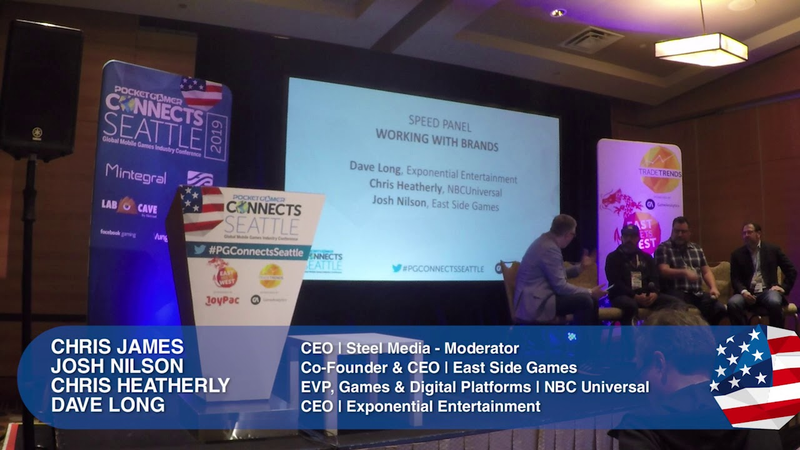
Games industry panel: Working with brands
Key insights
7 takeaways- 01Developers should prioritize brands that match their existing studio expertise and target audience rather than pursuing partnerships based solely on brand recognition.
- 02Successful brand partnerships require deep alignment between game mechanics and the brand's core fantasy, as simple 'reskinning' of existing titles is rarely effective.
- 03The industry is shifting away from traditional licensing toward collaborative models where developers and brand owners co-fund prototypes and share investment risks.
- 04The industry is evolving toward a bidirectional model where gaming is a primary entertainment pillar, with successful gaming IPs increasingly being adapted into film and television.
- 05Celebrity-based games require active, ongoing participation from the celebrity in promotional and engagement efforts to achieve commercial success.
- 06Critical operational success factors include clearing legal and music rights early in the development cycle and maintaining direct communication with brand managers or show creators.
- 07IP-based games in the live-service era must function as extensions of the brand's universe, offering continuous content and live events to maintain fan engagement.
Ask AI about this video
Transcript
as I said before well I kind of difficult at the start that the games industry has never been bigger it's never been more competitive either and getting attention especially certainly the free-to-play space and parts industries is very hard and obviously it's also very expensive and also a brand partnership is clearly so one of the things he can offer is a way of giving you attention so to kick things off I'd like you guys to just quickly introduce yourself and say where you work in the space and and telling me a little bit about what you think a brand can offer to a developer or vice versa Josh everyone well you know in here sorry go is on hello I'm Josh from eastside games CEO and co-founder there and we work in the idle game space and
we've been our big flagship title its Trailer Park Boys top 100 game in 100 countries and we pivoted from an indie studio making basically farming games back in the day with Rijal IP to doing IP based games for for ourselves and also publishing cool so I'm Chris Heather Lee from NBCUniversal and we have a little bit of a different model we of course we have a lot of IP in the portfolio because we have you know things like Bravo with Real Housewives and Vanderpump rules we have NBC with properties like the office and Parks and Rec we have the movie so Universal movie studio with Fast & Furious and Jurassic world and and back to the future and Battlestar Galactica so we have a ton of IP and a very diverse set of IP and a diverse set of audiences and we have very flexible business models so we do
some licensing on one set of our business but we also publish increasingly we're publishing our own mobile games and that to answer a question about sort of what can we bring to the party you know one thing that we can bring in terms of IP is obviously an audience that that that is predisposed to want to play a certain IP a certain fandom you know that helps lower lower CPI's and get installs but we also could bring a lot of expertise and capital to the table especially we work with smaller developers you know user acquisition is really expensive but we have I happen to work at a company you know that's part of Comcast so we have access to capital and if there's a game that has the right kpi's we can fund the growth of that of that title so we have very you know close partnerships and and and can work in various ways with our developers cool Dave Dave long with exponential entertainment let's say I've been working with the brands for probably
right around 20 years now so with my first company was screen life and we did the line of seen at DVD games and so we worked with the brands in a big way work with the licensing of at least six different movie studios out of the gate with a number of their properties and then we expanded that and ended up doing 26 different editions of seeing it and a number of other branded games and most recently with my new company exponential entertainment we're working with the brands more on the marketing side where we're helping them market their their properties that are coming out we've worked a bit quite a bit with Comcast and the set-top boxes Xfinity our most recent game current game is Game of Thrones so no spoilers here and episode but yes so that with that we you know with our games you basically can see some of the marketing content for the new season and then we have an upsell with the impulse purchase button right
there to go order HBO or view the previous episodes so they're kind of two distinct relationships one on the marketing side one on the licensing side so we want quite a diverse experiences here which is great so it struck me like in the olden days it was quite hard for developers to kind of approach brands and to get kind of brands on board how does it how does it work now is it is it a thing where a developer can come and go I've got this great game I'd love to go to the brand or or even that the you know the brand's you say you can't are you going out looking to talk to particular developer about working on a pod you how does that relationship typically what it works both ways so we have an internal concept in team that's always looking at our IP and kind of going through IP by IP and coming up with pitches that we go to shows like this and yeah it's to developers so you know sometimes it helps for us to have an idea of how the IP could apply to games and that inspires the developer in other cases the developer comes to us with an idea we're always open to that we you
know we're talking to dozens of developers at any one time so we're always looking for for for opportunities if so if we spark something we generally do a prototype yeah to prove out the concept and then you know if we all feel good about the prototype then we'll move on to to make quite a lot of prototypes and obviously things like like in games things get killed yeah that's right and and we generally pay for the prototypes and that makes it you know I never want to I never want to injure a developer you know I so I want to be and I want to be in a position to say hey if the games not getting where it needs to go no harm no foul we all move on yeah protected so so that's why we do that how about I mean Josh obviously you're working with it Trailer Park Boys dad how does that kind of come about do they come you go to them with your existing kind of games or just dates spot you or so you're drinking out the trailer park in there we see guys come over and say can you make a game for us and it was pretty close to that but I I think for
independent developers the cool thing about the market right now is there's lots of people to help you on both sides so I work back and brands back in the day when game still came on discs and you had to do gold masters and we worked with high P back then and there's a whole bunch of middle management back then and now you don't really have that so you have direct access to the brands but sometimes you have direct access to the to the people that are actually creating the game as well and that's that's really good it can move things ahead pretty quickly so the best thing you could do if you're looking to work for brands is talk to lots of people I chose to say you're interested in that or come up with your own game first so you have a concept and then later on layer a brand on top of it yeah I'd say the second is the best strategy so you think in terms approach you know obviously come with an idea you know why you and I mean David is is that so your experience but you got slightly different yeah when we first started seeing it obviously no one knew what scene it was so we had we approached the brands and you know a couple of big
brands Warner Brothers and Disney didn't want to participate in the first edition of the game yeah once we started to get some traction it's much better when they come back to you and say hey we should do a Disney edition of this yeah it changes the dynamic just Iran Disney toys at the time and we came back begging to be in it so thank you um I mean this is quite a little I'll come back section is it some but when I talk bad but obviously it's gonna vary like all these answers is againi but what's a deal look like typically these days I mean you say Chris that from your side it's a staggered process and you're helping fund the development and then after but it felt again in previously it used to be lino give me some money and you can take the brand and that was kind of thing is that is that is that kind of going away or is that still a predominant the traditional license model just gets tougher and tougher because the risk is so high and the reality is that IP is 10% of the games market and so you know most developers make their own IP and you know the the
big mgs and all that you know those types of you know big licensing deals tend to be you know I mean it's really like the top 5 properties it's Marvel it's Star Wars it's you know for us it's Jurassic world but even a property like fast and furious I mean you'd be surprised you know a lot of developers if they want to make a fast and furious game and they'll go making a you know an action based game cars make it look and feel like fast and furious and not license IP so you know that's where our willingness to put some skin in the game definitely helps we do you know everything from straight work-for-hire all the way to co-investment where the developer puts in some dollars and they get and they get a share of the backend personally I like it when we're both invested because then everybody's got to get in the game and they're invested against the long term yeah that kind of makes sense do you think there's just sticking you for a second because you do you think there's more appetite now than previously from seeing the scale of the games industry or a business kind of both do you think the Hollywood as on
the TV studios have no appetite now to engage with the games business I think it depends on what studio talking about but I mean it's Disney traditionally kind of built a games business then closed down not saying as you do yeah but that was their kind of models I experienced that you know look Pokemon open that finally broke the video game curse this weekend yeah okay movie curse it open to around 60 million dollars you know every comic book that's ever been written has been fully exploited you know and they continue to exploit really niche stuff you know the some of the biggest consumer brands in the world that haven't been exploited in film and television or video game brands yeah see things like The Witcher you know we've announced that elimination is working on the Super Mario movie so you know Sonic I remember when movies were bad too right so I think on the film side they see it as a source of IP and increasingly as an entertainment company
if you're not participating in the game space you're not really participating where the users are okay okay Chris described it so something comes to you Josh and David for a second is is there obviously as Chris said this kind of you know this certain IPS that are you know up there right now the top top of the shop but you know as an indie developer you know it's unlikely you're gonna get the endgame license right to work on a thing from Marvel so how did you go about kind of deciding if there's a brand that's useful to you are kind of lower tier and still still provide a benefit to developers because you know there's a little sliding scale of brands there's kind of stuff that's kind of cool but but over school you know and is any brand a good brand or or not really yeah it just really depends like right now I would say brands are trying to match themselves up with the right developer so for us we had 30 million plus installs making pot farm and bud farm so we made those types of games before but a lot of brands are like we
want this brand - yeah we can see how it has counterculture users we want to be able to match those up with that so as we're making Trailer Park Boys our next titles are fubar which is a Canadian headbanger movie one and then it's always sunny in philadelphia so it's all kind of matching up for your brands and what you make so I think for a developer there's never been a better time if you want to look into brands to find something that matches you up but also you have to remember it's not just the studios it's the show creators so you have to make sure the show creators and their vision is in line with that they're interested in what you I completely agree with Josh you have to understand the brand do your research on the brand make sure you understand it you know when we're working with the marketing departments of the studios is sitting down with them understanding how they want a position the next season of a brand the next iteration the next sequel what are they trying to do with it how are they trying to position it because you can present something that
just maybe not be in line with what they're doing or get off topic with where they're going that can come back to bite you later on in the approval process so um there was a there was a whole tour period where like the celebrity brand was there was was it was the thing and obviously glue were very successful with with kim kardashian and then they tried to repeat that with like very so the people and didn't really not all flops they didn't really get kind of close again and is that it's a it's a celebrity brand still kind of you know it's a thing that's interesting it's this value board is it is it come with different challenges maybe it's annoying you know I never you're working with every brands baby but okay yeah I mean it's something we're really interested in I think the challenge with the brand is it's making IP based games and narrative IT IP games that we make is you just have to make sure that there's a story that you can tell so that there's enough content in there as well so that's also another big factor you have to look at do they have an interesting story is there another
season is there enough live content for you to do live events because if you don't have enough content to do live events and it if you're going to do a mobile game and that's a big hindrance right there yeah so it just depends if they have enough story in there with their brand if you can do it or not okay I mean it's tricky right I only one of those really worked big time and I think one of the big problems with working with with real you know celebrity real-life talent is they they generally have a day job you know so if you look at Taylor Swift or you know some of the other people that did those games you know Kim Kardashian the reason that worked is because she spent a lot of time on the game she promoted the game she that was her business you know or her it was one of her core businesses yeah where for a lot of these other celebrities they wanted to sign a deal and walk away you just can't there's a bit more about the old-school licensing here's my brand yeah the the celebrity has to lead any even more I think where
it works better for me is when we do something like you know say Real Housewives where you have you know you have a brand there and talent is gonna come in and out and you know to a certain degree that's good because it keeps the brand fresh so you've got the aspect of talent but house within kind of a container IP that can live on for decades okay don't have today ya know we've had some good success with bringing some celebrities and to promote some of our games you know in particular we had we did a survivor game and Jeff Probst mentioned us a couple times on when he was on with Regis and Kelly or way back in the day and we had a huge pick up there and Jeff helped us out in a variety different ways he did posts for us and all sorts of different things so just as Chris said as some of the celebrities I'll sign up and then they don't lean in they don't really help out so it's just having a good understanding up front of what their expectations are and bringing them in yeah my brand is available and I will lean in and do anything for everybody else so that's
just it's not much for following but still um I kind of final question a guy put for a quick question it is is obviously we talked about at the start like a number of companies obviously are making their own IP they're creating their own brands you've got people like kind of seriously a relatively small company initially they very much gone out with the intention to create a brand around their games and and some of the leading games just by virtue of of kind of installs and success or establishing their own brands you know I don't know out where the clash of clans well you consider that that as a brand I guess it is what do you think that's a survival approach for is there should you be looking to make your own brand of your own IP is that very hard yes sir I mean you certainly see with fortnight that it has that it's one of the first true gaming IPs that's really had any kind of success in the consumer product space and you know with toys and merchandise and that kind of stuff I certainly think that as these gaming IPs become you know as big as some of the
biggest you know movie and television IDs that you're gonna see more of that I mean Pokemon is the biggest frame this is going back as you say and then you're gonna see television extensions right the witcher's coming in Netflix you know things like that so I think increasingly these game companies are gonna think about the thing not just about the game but think about the IP they're creating and how all of these different things feed that it can ecosystem alright um okay I have one last question but we have a couple minutes left so does anybody have a question for our very experienced kind of brand panel here this is the gentleman there can you join earth we can hear you could talk up yep shaking it [Music]
yeah don't tell Kim she's no better hey I think she's got quite big opinion exactly I mean we looked at it that there was gonna be a lifecycle there with it and so we we managed around that with it but you know then there's also new technologies that are coming out where you can do it with those but we looked at it as more of a lifecycle with what we are doing hey is that a subscription-based model or is it like a you know a licensing revenue like how do they how does Kim make money we with our games we've done all sorts of different things we manufactured products like the DVD games the DVD board games we've done mobile games we've done games that are at based so it's just kind of understanding where you're launching understanding the platform and what's gonna help you monetize the best yeah I mean it was just it was just a
free-to-play is it not purchases and stuff than it was just a free play ball game wait one last question yeah is have you seen this man chance with any lifestyle brands or fashion brands has anyone made any games or something that's successful within that framework covet certainly I mean the fashion games they're not there's not a big fashion game based on one fashion IP but they license in fashion ip's into those games and it gives you know people the aspiration that they can buy you know these really expensive luxury goods that maybe they could can't ride in the real world but they could buy the game so that may mean that game is made entirely off of you know real world IP and I think there's a few kind of home design kind of things getting glued and playing that space now so I presume within that there's up but you need a design holes that is that within that okay sorry I'm not a player I've owned obviously okay we are you other questions we have good Bosnian quiz Business Development and no dias a question for Chris I was
just wondering whether there's something that you prefer as work with working at with game developers in terms of do you prefer them coming to you with already done games and then you know you just do a reskin with the IP or coming with a concept or like is there something that I mean all of the above I mean generally whenever we meet a developer we say hey show us your games and we look at what they have because if they have an existing engine that they bill you know it always you know they have expertise they have some learnings and it makes it easier you know the thing about Regan's is that it sounds easy but it never winds up being as easy because once the ones once the IP gets involved that influences the game mechanics and so you know there is there is a degree of change that's gonna happen but you know certainly it helps us to understand what the developer is good at but yeah we always have the developer submit even if they've done an existing game to submit
a proposal and kind of talk to us about okay you have this expertise in this one area how does it apply to this IP okay cool okay I have one final question and then we'll wrap up so just to round up could you maybe offer like a piece of advice either you know thing to do or thing not to go what's the gold standard of kind of work new brands you've got to rethink about and what's the you know maybe now don't have to shame someone but I'm very happy if you do a bad example of how you know brand in the game really hasn't kind of meshed well because they've done something stupid Dave positive is fire doesn't have to be oh I would just suggest coordinating with the license or and the legal department of the license or to make sure that there's no hiccups as you get further down the line a key example is making sure like if you're using music from from the brand and the show making sure that's cleared for use and just make sure you don't bring in the legal department kind of you know at the last
step of development here and you get get sideswiped for something that you're unaware of but yeah that's we've tripped up a couple spots illegal that's good yeah which is how big should Mickey Mouse be I mean my advice would be don't do an IP game if you're not a fan yeah you know because you're you know the best games are gonna come out of some legitimate passion and knowledge of the property you know the other thing we talk about is whether the concept is in the bullseye for the IP or not ya know I could make a million different Star Wars games but most of those Star Wars but if those Star Wars games are not about you know Jedi battling or space battles or something like that it's not really what the fans expect and so a lot of you know the success in IP based games its delivering on the core aspiration and fantasy for that property and so I would focus on I always ask myself you know what is the core thing that people when they watch this show or this movie what do they want to do and that that's what the game should be about as opposed to you I have a mechanic that makes money
let me slap this IP on that that won't work that's my style we'll see Missy gave him gone then that's a shame that's quite promising but yeah I'd say you really really got to think about what your live event strategy is gonna be how you're gonna handle live ups you can't just tack that on later you want to make sure that you like that from the beginning to really capture like a lot of developers think just having an IP just means it solves everything means you're gonna get featured means you're gonna get free installs life's great but you have even more complications you have to really figure out that everything is in sync with the brand you're in sync with stuff in the real world and then you also want to make sure that those live events that are going to be monetizing are adding value to the to the users you got to think of live IP game you have to think of live ops IP games as just more content in the universe so that's how we see it at ESET games so people are watching Game of Thrones they're going to play the game they're getting some
more out of the game that didn't they could feed back into fan sites then they can go back in so it's that whole circle of entertainment and you have to be really in sync with that so you really have to make sure if you're a bigger small studio that you have the right communication channels to get that across Game of Thrones Coffee manager if I'm going for Perks alright a cover an applause please my awesome awesome panel thank you very much
Summary
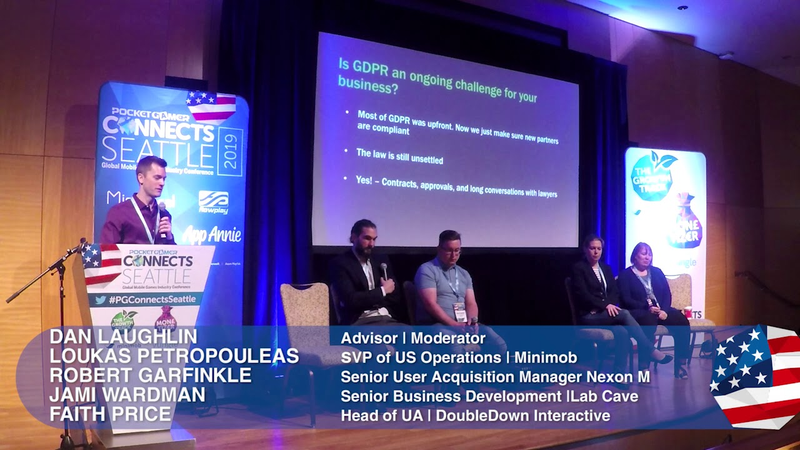
The games industry faces increasing competition and rising user acquisition costs, making brand partnerships a strategic avenue for developers to gain visibility and lower customer acquisition costs. This panel discussion, held at Pocket Gamer Connects Seattle 2019, explores the dynamics of working with intellectual property (IP) and brand licensing. The participants represent a cross-section of the industry, including major media conglomerates, independent studios, and marketing-focused entertainment firms, highlighting that successful collaborations require a deep alignment between game mechanics and the core fantasy of the brand.
Key findings indicate that the most effective partnerships occur when developers and brand owners share investment risks, such as co-funding prototypes. While traditional licensing models still exist, there is a shift toward more collaborative, long-term relationships where both parties are incentivized by the game’s success. Panelists emphasize that simply "reskinning" an existing game with a brand is rarely successful; instead, developers should identify brands that match their existing expertise and audience. Furthermore, the rise of live-service gaming necessitates that IP-based games function as an extension of the brand’s universe, providing continuous content and live events that resonate with the existing fan base.
The panel identifies several critical success factors for developers: conducting thorough research on the brand’s positioning, ensuring legal and music rights are cleared early in the development process, and maintaining open communication with show creators or brand managers. Celebrity-based games are noted as particularly challenging, as they often require the celebrity to be actively involved in promotion and engagement to succeed. Ultimately, the industry is moving toward a model where gaming is recognized as a primary pillar of entertainment, with successful gaming IPs increasingly being adapted into film and television, mirroring the traditional flow of IP from screen to game.













Comments