Investment reports and market data
Documents
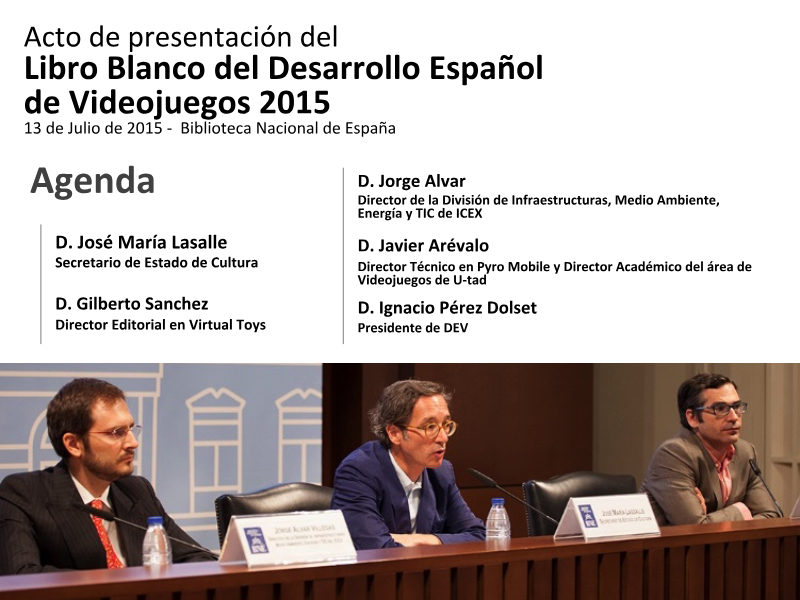
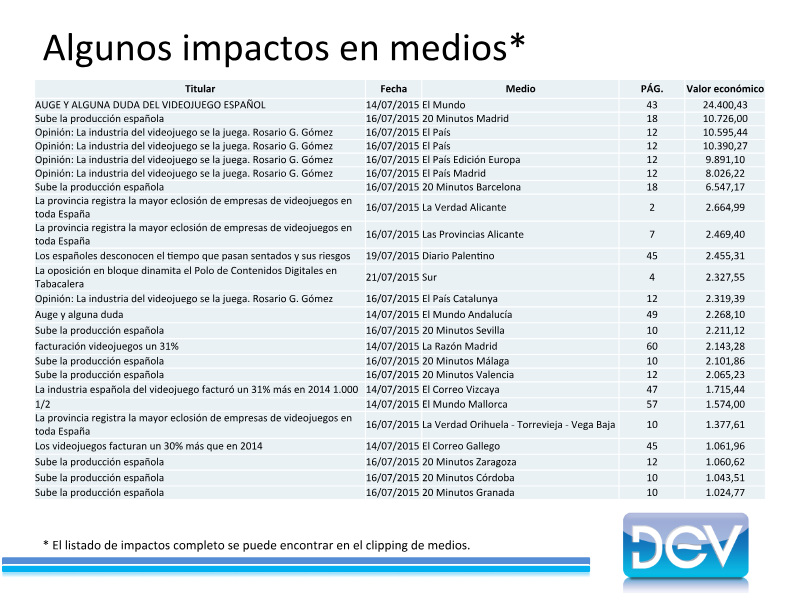
Libro Blanco del Desarrollo Español de Videojuegos 2015
The 2015 Libro Blanco del Desarrollo Español de Videojuegos serves as a comprehensive industry analysis detailing the economic performance and growth trajectory of the Spanish video game development sector.
- The Spanish video game industry reached a total turnover of 413 million euros in 2014, marking a 31% year-over-year increase.
- Market revenue is highly concentrated, with 50% of total industry turnover generated by only 5% of the companies.
- Employment within the sector grew by 28% in 2014 compared to the previous year.
Tencent buys Miniclip and Sega invests in Space Ape
The gaming industry in early 2015 is characterized by a surge in mergers and acquisitions, as highly profitable companies leverage their cash reserves to secure strategic assets.
- Tencent acquired a significant majority stake in Miniclip to leverage shared expertise in transitioning web-based portals to mobile free-to-play ecosystems.
- Sega Networks expanded its mobile footprint by acquiring Demiurge Studios and investing in Reignited Artists and London-based Space Ape Games to facilitate entry into the Japanese market.
- Playtech acquired YoYo Games for $16.4 million to integrate the Game Maker software into its gambling-focused business model.
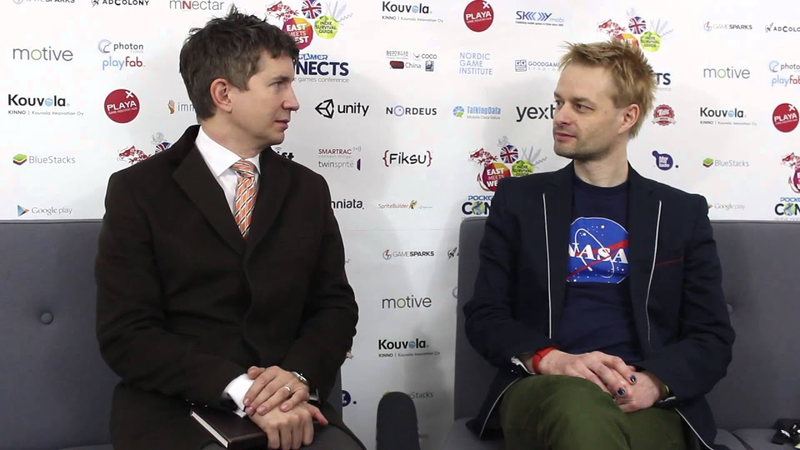
Ex-King Game Guru Tommy Palm on Stugan games accelerator
Stugan functions as a non-profit game accelerator designed to foster innovation within the global independent development community.
- Stugan is a non-profit game accelerator that hosts approximately 20 international developers for an all-expenses-paid summer residency in a remote Swedish forest.
- The program is funded entirely by private individuals from successful Swedish gaming companies, including King and DICE, to prioritize market-oriented growth over government-backed initiatives.
- The accelerator focuses on both the creation of new prototypes and the refinement of existing projects while helping developers build initial fan bases and community interest.

Clones, sequels and original IP, subsidising wearables, and will mobile games always rise?
The mobile gaming industry in late 2014 is characterized by a mature market where top-grossing charts remain static, dominated by established franchises and sequels.
- As of late 2014, the mobile gaming market has reached a state of maturity where top-grossing charts are dominated by established franchises and sequels, making it increasingly difficult for new original IP to gain traction.
- High-profile, well-funded titles like Vainglory have struggled to penetrate the top-grossing charts despite significant promotional support from major platform holders like Apple.
- Studios such as Space Ape have found success by focusing on iterative improvements to established genres, specifically through enhanced alliance mechanics and early adoption of the Android platform.

PG Connects London 2015, the power of Wither and bye-bye Keith
The mobile gaming industry in late 2014 is characterized by significant shifts in user acquisition strategies, data analytics, and monetization design.
- Facebook dominates mobile game user acquisition, accounting for approximately one-third of all industry spending on marketing.
- Major publishers are creating an inflationary cycle in user acquisition costs, where high-monetizing titles like King’s Candy Crush Soda Saga use aggressive spending to saturate channels and price out smaller developers.
- SimilarWeb has entered the mobile app analytics sector with $15 million in funding to provide developers with granular data on traffic sources, specifically distinguishing between organic, viral, and paid acquisition.

Game Developer Index 2014: Sweden
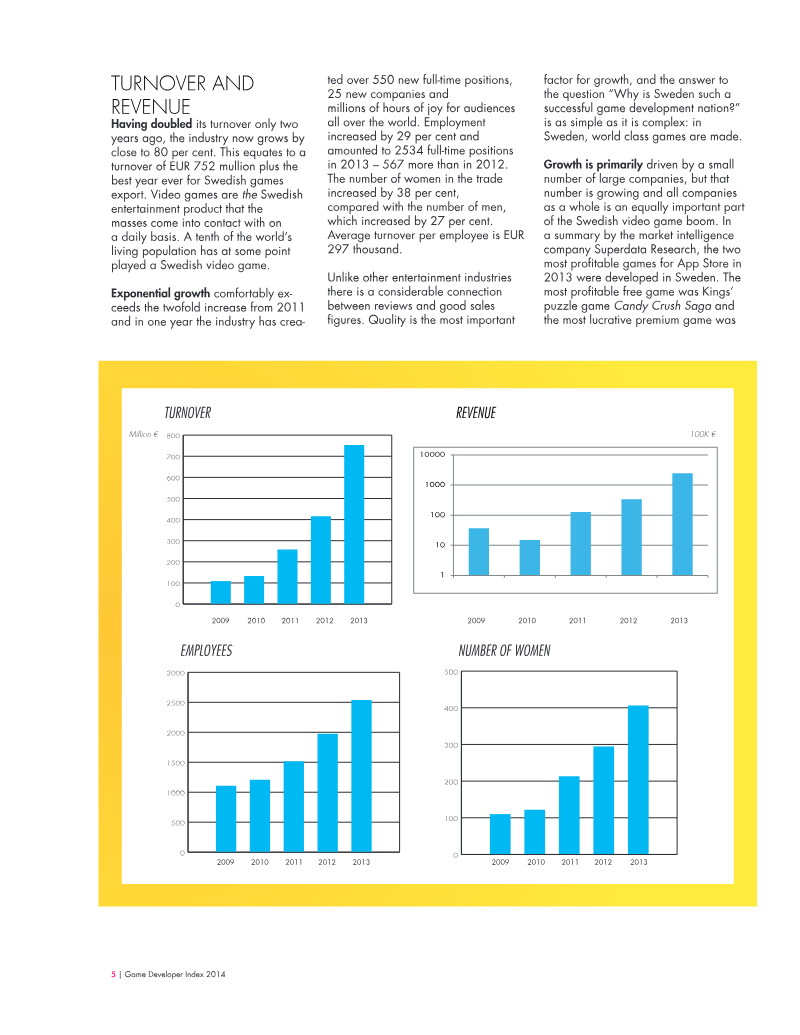
The Swedish gaming industry demonstrated exceptional vitality during the 2013–2014 period, cementing its status as a global powerhouse through rapid revenue expansion and significant job creation.
- The Swedish gaming industry experienced rapid growth between 2013 and 2014, with total revenues surging 76 percent to reach EUR 752 million.
- Industry expansion was driven by a 29 percent increase in full-time employment and a 17 percent rise in the number of active companies, anchored by the international success of King, Mojang, and DICE.
- Swedish firms are increasingly adopting self-publishing and digital-first business models to capture global market share via mobile and digital distribution platforms.
Can crowdfunding move from rewards to an equity basis?
Crowdfunding serves as a significant capital-raising mechanism for the video game industry, though its utility varies based on the model employed.
- While video games represent only 8% of total projects on reward-based platforms like Kickstarter, they account for 50% of all campaigns that successfully raise over $1 million.
- Reward-based crowdfunding has a 35.6% success rate, with 72% of game campaigns failing to raise more than $10,000.
- Developers must treat reward-based funding as a business obligation rather than 'free money' due to significant operational costs and tax liabilities.
Opportunities and challenges when raising money for making games
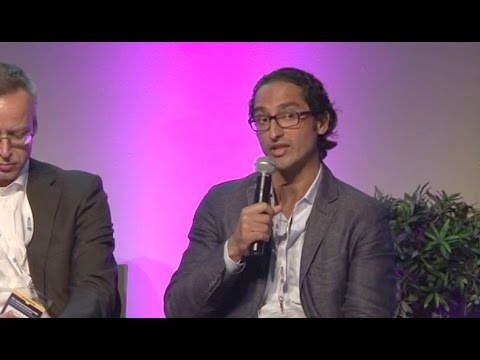
The gaming industry is undergoing a fundamental shift in its financial architecture, moving away from traditional hit-driven development toward metrics-based, scalable business models.
- Investment criteria have shifted from hit-driven development toward studios that demonstrate operational maturity, deep user acquisition expertise, and advanced analytical capabilities.
- Institutional investors and venture capitalists now prioritize teams with proven track records capable of sustaining long-term player engagement over the success of individual titles.
- Studios are increasingly adopting flexible financial structures, such as project-specific revenue sharing, to attract capital while retaining long-term equity.
Jussi Kasurinen on the synergies between universities and game start-ups
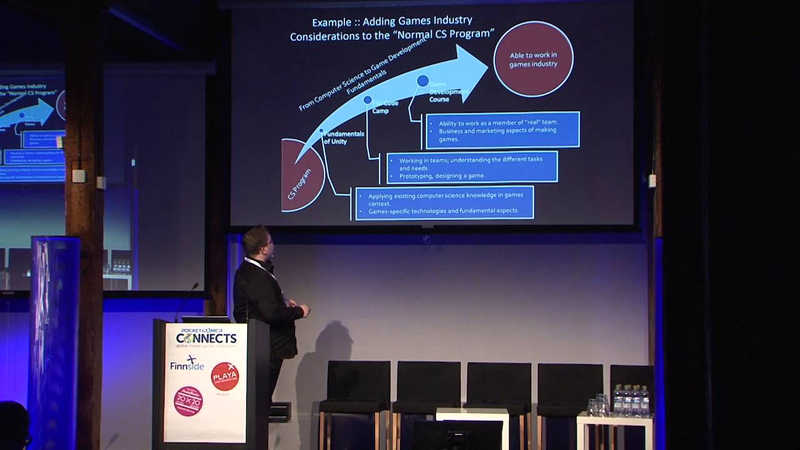
The integration of regional universities into local game industry clusters serves as a vital catalyst for startup growth, particularly in regions facing economic downturns.
- Regional universities can act as vital economic hubs by providing early-stage game startups with essential infrastructure, including office space, specialized software licenses, and equipment.
- A three-year, 200,000-euro project in the Lappeenranta region successfully launched five new game companies and created 50 sustainable jobs by prioritizing direct industry support over traditional academic research cycles.
- Universities can bridge the resource gap for startups by funding 'game business hatcheries' that lower the barrier to entry for new developers.

Cursor's Jan Storgards on creating a passionate community of start-ups
The Playa program serves as a pivotal initiative for fostering a robust ecosystem of game developers and entrepreneurs in Finland.
- The Playa program has accelerated over 50 startups and supported hundreds of individual projects within the Finnish gaming sector over a two-year period.
- The program operates on a three-pillar framework consisting of 'heart' (passion), 'mind' (technical and business training), and 'body' (physical infrastructure and health).
- A core objective of the initiative is to bridge the gap between creative passion and professional business acumen to prepare developers for the global market.
Using statistical analysis to predict the success of F2P games
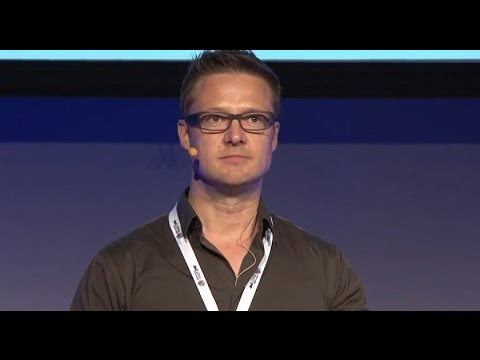
The mobile gaming industry faces a significant challenge in balancing creative development with commercial viability, particularly as the market shifts toward free-to-play (F2P) models.
- Predictive modeling using a 'Game Power Score' shows a strong correlation with market success, as over 80% of titles scoring 85 or higher have reached the top 100 U.S. top-grossing charts.
- Statistical analysis allows developers to evaluate commercial viability during the concept and development phases, reducing reliance on subjective team reputation and soft-launch performance metrics.
- The scoring methodology identifies specific design weaknesses, such as ineffective progression or re-engagement loops, and enables scenario simulations to test how adjustments impact projected performance.

How 200 Finnish game developers generated $1.2 billion in 2013
The Finnish game industry experienced a period of rapid expansion between 2011 and 2014, characterized by high efficiency and significant financial growth.
- In 2013, the Finnish game industry generated €900 million in direct game sales, representing a 260 percent year-over-year increase.
- The total economic impact of the sector, including merchandising and M&A activity, reached €2.2 billion in 2013.
- Between 2011 and 2014, the industry secured $1.8 billion in total investment, fueling growth for both startups and established studios.