Investment reports and market data
Documents
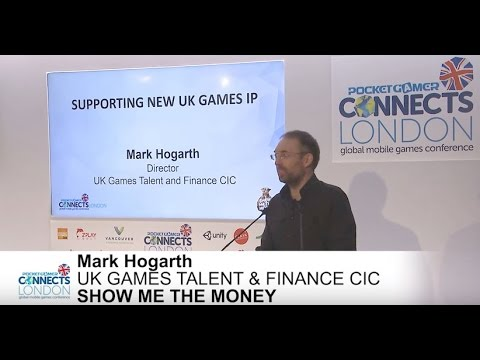
UK Games Talent & Finance CIC's Mark Hogart on supporting new UK games IP
The UK Games Fund, operated by the UK Games Talent & Finance CIC, serves as a government-backed intervention designed to stimulate the creation of original intellectual property within the UK games industry.
- The UK Games Fund provides early-stage grant funding of up to £25,000 for prototype development, with future plans to introduce a £50,000 tier for advanced projects.
- To be eligible for funding, applicants must be UK-based, own the intellectual property being developed, and focus spending on UK labor and employment costs.
- The program operates on a reimbursement basis, requiring recipients to possess sufficient working capital to cover initial project costs before claiming grant funds.
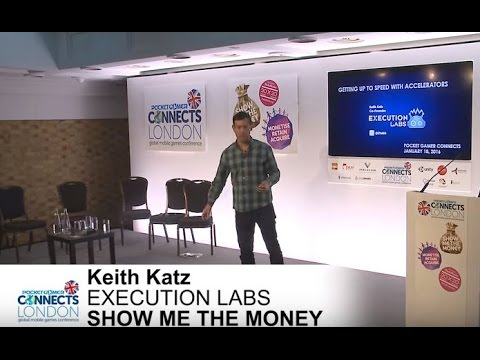
Execution Labs' Keith Katz on the value of game accelerators
Game accelerators serve as vital catalysts for early-stage studios, providing structured environments to scale businesses rapidly through cohort-based programs.
- Game accelerators provide intensive, cohort-based mentorship and networking, distinguishing themselves from incubators through shorter timelines and a focus on rapid business scaling.
- Studios should prioritize accelerators that provide direct financial investment in exchange for equity, as this aligns the program's incentives with the studio’s success.
- Generalist tech accelerators should be avoided in favor of gaming-specific programs that offer relevant alumni networks, industry-specific mentorship, and direct access to platform holders and publishers.
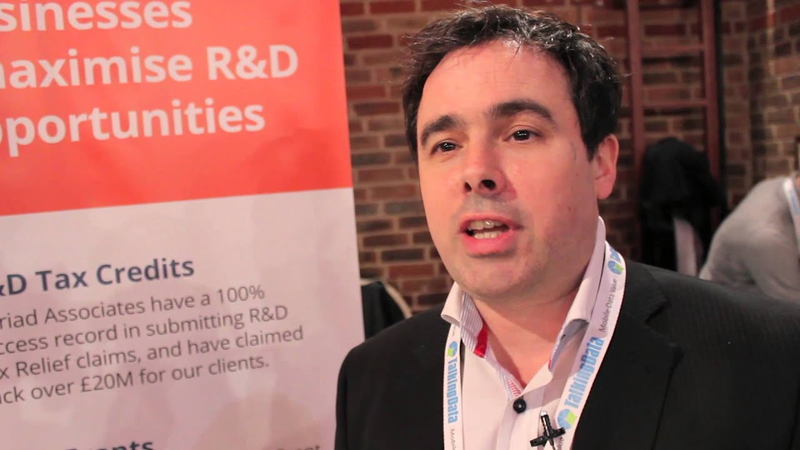
Myriad Associates' Barrie Dowsett on UK R&D tax credits
The United Kingdom offers significant financial support for game developers through R&D tax credits and the Video Games Tax Relief (VGTR) program.
- The UK government provides a 20 percent subsidy toward game production costs through R&D tax credits and the Video Games Tax Relief (VGTR) program.
- Tax relief is claimed retrospectively, meaning developers must secure private investment to fund the initial development cycle before accessing government subsidies.
- Independent developers often struggle with the administrative complexity of navigating requirements between the British Film Institute and HM Revenue and Customs.
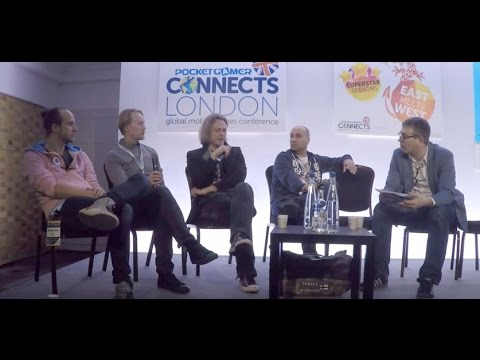
Is Helsinki still a great location to set up a games company?
Helsinki maintains its status as a premier global hub for game development, driven primarily by an unparalleled concentration of high-level technical and creative talent.
- Helsinki remains a premier global hub for game development, primarily due to an unmatched concentration of high-level technical and creative talent.
- The Finnish ecosystem provides a sustainable competitive advantage through deep professional expertise that is difficult for other international markets to replicate.
- The region's industry infrastructure is built on a proven track record of success, significantly influenced by the global impact of companies like Supercell.

Is Supercell's success good or bad for the Finnish game industry?
The rise of Supercell has served as a primary catalyst for the Finnish mobile gaming industry, acting as a source of inspiration rather than a disruptive economic force.
- Supercell’s lean organizational model has prevented labor market overheating and wage hyper-inflation, allowing small-scale independent studios to remain economically viable.
- The success of major firms like Supercell has established Finland as a premier global hub for mobile game development, significantly improving the local investment climate and access to capital.
- The Finnish gaming industry maintains a sustainable ecosystem where global leaders and independent developers coexist, rather than the former displacing the latter.
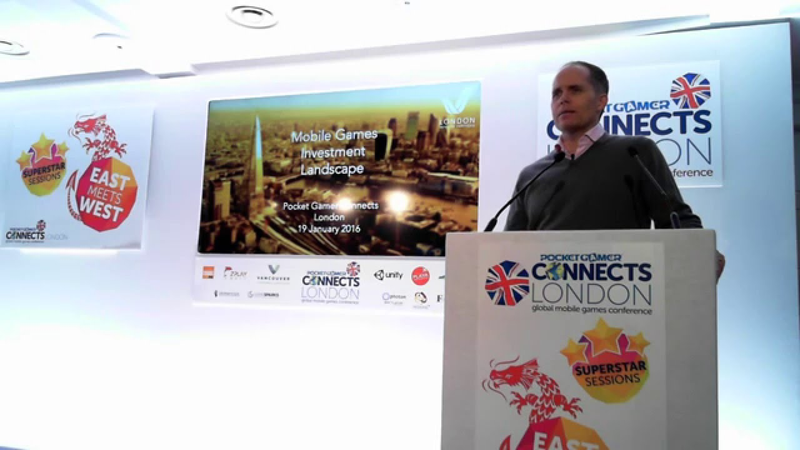
LVP's Paul Heydon on investment, eSports, mobile MOBAs, and Europe's advantage
The mobile gaming investment landscape in 2016 is characterized by rapid growth, with mobile emerging as the fastest-expanding sector within the broader gaming industry.
- Europe is a net exporter of mobile gaming revenue, leveraging lower overhead costs and competitive salary structures compared to Silicon Valley to achieve superior capital efficiency and higher returns on investment.
- The mobile gaming sector is the fastest-expanding segment of the industry, driven by the successful monetization of mobile MOBAs like Clash Royale and the emergence of professional mobile eSports leagues for titles such as Vainglory.
- High-profile acquisitions, including the deals for Supercell and Activision-King, have validated the sector's profitability and are expected to fuel further reinvestment into game development.

Dossier de Prensa AEVI 2016
AEVI was founded in 2014 to unify Spain’s video-game ecosystem and to position the sector as a leading technological and cultural industry.
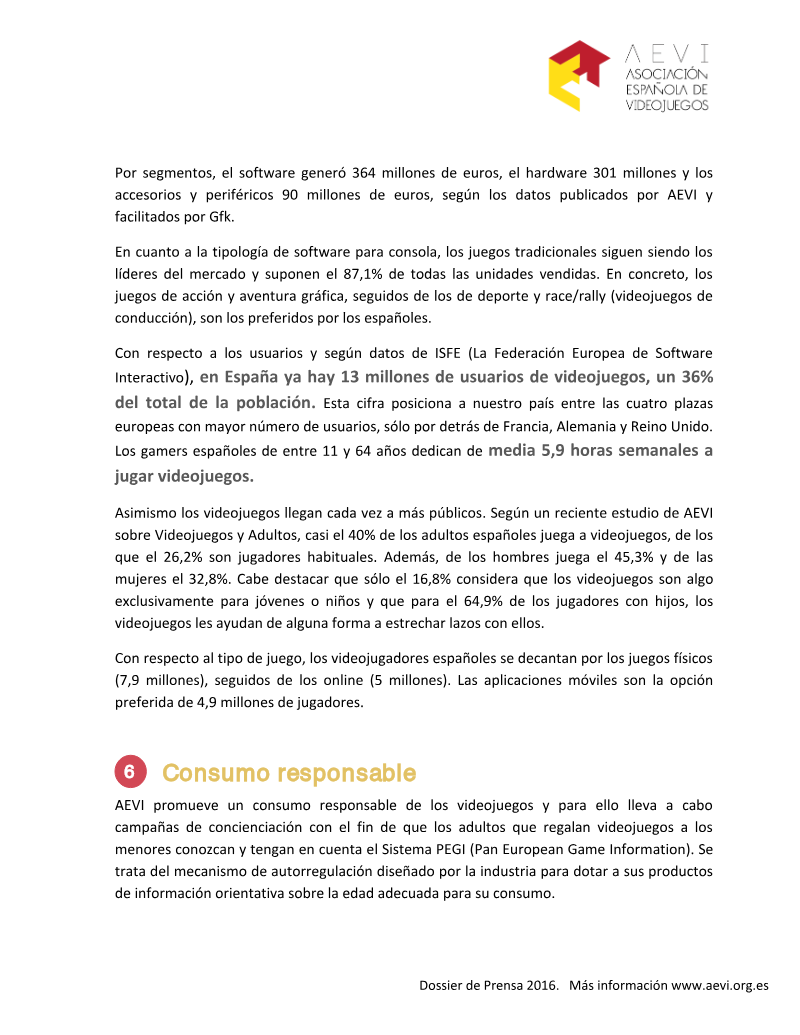
- The Spanish video-game market generated €996 million in 2014, marking a 6.8% year-over-year growth and establishing Spain as one of the four largest markets in Europe.
- Piracy remains a significant economic challenge, with 240 million illegal downloads and 2 million physical infringements causing an estimated €226 million in lost revenue in 2014.
- The sector served 13 million users in 2014, representing 36% of the population, with players aged 11–64 averaging 5.9 hours of gaming per week.
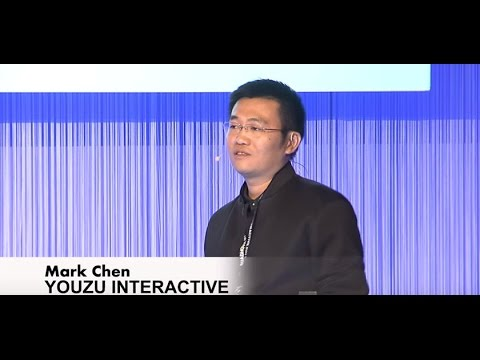
With a $330M fund, Youzu is going global
Youzu Interactive is positioning itself as a strategic gateway for Western developers seeking to penetrate the complex Chinese gaming market.
- Youzu Interactive has launched a $330 million investment fund to provide capital, R&D support, and distribution to foreign developers seeking entry into the Chinese market.
- The company serves as a strategic gateway to China’s fragmented Android ecosystem, which requires navigating over 60 distinct distribution channels and various social platforms in the absence of Google Play.
- Youzu’s operational model focuses on data-driven localization, exemplified by the title 'Three Kingdoms,' which generated over $100 million in revenue within its first 20 days.

Biz Daily: Vivendi's move on Gameloft and Ubisoft
Vivendi, a prominent French media conglomerate, has initiated a significant strategic investment by acquiring approximately 6.6 percent stakes in both Ubisoft and Gameloft for a combined total of 160 million euros.
- Vivendi has acquired approximately 6.6 percent stakes in both Ubisoft and Gameloft for a combined investment of 160 million euros.
- The Guillemot family, founders of both companies, holds 15 to 20 percent of the shares, creating a significant barrier to any potential hostile takeover.
- The industrial logic for a merger centers on combining Ubisoft’s dominant PC and console intellectual property with Gameloft’s mobile gaming expertise.

Biz Daily: Why iDreamSky invested $10M into Rumble
The Chinese mobile publisher iDreamSky has expanded its global footprint through a 10 million dollar investment in the United States-based developer Rumble Entertainment.
- iDreamSky has invested $10 million for a majority stake in U.S.-based developer Rumble Entertainment to expand its global footprint beyond the Chinese Android market.
- The investment grants iDreamSky exclusive rights to publish Rumble’s titles within China, securing a pipeline of high-fidelity Western content for a market that demands premium graphical quality.
- Rumble Entertainment, which has previously raised over $30 million in seed and Series A funding, required the $10 million infusion to provide the marketing liquidity necessary to scale its current soft-launch projects.
10 Years of Funding and Networks: The Finnish Game Industry 2004-2014
The Finnish game industry experienced exponential growth between 2004 and 2014, evolving from a niche sector into a cornerstone of the national economy.
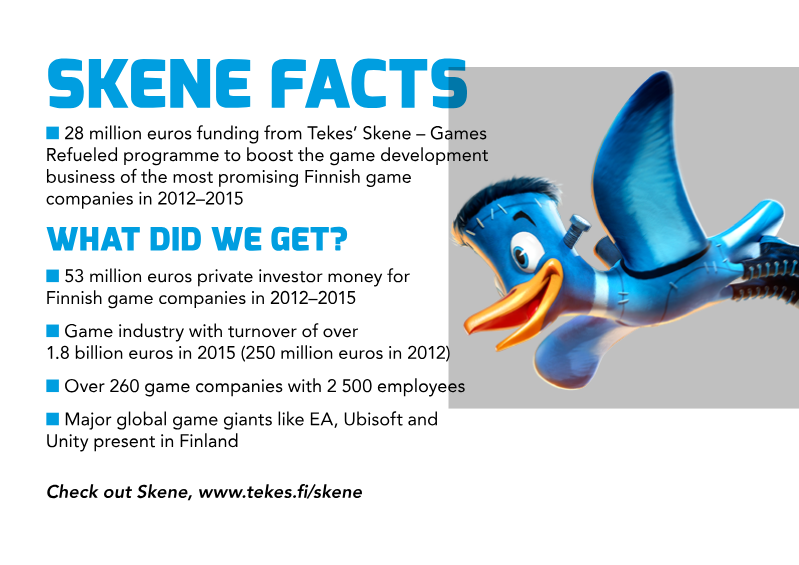
- The Finnish game industry’s annual turnover grew from 40 million euros in 2004 to 1.8 billion euros by 2014, accounting for nearly 20 percent of the nation's total ICT sector turnover.
- Industry employment expanded from 600 to 2,500 workers over the decade, demonstrating the high-productivity potential of an intellectual property-focused, born-global business model.
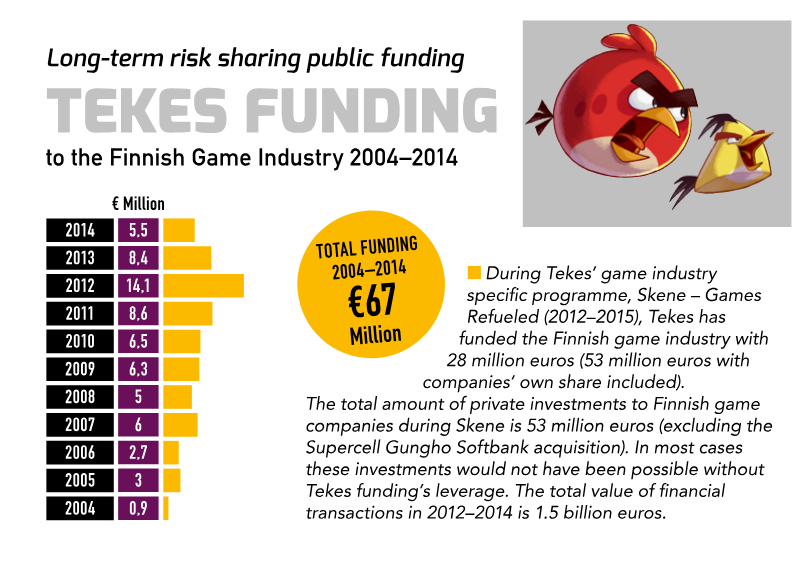
- Public funding through the Tekes Skene program provided 67 million euros in total support between 2004 and 2014, with 28 million euros specifically allocated between 2012 and 2015.

Biz Daily: Why Vainglory dev Super Evil raised $26 million
Super Evil Megacorp has secured $26 million in new funding to pivot its mobile MOBA, Vainglory, toward an eSports-centric business model.
- Super Evil Megacorp raised $26 million to pivot its mobile MOBA, Vainglory, toward an eSports-centric business model.
- The company is prioritizing long-term ecosystem growth and user acquisition over immediate monetization to establish a spectator-driven experience similar to League of Legends.
- The strategy focuses on the Asian market, specifically South Korea and China, to leverage established eSports cultures.