1 free read left. Create a free account for unlimited reading + AI research.
Create free accountReport Neogames Finland
1 free read left. Create a free account for unlimited reading + AI research.
Create free accountReportNeogames Finland
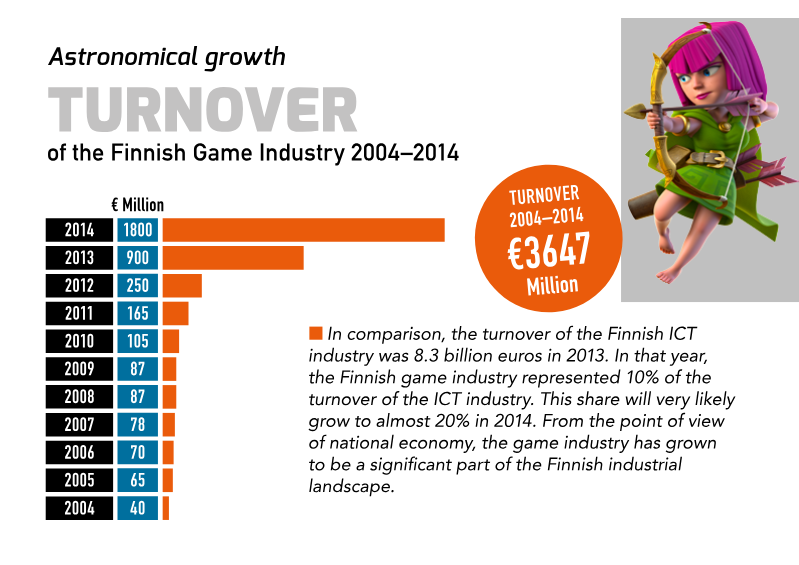
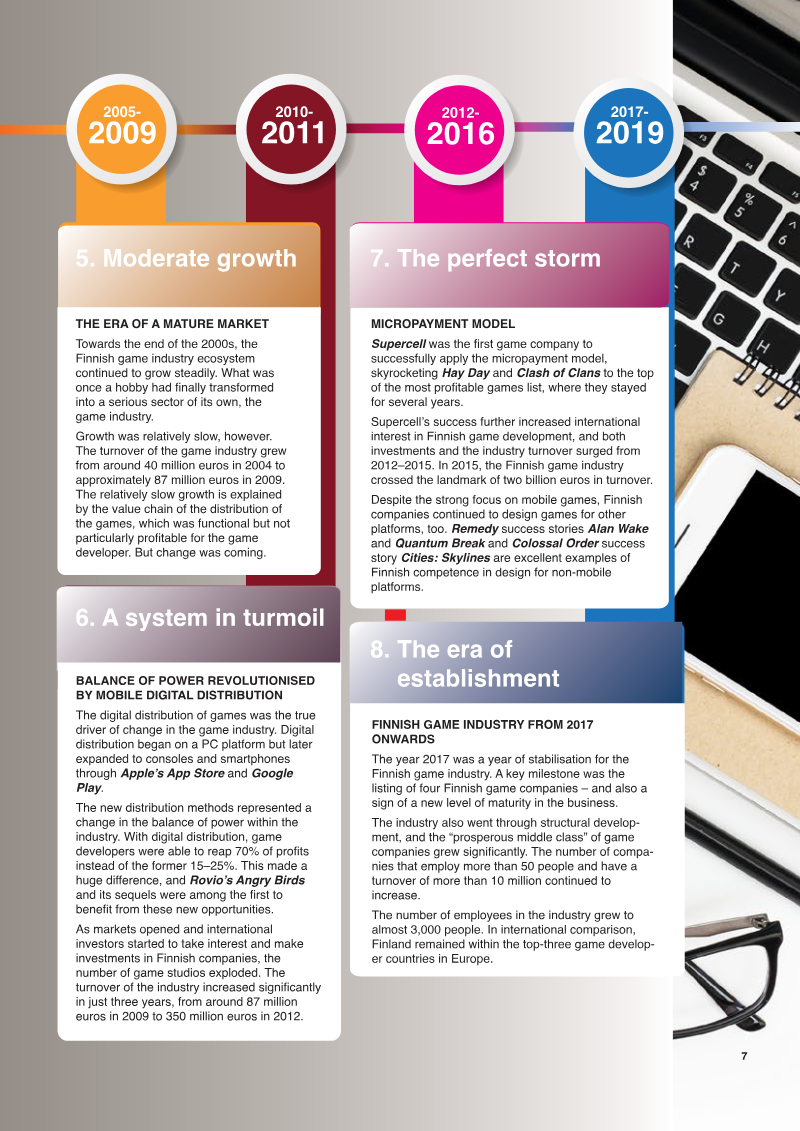
Turnover increased from 40 million euros in 2004 to 1.8 billion euros by 2014. This accounted for nearly 20 percent of Finland's total ICT sector turnover.
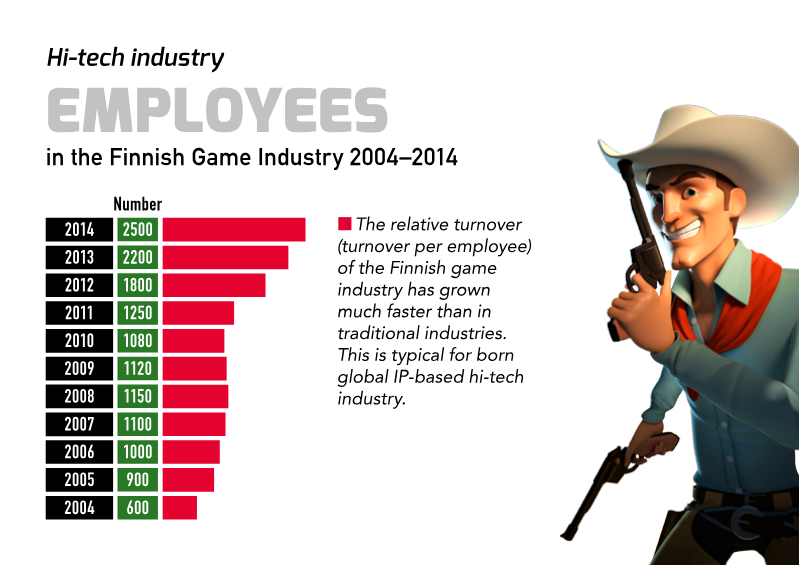
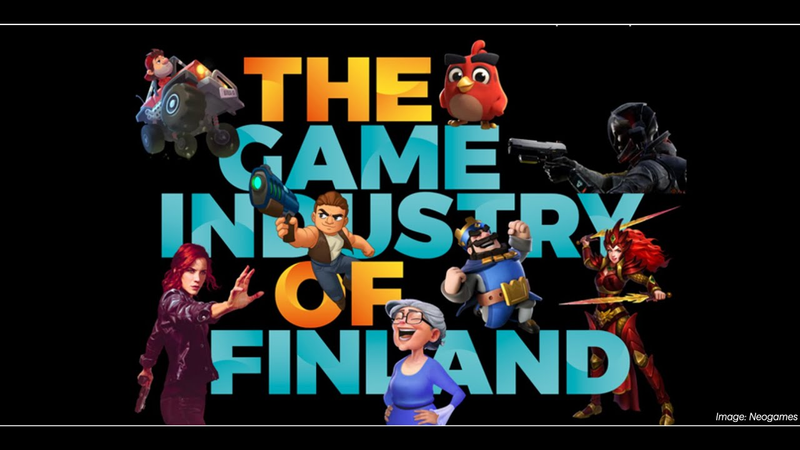
The Finnish game industry experienced exponential growth between 2004 and 2014, evolving from a niche sector into a cornerstone of the national economy. Industry turnover surged from 40 million euros in 2004 to 1.8 billion euros by 2014, representing nearly 20 percent of the total Finnish information and communications technology sector turnover. This expansion was accompanied by a significant increase in the workforce, which grew from 600 to 2,500 employees over the same decade, reflecting the high-productivity nature of an intellectual property-based, born-global industry.
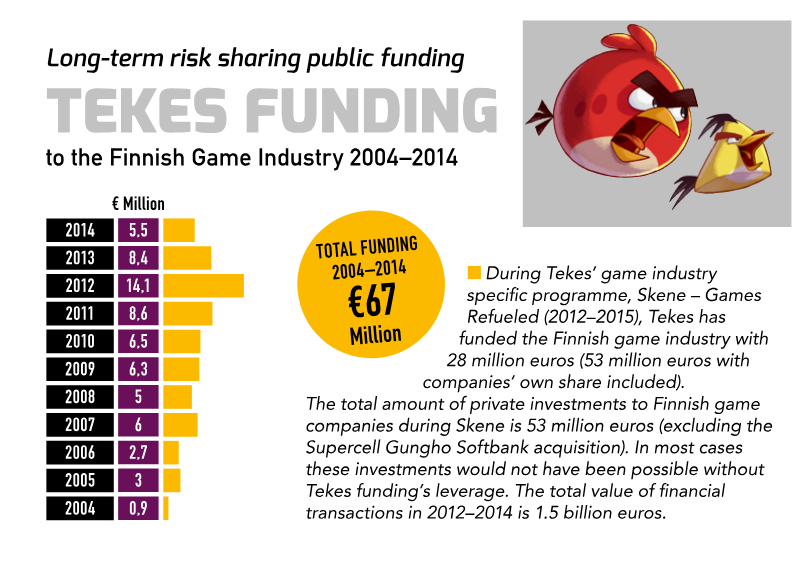
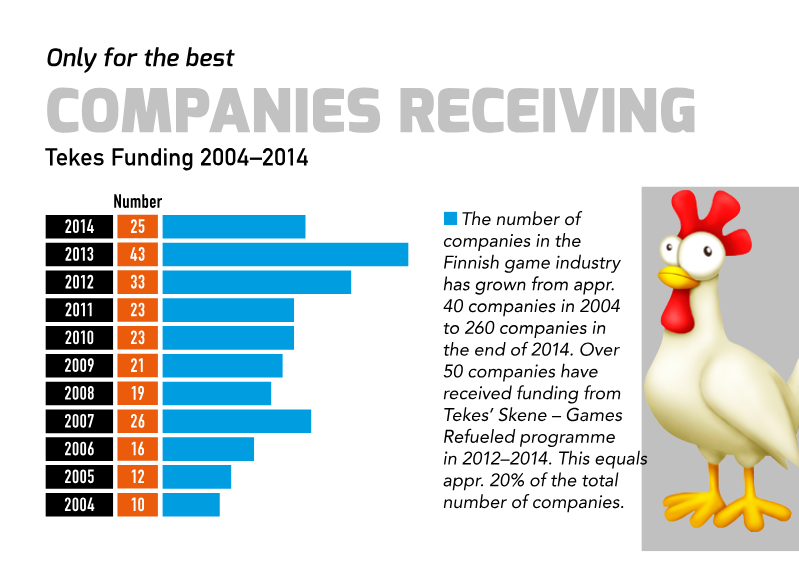
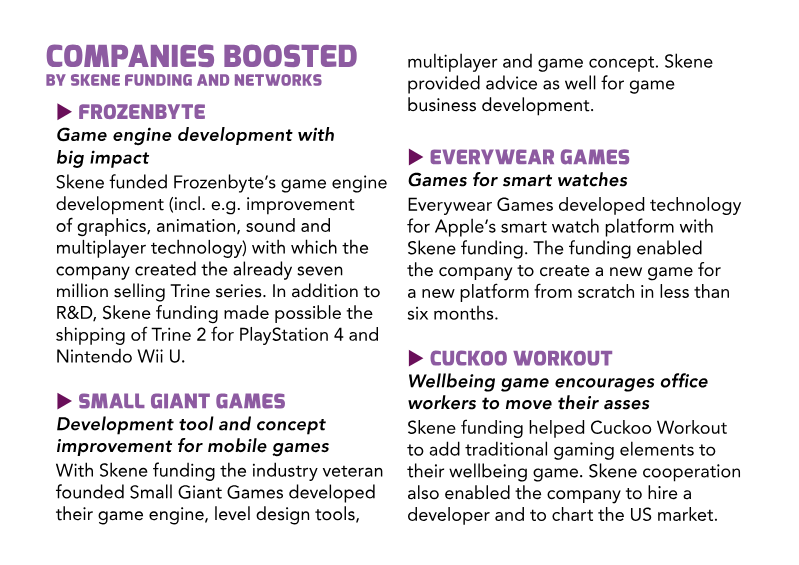
Public funding played a critical role in this trajectory, particularly through the Tekes Skene program. Between 2004 and 2014, the government provided 67 million euros in support, with 28 million euros specifically allocated to the Skene initiative between 2012 and 2015. This public investment acted as a catalyst for private capital, generating 53 million euros in private investment during the Skene period alone. While the relative share of public funding as a percentage of total industry turnover declined as the sector matured, the program successfully targeted high-potential companies, supporting approximately 20 percent of the 260 active firms by the end of 2014.
The primary objective of these interventions was to de-risk research and development, enabling companies to build proprietary game engines, explore emerging platforms like virtual reality and smartwatches, and expand into international markets. By providing both financial resources and strategic networking opportunities, the initiative helped firms secure partnerships and develop the technical infrastructure necessary to compete globally. The presence of major international gaming corporations in Finland further underscores the success of this ecosystem in fostering a sustainable, high-growth industrial landscape.
Neogames Finland · 2026
Neogames Finland · 2025
Neogames Finland · 2024
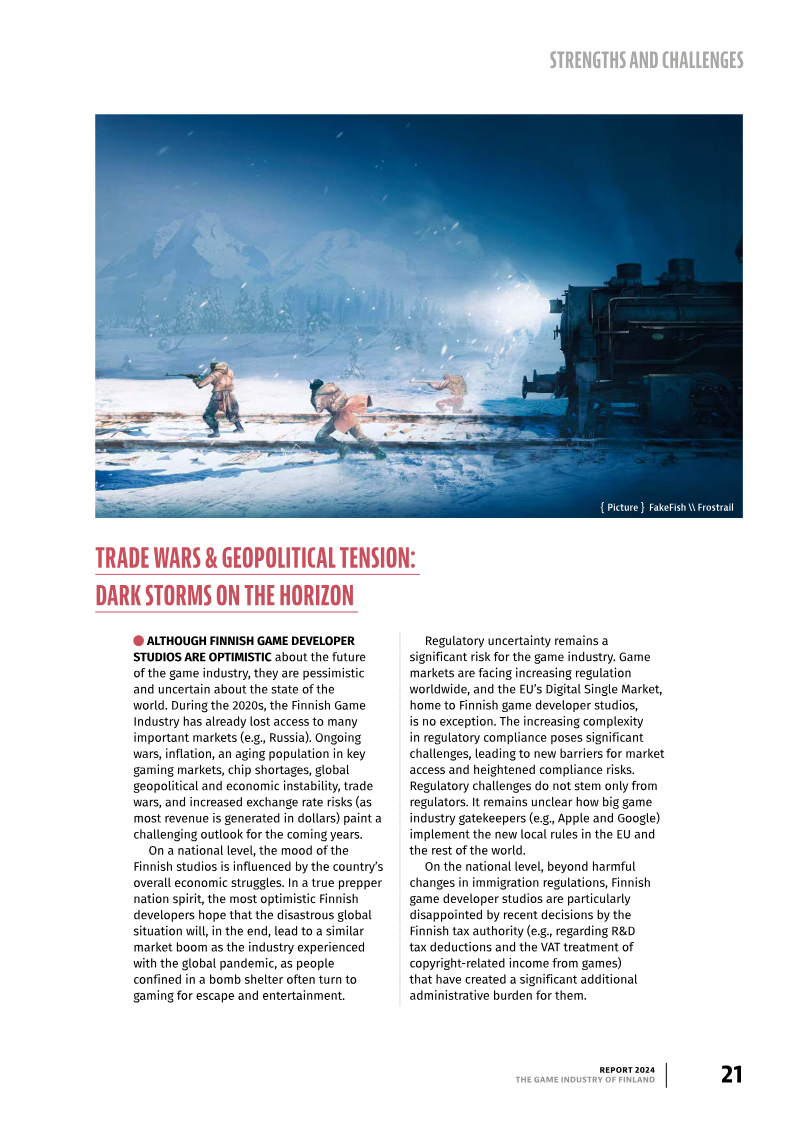
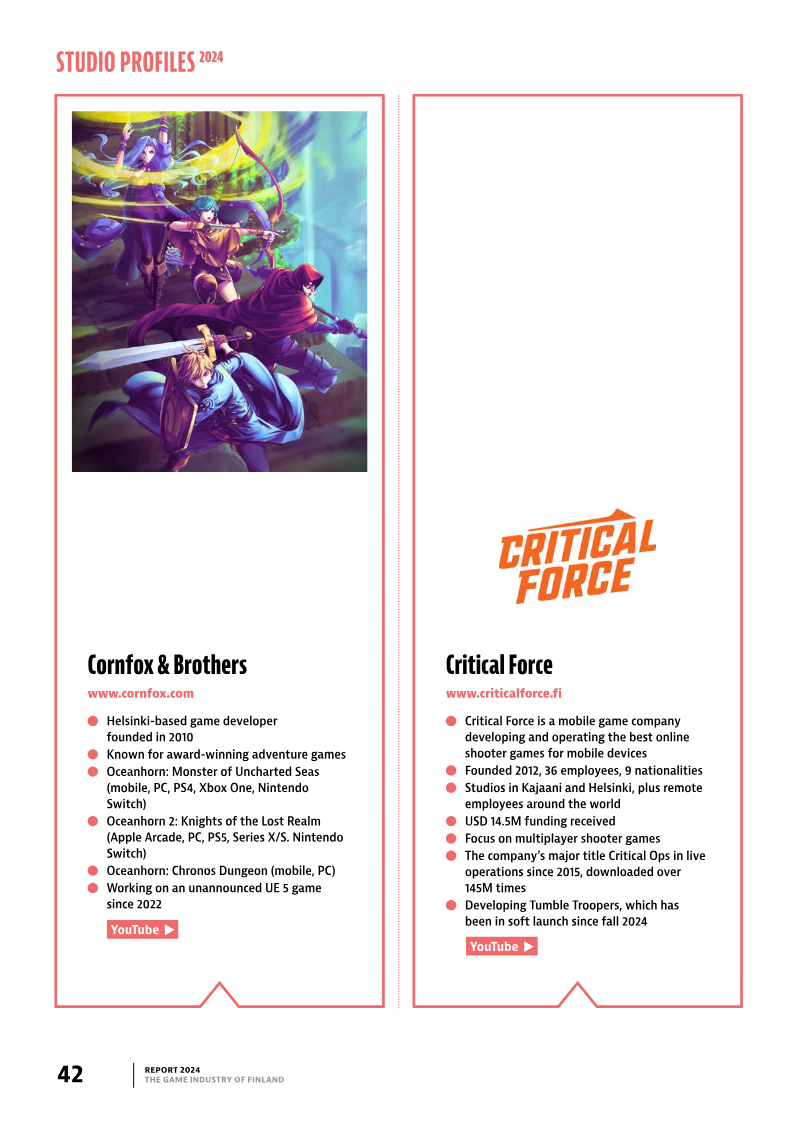
Neogames Finland · 2024
Neogames Finland · 2022
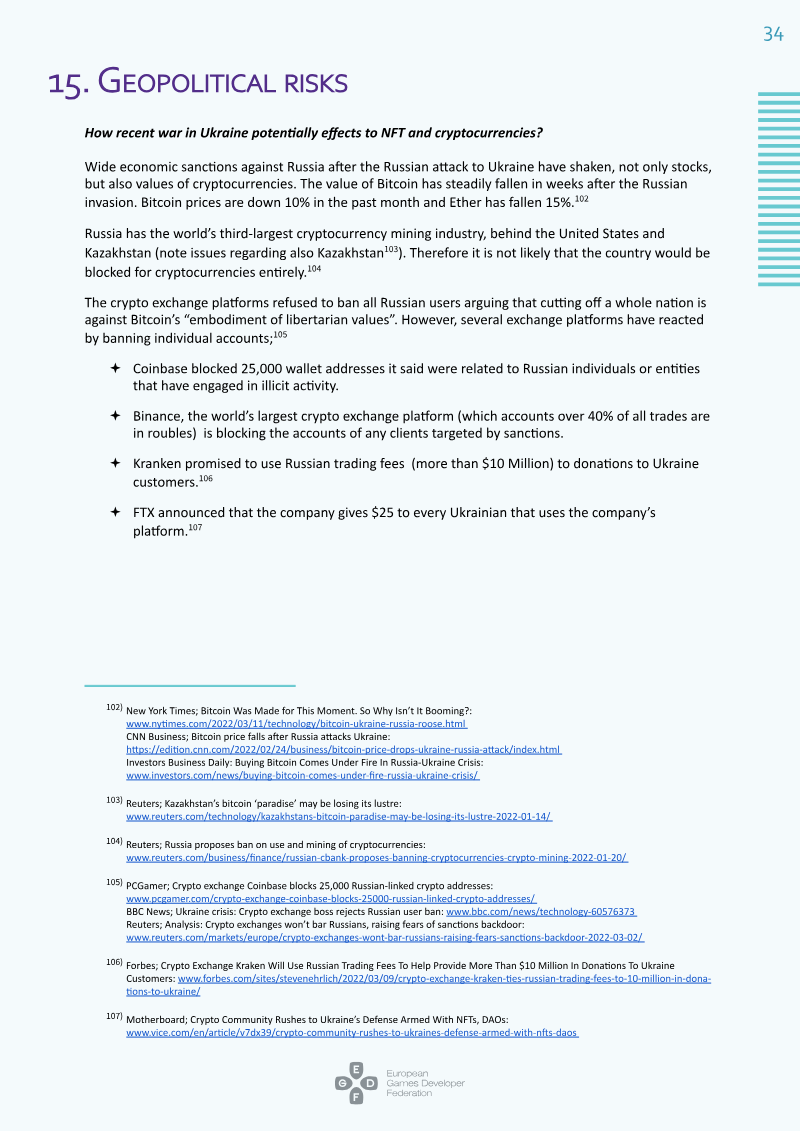
Neogames Finland · 2022
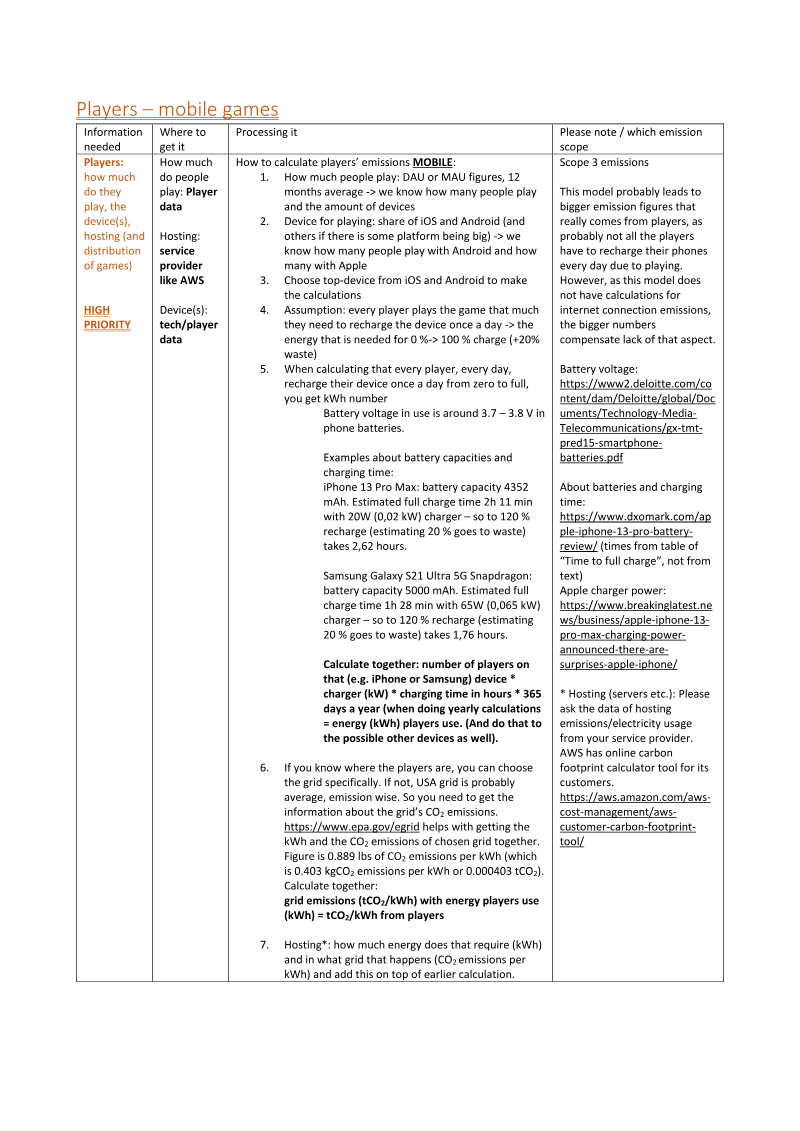
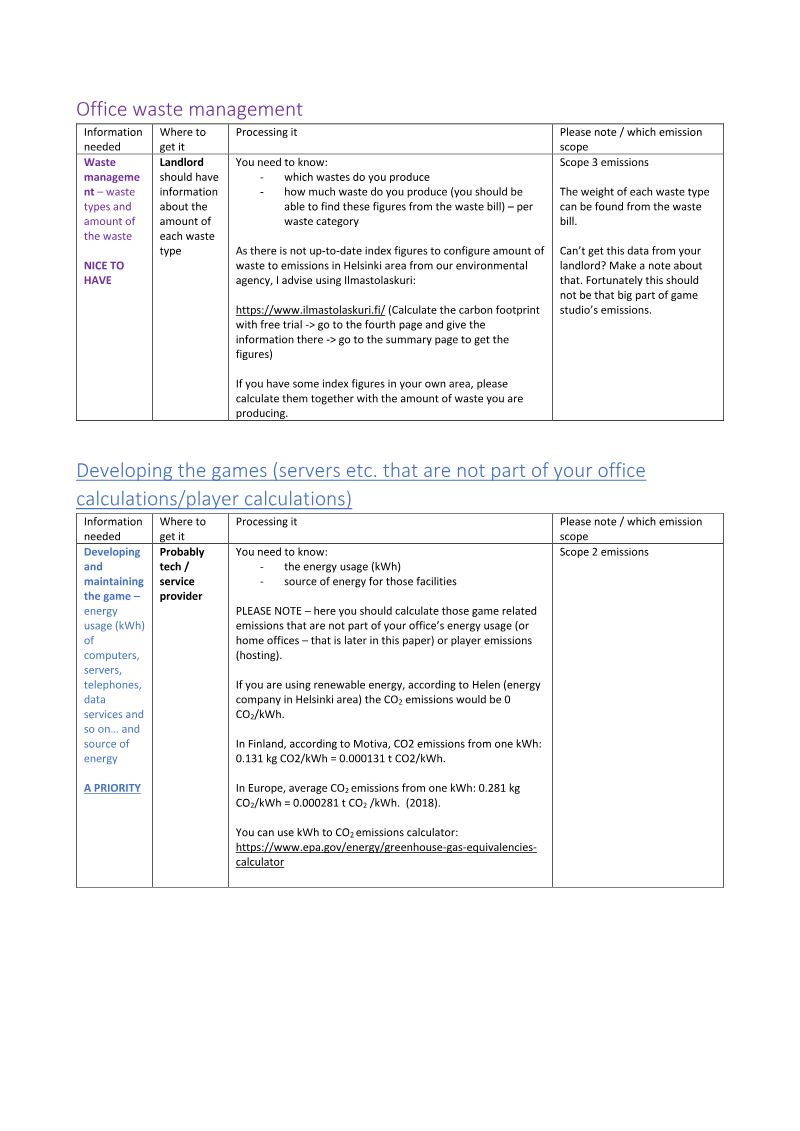
Neogames Finland · 2022

Neogames Finland · 2021
Neogames Finland · 2020

Neogames Finland · 2019
Neogames Finland · 2019
Neogames Finland ry · 2019