Global reports and market data
Documents

An Analysis of Download Sources on Apple's App Store 2021
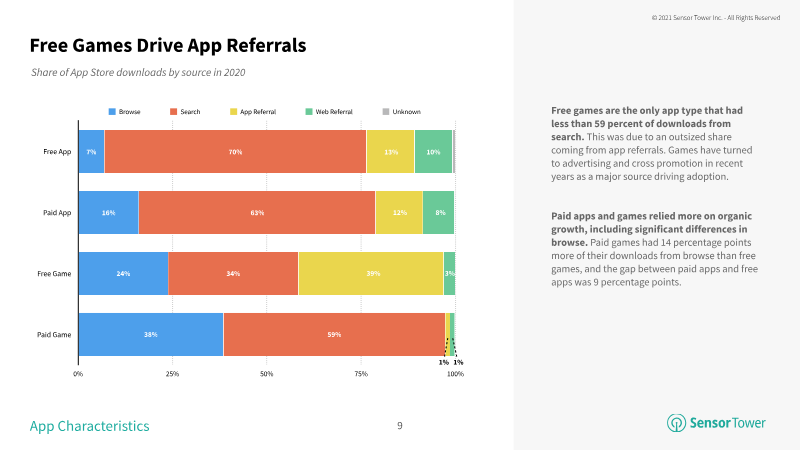
This analysis examines the primary drivers of first-time app downloads on the Apple App Store between 2018 and 2020.
- Search is the primary discovery mechanism for the App Store, accounting for 59% of all first-time downloads in 2020.
- Non-game applications rely heavily on search for user acquisition, with 70% of their total downloads originating from this channel.
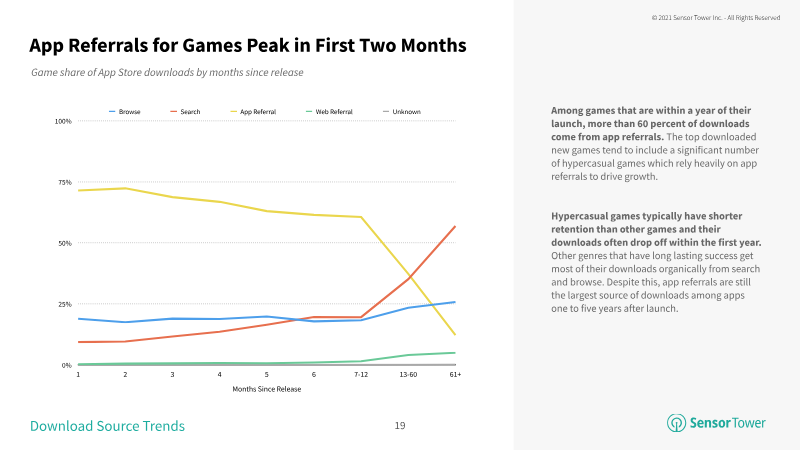
- App referrals for games grew from 26% in 2018 to 38% in 2020, driven largely by the hypercasual genre's reliance on cross-promotion.


Live-Streaming Trends Report: Q1 2026
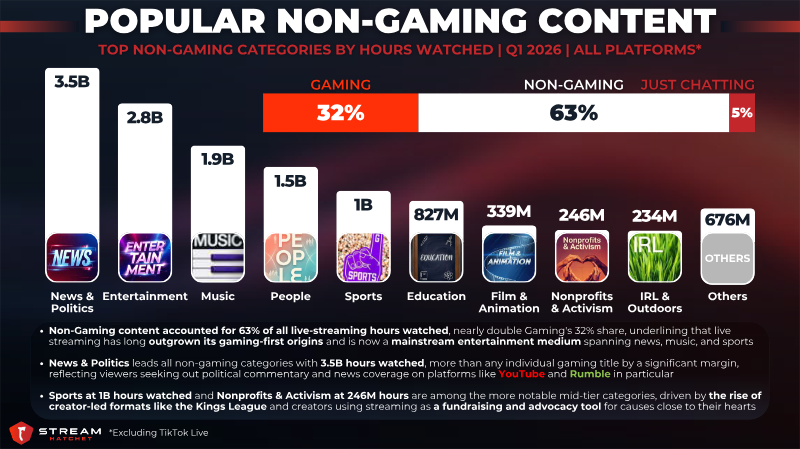
Live-streaming has solidified its position as a primary pillar of global entertainment, reaching a total of 17 billion hours watched during the first quarter of 2026.
- Live-streaming reached 17 billion hours watched in Q1 2026, with TikTok Live accounting for nearly 50% of total volume.
- Non-gaming content now dominates the ecosystem, representing 63% of total viewership with News and Politics as the leading category.
- Gaming engagement is shifting away from traditional esports structures toward mobile-friendly, community-centric, and creator-led events.

The Video Game Industry: A Resource for Organizers
The global video game industry has evolved into a massive economic powerhouse, with market valuations projected to reach $435 billion by 2028.
- The global video game industry is projected to reach a market valuation of $435 billion by 2028, supported by a workforce of over 330,000 employees.
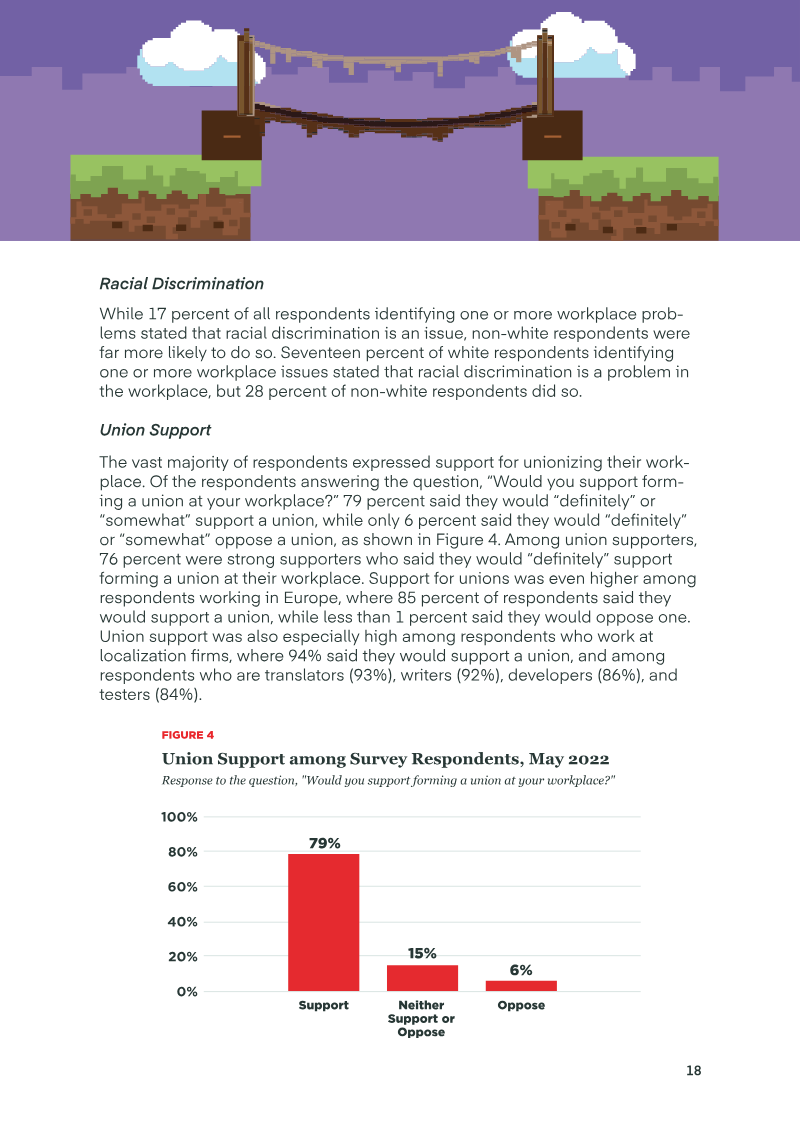
- Nearly 80 percent of surveyed industry employees support unionization as a response to systemic labor instability and workplace grievances.
- Market consolidation, driven by aggressive mergers and acquisitions by major corporations like Tencent, has reduced worker bargaining power and increased employment precariousness.
Power of Play: 2025 Global Video Games Report
Video games have evolved into a fundamental cultural and societal pillar, serving as a primary medium for entertainment, mental well-being, and professional development.
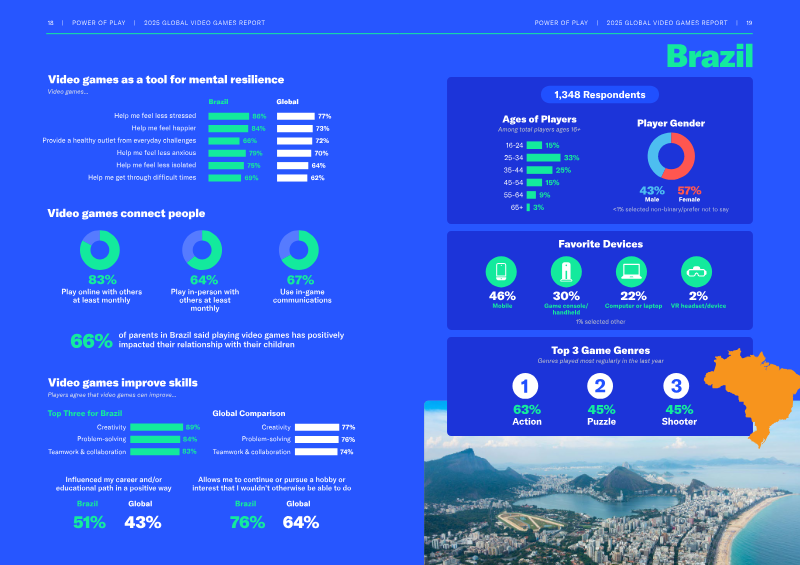
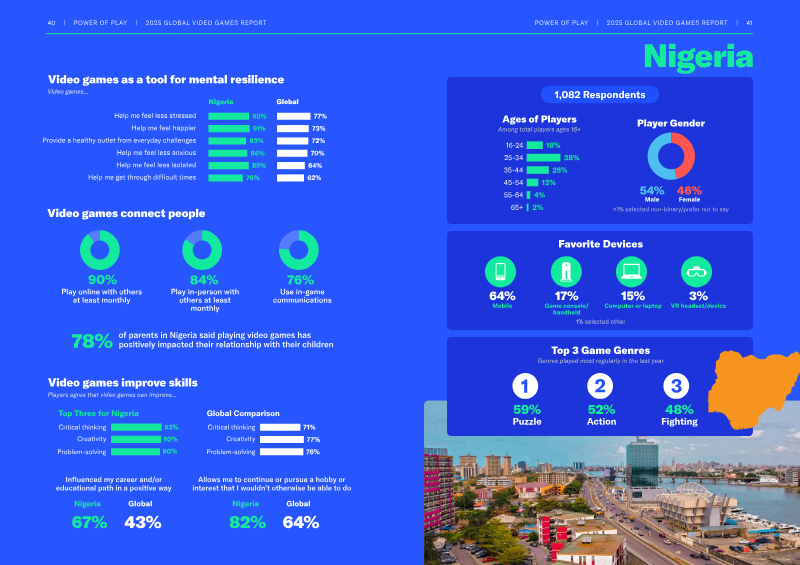
- Video games are now a primary tool for mental health, with a majority of 24,000 surveyed gamers across 21 countries reporting that gaming effectively mitigates anxiety and isolation.
- Gaming is a catalyst for cognitive development, with players demonstrating measurable improvements in creative thinking, complex problem-solving, and collaborative teamwork.
- High-stakes industries including medicine, aviation, and retail are increasingly adopting simulation-based training and augmented reality to improve decision-making and technical precision.
The Investigation of Pandemic Impact on Global Gaming Market
The COVID-19 pandemic served as a significant catalyst for change within the global gaming industry, driving increased user engagement and revenue while simultaneously exposing regional vulnerabilities and structural weaknesses.
- The Chinese gaming market experienced an initial 25% revenue surge in early 2020, but subsequent regulatory constraints on ISBN licensing triggered industry consolidation and the closure of numerous small-to-medium-sized studios.
- Major U.S. gaming and hardware firms saw positive cumulative average abnormal returns of 7.66% during the pandemic, driven by increased demand from stay-at-home mandates.
- The Japanese gaming market bucked the global growth trend, suffering a statistically significant decline in stock prices, particularly within the mobile gaming sector.
Gaming's Renaissance: From Ancient Origins to Digital Domination
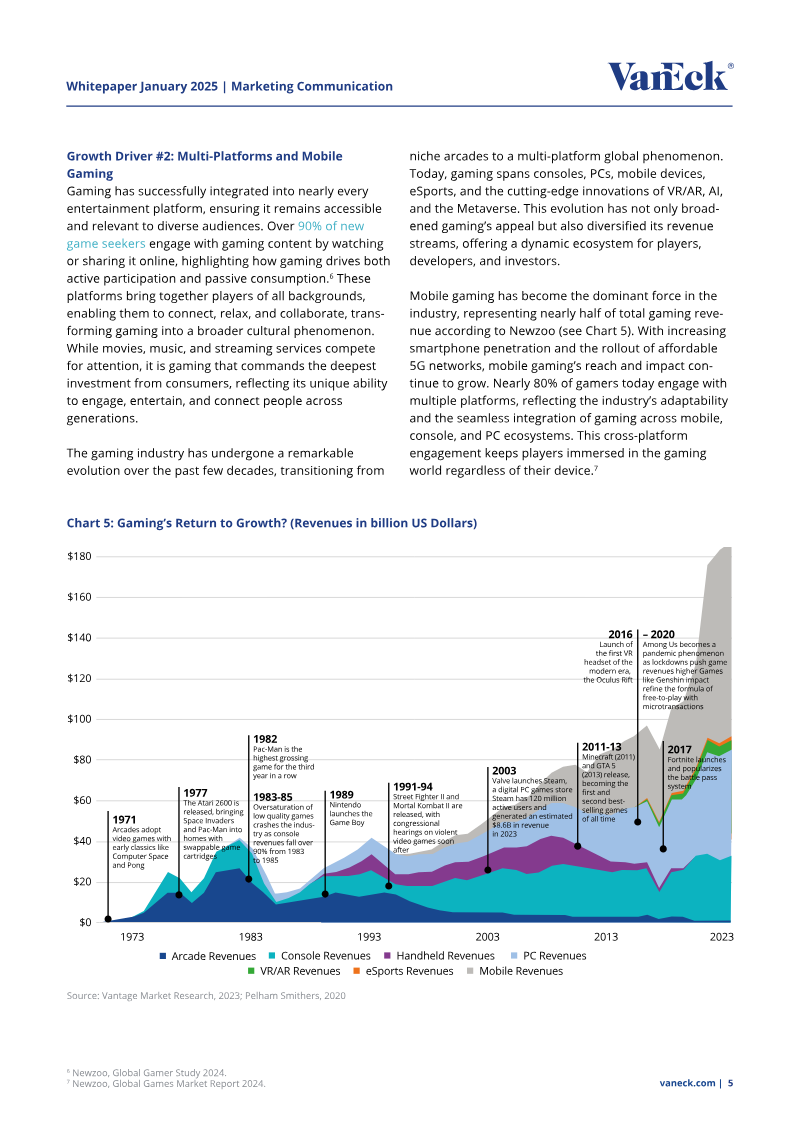
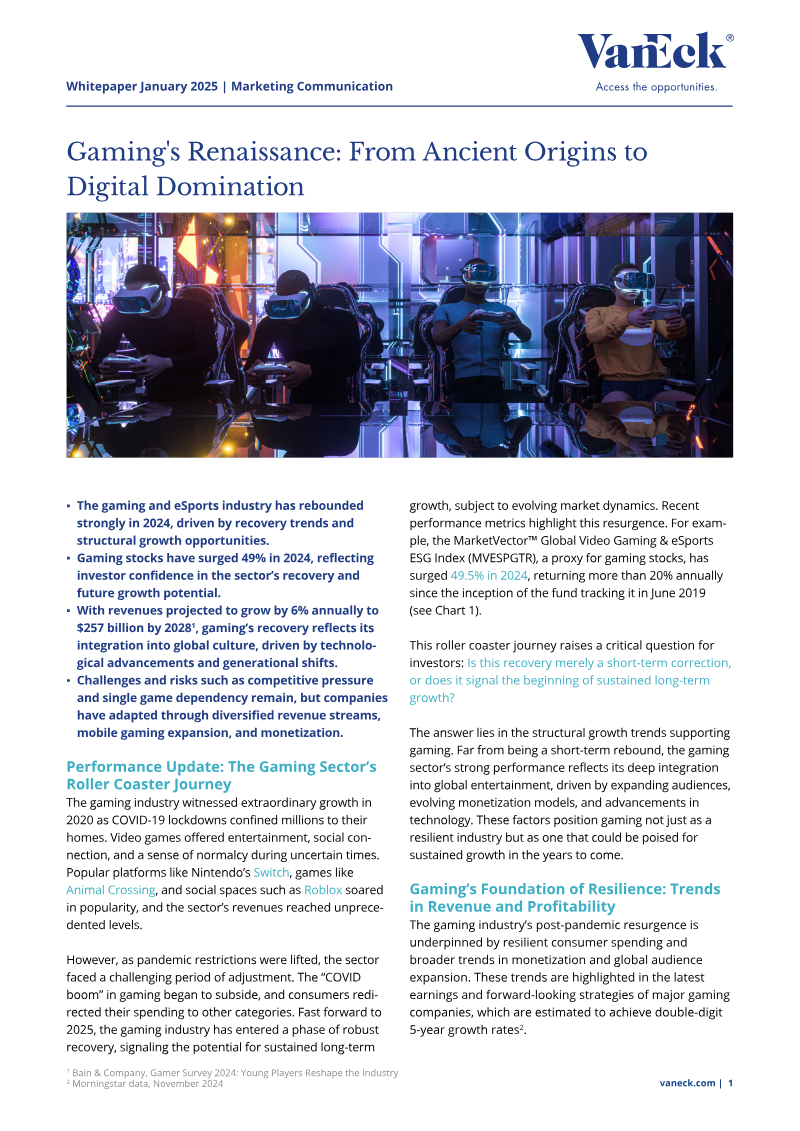
The gaming and eSports industry has entered a phase of robust recovery, transitioning from a post-pandemic adjustment period to a trajectory of sustained long-term growth.
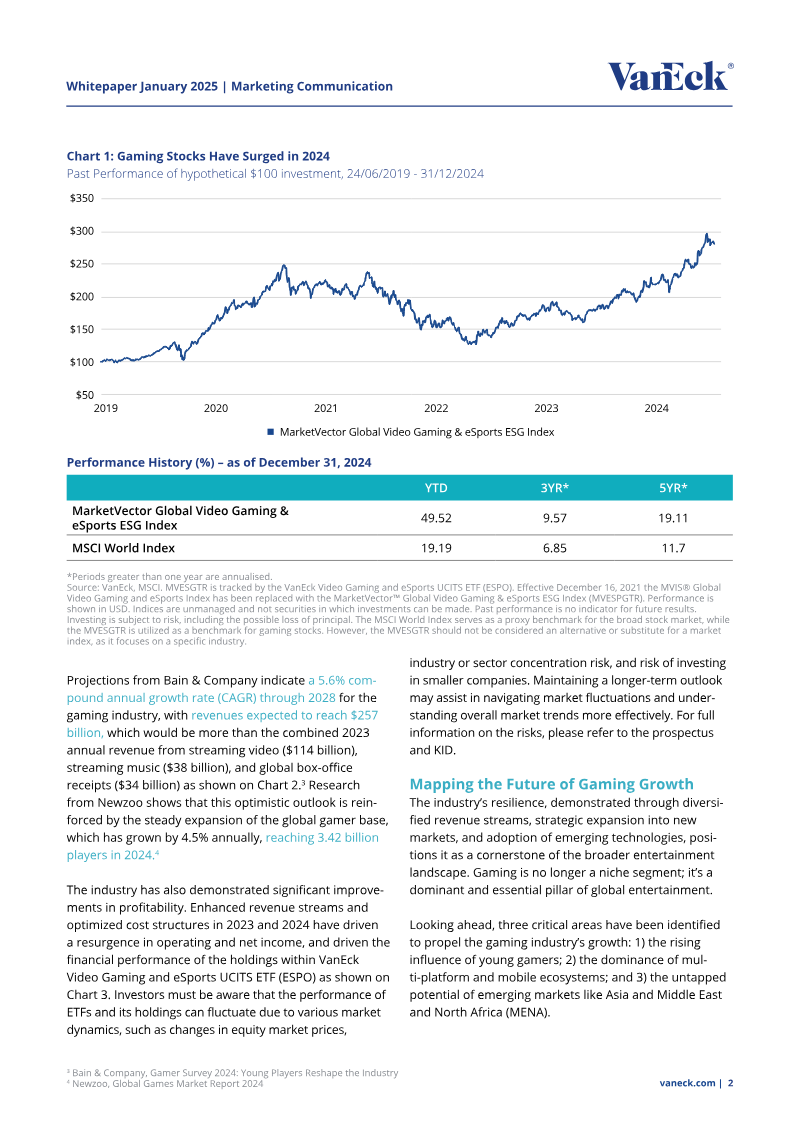
- The gaming and eSports industry is projected to reach $257 billion in annual revenue by 2028, reflecting a sustained 6% annual growth rate.
- The global gamer population reached 3.42 billion in 2024, cementing the sector's transition from a niche market to a pillar of global entertainment.
- Investor confidence in the sector has surged, with the MarketVector Global Video Gaming & eSports ESG Index recording a 49.5% increase in 2024.

Bandai Namco Group Fact Book
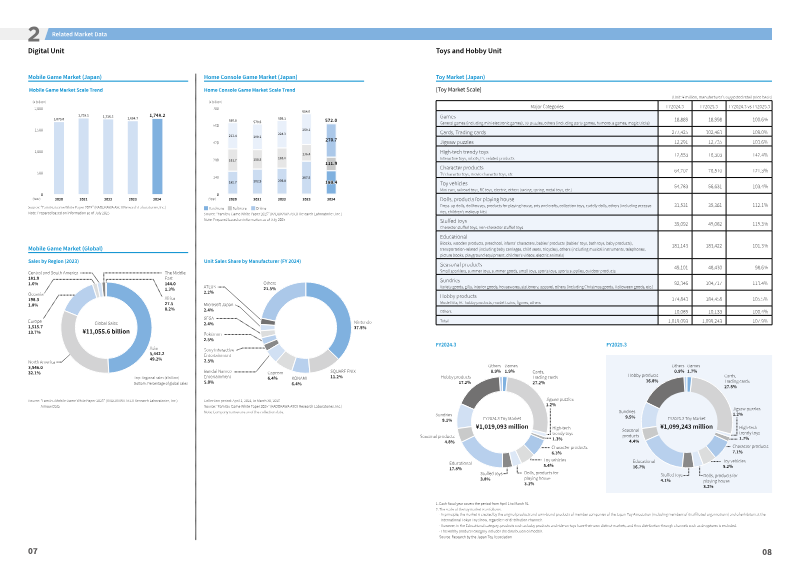
Bandai Namco Group maintains a dominant position in the global entertainment industry by leveraging a robust portfolio of intellectual property to drive consistent financial growth.
- Bandai Namco Group reported consolidated net sales of ¥1,241,513 million for the fiscal year ending March 2025.
- The Toys and Hobby unit is the company's primary revenue driver, accounting for 45.2% of total sales, followed by the Digital unit at 34.5%.
- The group maintains its market position through an IP-led strategy centered on iconic franchises including Gundam, PAC-MAN, Tamagotchi, and ELDEN RING.


Microsoft Windows Azure Gaming Summit: Overview of and Future Outlook on the Global Games Market
The global games market is undergoing a fundamental transformation, shifting from a product-based model to a service-oriented ecosystem driven by cloud connectivity and multi-screen engagement.
- The global games market generated $66.3 billion in 2012, serving a total population of 967 million gamers.
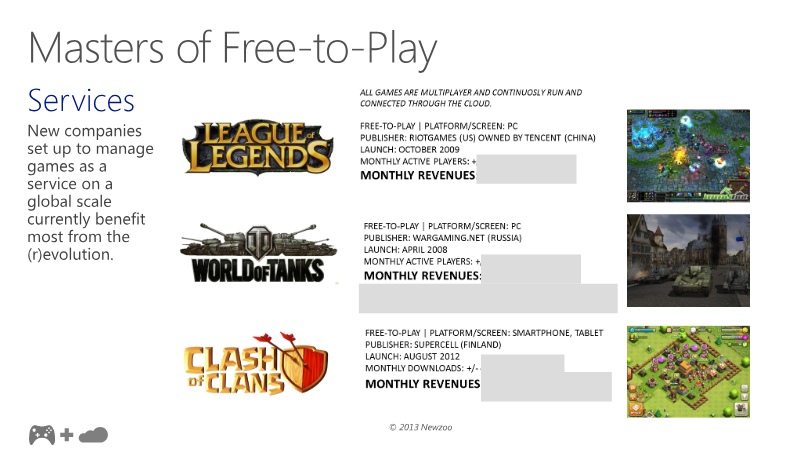
- The industry is shifting from a product-based model to a service-oriented ecosystem, with free-to-play business models now accounting for the majority of revenue across mobile and digital platforms.
- Regional revenue is led by North America at $22.5 billion and the Asia-Pacific region at $22.4 billion, with Europe contributing $18.7 billion.

Mobile Games: Placing Smartphone and Tablet Gaming in Perspective of the Total Games Market 2012
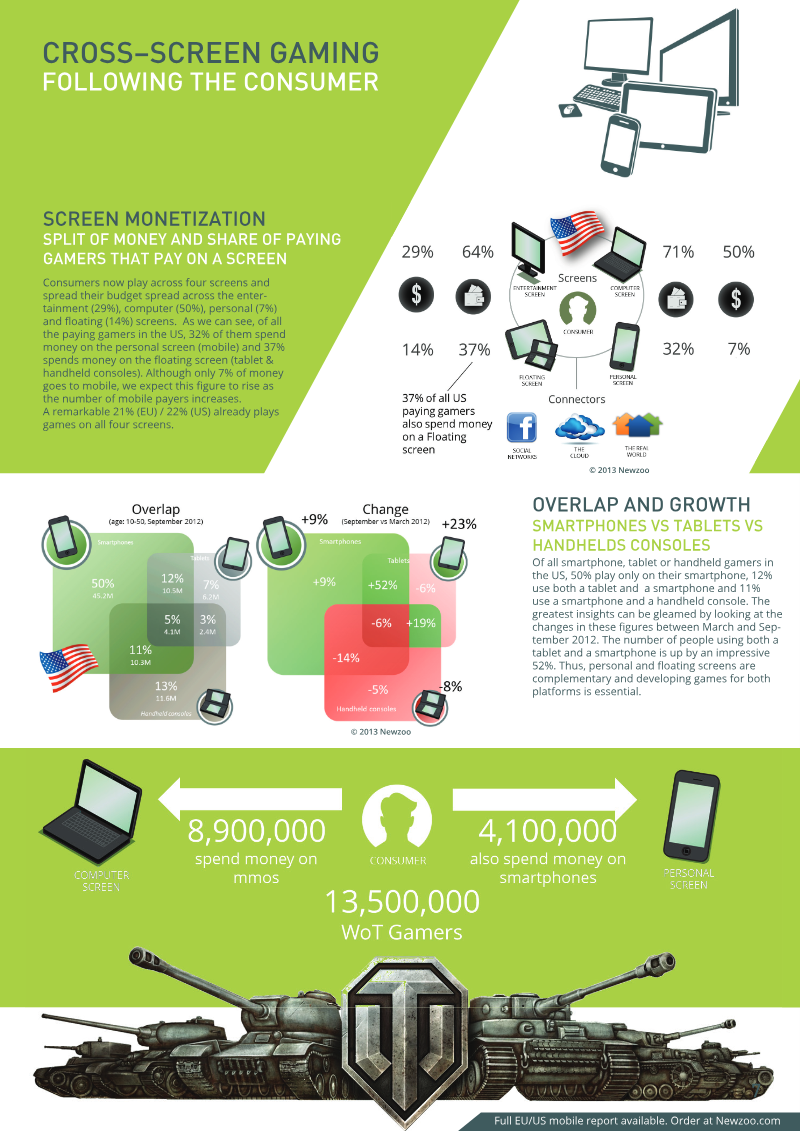
The 2012 mobile gaming landscape was defined by a rapid shift in consumer behavior, characterized by the adoption of multiple screens and the dominance of free-to-play (F2P) monetization models.
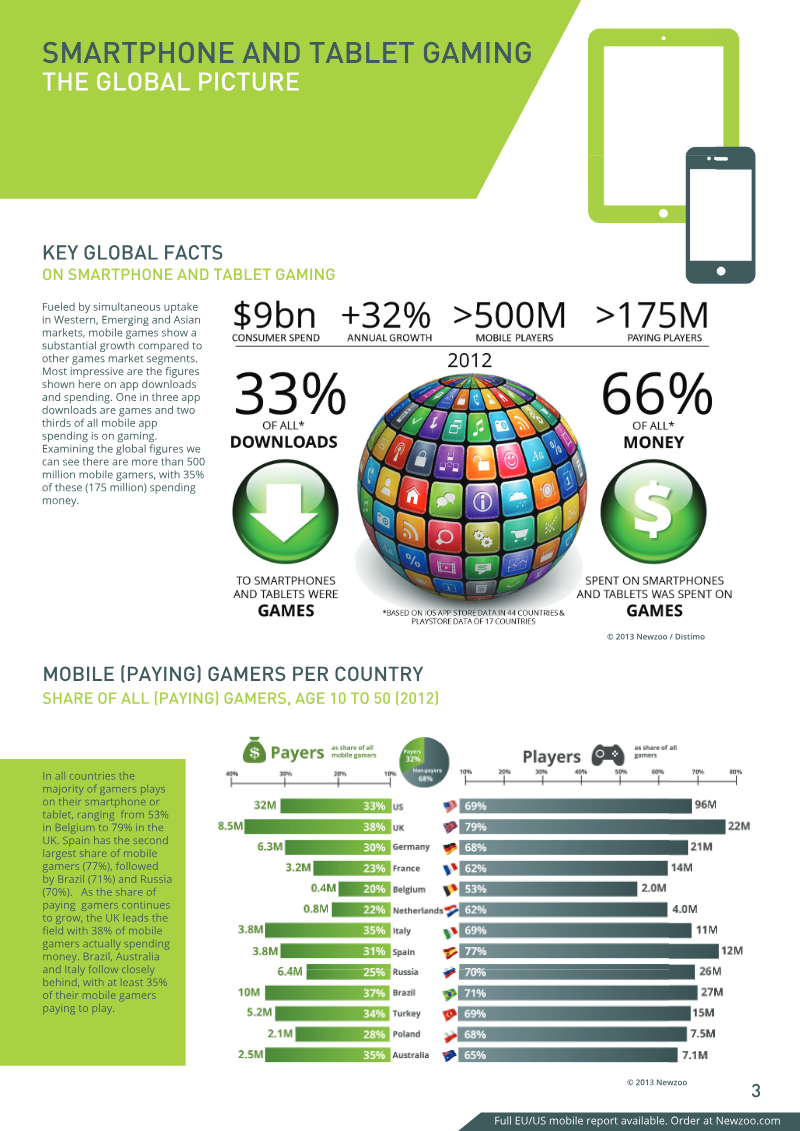
- Mobile gaming became a primary revenue driver in 2012, with two out of every three dollars spent on smartphones and tablets allocated to games.
- Free-to-play (F2P) models dominated the market, accounting for 70% of all iOS revenue in the US and Europe by the end of 2012.
- The global mobile gaming audience reached over 500 million users by the end of 2012, with 175 million identified as paying players.

Global Monetization of Games: Emerging Markets as Drivers of Growth
The global gaming industry is undergoing a significant transformation, with total market value projected to reach $70.4 billion.
- The global gaming market is projected to reach a total value of $70.4 billion, driven primarily by mobile gaming's 35% year-over-year growth rate.
- Companies must shift from platform-centric metrics to a screen segmentation model that tracks player behavior, time investment, and conversion rates across devices.
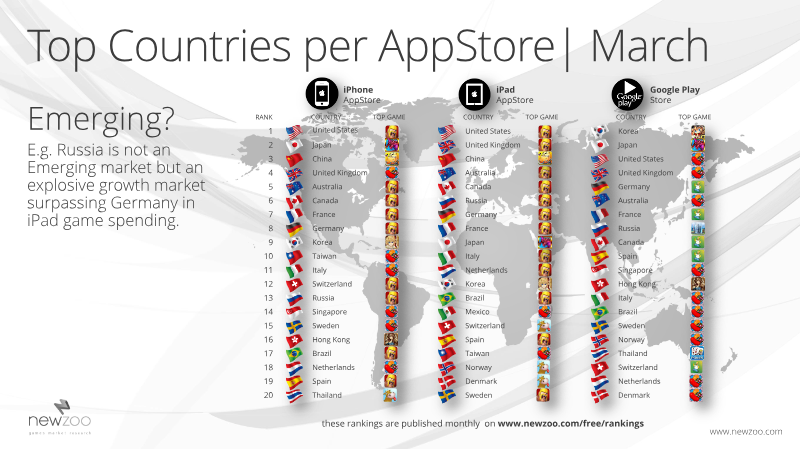
- Emerging markets, specifically Russia, are identified as the primary engines for industry-wide growth in the 2013 landscape.


Impact of Free-to-Play: Online, Mobile & Cross-Platform
The global games industry is undergoing a fundamental transformation as the traditional boxed product model stagnates in favor of free-to-play mechanics and cross-platform accessibility.
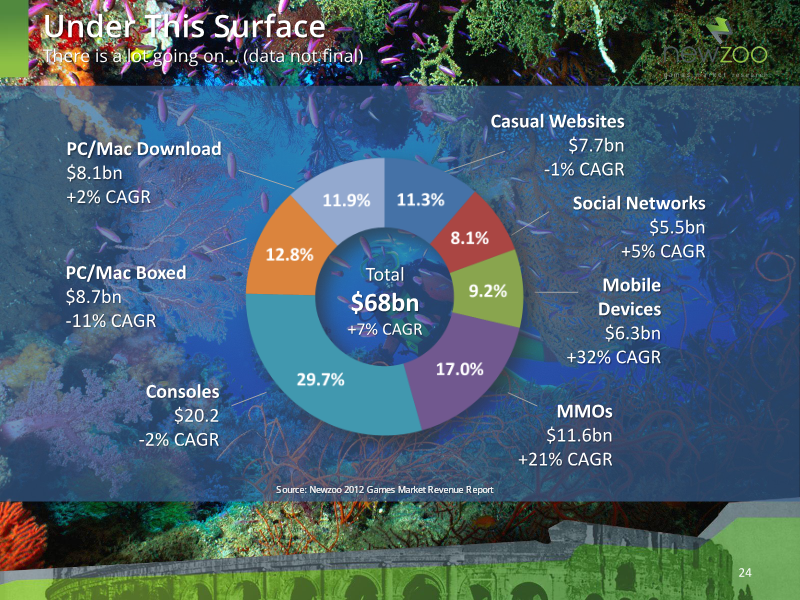
- The global games market is shifting from boxed products to a service-oriented model, with mobile revenue projected to grow at a 32% compound annual growth rate.
- Success in the current market requires treating free-to-play as a holistic business strategy rather than a pricing tactic, as evidenced by the performance of titles like League of Legends and Kingdoms of Camelot.
- Publishers must shift focus from legacy revenue metrics to tracking granular data points, specifically player engagement time and the conversion rates of paying users.


Newzoo Introduction: Matching Your Priorities With Our Services
The global games industry relies on sophisticated market intelligence to navigate rapid shifts in consumer behavior and financial performance.
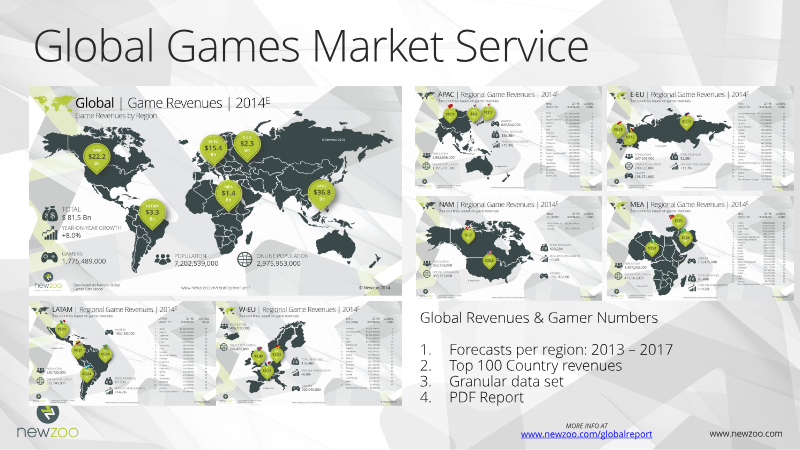
- The global games market was projected to reach $81.5 billion as of 2014.
- Analytical coverage tracks over 200 variables across 18 key countries to provide a comprehensive view of the gaming ecosystem.
- Specialized tracking services monitor the performance and player profiles of 100 global game franchises.