Game Studies reports and market data
Documents

Hackers and Cyborgs: Binary Domain and Two Formative Videogame Technicities
Brendan Keogh's paper "Hackers and Cyborgs: Binary Domain and Two Formative Videogame Technicities" uses Sega's Binary Domain as a lens for arguing that two competing modes of identifying with videogames have shaped the medium.
- Using Sega's Binary Domain as its lens, the paper treats the cyborg as a resistant and complementary perspective rather than a strictly opposed one, arguing the two identities are entangled and interdependent.
- The author contends the hacker ideal is masculinist and that this "technicity" influences which games get made, which are celebrated as exemplary, and how scholarly and popular discourse values the medium.
- Mainstream journalism and design privilege skill-based mastery, leading critics to dismiss exploration-focused and queer or women-created titles such as Dear Esther and Gone Home as "not real games," a rhetorical policing that also hits casual and avant-garde games reaching broader, more diverse audiences.

Assessing and Improving Listening Skills: A Test of Two Theories
Effective training for U.S. Navy recruits in high-stakes, suboptimal environments relies heavily on the quality of auditory communication within simulation-based learning.
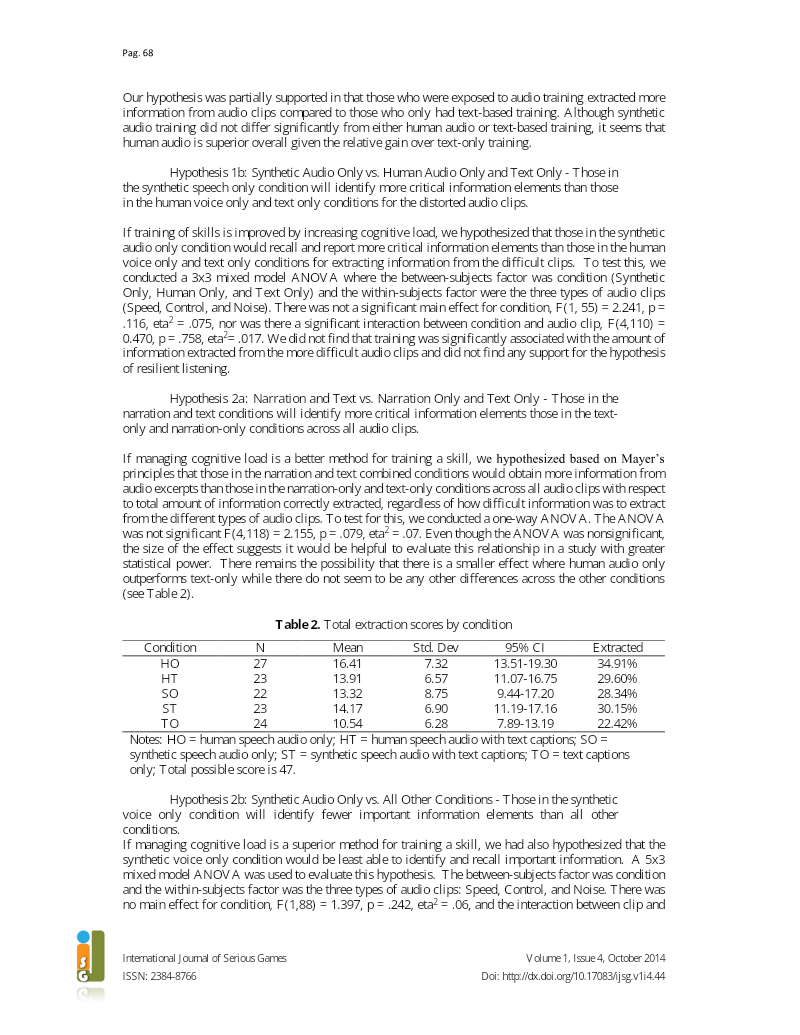
- Human-recorded audio significantly outperforms synthetic speech in skill acquisition for novice trainees within high-stakes simulation environments.
- High-fidelity audio is the primary driver of successful information extraction, proving more critical to instructional design than cognitive load management strategies.
- Previous iterations of the Damage Control Trainer achieved an 80 percent reduction in communication errors, establishing a baseline for current optimization efforts.


Learning Impact Evaluation of the Serious Game: Cultural Awareness - Afghanistan Pre-deployment
The Cultural Awareness Afghanistan Pre-deployment serious game functions as a specialized training instrument designed to enhance the decision-making capabilities of NATO military personnel and civilian staff.
- The Cultural Awareness Afghanistan Pre-deployment game effectively improves decision-making and operational readiness by allowing personnel to practice cultural intelligence in a low-stress, simulated environment.
- The training tool is most effective for individuals with no prior subject matter exposure, resulting in significant measurable improvements in cognitive and soft-skill development.
- Evaluations across diverse cohorts—including military personnel, civilian staff, and students—confirm the game is a highly efficient and reliable method for knowledge transfer.
Ludic Ontology: Play's Relationship to Language, Cultural Forms, and Transformative Politics
Rachel Shields's "Ludic Ontology" is a theoretical essay that argues play should be understood as an ontological force rather than a culturally bounded category or a descriptive social practice.
- Shields argues play should be treated as an ontological force, embodied, affective, and transcendent, rather than as a culturally bounded category or a descriptive social practice.
- The essay contends that play's irrational, creative energy can disrupt rational social orders, and that political theory could be enriched by recognizing this in accounts of resistance, social transformation, and revolution.
- The author critiques play studies for narrow, tautological definitions that reduce play to an empirical binary of "play" versus "not-play", and proposes an inner, sensory framework in its place.
Measuring Effectiveness in Digital Game-Based Learning: A Methodological Review
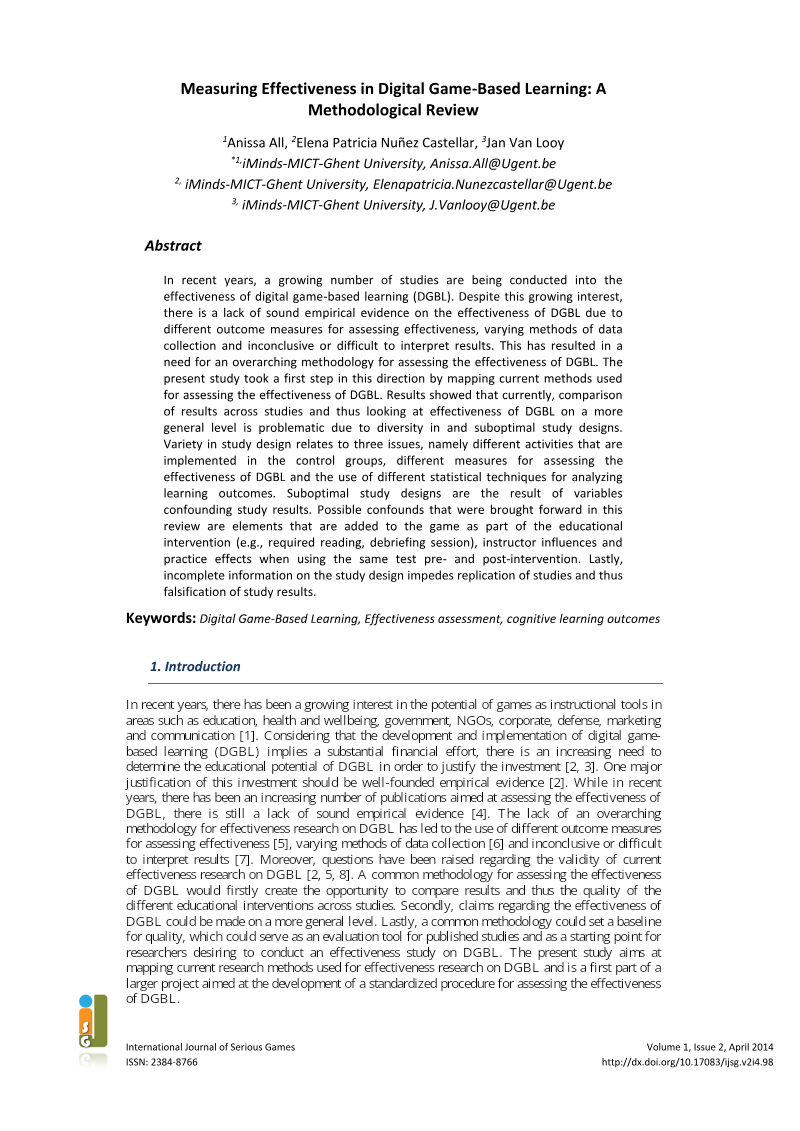
Digital Game-Based Learning (DGBL) currently faces a significant crisis of empirical validation, characterized by a pervasive lack of methodological rigor that undermines its perceived educational value.
- Digital Game-Based Learning (DGBL) currently lacks empirical validation due to widespread methodological rigor issues, preventing the industry from justifying pedagogical and financial investments.
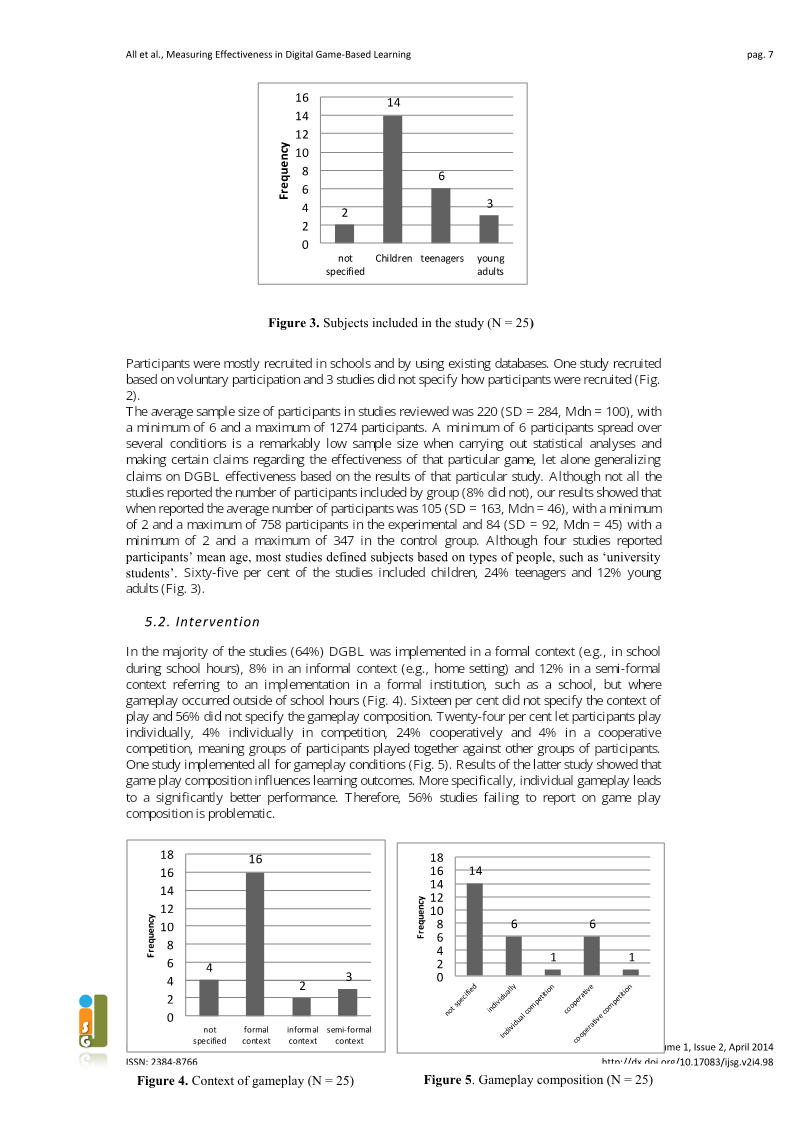
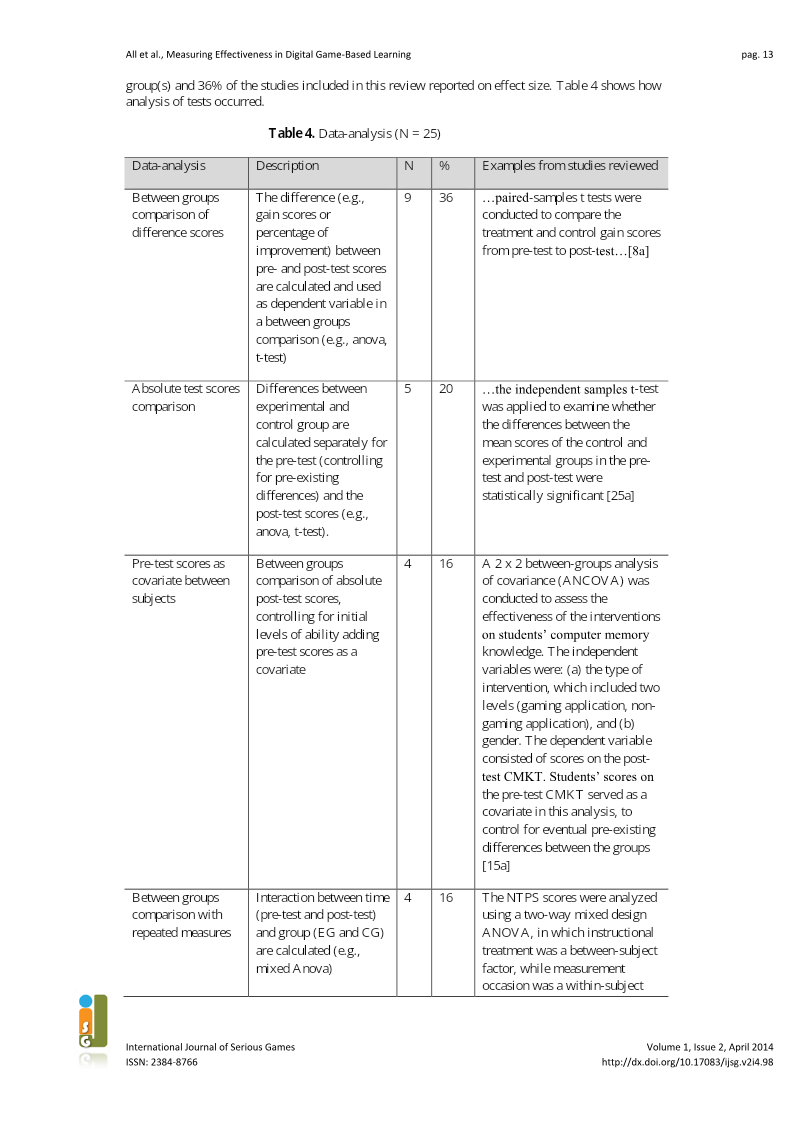
- A systematic review of 25 representative studies identified that small sample sizes and confounding variables, such as instructor influence, frequently obscure the actual impact of game-based interventions.
- The field suffers from a lack of standardized evaluation frameworks, leading to inconsistent study designs and the frequent omission of critical variables like participant assignment methods.
Serious Gaming Analytics: What Students' Log Files Tell Us about Gaming and Learning
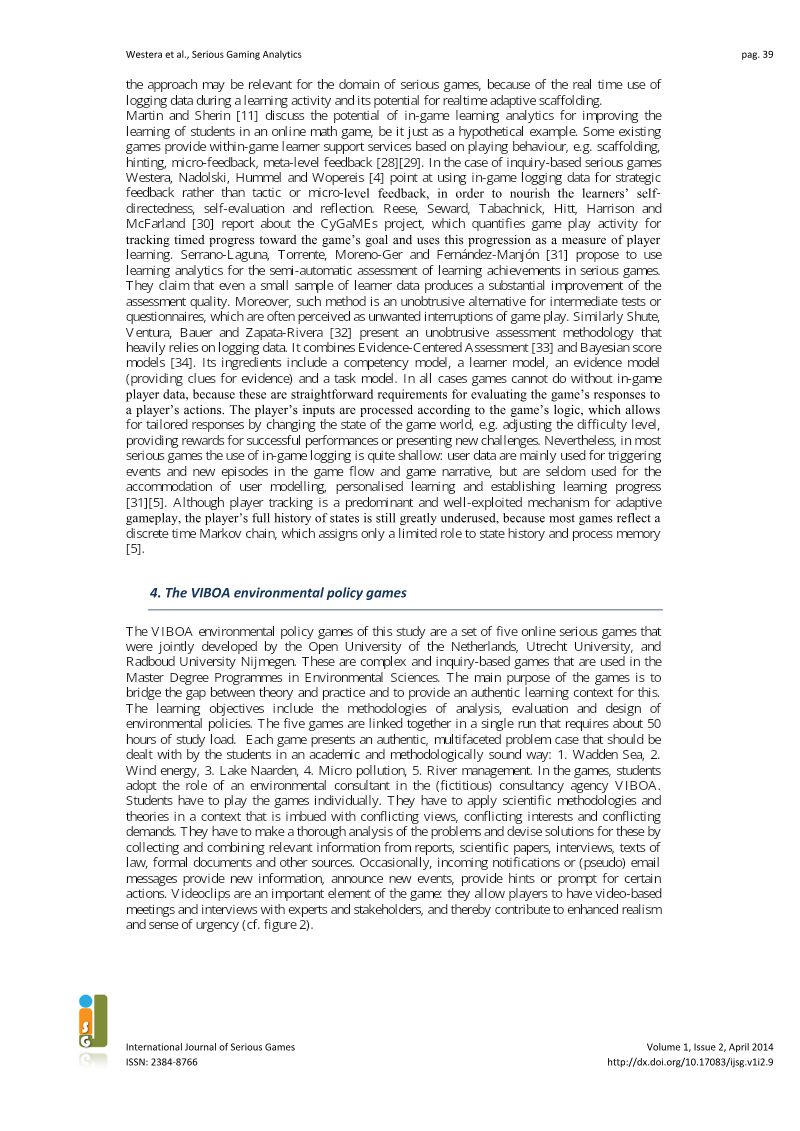
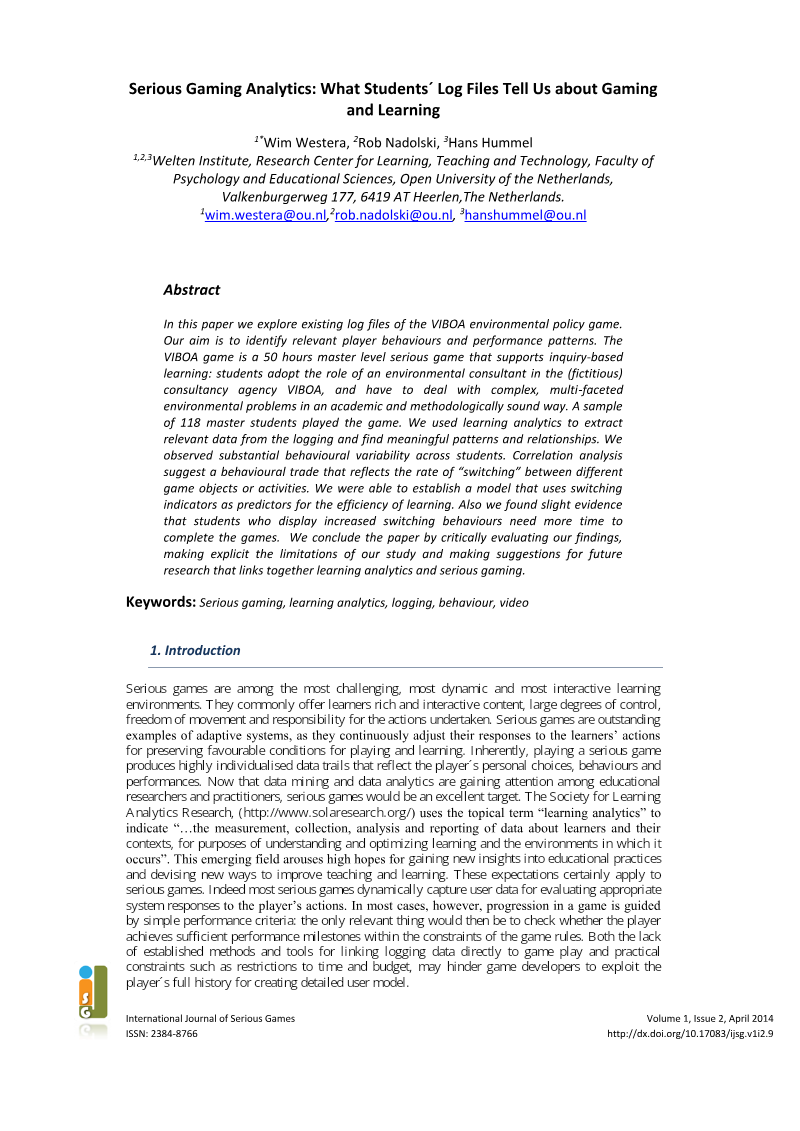
Serious games serve as a critical frontier for educational research, offering a unique environment where student engagement can be quantified through granular log file analysis.
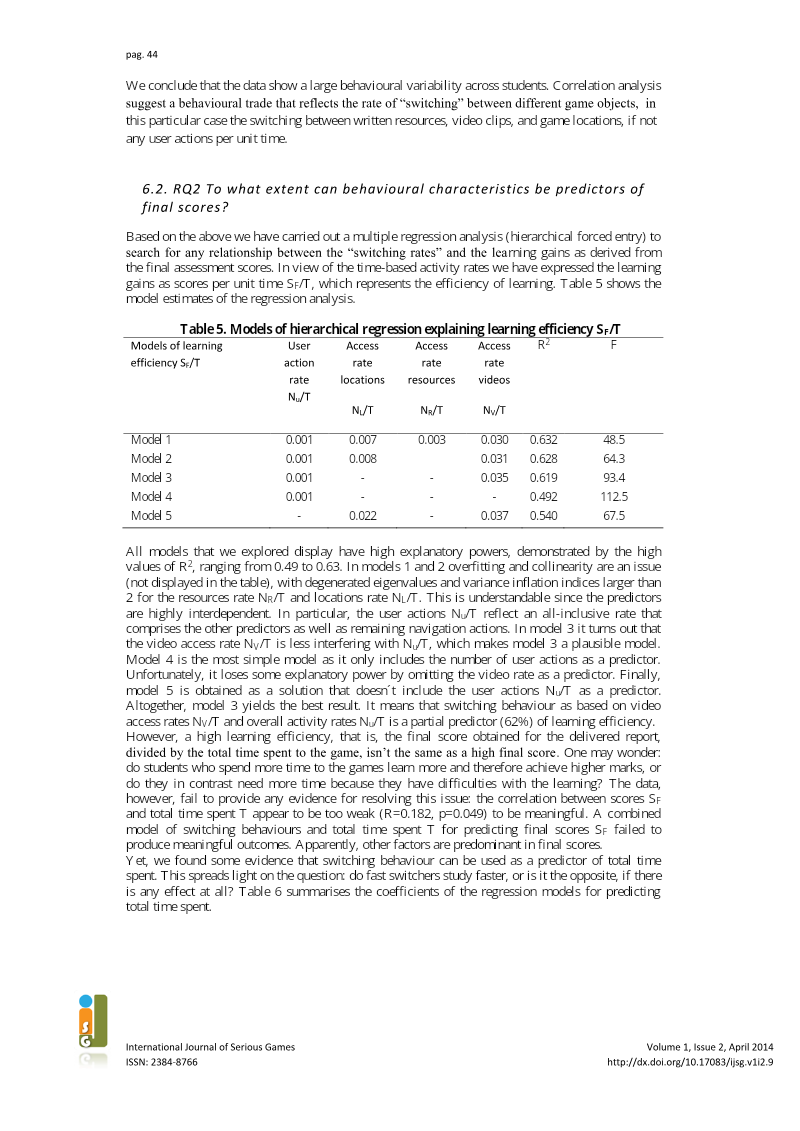
- Switching behavior—the frequency with which students transition between game assets like videos and resources—accounts for 62 percent of the variability in learning efficiency.
- In-game behavioral patterns, including time-on-task and engagement levels, do not reliably predict final assessment scores for students.
- A student’s prior knowledge level does not appear to influence their navigation strategies or behavioral patterns within the VIBOA environmental policy game.
Collaborative Language Learning in Immersive Virtual Worlds: Competence-based Formative Feedback and Open Learner Modeling
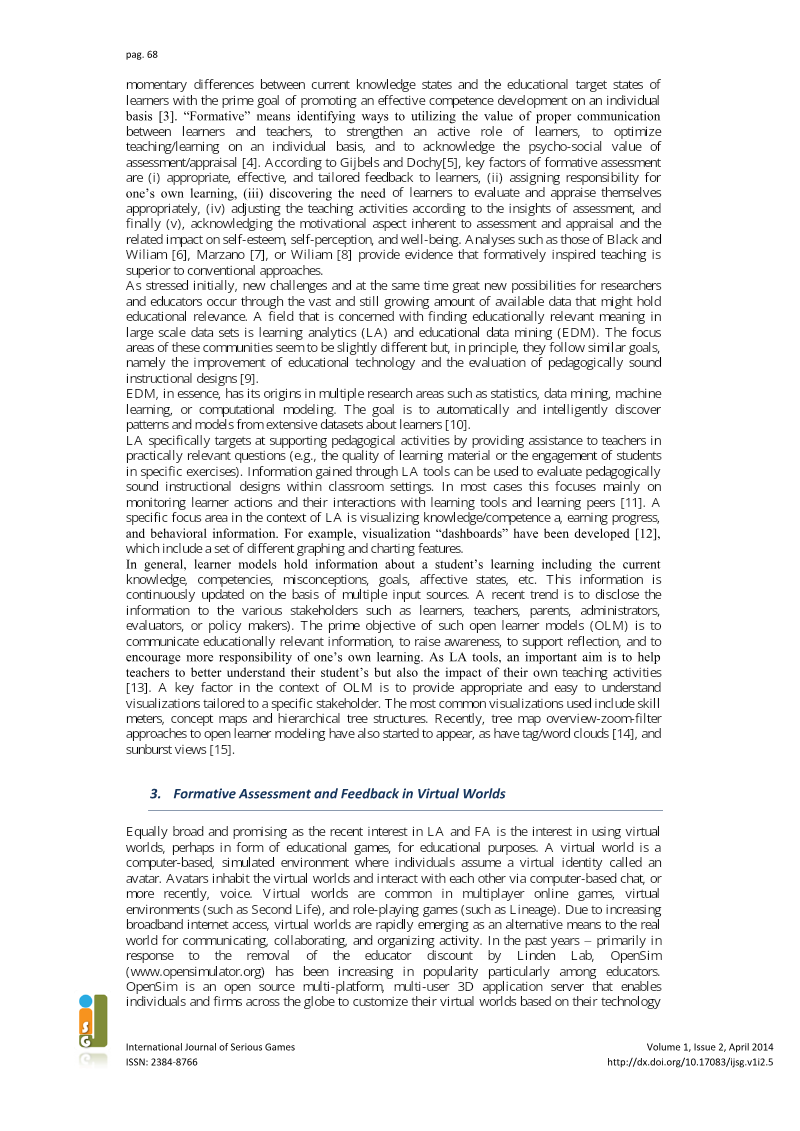
The integration of immersive virtual worlds into educational settings presents a significant challenge for instructors attempting to monitor student progress and provide effective formative feedback.
- ProNIFA is a specialized learning analytics tool developed to bridge the gap between raw, unstructured activity data in virtual worlds and actionable pedagogical insights for instructors.
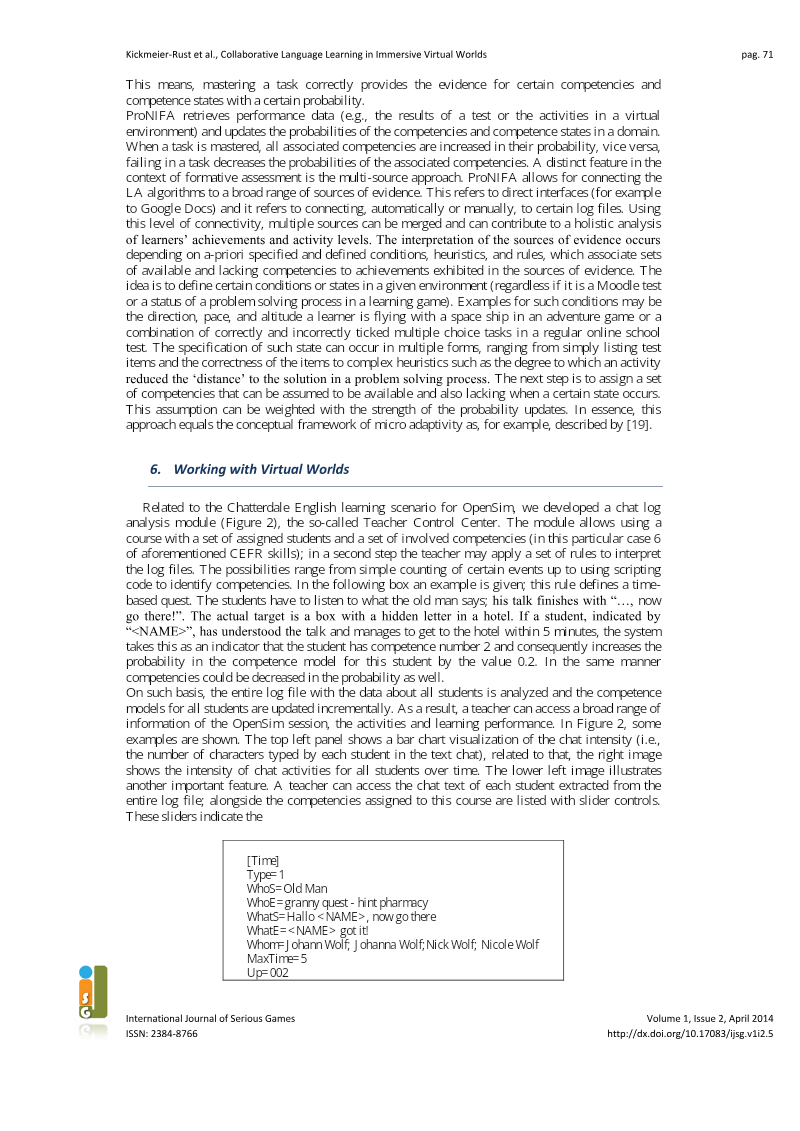
- The tool utilizes Competence-based Knowledge Space Theory to map observable behaviors—such as movement, communication, and task completion—to latent student competencies.
- By employing a rule-based engine, ProNIFA processes log files to incrementally update individual student competence models, enabling real-time progress visualization and intervention notifications.
Tribute and Resistance: Participation and Affective Engagement in Brazilian Fangame Makers and Modders' Subcultures
Brazilian fangames and game modifications emerge from participatory fan culture, where affectionate homage to original works, or "tribute," operates alongside challenges to dominant media and copyright norms, or "resistance."
- Brazilian fangames and mods are framed as driven by two inseparable motivations: affectionate "tribute" to original works and "resistance" to dominant media and copyright norms.
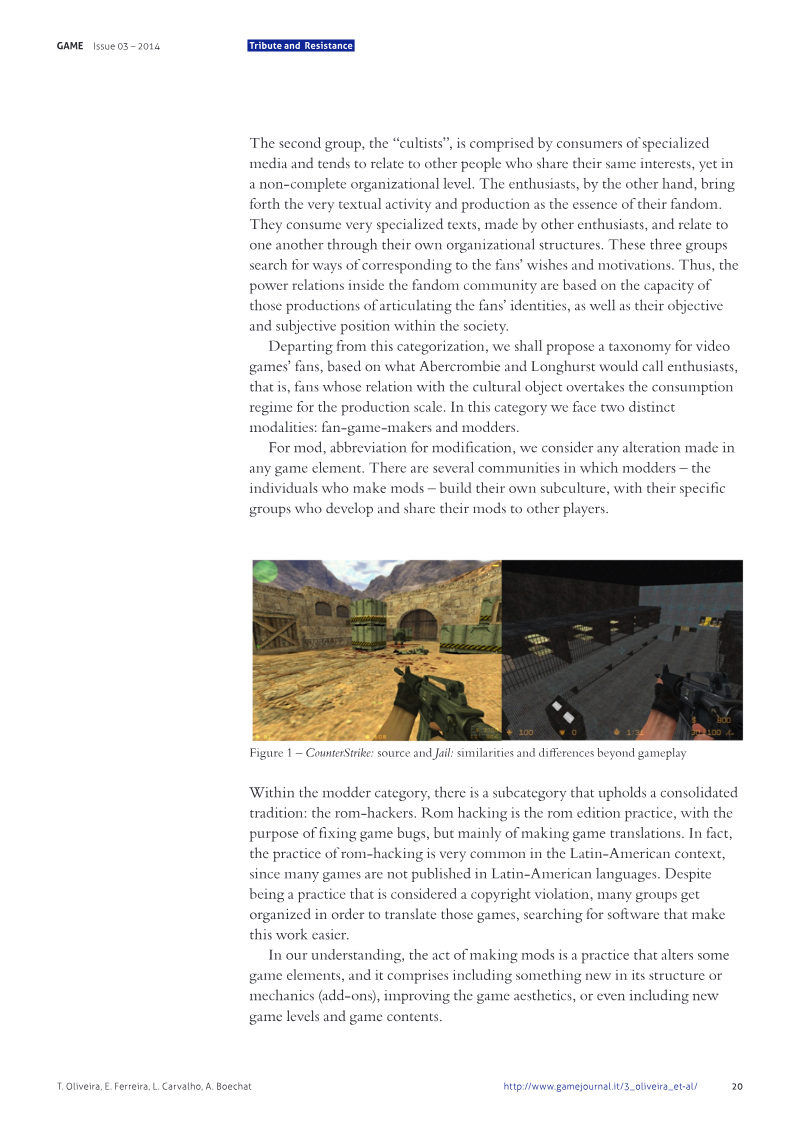
- The report distinguishes fangame makers, who build standalone games inspired by mainstream titles, from modders, who alter existing games.
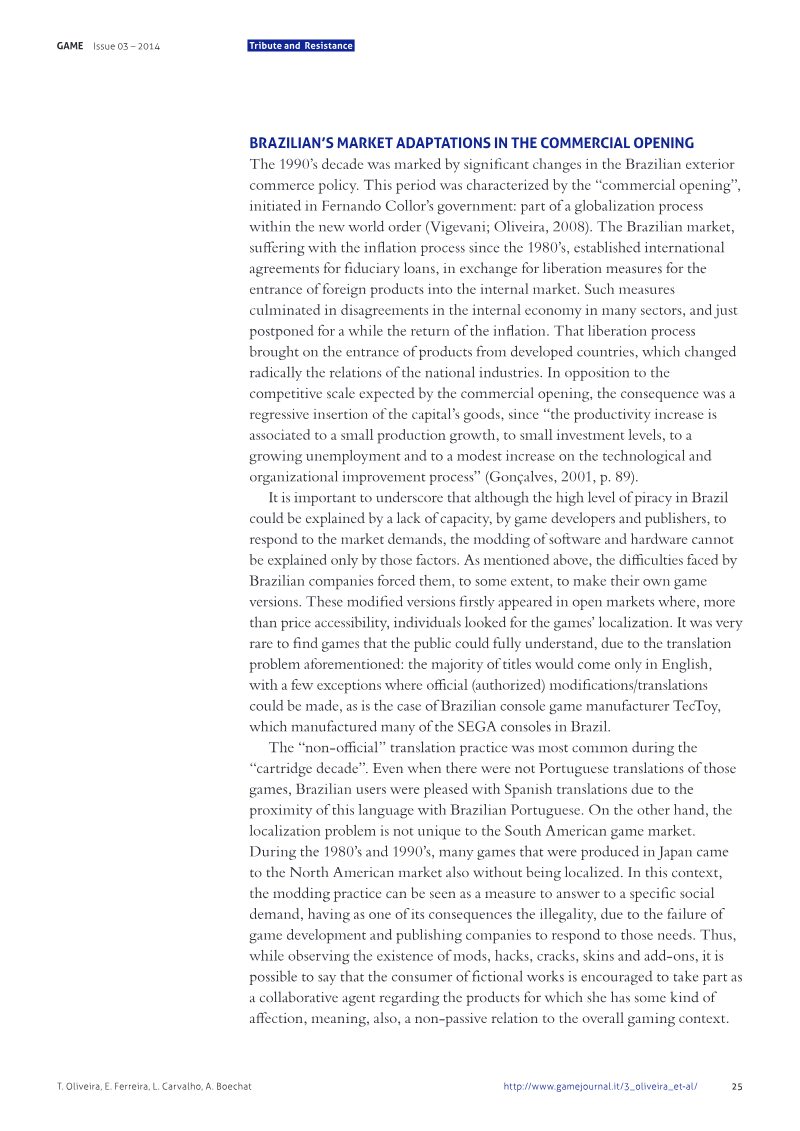
- Brazil's modding and piracy traditions are traced to the 1980s MSX home computing boom following the MSX standard launched in 1983, with firms such as Gradiente and GranSoft cloning imported cartridges and removing developer logos.
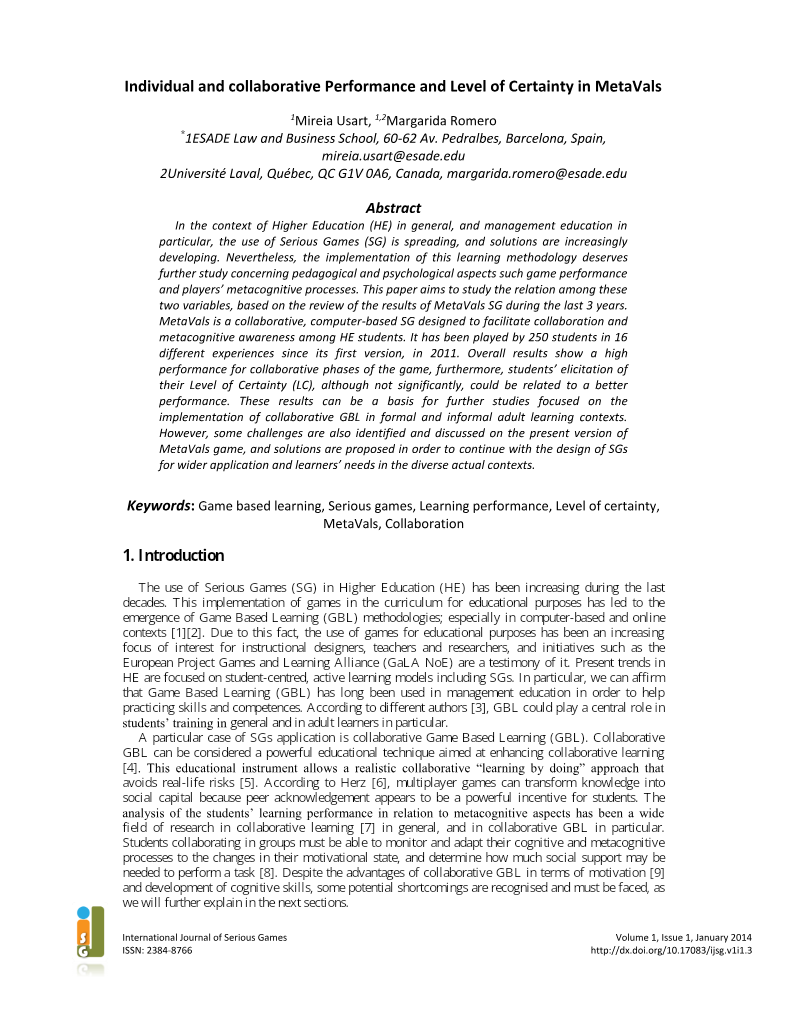
Individual and Collaborative Performance and Level of Certainty in MetaVals
The MetaVals serious game serves as a platform for evaluating the intersection of metacognitive processes and academic performance within higher education.
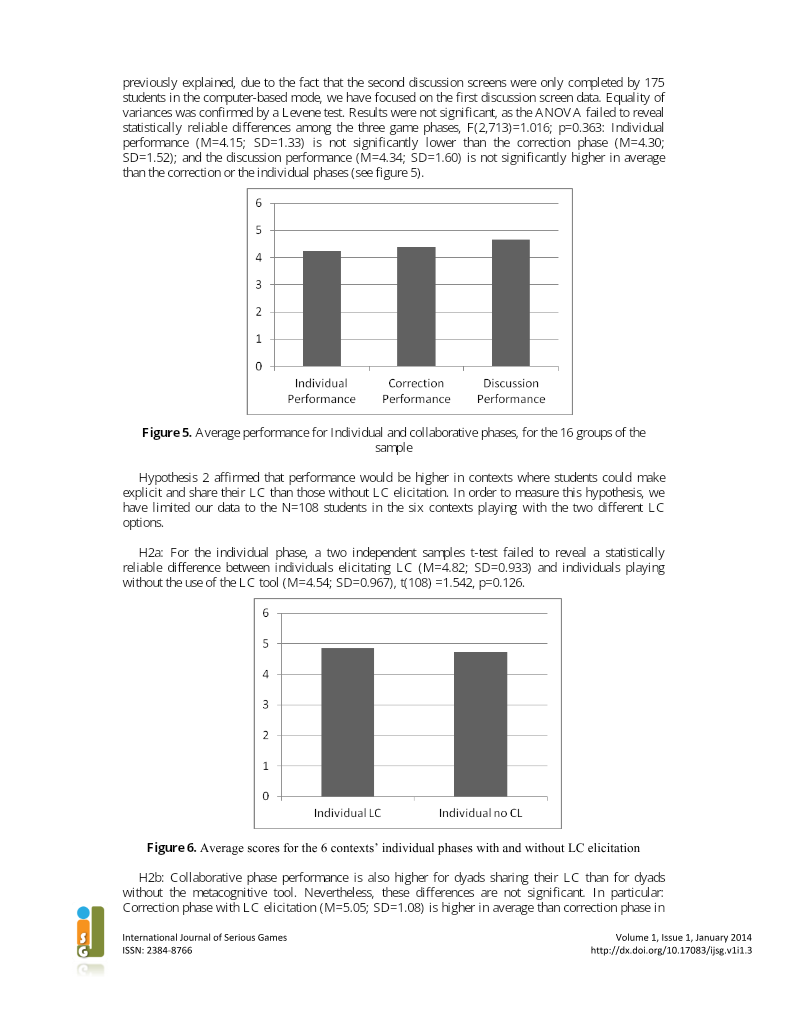
- A three-year study of 250 students across 16 higher education contexts found no statistically significant performance differences between individual and collaborative tasks or between groups using a Level of Certainty (LC) tool and those that did not.
- While LC elicitation showed a consistent trend toward higher overall achievement, the observed improvements failed to reach the threshold of statistical significance.
- The lack of definitive performance gains is largely attributed to the perceived low difficulty of the game items and the inherent complexities of asynchronous, online learning environments.
Video Games: Play That Can Do Serious Good
Video games, the document argues, are serious learning tools rather than mere entertainment.
- The report's central thesis is that modern video games embody established learning principles such as time on task, dopamine-linked reward schedules, calibrated difficulty curves, and varied practice that supports transfer.
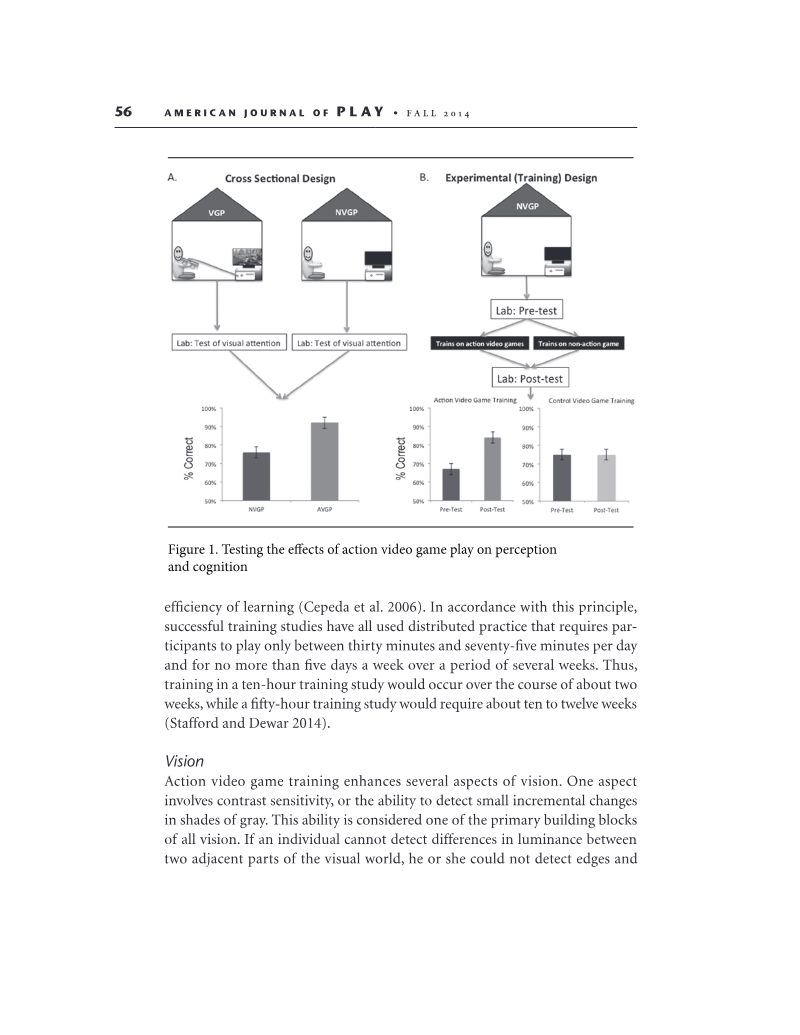
- Causal training studies cited show action video game play improves contrast sensitivity, visual attention, multiple-object tracking, sustained attention, multitasking, and task switching, typically involving roughly 15 to 50 hours of distributed practice.
- Unlike most perceptual-learning research, which finds narrow gains that fail to transfer, the report cites some studies showing broad benefits persisting for at least six months.
Learning and Enjoyment in Serious Gaming: Contradiction or Complement?
This study examines whether presenting a serious game as "serious" or "playful" shapes its enjoyment, perceived credibility, and learning outcomes.
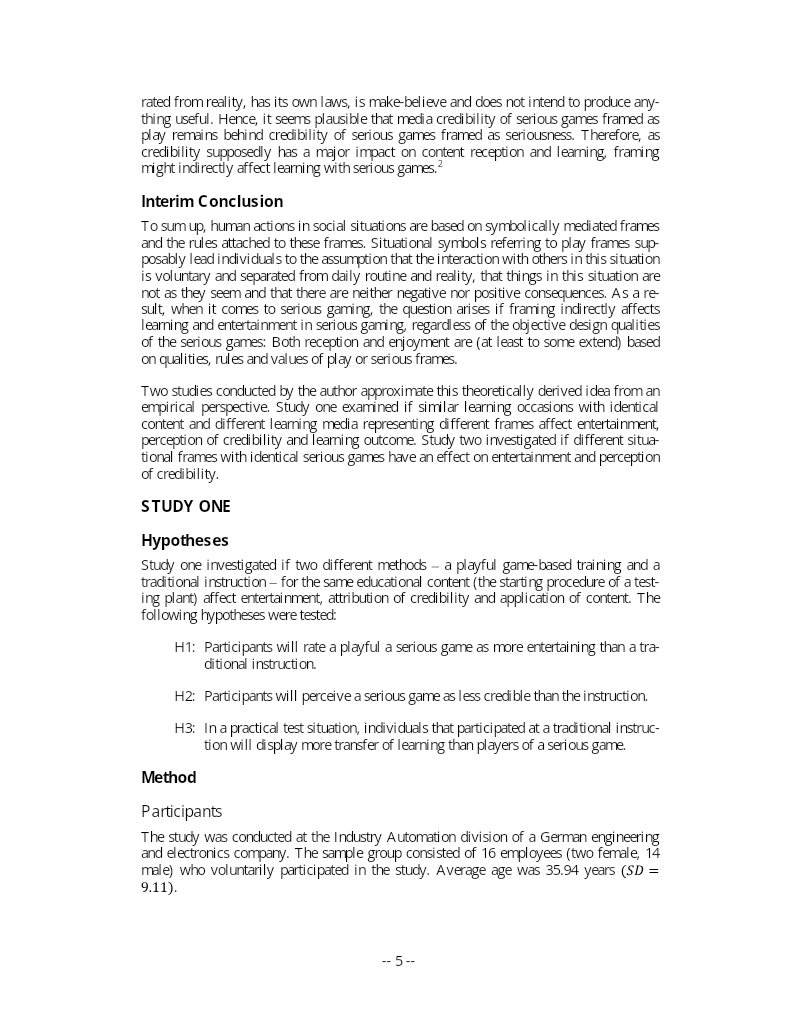
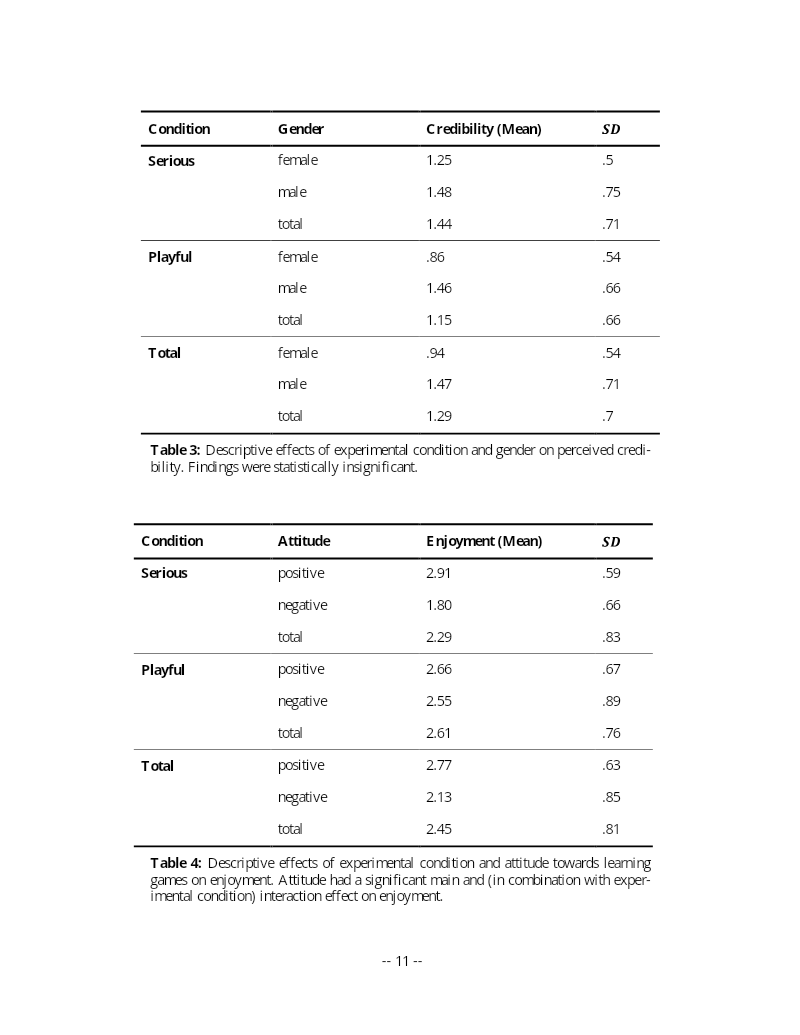
- Playful versus serious framing alone did not significantly change perceived credibility or enjoyment in a 54-student study; instead, learners' prior attitude toward learning games was the strongest predictor of enjoyment, and framing's effect depended on that attitude.
- In a 16-employee industry study, a serious game with explicit learning cues stripped out produced significantly higher immersion than traditional instruction, with a large effect size, but lower perceived credibility.
- Learning transfer did not differ meaningfully between game-based and traditional instruction, and attraction and satisfaction differences were not significant, so the game's entertainment advantage did not translate into clearly better learning outcomes.
Analysing the History of Game Controversies
Karlsen's analysis examines the recurring cycles of public alarm over digital games, beginning with the 1976 controversy surrounding Death Race, which prompted the first worldwide debate linking games to violence.
- The report traces recurring moral panics over digital games back to Death Race in 1976, the first worldwide debate linking games to violence, and argues these reactions were often disproportionate and shaped by cultural hierarchies that rank games below books.
- Despite more than five thousand studies over fifty years, research has not established a clear causal link between media violence and real-world violence, though some psychologists still argue for a meaningful effect.
- Controversies centred on games where players actively commit socially unacceptable violence (Carmageddon, Grand Theft Auto, Mortal Kombat) drew far more criticism than militarised violence in titles such as Tank or Space Invaders.