1 free read left. Create a free account for unlimited reading + AI research.
Create free accountWhitepaper International Journal of Serious Games
1 free read left. Create a free account for unlimited reading + AI research.
Create free accountWhitepaperInternational Journal of Serious Games
Statistical analysis revealed no significant disparities between individual and collaborative tasks, nor between groups using the LC tool and those without it.
No Impact. The study found no statistically significant performance differences with the use of a Level of Certainty tool.
The MetaVals serious game serves as a platform for evaluating the intersection of metacognitive processes and academic performance within higher education. By integrating a Level of Certainty (LC) tool, the research investigates whether requiring students to quantify their confidence in their answers enhances learning outcomes during both individual and collaborative tasks. The primary thesis posits that fostering metacognitive awareness through LC elicitation can improve achievement, though the study seeks to determine if this effect holds true across diverse educational settings.
Spanning three years of data collected from 250 students across 16 distinct higher education contexts, the analysis covers a broad range of academic environments. Despite the theoretical benefits of metacognitive reflection, statistical analysis reveals no significant performance disparities between individual and collaborative phases, nor between cohorts utilizing the LC tool and those operating without it. While there is a consistent trend suggesting that LC elicitation may contribute to higher overall achievement, these improvements do not reach the threshold of statistical significance.
The lack of definitive performance gains is attributed to several external factors, most notably the perceived low difficulty of the game items and the inherent complexities of asynchronous, online learning. The findings suggest that the effectiveness of serious games is highly sensitive to task design and environmental variables. Future iterations of educational game design must prioritize better adaptation to remote learning formats while accounting for student-specific variables such as prior knowledge and cultural background to ensure that metacognitive tools yield robust and measurable improvements in learning outcomes.
International Journal of Serious Games · 2023
International Journal of Serious Games · 2022

International Journal of Serious Games · 2020
International Journal of Serious Games · 2020
International Journal of Serious Games · 2020
International Journal of Serious Games · 2020
International Journal of Serious Games · 2020
International Journal of Serious Games · 2020
International Journal of Serious Games · 2020
International Journal of Serious Games · 2020

International Journal of Serious Games · 2020
Air Force Institute of Technology · 2020
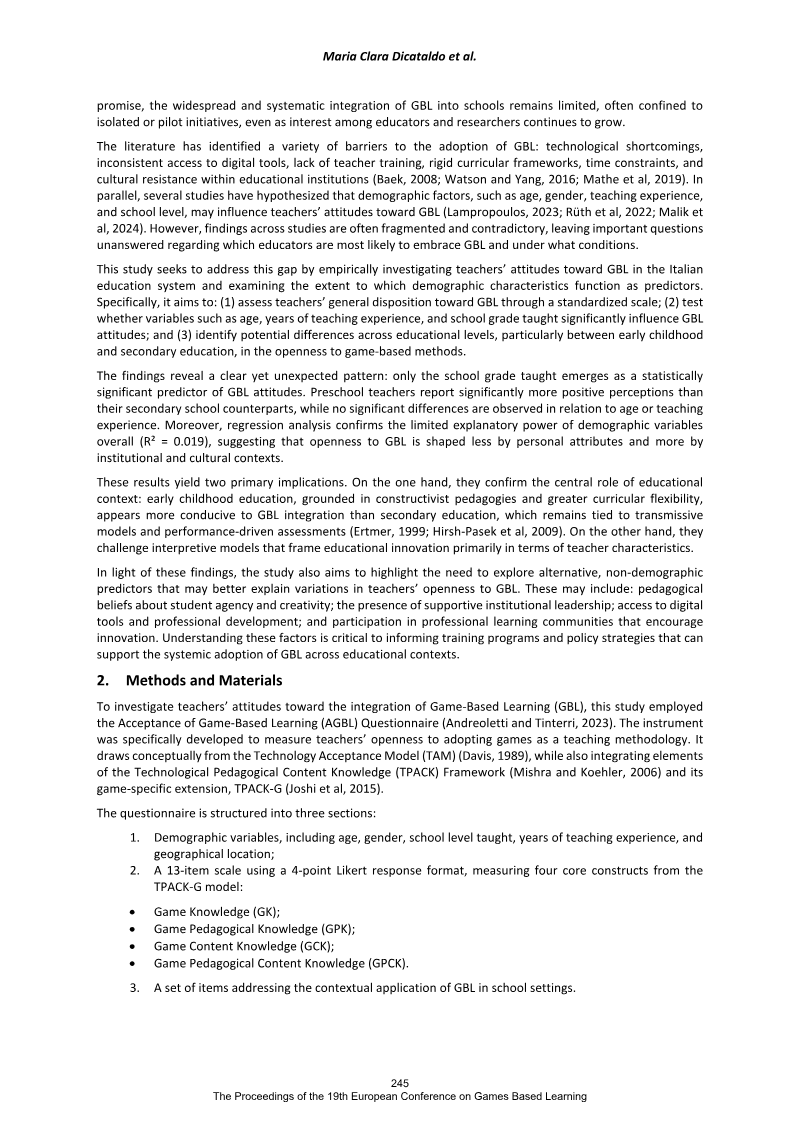
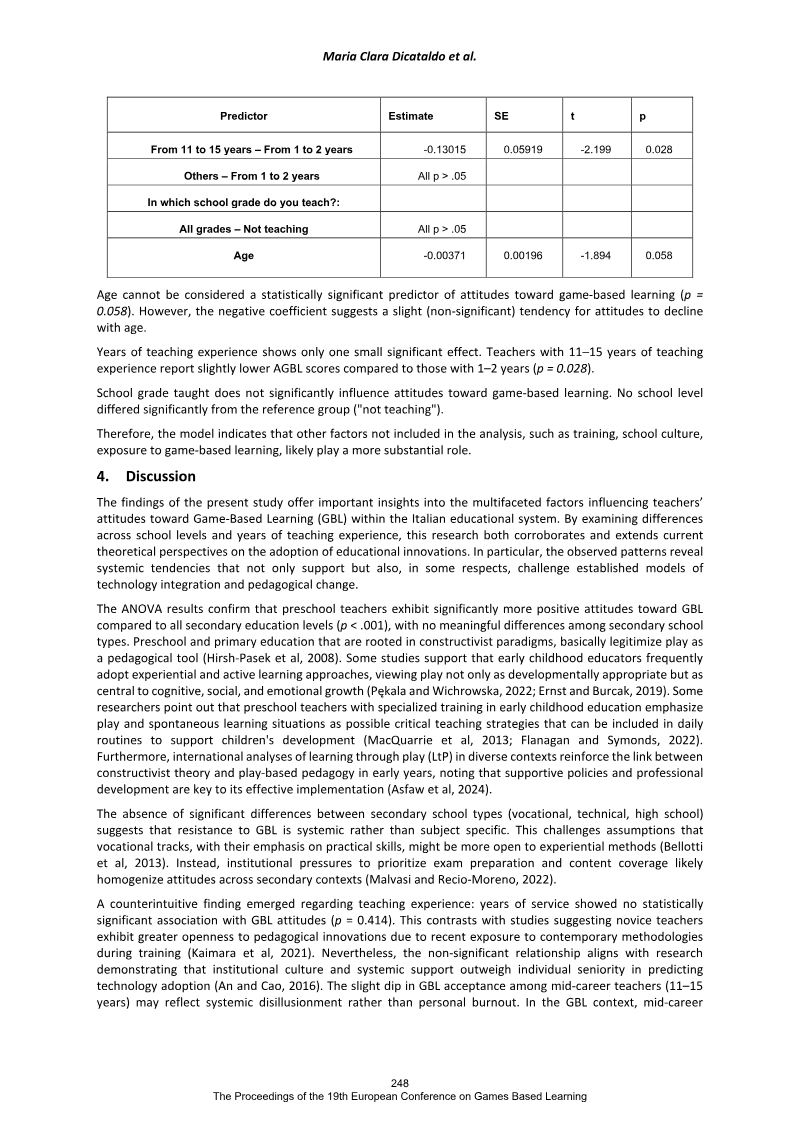
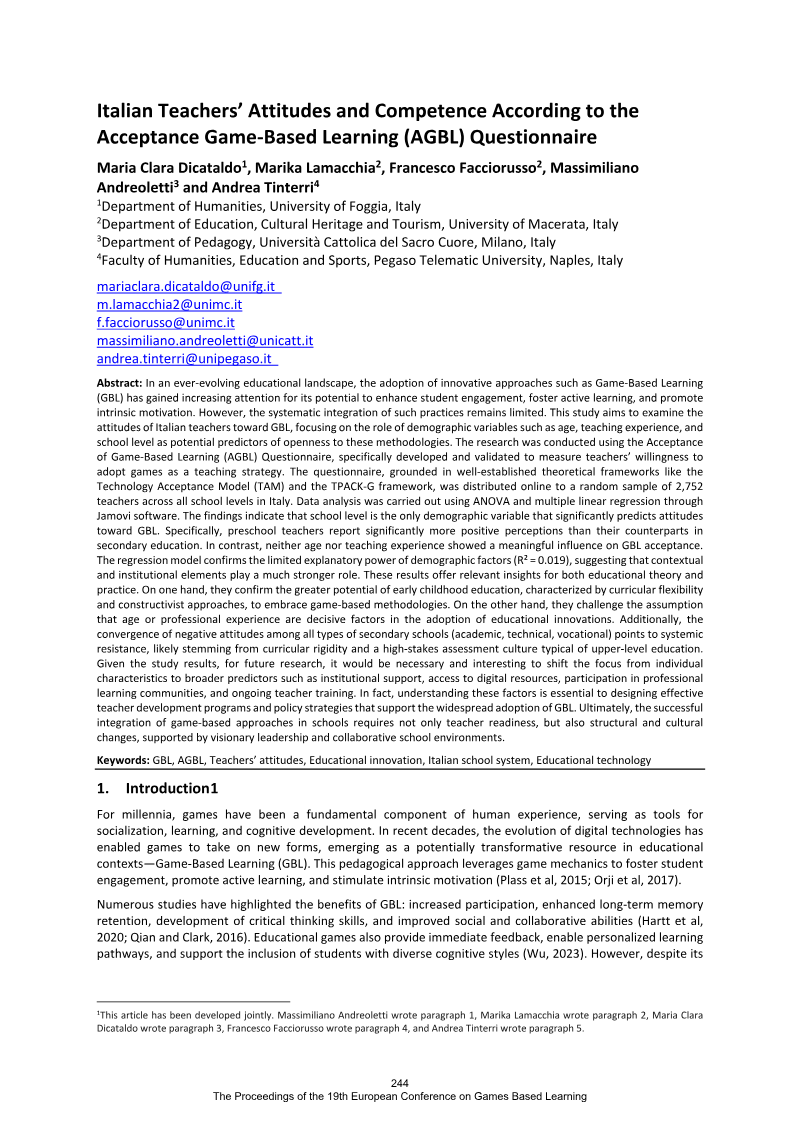
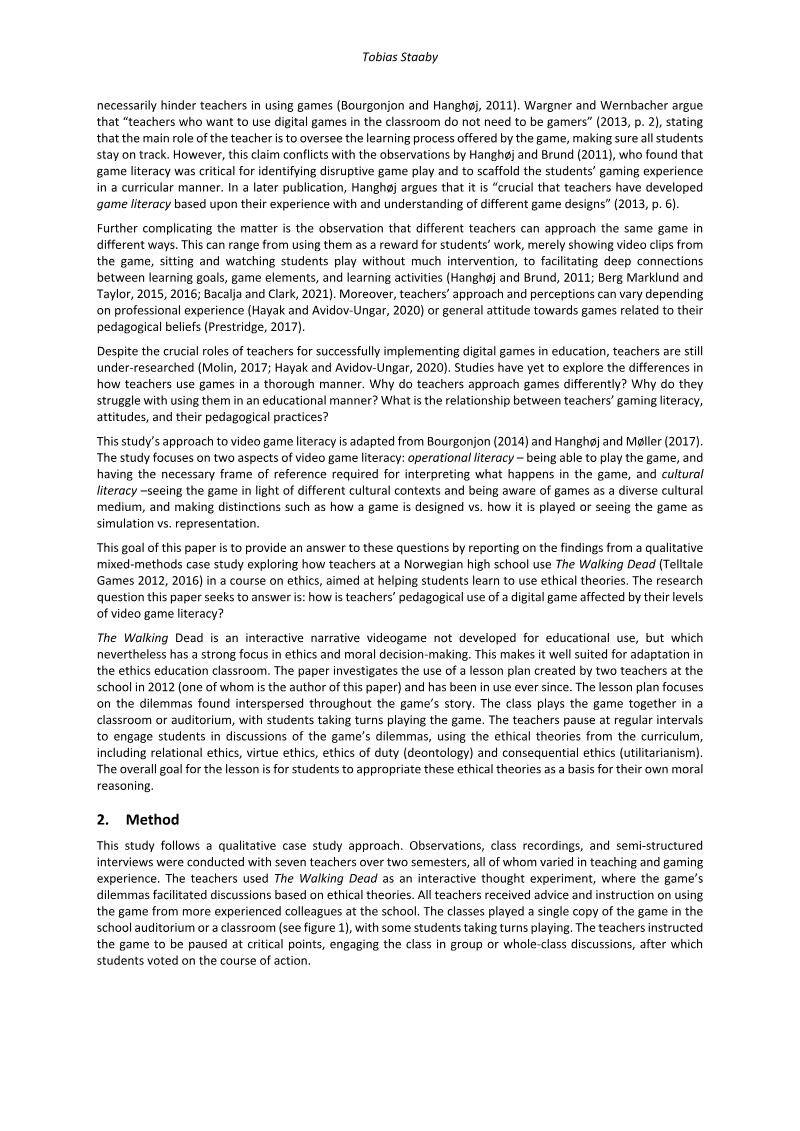
European Conference on Games Based Learning (ECGBL) · 2025
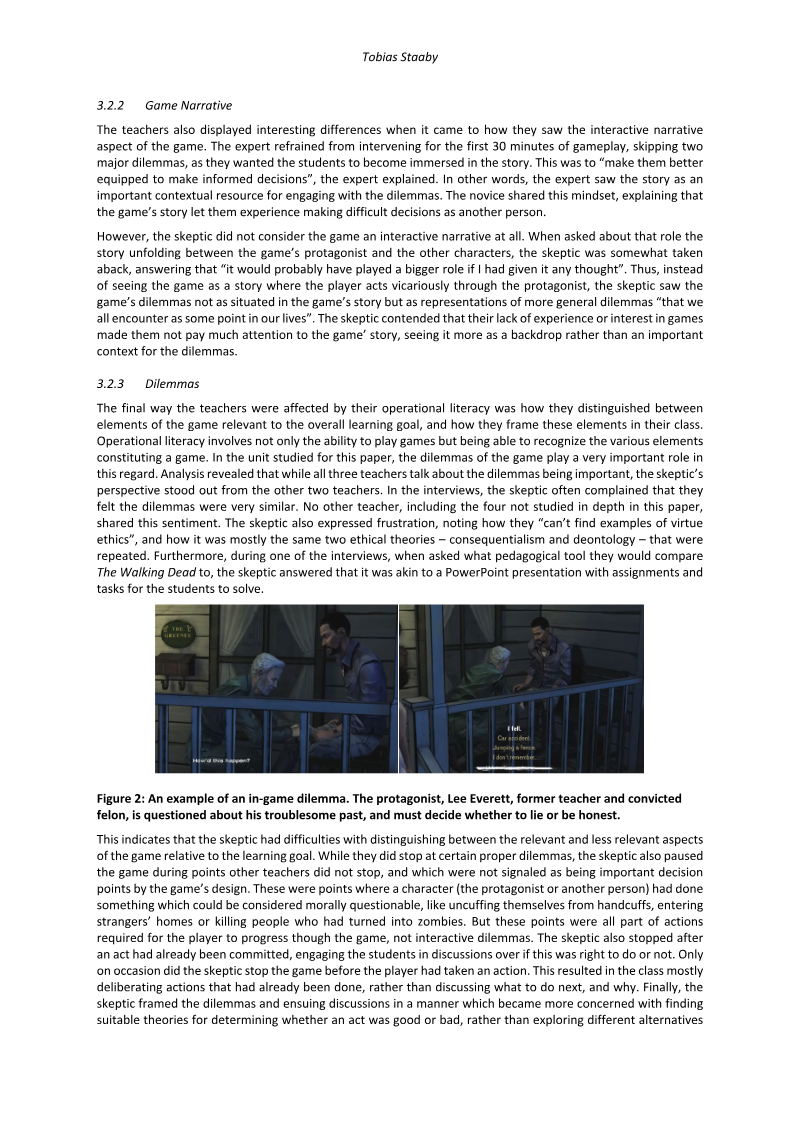
European Conference on Games Based Learning (ECGBL) · 2024
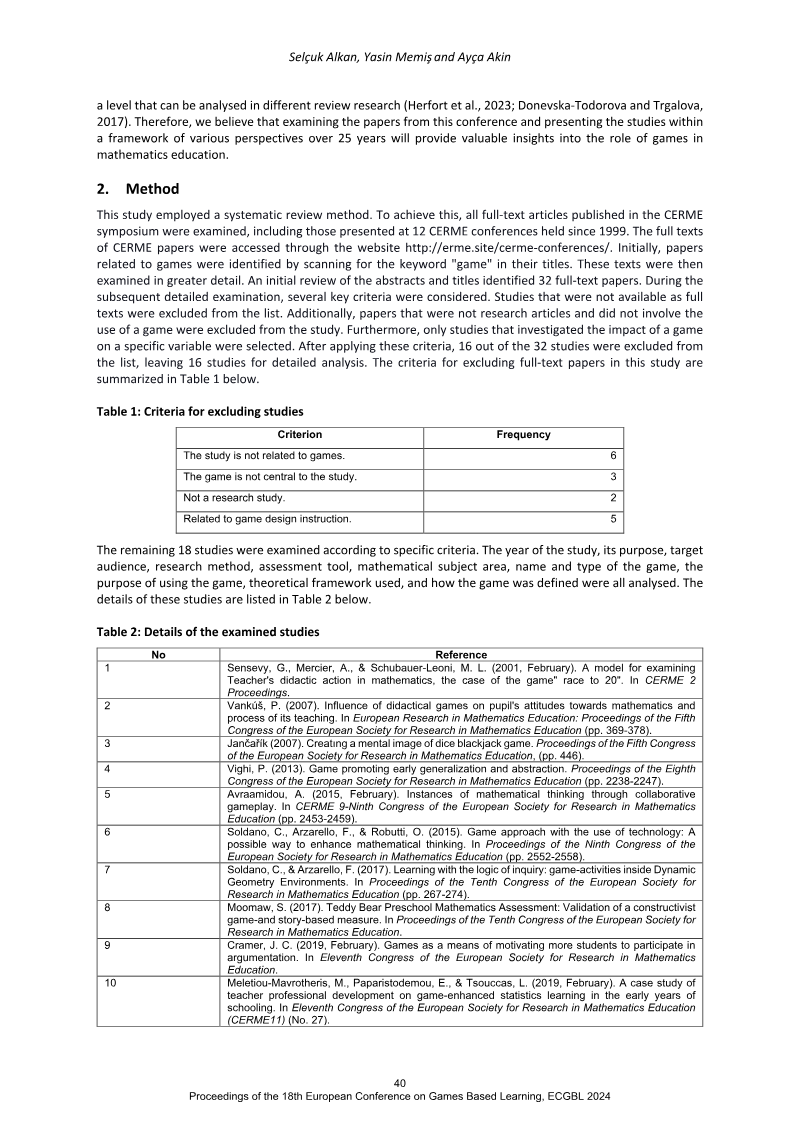
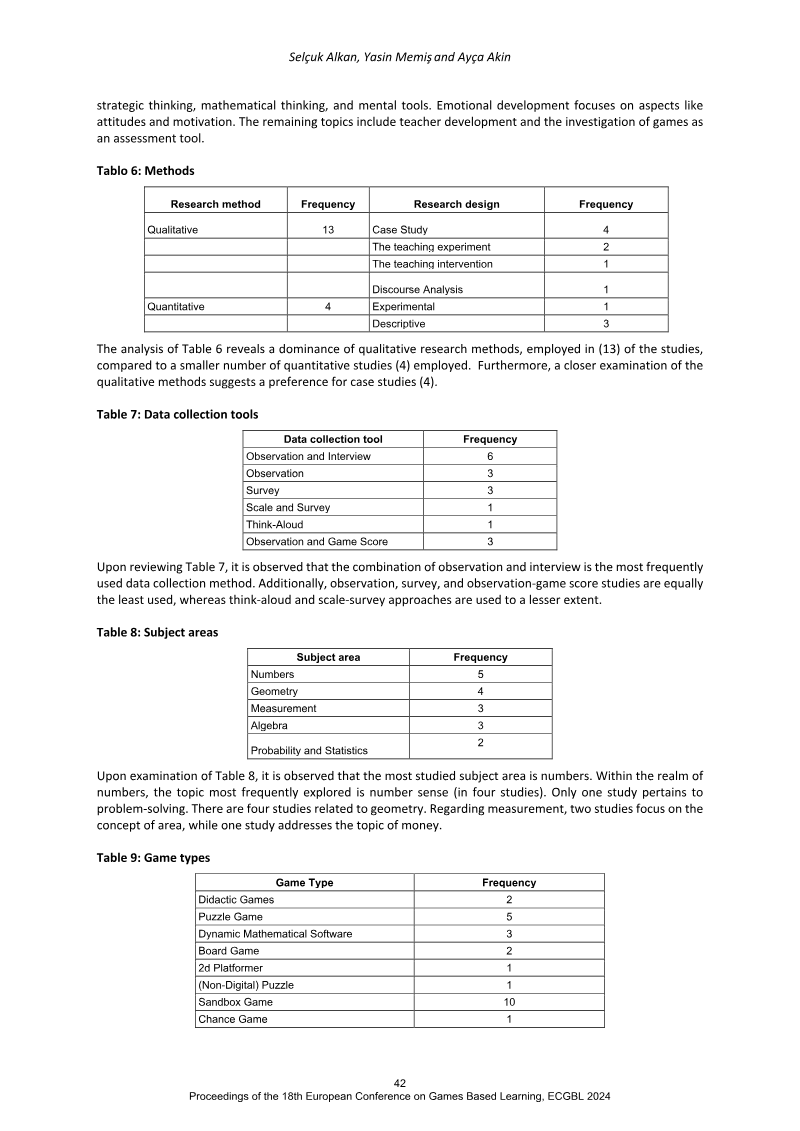
European Conference on Games Based Learning (ECGBL) · 2024