Game Studies reports and market data
Documents

A Review of Digital Serious Games for Tsunami Risk Communication
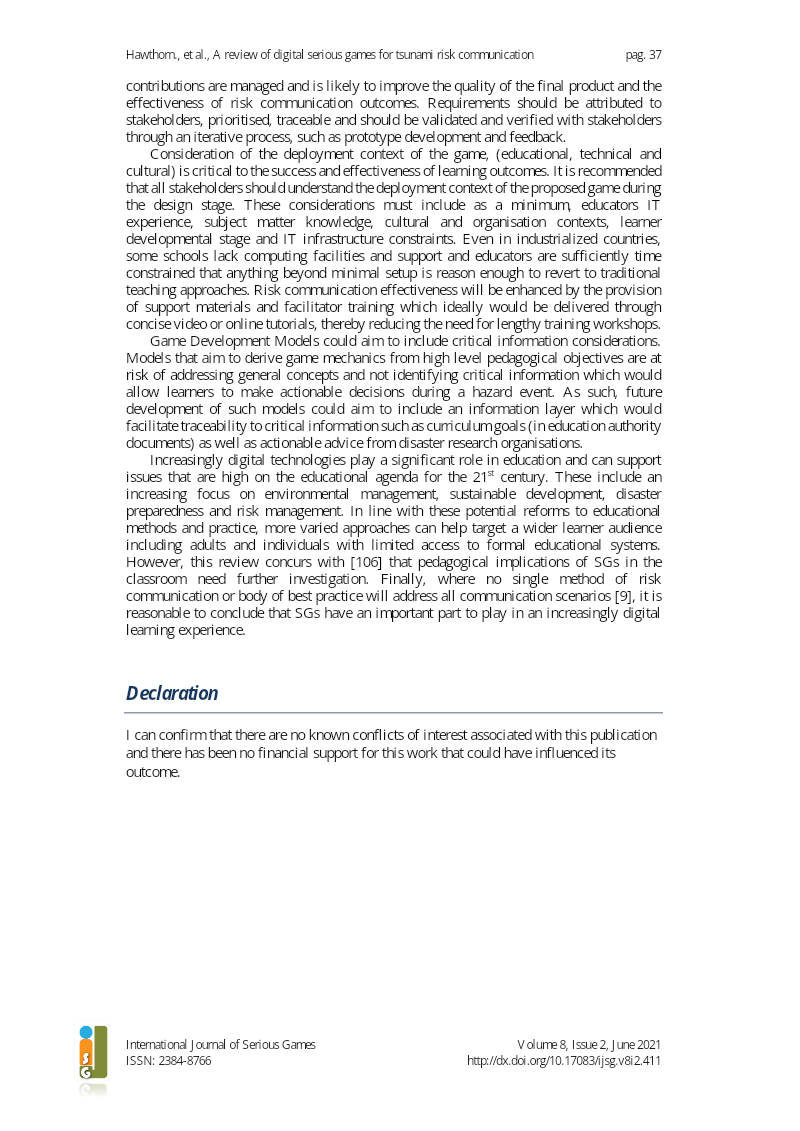
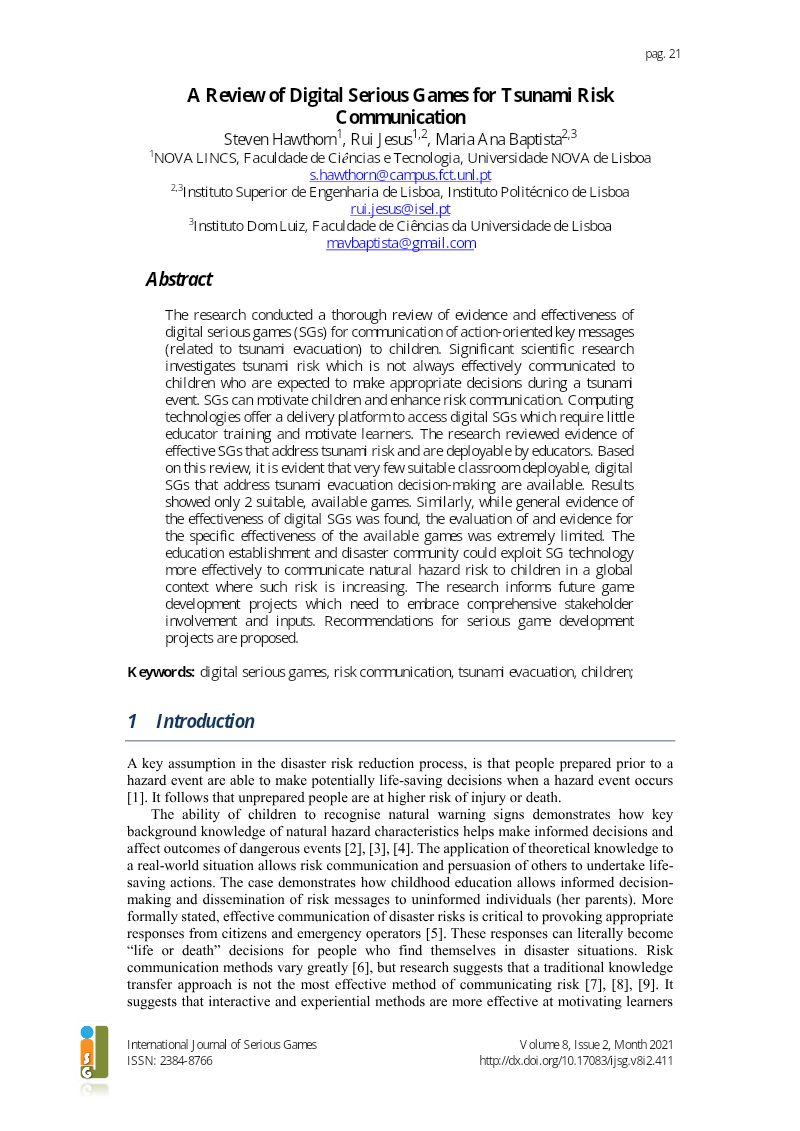
Digital serious games represent a transformative, albeit underdeveloped, frontier in tsunami risk communication for secondary school students.
- Serious games for tsunami risk communication are currently hindered by a lack of standardized frameworks, resulting in tools that often fail to align game mechanics with established safety protocols.
- Existing educational resources, including titles like Disaster Master, Stop Disasters, and Tanah, lack rigorous, large-scale experimental evidence to validate their effectiveness in improving student preparedness.
- A primary design conflict exists between altruistic gameplay mechanics and the Tendenko evacuation philosophy, which emphasizes individual survival as a prerequisite for community safety.


Comparing Bayesian Statistics and Frequentist Statistics in Serious Games Research
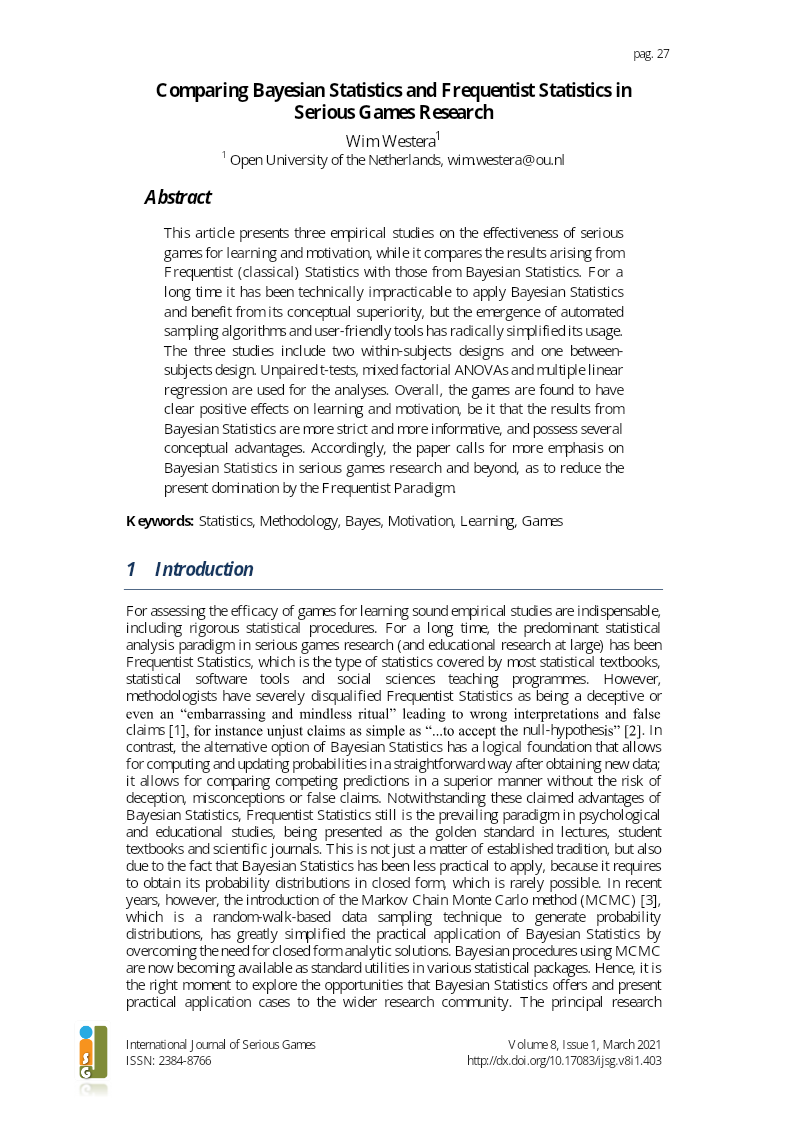
Serious games research currently relies heavily on Frequentist statistical methods, yet these traditional approaches are increasingly viewed as prone to methodological limitations and potential misinterpretations of data.
- Serious games research should transition from Frequentist methods to Bayesian statistics to overcome the methodological limitations and binary constraints of traditional p-value testing.
- Bayesian inference provides a more robust framework by utilizing Bayes factors to quantify evidence for competing hypotheses rather than relying on binary significance.
- Bayesian models offer superior predictive accuracy and lower standard errors compared to traditional Frequentist approaches in empirical game-based evaluations.
Assessment Measures in Game-based Learning Research: A Systematic Review
Game-based learning research currently suffers from a significant methodological imbalance that undermines the reliability of its empirical evidence.
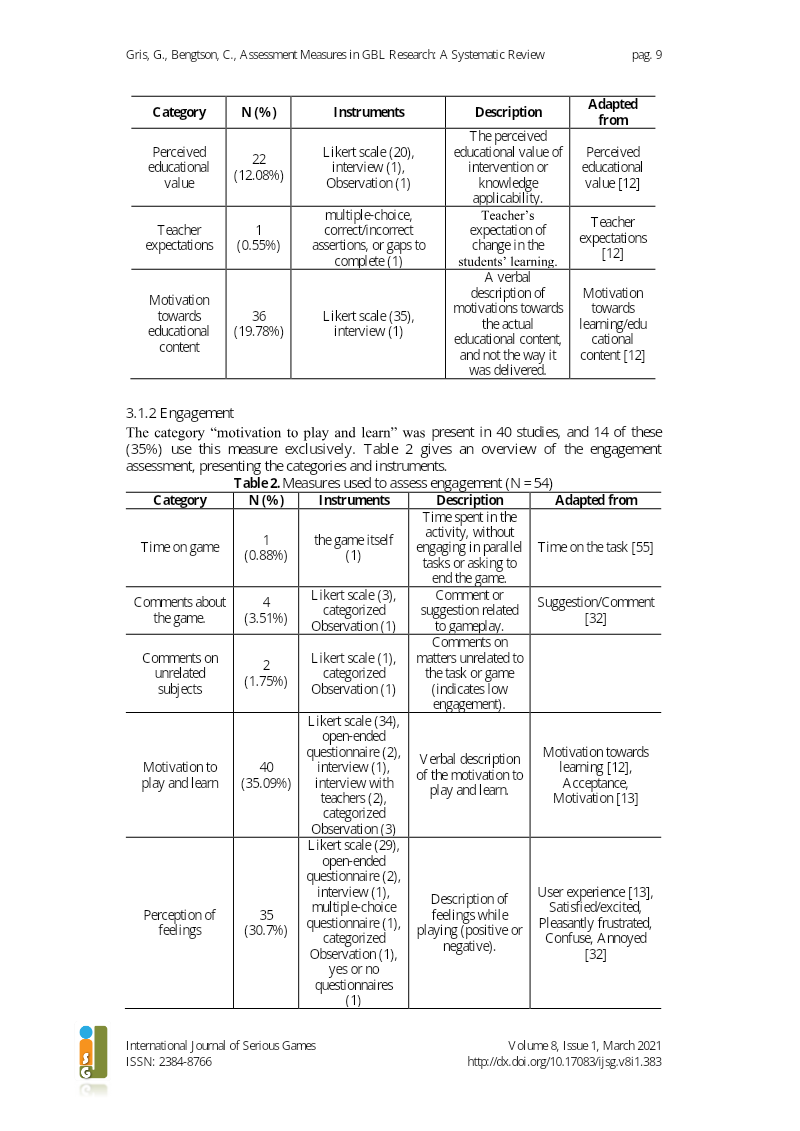
- A systematic review of 91 empirical studies reveals a significant methodological imbalance that prioritizes learning outcomes while neglecting the critical dimensions of engagement and usability.
- The evaluation of engagement and usability in game-based learning relies almost exclusively on indirect, self-reported data rather than objective, observable metrics.
- Current research frequently utilizes non-validated Likert scale questionnaires and poorly defined instruments, which lack the psychometric rigor necessary for scientific reliability.

Return to the Interactive Past
Fragments of Him is presented as a case study in how video games can be understood through emotional and narrative content rather than through their interaction mechanics alone.
- The report argues that labels like 'walking simulator' obscure what games like Fragments of Him actually do, and that the game deliberately prioritizes a story about love, grief, and recent social history over conventional notions of fun.
- The analysis proposes a four-part taxonomy of immersion, systems, spatial, empathic/social, and narrative/sequential, to give the vague concept of 'immersion' more precision.
- Fragments of Him is positioned as deliberately low in systems immersion but high in spatial, empathic/social, and narrative/sequential immersion, achieved through period-accurate objects, locations drawn from the creator's personal memories, and back-storied characters set in southern England between the 1980s and 2000s.
Communicating Maritime Spatial Planning: The MSP Challenge Approach
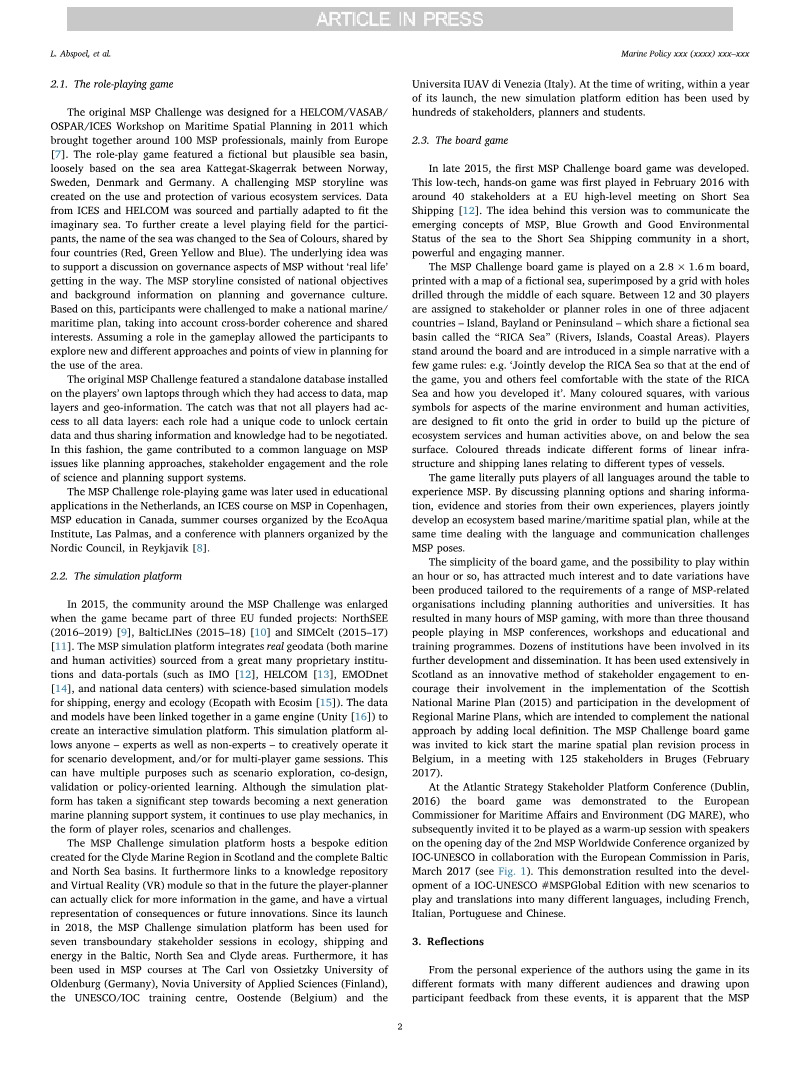
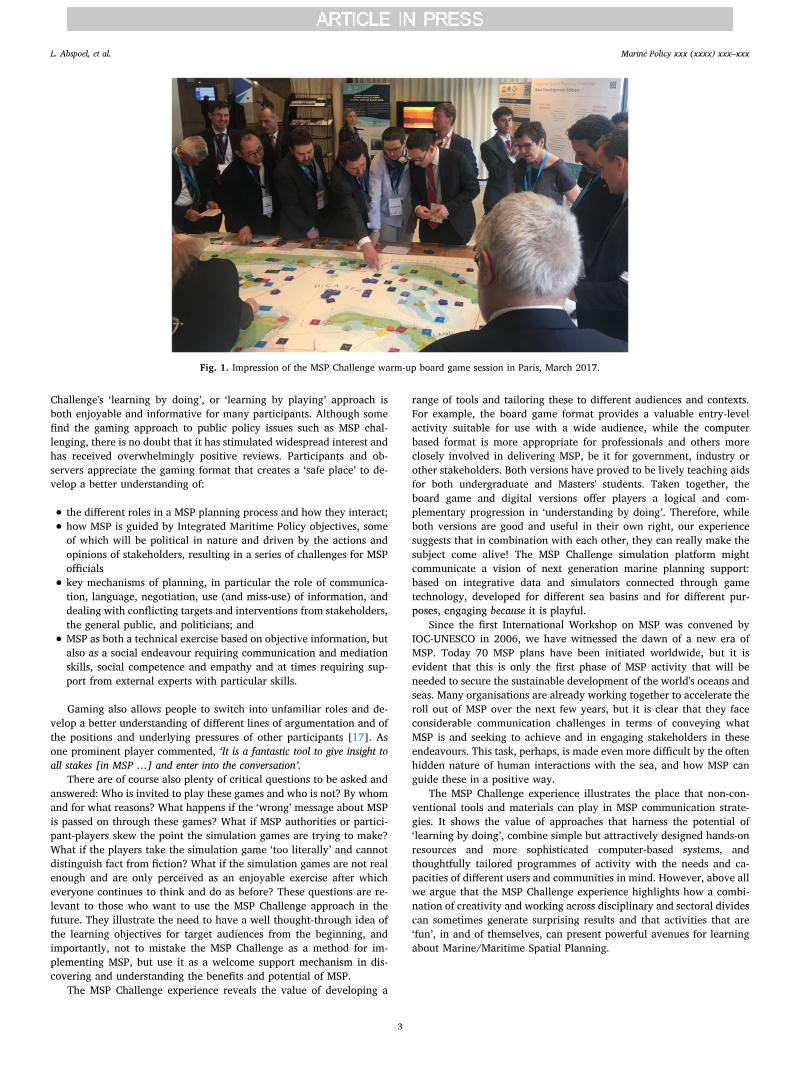
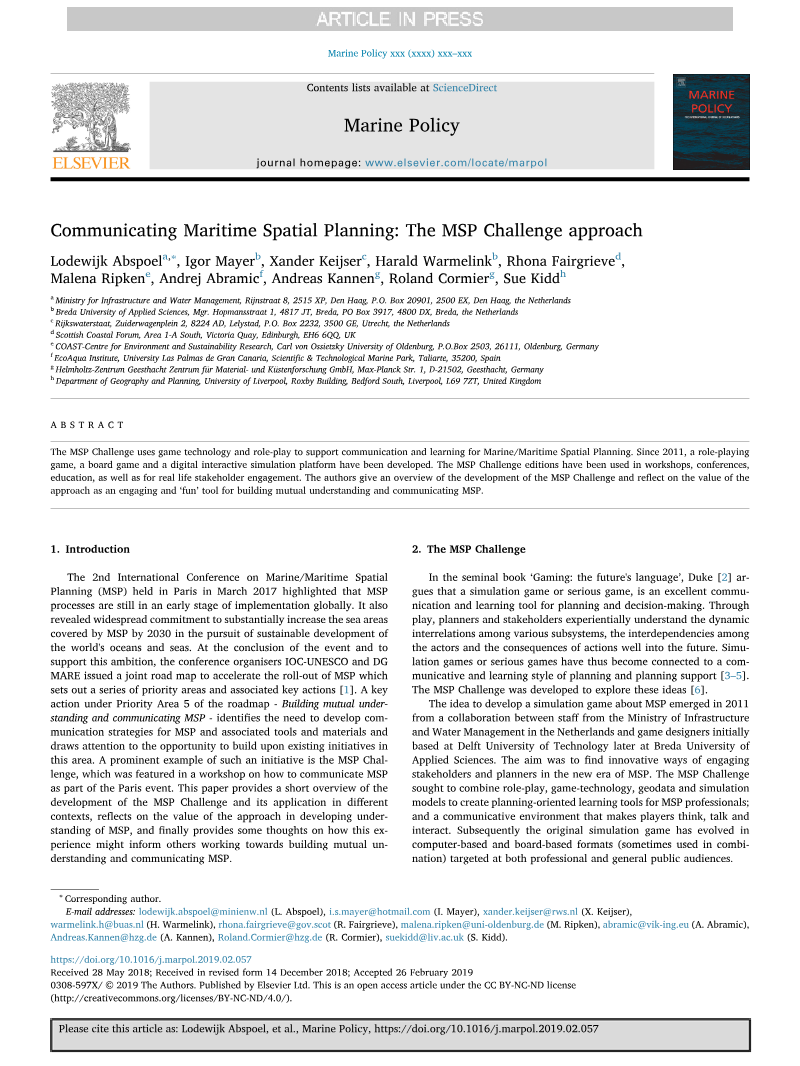
The MSP Challenge paper presents an overview of a game-based communication and learning tool developed to support Marine and Maritime Spatial Planning (MSP).
- The MSP Challenge is a game-based communication tool for Marine and Maritime Spatial Planning that combines role-play, board-based play, and digital simulation to build mutual understanding among planners and stakeholders.
- Development began in 2011 with a role-playing game for a HELCOM/VASAB/OSPAR/ICES workshop of around 100 professionals, was integrated into three EU-funded projects in 2015, and produced a board game and an interactive simulation platform.
- The simulation platform links geodata from ICES, HELCOM, IMO and EMODnet with ecological and shipping models, and has supported stakeholder sessions in the Baltic, North Sea and Clyde regions.

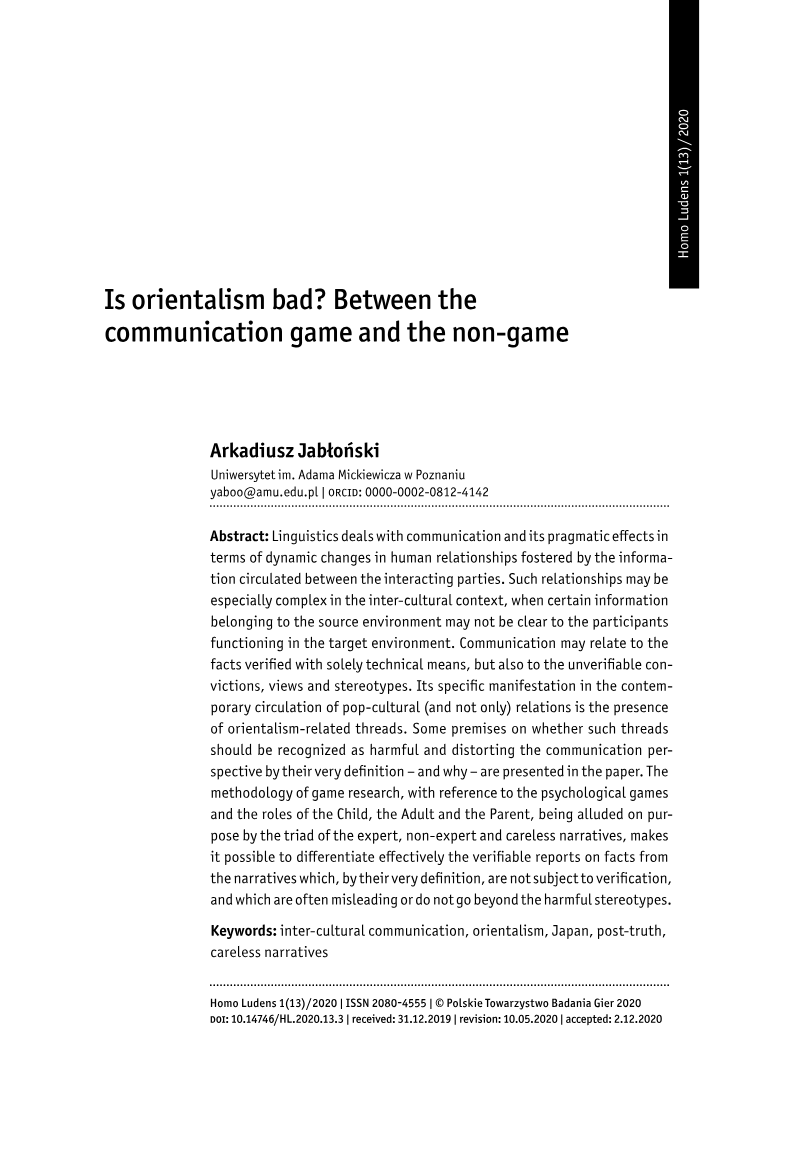
Is Orientalism Bad? Between the Communication Game and the Non-game
Jabłoński's paper examines how intercultural communication about Japan becomes distorted when verifiable facts are blended with stereotypes, and it argues that orientalist motifs in Polish popular culture and media are a central case of this problem.
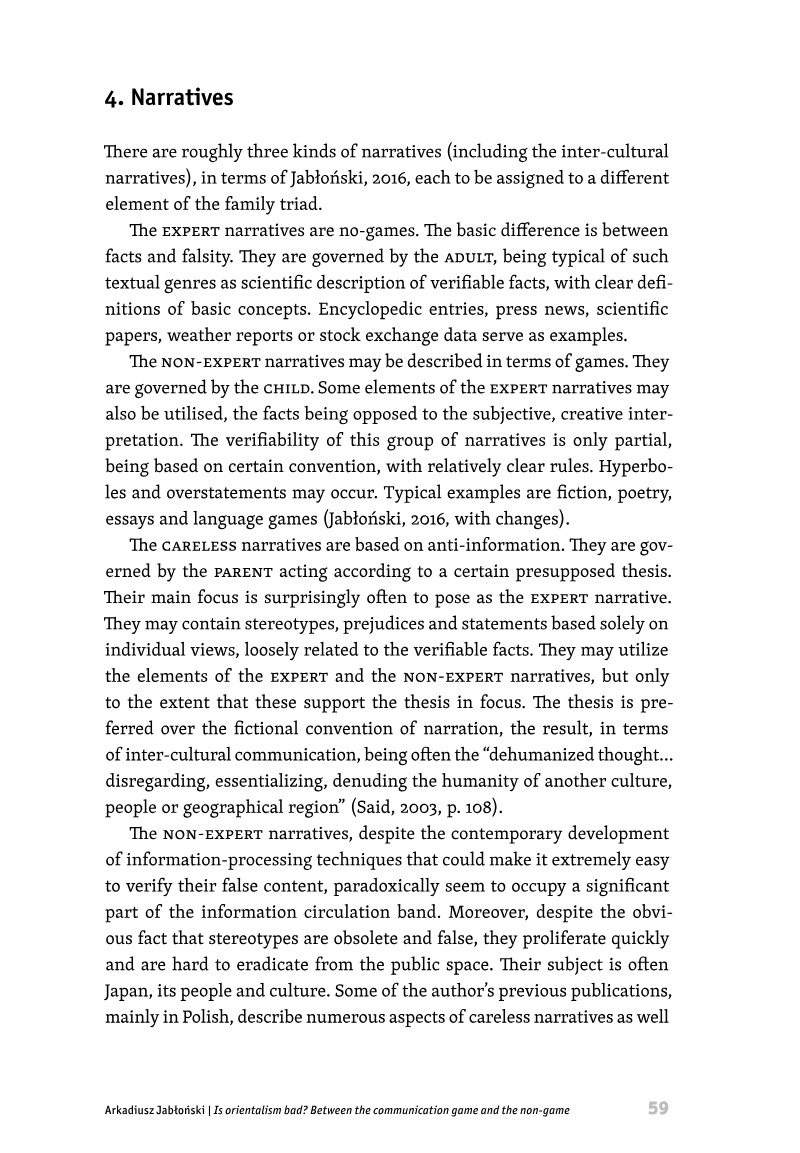
- The paper classifies narratives about Japan into three types drawn from Berne's transactional analysis: expert narratives (verifiable, governed by the Adult), non-expert narratives (partly verifiable and playful, governed by the Child), and careless narratives (presented as expert but serving a predetermined thesis, often reproducing stereotypes).
- Its central critique targets careless narratives in Polish media about Japan, which blend verifiable facts with stereotypes and selectively pick facts to reach conclusions fixed in advance.
- The paper examines Joanna Bator's books and Karolina Bednarz's articles and book as examples, arguing that Bednarz's treatment of a divorced woman in "Defeated dog," and her writing on Japanese schools and railway suicides framed through "toolbox sets," exemplify this problem.
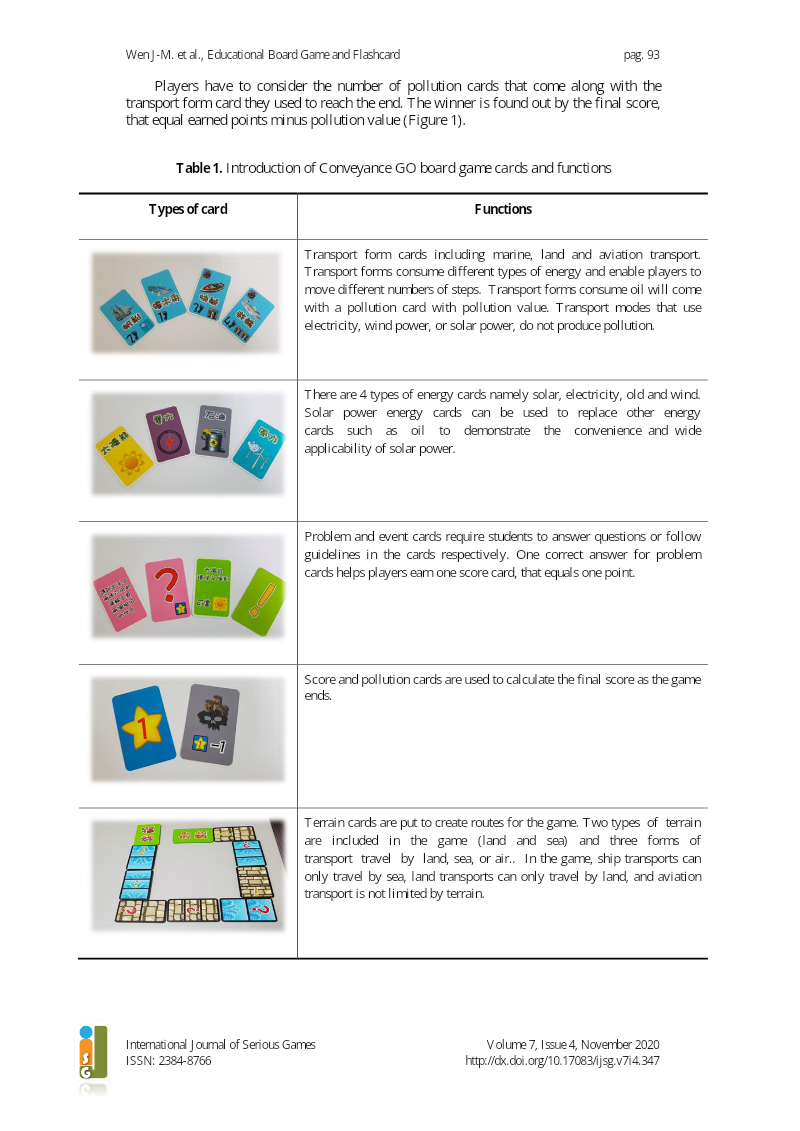
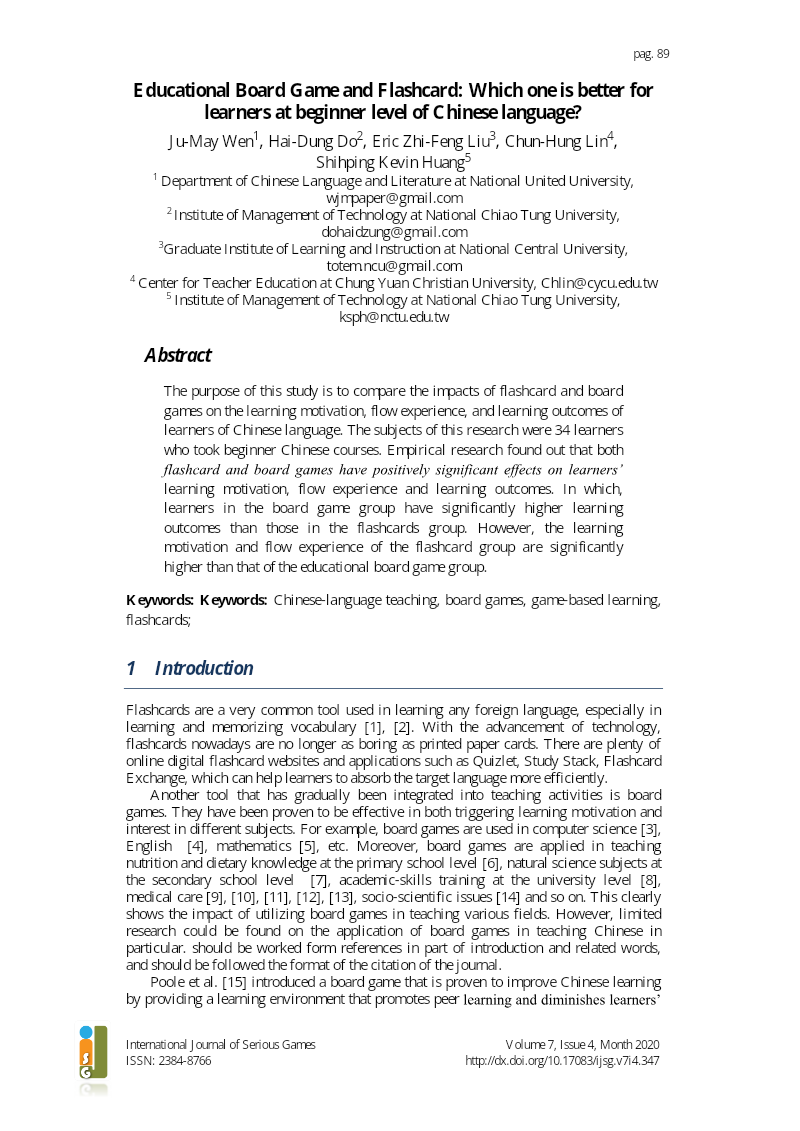
Educational Board Game and Flashcard: Which One is Better for Learners at Beginner Level of Chinese Language?
Educational board games and flashcards serve distinct pedagogical functions for beginner-level Chinese language learners, each offering unique advantages regarding cognitive engagement and linguistic proficiency.
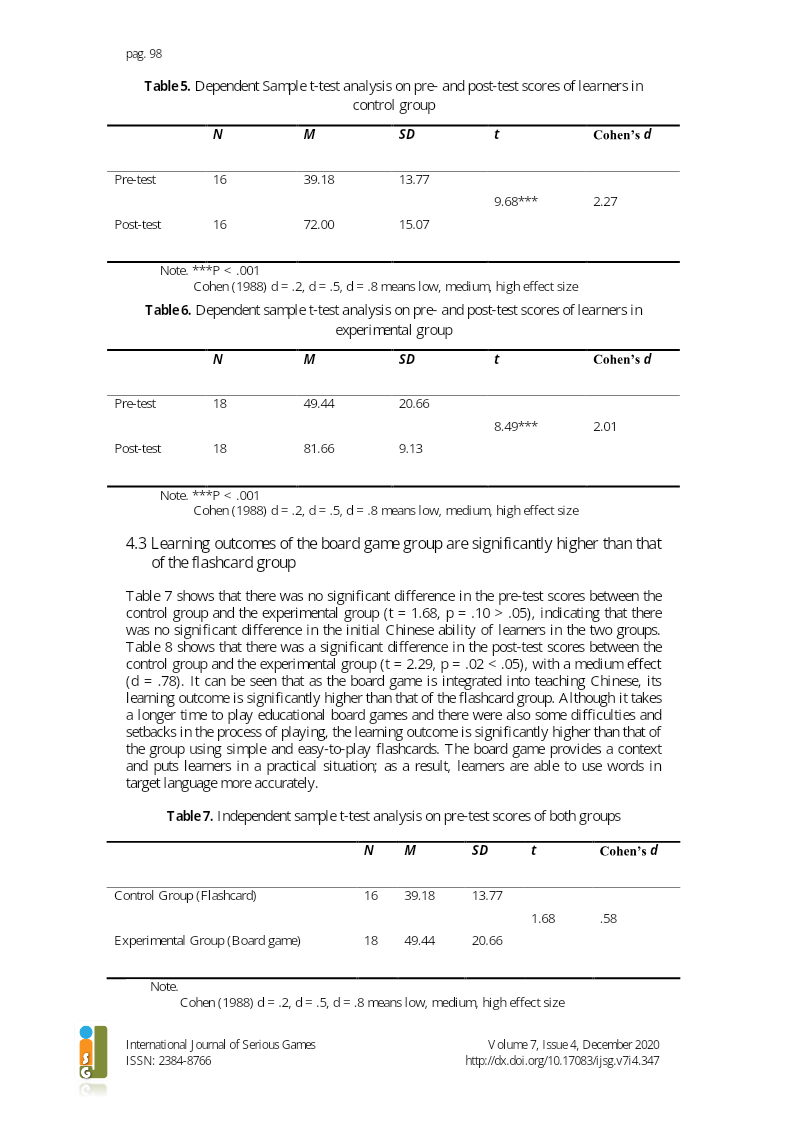
- Educational board games produce superior overall learning outcomes and higher linguistic accuracy compared to flashcards by requiring students to use language in interactive, social contexts.
- Flashcards are the most effective tool for rapid vocabulary acquisition and foundational recall due to their lower cognitive load and ability to sustain immediate focus.
- Board games provide the necessary complexity for meaningful communication, whereas flashcards are limited to rote memorization.
A Meta-Synthesis of Agency in Game Studies: Trends, Troubles, Trajectories
This meta-synthesis examines 59 qualitative and humanistic studies of agency in game studies, arguing that agency in games is plural, contingent, and continually in flux rather than a single, totalizing concept.
- The synthesis argues that agency in games is plural, contingent, and in flux, and that game studies has treated it as an essential aesthetic experience (following Murray, 1997) while leaving the term largely undefined and blurring it with interactivity, freedom, and control.
- The review finds that narrative and design discourses have historically tied agency to white, male, able-bodied, and heterosexual players, marginalizing characters and nonhuman forms of agency.
- Drawing on 59 studies, the synthesis highlights a recurring claim that player agency is often illusory and that such illusions may be disempowering rather than liberating, with BioShock scholarship accounting for fifteen of the fifty-nine studies.
Exploring the Use of Participatory Design in Game Design: A Brazilian Perspective
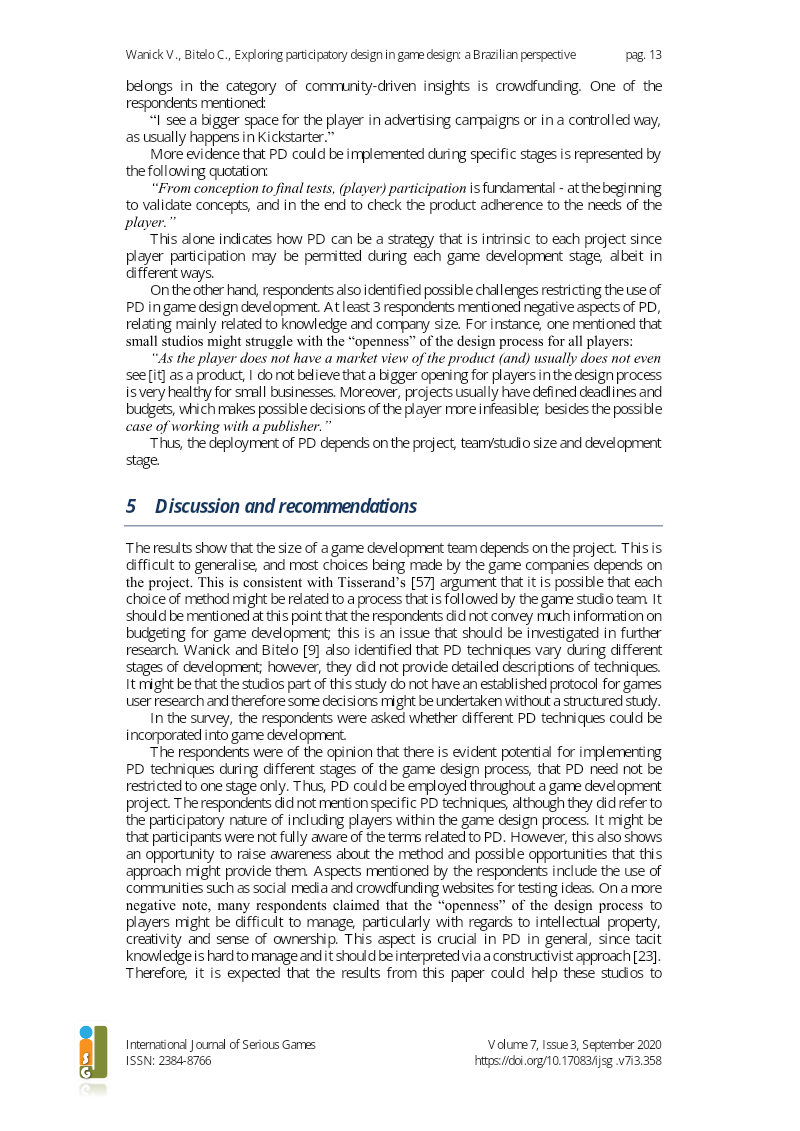
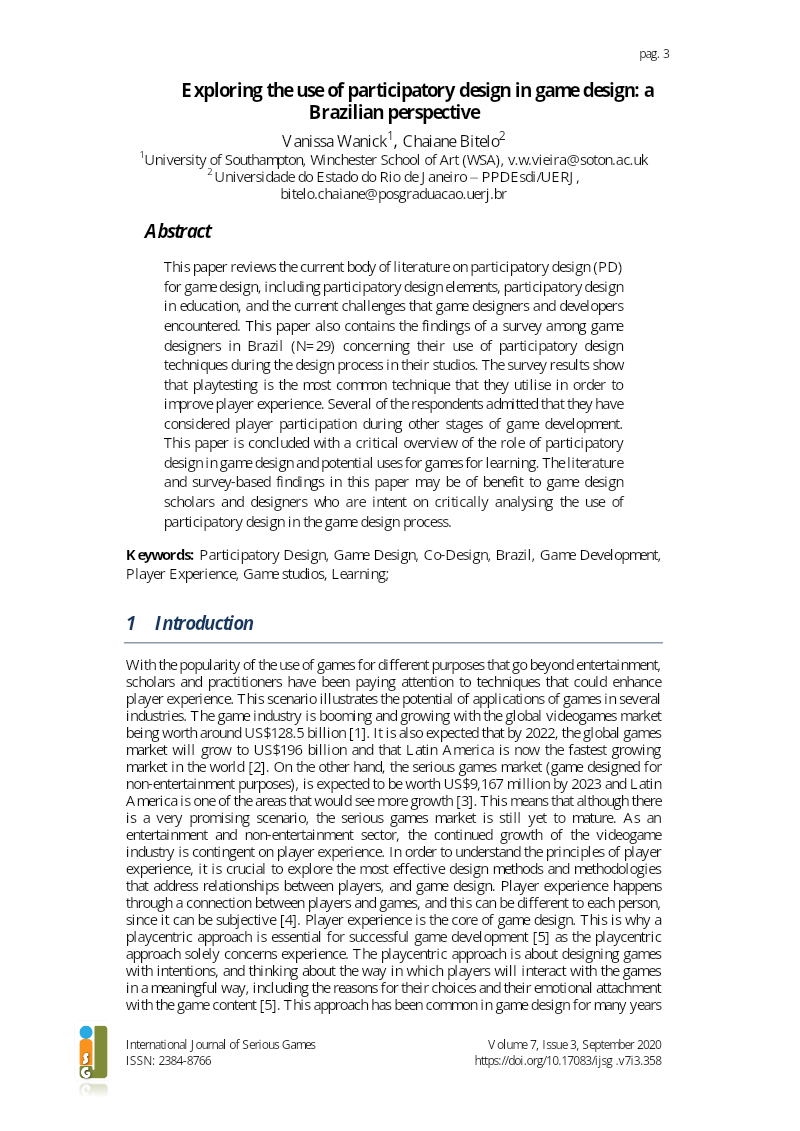
The Brazilian game industry currently relies heavily on traditional playtesting as its primary mechanism for gathering player feedback, yet there is a significant opportunity to transition toward more robust Participatory Design (PD) frameworks.
- The Brazilian game industry primarily relies on traditional playtesting, missing the deeper, collaborative co-creation benefits of Participatory Design (PD).
- A study of 29 studios, representing approximately 28% of the Brazilian market, reveals that developers struggle to integrate community-driven insights throughout the full development lifecycle.
- Primary barriers to adopting formal PD frameworks include budget constraints, concerns over intellectual property protection, and the operational complexity of managing open design processes.
Designing and Implementing Gamification: GaDeP, Gamifire, and Applied Case Studies
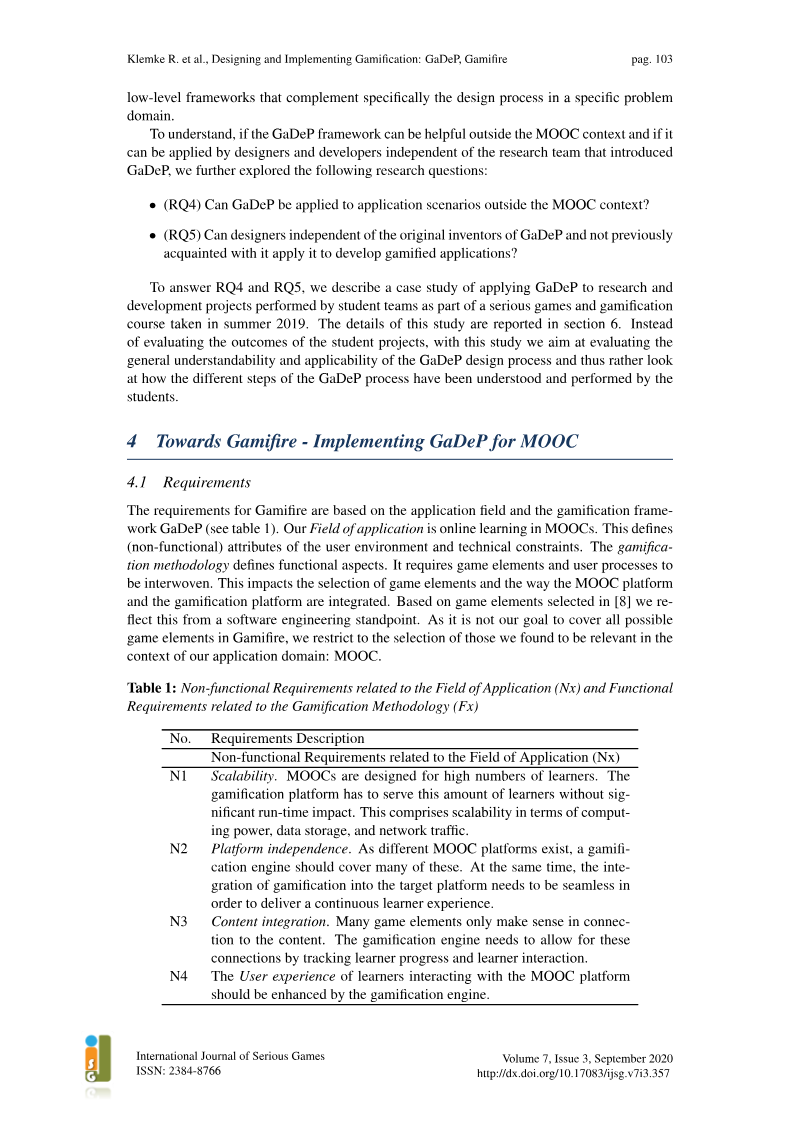
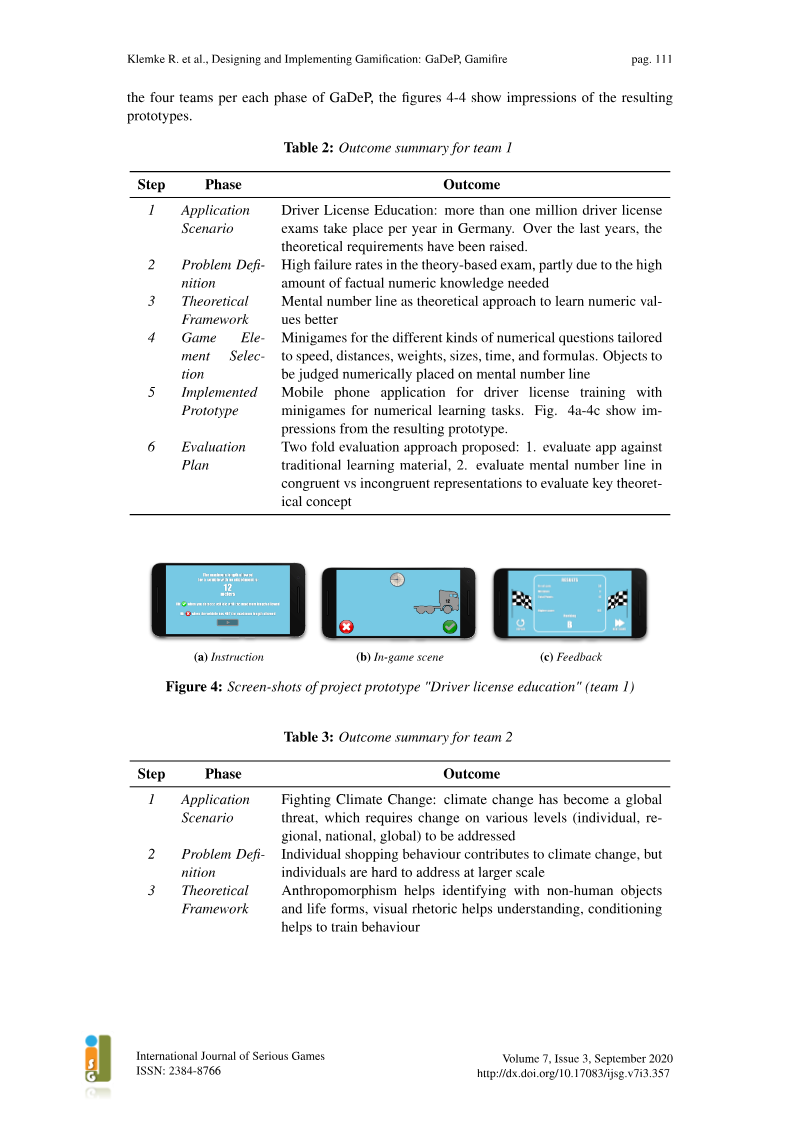
The Gamification Design Process (GaDeP) provides a structured, six-phase framework intended to move gamification beyond superficial mechanics toward meaningful, theory-driven engagement.
- The Gamification Design Process (GaDeP) is a six-phase, platform-independent framework designed to transition gamification from superficial mechanics to theory-driven engagement.
- The Gamifire infrastructure utilizes a three-tier cloud architecture and front-end widget integration to deploy gamification elements into MOOCs without requiring back-end access.
- Technical validation confirms that the Gamifire system supports complex social and psychological mechanics, including clan systems and stimulated planning, while maintaining scalability.

The Discourse of Player Safety in the Forge Diaspora, 2003-2013
The discourse surrounding player safety within the Forge diaspora between 2003 and 2013 represents a foundational shift in how tabletop role-playing communities negotiate the intersection of creative expression and psychological well-being.
Death Rules: A Survey and Analysis of PC Death in Tabletop Role-Playing Games
Character death in tabletop role-playing games functions as a sophisticated mechanical and narrative instrument rather than a simple failure state.