Games and companies in this document
Connections
Each row is a game or company this document names, each column a document, oldest first. A mark means that document names it. Select a row to see those documents.
More from Elsevier
View all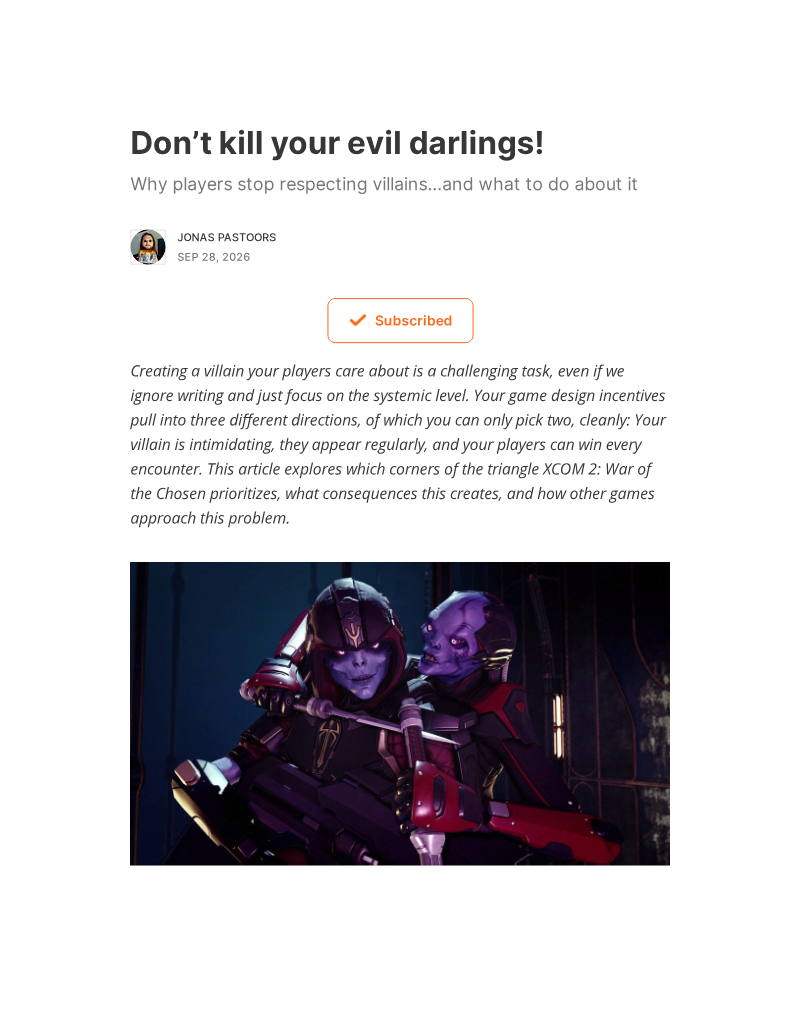
Article
Don't Kill Your Evil Darlings! Why Players Stop Respecting Villains...and What to Do About It
Breda University of Applied Sciences · 2026
Article
A Class on Narrative Frames (and Advanced Murder): What 'Fire Emblem: Three Houses' Knows About Casting the Player's Role
Breda University of Applied Sciences · 2026
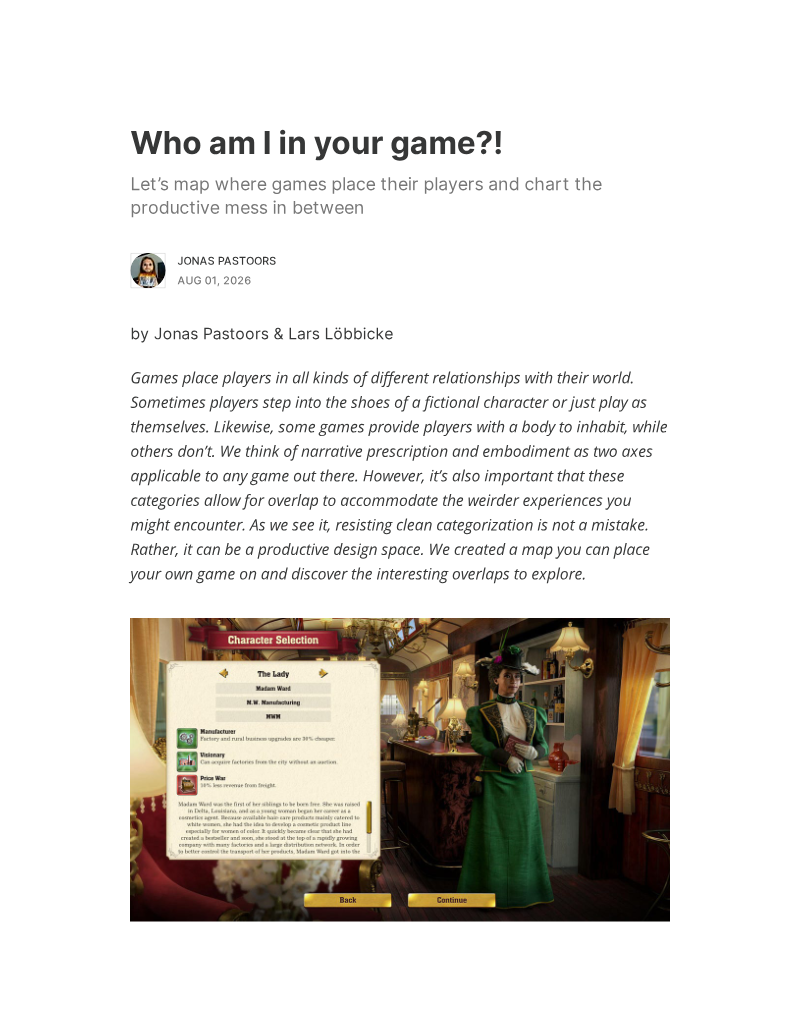
Article
Who Am I in Your Game?! Let's Map Where Games Place Their Players and Chart the Productive Mess in Between
Breda University of Applied Sciences · 2026



Whitepaper
Designing Conceptual Framework of a Digital Twin Serious Game for Climate-Resilient Cultural Tourism Management
Breda University of Applied Sciences · 2026
Whitepaper
A Qualitative Exploration of How Game Art Students Engage with Art Historical Material
Breda University of Applied Sciences · 2026
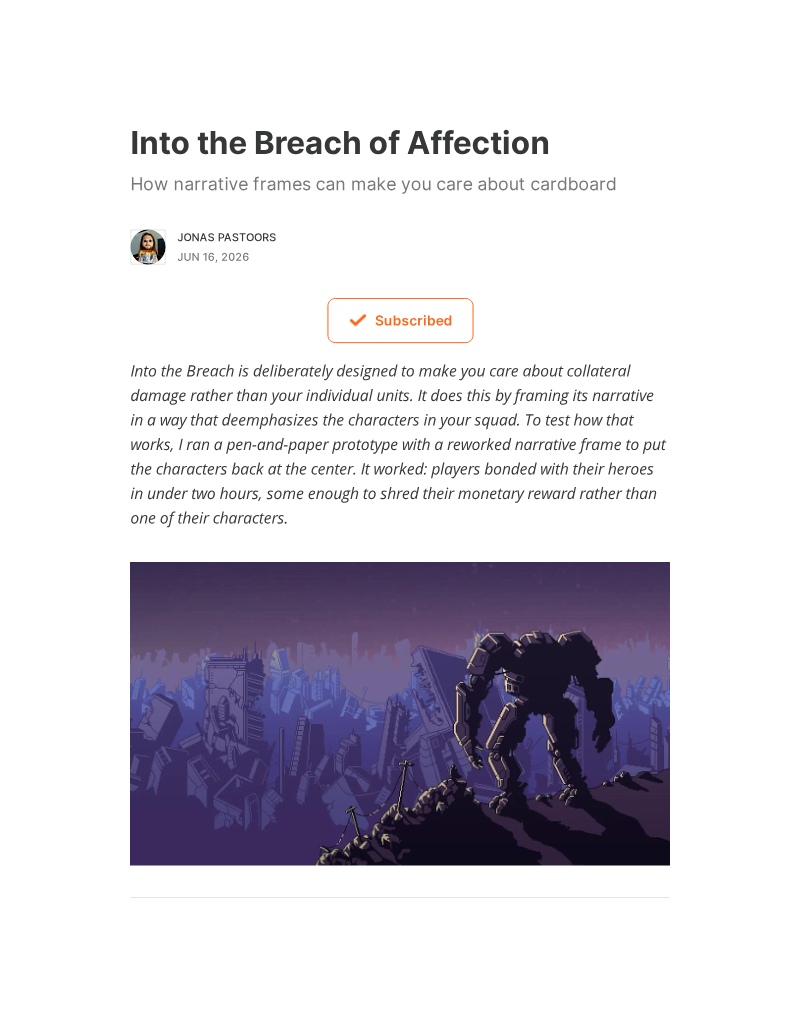
Article
Into the Breach of Affection: How Narrative Frames Can Make You Care About Cardboard
Breda University of Applied Sciences · 2026



Whitepaper
The Impact of Evolving Character Customization on Emotional Engagement and Player Behaviour in RPGs
Breda University of Applied Sciences · 2026
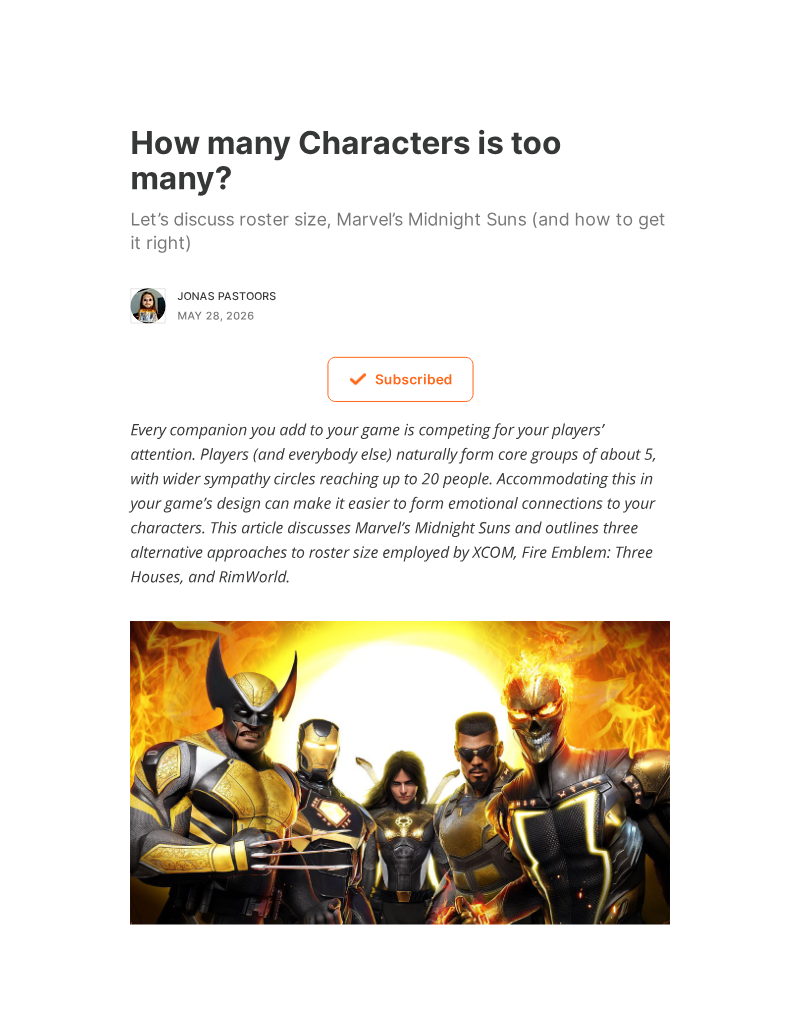
Article
How Many Characters Is Too Many? Let's Discuss Roster Size, Marvel's Midnight Suns (and How to Get It Right)
Breda University of Applied Sciences · 2026

Article
Lessons from RimWorld (and FIFA): How Introducing a Rival Team Gets You Two Emotional Hooks for the Price of One Design Decision
Breda University of Applied Sciences · 2026
Article
"Shut Up, I'm Having a Mental Break!": The Strange Design Space of Characters You Command but Don't Control
Breda University of Applied Sciences · 2026
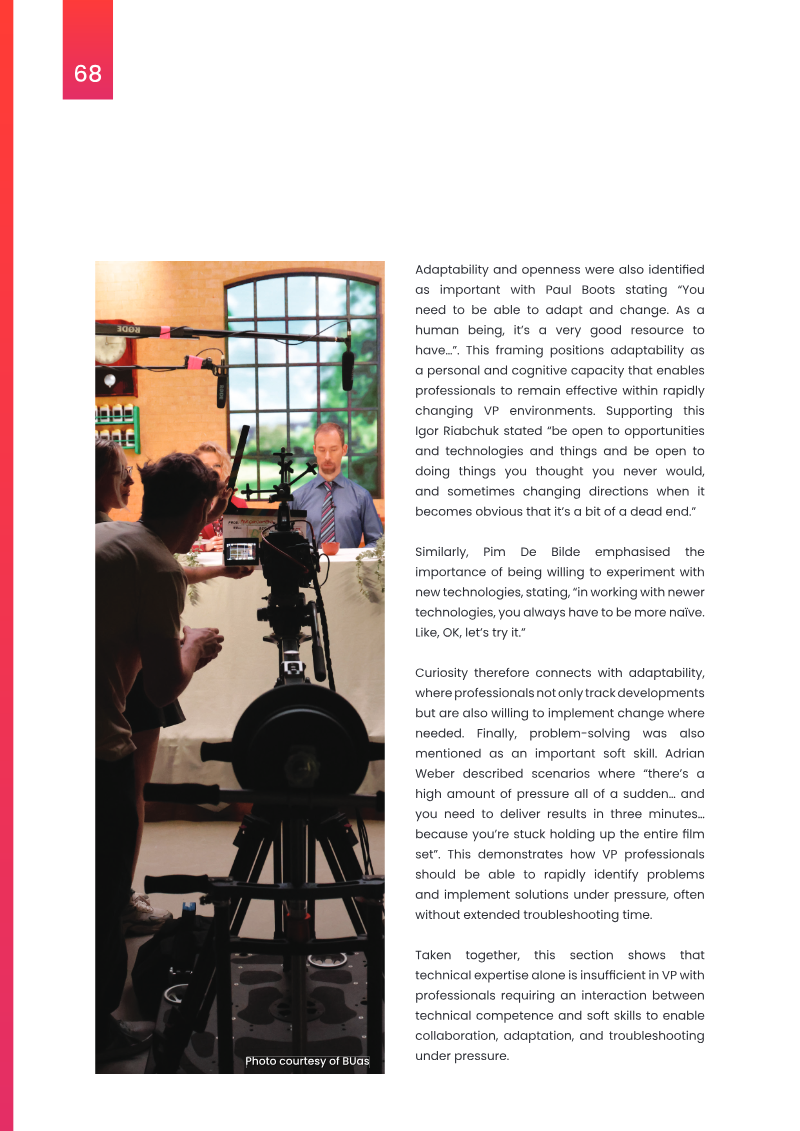
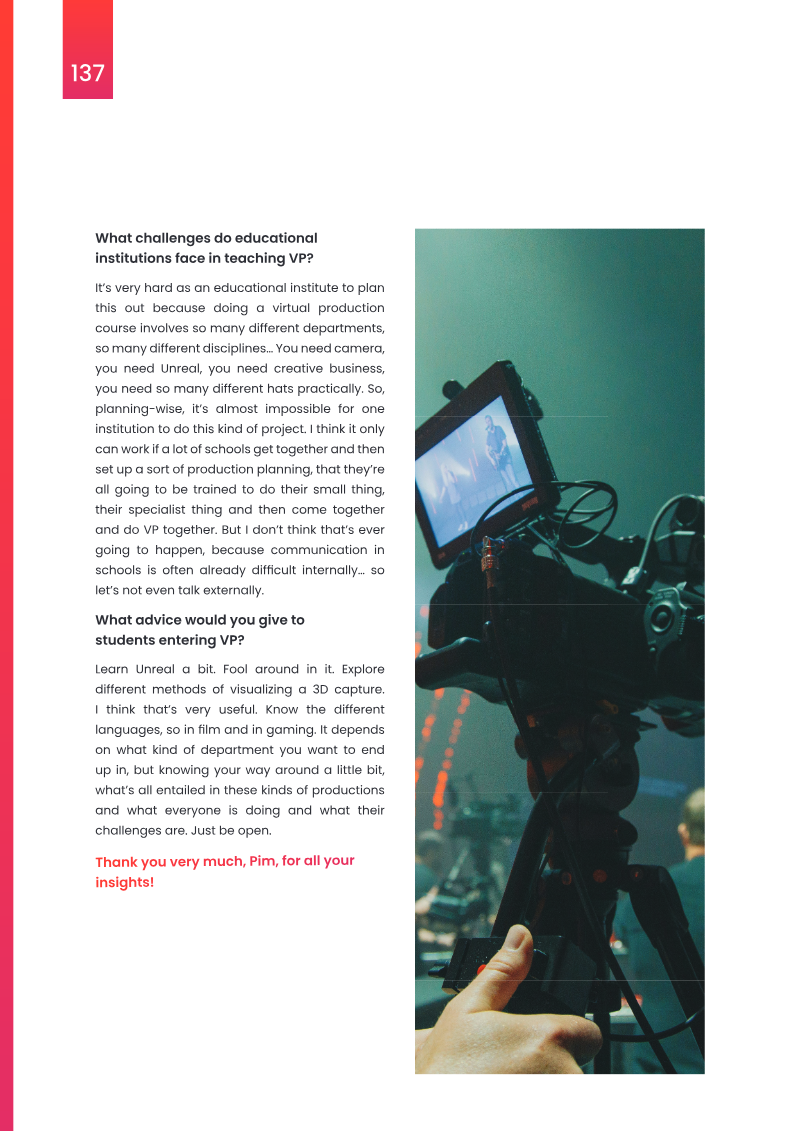
Report
Oscillations 1: Main Findings and Extended Insights: Industry and Education Perspectives
Breda University of Applied Sciences · 2026
Whitepaper
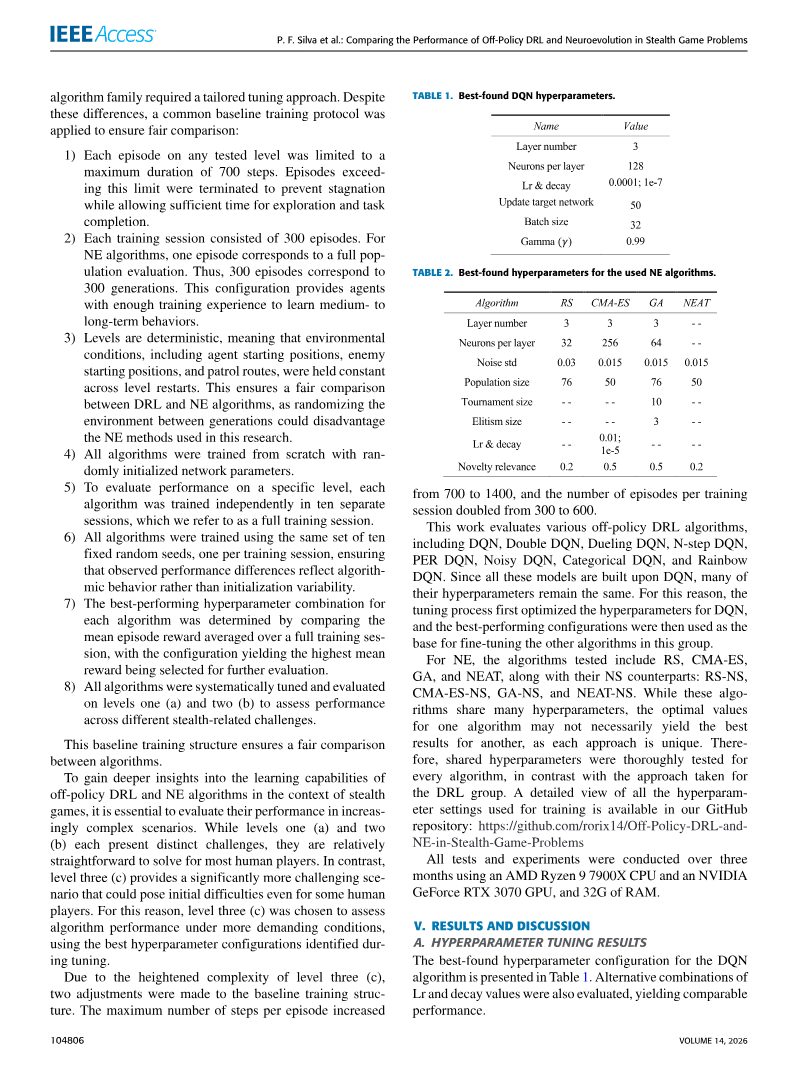
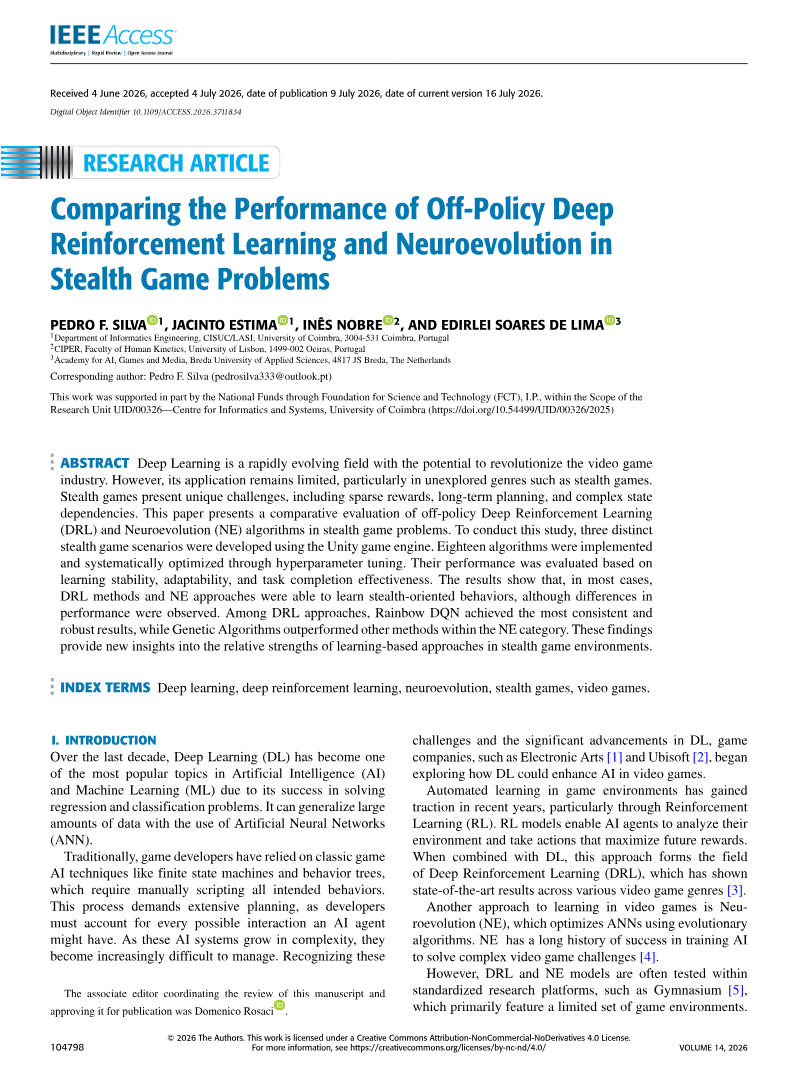
Comparing the Performance of Off-Policy Deep Reinforcement Learning and Neuroevolution in Stealth Game Problems
Breda University of Applied Sciences · 2026
More on Serious Games
View all


Whitepaper
Challenges of Simulations and Serious Games Embedded in Emergency Preparedness Platforms
European Conference on Games Based Learning (ECGBL) · 2026
Whitepaper
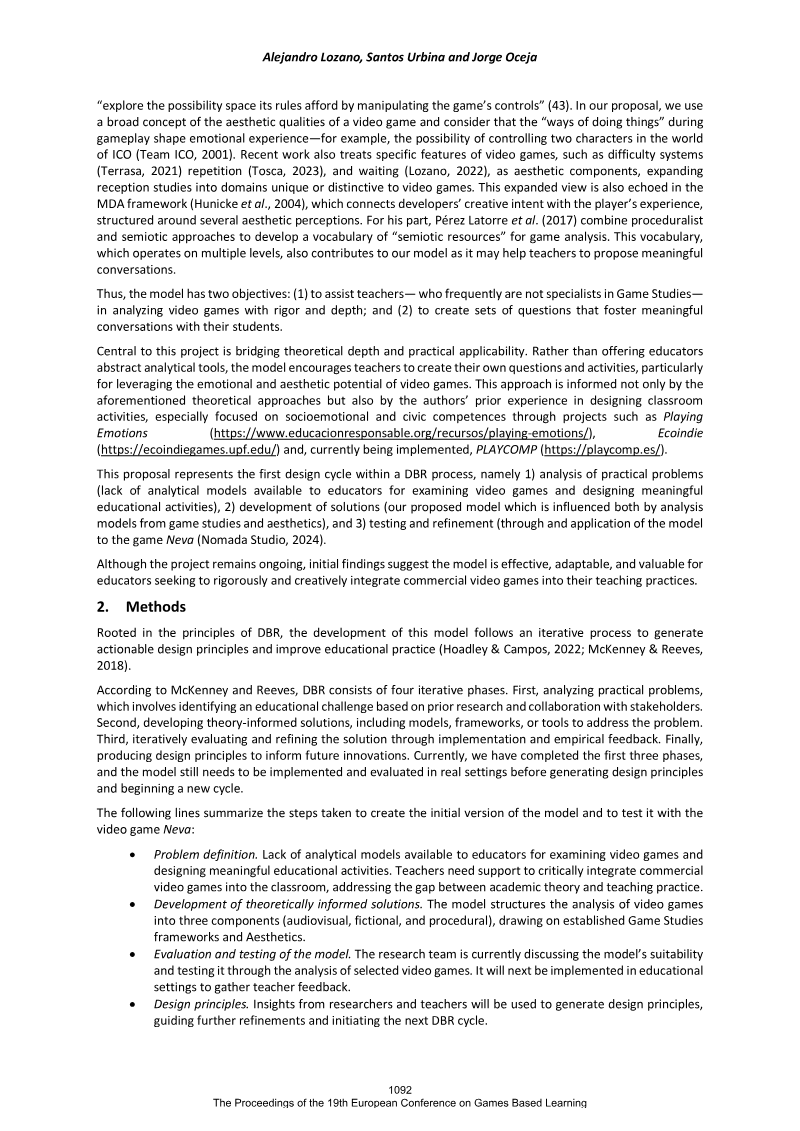
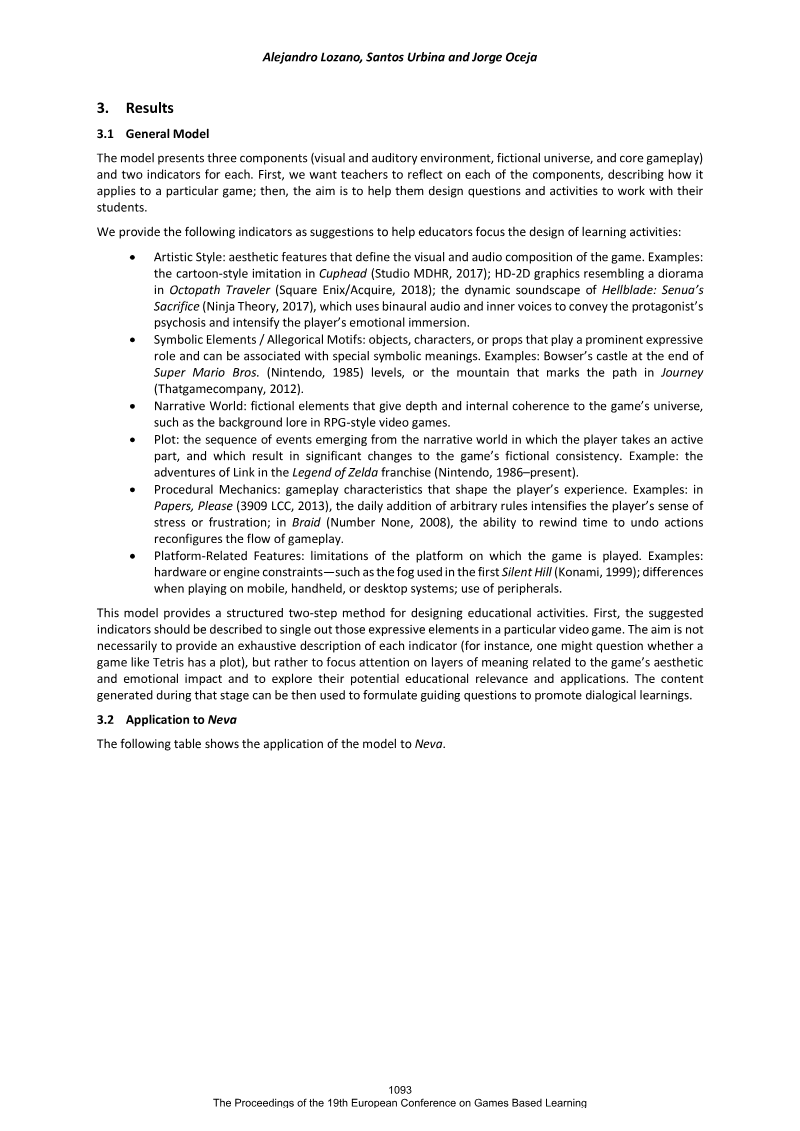
VAFUG: A Model for Designing Educational Activities Grounded in Game Studies and Aesthetics
European Conference on Games Based Learning (ECGBL) · 2025