1 free read left. Create a free account for unlimited reading + AI research.
Create free accountWhitepaper Japanese Association for Role-Playing Game Studies (JARPS)
1 free read left. Create a free account for unlimited reading + AI research.
Create free accountWhitepaperJapanese Association for Role-Playing Game Studies (JARPS)
Distilling the key insights…
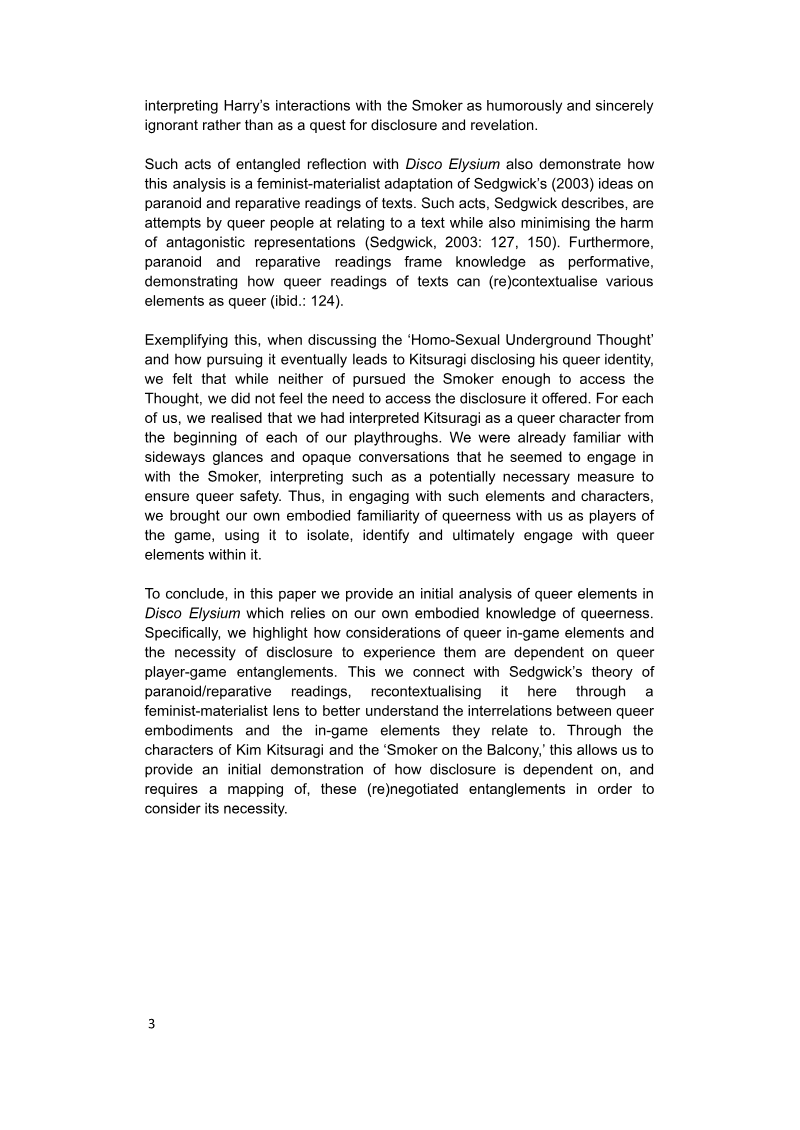
Character death in tabletop role-playing games functions as a sophisticated mechanical and narrative instrument rather than a simple failure state. By analyzing a diverse range of systems—from traditional titles like Dungeons & Dragons to contemporary narrative-focused games such as Ten Candles and Monsterhearts—it becomes clear that death rules serve as the primary architecture for defining a campaign’s tone and stakes. These mechanics, which span from permanent character removal to psychological degradation, provide a structured environment where players can safely explore themes of risk, loss, and consequence.
The actual play experience often diverges from written rules, as gaming groups frequently negotiate or modify death mechanics to better align with their desired narrative pacing and emotional investment. This flexibility highlights that death is a critical transition point that shifts player agency and alters the trajectory of the collective story. Rather than being an outcome to be strictly avoided, death acts as a catalyst for character development and a tool for managing the intensity of the gaming experience.
This analysis encompasses the broader landscape of modern tabletop role-playing, drawing on foundational game studies to contextualize how mechanical constraints influence social dynamics at the table. By framing death as a fundamental component of game design, the research demonstrates that the rules governing the end of a character’s journey are essential to the overall health and engagement of a campaign. Ultimately, these systems transform the threat of loss into a meaningful element of player agency, ensuring that the conclusion of a character’s arc remains a pivotal moment of narrative significance.
Each row is a game or company this document names, each column a document, oldest first. A mark means that document names it. Select a row to see those documents.
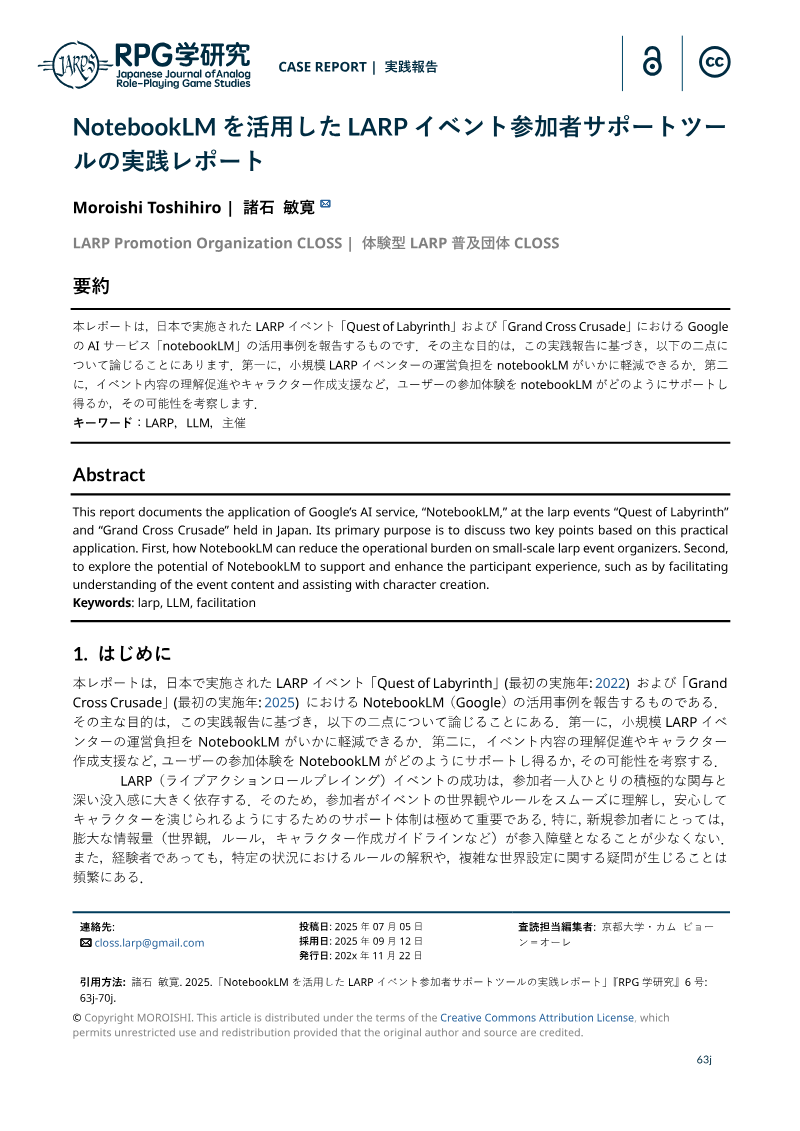
Japanese Association for Role-Playing Game Studies (JARPS) · 2025
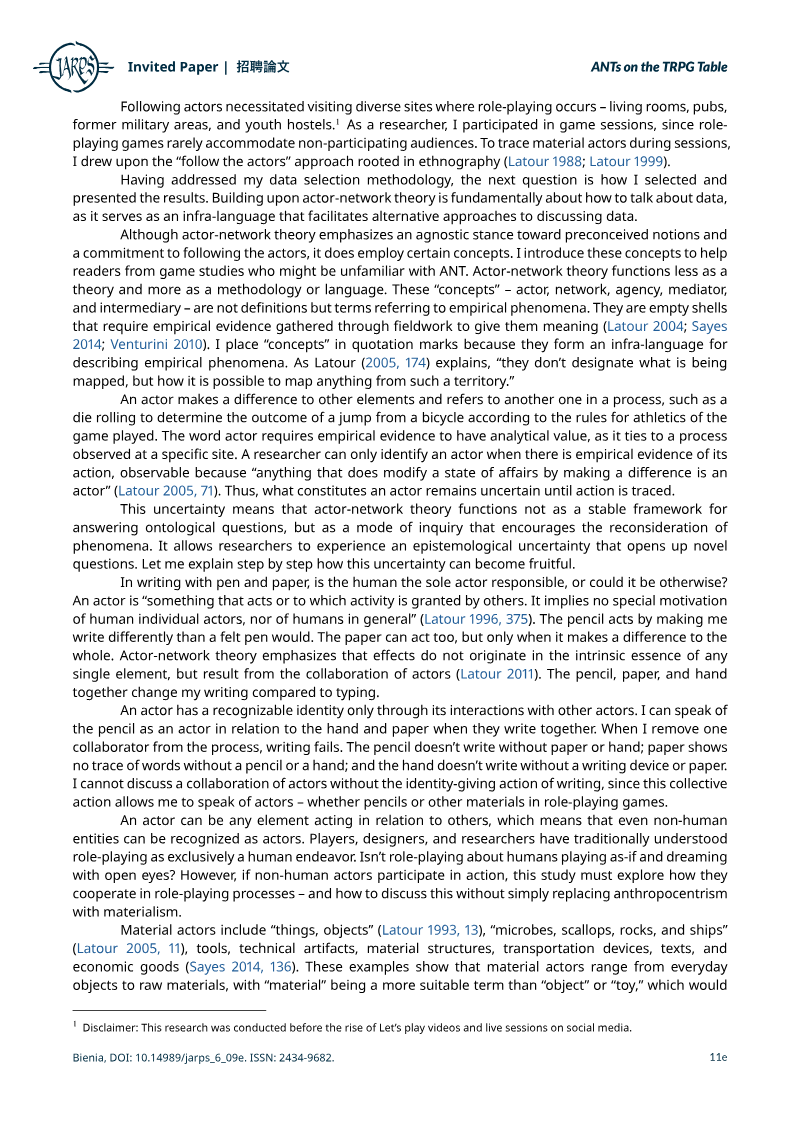
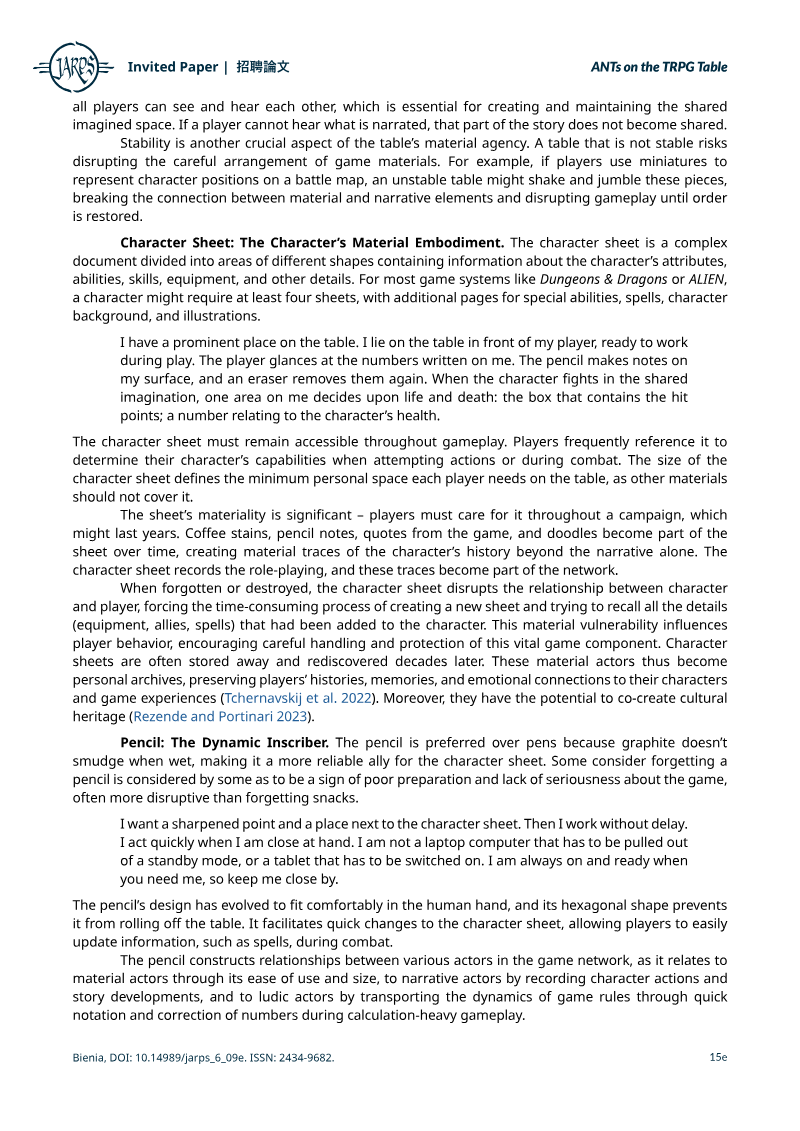
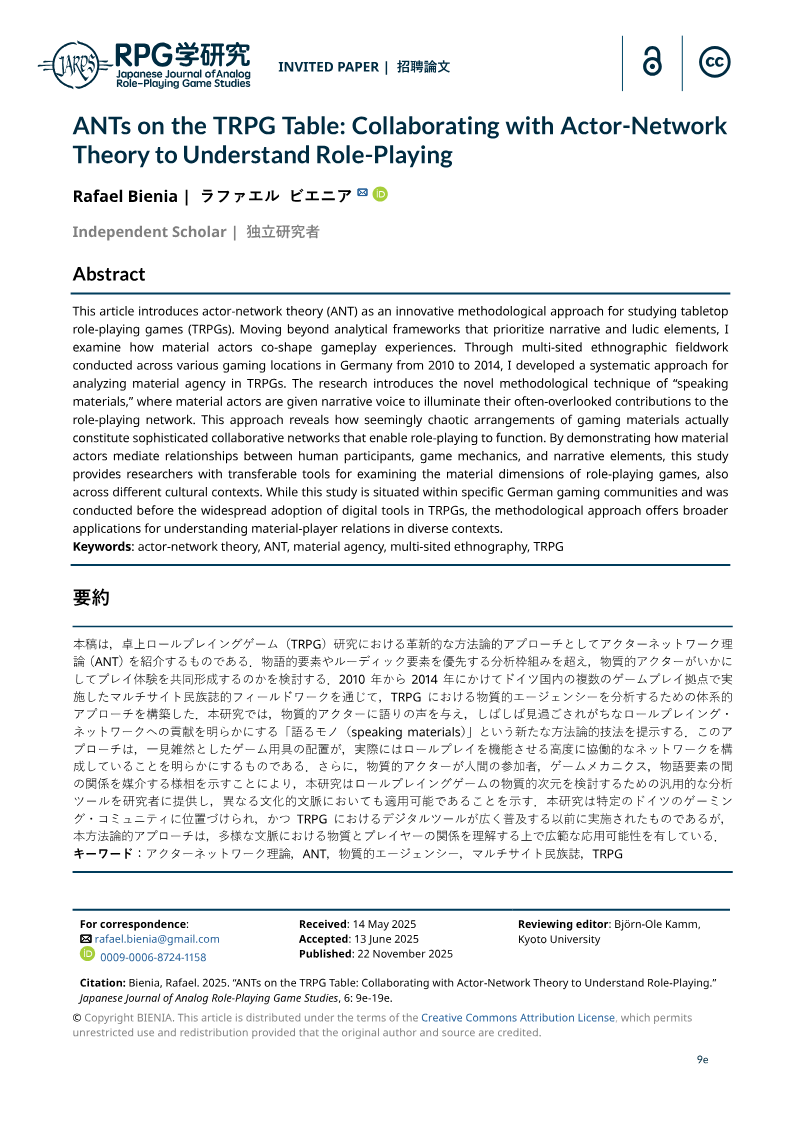
Japanese Association for Role-Playing Game Studies (JARPS) · 2025
Japanese Association for Role-Playing Game Studies (JARPS) · 2025
Japanese Association for Role-Playing Game Studies (JARPS) · 2024
Japanese Association for Role-Playing Game Studies (JARPS) · 2024
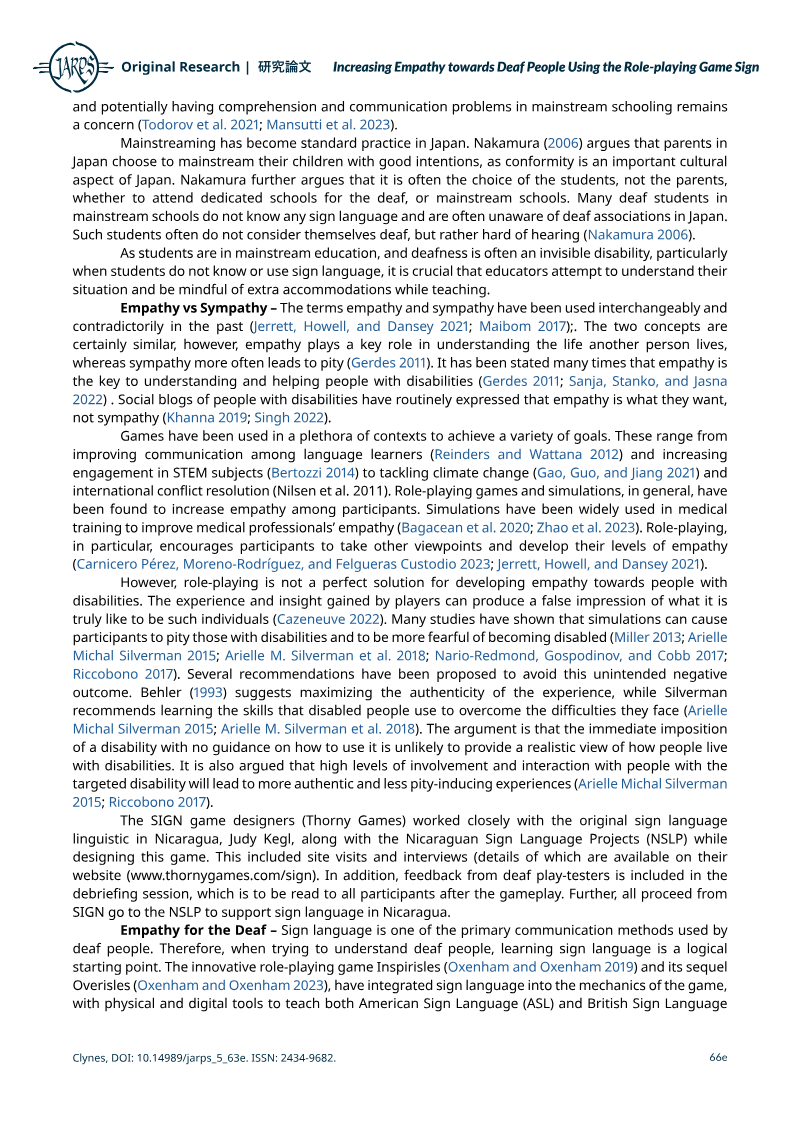
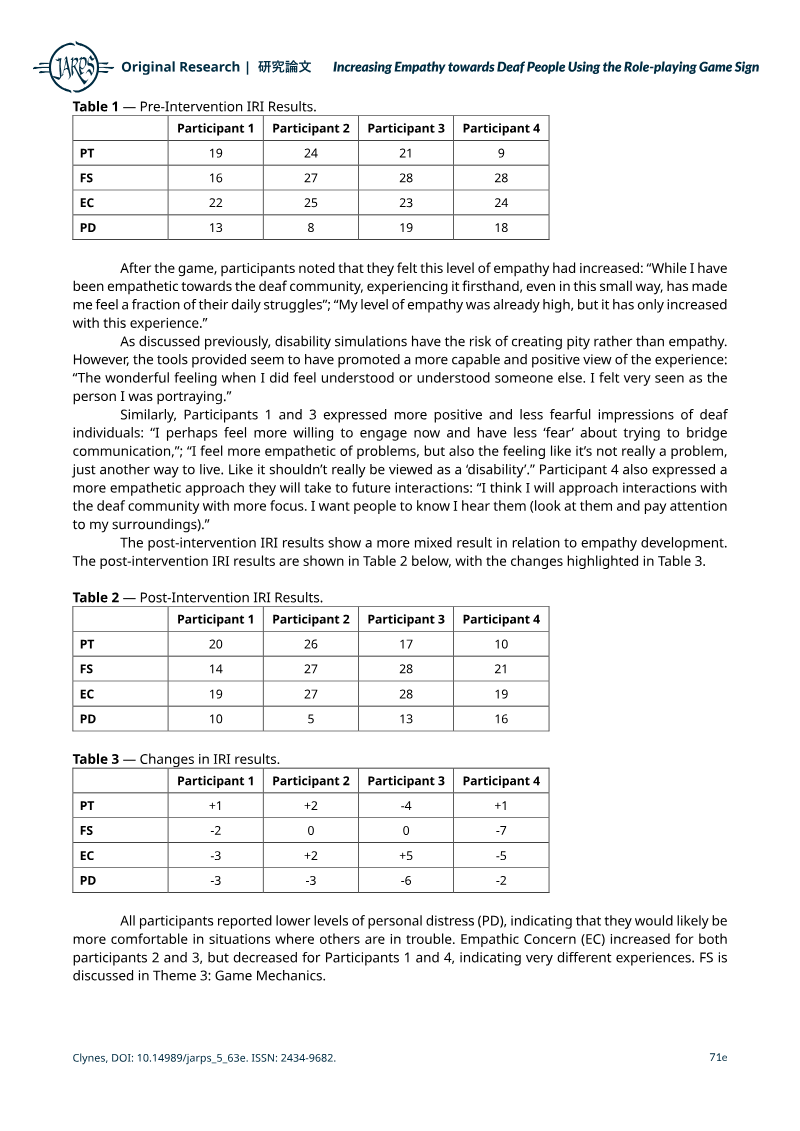
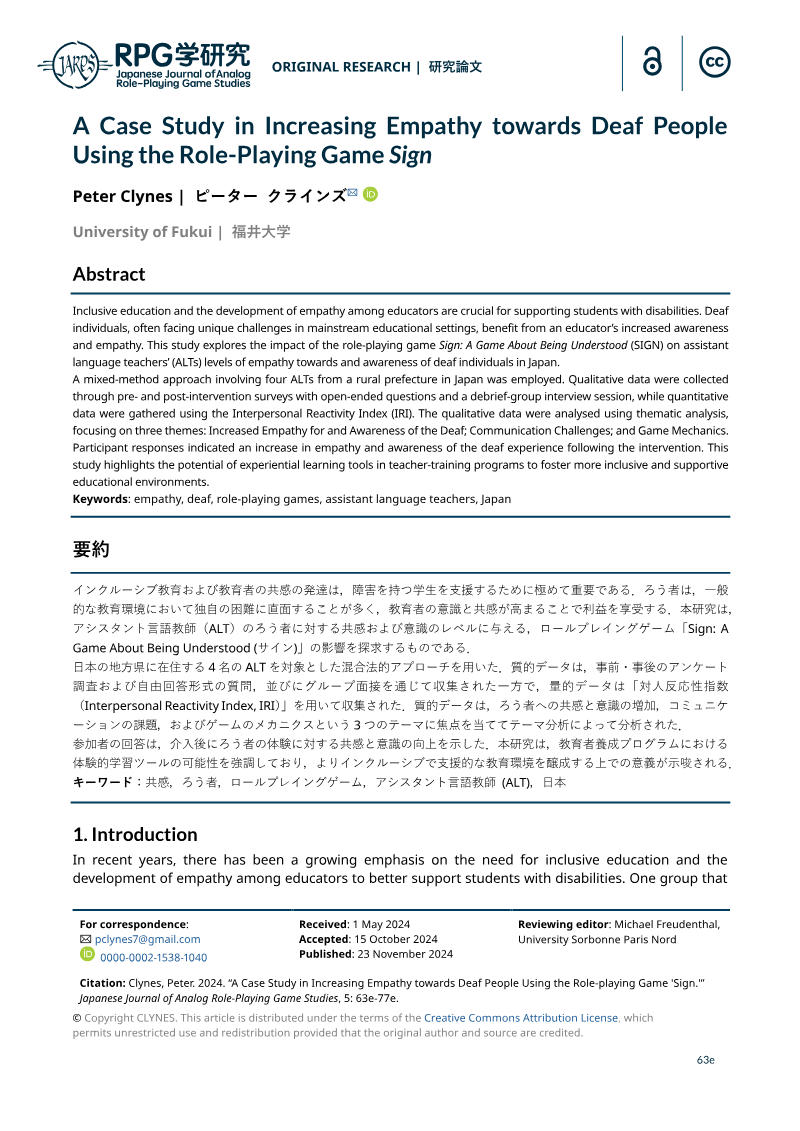
Japanese Association for Role-Playing Game Studies (JARPS) · 2024
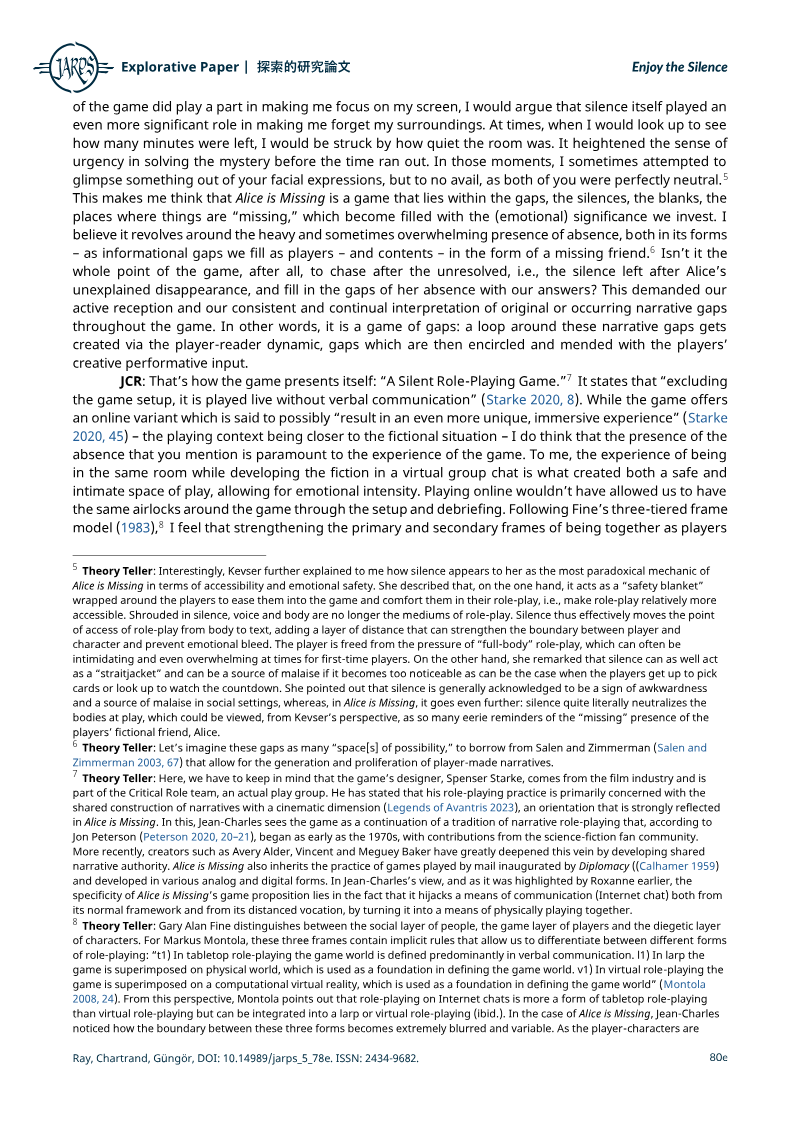
Japanese Association for Role-Playing Game Studies (JARPS) · 2024
Japanese Association for Role-Playing Game Studies (JARPS) · 2024
Japanese Association for Role-Playing Game Studies (JARPS) · 2024
Japanese Association for Role-Playing Game Studies (JARPS) · 2024
Japanese Association for Role-Playing Game Studies (JARPS) · 2024
Japanese Association for Role-Playing Game Studies (JARPS) · 2024
International Journal of Role-Playing · 2026