1 free read left. Create a free account for unlimited reading + AI research.
Create free accountWhitepaper Japanese Association for Role-Playing Game Studies (JARPS)
1 free read left. Create a free account for unlimited reading + AI research.
Create free accountWhitepaperJapanese Association for Role-Playing Game Studies (JARPS)
Distilling the key insights…
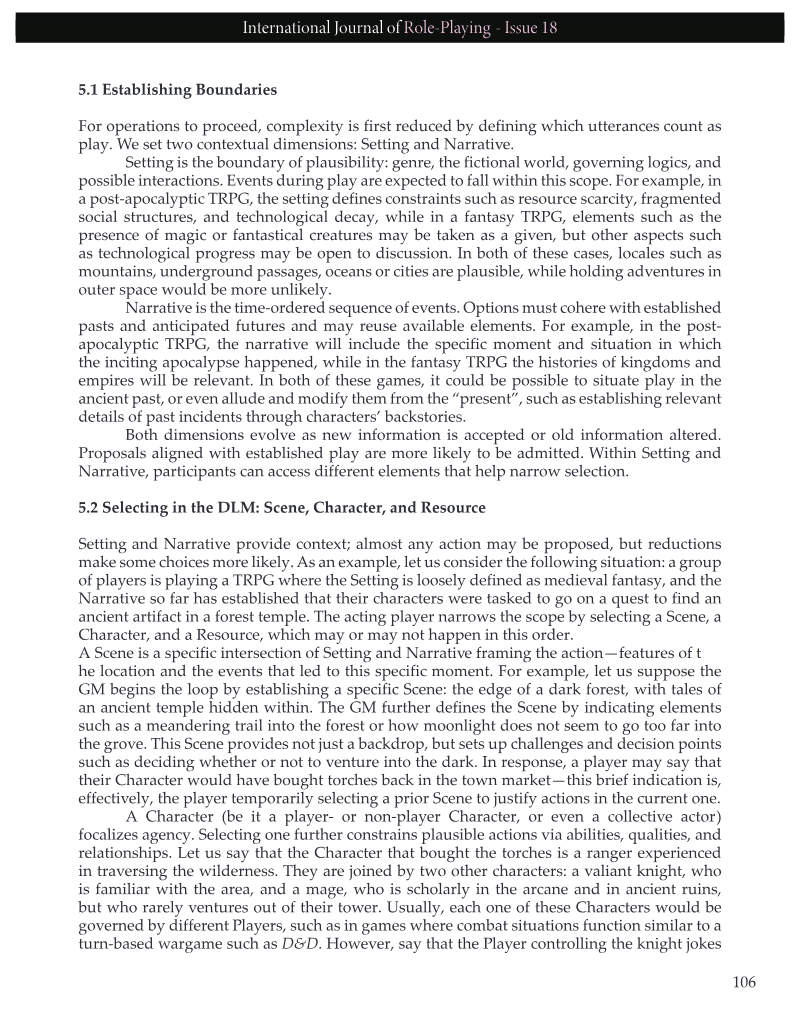
The discourse surrounding player safety within the Forge diaspora between 2003 and 2013 represents a foundational shift in how tabletop role-playing communities negotiate the intersection of creative expression and psychological well-being. Initially, the community viewed the introduction of formal safety mechanisms—such as lines and veils—with skepticism, fearing that explicit boundaries would stifle narrative exploration and impose unnecessary constraints on artistic intent. This early period was defined by a tension between the desire for unrestricted creative freedom and the emerging recognition that intense thematic content requires structured interpersonal management to maintain a healthy social contract.
Over the course of the decade, the industry transitioned from perceiving safety tools as a form of censorship to acknowledging them as essential frameworks for fostering trust and emotional security. The adoption of instruments like the X-Card signaled a move toward player-led safety, prioritizing the agency of participants over the singular vision of the designer. This evolution reflects a broader maturation of the hobby, where the focus shifted from purely mechanical or narrative concerns toward the reciprocal nature of the gaming experience, ensuring that difficult material could be explored without compromising the well-being of the participants.
Applying stasis theory to these historical debates reveals that the discourse was structured around three primary points of contention: the assimilative impact on creativity, the definitional nature of safety mechanisms, and the jurisdictional authority over how these tools are implemented in home versus organized play. By analyzing these rhetorical structures, it becomes clear that the integration of safety tools was not merely a technical update to gaming culture, but a fundamental redefinition of the social dynamics inherent in collaborative storytelling. These historical developments provide the necessary context for understanding contemporary standards of consent and psychological safety within the broader tabletop gaming landscape.
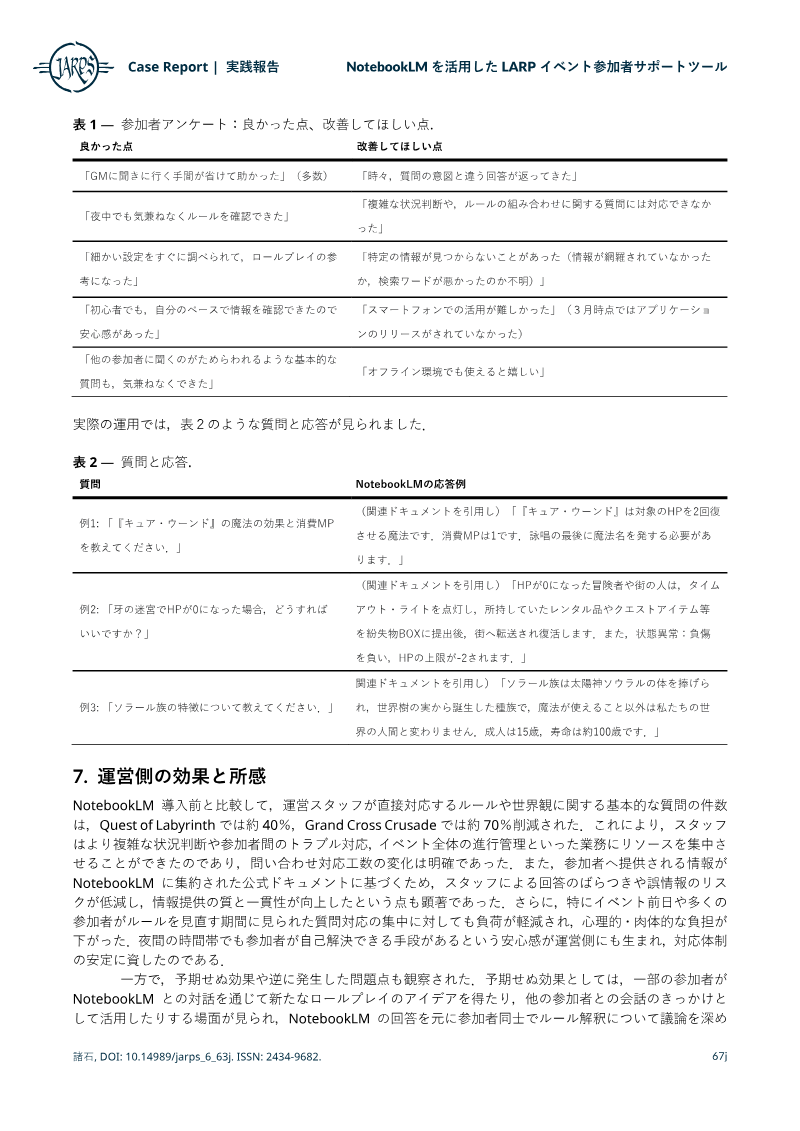
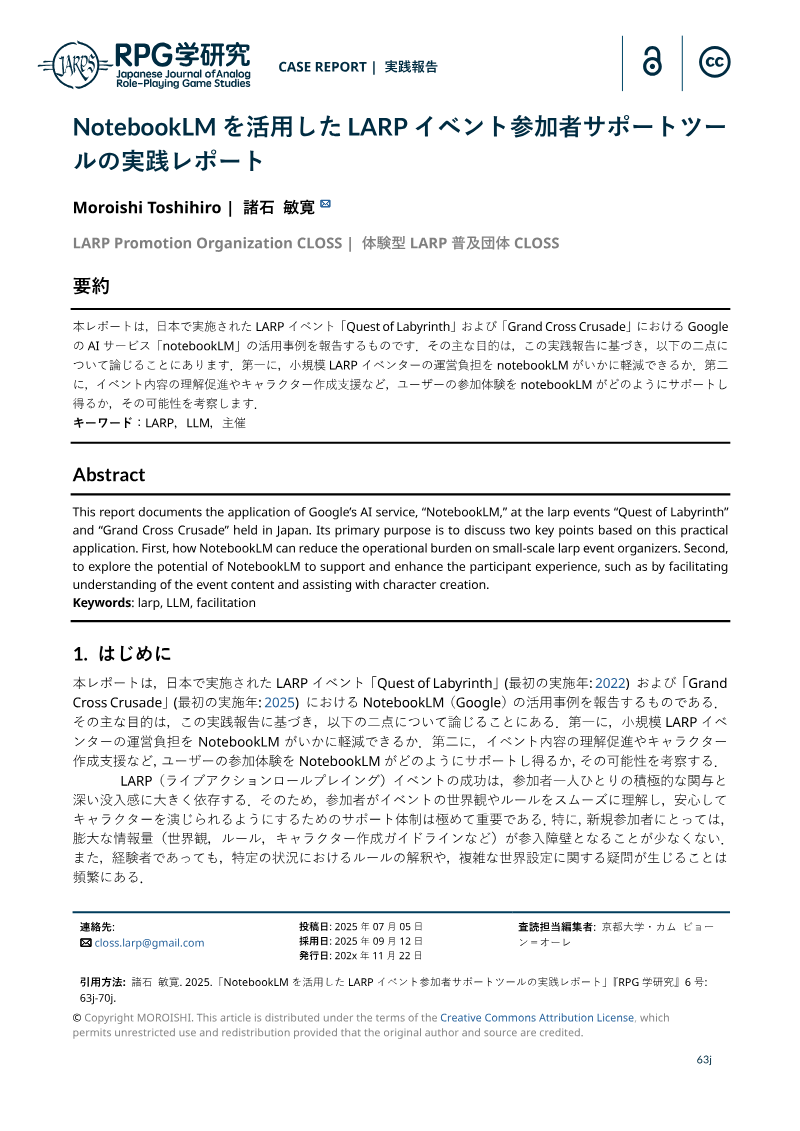
Japanese Association for Role-Playing Game Studies (JARPS) · 2025
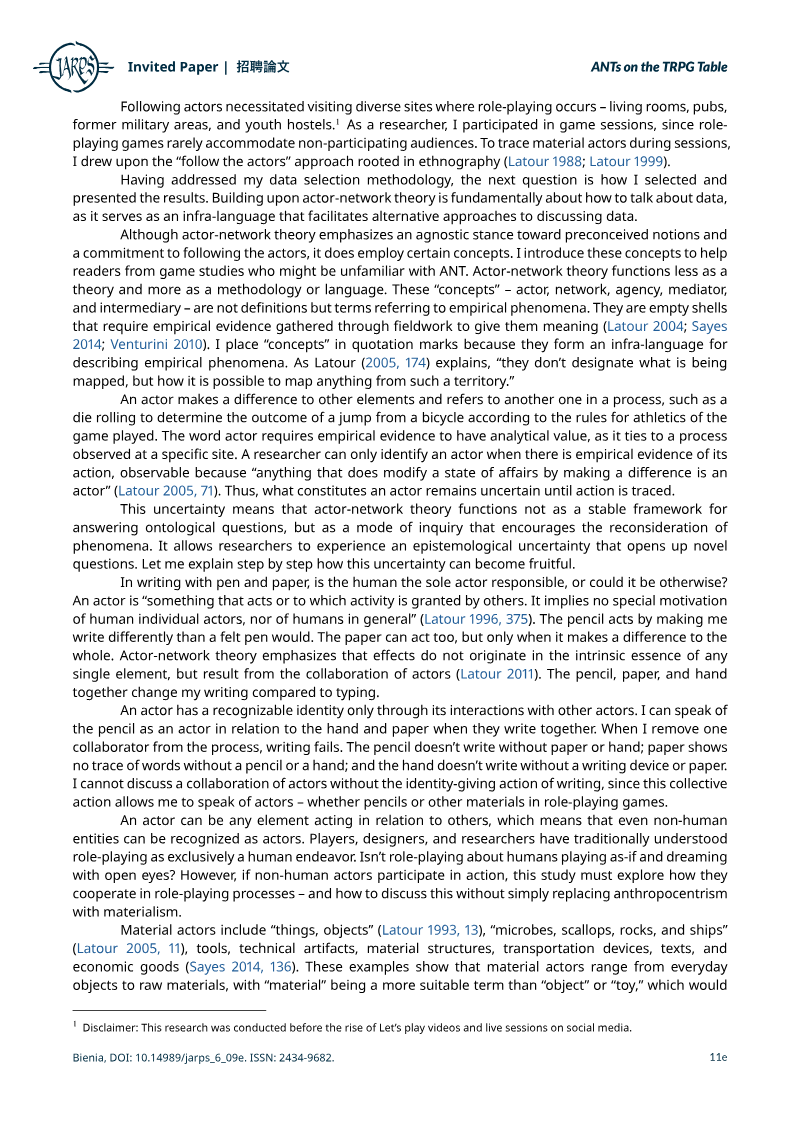
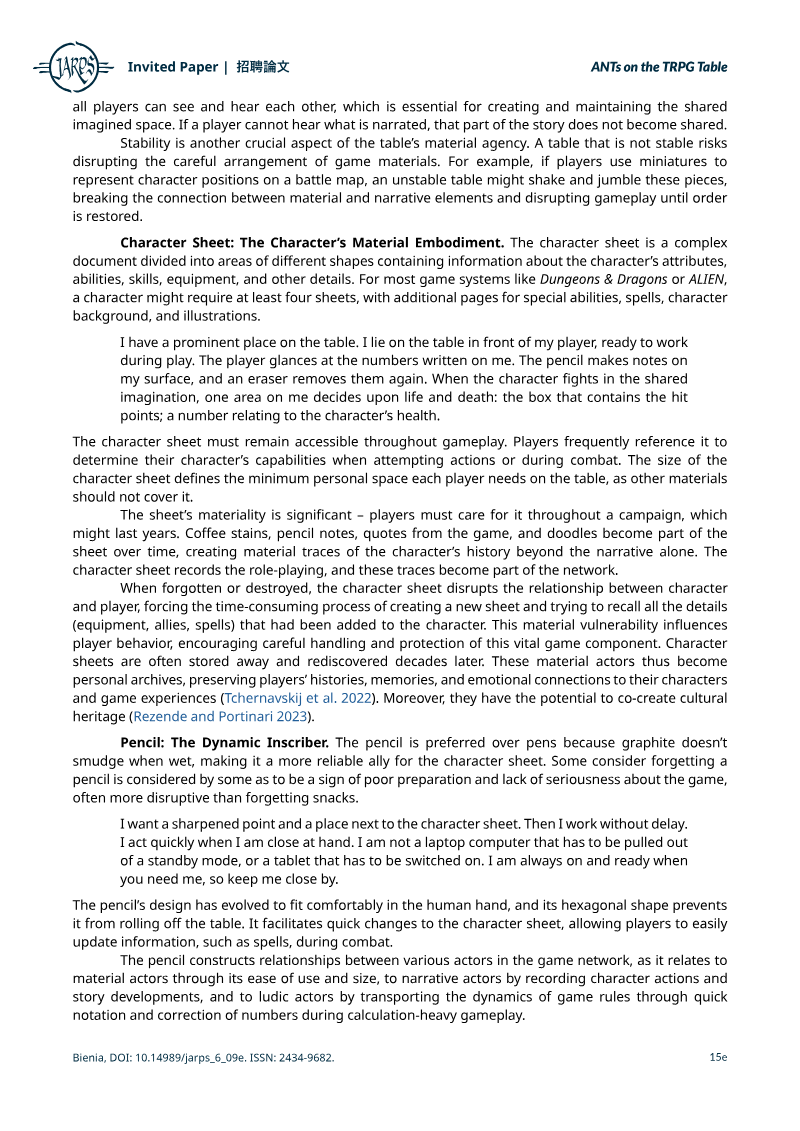
Japanese Association for Role-Playing Game Studies (JARPS) · 2025
Japanese Association for Role-Playing Game Studies (JARPS) · 2025
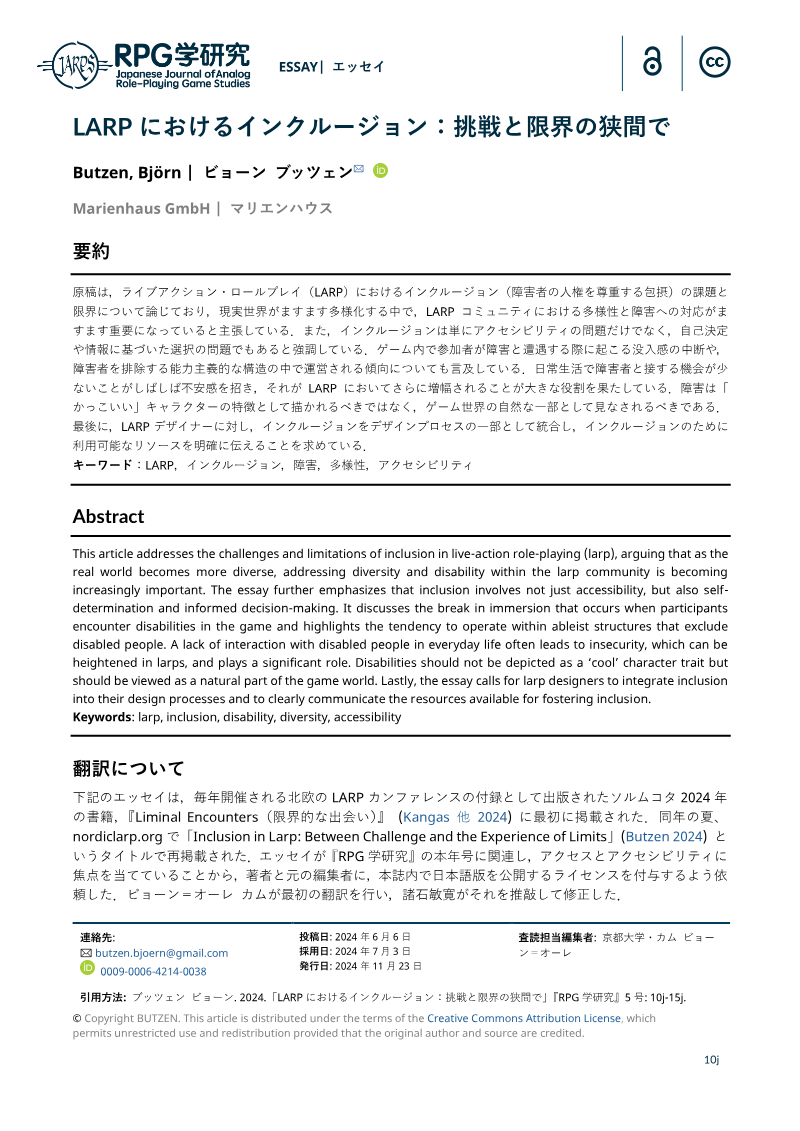
Japanese Association for Role-Playing Game Studies (JARPS) · 2024
Japanese Association for Role-Playing Game Studies (JARPS) · 2024
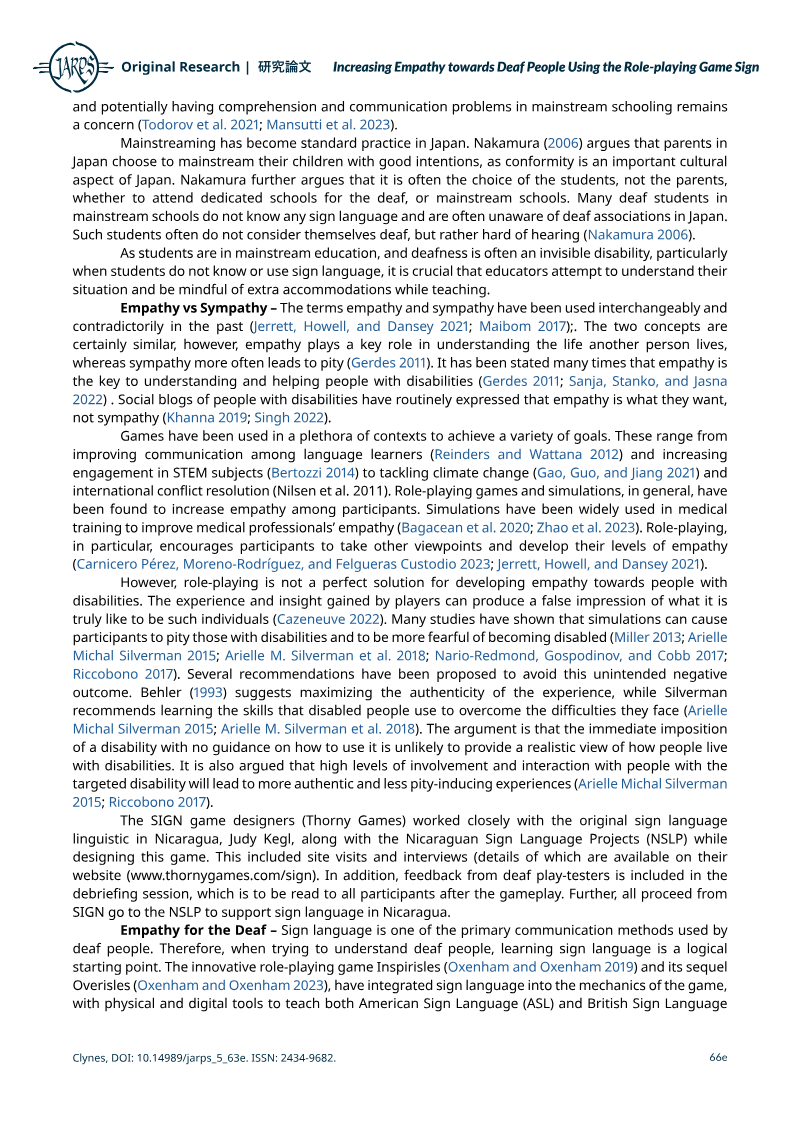
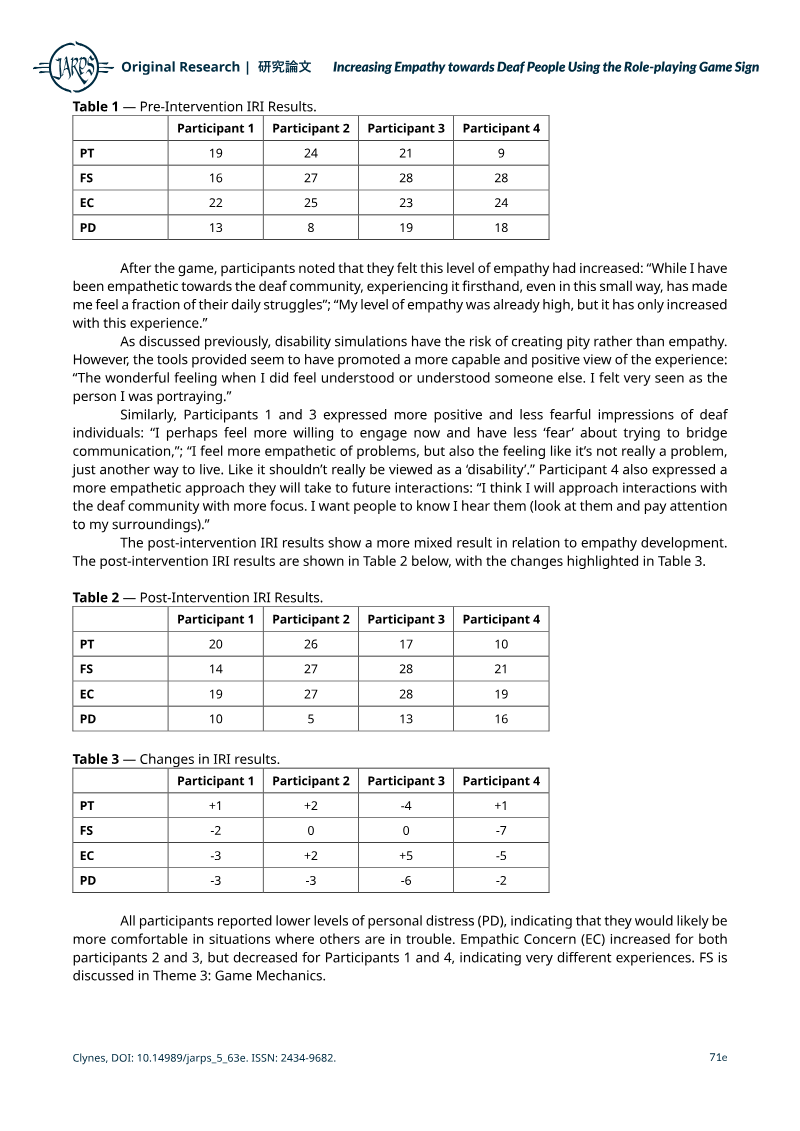
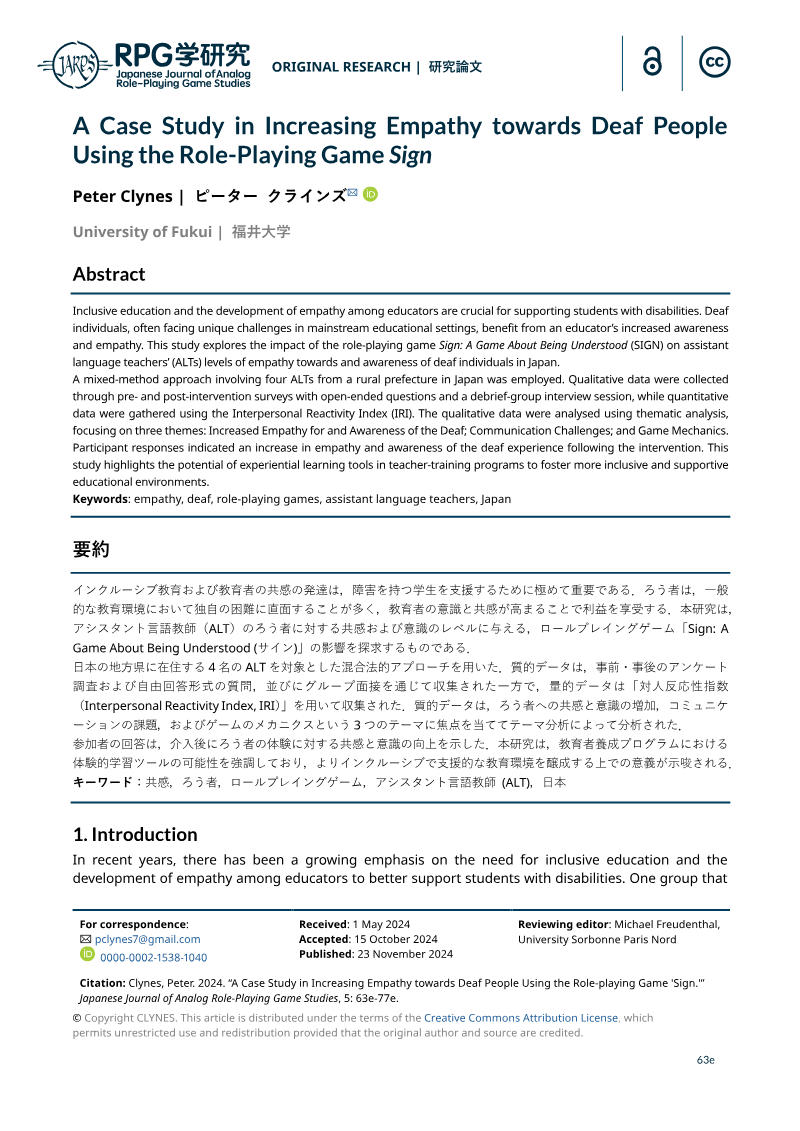
Japanese Association for Role-Playing Game Studies (JARPS) · 2024
Japanese Association for Role-Playing Game Studies (JARPS) · 2024
Japanese Association for Role-Playing Game Studies (JARPS) · 2024
Japanese Association for Role-Playing Game Studies (JARPS) · 2024
Japanese Association for Role-Playing Game Studies (JARPS) · 2024
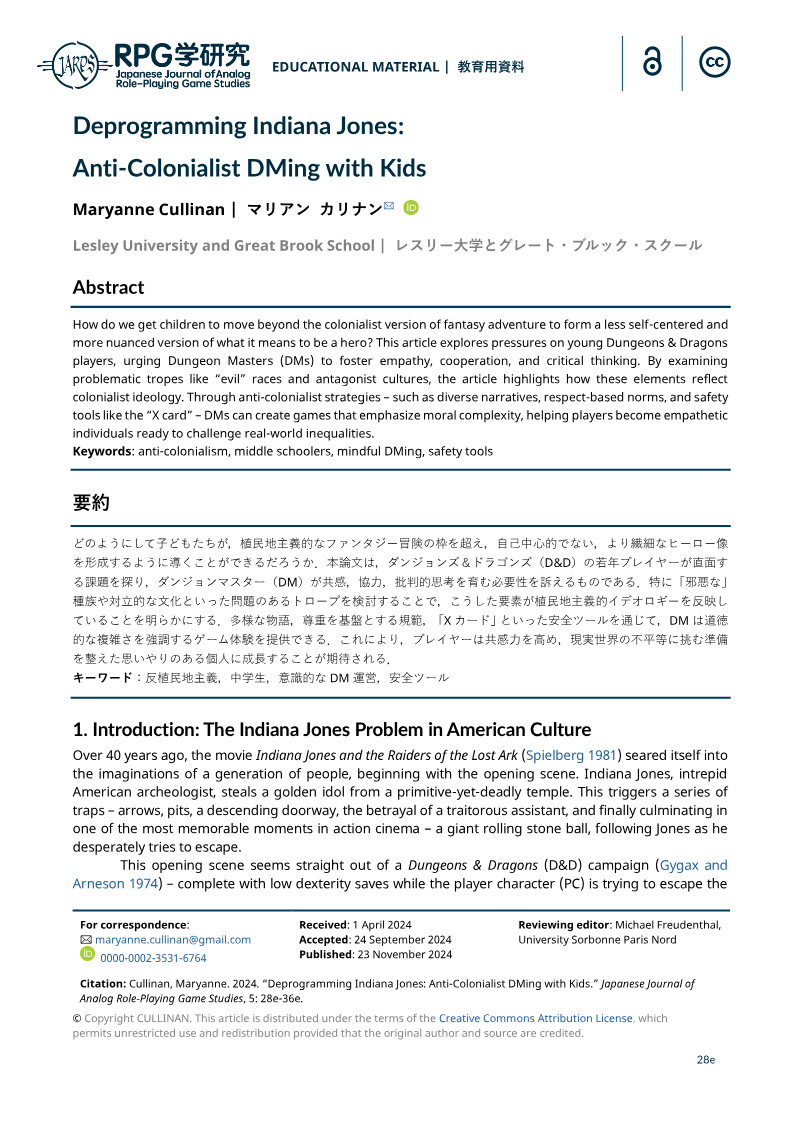
Japanese Association for Role-Playing Game Studies (JARPS) · 2024
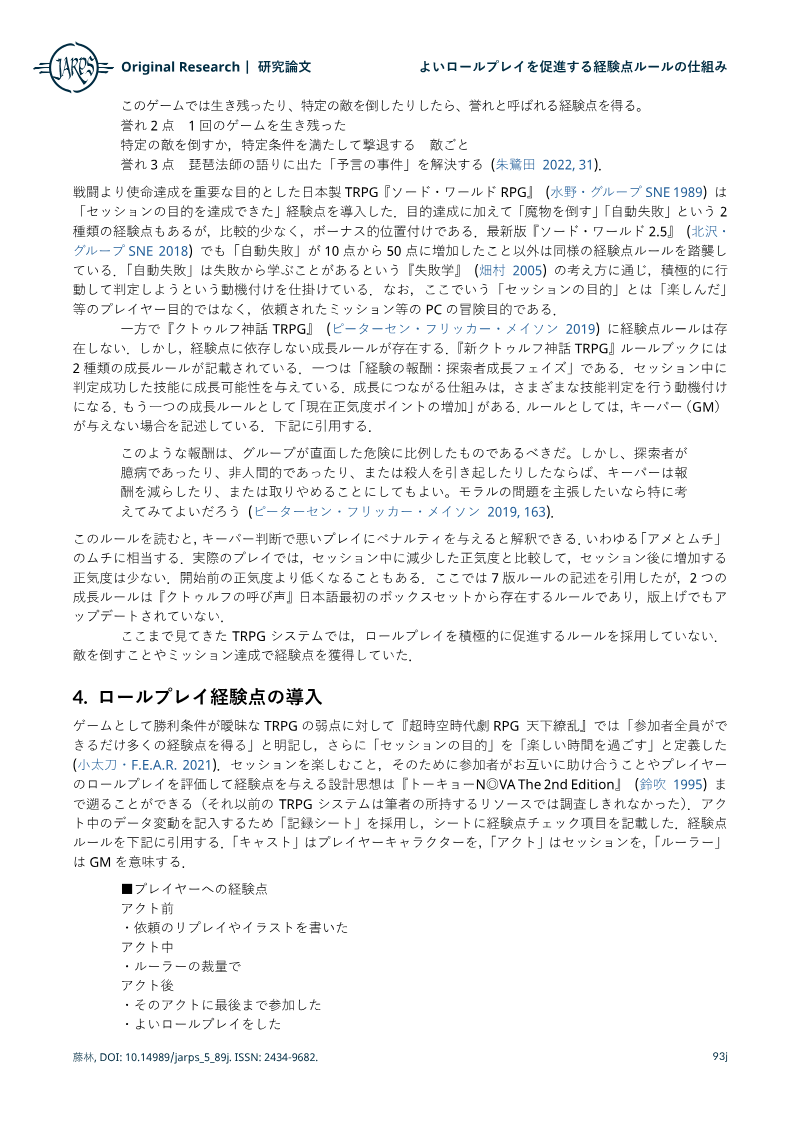
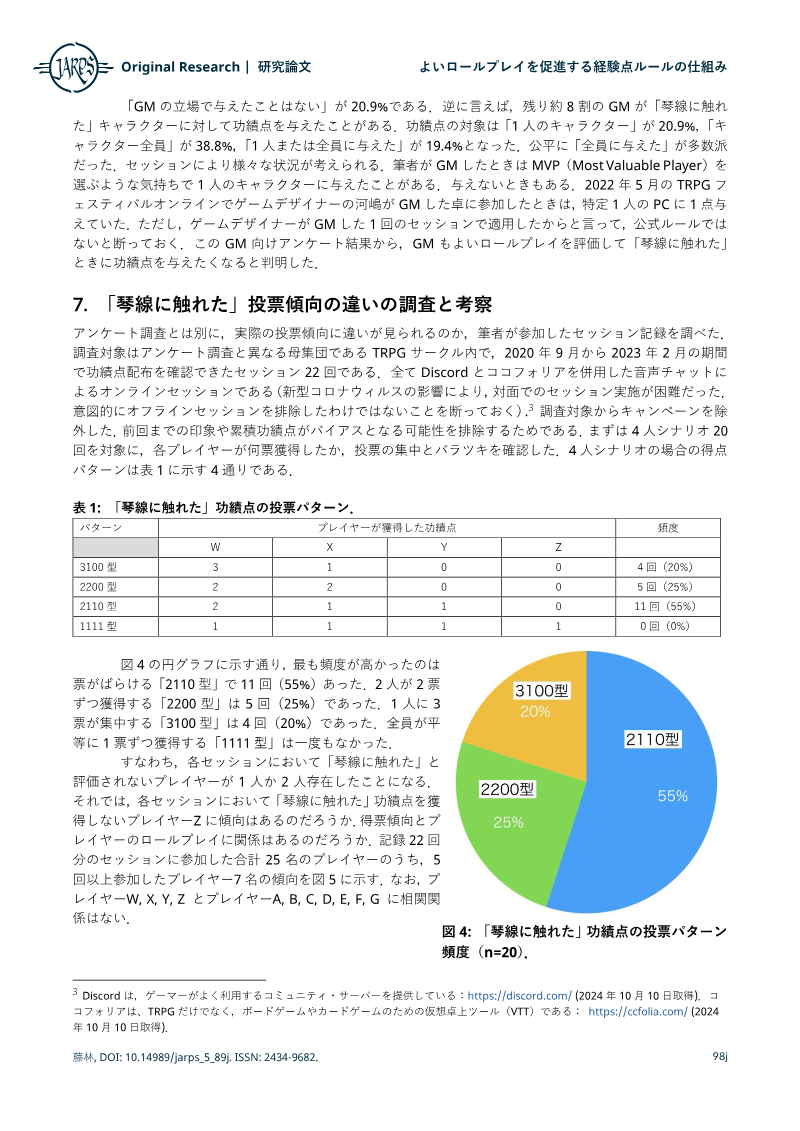
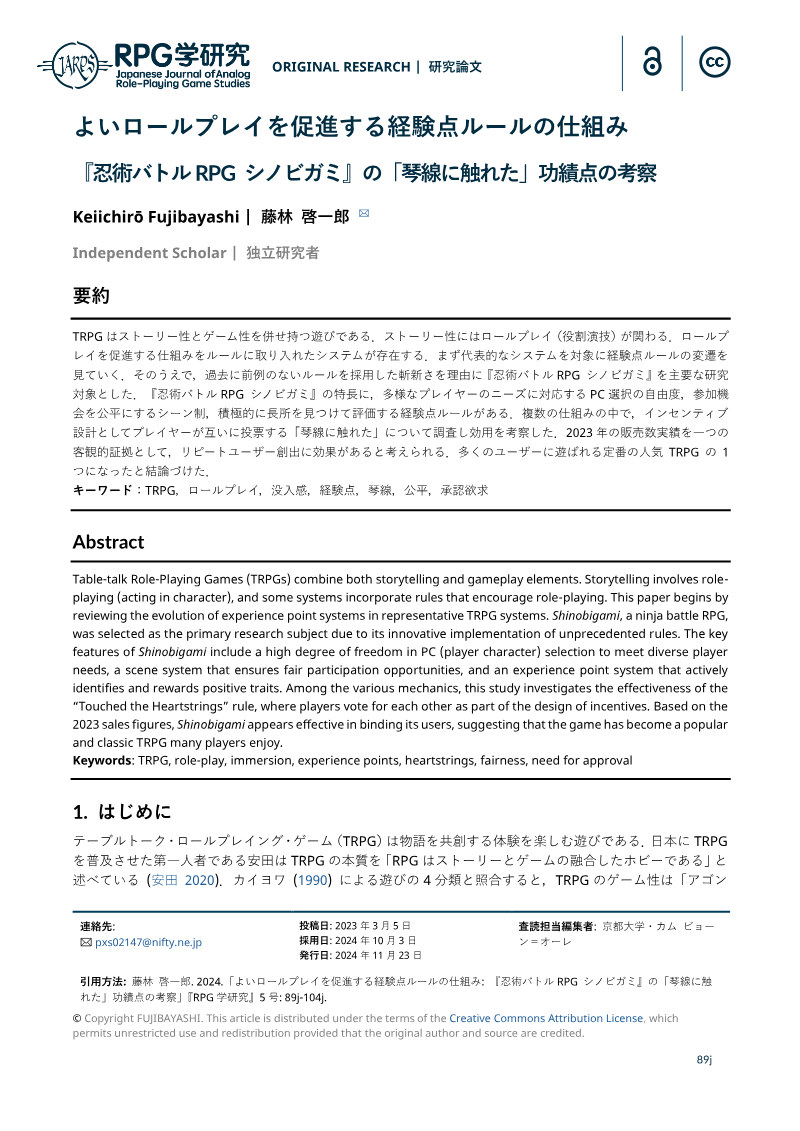
Japanese Association for Role-Playing Game Studies (JARPS) · 2024
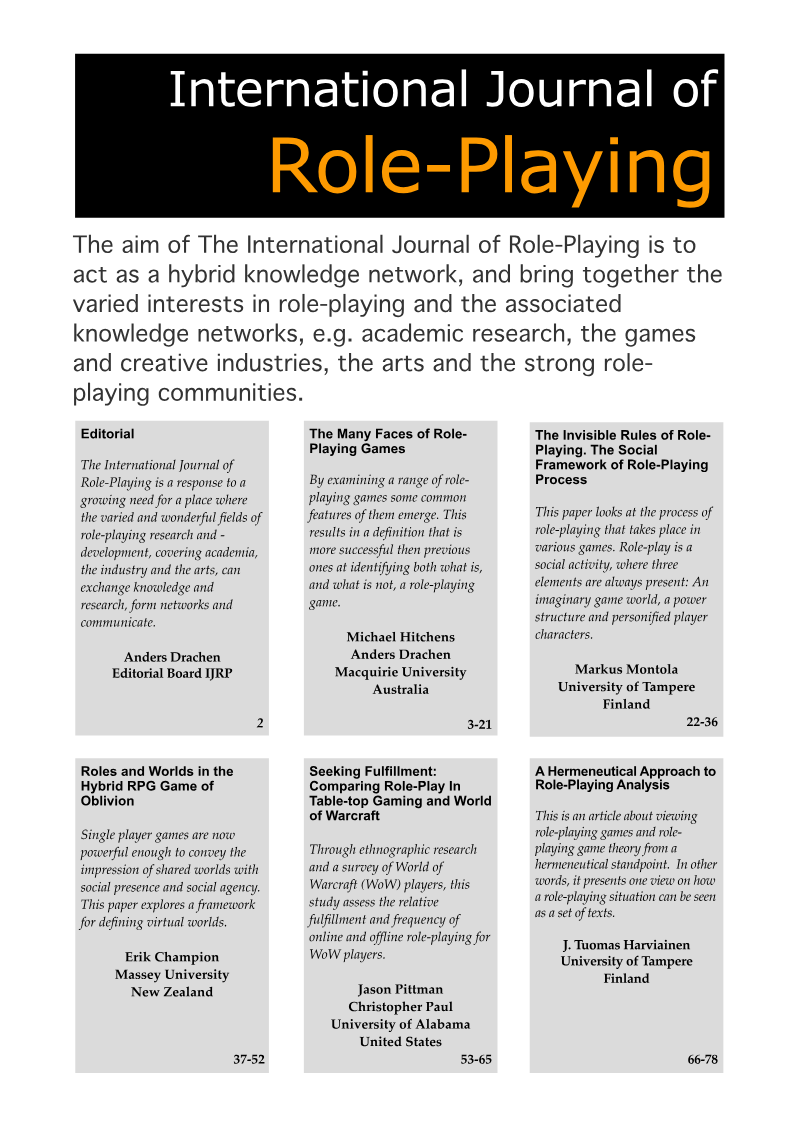
International Journal of Role-Playing · 2008