Game Studies reports and market data
Documents
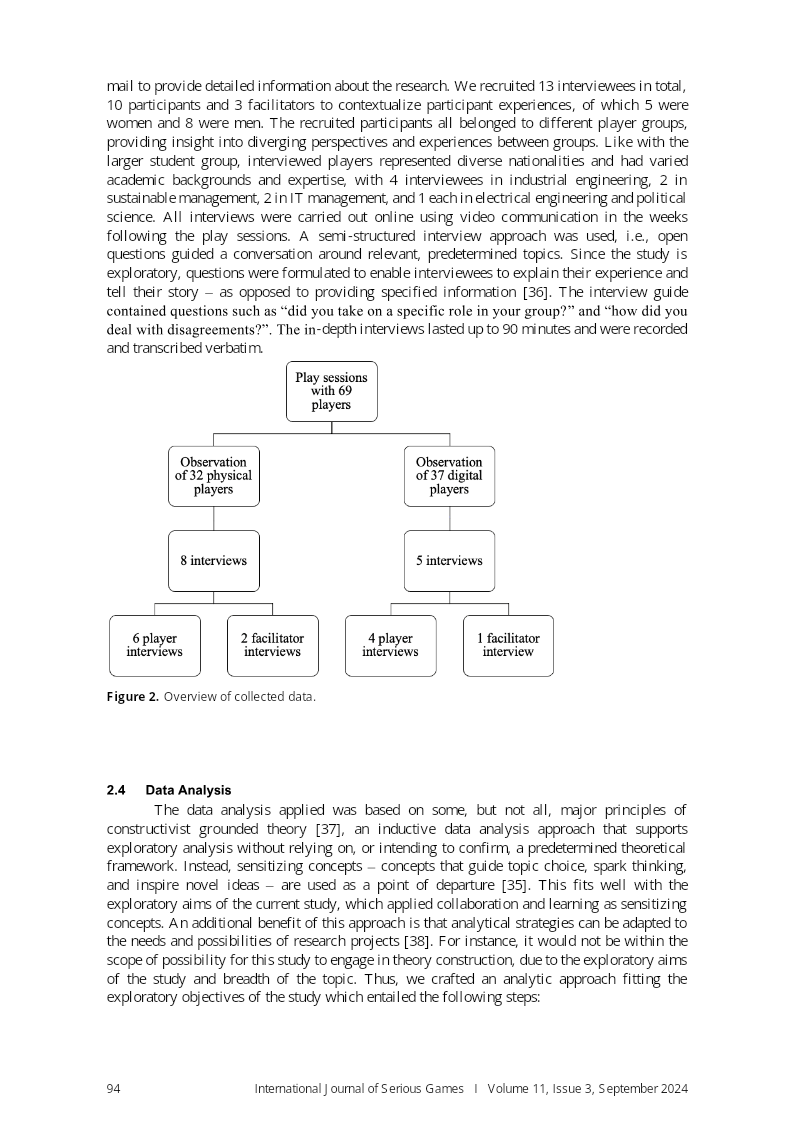
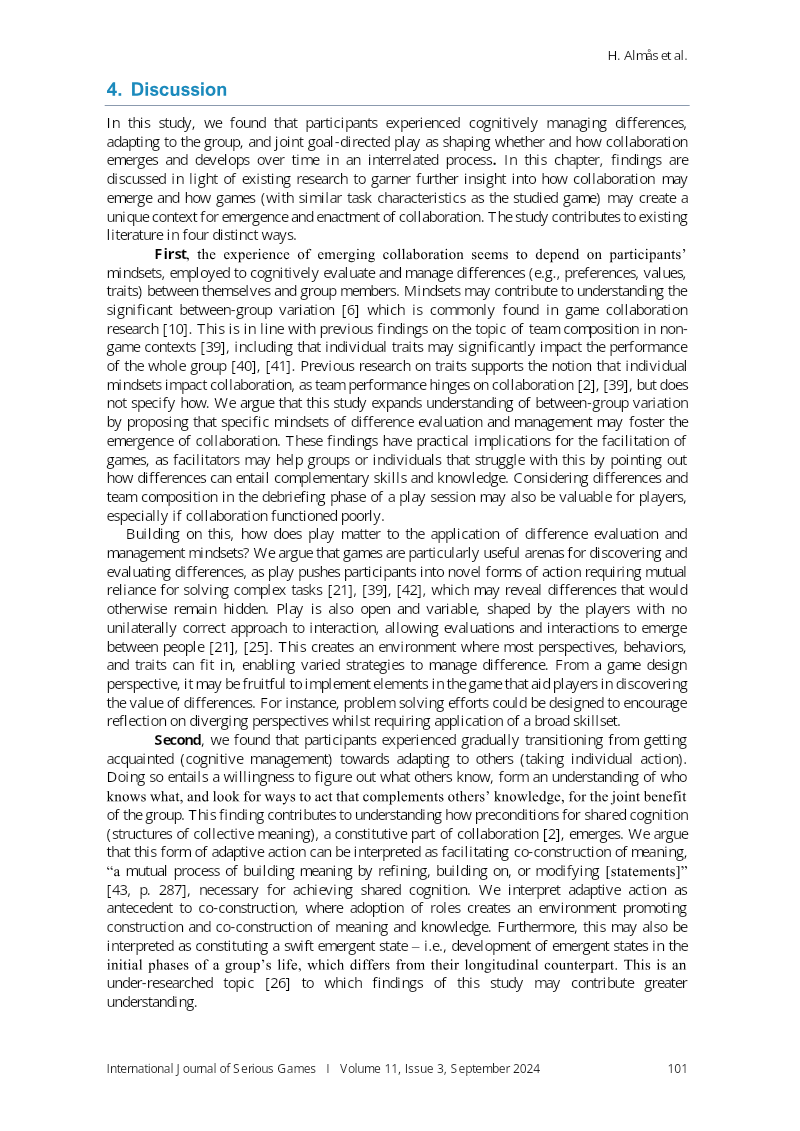
The Emergence of Collaboration in Serious Games: An Exploratory Study
Serious games serve as a distinct environment for fostering collaboration, functioning as dynamic, non-linear spaces that require participants to navigate complex social interactions to achieve shared objectives.
- Successful collaboration in serious games is not an automatic result of gameplay, but a cognitive process requiring participants to manage and integrate individual differences.
- High-performing teams achieve success by reframing diverse mindsets as collective strengths and proactively adapting individual roles to meet group needs.
- Collaboration follows a three-stage progression: recognizing individual differences, taking adaptive individual action, and developing a shared collaborative strategy.
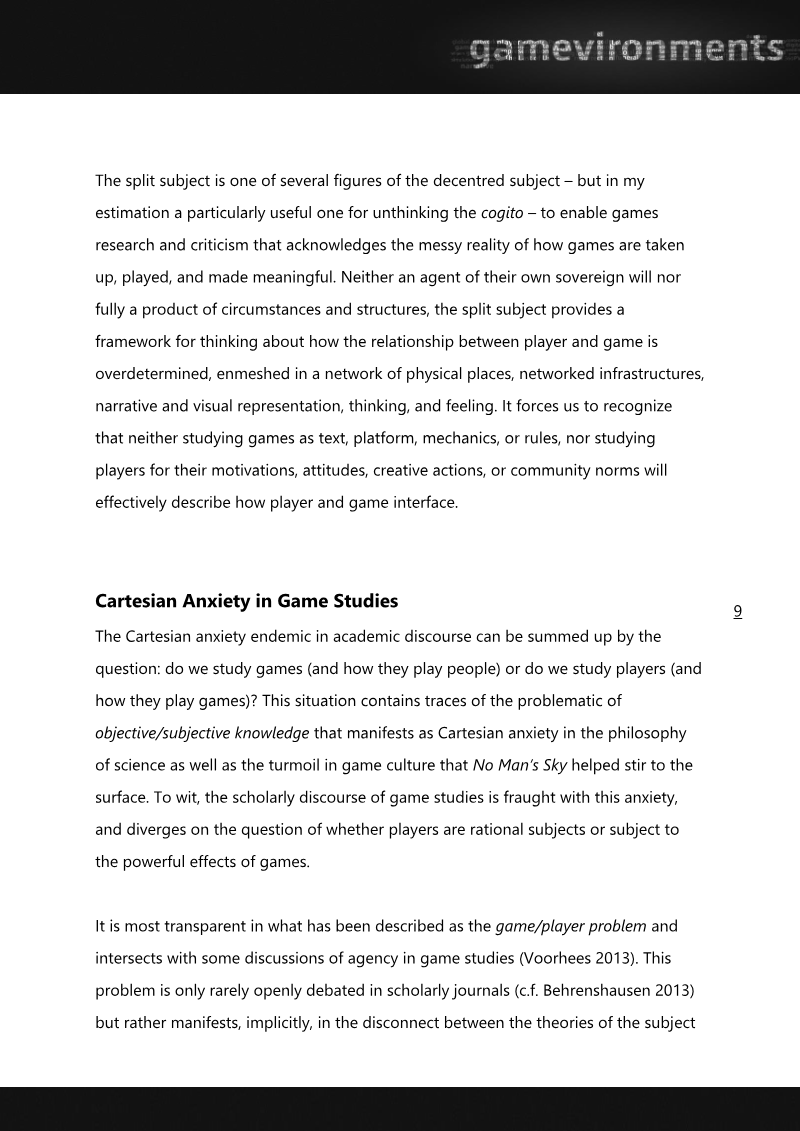

The Subject of Games: Cartesian Anxiety in Game Cultures, Game Studies, and Gameplay
Gerald Voorhees's argument in "The Subject of Games" is that game studies is divided by a "Cartesian anxiety" over whether the player is a self-coherent, rational agent in control of play or a relational, malleable subject shaped by the games and social structures around them.
- Voorhees argues game studies is split by a "Cartesian anxiety" between viewing the player as a self-coherent, rational agent in control of play versus a relational, malleable subject shaped by games and social structures.
- The author traces the rational Cartesian cogito to Western colonial and imperialist traditions and proposes Lacan's split subject as a more productive alternative.
- The core thesis is that the field should develop a theory of the subject that is self-coherent yet lacks a stable foundation, rather than resolving the tension toward sovereign player agency or dissolving the player into posthuman or structural accounts.

gamevironments: Pirating Platform Studies and Other Essays
Phillip Penix-Tadsen's article argues that Latin American clone consoles, active from roughly 1973 to 1994, deserve a central place in platform studies and game history.
- Informal practices such as reverse engineering, cloning, and hardware localization, not formal industry channels, were the dominant means by which most players in Latin America accessed games between roughly 1973 and 1994.
- The article's catalogue documents roughly ninety clone consoles derived from the Magnavox Odyssey, Pong, Atari VCS, Sega Master System, and Nintendo Famicom/NES, with Brazil accounting for the majority of entries.
- Brazil's 1980s informatics market reservation encouraged domestic clone production under protectionist conditions, and many Brazilian clones were tied to this policy.

gamevironments: Narrative
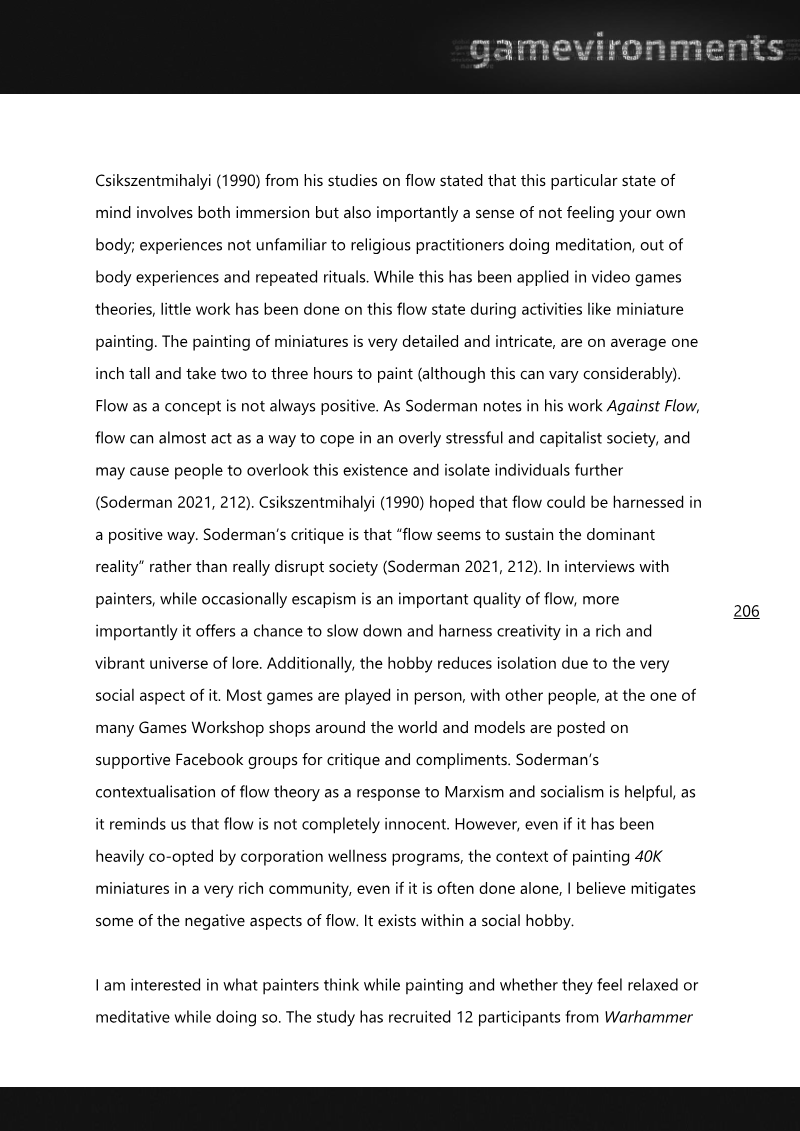
This report presents an interim update on a postdoctoral research project examining religion within the tabletop miniature wargame Warhammer 40,000 (40K), produced by Games Workshop.
- The report is an interim update on a postdoctoral study of religion in Games Workshop's tabletop wargame Warhammer 40,000, asking whether painters experience flow states, what sacred experiences players have with the game's religious content, and how its problematic elements (an ironic theocratic dictatorship and Chaos deities) are interpreted.
- Based on semi-structured interviews with 12 participants recruited from Warhammer Facebook groups, each required to paint at least two hours weekly, interviewed three times over six months and keeping reflective painting journals.
- All participants reported flow states consistent with Csikszentmihalyi's criteria, and painting appeared to reduce anxiety and improve mental health.
What Does the Perfect Companion in Games Look Like? Development and Validation of the Companion Design Scale
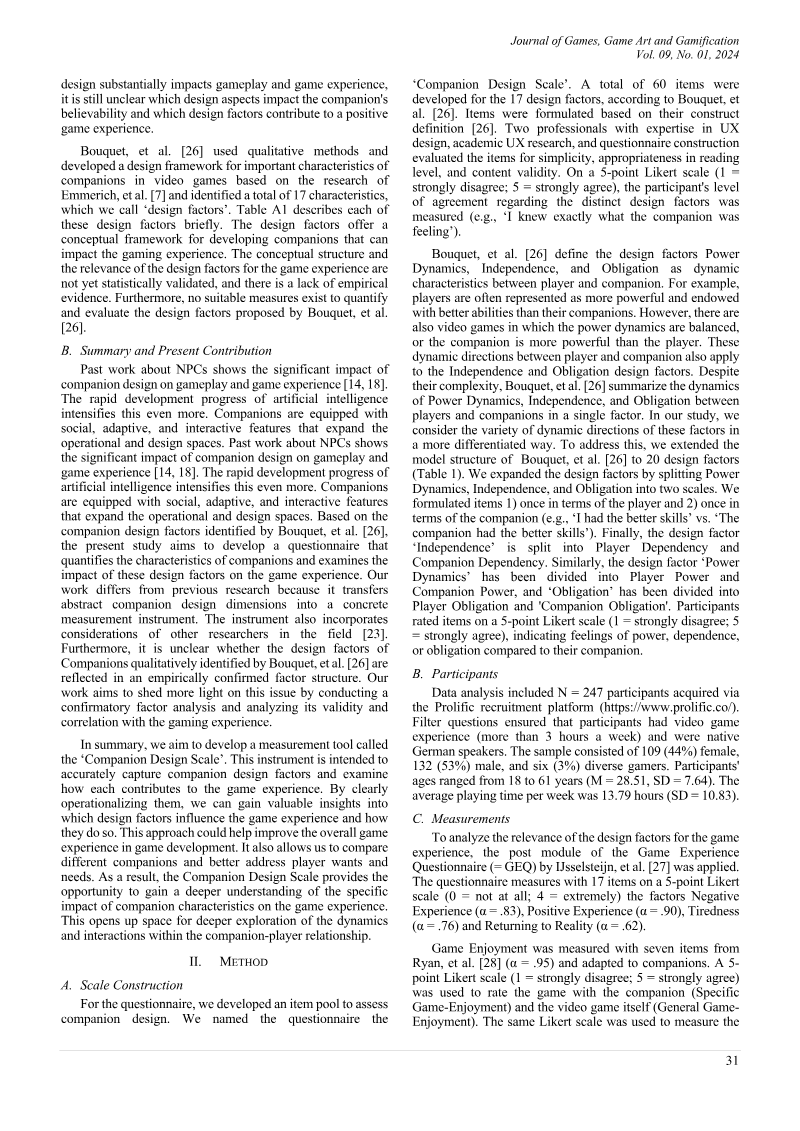
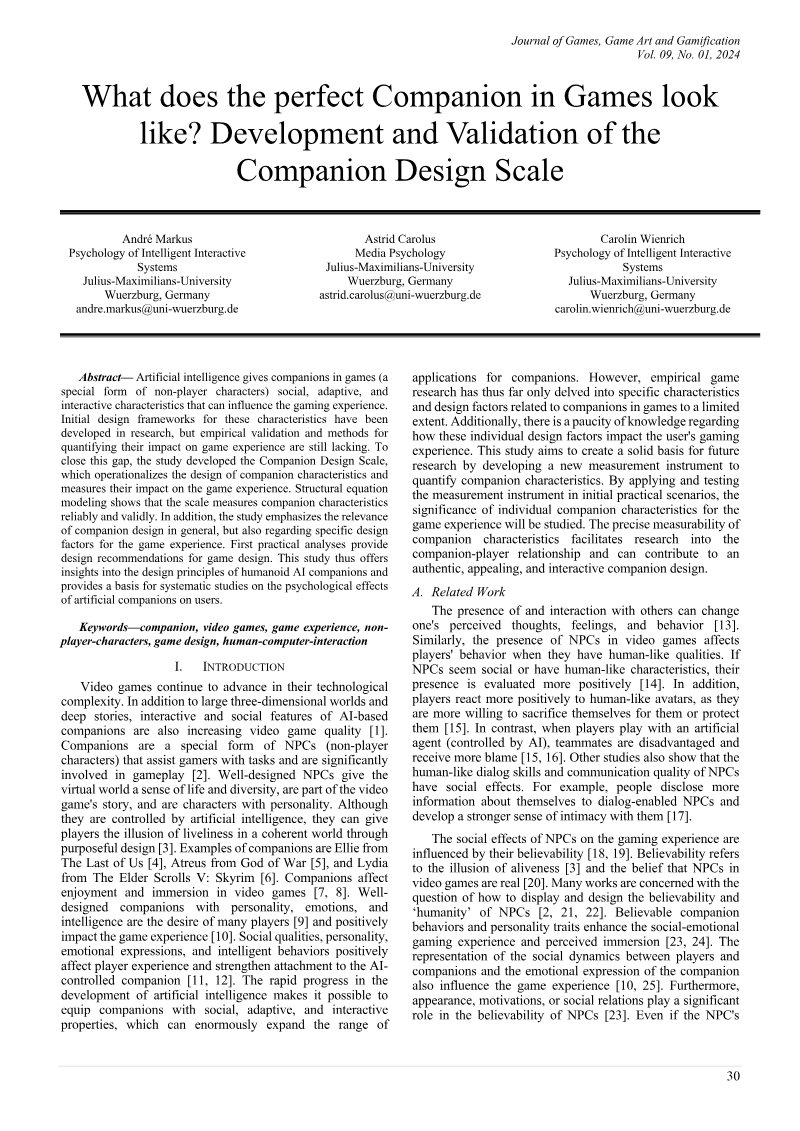
The Companion Design Scale provides a standardized, psychometrically validated framework for quantifying the influence of non-player character characteristics on the overall gaming experience.
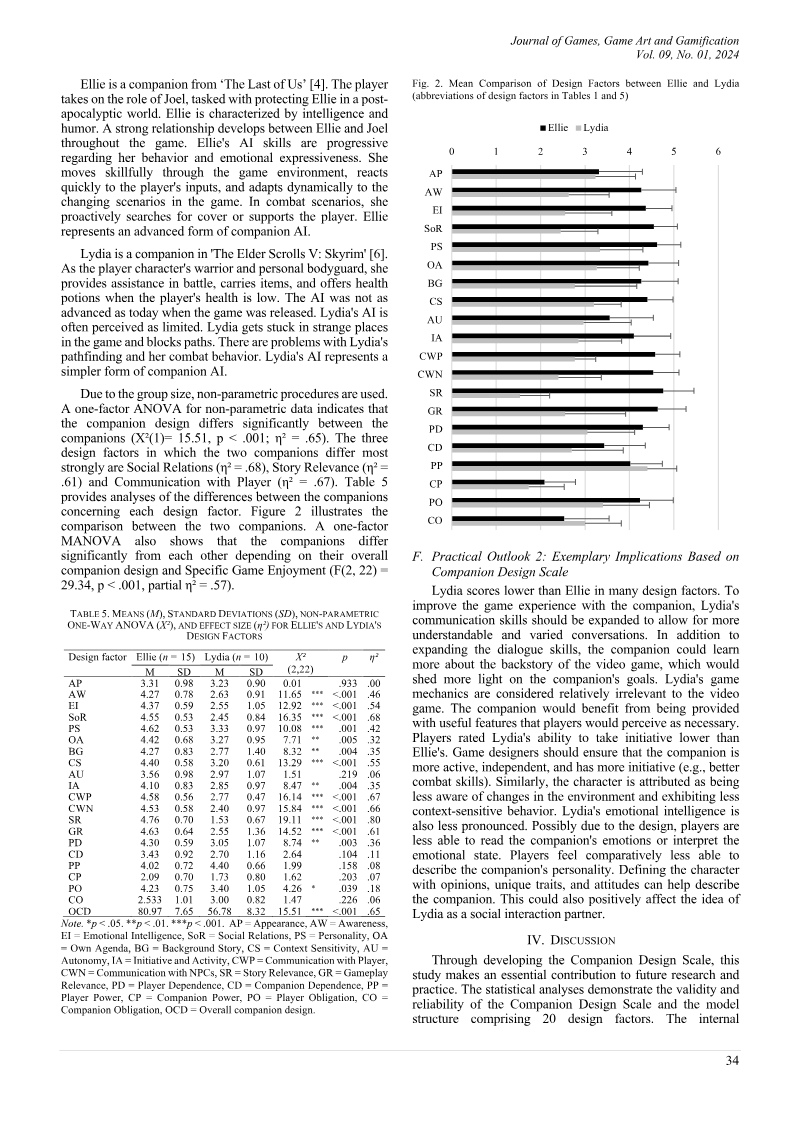
- The Companion Design Scale provides a psychometrically validated framework of 20 distinct design factors to quantify how NPC characteristics influence player engagement and enjoyment.
- Developers can use this standardized instrument to transition from subjective intuition to a data-driven approach for evaluating and iterating on AI-driven companion design.
- Research indicates that many current game companions fail to achieve true autonomy, a deficiency that negatively impacts the quality of the player-companion relationship.
Zermelo Game: All or None?
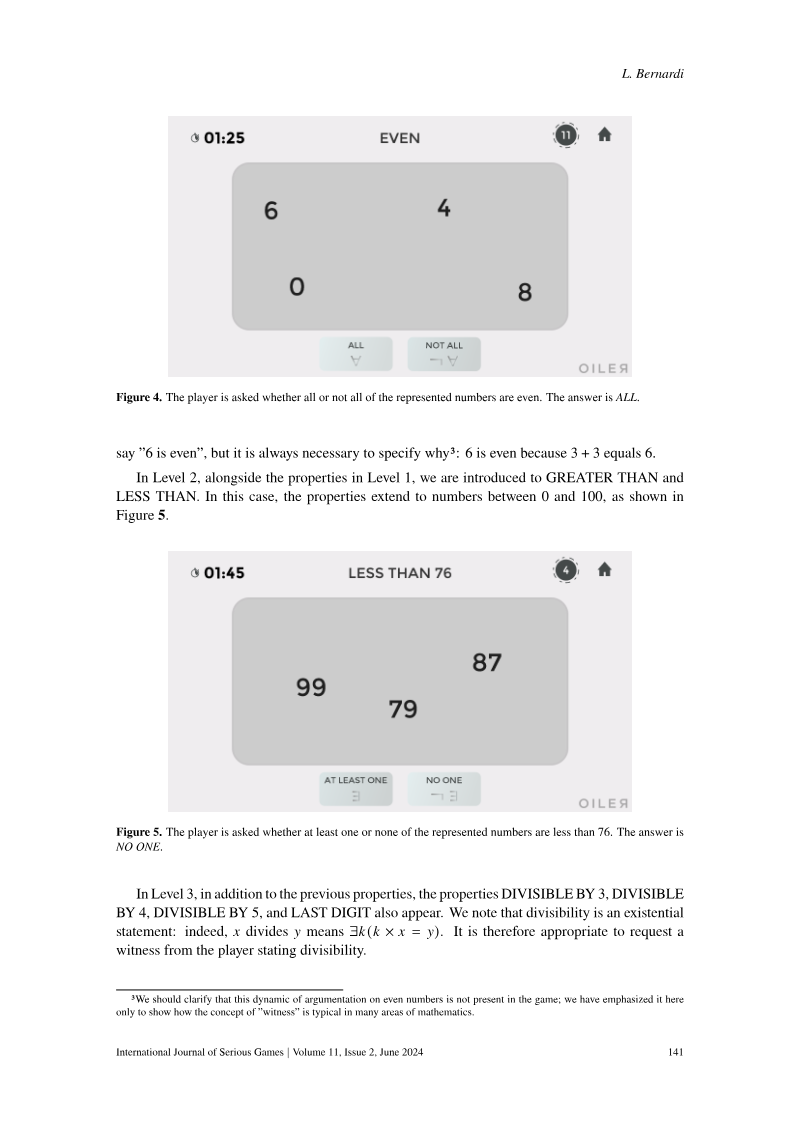
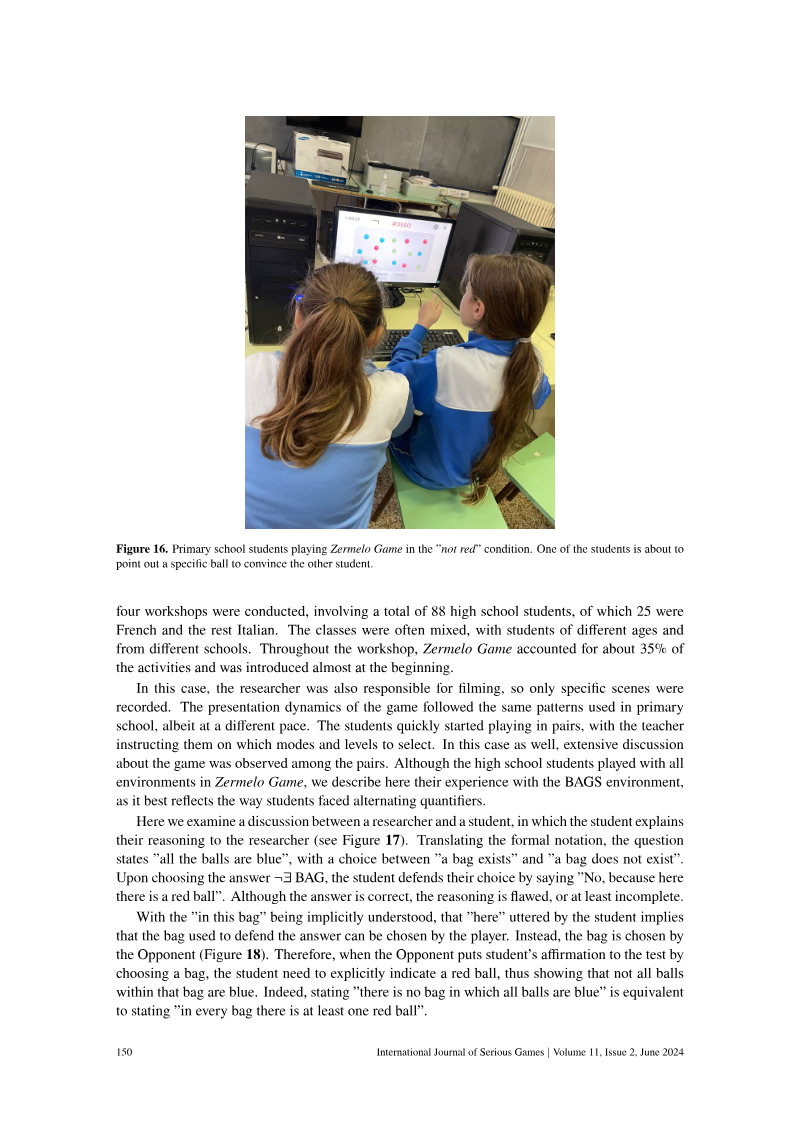
The Zermelo Game serves as an innovative educational instrument designed to bridge the gap between natural language and formal mathematical logic for students ranging from primary to high school levels.
- The Zermelo Game uses Game Semantics to teach formal mathematical logic, including quantifiers and negation, to students from primary through high school levels.
- The software functions by requiring players to identify specific witnesses to verify or refute logical claims, transforming abstract symbolic logic into interactive dialogical challenges.
- The platform employs diverse environments such as colors, polygons, numbers, and bags to provide a structured framework for logical argumentation.
Gamification of Gothic
Tanya Krzywinska's "Gamification of Gothic" argues that a Gothic critical lens offers sharper insight into videogames than has previously been applied, despite the frequent appearance of Gothic themes across game genres.
- Krzywinska's "Gamification of Gothic" argues that a Gothic critical lens yields sharper insight into videogames than prior scholarship has applied, fusing Game Studies with Gothic Studies and treating gamification as a form of remediation.
- The work proposes five coordinating nodes for evaluating Gothic in games: character and story patterns, mise-en-scène and style, affect, entropy, and the sublime, with the "false hero" protagonist serving as the initial benchmark.
- The analysis contends that most mainstream games, built around progression, winnable conditions, and temporary death, resist the entropy that defines authentically Gothic experience.
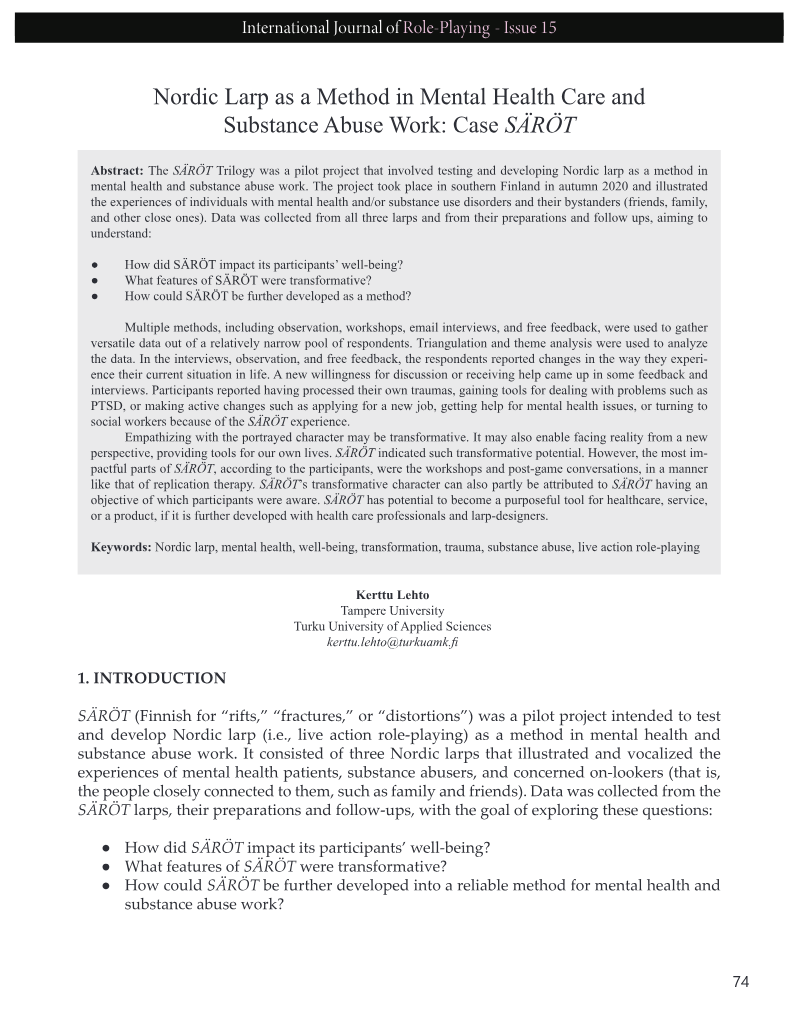
Nordic Larp as a Method in Mental Health Care and Substance Abuse Work: Case SÄRÖT
The SÄRÖT project establishes Nordic larp as a viable, innovative methodology for supporting individuals navigating mental health challenges and substance abuse recovery.
- Nordic larp functions as an effective experiential therapy tool for mental health and substance abuse recovery by allowing participants to process trauma through immersive, character-based role-play.
- The methodology relies on a combination of realistic scenarios and structured post-game reflection to increase participant self-awareness and engagement with professional healthcare services.
- Rigorous safety protocols, including expert facilitation and comprehensive debriefing workshops, are essential to mitigate the emotional intensity and potential triggers inherent in the larp experience.
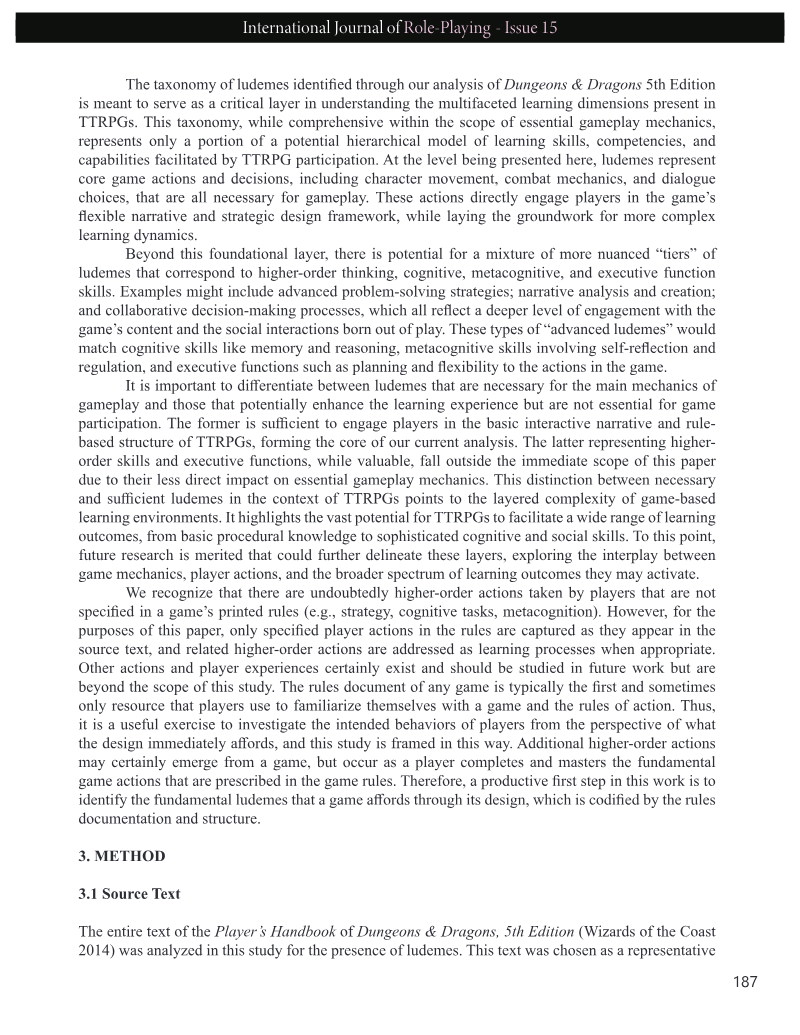
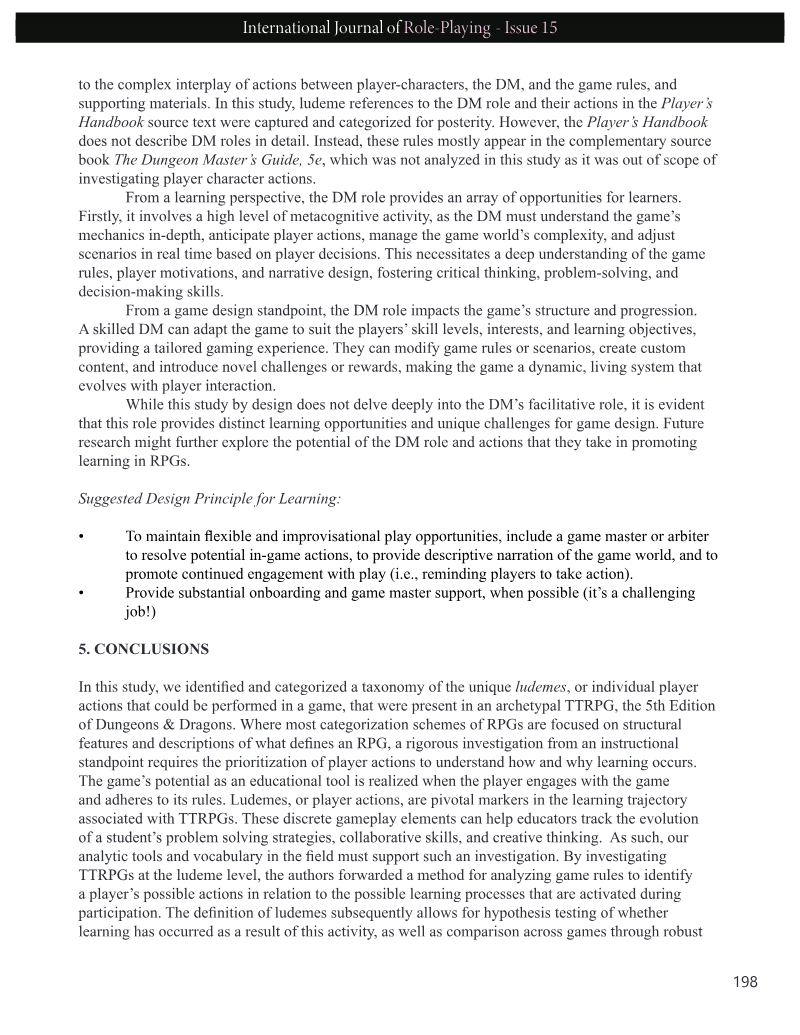
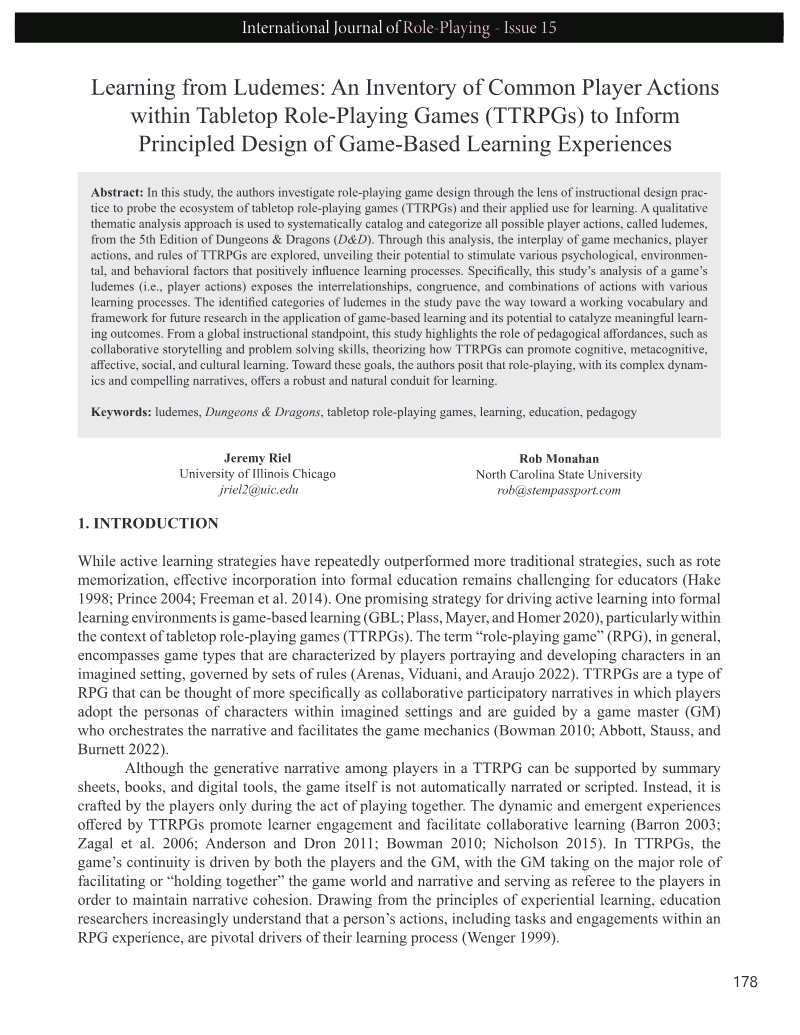
Learning from Ludemes: An Inventory of Common Player Actions within TTRPGs
Tabletop role-playing games function as immersive, low-risk simulations that facilitate significant cognitive, social, and metacognitive growth through collaborative storytelling and structured rule systems.
- The research establishes a standardized taxonomy of 'ludemes'—discrete units of player action—to move TTRPG analysis from anecdotal observation to systematic measurement of educational outcomes.
- Dungeons & Dragons 5th Edition gameplay actions are categorized into four primary domains: mechanical resolution, character realization, information processing, and social coordination.
- Gameplay mechanics in TTRPGs function as scaffolding for learning by aligning player actions with established frameworks like Self-Determination Theory and Information Processing Theory.
Live Action Role-playing (Larp) in Cognitive Behavioral Psychotherapy: A Case Study
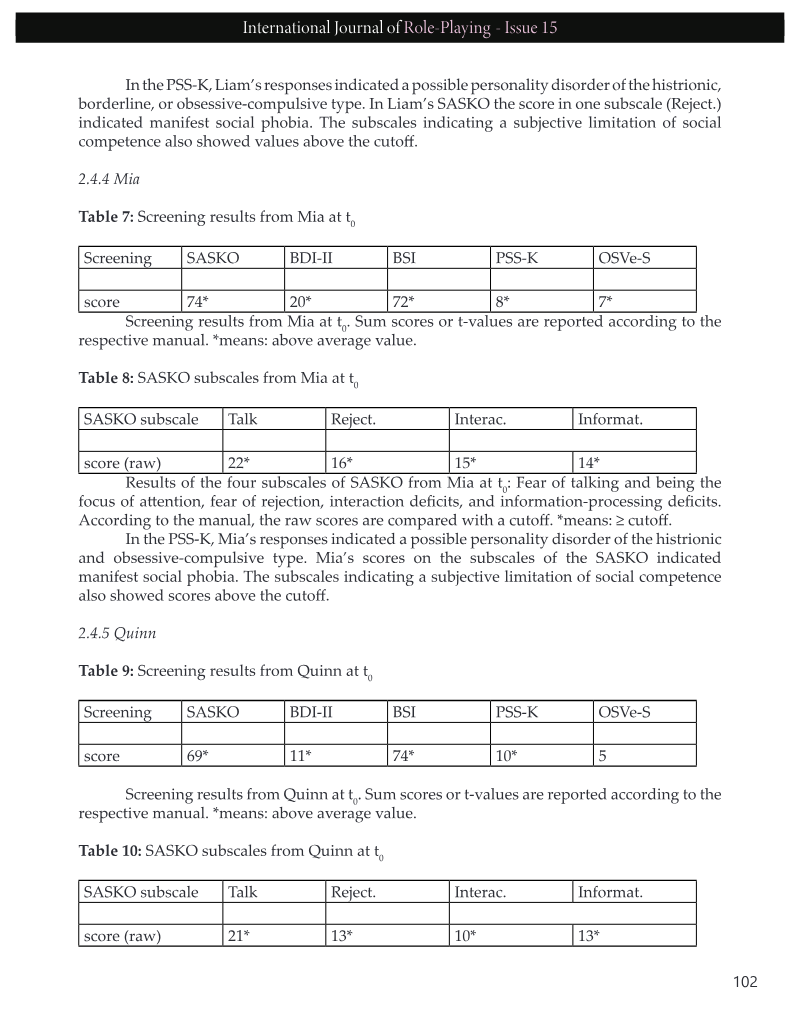
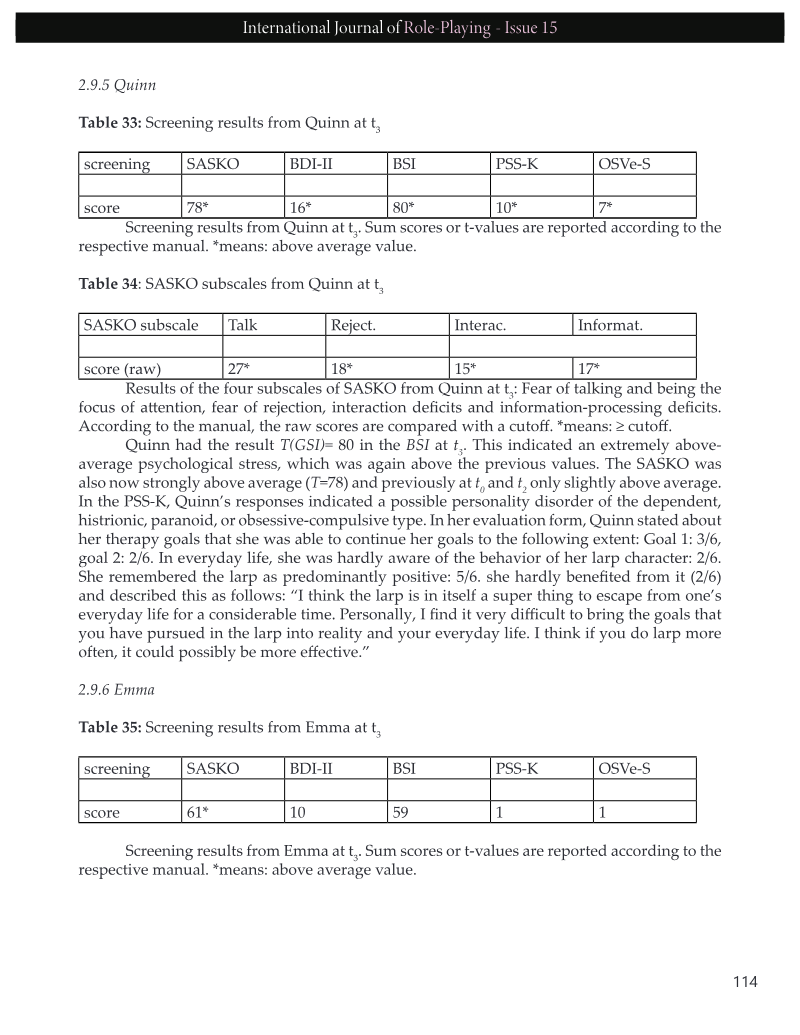
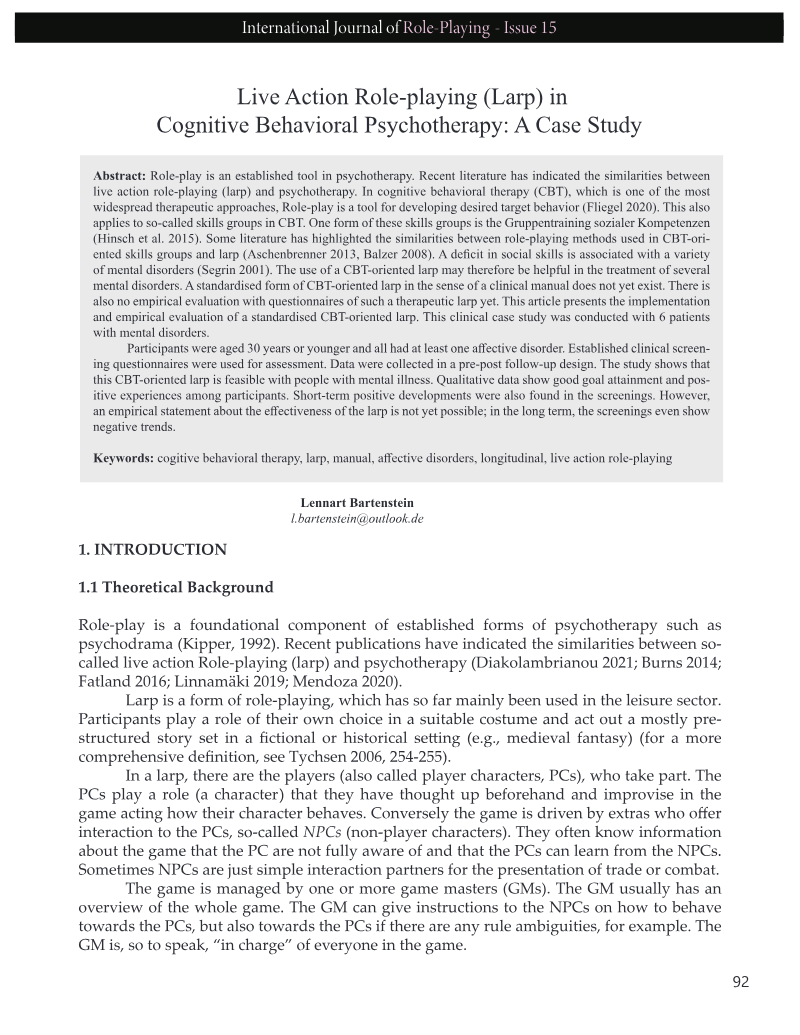
Integrating Live Action Role-playing (Larp) into Cognitive Behavioral Therapy (CBT) serves as a novel, feasible intervention for young adults struggling with affective disorders, social anxiety, and personality-related challenges.
- Live Action Role-playing (Larp) serves as a feasible, high-engagement supplementary tool for addressing social anxiety and affective disorders in young adults under 30.
- While participants reported high subjective well-being and success in meeting behavioral goals during sessions, clinical outcomes remained inconsistent across the six-person study group.
- The intervention lacks evidence for long-term symptom reduction, as some participants experienced symptom regression within three months of completing the program.
Digital Piracy as a Socio-Cultural Practice: A Study of the Greek Market
Digital piracy in Greece has evolved into a deeply ingrained socio-cultural practice rather than a simple act of criminal delinquency.
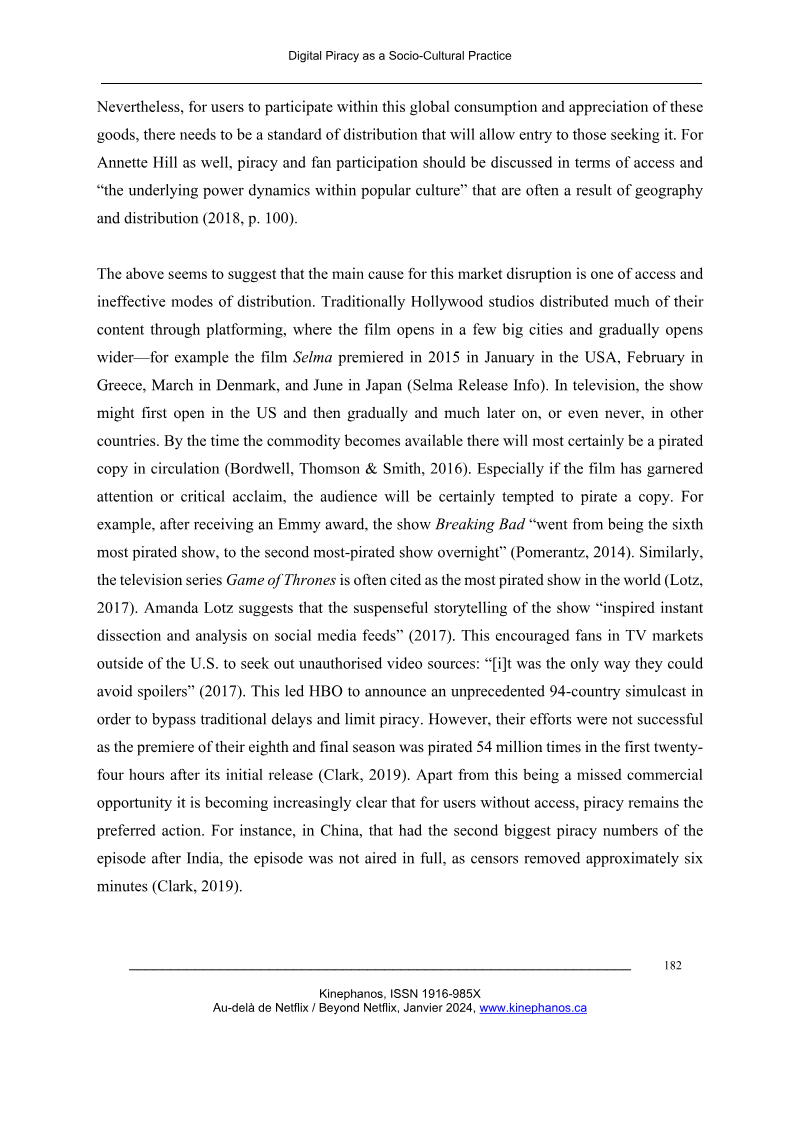
- Digital piracy in Greece is a normalized socio-cultural practice driven by a desire for global cultural participation rather than simple criminal intent.
- Systemic failures in local distribution, including content delays and limited availability, are primary catalysts for unauthorized consumption.
- High costs of legal alternatives and the need for immediate access to international media sustain piracy habits, even among users who already pay for legitimate platform subscriptions.
Nouvelles plateformes et visibilité: Quelques réflexions sur Féminin/Féminin
The web series Féminin/Féminin serves as a critical case study for the evolving landscape of queer media, illustrating the complex tension between niche digital representation and the institutional pressures of mainstream broadcasting.
- The transition of the web series Féminin/Féminin from independent digital platforms to a public service broadcaster necessitated a shift from a modular, mocumentary-style format to a conventional, serialized drama structure.
- Migrating niche queer media to mainstream television creates a paradox where increased audience reach often results in the dilution of the content's original, non-conformist narrative potential.
- Institutional pressures from mainstream broadcasting frequently force creators to prioritize commercial accessibility over the diverse gender and racial representation present in the original digital-native project.