Game Publishing reports and market data
Documents

What role does the games media play in the modern mobile era?
The role of games media in the modern mobile era centers on the critical function of curation.
- Word-of-mouth is the primary discovery driver for 60% of mobile game consumers, with media coverage acting as a critical catalyst to initiate this process.
- Games media serves as a vital curation filter in a saturated market, providing the initial validation that influences both the public and platform curators like Apple when selecting store features.
- The value of media outreach is determined by the monetization model: premium paid titles benefit significantly from editorial reviews, while free-to-play games rely more on immediate, short-term user engagement.

Too Many Games - Why Can't You Find the Games You Want? - Extra Credits
The rapid expansion of digital distribution platforms has led to a perceived crisis of oversaturation in the video game market.
- The perceived crisis of market oversaturation is actually a failure of digital storefront infrastructure to provide effective search and discovery tools for consumers.
- Current platforms like Steam and the Apple App Store rely on outdated search technology that fails to accommodate modern browsing behaviors, such as searching by mood, theme, or similarity to previously played titles.
- Existing discovery features, including user reviews and category tagging, are often insufficient, inaccurate, or buried, preventing users from navigating vast catalogs effectively.

SkyMobi on why it's focusing on casual Chinese mobile gamers
The Chinese mobile gaming market is undergoing a significant shift, with growth increasingly driven by users in third-tier cities and below rather than major metropolitan hubs like Beijing or Shanghai.
- Sixty percent of China's mobile gaming population resides in third-tier cities or below, representing the primary driver of current market growth.
- SkyMobi’s Maopao app store reaches 147 million users and maintains 25 million monthly active users by securing pre-installation on 40 percent of new Android devices in China.
- Lower-tier city gamers prioritize Android devices and require lightweight game files due to hardware limitations and restricted 3G/4G network infrastructure.

Finnish mobile games history: part 2
The Finnish mobile gaming industry underwent a transformative shift following the introduction of the iPhone and the subsequent launch of the App Store.
- The 2008 launch of the Apple App Store ended operator-controlled distribution, allowing Finnish developers to bypass restrictive barriers and access a global market directly.
- The introduction of in-app purchases in 2009 served as the critical catalyst for the industry's shift from premium, one-time-purchase models to the dominant freemium, free-to-play structure.
- Major companies like Rovio and Supercell have acted as industry anchors, attracting venture capital and providing a blueprint for success that inspires new generations of local developers.

Cursor's Teemu Saarelainen on boosting the games industry in Finland
The game industry in Southern Finland underwent a significant transformation between 2010 and 2014, driven by strategic support initiatives aimed at professionalizing early-stage studios.
- Between 2010 and 2014, the Game Cluster project utilized over 5 million euros in EU and regional funding to professionalize early-stage game studios in Southern Finland.
- The initiative established specialized development hubs in Kotka, Kouvola, and Lappeenranta, providing startups with critical infrastructure including motion capture technology and mobile testing labs.
- The project facilitated over 500 B2B meetings at major international industry events like GDC, Gamescom, and E3, directly contributing to increased publishing deals for Finnish developers.

Frogmind's Teemu Maki-Patola on promoting the Badland brand
The success of the mobile title Badland serves as a case study for the challenges and strategic pivots facing independent game developers in the mid-2010s.
- The shift from premium to free-to-play models is driven by the need for scale, evidenced by Badland achieving 7.5 million downloads in one week when featured as a free app during Apple's fifth-anniversary promotion.
- Premium mobile games face declining long-term revenue potential, even for titles that reach the top 30 rankings.
- Transitioning a premium game to a free-to-play model requires significant development effort and risks compromising the integrity of a cohesive, non-consumable design.

Rovio Stars' Matthew Wilson on sourcing great games to publish
Rovio Stars operates as a selective publishing label focused on identifying and scaling high-potential mobile titles.
- Rovio Stars limits its publishing portfolio to 5–10 titles per year to provide intensive support for refining game economies, monetization, and viral mechanics.
- The label leverages a massive distribution network of over 200 million monthly active users to help partner developers scale their titles.
- A primary selection criterion for potential partners is the ability to create a 'universe pivot,' where a game's concept can easily expand into animations and merchandise.

FunPlus CEO Andy Zhong on taking a global approach
FunPlus operates as a Beijing-based developer and publisher that prioritizes a global market strategy over domestic expansion.
- FunPlus prioritizes a global-first strategy, currently serving 6 million daily active users with significant market penetration in Europe and the Middle East.
- The company integrates international talent into its 250-person Beijing headquarters, with 40 percent of the workforce recruited from Europe and the United States to bridge cultural gaps.
- FunPlus has achieved notable success in France, where 50 percent of the population has engaged with its titles and 10 percent have installed at least one game.

Top Tips for the Big Indie Pitch
Successful participation in the Big Indie Pitch requires a disciplined approach to communication and presentation.
- Presentations must be limited to a strict three-minute window, requiring developers to prioritize the game's unique hook and playable core mechanics.
- Effective pitches focus exclusively on the project's most compelling aspects, avoiding extraneous details like studio history or internal technical debates.
- Preparation is essential to manage time and nervousness; developers should practice their delivery to ensure a focused, professional, and unified narrative.
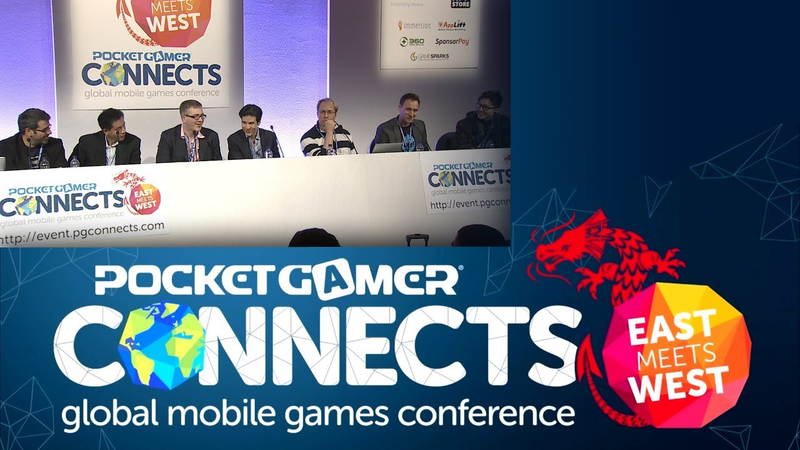
PGC London: China Mobile Games Market Power Panel
The Chinese mobile games market represents a highly fragmented, competitive, and rapidly evolving landscape that requires a strategic, localized approach for success.
- The Chinese mobile market is highly fragmented, requiring developers to implement payment systems for numerous individual channels, such as Alipay and the 360 store, to ensure effective monetization.
- Partnering with a local publisher is essential for navigating the market, as they provide critical services including game localization, server infrastructure management, and technical adaptation for over 100 different Android device configurations.
- Piracy in China poses significant risks beyond lost revenue, as unauthorized versions of games can be bundled with malware or malicious SDKs that may trigger government scrutiny and lead to the blocking of official traffic.
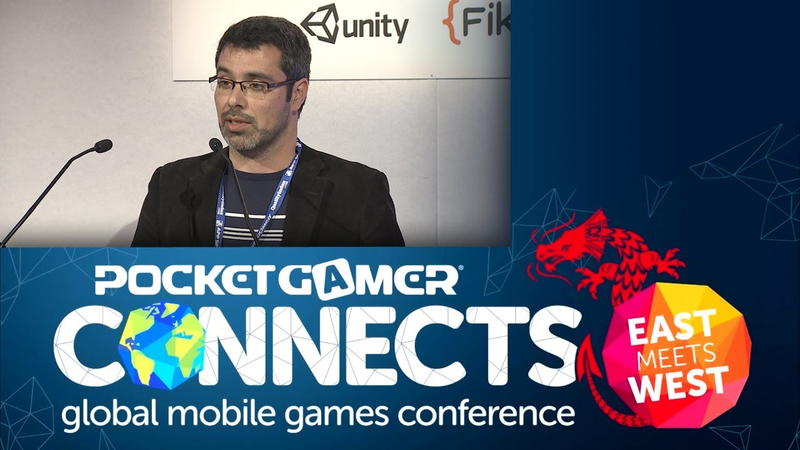
Trust is a big issue for Western developers in China
Western developers face significant structural and cultural hurdles when attempting to enter the Chinese mobile gaming market, primarily centered on the difficulty of establishing reliable business relationships.
- Building trust is the primary barrier to entry in the Chinese market, as Western developers often face communication breakdowns, sudden partner disappearances, and a lack of consistent feedback.
- Biodroid’s attempt to enter the Chinese market failed due to poor partner selection, whereas their efforts in Japan, Thailand, Indonesia, and Malaysia succeeded by securing partners who handled integration and device preloading.
- Western developers must be prepared to dedicate significant resources to support their Chinese partners, as slow delivery of marketing materials or code changes can terminate business relationships.
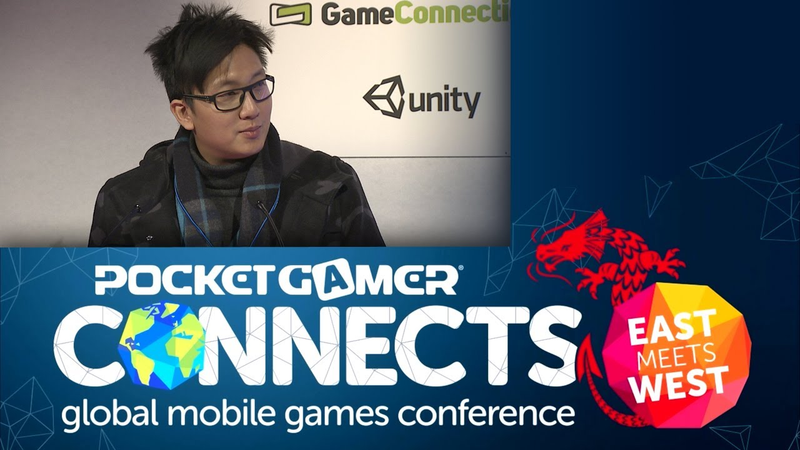
How iDreamsky made Fruit Ninja and Temple Run successful in China
The Chinese mobile gaming market presents unique challenges and opportunities that require a specialized approach to localization, monetization, and intellectual property protection.
- Ignoring the Chinese market does not prevent piracy; popular games are typically pirated on major sites within one hour of release, with clones appearing within three months and trademarks often hijacked by third parties.
- Chinese players in second and third-tier cities often provide higher lifetime value and retention than those in first-tier cities, as they have fewer entertainment alternatives and less exposure to rapidly changing international trends.
- Data costs are a significant barrier in China, where a 5GB data plan can cost 15% of a citizen's monthly income, necessitating small game sizes and low bandwidth consumption to ensure high conversion rates.