1 free read left. Create a free account for unlimited reading + AI research.
Create free account
Finnish mobile games history: part 2
Key insights
6 takeaways- 01The 2008 launch of the Apple App Store ended operator-controlled distribution, allowing Finnish developers to bypass restrictive barriers and access a global market directly.
- 02The introduction of in-app purchases in 2009 served as the critical catalyst for the industry's shift from premium, one-time-purchase models to the dominant freemium, free-to-play structure.
- 03While the ecosystem remains resilient, the rising cost of user acquisition has created a challenging environment where smaller, independent studios struggle to compete without significant capital.
- 04The Finnish gaming sector’s success is rooted in a long-standing technical foundation, bolstered by high per-capita Commodore 64 ownership in the 1980s and a vibrant local demo scene that cultivated early programming talent.
- 05Major companies like Rovio and Supercell have acted as industry anchors, attracting venture capital and providing a blueprint for success that inspires new generations of local developers.
- 06The Finnish industry is defined by a unique culture of knowledge sharing and an informal honor code, which prioritizes collaboration and views the global market as the primary target over local competition.
Ask AI about this video
Transcript
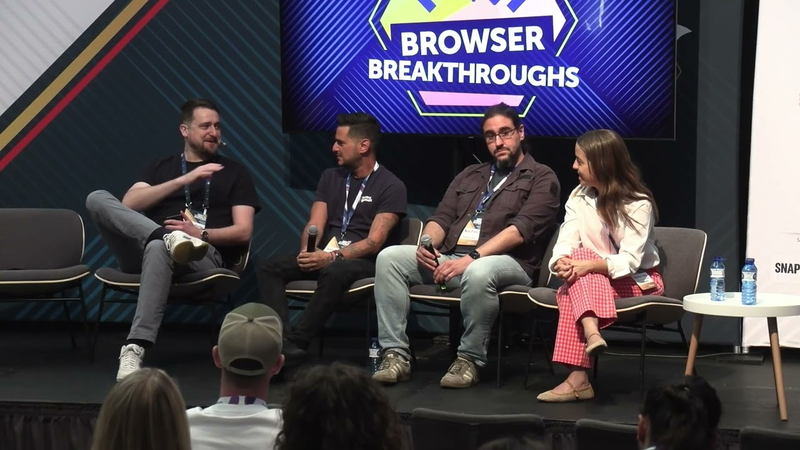
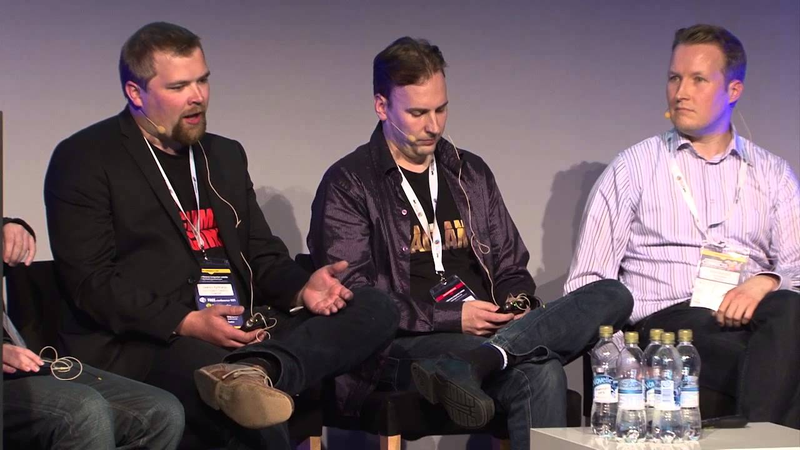
um and what we're going to be talking about in this panel we're going to be looking at the point so we kind of in the last panel we dropped off that engage engage was the last point and people have had their Java Games and they were succeeding but it was a tough economy and it was a bit of a doggy dog world and trying to get your game to succeed when The Operators and the handset manufacturers control distribution was tough and I think that's fair to say but the smartphone arrived the iPhone arrived the App Store arrived and that washed away that whole system and opened it up and joining me today at five guests who've managed to really sort of succeed within that contest and so could we just run down the line quickly and scare everyone to quickly introduce themselves and then we'll jump into understanding how exactly we managed to succeed in this wonderful smartphone era so um only with mountain sheep I co-founded it with Brothers schema and the movie Hall up after I had done my exit from what ended up being um Nvidia of Finland formerly hybrid graphics and we've been doing games for
the iOS after our first mishaps with the PSP platform turned out that the iOS was a better bet okay uh I'm Jacques goodemaya the vice president publishing from fingersoft and the fingersoft started about 2012 with some camera applications which had a cross promotion systems to each application have more installs than the previous one and in the end of 2012 we made the first game called Hill Climb Racing that caught very quickly to the top of the list and that game we are also using nowadays as a publishing tool because we have more than 180 million downloads and 8 million daily active users I'm working on the business and marketing side of frog mind and I started basically in console gaming in
2005. I was previously doing like motion games with a camera interface and and later on Kinect which was kind of like the console equivalent of trying to crap like the bigger audience from Hardcore to expanding to the bigger casual audience which is what mobile and tablets have now achieved cool good evening my name is I'm executive producer and one of the founders of red links and during the last 15 years I have been producing our 40 games for web for PC for game consoles and mobile phones and today I'm here to tell you more about the early iPhone games of red links yeah hi everyone I'm Yani I'm the CEO of secret exit I think we've we're trying to claim the title of being the oldest independent Finnish iPhone publisher slash developer
with an orange in the logo unless the other thing doesn't doesn't hold true so yeah we we kind of Rose From the Ashes of the old mobile stuff I mean we were trying to do C plus plus 3D mobile games before it was feasible or even sane to do those which obviously failed and then in 2006 uh secretary was founded and we've been here ever since uh we're independent owned by the employees we self-publish our titles and on our own IP and we've managed to survive this part fantastic and I think I'm going to start things off by talking about the moment that the iPhone arrived the moment that the iPhone came along and particularly I think perhaps more important than the iPhone even the App Store I mean how transformative was the arrival of this distribution platform that you could essentially it would help you get your game across the world it would put you on a single platform where people were really happy you know to come and download your games and it
would give you access to all of these things like reporting and billing and all you have to do is give away 30 profits I mean I'm sure many of you must be working mobile before I mean how about how about you at the I mean what was your experience did you love that moment when the App Store came in were you celebrating running through the streets wildly celebrating yeah I remember the moment but actually for me the most important point was when I picked up the iPhone first time to my hands and I slide the images on it and it was something truly new thing remarkable I mean you all kind of remember your moment when you picked up the iPhone and you started flicking two images and it was like we always transmit from the past to the Future in one day exactly I can remember playing a backbreaker one of the American football games for the first time on my friend's phone is being staggered because I'd gone from back I'd gone from a rubbish rally game on my on one of my Nokia phones to playing this for American football dodging Style game I mean what was your moment I guess I guess tell me
what was your moment when you realized that the iPhone was this spectacular new platform not going like a a little bit uh before that uh I mean working on Console games was the choice made because I wanted to work on some interesting games and back then uh the mobile games were not very not very sexy they looked like crap like 10 years backwards in gaming but uh I guess that's kind of what changed with at least well I wasn't paying that much focus on on mobile then but I think that that was like one of the things that changed with iPhone that it was like enough cool enough magical and allowed to do actually like a little well quite a bit better gaming and since then I think Apple has been driving also the hardware forwards because now we see like a convergence of games same games on on console and PC and and mobile and yeah it's not about
mobile and console or or mobile and PC games anymore yeah exactly different ones yeah I think it's it's really interesting as well because everyone has that moment in their mind when they played the iPhone well I played a game on the iPhone for the first time and it kind of goes wow this is something completely new and spectacular but at the same time Apple initially didn't let you actually put games onto the iPhone it took another number of months before the App Store came around and they introduced that before you could actually get your game out and so I mean I mean uni I mean what was your experience with this I mean when you when you first use the iPhone were you dying to make games for it or you really we did enjoy it but being in Finland we even got the phones quite late so we were enthusiastic and excited about this new device before we actually could get our hands on it but uh but we had been promised by Nokia and others putting money into the like mobile games that is going to be like a billion dollar market next year and next year and you know when you get the iPhone then then you finally realize that okay it's going to be a billion dollar market that is
actually going to happen and that was exciting and first I mean we made a PSP game and it sold 20 000 units in the year on this market and we made an iOS game with whatever money we had left and they sold 20 000 units in this first weekend so we saw this was going to be really really big yeah so you managed to see that there was this Market developing I mean I guess that's a question there for you yanny so when when did you realize that this was such a big deal when what was the moment for you when your company perhaps released your first game or something along those lines where you realized that there was this huge success to be had um well we kind of realized that the iPhone was the platform of choice uh When developing for a console would have bankrupted us so the um the fact that Apple was reporting every month and the cash flow was coming in every month that was a big change from the consoles I mean just that on the business level was so key and so important for a small company because it's not the budget that really kills us it's the cash flow so to
be able to publish a game get money in every month pay the wages and keep going I mean the hardware was nice but I mean we had been working on Gizmodo so three 3D mobile devices were not a huge big deal for us I mean we have been expecting them for them and waiting for them and sure yes iPhone is was beautiful when it came out but yeah it was not the hardware it was actually the business and the reporting and the back end of iTunes which put it really a generation ahead of anything else like step ahead of Sony and Microsoft and Nintendo in in all of that how money was actually delivered back to developers exactly I mean that's something that I spoke to another developer a while back a British developer talking to me about billing from operators where they'd have to basically pester The Operators to get their money in which they'd have to constantly chase them up whereas without with the App Store obviously it's automated and so it just comes in nicely every month which is fantastic in comparison to chasing things up but so we've got this mind-blowing gameplay
experience we've got the Fantastic architecture around it which allowed it to make it much easier business environment to flourish in but I guess I'm going to go to you sort of as one last little point I guess yako about this when you were developing for it how much easier was it to develop say for just the iPhone versus having to deal with all of these fragmentation of all of these devices that you potentially had to deal with prior to that I mean did it help solve the issue of platform fragmentation for example uh well actually we did start developing for iPhone really late because we were more thinking about that we wanted to make good true games and with all that those games are like console games and PC games and stuff but I think in 2012 we started thinking that okay now now they can be good games also for iPhones but we actually started with Android devices and iPhone was like we just wanted to Port
the builds of our camera applications and Hill Climb Racing to the iPhone markets because we had so much uh installs on Android already so basically it was kinda also Hill Climb Racing it was more like a test of in-app purchases that how how do they work and eventually it was it appeared to be very good result yeah that's a really interesting point because again in terms of the history of the stores I mean 2007 the iPhone's released 2008 the App Store arrives it's 2009 when in that purchases arrived and that's kind of when the dimension of the store changes when the dimensions of the economy goes it starts going away from say solely these paid games towards these opportunities for freemium games I mean you start to see the advantages of it I mean how important was the arrival of the in-app purchase in turning the mobile ecosystem from say this thing that could potentially succeed that could potentially be a massive hit to being something that actually was a massive
hit and was a multi-billion dollar industry yeah it was hugely important because obviously it opened up all all the kind of otherwise we would have just premium games and maybe some advertisements inside the games but this how for example Hill Climb Racing in the first year it was about 60 of all revenue came from in-app purchases so it allowed us to make a free-to-play model of games that made us to access hundreds of hundreds of millions of players actually as I said like 180 Millions for Hill Climb Racing it never would have happened if it would be just a premium game yeah it says this mass-market adoption of smartphones combined with the freemium model that really helped you to succeed but at the same time as you were succeeding with free to play and probably actually arguably prior to that there were a number of companies and a number of developers who managed to succeed by releasing those those premium games that it's the kind of it's the first Angry Birds it's Doodle Jump these kind of titles that really helped to
spark off this interest I mean important I guess I I use the term Democratic when I think about the app store because in comparison to the operator system it was kind of top down and you had to be in the right circles the right little cliques to benefit from it whereas the App Store you were able to succeed by being a smaller company I mean how important do you feel that was in sparking this real interest in the in the App Store ecosystem and helping it to grow to where it was I guess you guys have got some probably interesting perspectives on it I mean there we go there we go yeah I don't I think the most important things in app store in the early days we lost ability to anybody to publish the game and at the same time ability possibility for anybody to be on the features list so those two things together very important so they gave the feeling for that anybody could publish the game get millions of dollars for the games that was important yeah yeah um I don't know I'm clearly conflicted about the rights of the three to play gaming and what is done and how it
affects all the studios all together and for us it was very it was a very good time in the days of your to make a good paid game and reach tens of thousands or hundreds of thousands of paying customers with that uh with apple curating it was a very simple way and it allowed developers to do what they actually do best then with the rapid changes of the App Store it's definitely been a challenge from react from releasing five dollar games to one dollar games to one dollar games with in-app purchases to free downloads with in-app purchases and then this latest model free game with consumables yeah and and for a small Studio like we are it has been a wild ride and to be honest we failed in the end I mean we're not capable of making good games that would be uh funded by consumables interesting so and even if we were we would not be able to maintain Independence and get Visa funding to buy downloads so ultimately the current situation in the
mobile market is such that it's almost shutting us out that's really interesting perspective that you've got there as well I mean that's I'm pretty honest as well you know not many people I think would come up and say that and I really admire the fact that you did because that's well that's real honesty and I guess this pulls me over to Tamu and Frogman because you success I mean frog mind obviously succeeded with bad under the paid game but from what I read Badland had received 700 000 in stores prior to being featured by Apple and then in the course of a single week in a in an app store feature for the fifth birthday of the App Store when it went free your downloads weren't at 700 000 they were sort of seven million or something along those lines I mean how does the App Store Dynamic make you think about frog mind's future in terms of paid or versus free to play I mean what what kind of what kind of thinking does that end up sparking I guess for you guys so um when the game was launched it was featured by Apple and that was like the key for a paid game to really make a make a good good beginning and it was
then later when it was turned for that App Store five-year celebration free for one week that that made made 7.5 million downloads but yeah I mean free to play is uh exactly about kind of freezing a huge market and then like trying to to monetize that market and and on on the Android side we went the free-to-play roll well kind of free to play I mean the game was paid by Design so we didn't like try to make it really free to play but just like unlocking the content of the premium game and I think on the Android side because if you looked at the statistics then it was pretty clear that that the paid game Market on Android was almost non-existent so we rather we thought that we'd rather have
a let's say a few million downloads and no income from Android than than 5 000 downloads on a paid game and I think it's a really it was the right decision to do we have now like 8 million downloads on the Android site and it's actually actually because the volume is Big it has has brought in considerable Revenue as well yeah that's uh it's a very it's a difficult conversation actually I always have this free to play versus paid but one of the things that I've noticed particularly about Finnish companies I think they're they're willing to adapt and I found that when I've spoken to developers they're quite often I mean I think in terms of like your honesty for example about you know you were saying we can make great premium games with free to play is not necessarily our thing there's a there's a sort of a refreshing honesty about the way that Finnish developers often approach the task of making these games successful but maybe that's I mean the question that I'm building up to and it's I'm wondering whether or not I'm you know relying on a stereotype or if this is just my thoughts but I was wondering what do you think are the sort of characteristics about the Finnish
community in general that led to so many developers in the country succeeding on mobile was it the was it basically the fact that they had been invested in for a long time or was it the case there's this innate Talent within the Finnish industry that really helps them succeed I guess would you would you like to take a stab at that well I I heard it quoted often that the kind of background I mean taking things 20 years 25 years back from even to the days of commodore 64. and the adoption with within this well within families at that time and for people to grow up on computers for there to be the assembly uh demo competition so there was this whole community of of people who had grown up on computers and and enjoyed kind of hacking and making visual things that competed in performance so that definitely is a strong factor in well I mean if you look at the demo scene then those people who are big there are now in the management of
future micro remedy and so forth so that's a huge huge part of it um then the um well I'd say that the industry that was around Nokia not so much perhaps I mean pardon me for for the people who worked out now okay I've never done that but at least for for the subcontractors who were around the mobile industry that that certainly sparked um some experience also to the uh to the whole thing not not in terms of success obviously but in terms of good experience yeah I mean would you would you agree with that assessment yeah I do agree but also it's it's still it's like mentioned in previous panels it's the weather in the winter hard winter we can work hard when it's winter yeah and you know we have this feeling that we can work harder and Finnish people don't go down so easily so if we go down with yeah well at the same time I think
you're being remarkably modest because the weather's terrible in England and there's not that many good mobile developers around we just do obviously much much less productive things with our time when it's raining outside I don't know what that is but you know I think I I'm just sort of passing this one down because I'm interested to see sort of your different opinions I mean what about you yaco what do you what do you think about this what was was there some sort of Kernel that made Finland so successful for these mobile games or uh well I think it was back in the 80s when we had like most Commodore 64 computers per capita in the world and they're those little children as myself started learning programming with Commodore basic and then we had this demo scene as you said um and I think the basic culture in addition to this all democin and that we had a lot lots of computers and especially that we had this High tax rate in Finland that we had that actually those families that didn't have any money still or didn't have any job still had
money for to buy buy Commodore computers for their children I know many people for example in our company that in any other country wouldn't be ever able to access actually computers so this kind of culture that we had on the tax rates but also like nowadays that we're so open-minded we share we have this term like Finnish NDA that we kind of share the things open-mindedly but still to take care of that we don't talk about each other's Secrets if we are not allowed to so we don't have to put any written down uh signatures when we talk with our friends in our office in our sauna so it's sort of an honor code yeah you've got a kind of gang code The Gangs of Finland but I don't know but I guess I'm going to sort of round off with I one last question I think about the nature of influences and you know extending Beyond this obviously Rovio
and supercell I think it would be fair to say that they've been colossal successes and I think they've inspired people all around the world to think about making mobile again it's not just Finnish people but I was wondering you know what kind of an impact did those successes have when you were thinking about going into Mobile I mean obviously some of them would have been working concurrently at the same time but you know Tammy did they help you push on did they help you sit there and think God I can be a success on mobile and really encourage you to do that was was that fair to say yeah and I mean if you if you look at the industry it seems like super so pretty much single-handedly kind of turned the tide of the VC company it'll be like back towards Mobile gaming which they were a little bit like almost almost leaving already because of seeing us Etc and well gaming in general but um and and this has brought pretty many Investments during the last few years to other mobile yeah well that's handy companies in Finland exactly it brings
it it brings the success brings people in who are willing to put a bit of money behind it put the money where their mouth is I guess but if you look at Romeo as well I mean they are educating and teaching giving gaming skills to about 900 people at the moment and then you can pretty much expect more companies to spawn from those people and I mean it's it's getting it's getting lots of energy I think so I think it was a really intriguing culture I think it's something that we're going to tackle a bit more in the next panel but um just about the way that the Finnish culture seems to in the development culture encourages cooperation it encourages you guys to work together I mean yeah it's we recognized that 99 of the products will be sold outside of the country so the people next to us they are not in that sense our competition they are not going to take the market away from us and there's more than one million applications out there so you
know why would we fight with each other when we can take over the world together take over the world together well on that ominous note when with the Finnish game developers attempting to take over the world can everyone give our panelists a round of applause because I'd be absolutely fantastic
Summary
The Finnish mobile gaming industry underwent a transformative shift following the introduction of the iPhone and the subsequent launch of the App Store. This transition marked a departure from the restrictive, operator-controlled distribution models of the Java era, which had previously hindered independent developers. The App Store provided a global, standardized platform that simplified billing, reporting, and distribution, allowing small, independent Finnish studios to reach a mass market directly.
Key findings highlight that the arrival of in-app purchases in 2009 was a critical turning point, enabling the transition from premium, one-time-purchase models to the freemium, free-to-play structures that now dominate the industry. While some developers successfully leveraged this model to achieve millions of downloads and sustainable revenue, others noted the increasing difficulty for smaller, independent studios to compete in an environment that often necessitates significant capital for user acquisition. Despite these challenges, the Finnish ecosystem has remained resilient, characterized by a unique culture of cooperation and knowledge sharing, often referred to as an informal honor code among developers.
The industry’s success is attributed to a long-standing technological foundation, including high per-capita ownership of Commodore 64 computers in the 1980s and a vibrant demo scene that fostered early programming talent. Furthermore, the global success of major Finnish companies like Rovio and Supercell has acted as a catalyst, attracting venture capital and inspiring a new generation of developers. Ultimately, the Finnish mobile gaming sector is defined by its ability to adapt to rapid market changes, a collaborative spirit that views the global market as the primary target rather than local competition, and a persistent, hardworking ethos rooted in the region's challenging climate.