Game Publishing reports and market data
Documents
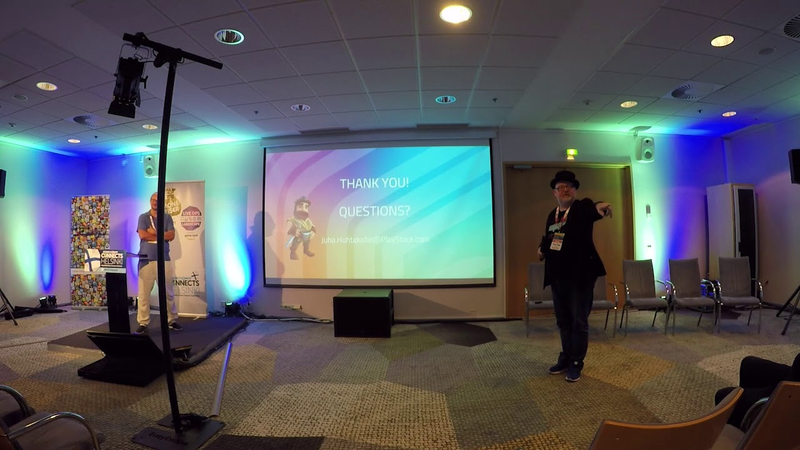
PlayStack Helsinki - The new publisher and fund in the Nordics, Baltics and Russia
PlayStack, a global publisher and funding entity, has established a new regional office in Helsinki to support game developers across Finland, the Nordics, the Baltics, and Russia.
- PlayStack has opened a new Helsinki office to provide publishing, capital investment, and marketing support to developers across the Nordics, Baltics, and Russia.
- The firm targets 12 to 15 publishing projects annually, offering up to $1 million in funding per title.
- The organization operates through a tripartite model: PlayStack for publishing, PlayFund for capital investment, and PlayIgnite for user acquisition and marketing.
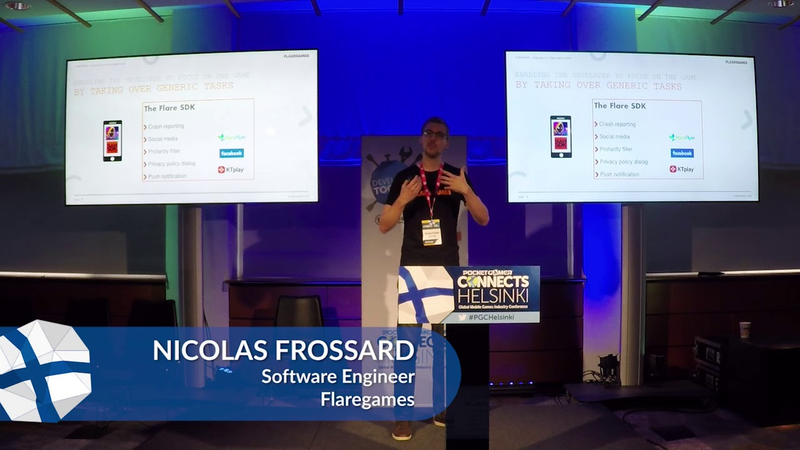
Why mobile games publishers should help carry the technical burden
Mobile game publishers should actively assume a greater share of the technical burden to maximize the success of their titles.
- Publishers should assume responsibility for non-core technical tasks like SDK integrations, crash reporting, and build management to allow developers to focus exclusively on game design and mechanics.
- By managing backend infrastructure, including server hosting, performance monitoring, and on-demand test environments, publishers shield developers from the operational strain of maintaining live services.
- Publishers can accelerate development timelines by providing dedicated engineering support for urgent infrastructure tasks, such as implementing video advertisements.
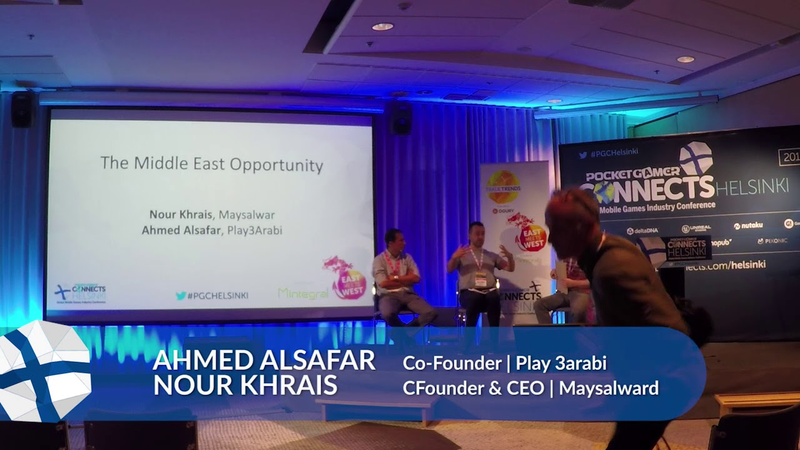
The Middle East opportunity for mobile games
The Middle East and North Africa (MENA) region represents a high-growth frontier for mobile gaming, characterized by player engagement levels that mirror established European markets.
- Success in the MENA region requires deep culturalization—aligning game mechanics with local social structures—rather than simple language translation.
- Strategy games and RPGs are highly effective due to a regional preference for clan-based social dynamics and leaderboard-driven competition.
- Carrier billing integration via platforms like Google Play is essential for monetization, as it bridges the gap in regions where traditional banking and credit card penetration remain low.
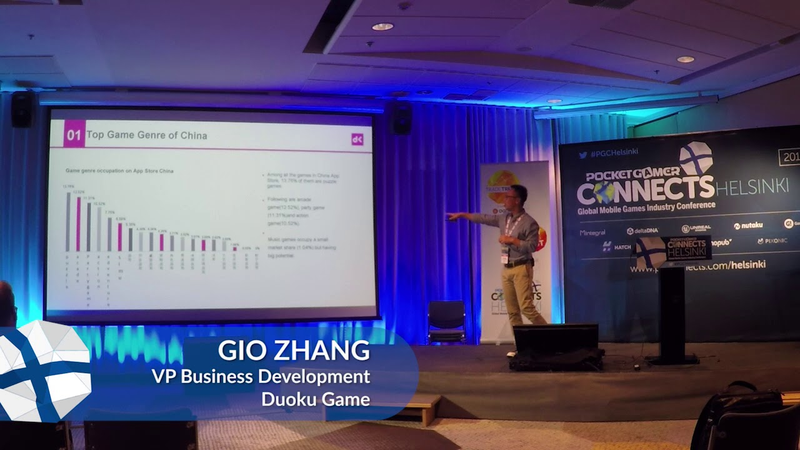
Why Western games struggle in Asia (and vice versa)
The Chinese mobile gaming market presents a significant opportunity for Western developers, provided they navigate the complex landscape of local distribution and cultural preferences.
- China’s mobile gaming market serves a user base of approximately 700 million people, representing half of the country's 1.4 billion population.
- The Chinese Android market is highly fragmented, requiring developers to navigate numerous third-party app stores rather than relying on global platforms like Google Play.
- Successful market entry typically requires a local partner to manage complex logistical hurdles, including device compatibility testing, regulatory licensing, and local store algorithms.
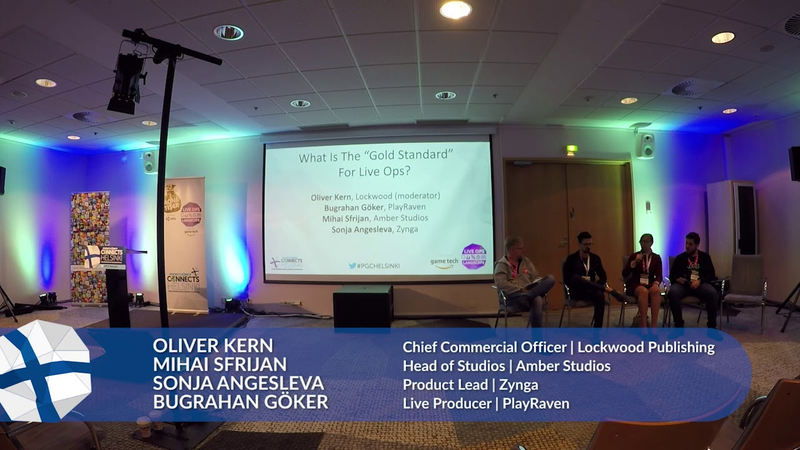
What is the 'gold standard' for live ops?
Live operations represent a fundamental, cross-functional strategy essential for maximizing the lifespan and performance of modern mobile games.
- Live operations must be integrated into the core development process from the start rather than treated as a reactive post-launch function to prevent technical debt.
- The optimal structure for a live ops team is a lean, agile group of five to seven core members, prioritizing automation and efficiency over large, bloated staffing models.
- Success requires sophisticated player segmentation based on specific behaviors and motivations to deliver personalized experiences that drive long-term retention.
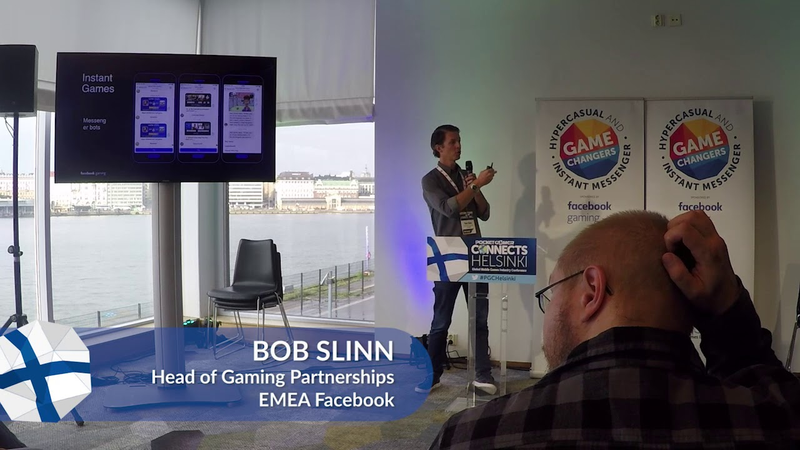
Facebook on Instant Games
Facebook’s Instant Games platform serves as a mobile-first, HTML5-based gaming ecosystem integrated directly into the Messenger and Facebook applications.
- Facebook’s Instant Games platform leverages a global user base of over 2 billion monthly active users to facilitate seamless game discovery and social play within the Messenger and Facebook applications.
- The platform utilizes an HTML5-based architecture that allows developers to build games once for deployment across both web and mobile, currently supporting a library of over 4,000 titles.
- Monetization for developers is supported through a combination of in-app purchases and the Audience Network, which provides interstitial and rewarded video advertising.
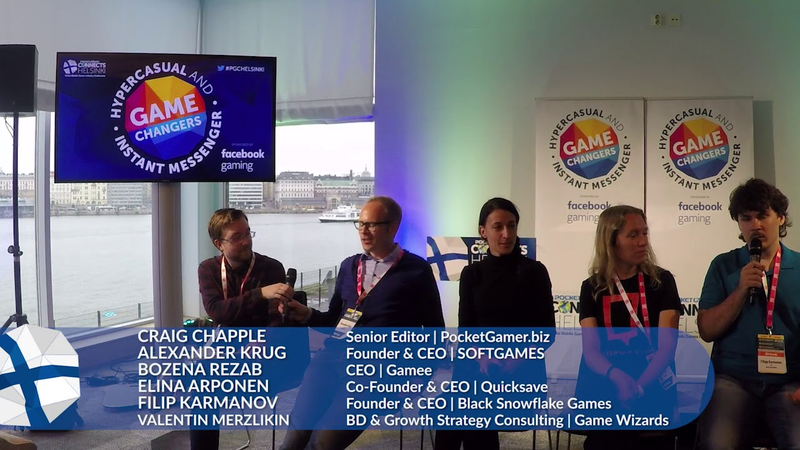
Keys for success in hypercasual and messenger games
The hypercasual and messenger gaming sectors are currently undergoing a significant evolution, driven by the rise of super apps like WeChat, Facebook Messenger, and VK.
- Messaging apps like Facebook Messenger and WeChat are emerging as secondary discovery layers that sit within the primary App Store and Google Play ecosystems, acting as powerful gateways for game distribution.
- Hypercasual games succeed by focusing on simple, one-touch mechanics and high-frequency engagement loops, such as collecting coins to unlock skins, rather than complex graphics or deep meta-gameplay.
- Long-term success in the instant gaming market requires developers to move beyond simple launches by providing consistent, fresh content updates to maintain user retention, rather than relying solely on initial viral spikes.
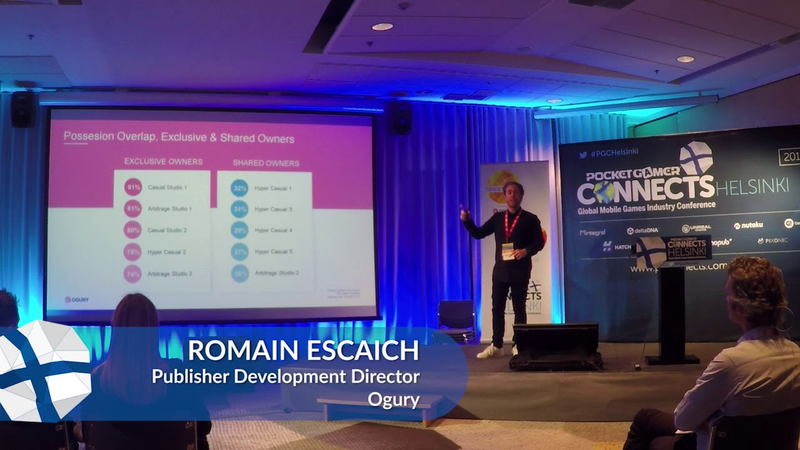
Levelling up – How to move from a small indie to an established publisher
The mobile gaming sector is currently defined by the rapid expansion of hyper-casual titles, which attract a vast, predominantly male demographic.
- Transitioning from microtransaction-heavy models to ad-driven revenue streams allows studios to achieve profitability in as little as three months, compared to the 12 to 15 months required by traditional development cycles.
- To combat high user churn in hyper-casual titles, studios must build interconnected ecosystems that leverage cross-app usage data to retain players within their own portfolios.
- Scaling operations effectively requires outsourcing ad operations and SDK management to third parties, allowing internal teams to focus resources on core game design and creative innovation.
Developing In The Flash Era
The era of Flash gaming served as a foundational training ground for many contemporary independent game developers, providing a rapid, iterative environment that facilitated professional growth.
- The Flash era (late 2000s to early 2010s) acted as a critical incubator for modern indie development by providing a low-barrier environment for rapid prototyping and iterative design.
- Platforms like Newgrounds and FGL (Flash Game License) enabled developers to build professional portfolios and secure funding through direct sponsorship models.
- Publishers such as Armor Games and various portal sites monetized the ecosystem by paying developers to integrate branding into games, using the titles as traffic-driving advertisements.
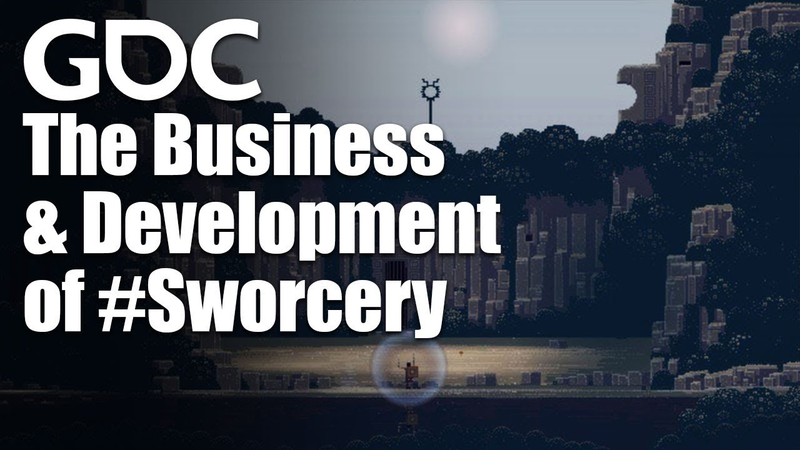
The Business & Development of #Sworcery
The development and commercial performance of Superbrothers: Sword & Sworcery EP demonstrate that prioritizing creative integrity and niche appeal is a more sustainable business strategy for independent studios than chasing broad-market trends.
- Prioritizing creative integrity and niche appeal over mass-market trends proved commercially viable for Superbrothers: Sword & Sworcery EP, which sold over 350,000 copies.
- The iPad served as the primary revenue driver for the project, accounting for more than 75% of total sales and validating the strategy of tailoring high-quality experiences to specific hardware.
- Maintaining a unified creative vision through cross-disciplinary collaboration and a commitment to a polished final product mitigated development risks and established a strong brand identity.

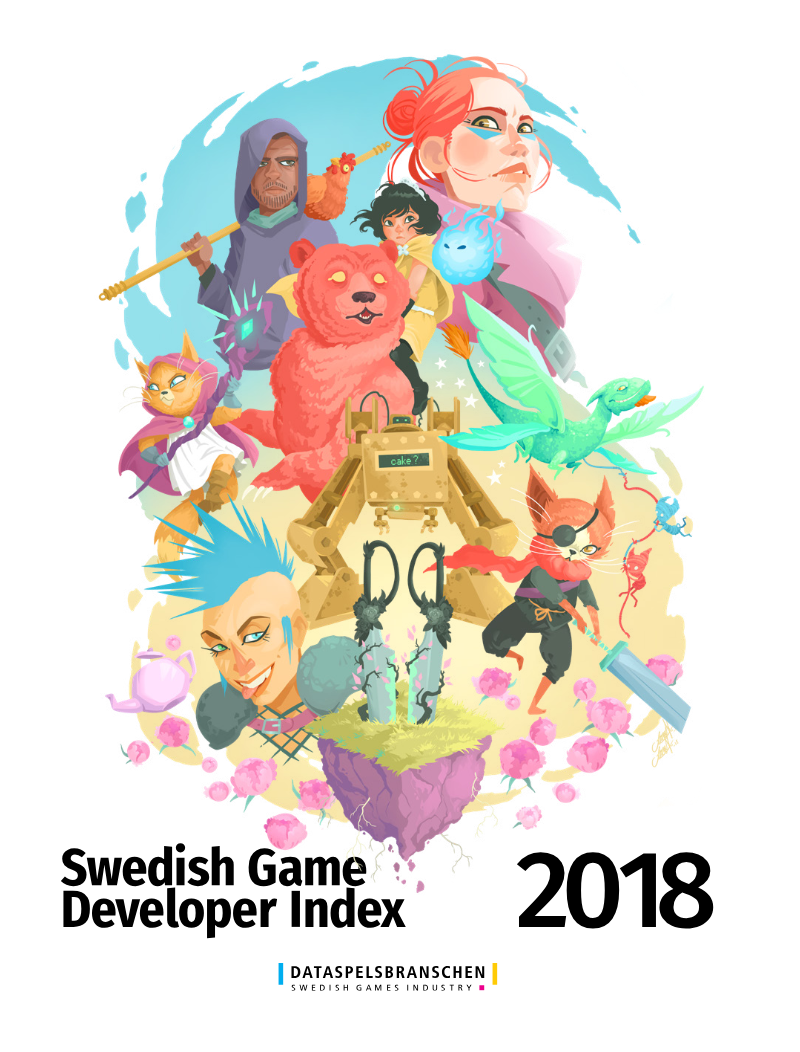
Game Developer Index: Sweden 2018
The Swedish games industry experienced a period of unprecedented expansion throughout 2017 and 2018, solidifying its status as a high-growth, globally competitive sector.
- The Swedish games industry reached €1.53 billion in revenue in 2017, marking a 15% year-over-year increase driven by the professionalization of Games as a Service models.
- Investment and acquisition activity in the sector surged from €200 million to over €340 million during the 2017–2018 period.
- Total industry employment grew by 24% to 5,338 individuals, with the number of women in the workforce increasing five-fold over six years to reach 20% of total staff.
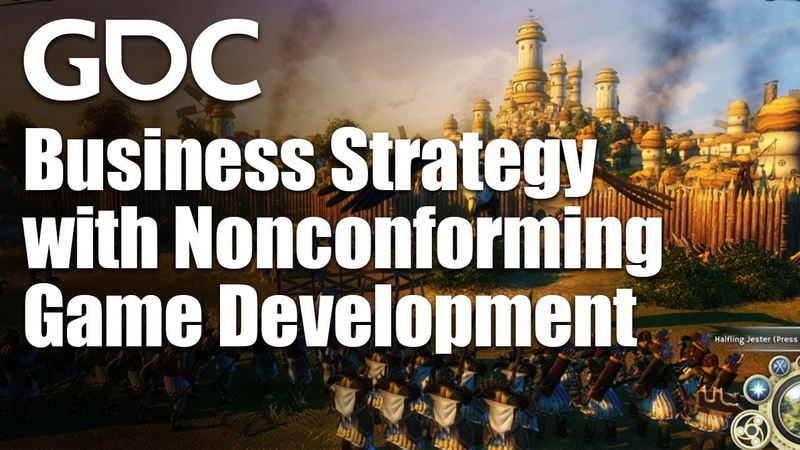
The Successful Paradox of Combining Business Strategy with Nonconforming Game Development
The integration of rigorous business strategy into game development serves as a primary driver for long-term commercial success and community sustainability.
- Long-term commercial success is driven by prioritizing player value and community sustainability over exploitative monetization models.
- Studios should replace subjective creative intuition with objective metrics, such as switching costs, scalability, and recurring revenue potential, to validate market viability.
- Successful game design focuses on creating self-sustaining ecosystems through high replayability, niche hardcore appeal, and the integration of user-generated content.