Game Publishing reports and market data
Documents
PGC Helsinki 2018 Pecha Kucha sessions: IMGA's Maarten Noyons
The concept of legacy serves as the central theme, exploring how individuals across various industries—from technology and gaming to politics—shape the burdens or inspirations they leave for subsequent generations.
- Legacy is defined by the tension between a creator's intended professional milestones and the evolving, often contradictory, public judgment of their actions over time.
- The gaming industry creates enduring cultural touchstones, such as the development of Snake in Finland and The Legend of Zelda, which serve as positive foundations for future innovation.
- Professional legacies can act as either a source of inspiration or a burdensome weight that successors must navigate or dismantle.
PGC Helsinki 2018 Pecha Kucha sessions: ZeptoLab's Dylan Tredrea
Revenue projections in the mobile game industry serve as essential strategic tools rather than mere exercises in fiction.
- Revenue projections are strategic tools for deconstructing game variables and quantifying risk rather than precise financial predictions.
- Transparency regarding knowns and unknowns in projections builds trust with publishers and investors, serving as a vital sales document to justify internal investment.
- Effective models should prioritize simplicity by focusing on core metrics like daily active users (DAU) and average revenue per user (ARPU) rather than complex decay or retention functions.
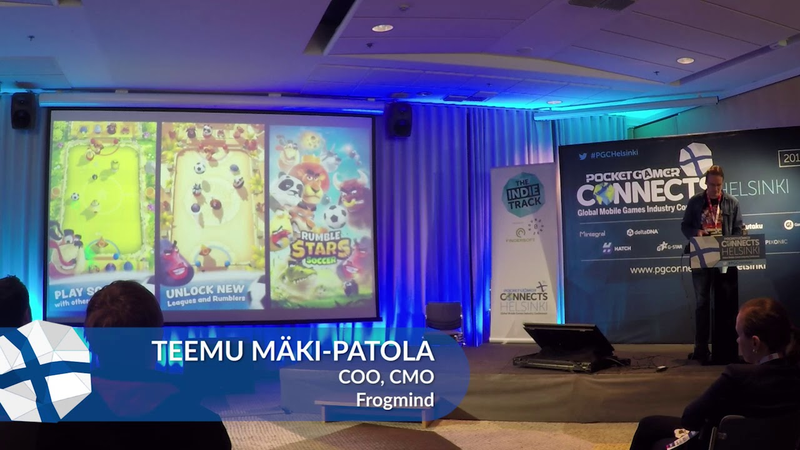
Badland Brawl and Rumble Stars Soccer soft-launches
Frogmind’s transition from premium mobile titles to free-to-play, real-time player-versus-player (PvP) gaming is defined by the development of Badland Brawl and Rumble Stars Soccer.
- Frogmind transitioned from premium titles to server-side validated, free-to-play PvP games to ensure game integrity and prevent cheating in titles like Badland Brawl and Rumble Stars Soccer.
- The studio achieved an 80% reduction in data consumption by optimizing networking and matchmaking stability during soft-launches in Finland, Vietnam, and Thailand.
- Maintaining effective matchmaking requires a minimum threshold of 5,000 daily active users (DAU).
Fantasy game pitching
Successful game development relies on the ability to synthesize creative vision with viable market strategies, a process exemplified by the rapid conceptualization of diverse gaming titles.
- Successful game pitching requires balancing high-concept creative narratives with clear commercial feasibility and alignment with current consumer market trends.
- Developers must integrate revenue strategies—such as microtransactions, in-game sponsorships, and influencer-driven marketing—directly into the core game design to ensure long-term sustainability.
- Modern game development demands the ability to pivot across diverse platforms, ranging from mobile-first architectures to major console releases like the Nintendo Switch.
Working with licences in games
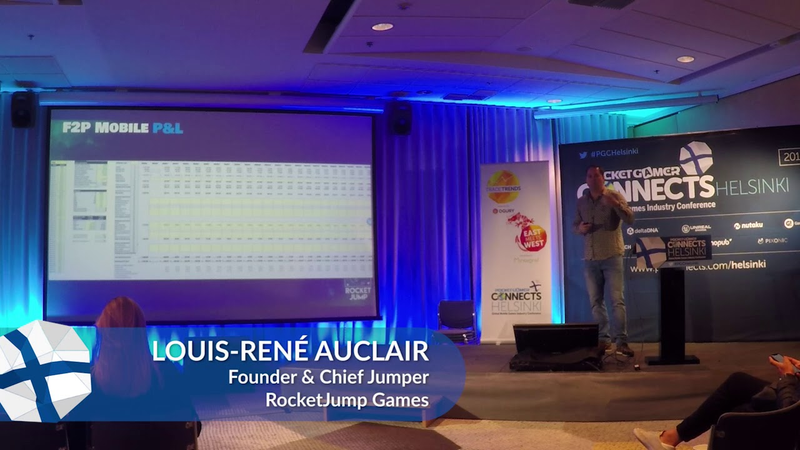
Securing and managing intellectual property (IP) licenses is a strategic endeavor that requires balancing creative vision with rigorous market data and financial planning.
- Success depends on aligning the game's core mechanics and target audience with the specific IP, as mismatched pairings often result in high download volumes that fail to convert into sustainable revenue.
- Developers must build a detailed profit and loss (P&L) model to evaluate the financial impact of royalty rates, minimum guarantees, and advances before committing to a license.
- Negotiations should prioritize marketing recoupment terms to ensure developers retain sufficient revenue to sustain user acquisition costs, which are particularly high in the mobile sector.
How to promote your games in the ever-changing Chinese market
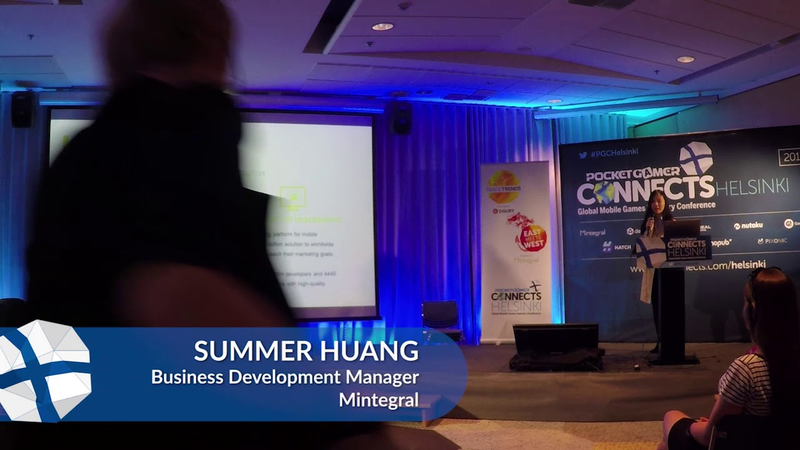
The Chinese mobile gaming market represents a massive, high-growth landscape characterized by unique regulatory, cultural, and technical complexities.
- The Chinese mobile market is massive, reaching 788 million mobile users in 2018, with iOS users significantly outspending Android users in average in-app purchases despite Android holding an 87% market share.
- Navigating the Chinese Android ecosystem is complex, requiring distribution across third-party stores like Tencent's My Apps and 360, as well as mobile manufacturer stores such as Huawei, Xiaomi, Oppo, and Vivo.
- Western App Store Optimization (ASO) tools are ineffective for the Chinese market; developers should partner with local experts to handle localization and secure the full certifications necessary to increase the chances of being featured.
Being a truly international player in the games industry
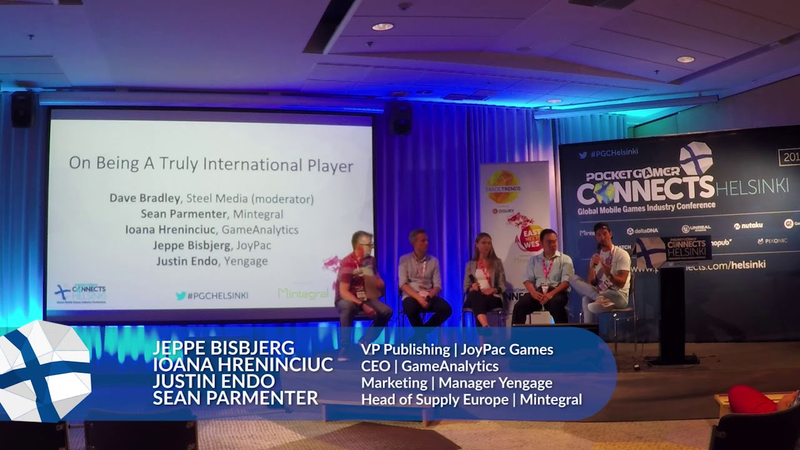
The Asia-Pacific region, particularly China and Japan, represents a critical frontier for Western game developers seeking sustainable growth.
- Success in the Asia-Pacific market requires balancing core Western design strengths with localized meta-game mechanics and marketing strategies, such as adjusting for the specific weekend engagement spikes common in China.
- Entering the Chinese market necessitates strategic local partnerships to navigate a complex regulatory environment and a highly fragmented Android distribution ecosystem.
- Entering the Japanese market requires a nuanced understanding of domestic market gaps to compete effectively against established, risk-averse local incumbents.
Housemarque on battle royale with cheese
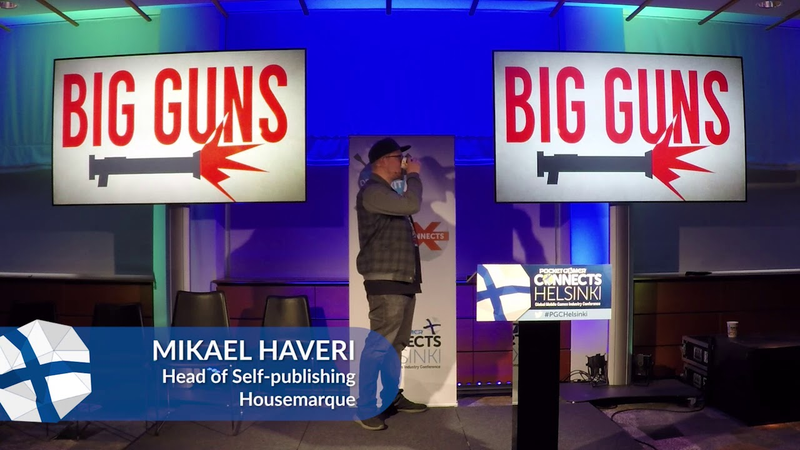
Housemarque’s development of the title Stormdivers represents a strategic pivot from the studio’s traditional arcade-focused heritage toward the competitive battle royale genre.
- Housemarque is pivoting from its arcade-focused heritage to the battle royale genre with the development of Stormdivers, a project initiated in 2015.
- The studio aims to differentiate Stormdivers in a saturated market by replacing static map design with dynamic, randomized environmental events like tornadoes and volcanic eruptions.
- Core gameplay mechanics prioritize high-intensity action, utilizing class-based movement systems such as jetpacks and gliders to emphasize verticality.
Going global: Bringing giant games from South Korea to the West
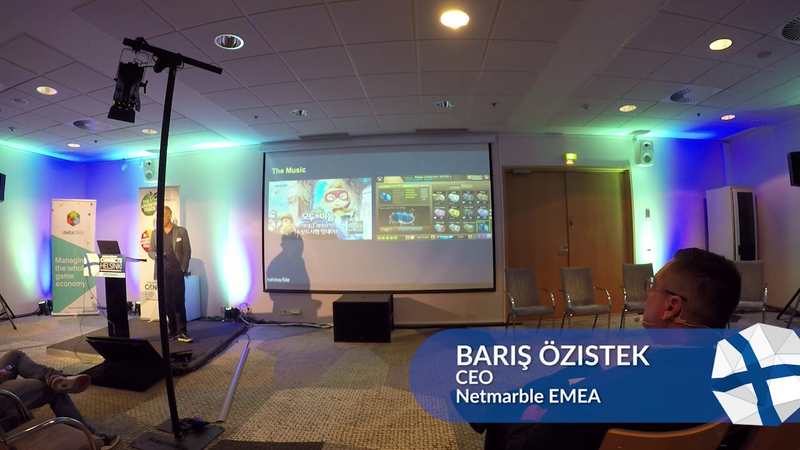
Netmarble’s strategy for expanding South Korean mobile titles into Western markets centers on deep cultural localization and iterative adaptation.
- Netmarble's 'Lineage 2: Revolution' achieved over 30 million downloads and exceeded $1 billion in accumulated revenue by leveraging the Unreal 4 engine to bring high-spec, 50-versus-50 real-time guild battles to mobile.
- Successful global expansion requires significant localization beyond translation, such as adjusting leveling difficulty, UI layouts, and PvE/PvP content ratios to align with Western player preferences.
- When localizing 'Everybody's Marble' for Western markets, Netmarble delayed the launch by six months to overhaul character designs and simplify complex tutorials that were deemed unsuitable for non-Asian audiences.
The Asian games market and G-STAR
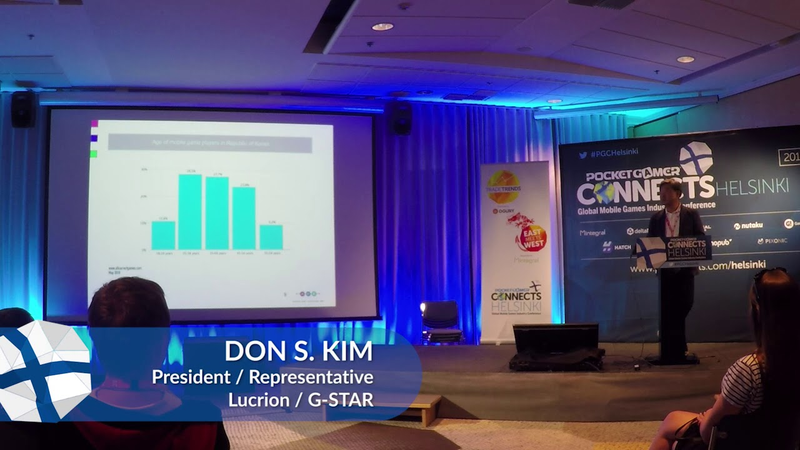
The South Korean gaming market represents a significant segment of the broader Asia-Pacific region, which accounts for nearly half of the global $108 billion gaming industry.
- South Korea generates $1.3 billion in annual gaming revenue from 15.5 million gamers, achieving a high average revenue per user (ARPU) of approximately $87.
- Mobile gaming has overtaken traditional PC titles in market share, with Android holding an 80% market dominance and Samsung serving as the primary hardware provider.
- The South Korean gaming demographic is mature, with 57% of users falling between the ages of 25 and 44.
From casual publisher to entertainment powerhouse: How Jam City is expanding
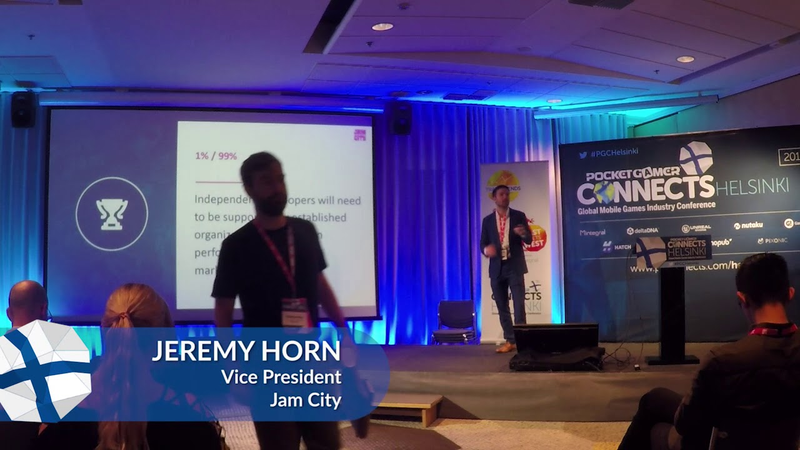
The mobile gaming industry has transitioned into a mature, consolidated market characterized by high barriers to entry and a focus on long-term franchise development.
- The mobile gaming market is highly consolidated, with 80 percent of top-grossing titles being at least 18 months old, creating significant barriers to entry for new developers.
- Global mobile gaming consumer spending is projected to exceed $100 billion by 2021, supported by a massive user base of 2.5 billion people.
- Major industry players are increasingly prioritizing the acquisition of talented teams over internal development to maintain market share in a mature landscape.
The 'Rami Ismail market overview' - Insights on what devs should expect
The games industry is currently undergoing a significant structural shift defined by the twin forces of market fragmentation and consolidation.
- The games industry is shifting from platform-centric dominance to a content-driven model where value is increasingly decoupled from specific storefronts.
- Market fragmentation is accelerating as diverse entities—including hardware manufacturers, smart assistants, and content creators—establish themselves as independent retail hubs.
- Multi-platform publishing now imposes a significant operational burden on developers, who must navigate a complex landscape of disparate APIs, implementation standards, and regulatory rules.