1 free read left. Create a free account for unlimited reading + AI research.
Create free account
Developing In The Flash Era
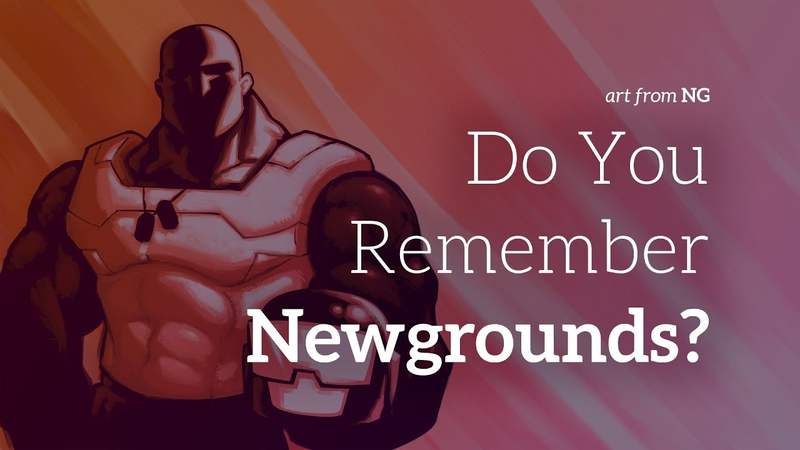
Key insights
6 takeaways- 01Platforms like Newgrounds and FGL (Flash Game License) enabled developers to build professional portfolios and secure funding through direct sponsorship models.
- 02Publishers such as Armor Games and various portal sites monetized the ecosystem by paying developers to integrate branding into games, using the titles as traffic-driving advertisements.
- 03The Flash era (late 2000s to early 2010s) acted as a critical incubator for modern indie development by providing a low-barrier environment for rapid prototyping and iterative design.
- 04The high-frequency development cycle of the Flash era allowed creators to release multiple games annually, fostering the rapid skill acquisition and business acumen necessary for full-time careers.
- 05Many contemporary indie studios on major consoles trace their origins to the creative constraints and community-driven culture established during the Flash gaming period.
- 06The transition from Flash to modern development represents a clear lineage of talent, where the educational advantage of completing projects from inception to launch remains a foundational influence on current industry methodology.
Ask AI about this video
Transcript
[Music] and I just kind of think hidden tinker than sink it and I decided like wouldn't it be fun if I could make a game nothing more than that and I made a game and I discovered while I was making it that you could auction these games on a website called FGL which is still around but you would put your game out there and people would bid on it and it was very exciting because it was real money and and the bids would go up and there'd be a bidding war and I don't I know about this I did not do not know about this oh my no FTL after that was just into new grounds all day oh well I guess where I was launching my stuff what's what you still launched but this is how you found a sponsor oh my goodness I was such a neat dude I'm always I'm always way behind back in like 2011 or something like that so it might have been like something I can't know when koma was but it might have been honest with 2000-2009 but the thing is that the
sponsors flooded in regardless you know when I wrote when I launched on Newgrounds like I remember it was the best feeling in the world I got an email from I think it was armor games and they were in which they published pinstripe and they also published adventure barrels I think they email me and they're like we'll pay you a thousand bucks to do an exclusive sponsorship like I know it was I think it was a non-exclusive and I was like I was like yes right away yes and so they paid me and I went to the pool with my friends and I got I was like I was 18 I was like guys I just got a thousand bucks for selling a game and they thought it was like the coolest thing ever and I think that's best the moment for me when I was like this is what I want to do because what's correct this is what's crazy is like I was in a band and I got the same sort of rush of being on stage playing for people yeah when I got that check yeah I was like this I'm kind of a rockstar like I'm a rockstar like an indie I'm an indie
artist but in a different way right is that how you felt I feel like it's exactly the same thing and like can running or not running because obviously we're partners but like doing the company if feels like it's still the band like it's it's it's a continuation from managing the band and like trying to get shows and get things organized and having creative people who inspire you and so yeah I mean it's 100% the same thing I see it's like a direct continuation yeah from that so it was it was in your teenage years when you realized you wanted to be a game developer no it was very early 20s I think like basically what I didn't want to be a game developer when I made that first game and then I made money out of it and I was like okay well I'm gonna still carry on like pursuing what I'm gonna do and I didn't like acid Bala don't really have a clear direction I kind of thought right right I did a degree in government politics like maybe I could be some kind of think-tank or so I was pursuing a PhD
and I got funding for that and then I sold another game and at that point I deferred my place and cancelled it and I was like right this is me I'm gonna do this but there was a moment when I was having dinner with Fiona and so she has become my wife since and she just kind of said to me like what why don't you just do this why don't you just do the games and this like intense feeling of like stress came over me and I think it was just me going yeah why don't I do this I could just like yeah like why I'm such an idiot why didn't I think of this like obviously this is what I should do it's crazy how that happens dude like for me so many missed opportunities or at least opportunities that were right in front of my face it took me like two years to actually pursue them and like the fact that I missed out on this FGL thing just baffles me what I mean but to be fair to you it was a good way to meet sponsors so I think I did one game on
that and then after my second game I just went directly to the sponsors and said like this is the game and I think one of them said like put on FTL and will bid it and the other one was like I'll just give you an offer right now and I was like that offer will do thank you very much well Jay explain explain what a sponsor is for the listeners you don't know that era yeah so the flash gaming the ecosystem was kind of full of like people who just kind of had access to a program called flash where they could kind of very easily make games with like and learn their craft as they went and I think this has been so valuable to developers like me and you as well and a lot of the people who are now making indie games but what would happen is you'd create this game and a company such as just trying to think Armin ARMA games obviously we should mention them because they are publishers for our new grounds and on games right congregate sure those guys would then pay you a
certain amount of money to put their logo at the beginning of the game and what that meant is that your your game was essentially an advertisement for their website so it would drive traffic to their website and because this was kind of at the very either before mobile gaming really took off or like at the very beginning of it people to play games would go to these websites and they would sit and like when they should be an IT class whatever like playing in real games I want to hear in the comments whoever's if any of you were it was the student like the high school student who would play games in the library before class started like I did please let me know in the comments because there it was just it was such a nostalgic time like for me like I would get to school early and I think you're a little bit older than me but like I would get to school early you know and you'd play a flash game where like you you shoot Osama bin Laden and then and then you hang out in the library and read manga or something like that was like what every teenager did or at least you know the nerdy teenagers
like like I was you'd get on addicting Gamescom and/or Chi Gamescom was was super fun I don't know if you went to tea games games tea games was like this super like their brand was so distinct it wasn't like going to indie game or addicting games.com and seeing like this plethora of like random crap tea games was like 1 or 2 developers and they made these skateboard games like you could skateboard they also made a bicycle game was kind of like a trials game but they had a brand that looked very I don't know how to describe it but I think it was it was like a European company like they were based in in like London or Scotland or something and they it looked very medieval I don't know how to explain it but it was just really classy looking and their colors were always green and brown and gray what happened though was they were like the one website where everything was consistent and it was like it was like a
badge of honor for flash games like these guys make flash games and they're very very good what happened is they I think they sold out just like you and I sold out in a way you know we they were like they got money waved in front of their face and they sold I think they sold to a company and then immediately like a week later after they sold sold sold out to a company it basically turned into a congregate or an addicting games where it's just a bunch of games would appear on the site just crap games you know the majority of addicting games games were pretty crappy but that was like that was like a huge high point in my life I was in middle school at the time actually and just being able to play those games for free with your friends sort of sitting over your shoulders on these clunky computers was a special feeling you know yeah absolutely and there each and there was so many ideas as well so many cool ideas and it's so clear that like so many of
the people who were making those things are now now kind of making console stuff like that it kind of says something that you know you're you KOMO is you know started its life as a flash game adventure path started its life as a super super adventure pals never give up son its life as a give up give up to you as a flash game and like take for example in the switch slipper clips that's that's made by Tom bond and his brother and they were the super flash brothers and they started out in flash games you know and it's it's really cool that this this kind of has kind of gone on to be indie games kind of as we know it and yeah and the amazing thing about it as well as you you get to make a game every two or three months from start to finish and you learn so much from that you learn so much and you know I'm sure if you go back in get your early games you like oh my god what was they thinking and I mean we're kind of lucky to have that like learning cycle where it's like okay I'm making this now gonna make this okay well that didn't work next game you know and you within a year you put out four or five
games and they'd all like you know you'd be learning from that and that kind of informs the games that we make today and I think I was trying to start now going from nothing from zero to console games that do a huge like educational gap and experience exactly
Summary
The era of Flash gaming served as a foundational training ground for many contemporary independent game developers, providing a rapid, iterative environment that facilitated professional growth. During the late 2000s and early 2010s, platforms like Newgrounds and FGL (Flash Game License) allowed developers to build portfolios and secure funding through sponsorship models. In this ecosystem, publishers such as Armor Games and various portal sites paid developers to feature their branding within games, effectively using the titles as advertisements to drive traffic to their respective websites. This period was characterized by a high-frequency development cycle, where creators could produce and release multiple games annually, allowing them to refine their craft, experiment with mechanics, and learn from immediate audience feedback.
The transition from Flash to modern indie development is marked by a clear lineage of talent and methodology. Many developers who began their careers in the Flash era—often while balancing other academic or professional pursuits—eventually leveraged these experiences to transition into full-time console and PC game development. The ability to complete a project from inception to launch every few months provided an educational advantage that is difficult to replicate in the current, more complex development landscape. This cycle of rapid prototyping and release helped developers identify their creative direction and build the necessary business acumen to sustain a career in the industry.
Ultimately, the Flash era functioned as a vital incubator for the modern indie scene. By lowering the barrier to entry and providing a direct path to monetization, it enabled a generation of creators to treat game development as a viable profession rather than a hobby. The legacy of this period persists in the high-quality, polished titles currently appearing on major consoles, as many of today’s successful indie studios trace their origins back to the creative constraints and community-driven culture of early web-based gaming.















Comments