Game Publishing reports and market data
Documents
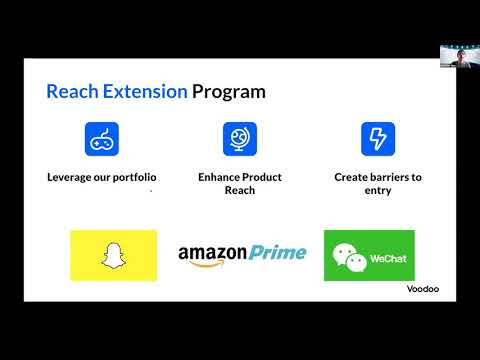
How Voodoo hit Five Billion Downloads
Voodoo, a prominent publisher in the hyper-casual gaming sector, attributes its milestone of five billion global downloads to a systematic, data-driven approach to game publishing.
- Voodoo achieved five billion global downloads by treating hyper-casual game development as an industrialized, data-driven process rather than a game of chance.
- The company utilizes a structured funnel that mandates rigorous testing and rapid prototyping to ensure only high-potential projects reach full production.
- Publishing operations are centralized to handle user acquisition, creative development, and monetization, allowing partner studios to focus exclusively on core gameplay mechanics.

Superstar Session: Publishing Isn’t ‘One Size Fits All’ - What Does Your Game Need?
Hyper-casual gaming maintains its position as a cornerstone of the mobile market, currently representing one-third of all mobile downloads and sustaining a robust 20 percent annual growth rate.
- Hyper-casual gaming accounts for one-third of all mobile downloads and is maintaining a 20 percent annual growth rate.
- The hyper-casual development cycle is high-velocity, requiring ideation to global release to occur within a four-to-eight-week window.
- Success relies on a fail-fast methodology that prioritizes rapid prototyping and iterative testing to validate concepts before scaling.
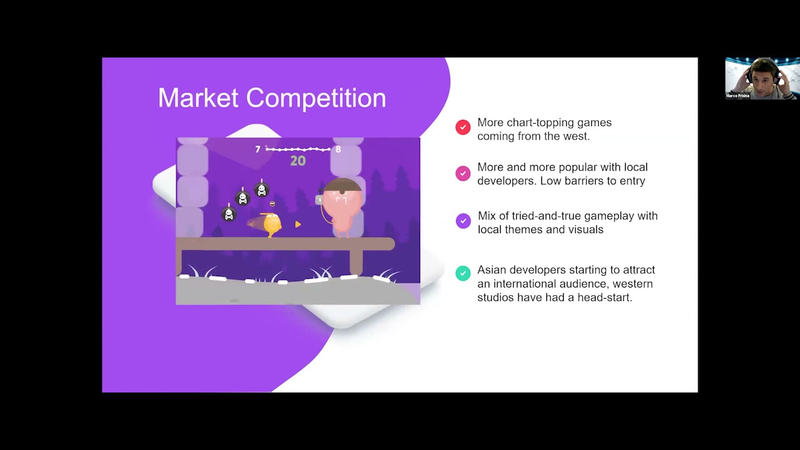
The Continued Rise of Hypercasual in the East & How to Break Your Game into the Chinese Market
China currently stands as the world’s most significant mobile gaming market, valued at $25 billion and representing a quarter of the global industry.
- China's mobile gaming market reached $29 billion in 2020, representing a 30% year-over-year growth and accounting for approximately 25% of the global mobile games market.
- Hypercasual games are the fastest-growing segment in China, leading at least 72% of total game sessions by the end of 2020.
- Foreign developers face significant legal barriers to entry, specifically the requirement for an ISBN certificate, which can take three to six months to obtain and is notably more difficult for non-domestic entities to secure.

PocketGamer.biz Mobile Games Awards 2021
The mobile gaming sector reached a pivotal maturation point in 2021, solidifying its position as the dominant force in the global interactive entertainment market.
- The mobile gaming sector reached a valuation between $91 billion and $120 billion in 2021, accounting for approximately 50% of the total global games market.
- The industry experienced significant financial consolidation and investment, characterized by over $60 billion in mergers and acquisitions alongside increased venture capital funding for studios and service providers.
- Growth is increasingly driven by high-fidelity experiences and sophisticated live operations, with industry leaders like TiMi Studio Group, Tencent, and Supercell setting the standard for development.

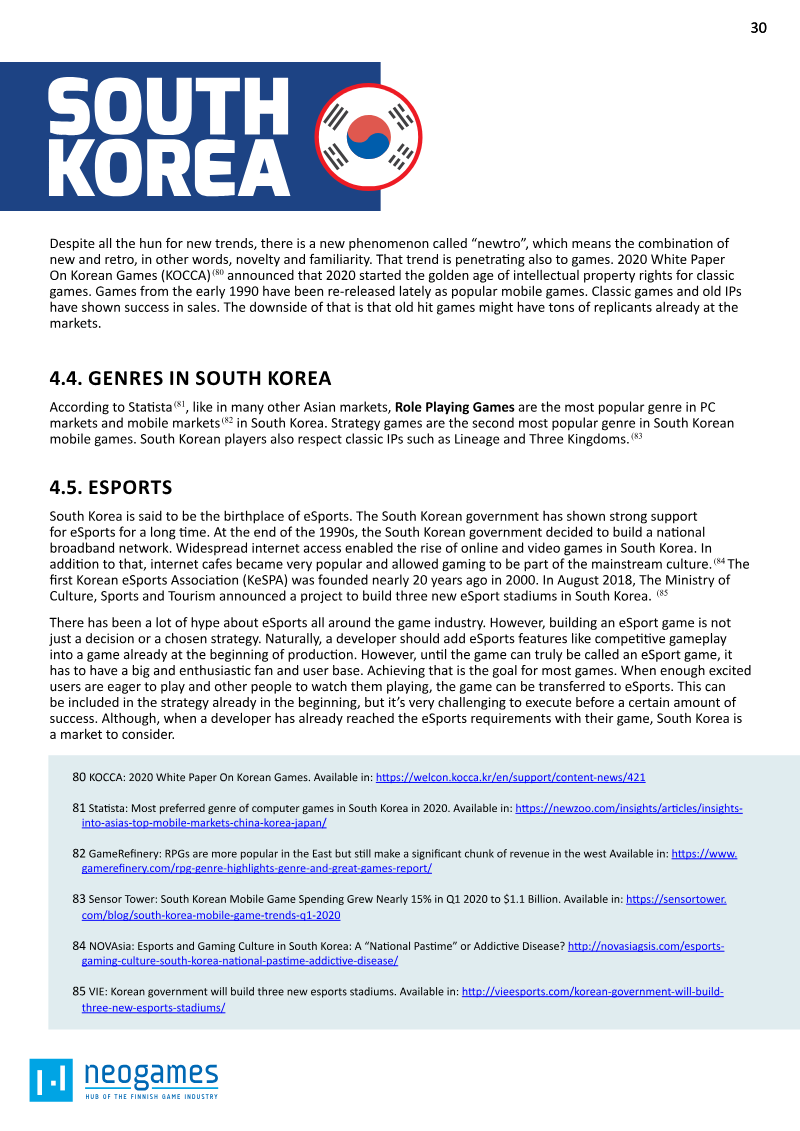

Market Study: China, Japan and South Korea
The Asia-Pacific region stands as the global leader in the gaming industry, generating 49 percent of total worldwide revenue.
- The Asia-Pacific region generates 49 percent of total worldwide gaming revenue, driven primarily by China, Japan, and South Korea.
- Entering the Chinese market requires collaboration with local publishers to navigate mandatory ISBN licensing, strict government censorship, and a fragmented Android ecosystem.
- Japan’s mature market is dominated by mobile revenue and console hardware, where success depends on high-quality RPGs, gacha mechanics, and established brand trust.
Why Developers Fail on Alternative App Stores & How to Succeed
Expanding into alternative app stores represents a critical growth strategy for game developers seeking to bypass the limitations of the traditional iOS and Google Play duopoly.
- Diversifying distribution beyond the iOS and Google Play duopoly can increase game revenue by 20% to 25% over a two-year period.
- Success on alternative app stores requires treating them with the same operational rigor as primary storefronts, including consistent update schedules and standardized bundle IDs.
- Developers should shift from passive distribution to a proactive, relationship-driven approach, including regular communication with store representatives to secure featured placements.

From an Indie Game to Hypercasual Success - Can Any Game Go Hyper?
The hypercasual gaming sector thrives on a rapid, data-driven development cycle that prioritizes mass-market accessibility over niche complexity.
- Hypercasual game development requires a rapid iteration cycle of four to six weeks, where developers must be prepared to fail quickly and move on if initial KPI tests do not show potential within one to two weeks.
- Successful hypercasual games must appeal to a mass audience rather than a niche, ensuring the gameplay is accessible to a broad demographic ranging from teenagers to older adults.
- The onboarding process is critical for retention; the first few levels should act as a tutorial where players are guided through simple, clear goals to prevent early drop-off.

Panel: Getting a Publisher vs. Self-publishing
The strategic choice between self-publishing and partnering with a publisher hinges on a developer’s internal capacity, long-term objectives, and organizational culture.
- Self-publishing requires an internal infrastructure capable of managing marketing, localization, quality assurance, and user acquisition, whereas partnering with a publisher provides operational stability at the cost of creative autonomy.
- Publishers evaluate mobile titles using small-scale user acquisition tests to validate retention and monetization, while PC and console projects are assessed based on Steam wishlists, social engagement, and prototype quality.
- Developers must conduct an honest internal audit of their team's skill sets and resources to determine if they can independently manage the complex operational demands of a commercial release.
Superstar Session: Targeted Approaches to the Casual Game Market in China
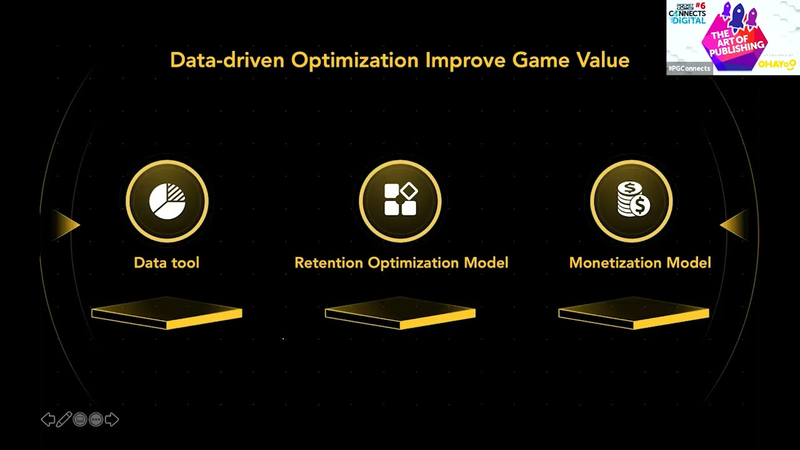
The Chinese casual gaming sector has matured into a robust ecosystem, characterized by 200 million daily active users and an annual revenue trajectory reaching $7 billion.
- The Chinese casual gaming market has reached a scale of 200 million daily active users and generates $7 billion in annual revenue.
- Short-form video platforms are critical for growth, as 91 percent of mobile gamers in China engage with these platforms daily.
- Publishers have successfully scaled over 150 titles using data-centric models that prioritize creative testing and localized optimization.

Dear Influencer Agency
Securing and maintaining successful partnerships between game publishers and influencer agencies requires a foundation of meticulous professionalism, strategic alignment, and data-driven execution.
- Agencies must demonstrate deep product knowledge and provide error-free, tailored introductory materials rather than relying on generic, high-volume outreach.
- Successful partnerships require agencies to provide transparent, performance-based metrics—specifically cost per install (CPI), cost per click (CPC), and engagement rates—to justify strategic decisions.
- Agencies must conduct thorough due diligence on influencer talent to mitigate brand risks and ensure alignment with the publisher's standards.

Fireside Chat: Being Successful in Self-publishing
Success in the hyper-casual gaming sector is fundamentally rooted in rigorous, data-driven decision-making rather than creative intuition.
- Success in hyper-casual gaming relies on rigorous, data-driven analysis of cost per install, retention rates, and session duration rather than creative intuition.
- Studios should only attempt self-publishing after achieving a proven hit and mastering core development processes under the guidance of established publishers.
- Hyper-casual titles should be used as a strategic springboard to fund and transition into mid-core titles, which offer superior long-term stability and intellectual property value.

Panel: The Game Business Post-vaccine - A New Path to 'Normality'
The global gaming industry demonstrated remarkable resilience throughout the pandemic, maintaining high productivity levels and consistent hiring despite widespread operational disruptions.
- Approximately 25 percent of the gaming industry workforce would resign if mandated to return to full-time office attendance, necessitating a permanent shift toward hybrid and remote work models.
- Studios are adopting hybrid work strategies to reduce overhead costs and access a more diverse, global talent pool while maintaining productivity.
- The industry is prioritizing HR strategies focused on employee well-being and inclusivity to sustain company culture within distributed, remote environments.