1 free read left. Create a free account for unlimited reading + AI research.
Create free account
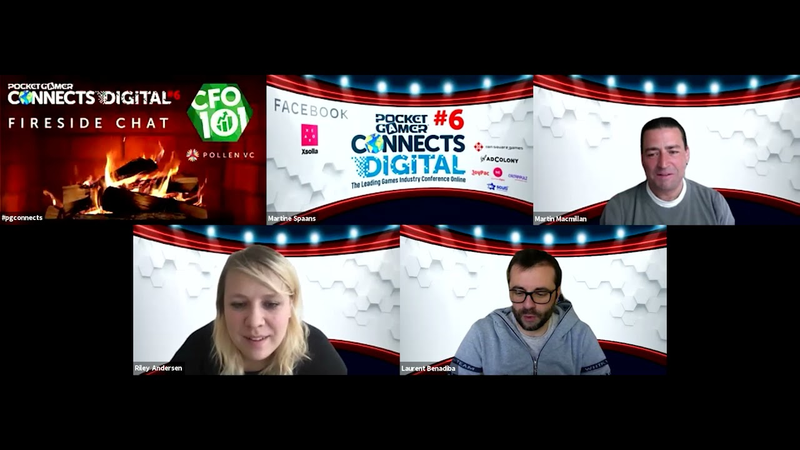
Fireside Chat: Being Successful in Self-publishing
Key insights
7 takeaways- 01Studios should only attempt self-publishing after achieving a proven hit and mastering core development processes under the guidance of established publishers.
- 02Scaling independent operations requires sophisticated financial management, specifically the optimization of monetization waterfalls and the navigation of complex payment terms and currency conversions.
- 03Success in hyper-casual gaming relies on rigorous, data-driven analysis of cost per install, retention rates, and session duration rather than creative intuition.
- 04Hyper-casual titles should be used as a strategic springboard to fund and transition into mid-core titles, which offer superior long-term stability and intellectual property value.
- 05Hyper-casual gaming is a highly competitive discipline and should not be treated as a guaranteed or simple funding mechanism for mid-core projects.
- 06To mitigate platform risk, successful studios are increasingly diversifying user acquisition channels beyond standard reliance on major platforms like Facebook.
- 07Developers must balance industry knowledge sharing with the protection of proprietary business strategies to maintain a competitive advantage.
Ask AI about this video
Transcript
for the next talk uh actually in fireside's chats i already uh named dropped martin mcmillan from paulden bc since he was one of the people asking a question just yet so i'd like to invite martin up here and uh let you introduce uh your uh your people for the fireside chat so sorry not to have like a virtual fireside as my background but uh um the uh the pocket gamer spaceship was always oh you've got it there right now awesome um cool so yeah so very very happy to be sponsoring the cfo 101 track and to be here uh just to give everyone a bit of background we wanted to we wanted to do these sessions because the um the kind of financing of of gaming companies is is really often kind of overlooked we thought um so we wanted to you know rather than focus just on user acquisition rather than monetization whatever we wanted to do a couple of different panels and and
firesides and and and thanks to marcus for a great talk just now in terms of you know focusing down on that on the financials so um so what we're going to do in in this one is we've got riley uh anderson from umami games and uh lauren benadeva from sdp games um who are both uh pretty experienced hyper casual developers um and we thought we would drill in to some of the some of the sort of like you know the financial planning aspects and growth aspects you know specifically in a hyper casual use case um and uh you know because every every different gaming genre has its own its own kind of unique um horizons around investment and growth and those kind of things so um hyper casuals narrow we've been doing a lot um a lot more and kind of fairly recently the sector we love um so want to invite uh lauren and riley and to you know talk about some of their experiences and hopefully some some actionable tips for others who are
who are considering either you know starting a hyper-casual studio or thinking what to do with their next game based on what they did with their last game etcetera so um i will uh i will shut up for a second and maybe riley what i want to just give us a little intro to you and umami and and uh and where you sit yes thank you martin and thank you uh for doing this chat um yes i'm the ceo for mommy games and as martin said we make hyper casual moba games um so we've been working for around two years uh mainly in hyper casual and beginning we work with and now we're working with jpeg and we have published our first game globally abc runner which now has more than six million downloads um we also raised more than five hundred thousand us dollars like u.s dollars and we are using those money to scale up our team and also as uh martin can get into figuring out what like the success we got from our
game abc runner how can we leverage that into doing it even better uh next time especially on the business intelligence side cool lauren you wanna you wanna go next yeah hi thanks for inviting me so um i'm ceo of sdp games uh created the company about 16 years ago now so uh we're not really a startup um we've been through different eras of video games we started with consoles nintendo ds and more recently hyper casual games so uh our latest hit is called skull people with published by crazy labs um i think we now have over maybe 35 34 million players so it's been quite successful a lot of success on android mainly and so very recently we started doing uh self publishing and so it's been quite a ride so i'm happy to share some intel
sure okay cool so what do you think maybe this for um for uh for lauren first why why do you think the the the financial kind of planning aspect of it so you've been making the move from working with publishers to self-publishing what how do you how do you think about the sort of financial planning and how have you built your models and and expectations and stuff as you've been making that move there's a good question i mean um it's i think in my opinion it's gonna be simple because um we're a small team mostly just me but i would say realistically we bought three um when we do things and so we're very small team and um it's very hard for us to anticipate very accurate ltvs so uh cpi is quite easy to track i guess take a look at your campaigns but uh ltv is like this magic number that builds over time and so uh you're gonna have to be very uh broad i think um not not try to be too
accurate about the margin so i guess the i guess the key thing for me is to be very um very broad in kpis we can't ver we can't be laser focused on on margin you know like three percent margins and stuff like that we got to be we got to be broad we got to have like uh rough estimates on ltv that we can uh get very quickly um and and so for that i've got a few formulas but very simple things um we don't do much in machine learning uh ltv predictions and stuff like that because i really think there's a lot of risk there um when you start investing everything you got uh i think you gotta have this big margin so for me it's the the big thing is it's to be quite large in terms of what we can scale and so so far we haven't scaled the game we've released two games and they were they had pretty good kpis but nothing that was like very green lit uh so i guess the first thing i would say is that we may be more selective
in the in the games that we that we that we scale you know right and what sort of early signs uh i i guess it's like a it's like a tinder box right you can put it out there but you don't really know if it's gonna if it's gonna take light until it it's actually out there what are the what are the sort of key factors out there that sort of you know um as far as you as far as you can you know say that that sort of make make the difference between success opposed to putting it out there everything looks great and it hasn't necessarily just taken light yeah i don't use my instinct anymore because i i cannot be i've been proven wrong about every time just about every time so uh i use just a few numbers and it's a good question because kpi is kind of vast it's a vast subject there's a lot of numbers there so if you are looking for a green lightable game then you would probably look at every single kpi but it never happens that all these kpis are good like i've never seen that
happen you know so i guess you have to look for early signs and what i've uh seen in the hits uh we have we had two hits in our history which is not a lot because we have made a lot of games but as what we've noticed is that uh there are there's there's always something in it there's always something like like there's always the needle going like this you know uh it doesn't mean all needles and everything is blinking but there's always something that links so either is like a super great uh cpi or you have this great retention of or you have a 25 minutes play time but there's got to be something like at least one thing that tells you okay well the game is not perfect but there is something there that people like and and we can invest and i guess if everything is average or if you don't have any kpi that stands out i would say i would say it's time to move on first level that's what i would do personally cool um riley what about you how do you how do you uh how do you think about this stuff well i
think it's super interesting uh i know laurent uh already and uh always lovely to chat to i think we are we're kind of in the same place but a little earlier than where laurentis um right now what we're doing is trying to pull out as much as data as we have both from the abc runner which scales will and also from all the other games that we testers as florences and hyper casual you test a lot so we're kind of trying to figure out which of these early metrics is it that are interesting to look at of course there is as florence's the obvious the cpi the retention the play time but that's also what we're kind of looking into which of these metrics are metrics we should be aware about and uh also how can one kind of structure it so so it i think what all developers want when you want to self-publish is knowing especially in hyper-casual knowing as early as possible will uh is just metrics that are
promising or not right is it worth making a new iteration and i think that's kind of where we are so the same as lauren just a little uh a little earlier um so so it sounds really like it's a it's a recipe and you're constantly testing different recipes and you don't know whether the cake is gonna necessarily rise until you until you you put it in the oven right no but i think what's so important is that uh maybe when you're starting out in game development uh maybe what you're most interested in is just making a great game but then after a while when you made a lot of them and seen a lot of data you really want to make like a game that also works financially um and i think that is what is so important here that people actually start being aware of what is the business model behind the games the creative products they're creating right um yeah and lauren to your point like trusting your instincts less and trusting the data more right so you kind of you know you get bashed over the head
and you say okay what you know what are the tea leaves telling me to do and and presumably for for both of you this is sort of there's this way of of rolling back in the knowledge and the learnings that every game gets a little bit better or you can tweak things and and and until you get something that is uh that that's really there and ready to scale up yeah i would also say as loren said or if you see a metric that wow normally all the other hyper casual game i tested have had a play time of let's say 10 minutes now i'm testing one that has 30 minutes that has to be interesting somehow right um there's definitely something there yeah so you have to figure out what it is sit down with a sit down with a i guess it's a whole team thing right so these are generally small like really agile teams making making things quickly so it's not like a process where you have to wait weeks or months for data right europe and this is what we live about what we love about the sector is like everything turns so quickly so you know i mean sort of like these days of like
you know people taking two years to release a game without any sense of whether it was going to work or not you know there's very very few people doing that and this idea of like you know fail quickly or whatever and then you can you can roll it up as it is obviously great in terms of uh in terms of hyper casual so in terms of the um so they're there so so both of you have have had success and so on both of you kind of looking at self-publishing the when when do you think the i mean like it seems that a lot of people just don't have the kind of either the knowledge or the resources or necessarily the complete teams right so we have this thesis about you know are you in are you a game developer or are you in the business of games and very often if you're game developers you're great at making games but you don't have the you know some of the other aspects of it in which case that seems to be a really good fit for publishers or are you or are you becoming like in the business of games which to typically have much more kind of well-rounded teams what do you think of the key that the key sort of goes logos if you
were advising someone right now and they they were they were setting out their sort of attributes and you'd say like you know what we you know you should be considering a self-publishing route or you should be you know working with a bunch of obviously there's some great publishers out there who have helped you know relatively kind of unknown obscure companies you know rocket to the top of the charts um what what do you think the key sort of key things in the formula for when when you should look to self-publish versus uh versus work with a publisher who starts yeah who starts do you want to start around maybe all right okay well my point of view on that is that i guess you've got to have a hit behind you because there's a very steep learning curve between uh making a game and making a successful game that's that's already a lot of stuff to learn like a huge amount of stuff and not not just about development developing games but there's so many things and and i guess um starting from scratch like if you say i would i would like to make hyper casual
games i would like to learn how to create these games and also at the same time would like to self-publish i would i would definitely again you know advise against that because i think it's a perfect recipe for a lot of disappointment um i think i think personally that self-publishing comes after some form of mastery of the creation of the games because that's that's like the next step and and i think you have to build on that that thing and and it takes a lot of time and um and and publishing is another it's a completely different job and so um mastering two things two new things at this at the same time i don't think humans are very good at that so it's just um i would say yeah so in short i would say just after you first hit maybe probably thinking about think about that but it's more of an evolutionary type of thing so you can't you just you physically can't do everything at once because you've got all the ad monetization you've got the user acquisition piece you've got the game you've got all the traffic and if you're small teams it's
just it's just too mind-blowing but you know potentially after you've sort of after you've had a few laps around the track if you like then you kind of you you you figure out the formula a little bit better and that's what sort of spurs you want is that the same kind of way you think about it riley as well yes yeah yeah i would agree i mean especially when you're starting out it's about finding a publisher that has to know how i think it's in general like with publishers what they're really great at is they have a lot of know-how um i think lorenz will work with guru uh at some point and we did as well which was like learned so many great stuff from them um so publishers definitely good at different places and i agree with laurent it's it's a lot about having focus as well right if you want to be the best at four different things at once you normally don't become the best at anything and i guess it's also about like it's it's a people thing right do you have someone who's actually interested in wanting to go down the self-publishing route that thinks these
business model and the ua and marketing metrics are so interesting that kind of like and we have like we almost can't sleep we could make this model we could become like this and this right uh you need that kind of passion for it uh there's also the whole like um like the money thing uh like we actually been looking a bit like what are the perfect setup for for self-publishing and i think like a natural way could also to work in the after you made a hit last round set maybe pick a publisher that can help you learn some of those ua stuff on the way uh if you're not totally ready for doing the step totally on your own and then talking with different people about what are the options for for example uh renting money once you want to scale the game uh here someone like martin you're like pollen vc can go in and help right um because there's a turnaround time with games uh maybe we'll come into that later um but i would say people is super
important right having someone who's interested in it knows it the tools as well having the right tools for actually doing this early testing and then the money uh how do you plan on scaling fast which is super essential and hyper casual um [Music] yeah i mean that's true i i forgot that point like you're right this you need some cash i mean even if you get some help for ua uh with pollen for example uh you still need a bit of cash to get started on your way and uh you also need a lot of knowledge in terms of apis uh you need to master mmp whichever it is we're using uh we're using tangent at the moment but there's a lot of tools there so that they're pretty good and and you need to to to handle this thing so you don't spend like you know ten thousand dollars every day new way and and realize after ten days that you're losing you're losing all this cash so yeah you know yeah there's a lot of things to understand about ltv
and it's quite a big thing so i definitely agree and also just like me and lauren talked about this before as well it's just like data set up how do i set up like the perfect i need some attribution right so i know will uh like the metrics i'm getting in which platform are they coming from otherwise it just becomes one big pool of data right kind of want to extinguish where on different variables and uh just understanding how to set up that has at least for us taking a few months of like investigating talking to different people and yeah so a lot of steps on the way it's like you guys are the sort of the conductors of the orchestra right there's a lot of moving parts to learn and everyone's everyone's got to be you know on on the same sheet for it too for it for it to really work um and what do you think you know just moving forward a little bit in terms of in terms of the overall genre and stuff one thing we have seen a few times people who have who've had some hyper casual success who are um and the question is like do they want to just self-publish hyper-casual games
or do they want to take that that knowledge and some of the money they've made from it and then and reinvest it into slightly longer longer shelf life games if you like so we had um seen a few people recently saying like the the we're not setting ourselves to be hyper casual forever and if it's always like this sort of like this cliff of like success or or not you have to achieve a certain level of scale but we've seen a few interesting people who said like we're going to take we're going to keep making hyper casual games but to the side of it we're trying to build longer term value by building you know longer ltv maybe kind of mid-core games type type of this and it's all about what sort of what sort of company you want to be what sort of value you want to create over time so i don't know if you guys got any any any any thoughts on using hyper casual as a springboard yeah it's very interesting i think that's what what you just said martin i think is everyone's dream at the moment i think you just summarized what every single developer and publisher as well and i would include all the big ones uh that everyone's dreaming about that
trying to transform that knowledge into longer trends because hyper casual is very cool but you know these games they last for a few weeks and uh it's super hard there's a lot of you know you're gonna be very reactive very quick there's a lot of uh volume uh to manage and uh you know uh mid mid core is is very different but there's there's a there's a lot of stability there and also you're building value and this is also everyone's dream building value because at the moment you got these ips if you have a few success in hyper casual but really what uh ips worth in hyper casual space um would you make a helix jump movie you know i mean this this is difficult i'm not trying to you know but this is just every single hyper casual game actually doesn't have it's design p values that you can find in other kind of um you know games um every every every single mid core games could be could be
used for different media could be you could make toys you could there's a lot of things there there's a lot of value that you can build with mid core i became kind of losing that a little bit so i think everyone's dreaming of what you just said to build some stronger you know building stones right very good yeah just saying yeah i definitely agree with the rent and i think that is most developers dream like going it's probably like the classic developer journey right like first figuring out what hyper casual is with a publisher right then like give like a publishing a game with a publisher maybe self-publishing hyper casual then actually publishing free to play because it just it uh or other mid-course i think it comes naturally because the more you get to know about the business model about the ltv models about how the financial side works the more you can kind of see ah so there's one type of game hyper casual as the wind has that has like epic lifetime values of like maybe
if people are staying for 20 days or 30 days it's like amazing right then there's other types of game where people are staying for two or three years yeah it's pretty obvious where the big revenue is in the long run right from my experience if you kind of pitches as hyper casual as a stepping stone to something else whether that being data tools or free-to-play games or whatever it at least the vcs i've talked to think that sounds more appealing uh than pure hyper casual yeah i think there's also there and one of the things we've seen is that if you look at the m a transactions that have happened over the last 24 months or so on um i was having a quick scan through the other day and maybe i'm wrong here but i didn't see anyone who's who's basically sold their company who works with a publisher so who's not doing the full thing themselves right so it it it's almost like you know the the m a's been obviously the you know some of the big
publishers because they and they've got the acquisition pipes and so on for that and they they've got the kind of the brand value of being the big publisher but um i i can't think of any um transactions where someone's been where someone sold uh sold a business for a you know for a decent amount of money created like really good value for their for their investors their shareholders and so on um where they relied on on on necessarily a third party so i think i i guess i have this thing in my mind here of this sort of evolution that sort of darwinian theory of evolution you know in terms of the the the the journey if if if you like that um uh that people go on um um guys we've got about five minutes left there was a couple other things that i thought maybe interesting to to to talk about um and i don't want to get really dragged down a kind of rabbit hole around idfa and att and so on as well but you know if you've got any kind of thoughts around just just what you guys are are seeing just now you know we hear lots of different reports of stuff going haywire lots of people we have we did a panel
yesterday with um with peggy and saltz and some of the guys from from voodoo and someone who we were talking about just the um the uh the the i i think facebook pricing generally going going a bit haywire and it's no one's really got a great theory but also people using it as a as a chance to use different channels um as well so rather than sort of like the usual complete reliance on facebook is actually you know what i'm looking at google uacs i'm looking at tick tock i'm looking at i'm trying different channels and you know in a way that some of those hadn't been working they're starting to i don't know if that's genre specific or you've got any kind of ideas or or thoughts on that i think scaling without facebook is quite hard in in our space so i understand the temporary measures but um in the midterm if we can't fix facebook we're gonna have a lot of issues with scaling uh hyper casual games because the networks are very cool for
like i would say second secondary ua life but initial initial impulsion has to go through very huge volumes and those huge volumes they don't come from networks at the moment they come from i think facebook instagram and and tick-tock as well but um so um also networks have a minimum spend so for example i i know a few networks that you can't spend less than ten thousand dollars so how do you do your test you know um there's a lot of issues with that so i i i i really think it's oh hope i don't know it's it it's a temporary situation um but in any case i really think uh facebook would have to be fixed for hyper casual to continue to prosper yeah i would hope so as well and i've heard the same tendency that people now are looking at different platforms before they assess as lauren says if you have great metric
facebook metrics you like scaling would probably be very well everywhere uh but let's say i mainly see great results on snapchat maybe snapchat is not enough alone uh i i need to check i can i find more like platforms where my game is working very well with the target audience um yep um cool so the well i guess we'll we'll find out hopefully hopefully soon right we're just waiting for the the smoke to change color over uh apple towers and uh let's let's hope that's uh that's positive for everyone and just just one other thing to to cover is and something we've seen a little bit of recently is when people are kind of like selecting how they think about their ad monetization waterfalls um we we've worked with a couple of people recently who have who have moved away from this you know no that normal theory would just say hey i'm just thinking about ecpm so who's going to be the highest the lowest right so pretty rational but the uh the so some recent instances that we've seen it's like well okay i'm gonna factor in
things like payment terms into that because when you sort of break it down into reinvestment cycles there's more than just the headline amount it's the sometimes the opportunity cost of having to wait longer for the for the money or whatever have you guys have you guys thought thought through that in any in in any details that is that a factor for you guys yeah it's definitely a factor uh that and currency change if if for example i can't set up a usd account in any of the ad networks i would not work with that network because i would lose three four percent there just transforming the the currency and also payment delays as you just said very important um i think the biggest network at the moment is g30 but i mean be wrong so um martin may know better about this and so definitely i would just try to put the d15 up the waterfall that's yeah definitely commenters if if you're if you're breaking even after three or four days whatever in an extra 15 days or 30 days whatever to wait you
could you could spin there you could spin spin the same dollar dollar around the track actually the and the currency issue is a really interesting one as well um because you know it's it's like us dollars like the currency of oil rights like the currency of advertising as well and we you know we've certainly seen a lot of people who are you know certain you know they have to take payments and euros they convert that the bank is absolutely hosing them because they're not doing the currency transfer we could do a whole separate panel on on um on currency transfers and stuff probably but uh uh no definitely an interesting topic so so this i think we are my time has just beeped at me uh martin um i don't know actually some some people that i've asked a few questions so i i would suggest we grab a few more minutes to to answer these questions yeah sure we're trying to leave five minutes or so open for uh for any questions so um do you wanna do you wanna um yeah i'll uh i'll start with the first one um so we have a question coming in how
can indie publishers share knowledge regarding ua metrics etc with other indies in a still front embrace or model martin can you please come up with something like that no pressure to share knowledge within a within a roll-up type model still front embracer model like you know but isn't it maybe i'm getting the wrong under mistake isn't it isn't it worth uh you know if you're if you're part of a part of a wider group then you know that and one of the reasons for that is basically to share knowledge within within the wider group or or is it or i think maybe the question is it's like can there be is like a like almost like a sleeper cell network of uh of of hyper casuals who will share knowledge i think that this is probably the question so it's like a virtual still front embracer model right so is it sort of like a is it a loose association of you know people like riley or lauren
whatever sharing knowledge um to to to you know for the success of everyone so it's like a like a a virtual roll-up model um instead i i have heard i'm not on them obviously but i have heard of secret squirrel uh whatsapp groups and so on where uh where where such knowledge is is exchanged obviously love to be a fly on the wall but you know for a very good reason not but i think i think these things are really healthy actually i don't know if uh if you can confirm or deny uh guys the the existence of uh of that type of group we we have uh there is a slack group only for hyper casual developers uh i think it's it's a hard question right because in one way i would love to share knowledge like that as well because i mean that would help everyone become better when that said it's also it's it's a fine line right because that that becomes actually really your business know-how of your company and i think for every in every industry you want to share but also you don't want to share the recipe
to to to the perfect cake right that you're the only one that has so it's it's like a fine line but i do think it would be great for the industry in general if there are more knowledge sharing of like at least how to go about it right then maybe i don't have to give like the the correct answer to everyone but i don't know what you think laurent yeah i think we're talking about slack so yeah let's make it happen obviously the person who asked this question is all up for it right thanks guys um then just one more question before um uh before we need to move on to the next panel um if you're a company succeeding relatively well in a mid core in mid core do you think it's worth that basically sell your soul and make a hyper casual game or two to get more cash and then develop more expensive midcore games that are bigger and uh can challenge the really big mobile game companies
i love the i personally love the phrasing of that i mean if it was so easy just to sell your soul and make a couple of fiber casual games i think some has a bit of prejudice i think i i definitely understand what you mean i think that's a general like con consumption consumption whatever it's called that hyper-casual is easy to make it's easy to make a success quickly i can tell from experience we use two years on making more than 30 games and we had one hit it's definitely not easy but if you're as great that you can just spit out a couple of the two i said definitely do it but i think you get surprised how how challenging it actually is i would think if you're very successful in midcore right now i think it's a pretty happy place good points yeah and you know i i would add uh there's nothing wrong of course with uh prototyping and seeing what is fun in a prototype challenge it's like in a prototype stage but
uh yeah doing hyper casuals is definitely a challenge on its own all right uh well thank you so much for your insights i'm afraid i now have to take martin away to his next panel uh riley and her mom thank you very much thank you very much guys for uh for taking part thanks martin thanks yeah cheers you
Summary
Success in the hyper-casual gaming sector is fundamentally rooted in rigorous, data-driven decision-making rather than creative intuition. Developers must prioritize the identification of standout metrics, specifically focusing on cost per install, retention rates, and session duration to determine project viability. Because the operational demands of user acquisition, data attribution, and financial management are immense, studios should only transition to self-publishing after achieving a proven hit and mastering core development processes under the guidance of established publishers. Attempting to navigate the complexities of game creation and independent publishing simultaneously is a high-risk strategy that often leads to failure.
The hyper-casual market serves as a strategic springboard for studios aiming to build long-term value through mid-core titles, which offer greater stability and intellectual property potential. However, scaling these operations requires sophisticated financial management, including the optimization of monetization waterfalls and the careful navigation of payment terms and currency conversion to ensure consistent reinvestment cycles. While reliance on major platforms like Facebook remains a standard practice, successful independent studios are increasingly diversifying their acquisition channels to mitigate platform risk.
Despite the benefits of industry knowledge sharing through private professional networks, developers must maintain a balance between transparency and the protection of proprietary business strategies. The hyper-casual genre is characterized by intense competition, and it should not be viewed as a simple or guaranteed funding mechanism for mid-core projects. Achieving sustainable growth requires significant, dedicated effort and a deep understanding of the distinct, complex discipline of independent publishing.

















Comments