1 free read left. Create a free account for unlimited reading + AI research.
Create free account
Superstar Session: Publishing Isn’t ‘One Size Fits All’ - What Does Your Game Need?
Key insights
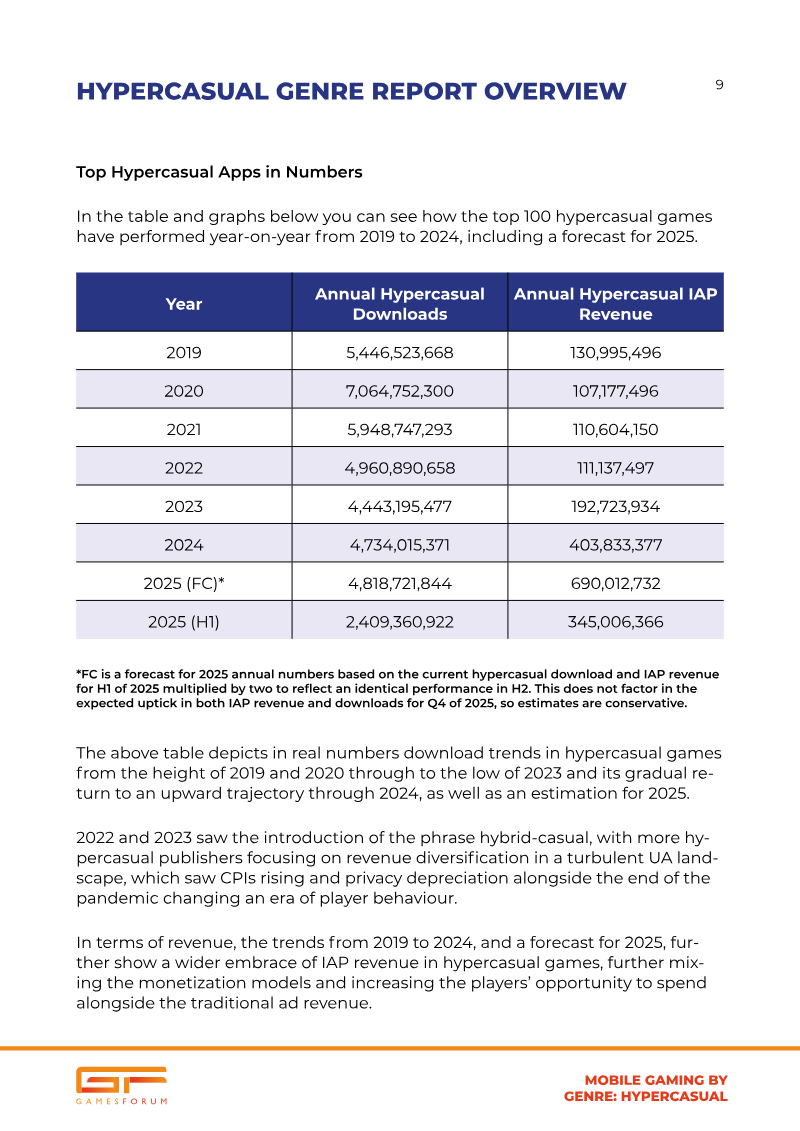
6 takeaways- 01Hyper-casual gaming accounts for one-third of all mobile downloads and is maintaining a 20 percent annual growth rate.
- 02Success relies on a fail-fast methodology that prioritizes rapid prototyping and iterative testing to validate concepts before scaling.
- 03The industry has shifted toward a tailored publishing model that rejects one-size-fits-all strategies in favor of data-backed interventions to extend title lifecycles.
- 04The hyper-casual development cycle is high-velocity, requiring ideation to global release to occur within a four-to-eight-week window.
- 05Publishers provide critical infrastructure, including historical performance data, cross-game analytics, and technical support for A/B testing and live-ops.
- 06Small, multi-disciplinary teams should manage the initial development phase independently to maintain agility and validate concepts before seeking external funding.
Ask AI about this video
Transcript
without further ado let's get things moving over to our first speaker hopefully um shai sasson the head of publishing at crazylabs is here hello have i pronounced that correctly is it shy exactly good start i'm happy with that fantastic okay well uh welcome uh thank you for sponsoring the track and i'll get out of the way and let you talk to our delegates awesome thank you very much for the for the intro and uh thank you everyone for joining i'm actually very excited to be here so today i will talk about the different needs that your games need in order to reach the top for those who don't know me my name is shai i am the head of publishing here at crazylabs and for those who don't know crazylabs
so crazylabs is a top three uh mobile uh developer and publisher worldwide and we've just reached over 4.5 billion downloads to all of our games to date and we work with over 350 developers worldwide in order to test and publish their hyper casual games and i've added here a few examples of the games that we've released over time uh diy makeup which is actually a game that will uh review today uh that had over 30 million downloads phone case uh diy as well one of the games that we reviewed today with 90 million downloads tie dye picked over 110 million downloads and and we have a few games that were released maybe three and four years ago and it's actually very surprising to a lot of people that hyper casual games today and we know that if they are maintained
correctly they are able to generate more revenue for a longer period of time so you have great examples here in the in this slide and now before we move forward i added this slide because i wanted to give a bit more perspective of why hyper casual uh genre and industry is so successful and this is a recent uh study that came from apani and google that showed that hyper casual are accounting for one third of all of the mobile mobile gaming industry and downloads and actually more than that in the support you can see that uh hyper casual growth here over here is 20 and if you're comparing it to all of the gaming industry which is around 2 you can understand why this genre and industry is so boomy so today we'll discuss uh the different needs that the publisher is able to
tailor towards your game in order to successfully launch it and before we move forward i added here a few examples of two games you can see tie-dye on the left and kathman boxing on the right by the way katman boxing was a game that was a that started in one of our crazy hubs that i will explain later in the presentation so both games are the classic hyper casual games but they do remind us the basics of this industry and the first thing that i would i would mention when talking about this base the basics of this industry is that we're very much rely relied on data in order to understand if your concept in games have the potential to be a successful hyper casual game so if you have the data collected by the publisher this can give you a very good boost in order to move forward down the the line and next
would be failing we know today that in order to be successful you must fail first so you have to be in the mindset that you're going to fail before you find uh the success and next would be uh innovation and we can definitely see this in these two examples here in order to successfully launch a very good hyper casual hit you must be innovative in your course concepting and ideation so your game will be something that the players will not see anywhere else and lastly you know there's a fierce competition and you must be fast in order to be successful and this is something that will review as well in this presentation here are the fundamentals of all of the hyper casual games so you have concept marketing gameplay and retention now taking all of this into
consideration i want to show you the process of the testing until the game reaches the publishing stage and so the first thing that you would do is create a pitch and this is the concept the idea of what will be your next hyper casual prototype this in this phase you will create a cpi test with minimal content in order to understand if your concept has the marketing ability to be a successful hyper-casual game once you understand that your concept your idea has the potential to be successful only then you move to the day one usage test where you have the core gameplay and the retention test and once you pass this test and you know that the core only then you gameplay more content and measure the day 7 output to understand if your game is profitable once you pass that you move to the scale
test and then the worldwide release the whole process from the concepting until the game is fully released worldwide is between four to eight weeks as we understand it's a very fast process now let's uh go uh and show you a few examples of uh the the tailored approach that each game needs from the studio and especially from the publisher itself so the first example that we're going to review here is scope people actually just approaching uh 60 million downloads so uh scope people was uh was originally came from the sculpture of leo messi actually the developer actually saw a very trendy video of clay sculpturing um and the one that caught his attention was this specific gameplay and it had millions of
views and we understood that the studio understood that it had some potential to be a good hyper casual uh game and what the developer started doing is trying to understand what would be the core what would be the came the gameplay itself and it was very clear from the beginning uh since uh looking at these videos you can definitely understand the steps needed uh from uh from the time that you start sculpturing one of these figures until you have the the complete clear goal now this concept had endless opportunities of different creativity in cpi testing and moving forward you can do different faces different colors different celebrities wins fails it can be funny it can be disgusting it can be anything and due to this tremendous amount of opportunities a studio might get lost in you know
when trying to understand what kind of video to do what's the next video that needs to be done now working with the publisher that is able to give you a perspective of what to focus on can give you a tremendous added value to save time and money when approaching this kind of tests so for example here the the developer could have gone different ways and spend hours of development time to create different scenarios and different videos but we as a publisher understood with it we need to first focus the the studio on things that we know that have the potential to be successful so what we did is create a batch of ideas that we already tested in different games and knew that they had potential to be a successful creative video doing the testing process and gave it to the developer and told them here are a few examples of uh celebrities lookalikes and different scenarios
that we know have the potential to be successful please let's focus on them and not spend time on other things and this is very important only a tailored approach by a publisher can help you focus your efforts on what's needed and what's not needed and next is the retention now on the retention phase you can see that the core gameplay loop has the ability to give the players to express their creativity they can choose different colors different accessories it can be funny they can add different things to the to the to the flow and but when you have a publisher that can tailor their approach towards the game plan the retention and can utilize different data points that is already known to the publisher that can help you it can save you a lot of time and money in this example you can see on the videos that i've added here on the right there are different mini steps in the
full stay in the full level now these mini steps can be long or they can be short and you can test different scenarios but when you have a publisher that can help you uh find what's needed to to a b test next or understand what's better to do and what to avoid it can help a lot in this example here you can see that in the mini steps once you reach a point of between 80 to 90 percent we immediately show the green v icon coming down to the center of the screen to give the player and understand that he's approaching the end of the step even further to that once you've reached 90 percent we automatically move the the player to the next step now by removing this extra click we were able to improve the retention and our output significantly and only by understanding that from different games that we've published before testing scope people
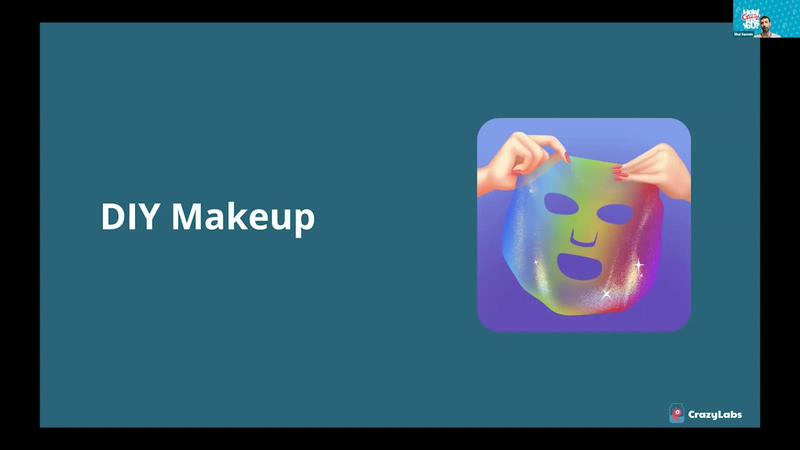
we were able to tailor the approach of the development process here and save a lot of time and money for for the developer next next example is a diy maker by the way reaching 60 million dollars now diy makeup is a very good example of a game that started based on a trend that actually died now in this case different developers might need to give up and move to the next concept but if you're collaborating with a publisher that is able to tailor their approach towards the game's need you'll be able to benefit more and what we've done here it is decided to pivot and not give up on this game and we found a sub-genre of this diy madness it was the food mask now now a developer can decide to be hands-on and take advantage of this
subgenre and change the core gameplay completely and test it by doing that he will then risk a lot by investing a lot of time and efforts doing that but what we've done is added the different had a different approach for that what we've done is first asked the developer to only create a video of this trend and we pinpoint what we saw in this trend and created just a gameplay video and tested it once we understood that this uh was appealing and marketable only then we've a b tested the icon of the game to understand if it gives any added value to the downloads and the and the game itself once we verified that and it was a proven effect only then we pivoted and added um this sub-genre to the game itself and again this tailored approach saved this game completely from uh from killing it now when you're looking at the marketing
side here this had a very similar effect to the the to sculpt people now you can drown yourself in different creatives that you can do and you can do different colors different masks different food but when you have a publisher that identifies the different colors that are more sensitive and can bring you added value but more than that had a good idea when sitting with the marketing team and tailored their approach toward what this game can be successful we were able to create a video that was by far most more successful than most videos that were previously tested and we can see this video in the example that i've added here obviously it was a very funny and disgusting video but you can definitely understand that this approach brought us a very good low cpi compared to many different videos that we could have done and tested with different colors and different foods and this is a very good example of the tailored approach that each game
needs in order to be successful and now in the retention itself there were different scenarios that could have done and created but what we've tried to pinpoint here together with the studio is create this mesmerizing sense of what we saw in the trend itself from the different popular videos and give the players the express of creativity that they are able to do and [Music] comparing it to the to the trend and what we saw in the different social medias moving forward to our last uh example uh a phone case diy funk's diy was a very unique example of a game that was also based on a trend but what we saw that is that this trend uh was available offline very similar to what we saw in tie-dye
an example that i showed in in one of the first slides so we saw that people are not only watching these trends with millions of views online but this was also available offline so we saw that actually this was seen by the developer itself and uh brought to our brought to our attention that you know teenagers and a lot of people are now um customizing their phone cases and actually matching them to uh for towards their outfits once we immediately saw that this has the potential similar to what we saw in tie-dye which was also available offline and we understood that this game has the potential the core gameplay loop was very clear from the beginning in order we knew exactly what the players wanted to do and applying the glue adding the different colors adding the the glitter and then adding the different accessories uh to the game itself but what was you
the unique approach that we added here together with the developer in the marketing side was this video that you're seeing here and what we wanted to achieve here is um the the gradient fill and the look that you are seeing here in the in the video itself and we know that this has the potential so what we did is collaborated with our internal developers in order to uh work together in order to create this um this gradient field the gradient look that you're seeing today and obviously added it to the game but first added it to the video itself and as you can see there are different things that you can do different fails different twins different colors different stickers and tons of combinations but when you're looking at a different approach here by finding a specific idea adding the gradient look and collaborating with our internal developers together with the studio
we were able to pinpoint the the uniqueness in this video and it was a very good success for this for this game in the market inside now moving to the last step in the retention phase of this game and i think that we have just a few more minutes late so a few more minutes for this presentation so it will be one of the last examples um in the retention test what we've added here uh was what you can see here in the video itself and we collaborated with our internal tech artist in order to create what you're seeing here the the smearing technique that was that you're seeing in the video here and added it to the game itself and now without this tailored approach without collaborating with our internal resources our internal tech artists to find this specific smearing technique by the way
that was then reused in another game another hit game that was also published by crazylabs and you will never be able to achieve this end result as you can see here by doing that you're really able to pinpoint the different things that your game needs in order to be successful now we're approaching the end of this presentation so just to summarize uh what we've discussed so far in terms of the hyper casual development process we know what are the fundamentals uh concept uh gameplay marketing and then retention and we've saw different case studies of different games that we were able to have this kind of different payload approach that each game needed which is totally different than than between each game and we understand that you need to create the right marketing for the game you need to optimize the flow and the lb
test uh different scenarios short levels versus long levels extra click versus moving fast in the ministers and then utilizing the different resources that the publisher has such as tech artist and development to work together with the studio in order to launch the game fast and successful now i've promised that i will explain about the crazy hubs so i showed an example of one of the games that was that started in the crazy hubs was cut unboxing in the example that i showed in one of the first slides so everything that we've discussed here and more uh are being uh taught in all of the crazy hubs that we've opened worldwide in different places in the world uh india israel turkey serbia and south africa and many more to come and it's an accelerator program for developers that are looking to enter or already enter the hyper casual channel and looking for mentoring and support form
and experience top three publisher in order to uh improve themselves in this genre and i urge you to read more about it and apply at crazylabs.com and then i think this is the end of the presentation so thank you very much and then if we have any uh questions uh you know i'll be happy to answer that thank you shai hopefully you can uh you can hear me can you hear me hello um and hopefully you can see me i can't see myself but um great there's there's quite a few questions coming in um so we're going to start with obviously you you've built a very strong business there so you will have been doing this for some time have you seen any um any shifts in the evolution of hyper casual games what is there is there a trend towards what works ultimately i know there will be different genres what what does the consumer expect well the the this is a session this is a totally
new session that i can talk for hours because there are different trends and different things in hypercardia yes of course of course there are different trends and different things that we are seeing in hyper casual things that are more successful and less successful and this is a good example why collaboration with the top publisher you will be able to talk to a publishing manager and discuss the concept to understand if they are have the potential to be successful or not but there are different things that we can you know with when we are seeing um but looking at a very broad perspective of a hyper casual subgenres you can see there are different sub uh themes and subgenres in hyper casual that are being added constantly so for example uh a year year and a half ago we started the seeing uh the asmr subgenre of hyper casual games one of the first games that came out to the market was soap cutting that was published by crazylab that created the trend another good example of of a different subgenre and a trend that
we're seeing uh over the past year or so is the the narrative subgenre simulation subgenre but then if you're looking to drill down towards its subgenre on which a trend and thing is more successful in in each subgenre you really need to discuss this with with the publishing manager and in order to avoid uh overspending development and resources and only focusing on things that are have the potential to be a successful hyper casual game are there are there certain markets that prefer hyper casual more than other markets are there big territories which is where you should focus as opposed to trying to be global so when testing a hyper casual game what we're currently doing is testing on google play in the u.s market so this is this has been done for quite a long time but when you're
publishing a hyper casual game we know today that it has potential worldwide obviously there are more markets that are more successful such as the u.s market and china and tier one uh countries um but the the process of the testing itself is only done in the us market which gives you a better perspective of the potential of a game okay and if i'm successful do the do they can i build a franchise does the game la how how long does a successful game last compared to the building of ip in in premium games and other other formats console formats for example so the the development process is much faster than most diff most games which are not hyper casual if you're looking at core mid core consoles or pc as you saw in one of the first slides it's between four to eight eight weeks from the time that you have a concept in your head until the game is fully fully released worldwide now if you asked me this question about two years ago i would say a very
short period of time until the game dies but we know today that if you have a good publisher with a good live ops team that is supporting the game together with the studio you're able to continuously update the game and add content and a b test different scenarios and keep the game alive for a very very long period of time and a good example of that is if you look at games that were released by crazy labs maybe three or even four years old years ago you still see them in the top 200 even in the top 100 it means that the games can continuously generate a good revenue stream for the developer for a very long period of time if you have the dedication from the studio and the publisher and this is very important because if you don't have this collaboration the dedication from both sides yes the game might die very quickly but if you are able to continuously update the game differently and talk to the game designers and diff maybe test different scenarios you can
continuously improve the game by the way not only on the game itself also on the marketing side which is half of the complete development of a hyper casual game the flip side of that of course is with successes lingering say in the top 200 for two or three years suggests it's becoming more difficult to break into that top 200 with a successful title if you look at the sector now to talk two years ago is it harder to have a success did during the pandemic for example did consumers tend to go to um successful titles that were already around rather than trying new ones i think the pandemic actually helped but not just the hyper casual genre but most most games most game genres in general we're not seeing any specific i would say a place where developers are being less successful in but you do have to fail until you win and this is something that is very
important for a lot of studios to understand you know don't expect to come to a publisher and say i have an idea and it it's going to generate millions of the millions of dollars for you expect to test both test and fail fast but in order to do that you must rely on kpis and data and if you are able to for example get access to a dashboard with a big publisher such as click dashboard that were that we're allowing our developers to to log into you'll be able to use this data and save time and improve your hit ratio is is that is that the big appeal of using a publisher because there must be a lot of developers who think we don't really need a we don't really need a publisher we we know how to test this game we think this game is great um we don't want to lose any margin is it is it the tools that you can provide as opposed to pr marketing that make the difference i think it's i think it's more than that it's also that it's also on the
marketing side and obviously in order to have a top one top 20 hyper casual game you need to invest a lot in the marketing side which some studios might not have compared to a publisher but it's more than that it's based on technology that was built over a long period of time that is able to optimize the publishing process and create a very successful hyper-casual game the collaboration between the technology and the resources that the publisher has such as the marketing team the game designers and we saw a few examples here of the development and tech artists that are able to collaborate with the with the studio in order to bring what the publisher has in-house resources to successfully launch again and i'm sure that there are developers that are saying you know i have the full resources of the development that i don't need a publisher but it's important to understand that the technology that a big publisher is based basing his uh his business on is
something that takes a very long period of time to develop and obviously a lot of resources one last question very good one um if i was uh currently thinking about setting up a hyper casual game studio um what sort of team size do i need and how much initial investment should i have uh secured so that i can have a proper go at being successful in this space so um it really depends we have gained for example uh i think scott people one of the examples but i'm not i'm not sure that there are tons of games that we've released that are actually developed by a one-man show um and so it really depends on the capability of uh the the man that is looking to establish a studio if you are able uh to do the full process of the development the ideation and design yourself start approaching publishers see if they are able to look at your portfolio and have a conversation and build a partnership and perhaps they're
able to fund you as well so in some cases you might not need uh to look for in external investors once you have um the basics in order to establish a good studio if it's a one-man show that is able to do the whole process or if it's two or three people one is the development one is the designer and the one and one is maybe the the tech artist you'll be able to have a full cycle that is able to uh fast prototype and create a lot of tests until you find the one that is right for you perfect well thank you very much shai that was a really um insightful half an hour and thanks again for sponsoring this afternoon good luck we've grown the business further um thank you for having me and we'll see you next time thank you bye everyone
Summary
Hyper-casual gaming maintains its position as a cornerstone of the mobile market, currently representing one-third of all mobile downloads and sustaining a robust 20 percent annual growth rate. The sector is defined by a high-velocity development cycle, where ideation to global release typically occurs within a four-to-eight-week window. This environment necessitates a fail-fast methodology, where developers prioritize rapid prototyping and iterative testing to identify viable concepts before committing significant resources to scaling.
Success in this landscape is increasingly dependent on the strategic integration of data-driven insights. Publishers serve as essential partners by providing historical performance data, cross-game analytics, and specialized technical support, such as advanced A/B testing and live-ops infrastructure. By utilizing these resources, studios can refine core gameplay loops and optimize marketing assets to minimize acquisition costs while maximizing user retention. This collaborative model allows developers to pivot quickly when market trends shift, ensuring that only the most promising titles receive the investment required for long-term revenue generation.
While publisher support is instrumental for scaling, small, multi-disciplinary teams possess the inherent agility to manage the initial development phase independently. By focusing internal expertise on design and rapid iteration, studios can validate concepts without immediate external funding. Ultimately, the industry has moved toward a tailored publishing approach that rejects one-size-fits-all strategies, instead focusing on specific, data-backed interventions that extend the lifecycle of mobile titles and ensure sustainable growth in a competitive global market.