Game Publishing reports and market data
Documents
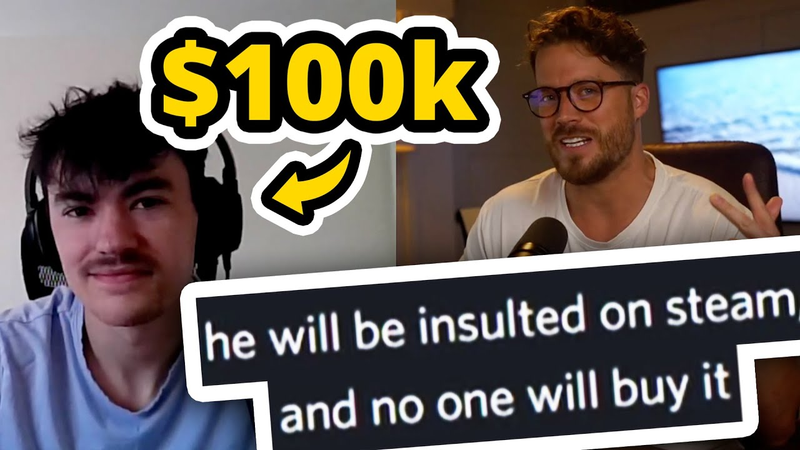
His Indie Game FLOPPED... Then It Made $100k!
The commercial trajectory of the indie game Roll serves as a case study in overcoming a failed launch through targeted outreach and iterative development.
- The indie game 'Roll' increased its revenue from an initial $150 to $100,000 by pivoting from a failed launch to a strategy of iterative development and targeted outreach.
- Personalized, authentic communication with content creators proved significantly more effective for sales growth than automated marketing efforts.
- Overcoming the 'spotlight effect'—the tendency for developers to obsess over minor technical flaws—allows creators to focus on a clear, honest design aesthetic that better resonates with players.
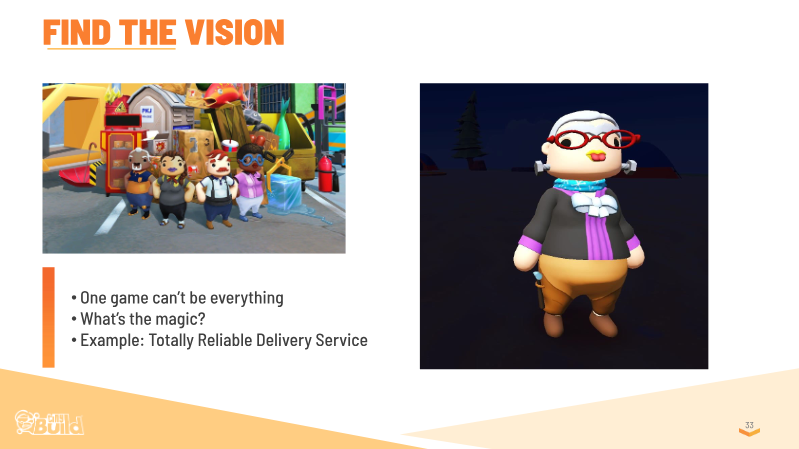
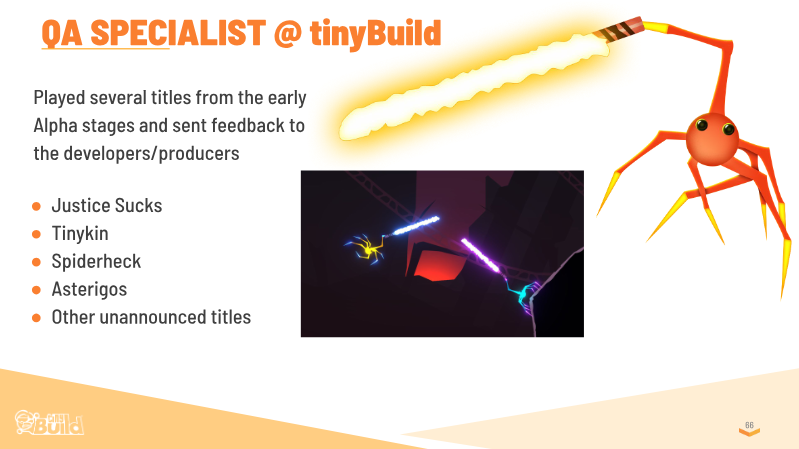
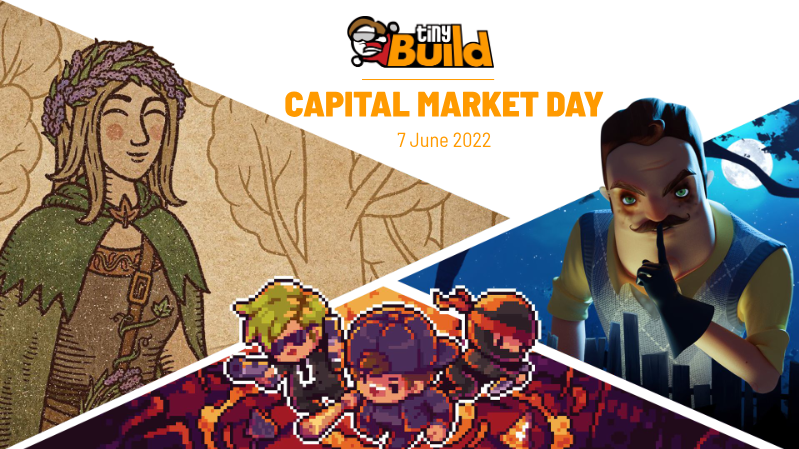
tinyBuild Capital Market Day 2022
tinyBuild operates as a vertically integrated publisher and developer with a strategic focus on building long-term, transmedia franchises.
- Owned intellectual property accounted for 81% of tinyBuild’s total gaming revenue in 2021, signaling a strategic shift away from third-party publishing reliance.
- The company utilizes a vertically integrated model that combines internal development with a partnership-first publishing strategy to mitigate developer risk through centralized marketing, porting, and platform relations.
- Growth is driven by a transmedia strategy that expands core gaming franchises into secondary media, exemplified by the Hello Neighbor brand’s transition into literature and animated series.
Tokenomics #9 - Understanding the WAX blockchain with gaming veteran Michael Rubinelli
The WAX blockchain serves as a specialized infrastructure designed to bridge the gap between traditional gaming and decentralized technology.
- The WAX blockchain is optimized for gaming with transaction speeds of up to 8,000 per second and zero gas fees, currently supporting 13 million wallet users.
- The industry is shifting from 'play-to-earn' models, which are criticized for prioritizing unsustainable financial speculation over long-term player engagement.
- Future gaming success relies on a 'play-and-own' philosophy that integrates free-to-play design principles to prioritize entertainment value and player retention.
LIVE | Roundtable News: Union Busting and Selling IPs
The gaming and technology sectors are undergoing a significant market correction following the unsustainable growth experienced during the pandemic.
- The gaming industry is undergoing a market correction as post-pandemic consumer demand stabilizes, leading to declining active user metrics and widespread cost-cutting measures like layoffs and hiring freezes.
- Industry consolidation is accelerating as firms like Embracer Group prioritize acquiring established intellectual property and proven development teams over the high-risk strategy of building new studios.
- Corporate leadership is increasingly mandating a return to physical offices, signaling a shift away from pandemic-era remote work policies to prioritize centralized control and perceived productivity gains.
How To Land A Deal With A Game Publisher!
Securing a publishing deal in the independent game industry requires a strategic focus on marketability and a deep, nuanced understanding of a specific target audience.
- Publishers prioritize projects that identify and serve a specific, underserved niche rather than attempting to replicate major studio flagship products.
- Developers must demonstrate proven market demand by targeting communities centered around specific gameplay styles, such as speedrunning or niche RPG combat.
- A successful pitch requires a game design document that explicitly balances honoring established genre inspirations with unique mechanical twists that differentiate the project.
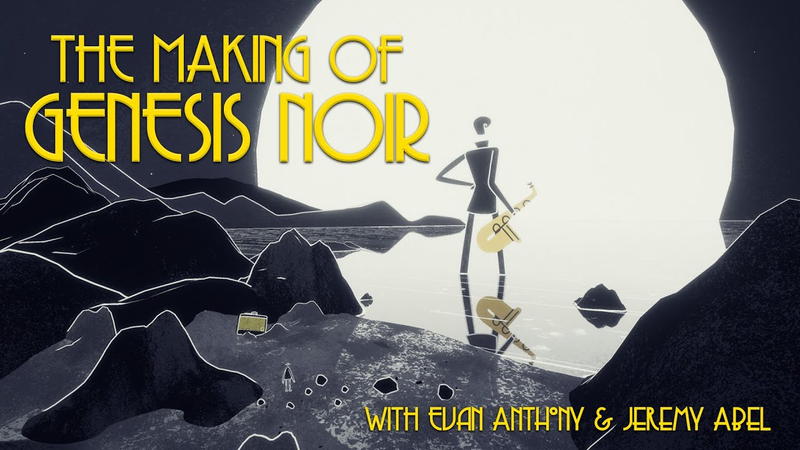
The Making of Genesis Noir with Evan Anthony and Jeremy Abel | 303
The development of Genesis Noir serves as a case study in transitioning from motion graphics and web design into the independent game industry.
- Marketing and promotional efforts should be integrated directly into the game engine workflow, as these activities can consume up to 50% of the total development cycle.
- Securing professional publishing partnerships is essential for managing the logistical complexities of console certification, localization, and multi-platform deployment.
- Independent developers can successfully transition from motion graphics to game development by leveraging vertical slices and detailed pitch decks to secure both crowdfunding and external funding.
two & a half gamers session #12 - Metacore 65M loss, Niantic 1 hit wonder, Industry conference guide
The gaming industry currently faces significant challenges regarding marketing efficiency, platform monetization, and the long-term viability of major titles.
- High-budget TV advertising is not a guaranteed path to profitability, as evidenced by Metacore incurring a $65 million loss despite significant revenue growth.
- CD Projekt Red experienced a 63% year-over-year revenue decline, highlighting the difficulty of maintaining long-term financial momentum following a troubled product launch.
- Security vulnerabilities remain a critical industry risk, exemplified by the $600 million Axie Infinity crypto heist attributed to state-sponsored actors.
How to Negotiate With Game Publishers
Negotiating with game publishers is a nuanced, iterative process that requires developers to balance creative vision with realistic financial expectations.
- Avoid signing publishing agreements that lack clearly defined schedules and milestones, as these omissions often lead to a loss of creative control or the need to buy back project rights.
- Developers frequently undervalue their projects due to imposter syndrome or immediate financial pressure, which results in trading excessive equity for insufficient capital.
- Tailor every pitch to align with a publisher’s specific business criteria and portfolio focus rather than sending generic proposals.
Panel: Snap Games, HTML5 & a New Generation of Hypersocial Games
Snap Games represents a shift toward hypersocial gaming, leveraging HTML5 architecture to eliminate traditional barriers like downloads and installations.
- Integrating friends directly into gameplay on the Snap Games platform increases day-one retention by 70 percent.
- The platform enables massive organic reach, with titles like Battleship and Ready Chef Go achieving 40 million and 100 million users respectively without traditional user acquisition spending.
- Snap Games utilizes HTML5 architecture to eliminate download and installation barriers, prioritizing instant access for Gen Z and millennial audiences.
Panel: What is Giving Hypercasual its Longevity? The Recipe for a Successful Game
The hypercasual gaming sector has demonstrated remarkable resilience, maintaining its market position despite significant headwinds such as the deprecation of IDFA and rising acquisition costs.
- The hypercasual market has shifted from a primary focus on CPI (Cost Per Install) to a more holistic analysis of retention, playtime, and LTV (Lifetime Value) to justify higher acquisition costs.
- The deprecation of IDFA on iOS forced publishers to move beyond simple CPI-based decision-making and adopt more rigorous data-driven development cycles.
- Successful hypercasual games now require deeper engagement mechanics, such as clear progression paths and session planning, rather than the simplistic, short-level designs of the past.
Fireside Chat: Monetisation Strategies Beyond the Appstores for 2022
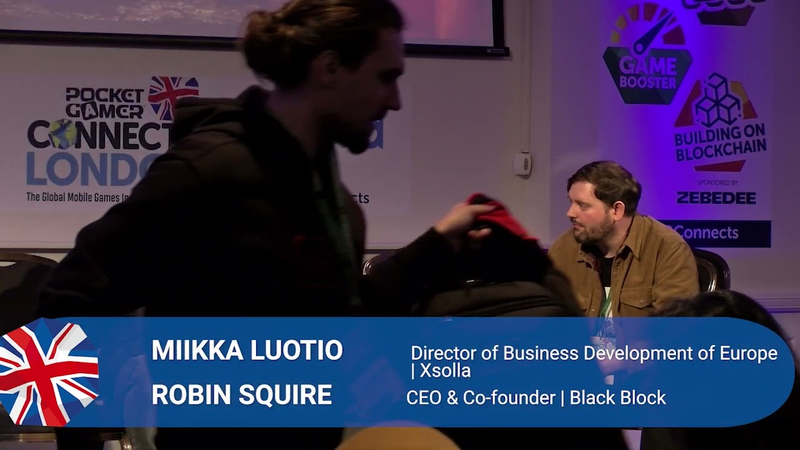
This discussion explores the evolving landscape of video game monetization, specifically focusing on strategies that bypass traditional mobile app store ecosystems.
- Developers are migrating high-value users to external web shops to bypass platform commission fees and gain greater control over revenue margins.
- Implementing a centralized publisher ID system is essential for enabling cross-platform progression and facilitating commerce outside of traditional app store ecosystems.
- External web shops allow developers to offer higher-priced bundles and more flexible value propositions specifically tailored to high-spending 'whale' players.
How To Sell Your Demo To Publishers For 6-Figures
Securing a publishing deal for an independent game requires a strategic approach to demo development and pitch presentation.
- Prioritize visual impact in your pitch by placing high-quality screenshots or trailers at the very top, as publishers prioritize aesthetic appeal during initial contact.
- Select the appropriate demo format based on genre: use a 'vertical slice' for mechanics-focused action games or a 'perfect picture' for short, highly polished narrative experiences.
- Focus on creating a 'heartbeat' for your game—a polished, representative segment that conveys the final vision—rather than attempting to build a complete or halfway-finished product.