1 free read left. Create a free account for unlimited reading + AI research.
Create free account
Panel: What is Giving Hypercasual its Longevity? The Recipe for a Successful Game
Key insights
7 takeaways- 01Successful hypercasual games now require deeper engagement mechanics, such as clear progression paths and session planning, rather than the simplistic, short-level designs of the past.
- 02The deprecation of IDFA on iOS forced publishers to move beyond simple CPI-based decision-making and adopt more rigorous data-driven development cycles.
- 03The hypercasual market has shifted from a primary focus on CPI (Cost Per Install) to a more holistic analysis of retention, playtime, and LTV (Lifetime Value) to justify higher acquisition costs.
- 04Despite the trend toward hybrid-casual complexity, simple single-mechanic games remain a vital and sustainable component of the market, provided they are supported by thoughtful monetization and retention strategies.
- 05Key performance benchmarks for early-stage hypercasual testing include a completion rate of at least 85% across the first five levels to indicate a game is moving in the right direction.
- 06For instant games, social shareability and engagement metrics are the primary indicators of potential success, as these platforms rely on different growth dynamics than traditional app store models.
- 07Publishers are increasingly diversifying their portfolios by creating 'inverted pyramids,' where hypercasual titles serve as an entry point to funnel players into more complex idle and casual games.
Ask AI about this video
Transcript
[Music] [Music] so let's continue with the track once again i wanted to thank you guys for being here we're gonna have a panel now and all our lovely panelists are here i'm gonna let craig do the introductions because he knows better and he we are old colleagues so i can make the jokes so we have been talking about hyper casual throughout this afternoon and for a long time we have been linked saying oh it is a fad it's going to go away it never happened i think at this point we can all agree that it's clearly not a fad it's clearly very successful and we have this lovely
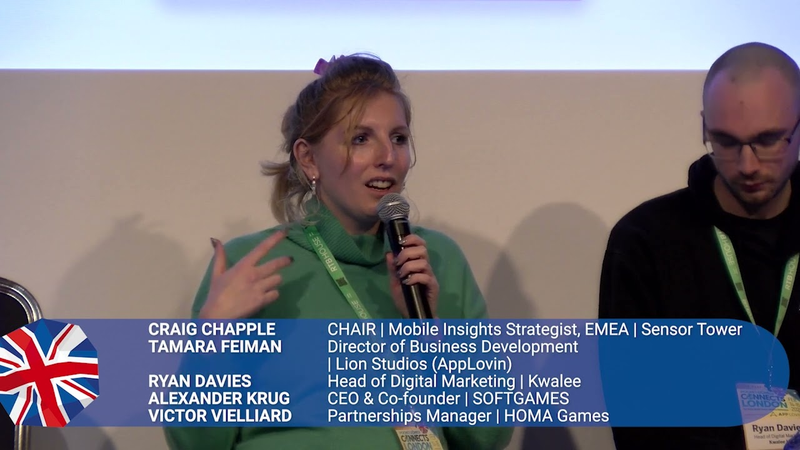
people here that prove that 100 times more that it's really successful so we're going to be discussing today what gives it longevity how you can be successful as well so maybe next year you're all here as well earning money right please give a big hand to the panelist and to craig that is going to be our moderator uh thanks patty uh yeah it's good to be firstly it's good to be back at pocket gamer connects um i think my first conference in two years in person so this is uh this is really quite nice bit different to seeing you all on zoom um so yeah our panel today is going to be what is giving hyper casual its launcher longevity and the recipe for a successful game so quite a broad broad topic but we've got some experts uh luckily here um so we've got experts from homer games live studios quality and soft games
um so the bit i haven't done is quickly before that i'll introduce myself so as patty said craig chapel i used to be the pocket gamer dot b's editor so i've been to many many at pgc uh currently work at sensor tower as a mobile insight strategist i again still write about games luckily just using our data but the interesting people are to my left so we'll start with tomorrow if you could introduce yourself yeah hi everyone i'm from lion studios leading business development team i've been in the industry for more than seven years and for the last couple of years like more than three actively involved in hyper casual market uh talking to multiple studios around the world scouting validating teams potential games potential and actually helping those teams and those games to reach out top charts and to
actually be successful yeah that's about me uh cool hello i'm ryan davies i'm head of digital marketing at quality so um i've been with quality for five years basically started at the company when we were about 20 people we're now over 200 um and so i'm responsible for our user acquisition ad monetization and creative teams um so we have you know been lucky enough to kind of be involved in hyper casual since its inception and been part of the roller coaster ride that's been involved with it the whole time really so that's me awesome yeah my name is alexander krug yeah i'm co-founder and ceo of soft games i'm doing this crazy ride since more than 20 years already which is uh incredible i mean i think about it uh so today soft games is an instant gaming company uh we create like casual social games uh three social games basically we focus on facebook so our main kpi is
reality so we actually call our hyper casual games even hyper social games all right thanks hi i'm victors i'm leading the business development team and partnership at uma games so i guess it's been a hell of a ride i don't have that much experience compared to you guys because i've been only at omaha for two years now but arrive in the in the company when we are 30 in 120 so i guess there was a lot of evolution and yeah really happy to be there i think in hyper casual two years is is a long that's a long time right how long has i feel like it feels like a million years i've technically been around um i thought i'd quickly start with just some some data so to tell obviously we do uh estimates uh so just very quickly to kind of set the scene before we kind of open up to the panel um obviously so in 2019 according to our estimates uh downloads for just hyper casual games these are the ones that we tag uh worldwide there were 7.5 billion
downloads and then in 2020 obvious reasons uh there was a huge surge in download so that went up by approximately 59 to 11.9 billion downloads and then in 2021 that uh globally at least that went up again 15 to 13.7 billion downloads so i think in the us it shrunk but globally it's still on the rise and interestingly revenues up so about 148 148 million globally it's just player spending so not they're all important ads in 2019 they went up 28 to 189 million in 2020 and then it's actually jumped to nearly 231 million so another 22 in 2021 so clearly there's a market that's still growing it's not the apocalypse that we thought it might be after idfo but we'll get to that one um but yeah so clearly we saw a lot of
growth at least on a global level um so what impacts have you seen kind of really from the pandemic lockdowns and how has that continued into 21 2021 and to 2022 tomorrow so there's multiple factors as impacting and actually our colleague from meta audience network actually did a great job by listing all those things so idva ios 14 so a lot of stuff that's that is impacting marketing site because hyper casual is very much about like business formula like your cpi should be lower than ltv so if your cpis is growing and it is it's getting harder and harder to acquire new users then it's one thing and one of the solutions that
you can do and the challenges uh that we're facing is like how to make our products like our games not not actually products but how to make games and get more engaging and this is also uh questions that we as publishers are asking ourselves and we're raising those questions to our developers the teams that with whom we work so yeah uh i don't want to go far deeper there i think my colleagues is going to share i mean first of all i think like obviously covet was a huge opportunity for the whole mobile gaming industry and and then of course hyper casual because there was plenty of people stuck at home playing video games so i guess obviously we saw like a huge impact on the market a huge positive impact first of all um so that yeah that was definitely an opportunity there like more people way more games and we could see that like again in two years everything has changed yeah there's new competitors i
mean new publishers new studios everywhere acquisition so it's uh it's definitely going up and of course idfa was was a was a let's say a turn uh in the industry i think same here it's uh you know the the shift toward maybe more android testing versus ios due to that was i think we thought that it was going to be like impact our industry that much and actually didn't really so i guess i guess everything was positive for me for the last two years yeah i'd agree with i guess i guess veering towards the idfa stuff and the fears that everyone had is that for hype you know in some ways people were predicting hyper casual might be the biggest impacted when the ad revenue side would maybe have a negative impact but yeah i'd agree that really there wasn't too much of a change for the way that we're running ua monetization activities like i think there was a there was a brief scary period where facebook the bed
and uh things kind of got a little bit out hand and became much more difficult to basically run the kind of game discoverability element of like hyper casual of course which is like a crucial crucial part but i think that you know facebook sorted themselves out a little bit things became a bit more stable and now you know releases now in the hyper casual land are just as common as they've kind of always been you know still regular coming out all the time from different publishers so you know outside of that brief period you know i really haven't seen a huge shift in the way that things like you know removal and deprecation of idfa have impacted stuff um and i think that's mostly just due to apple not keeping a very good eye on ua activity going on you heard it here first lastly we're part of the industry and so you're saying there's no change in strategy at all really so people should kind of whatever the user acquisition strategies were
before idea is it the same is it do you pick up users the same way organically or when you're paying for user acquisition now or if it's changed at a different reason i think the fundamentals are there still right like the the stuff the systems and the way we run things what we look for is still there idfa has not hugely shifted how we treat now the metrics we look for the things we want to identify maybe that's adapted and to be fair that's always changed and grown and evolved during the lifetime of hyper-casual over the years you know there's lots of things that impact what cpi's we look for what kind of ltv's we're expecting and things like that right so idea phase another thing but there's many that have changed those numbers up and down the slider i mean sorry i was actually going to say i know carly you you've previously said uh that you kind of target you you make games that are i guess this is normal for potential but as broad as as broad an audience uh as possible yeah and i know that the industry with idfa was talking a bit more about ips and stuff but it's
even that like nothing's changed there you can still release fresh ip well this is part of it right this is part of the sorry i feel like i'm hogging um so you know this is part of i guess part of what made it sustainable is is that broad appeal right like of course an iap driven game is relying within their user acquisition much more on targeting users in a much more effective detailed way we can be a bit more broad about the way we're doing things of course there's a bit of misconception about hypercasual being really basic user acquisition which is absolutely not the case but um like a lot of the stuff that went away is not the the elements of ua that we were focusing on and so yeah but i'm more than happy for anyone to disagree i am oh yeah yeah i'm not disagreeing like i'm disagreeing because cpis have grown like multiple times if we were looking our benchmark a year ago it was 20 cents
android and 30 cents ios these days i have in my chart dollar plus and even if i'm looking at the facebook cpi anywhere ios or android i'm still keeping in mind that facebook is not the real like that like i have to keep something in mind and i cannot kill the game or make any suggestions on the game uh based only on cpi so that's a drastic change i don't know like if it is either like if you are saying i trust you that idva and like marketing hasn't changed much but at the same time market has changed and it is shifted and it is it matured a lot and especially cpi part so maybe it's not the same for networks but it is for facebook and
yeah i mean i think it was i mean i totally agree with what you said there was definitely an impact on the cpi but i think i think it was really a good thing then because we completely shift toward making cpi decision toward like looking for more datas to take a decision on games looking at retention looking at playtime and before we just analyzing that cpi so the rise of it shifted our attention towards other metrics so we could get this global overview and publishers were ready to take more risk in publishing game with higher cpi because you could look at other metrics that were interesting and before i think that it wasn't the case actually i mean at least i have to have to agree basically for us as well like um so instant games is only happening on facebook basically so for us of course the idfa change was the best that could ever happen because now basically facebook gets through our games and all the other developers who are on facebook uh the data they're basically missing out now on ios because they know exactly okay hey these people
are playing solitaire games and whatever so they can really play our targeted ads out and from our ua side it's the same i can just agree to this we saw also like fluctuating cpis at the end of the day but for us today also cpi doesn't matter anymore because we just target um completely differently or we just sit down we don't have a cpi benchmark and that way it's for us whatever it's we can pay even five dollars for a user if he brings later on no 550 or whatever so we have just completely shifted the way how we acquire users uh away from just see i focus more words toward like a goal let's say our event or whatever it is at the end of the day you have some interesting ways of acquiring users because from instant games i think you were calling it a hyper social can you i don't know i don't know how common yeah it's uh it's another buzzword but but they all have meaning right so uh could you explain a bit about that and how that kind of helps you acquire users yeah sure so basically like let's think about like 2009 back when zinger did farmville
and this kind of stuff uh everything was about uh k-factor reality and um then um it was kind of bad now it's back but it's better than it used to be because it's kind of like opting in uh to this kind of like variety part so how we acquire uses a mix of organic and [Music] bot traffic or traffic uh um basically so it's like this that our games i said like are hyper social but basically means that they are super competitive so you play a session and then um facebook gives you a lot of tools that you can post your score into the feed of others and the more people are basically participating in the tournament the better it is for you the visibility of your game of your hyper casual hyper social whatever game you want to call it uh so the more people you acquire the more people are playing the better at the end of the day so it's growing like crazy and um basically my brother has a call afterwards where we explain like how we scaled like one of our top games um from one million miu to eight million within just a period of three months um
and um and it's still growing like like crazy actually um so yeah so facebook is kind of back when it comes to social um the social part is is some of that kind of social growth kind of in some ways exclusive to those instant games or are you finding other ways of finding users through social avenues it is existing and hyper casual it's just very expensive and complicated and long time long development cycle to integrate real multi uh yeah so it's a fake like what we have bought in our games so like in hyper casual uh like even runners or it might be you yeah yeah so we have it it's just we don't have it like real pvps but yeah social element is very
important in all the games not only in mid core or instant games people like like very specific type of games and like specific type of audience who likes to compete and who wants to be like when you are winning someone it's a higher reward higher pla like just a pleasant feeling of that rather than you just want like you completed the level for example hey uh so different question but has the way that hyper casual games monetized changed at all so over the last couple of years or last year few months kind of whatever i mean obviously they're generally powered by ads but are there any other any monetization methods you're now using successfully or maybe you're just using ads in a different way yeah i mean on my side there's definitely a shift because there was you know a new genre of game and especially
the the rise of hybrid casual with idol games and obviously arched idol games are again you you make a game very simple in the playability and the understandability so it's hyper casual but you're taking you know meta content and feeders from uh let's say more mid core games so again you you find yourself a game with rpg you know stuff and and customization and so on and obviously in this kind of games then in-app purchase as as reason so much i mean just to give you an example like in farmland one of the top arcade game that we published at uma we like in our purchase is representing more than 30 percent of the revenue generated so which for a hyper casual that usually stay like five percent or below it was like massive and obviously the more we can publish this kind of game and again um going back to what i said before is we're aiming for retention and playtime games rather than cpi and adding in-app purchase features allows you to to have your players stay on the
game because if they're like sorry if they're making expenses in your game then they will want to stay and continue playing it so definitely there's definitely a shift in in this kind of something else i'd added probably is just uh even even when what we currently do in ad monetization i think elements have changed and evolved like you know i think in some ways generally all of us tend to be a lot more demanding these days into what we want and what what games need to perform in order to to do well um like i know you know a few years ago if i believed and saw the ltvs we are able and our competitors are able to achieve now i wouldn't have believed it like a few years ago perhaps and and definitely would have been surprised i'd be demanding the kind of ltvs from games that i need now so so that's i mean i was kind of interested you know tomorrow you're talking about um you know cpi's uh being tougher to get like lower on facebook but i also wonder if um you know if we're willing to accept slightly
higher cpi's on facebook as well as kind of maybe struggling to find the slightly lower ones because i think you know as a hyper-casual section these days we we tend to be pushing the boundaries and the limits quite a lot on what you can achieve from ad monetization and what ltvs we're able to get and so you know okay maybe once once upon a time we needed a 20 cent cpi from a game but maybe nowadays we're willing to push that boat a little bit and accept that you know we can we can take a higher cp on facebook but we're expecting like a very strong ltv from that game and that's maybe something that shifted exactly what i was saying that uh our benchmark is a dollar plus so it means that uh we're assuming that the game will have dollar plus ltv in terms of um ads formats like we don't have much like not ad formats but monetization in general so there was interstitials that are
interfering user experience there are rewards that are helping a player to progress within the game and actually unlock some unique features and content there's banners which is like just a small amount like it's five ten percent maximum out of the whole uh ltv depends on the game of course there is uh in-app purchases uh that like thirty percent is actually really cool benchmarks because in hyper casual usually it's not uh more than one percent uh of all the users that you are acquiring of course the more you're running cpa campaigns uh specifically targeting purchase the higher it will be in your revenue structure but i would like to mention also that we have uh like not we but in general industry is looking for new technologies and uh audio ads actually
is doing pretty well this day so audio ads there is branding ads so you might just it's a it's a runner you can see a billboard and there will be some coca-cola or any other brand or there are some even clickable to today was in the meeting they probably should give me some percentage but you can even buy some products in the game without leaving the game which is uh i don't know how successful it will be in how like if if it stays actually and if it wins the market but any sources any means in this war for high ltv definitely uh doing a good job there yeah some of these technologies sound like they're going to be done for the the metaverse so metaverse influencing hypercasuals but you mentioned a lot of types of ads there um are there any kind of best
performing ads that you find or is it really just kind of is in types so your interdisciplinary band isn't it or is it just depends on the game or what really suits that or yeah it depends on the genre puzzles usually monetizes heavily monetizes with interstitials um like idols with rewards i like idol arcades with rewards runners it's purely not always but also interstitials then like some arcades uh it might be thirty percent of rewards uh seventy of interstitials yeah i suppose there's an element that's changed a little bit you know now you talk about it it reminds me you know the i feel like a few a couple years ago or a few years ago rewarded video was definitely had a lot more focus placed upon it i think from from publishers and developers um but the gap in cpm between rewarded interstitial has definitely decreased to a point where that's not maybe prioritized and focused in quite the
same way so yeah i don't know that's kind of an interesting one i mean i i'm my assumption is the rewarded you know a couple years ago a few years ago that was kind of the facebook audience network boom and rewarded video was earning everyone loads of money and um you know maybe that's accepted and changed they're still yeah yeah they still do yeah oh god oh god i'm in trouble now i'm not starting another apocalypse yeah um but yeah of course it still works well but uh but yeah you know i think it's different now interstitial kind of has a stronger place you know all the ones you mentioned then i think you know they still all have institutional as their primary placement in many cases maybe i guess well i guess the center once they're rewarded sticks out like a sort of thumb quite nice yeah and users are okay with that so yes like as soon as like when the player sees first interest interstitials yes you might see higher turn there on that specific level but as soon as he
stays it probably will be affecting further so and it's in the 99 it's almost not affecting your attention so people like our players our audience so so so used to it that it's not bad anymore it's just a way of monetizing and players are okay with that uh sorry i like something i mean like i have to say like as well like we made like the same kind of like evolution at all and as well you've been like very careful with like rolling out the decisions because of like okay does it affect retention or not at the end of the day we see the same on facebook as well on in the inside games space um decisions are bringing a better cpm and every day so we're also going more towards uh let's say like kind of a balance between both rewarded and indecisions but no ads victor you mentioned about in-app purchases 30 when you when you get to that level are you still really calling it hyper casual
is that still the design or are you calling it arcade idol or hybrid casual if that's still a thing since archero i don't know but uh yeah like i mean again i think i think hyper casual it's just an i think for for me and for us it's me like happy casual it means the the simplicity of playing can you understand it well uh in five seconds can you play it well uh you know in five seconds and like just having a maximum of free movement with your phones and that's it right and that's what a card idol is about kind of you're just controlling a character that is doing automatic automated actions to cut trees to fight monsters or whatever so in a sense for me it's still hyper casual we're calling it a hybrid because of course we're taking more again failures and you have like so many mechanics and there is the idol beyond it you're exploring you're building your stuff and you have to come back to recall to gather the resource and so on so i don't see why we would need a like a really you know dedicated uh name to
that i think like basically you know like uh there's such high in a purchase rate it's basically everything like everybody's looking for at the end of the day if it's like a normal casual game or have a character game because at the end of the day it shows that people are really dedicated to this specific game and it means they're coming back so head retention gameplay time session time and so on so honestly super high and i think like when you look right now to hyper casual let's say like genre in general you see like more and more developers picking up let's say implementing this kind of retention features uh which is more going towards okay how can we keep them longer and afford the high cpi's and so on and i think like they really see like a much more like a bigger impact on on what they buy in a naked idol because it really changes your experience like in terms of what you can do in terms of energy that you have in terms of resource in terms of how much you can explore in the day or whatever rather than on you know classic hyper casual where there's except customization it's really or no ads things there's like clearly
not much room uh you know do you mind if i ask a question craig go go for it so i'm kind of interested for you guys like do do you like is is is a focus on say hybrid casual or arcade or whatever is it very much like a purposeful goal a drive or is it something that happens more as a reaction to what you're receiving from developers and people like that um yeah i'm kind of interested in how you guys is it reactionary or kind of getting ahead of the curve it's a philosophical question how to call idol arcade like or what is hyper casual so i would want to go into that direction honestly what i want to say is like we like we at lion studios we stopped making prototypes so what we are doing these days is the main shift is we're making games and we are pushing our developers to make games
not like small bills with one or two levels or five level even with five levels uh it's not enough these days you need to have a clear vision on your game how it is going to retain on a day zero why like what players are going uh to do during the first 10 minutes of their uh session how many sessions we are going to have what is going to uh bring them back on the first day on the third day on the seventh day because we do need to monetize them and uh developers need before going into actually making the game they have to think through it because it will be impacting their whole development cycle and it's not hybrid casual it's just a make like it's just a game development process and i see it as the only way of succeeding in this market
because in this stage you are don't have to be this necessarily polished but your first user experience has to and uh yeah you and you need to analyze a lot you need to know what is your funnel like you need to integrate a lot of events you need to check what your player is interacting with so that's also covering quite a lot but if all of that all of that is actually simple game design like all the game designers should be doing that and hyper casual before was luck luckily or i don't know accidentally living without that for like some time at least like on the later stages of course it was existing but on a very early stage it was not uh so right now i think we're just bringing
back a good habits into our day every day work into evaluating game ideas validating those ideas and actually [Music] building road maps more thoroughly and in smarter ways i mean to answer your question right i think it's like uh arcade idol came like as an answer to maybe two shifts uh for me in the in the industry the first one is that we saw uh many publishers in studio so that uh the public wanted more quality games right uh and to make more quality games you need more time and there was first of all a shift like that so we adapted to the market and arcade was one of the solutions to bring more quality games to the public and on the other end we saw that lots of developers were really tiring of this full volume strategy of like okay let's make hundreds of prototype every month like just quick videos one or two levels
and let's just test it and test it and developers were super tired they were i think creatively exhausted by this kind of model and they were asking to have way more flexibility on on the target they they would delivered to their publisher in making games and so the combination of those two shifts pushed i think like us to think creatively and find news new kind of games to to satisfy developers on working on more complex games and also satisfy the public so they can play on more quality games in a sense you know something i kind of love about hypercasual is that i've found over the years there always seems to be a place for like all these thoughts all these like divergence and changes you know like on one hand yeah like these more elaborate higher ltv games are becoming prominent for sure but and and you know we're all aiming for them and working on them right but on the other hand
i feel like it would be wrong to say that the more simplistic concept driven you know basic hyper casual games are not still very important and prominent right like the the charts are still full of them they still maintain in the charts well which is you know usually the the biggest positive sign of something that's got more long-term sustainability so i don't know i i guess i love that on one hand we can try these new things and and and push and try and evolve but also you know sometimes no don't get me wrong i'm still for simplicity yeah it's like games with single mechanics still existing right and so yeah it's just like you still need to think about that you still need to give a player some variety and even monetization strategies should be thought through etc so yeah if you want to make less prototypes and be less frustrated you
need to spend some time on uh thinking all right when you talk about the prototype phase or it kind of before you decide to launch your game uh are there any benchmarks specifically that you might all look for so that could be in the testing phase or the software if there's a soft launch phase of you know uh retention or anything you know are there any particular benchmarks that you're looking at that you're gonna go okay this is game we're gonna launch and we know it will do well i mean i guess right now there wouldn't be at least at home here there wouldn't be any strict benchmark again because we are passed over the okay 25 cent cpi or below obviously because like i said we're studying like all the metrics right so one matrix in itself does not really matter in the decision but i'd say there's obviously um sorry uh what do you say like like a yeah like indicators obviously so
like for example any games with a cpi below 60 cents would definitely uh be interesting and had some potential but again you need to to you know wait this decision with the play time and with the retention obviously a retention between 30 to 40 percent is an extremely good indicators a play time over five to 15 minutes and is extremely good indicators so yeah you definitely have to get that like get all the metrics in mind to to take your decision uh obviously and for i could i obviously the the metrics are a bit higher because you're expecting a higher cpi but you're expecting a higher retention and higher play time but that's overall the same uh same decision process okay anything else might be just to add there are some also benchmarks in terms of number of sessions yeah a number of sessions better to have
a two plus and um yeah in a funnel especially like so first five levels could be not less if it is not less than 85 percent then you're in the right direction uh if it is smaller than you want to take a look what is your fail rate what is the time spent on each level all of that kind of important and obviously uh i don't know for instant games there might be yeah instagram is like completely different that's the thing is i think like okay should i share something or not i mean i guess that's the thing i mean um i mean it took us a while to be honest really to find like kind of a pattern what makes a hit game it doesn't make a hit game and we're still trying to figure out to be honest um it's kind of like at the end of the day for us it's important their shareability you know like that's that's that's the most that's a key factor so how engaged are people um within the game are they really let's say sharing their scores with their friends
basically do the people are coming back do they share this one so this kind of character thing once again retention numbers on instant games are completely different from from the app stores um i mean uh i'm not really sure if i can really i'm not sure if i can share because like facebook is even not sharing these numbers uh but they are basically they are completely different and and and i think everybody who is moving on the platform they will say oh my god how can this work but hey it works because there are other factors which kind of um yeah very bad the developer can benefit from at the end of the day but at the end of the day it's it's more or less the same you know it's like the play time uh retention in general um um and so on and so on um so yeah i mean we're figuring out i said like this um so i mean i've still got some other questions i could ask but i just wanted to uh we've got a few minutes left uh open it up to the audience uh if anyone has a burning question uh hypercasual hybrids arcade idol
this is very shy i mean i didn't ask any questions when i said let's be fair i have a question if i can while people are warming up for this um during our track today we had for example snapchat talking about games for snap that is quite similar to facebook as well uh we have been talking talks throughout the the conference about per casual on metaverse like craig mentioned there is high pipe when you think so my question was what do you think it's going to be the natural revolution of hyper casual in the future will other platforms pop up will there be other opportunities for people what should people expect of the future i didn't make it easy it's a tough one isn't it yeah because i mean things from from the inside it feels like things have evolved
a lot and changed a lot over the last few years um four or five years you know within hyper casual but you know like i said at the beginning i do feel like the fundamental aspects of hypercasu were there like like i said like quick fun easy gameplay with an ad that can attract your attention in a few seconds right like this is the fundamental one and i don't i don't think that will change because at that point it's not hyper casual so that's the same i don't i mean yeah i don't know what you guys think about completely different platforms and things it doesn't feel like that's moving outside of mobile but you know i can't see different spaces i see like everything what we've seen basically is on um on instagram that all the hyper casual publishers are at all but the majority like voodoo and uh gizmart and so on and they're basically looking onto new platforms like like snapchat or even facebook as well um but we have seen so many people coming and going again because i said you know it's completely different from from the f space that say rather than that i mean other platforms
i think i would say what we've seen so far um is that the complexity of the games will the games get more complex i think that's that's something what we've discussed here as well okay um but yeah i know what now what's next zoom games i don't know yeah it's actually there that's the thing i wasn't coming but i know it fits unnatural good ones there are zoom games out there i'm gonna play it right after i think hyper casual will never die because there will be always new players right i mean sounds simple but i guess that's the truth the goal is forest i mean again as publishing studio is to explore any kind of opportunity and what's good is really diversifying your portfolio of game because in a way everyone's like what we want is to build like an inverted pyramids where you have your blocks of hyper-casual games and then you can you know trickle your players into more casual you know idol and then casual and then and so on and i think
that's the goal of everything but we'll never lack of players uh i guess especially with you know all new technologies and console because gaming is you know now popular if we look back then in 10 like 10 years ago i mean who who said i'm a gamer right and there's plenty of people that were proud of it but it wasn't on the main scene not not as today and i think it's it's again it's just a great opportunity for the future yeah i think like tick-tock additional to snapchat and instant games is also emerging platform but i think it's also connected with um technologies that we're going to have in the future because like five ten years ago we didn't have smart smartphones and app store did not exist and like all our controls were more like button based right now like i'm not talking about consoles or actual arcade machines so ar vr uh like glasses
rings like i don't know watches et cetera it it will be a facting so but i i don't think that this is a 2022 future it's just the only remark yep did you warm up to ask more questions there see it always works i do the first and then they join in afterwards so i've got a question regarding uh like app stores in the play store do you think we'll ever see the rise of other platforms inside like ios devices and inside like android devices here in the in here in the west obviously in the east in china exactly they've got tons of different app stores but do you think we'll see the rise of that over here no yeah they got a bit of a tight grip don't they the the big players yeah i'm inclined to agree yeah absolutely that's like what is instant games and so on that's that's something what's happening and i think
even that was kind of like a fight so far for these kind of apps but like a third-party app store i think they have a lot of tries in the past a lot of companies even who were publishing in that area but i never heard about something which was like really getting really big let's say i think netflix might have a chance but they're tightly connected with app store they're on their main business so probably not they will be part of i mean like part of app store i think we've got yep that's it thank you very much thank you [Applause] [Music] [Music]
you
Summary
The hypercasual gaming sector has demonstrated remarkable resilience, maintaining its market position despite significant headwinds such as the deprecation of IDFA and rising acquisition costs. With global downloads reaching 13.7 billion in 2021 and player spending climbing to $231 million, the industry has transitioned from a high-volume, low-cost acquisition model toward a more sophisticated, data-driven framework. This evolution reflects a strategic shift where publishers prioritize long-term engagement metrics—specifically retention rates and session depth—over the narrow focus on initial cost-per-install benchmarks that previously defined the market.
To sustain growth in a maturing landscape, developers are increasingly adopting hybrid-casual models, such as arcade idle games, which incorporate mid-core mechanics like social competition and in-app purchases. This diversification of monetization strategies, which now includes rewarded videos, interstitials, and innovative formats like in-game branding, allows publishers to justify higher acquisition costs by maximizing the lifetime value of each player. By integrating these deeper gameplay elements, the industry is successfully bridging the gap between simple, accessible mechanics and the sustained engagement typically associated with more complex titles.
The current development process emphasizes rigorous validation through data-driven roadmaps, utilizing key performance indicators like Day 1–7 retention and funnel completion rates to refine concepts before full-scale production. While the industry continues to explore emerging platforms and instant gaming environments, the fundamental appeal of hypercasual games—characterized by quick, accessible, and highly engaging experiences—remains the bedrock of its longevity. By balancing rapid prototyping with a newfound commitment to quality and sustainable monetization, the sector is well-positioned to maintain its momentum and continue diversifying its portfolio across the global gaming landscape.