Game Publishing reports and market data
Documents
Battlebound: Ex-Riot Dev Dives into Web3 - The Metacast by Naavik
Battlebound is positioning itself at the intersection of traditional free-to-play gaming and blockchain integration, with the primary objective of creating a sustainable, competitive multiplayer universe known as Evaverse.
- Battlebound is prioritizing a web2-friendly user experience for its Evaverse title, allowing players to access the game on platforms like Steam without requiring crypto wallets or NFT knowledge.
- The studio is adopting a 'games-first' methodology, focusing on refining core gameplay and achieving product-market fit before integrating complex tokenized economies or decentralized governance.
- To circumvent restrictive platform policies and maintain operational autonomy, Battlebound is developing a proprietary game launcher to facilitate multi-platform scaling.

Swedish Games Industry 2022: Game Developer Index
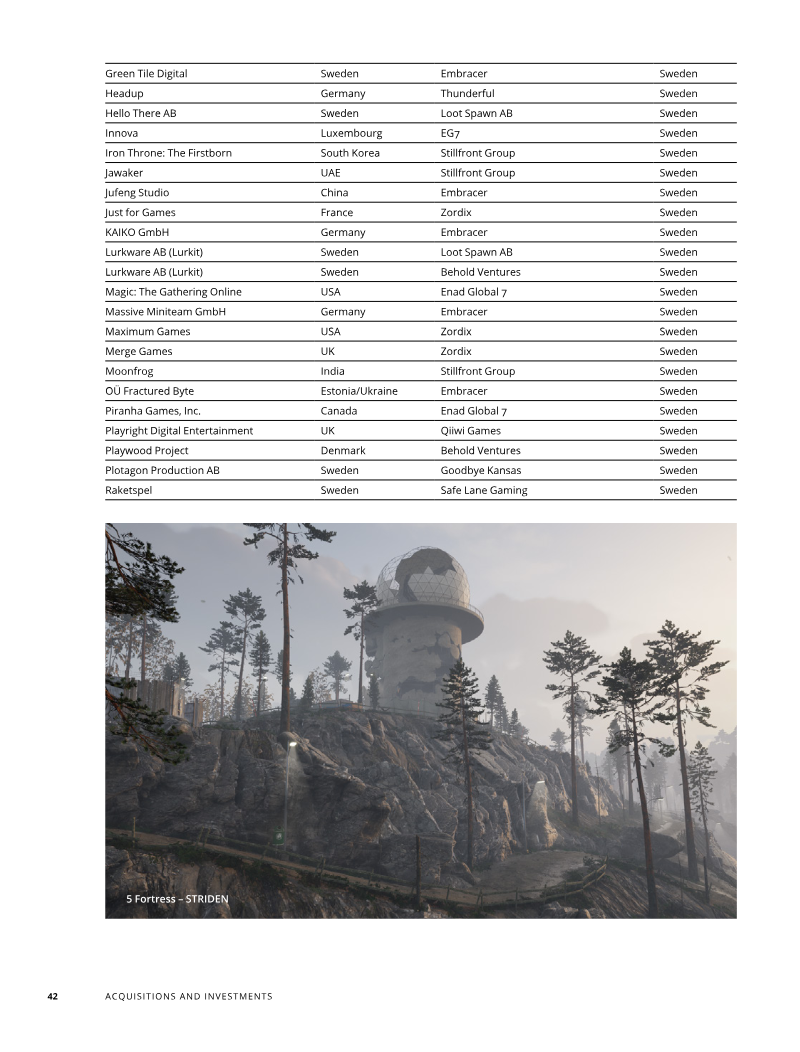
The Swedish games industry serves as a powerhouse of global digital entertainment, characterized by rapid expansion and significant international influence.
- The Swedish games industry generated €5.8 billion in global revenue in 2021, with an estimated one in four people worldwide having played a Swedish-developed game.
- As of 2022, the sector includes 832 domestic companies employing nearly 8,000 people in Sweden, alongside 197 international studios and 11,100 foreign employees.
- Major entities including Embracer Group, King, and Mojang have driven the industry's massive international footprint through aggressive acquisition strategies.

Panel: The Art of a Successful Game Launch
Achieving a successful game launch requires a fundamental shift in development strategy, moving away from reactive troubleshooting toward a proactive, integrated framework.
- Treat stability, scalability, and player support as foundational design elements integrated early in the production cycle rather than post-launch afterthoughts.
- Implement automated diagnostic tools, such as crash reporting and real-time monitoring, during development to identify and resolve performance bottlenecks before they impact the player base.
- Utilize AI-driven ticketing systems and efficient triage workflows to manage high-volume player feedback without diverting resources from core game development.
Emily Greer: Lessons in Entrepreneurship, Scaling, and Culture
The modern gaming industry has transitioned from a volatile, hit-driven landscape into a mature ecosystem defined by sustainable games-as-a-service models and robust venture capital support.
- Modern game development requires applying e-commerce-style analytical rigor to game design to move from volatile hit-driven models to predictable, sustainable games-as-a-service revenue streams.
- Scaling a studio successfully requires transitioning from centralized decision-making to a model of autonomous units to maintain operational integrity and creative execution.
- Administrative organization and deliberate communication structures are core components of a studio's ability to execute its creative vision, rather than mere back-office functions.
Seizing the Trends in Emerging Markets
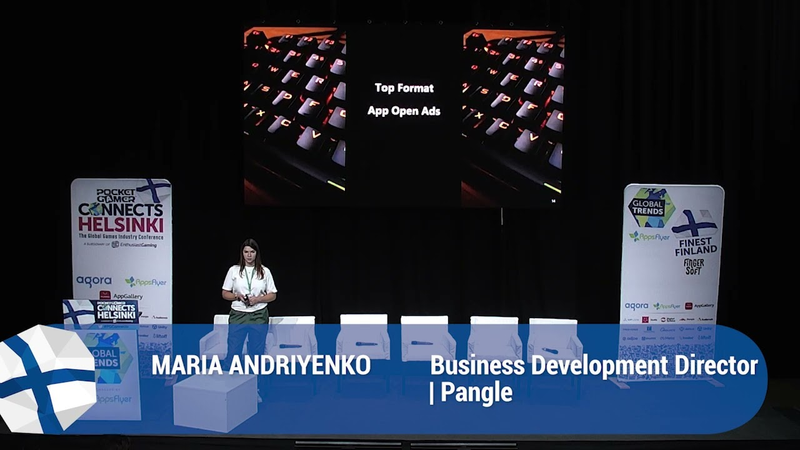
Emerging markets in the gaming industry, specifically across the Asia-Pacific (APAC), Middle East and North Africa (MENA), and Latin America (LATAM) regions, represent significant growth opportunities for publishers.
- Emerging markets in APAC, MENA, and LATAM now represent 58% of global gaming revenue, showing significant growth in both traffic and ROI compared to declining markets in North America and Europe.
- Gaming live stream revenue in Southeast Asia is projected to grow by 300% between 2020 and 2023, while China currently accounts for 50% of global live stream users.
- In Southeast Asia, gaming publishers should align user acquisition and ad spend with e-commerce mega-sale dates (9/9, 10/10, 11/11, and 12/12) to capitalize on increased ad request volume.
SHAREit is an accessible way to share digital content
SHAREit functions as a global peer-to-peer file-sharing platform designed to facilitate the seamless transfer of digital content, including documents, videos, and large mobile applications, between devices in close proximity.
- SHAREit is a global peer-to-peer file-sharing platform with approximately 2.5 billion users across 150 countries, supporting 45 languages.
- The platform facilitates offline file transfers using Wi-Fi and Bluetooth, allowing users to share large files like multi-gigabyte games without consuming mobile data.
- The service functions as a performance-based advertising channel for over 1,000 advertisers, currently hosting between 150 and 200 active gaming titles ranging from hyper-casual to mid-core.

Eric Kress on being misrepresented, pissing off sponsors, and why he can't be canceled
The gaming industry is currently undergoing a significant transition toward broad, social-interactive experiences that prioritize mass-market accessibility over speculative technologies like blockchain, which remain at least a decade away from meaningful scale.
- The gaming industry is shifting toward mass-market, social-interactive experiences, while speculative technologies like blockchain remain at least a decade away from meaningful scale.
- The mobile gaming sector faces a difficult 24-month outlook driven by market maturation and restrictive platform policies, such as those enforced by Apple.
- Lean development teams are currently finding the most success by refining established mechanics rather than pursuing high-risk innovation.

Don't Make My Job Easy: Effectively Pitching to Publishers
Securing a publishing partnership requires developers to treat the pitch process as a high-stakes sales funnel where initial impressions dictate long-term viability.
- Publishers evaluate pitches using two modes: the 'thinky brain' (analytical/logical) and the 'feely brain' (emotional/instinctual), with the latter being the primary driver for initial interest and excitement.
- Pitching is a marketing exercise where the goal is to trigger an immediate emotional response, as many publishers decide whether to pass on a game before even opening the pitch deck or playing the demo.
- Avoid front-loading technical or financial data; instead, lead with the game's core identity, such as a high-quality GIF or a 60-second trailer that immediately conveys the game's unique aesthetic and 'vibe'.
A Deep Dive into Web3 Game Publishing, Growth & UA - The Metacast by Naavik
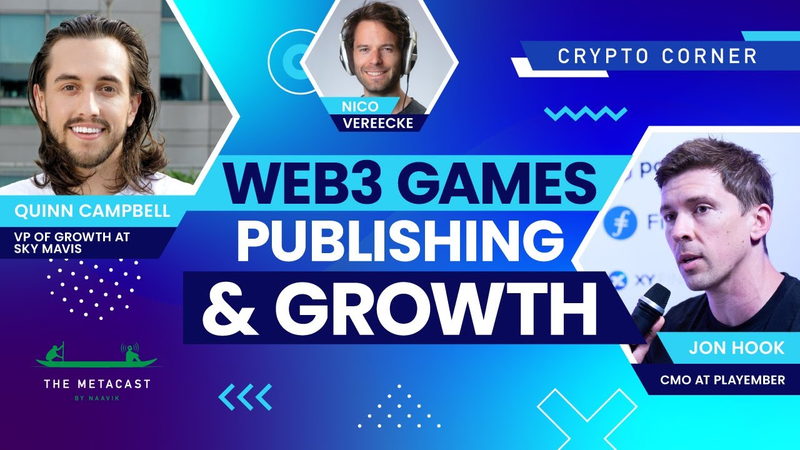
The landscape of game publishing is undergoing a fundamental transition from centralized Web2 models to decentralized, community-centric frameworks.
- Web3 gaming is shifting from centralized publishing models to decentralized frameworks that prioritize direct asset ownership and shared economic value between developers and players.
- Mass-market adoption strategies now focus on mobile-first, casual gameplay that masks blockchain complexity to remove high-friction entry barriers like wallet onboarding.
- Successful user acquisition in Web3 requires transitioning from traditional marketing to cultivating communities of co-owners who act as brand ambassadors through iterative development.

How to be a Great Product Manager | 4Ps PM Operating System (Saturday School #1)
The 4Ps Product Management Operating System provides a comprehensive framework for transitioning from a task-oriented organizer to a strategic leader capable of driving business growth within the games industry.
- Effective product management is defined by a personalized operating system—the 4Ps—that balances organizational constraints with individual agency rather than relying on standardized industry tools.
- The 4Ps framework consists of four hierarchical layers: philosophy (focus and risk management), personality (persistence and transparency), process (workflow optimization), and practice (execution).
- Product managers must adopt an offensive mindset that prioritizes deep work and the systematic dismantling of organizational inefficiencies, such as political pre-meetings.
Fireside Chat: The Future of Mediation: Created & Run by Publishers
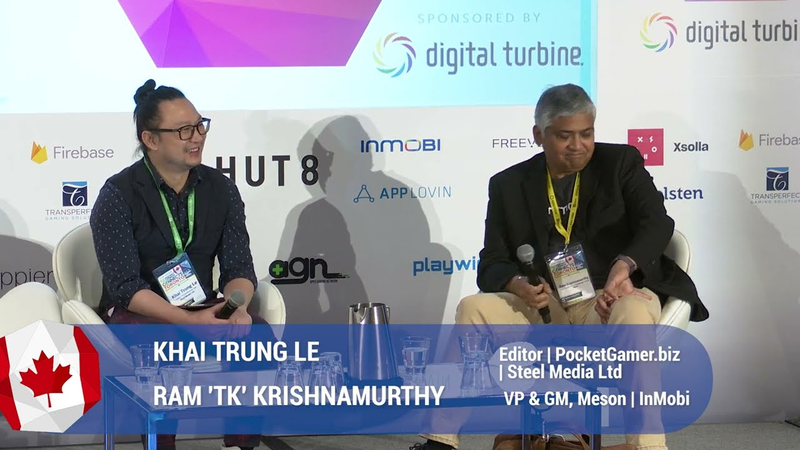
The future of mobile ad mediation is increasingly defined by a shift toward publisher-centric models, as developers seek greater transparency, control, and independence from the traditional black-box solutions that have dominated the market.
- Mobile publishers are shifting away from opaque, black-box mediation toward publisher-centric models that prioritize transparency, control, and data integrity.
- While large studios are building proprietary in-house mediation layers, the broader market is demanding third-party platforms that offer better yield optimization without compromising user retention.
- Mediation platforms are increasingly expected to move beyond simple ad-fill optimization to provide specialized solutions tailored to specific game genres, streaming platforms, and emerging formats like in-game audio.
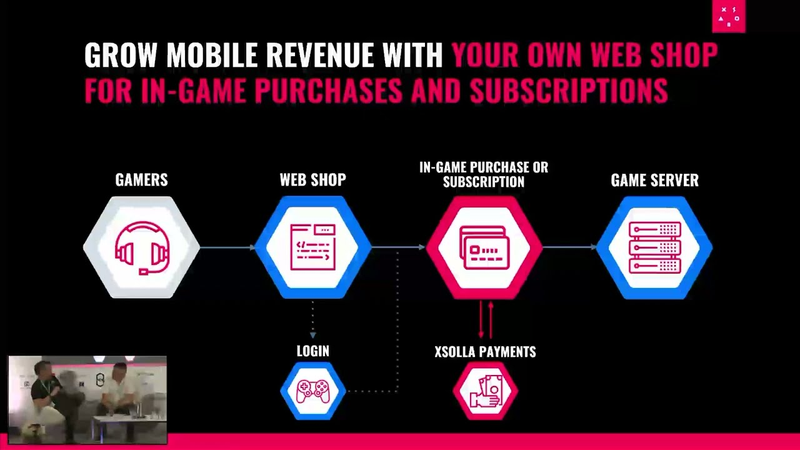
Game Commerce: The Elephant in the Room Devs Are Not Always Thinking About.
The presentation, delivered at Pocket Gamer Connects Toronto 2022, addresses the critical role of game commerce as a frequently overlooked component of long-term studio success.
- Relying exclusively on Apple and Google app stores limits revenue potential due to platform fees that can reach 30% of total earnings.
- Implementing independent web-based stores and direct-to-consumer funnels allows developers to retain a larger share of revenue, which can be reinvested directly into user acquisition.
- Integrating independent payment solutions enables access to unbanked populations and global markets by supporting hundreds of payment methods not available through standard app stores.